
Web
Next.js
A modern web technology for fast, search-friendly websites, online stores and web applications that load quickly on mobile.
Used for
- Business websites
- Online stores
- Web apps
- Customer portals
AI SaaS development
Multi-tenant SaaS products with AI at their core, built with tenant isolation, usage metering, model routing, evaluation and subscription billing.
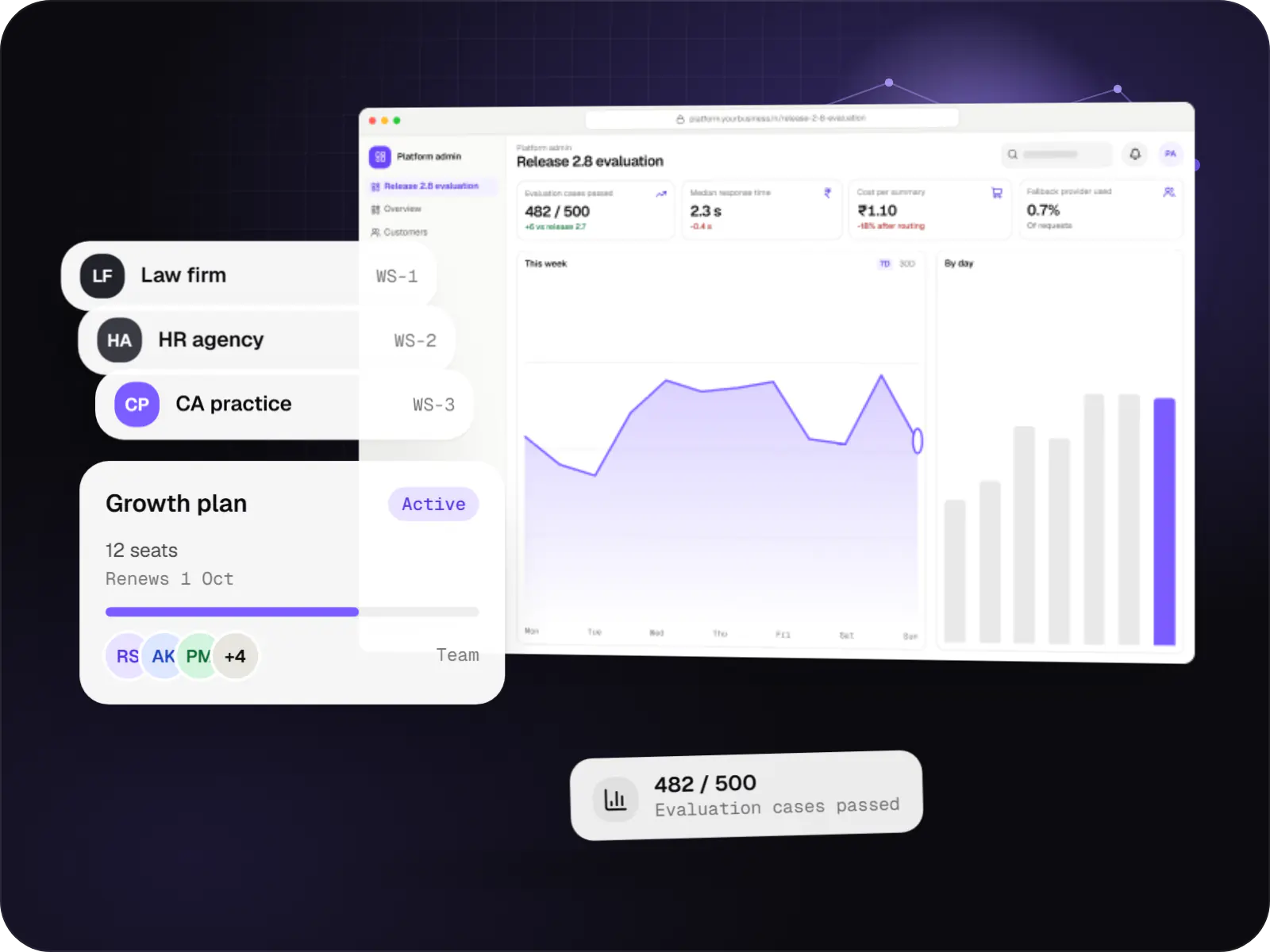
At a glance
How to start
Tell us what you need in your own words. You talk to the developers who would build it and get a written, line-item estimate.
Get a project estimateAn AI SaaS demo can be built in days. A product that survives paying customers needs per-tenant data isolation, prompt and model versioning, evaluation on every release, fallbacks when a provider is slow, and visibility into what each customer costs to serve.
We usually start with an MVP around one workflow your target customer pays for, instrumented from day one for usage and quality. Then we harden the platform with SSO, roles, audit logs, data export and deletion as buyers move from early adopters to procurement-led teams.
Challenges
Heavy users on flat plans can cost more to serve than they pay.
A prompt tweak or model update fixes one case and breaks three others.
Buyers ask where data goes and how tenants are isolated.
An outage or price change at one model provider hits every customer at once.
What is included
Platform: Web app
Platform: Backend services
Platform: Web app and admin
Platform: Admin dashboard
How it works
Every request is checked against the customer’s plan, kept inside their own data and counted towards their bill.
Email, Google, Microsoft or company single sign-on places them in their own organisation’s workspace, with their role applied.
Before any AI call, the tenant’s plan, credits and limits are checked, so heavy use never surprises you or your customer.
Simple steps go to a small, cheaper model and hard ones to a larger one, with a fallback provider if the first is slow or down.
Search runs in the tenant’s own index and storage area, so one customer’s files can never surface in another’s results.
Response time, model cost and quality signals are logged per tenant, and the usage is added to that customer’s meter.
Seat fees and usage are billed each cycle, by UPI AutoPay or card in India and by card overseas, with GST invoices where they apply.
Integrations
Behind one internal interface for comparison and swaps.
Model access inside a cloud account, subject to regional availability.
Subscriptions, UPI AutoPay mandates and payment links.
Card and usage-based billing for overseas customers.
Traces, prompt versions, evaluations and cost.
SSO, MFA and enterprise identity providers.
Privacy & security
Separate retrieval namespaces, storage prefixes and row-level security, with cross-tenant access tests.
Provider settings and contracts keep tenant data out of model training.
Indian cloud regions by default; self-hosted models for customers who need data kept in-region.
Consent, retention, deletion and breach response designed in from the start.
Platforms
A web app your customers log in to, a marketing website that sells it, and an internal admin dashboard for tenants, billing and quality.
Browser-based applications with logins, roles and workflows, such as customer portals, SaaS products and internal tools.
Back-office panels for operations, support and finance teams: orders, users, content, reports and permissions.
Marketing and content websites: fast, search-friendly pages with a CMS your team can update without a developer.
Technology
Next.js and React for the product customers use, NestJS and Python for the AI pipeline, PostgreSQL and Redis for tenant data and quotas, and Razorpay or Stripe for subscriptions.
Web
A modern web technology for fast, search-friendly websites, online stores and web applications that load quickly on mobile.
Used for
Web
Builds interactive screens in the browser, such as dashboards, admin panels and portals, that respond instantly as your team works.
Used for
Backend
A structured way to build back ends on Node.js, so large business systems stay organised, testable and easy to hand over.
Used for
Backend
A programming language for AI features, data processing and automation: the engine behind document reading, reports and smart search.
Used for
Adds AI features such as chat assistants, document summaries and smart search to your product, built on OpenAI models with human review.
Used for
Connects your product to AI language models from several providers, so each task uses a suitable model and you can switch later.
Used for
Data
A reliable database for the records your business runs on: orders, payments, bookings and stock, kept accurate and easy to report on.
Used for
Data
Keeps frequently used data in fast memory, so apps stay quick on busy days and live features like order tracking feel instant.
Used for
Payments & maps
Lets customers in India pay by UPI, cards, netbanking or wallets, and handles subscriptions, refunds and payouts to sellers or partners.
Used for
Payments & maps
Accepts card payments and subscriptions from customers outside India, in many currencies, with automatic invoices and renewals.
Used for
Cloud & DevOps
Cloud hosting for your app, website and data, with data centres in India and room to grow when traffic rises.
Used for
Cloud & DevOps
Packages your software so it runs the same way on every laptop and server, which makes releases predictable and moving hosts easier.
Used for
Plain-English glossary
Product preview
Illustrative screens, using a contract-summary SaaS product sold to law firms and in-house legal teams as the example.
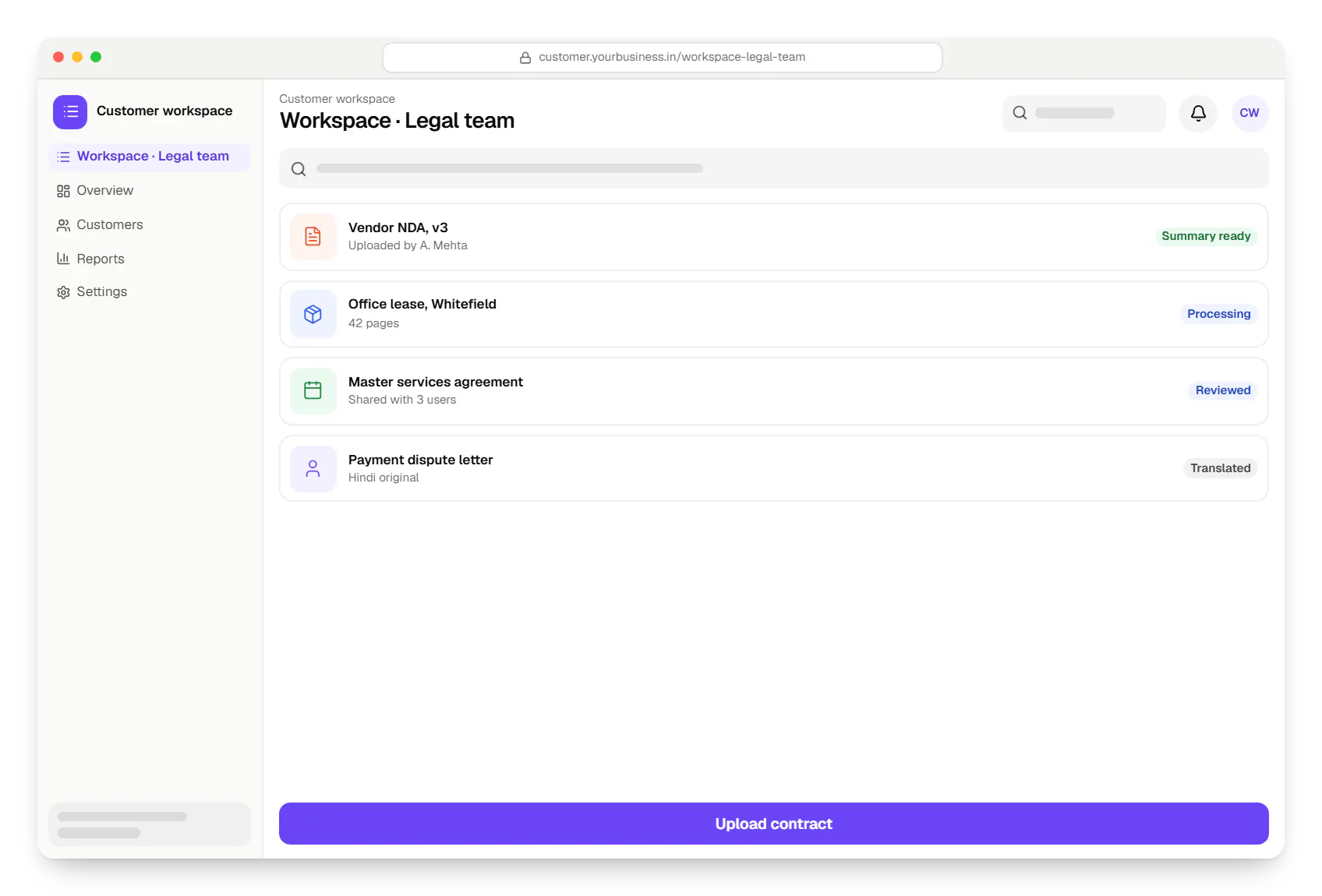
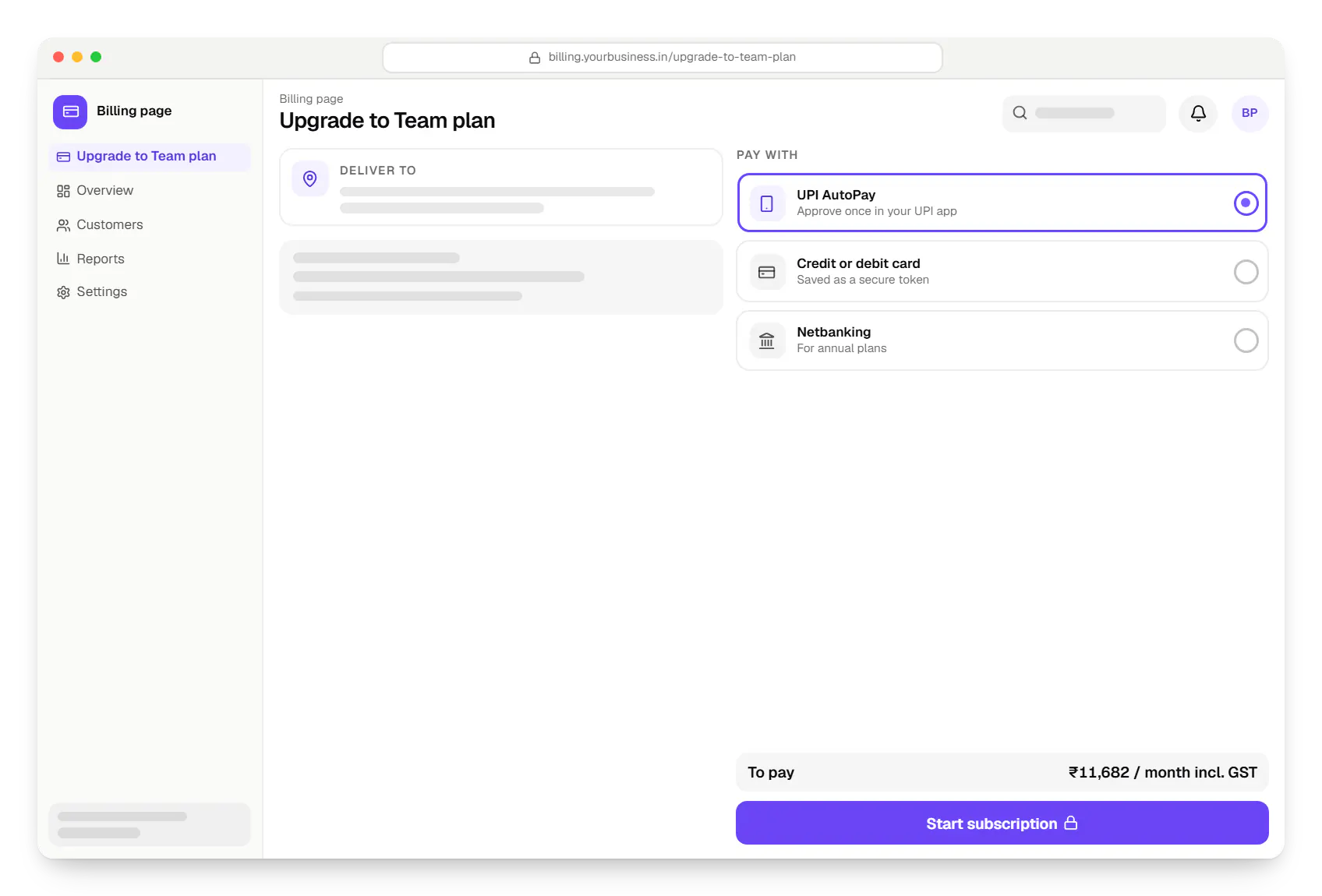
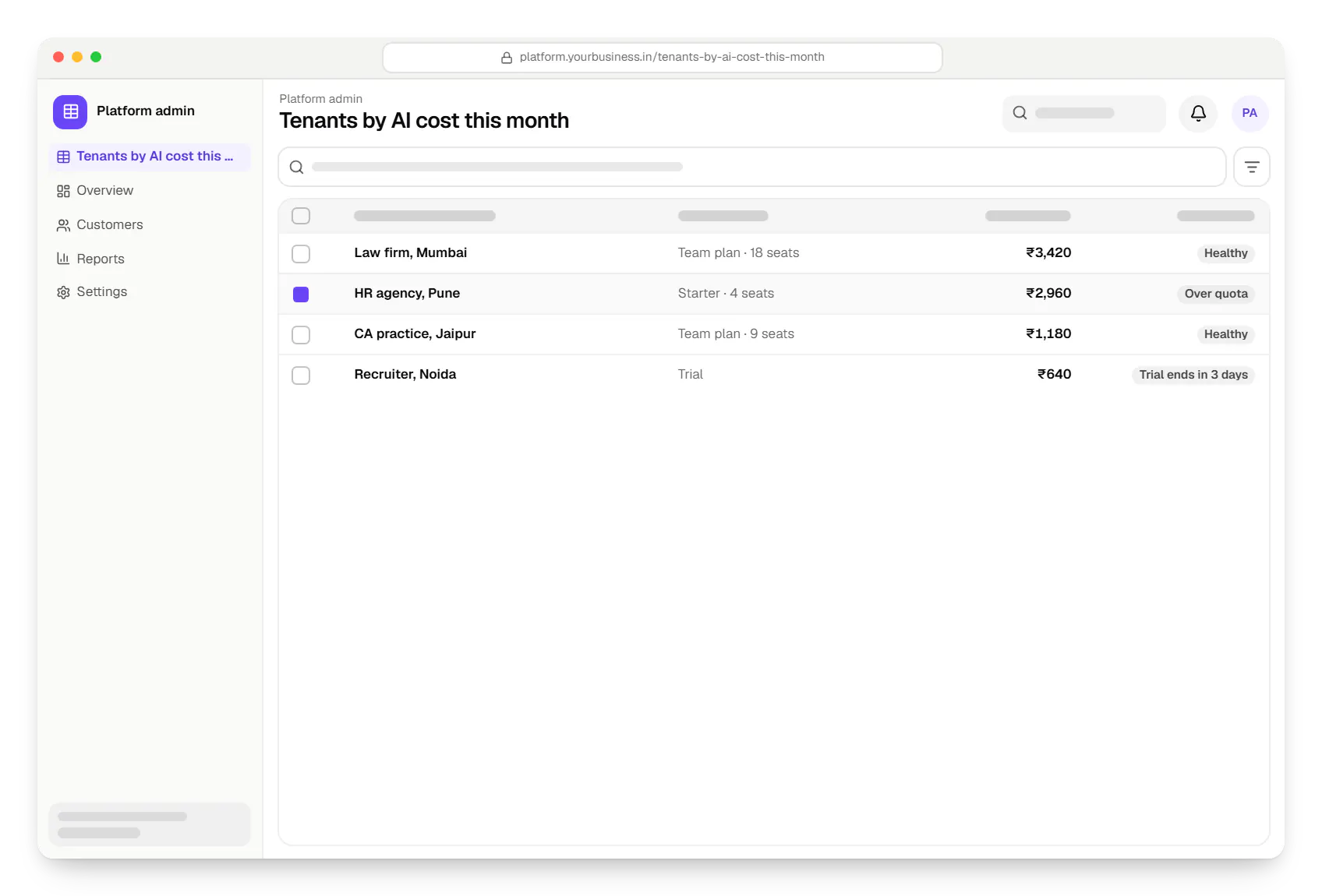
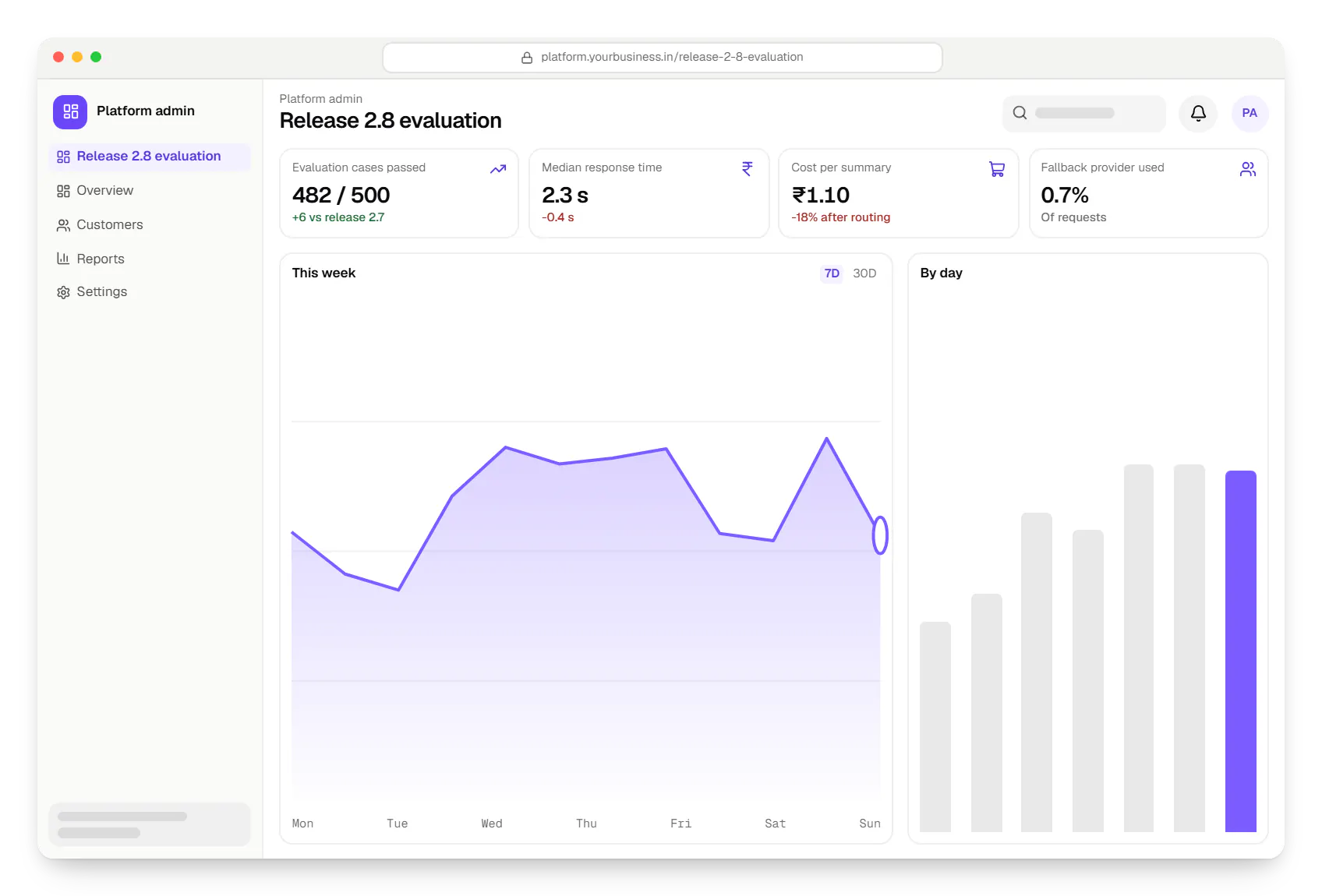
Sample screens: names, prices and figures are examples, not client data.
Industries
Services
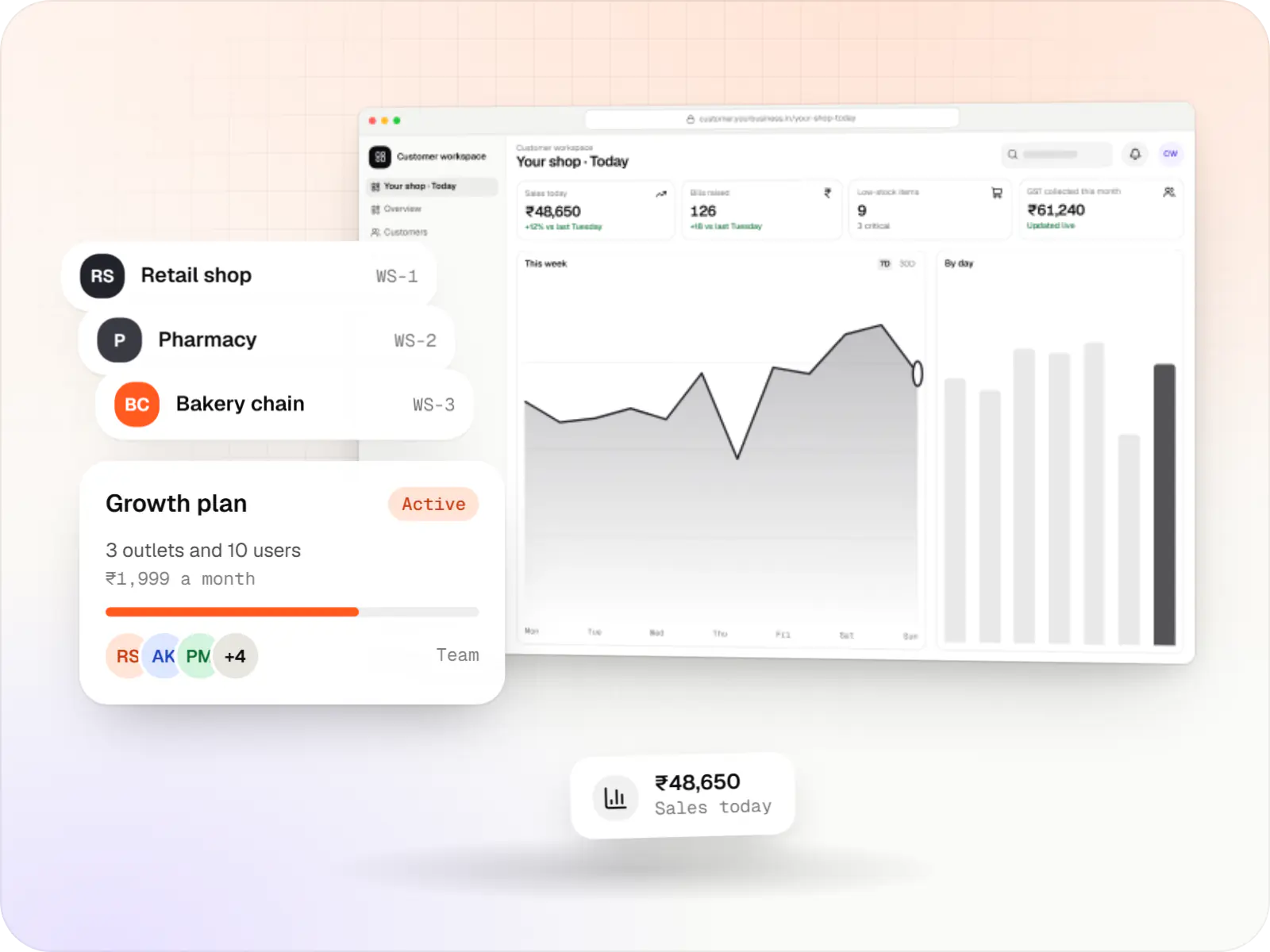
Multi-tenant SaaS products with subscription billing, team roles, onboarding and usage analytics, from first MVP to paying customers.
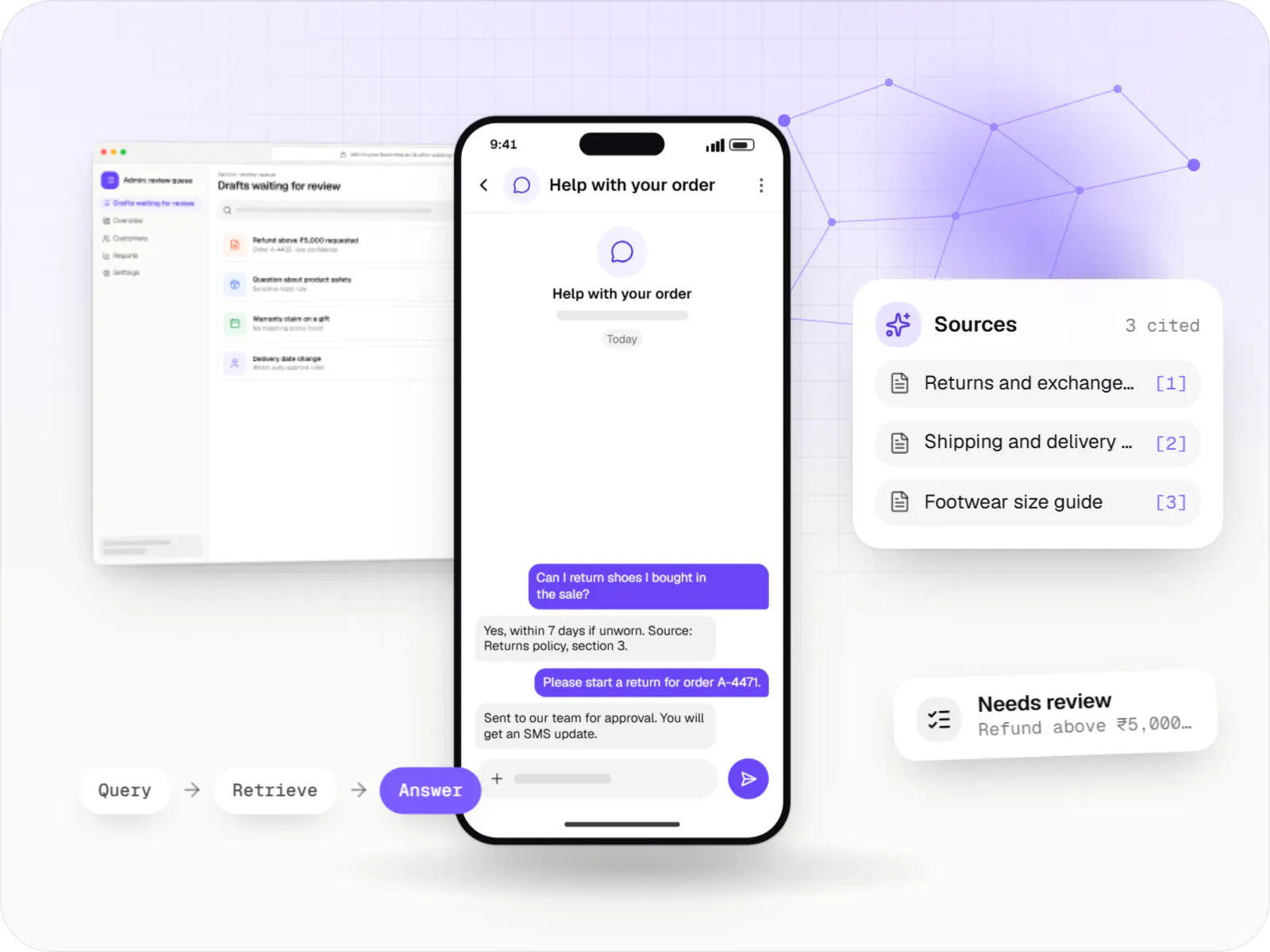
AI features and AI-first apps built on model APIs, retrieval over your own data, workflow automation or custom ML, with evaluation and human review.
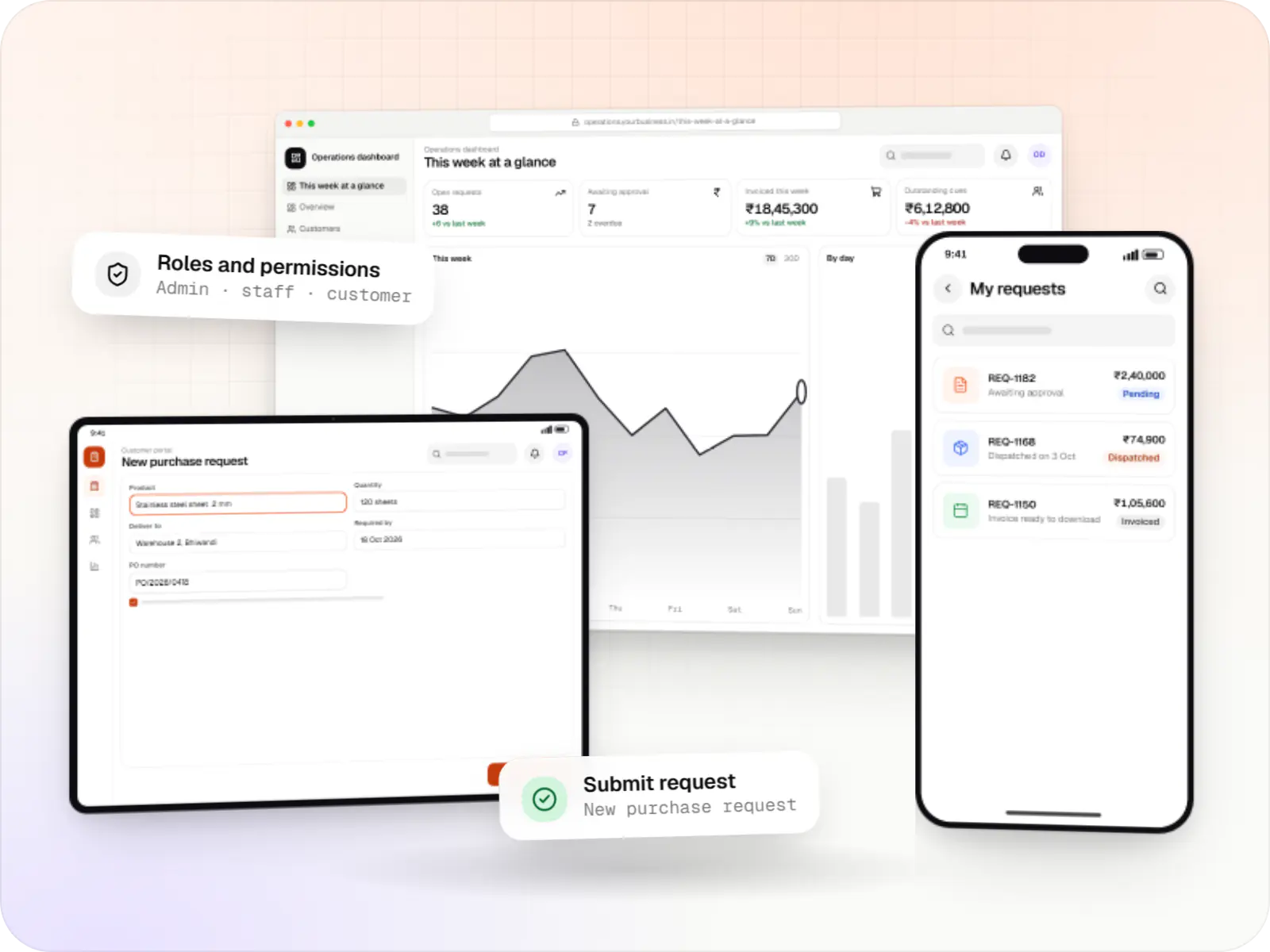
Browser-based products, customer portals, dashboards and internal tools, built on clean data models with secure roles and integrations.
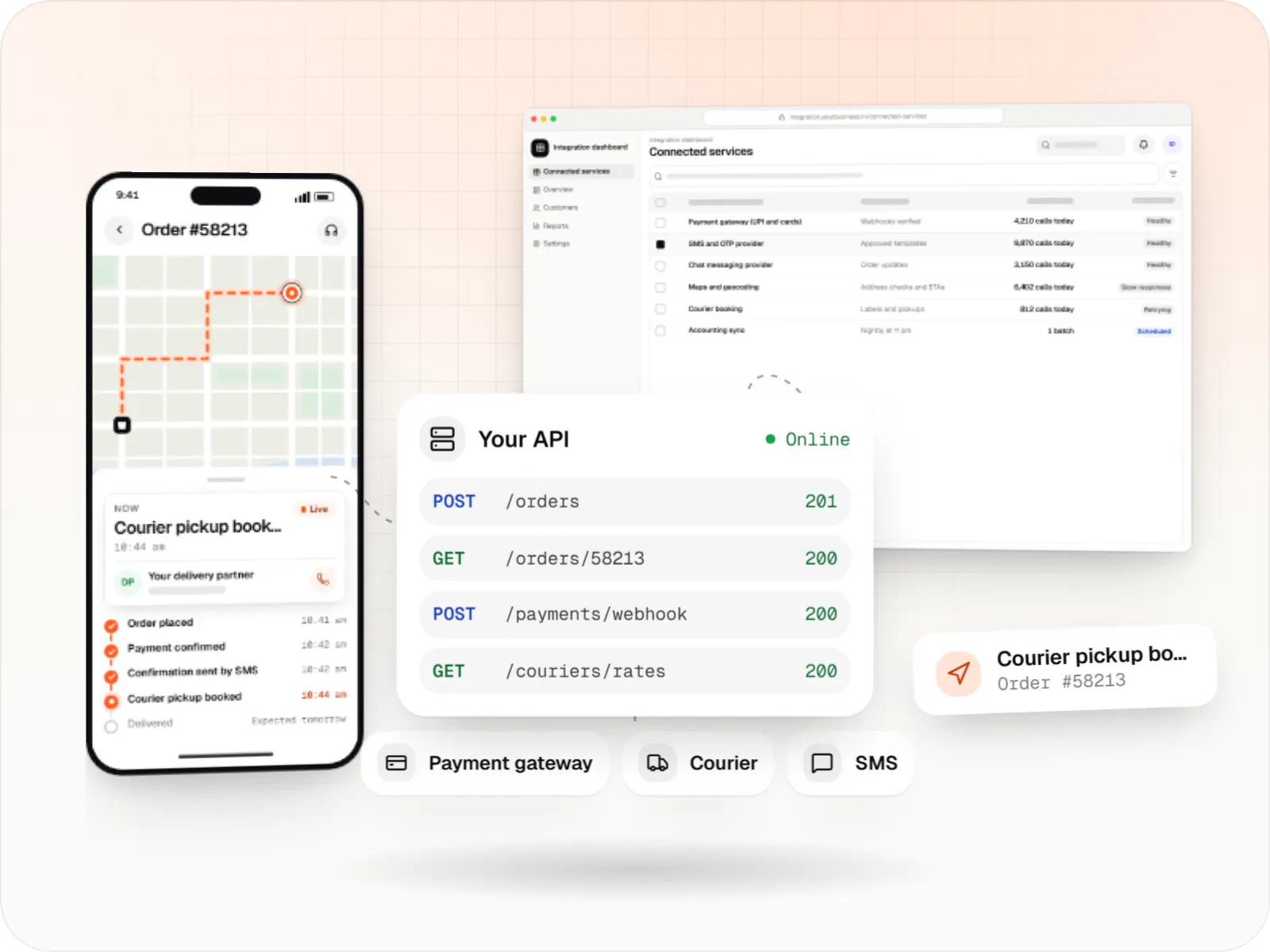
Secure, documented REST and GraphQL APIs, plus integrations that connect your apps to payment, logistics, GST, messaging and business systems.
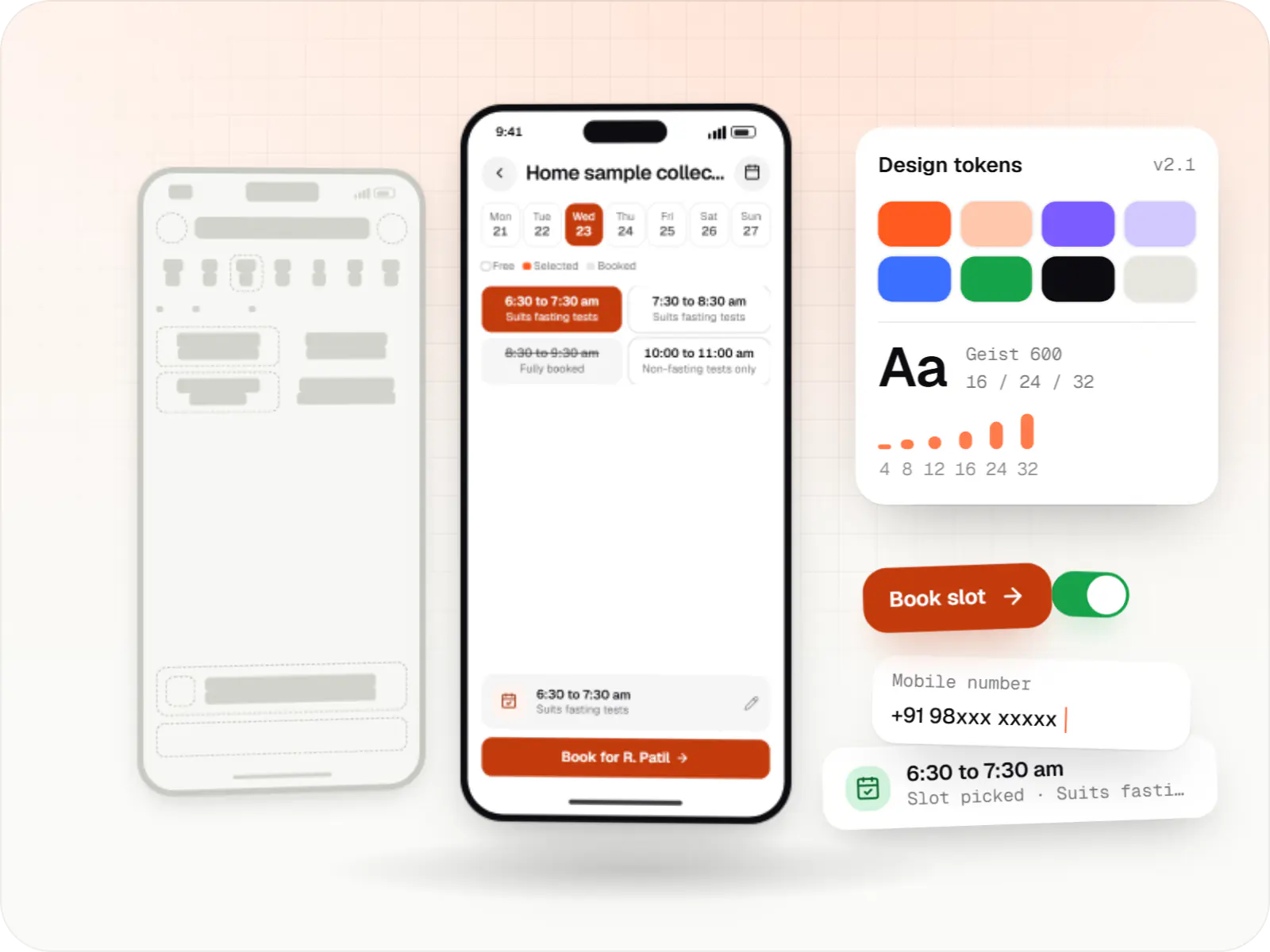
Product design for web and mobile apps: research, user flows, wireframes, prototypes and design systems that engineers can build from.
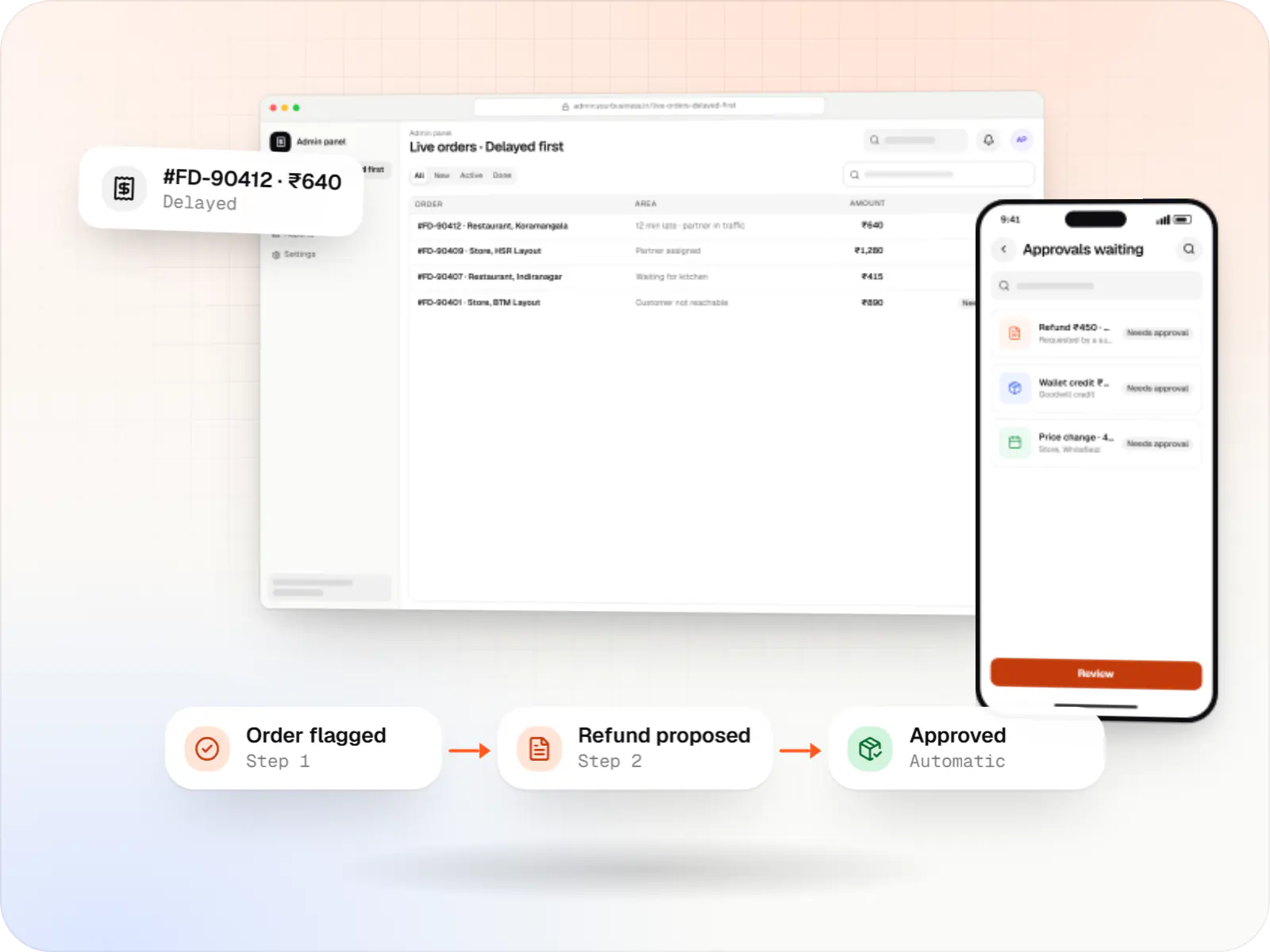
Back-office dashboards built around your team's daily tasks: order queues, approvals, catalogue management, payouts, reports and audit logs.
Cost drivers
One workflow for one customer type is far smaller than a multi-feature platform.
Shared infrastructure costs less than dedicated deployments per enterprise customer.
Seat plans are simpler than usage metering with quotas, overages and two currencies.
SSO, audit logs, custom retention and self-hosting usually come after early customers.
Automated evaluation and tracing add upfront effort and make releases safer.
Estimates are written from your scope, with the effort and assumptions behind each line item.
How pricing worksFAQ
Measure cost per unit of value, such as per document, report or active seat, during the pilot rather than guessing from token prices. Common patterns are seat plans with fair-use quotas, credit bundles, or usage tiers with overages. Routing simple steps to smaller models and caching repeated results keeps costs predictable enough to price with a margin.
Most AI SaaS products start with hosted APIs for speed and quality, then add open-source models for cost, data residency or enterprise deals. We design the pipeline so each task calls a model through one interface, with evaluation sets to compare options. Moving a high-volume step to a smaller open model, or offering a self-hosted deployment, then becomes a contained project rather than a rewrite.
A focused MVP with sign-up, one core AI workflow, basic billing, an admin view and evaluation tooling typically takes ten to sixteen weeks. Integrations with customers’ systems, several AI workflows, enterprise SSO or mobile apps extend that. We usually suggest launching to a few design partners first and adding enterprise features once real buyers ask for them.
Yes. Razorpay and other Indian gateways support recurring payments through UPI AutoPay and card e-mandates. RBI’s recurring-payment rules add pre-debit notifications and extra authentication above certain amounts, which the gateway handles and your billing logic must respect. We also generate GST-compliant invoices and handle plan changes, proration and failed-payment retries.
Next step
Tell us who pays, for which workflow, and what good output looks like. We will outline an MVP and its AI cost per customer.