Skip to content
Softcoderz

Technology · Backend

Python® development

A programming language for AI features, data processing and automation: the engine behind document reading, reports and smart search.

How we use it

Python is our choice when a back end is mostly about data, such as document processing, AI pipelines, reporting and automation, built with FastAPI or Django.

Official site: python.org (opens in new tab)

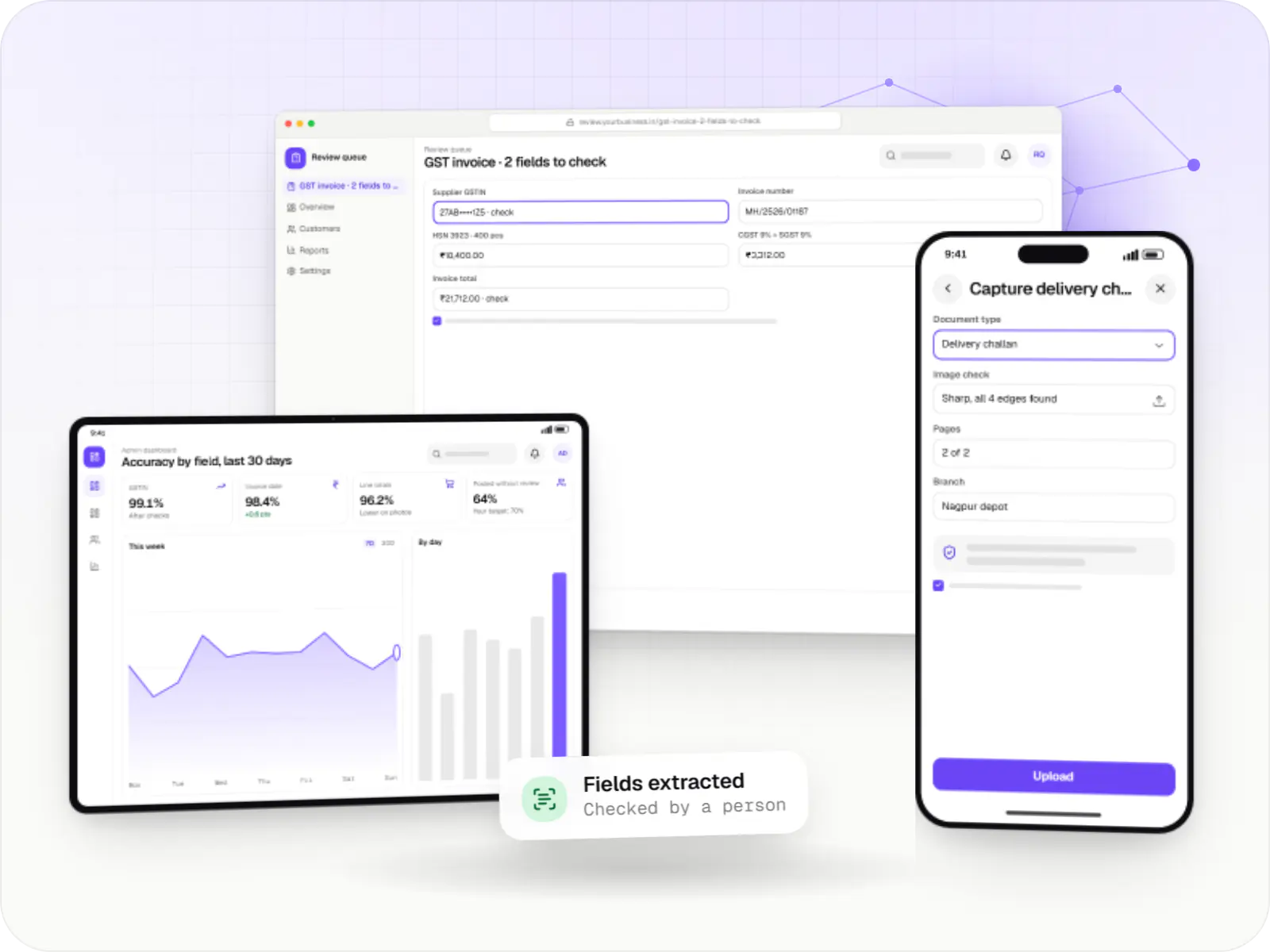
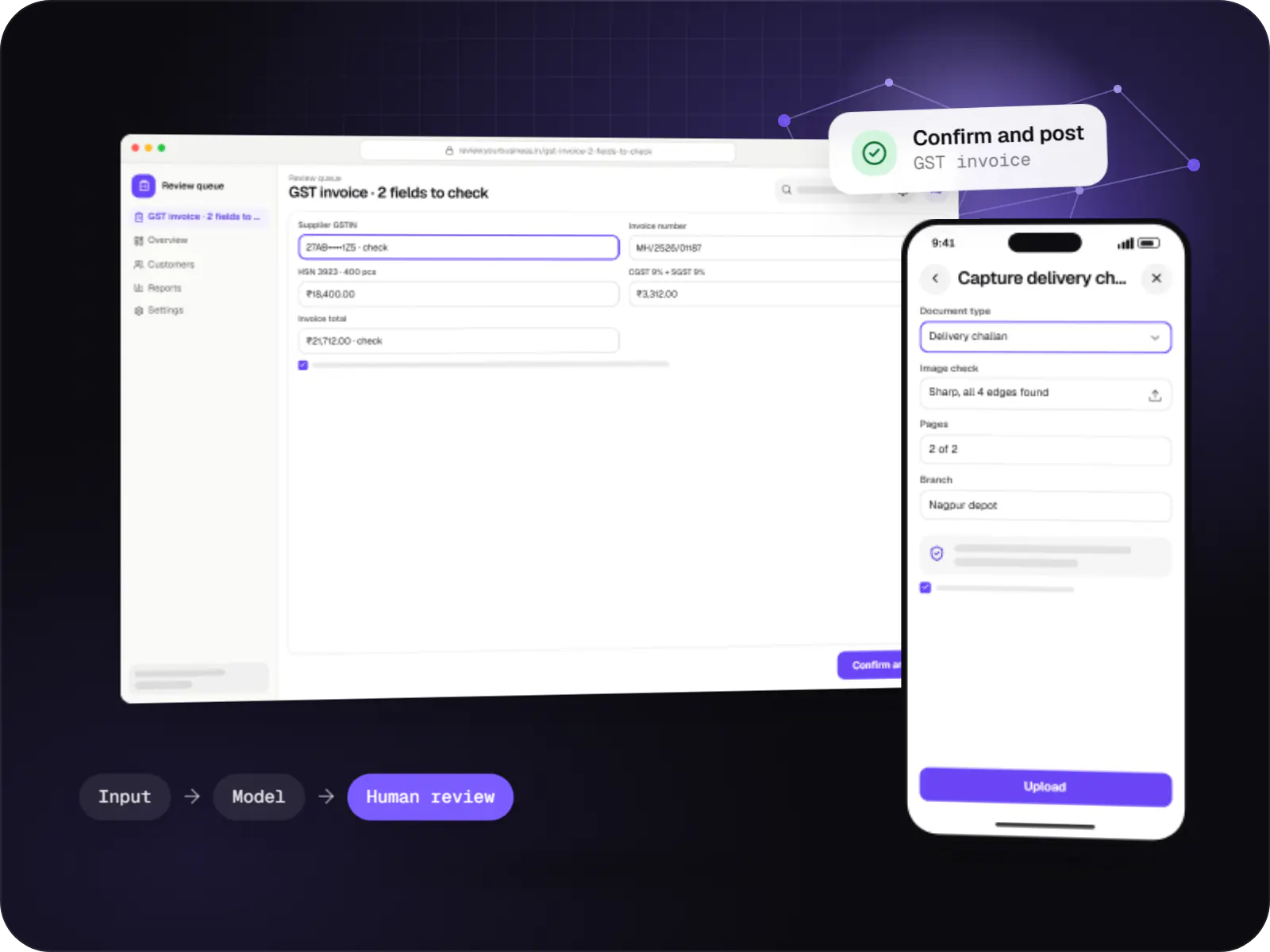
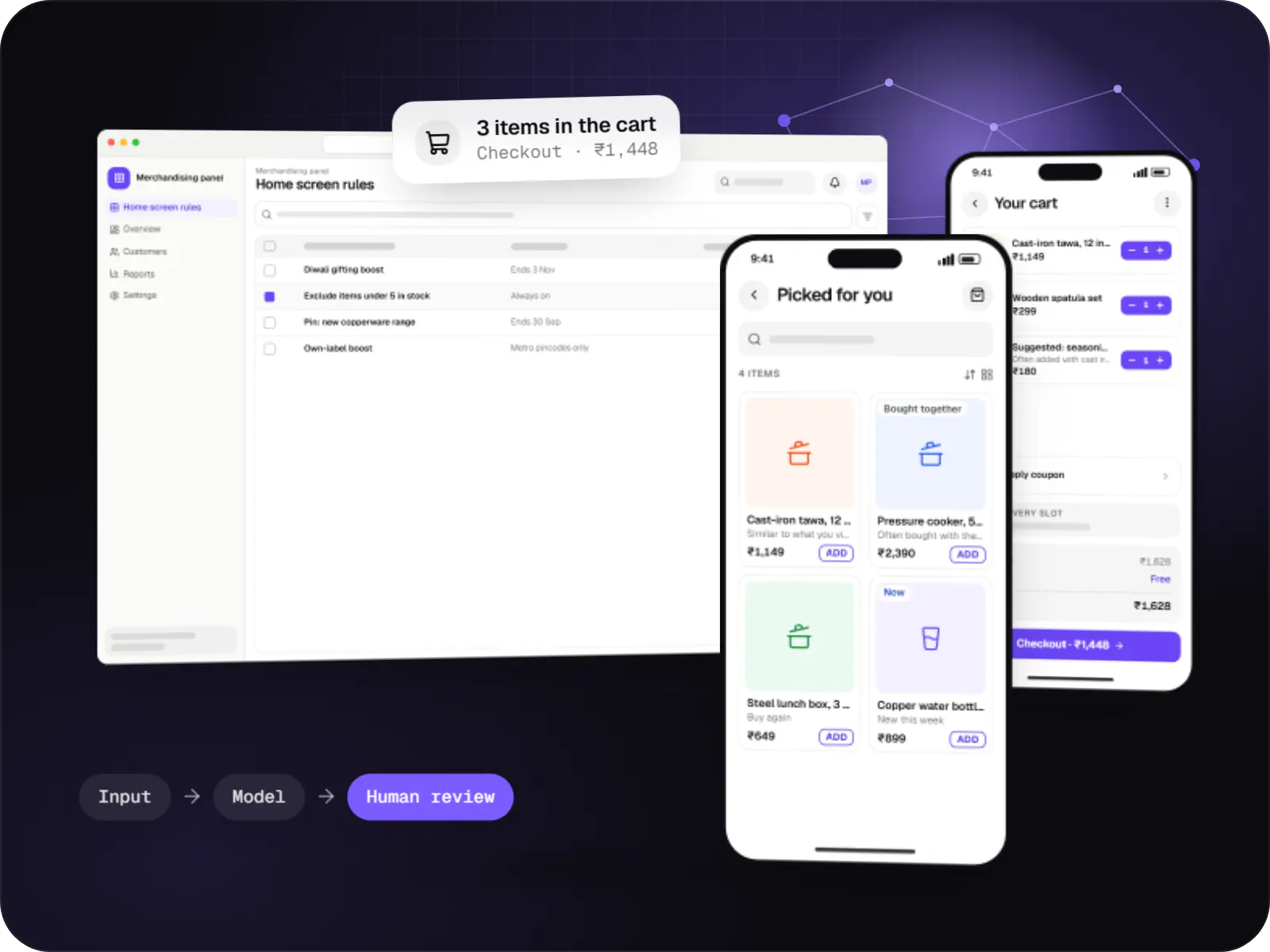
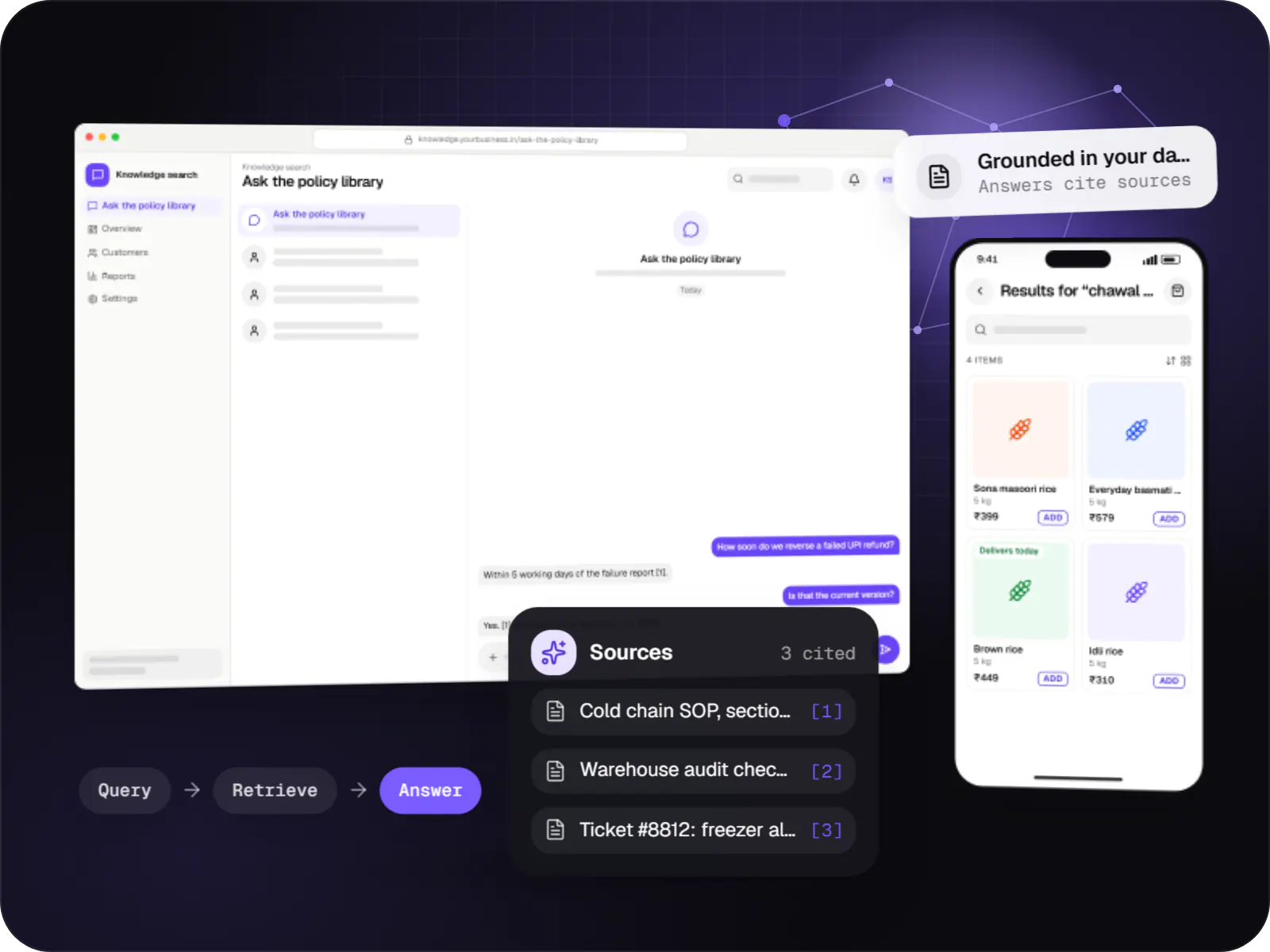
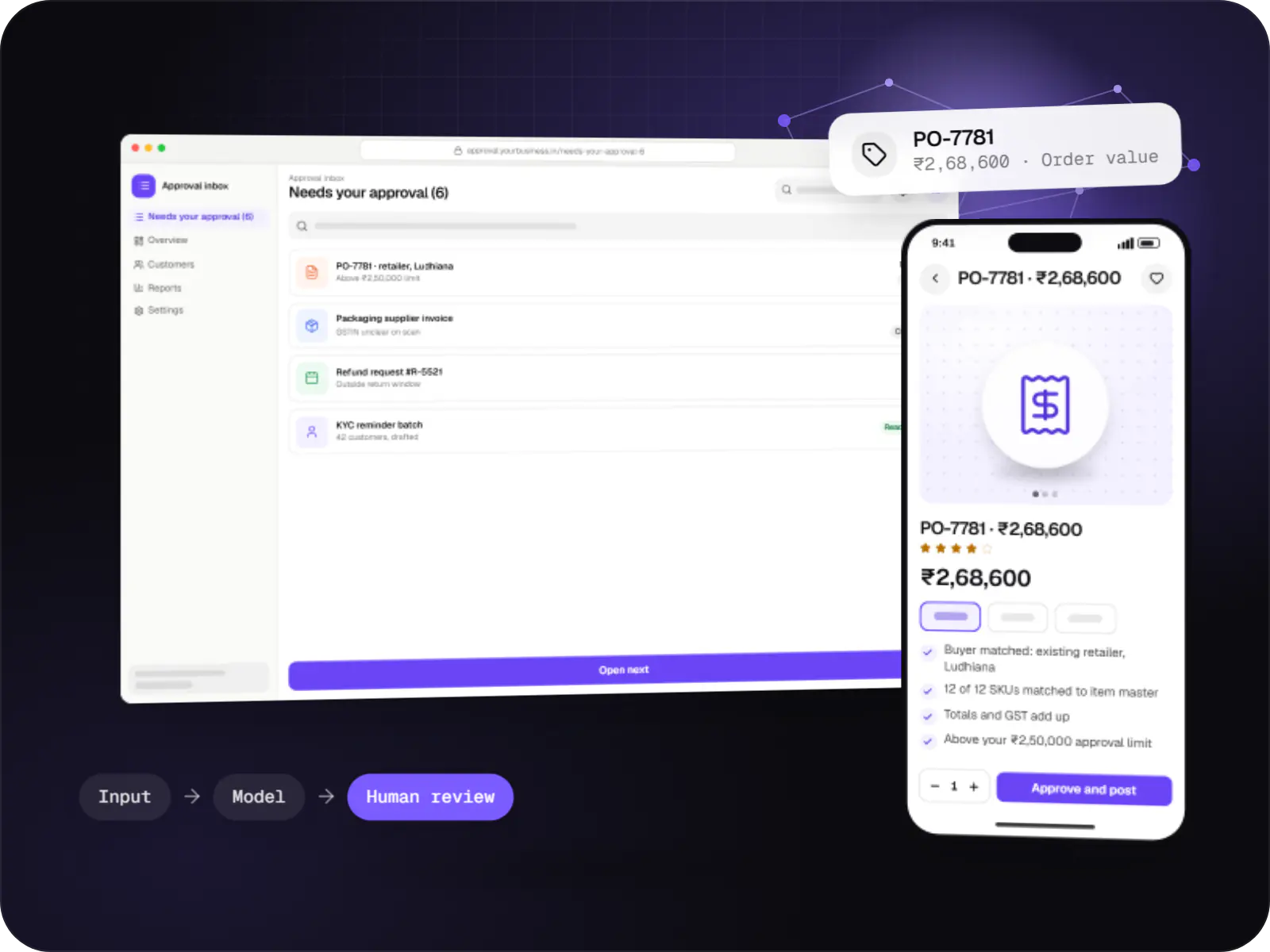
Python data work: invoice fields extracted for review, a field capture app and an accuracy dashboard
Illustrative previewData work in Python: reading fields from documents and turning records into a forecast.

What Python is, and where it earns its place

Python is a popular programming language for working with data and AI. It has ready-made tools for reading scanned documents, analysing sales figures and connecting to AI models. For you, it is the practical choice when a feature is mostly about data: extracting details from invoices, producing reports or answering questions from your own documents.

Python has a deep ecosystem for working with data and models: pandas for analysis, PyTorch and scikit-learn for machine learning, OCR and PDF libraries for documents, and official SDKs for most AI providers. Django adds a mature admin and ORM for data-heavy business apps.

Use cases

What we build with Python

  • AI and RAG pipelines

    Document ingestion, embeddings, retrieval and evaluation.

  • Document processing

    Data extracted from invoices, forms and statements for review.

  • Data and reporting services

    Scheduled reports, reconciliations and exports.

  • FastAPI microservices

    Typed, documented APIs for models and data jobs.

  • Django business apps

    Data-heavy internal tools with a built-in admin.

Why Python matters for data and AI work

  • Data tools in one language

    Analysis, OCR and machine learning libraries work together, so fewer systems are needed.

  • Direct AI provider support

    Official clients for the major model APIs shorten AI integration work.

  • Readable code

    Data scientists and engineers can review the same code, which reduces misunderstandings.

  • Long jobs in the background

    Celery or similar task queues run long-running jobs without slowing the app.

When we would not recommend Python

  • APIs that mainly move data between apps and a database: Node.js is often just as good and shares code with our front ends.
  • Real-time features such as live tracking or chat: Node.js handles many open connections more naturally.
  • CPU-heavy work without planning: heavy Python work needs care with concurrency, which we handle with task queues and separate worker processes; skipping that makes the system slow under load.

Plain-English glossary

Python and data terms, in plain English

OCR
Optical character recognition: software that reads text from scans and photos, such as invoices or forms. It turns paper into data your systems can use, with a person checking unclear fields.
RAG (retrieval-augmented generation)
A way of making an AI assistant look up passages from your own documents before it answers, so replies are based on your policies rather than general knowledge.
Machine learning model
Software trained on examples to spot patterns, such as predicting demand from past sales. Custom models need good historical data, so we check what you have first.
FastAPI and Django
Two Python frameworks. FastAPI suits small, fast services such as a document-reading API; Django suits larger business apps that need user management and an admin screen.

Services

Services that draw on Python

  • AI app development

    AI features and AI-first apps built on model APIs, retrieval over your own data, workflow automation or custom ML, with evaluation and human review.

  • API development

    Secure, documented REST and GraphQL APIs, plus integrations that connect your apps to payment, logistics, GST, messaging and business systems.

  • Custom software development

    Software shaped around how your business runs, from approvals and inventory to billing and reports, replacing spreadsheets and disconnected tools.

Solutions

Python-based solutions

  • AI document processing

    Data extraction from invoices, KYC documents, statements and forms into your systems, with validation rules and human review for uncertain fields.

  • AI recommendation systems

    Product, content and offer recommendations built from your behavioural data, with business rules, cold-start handling and A/B testing.

  • AI search & knowledge systems

    Search and question-answering over your documents, tickets and product data, with hybrid retrieval, citations and permission-aware results.

  • AI workflow automation

    Automations for repetitive back-office work, with AI steps that read, classify and draft, and approvals where decisions matter.

Work

Sample projects

Illustrative projects that show how we plan and build products that use Python. They are samples, not client work.

  • AI solutions

    Illustrative sample

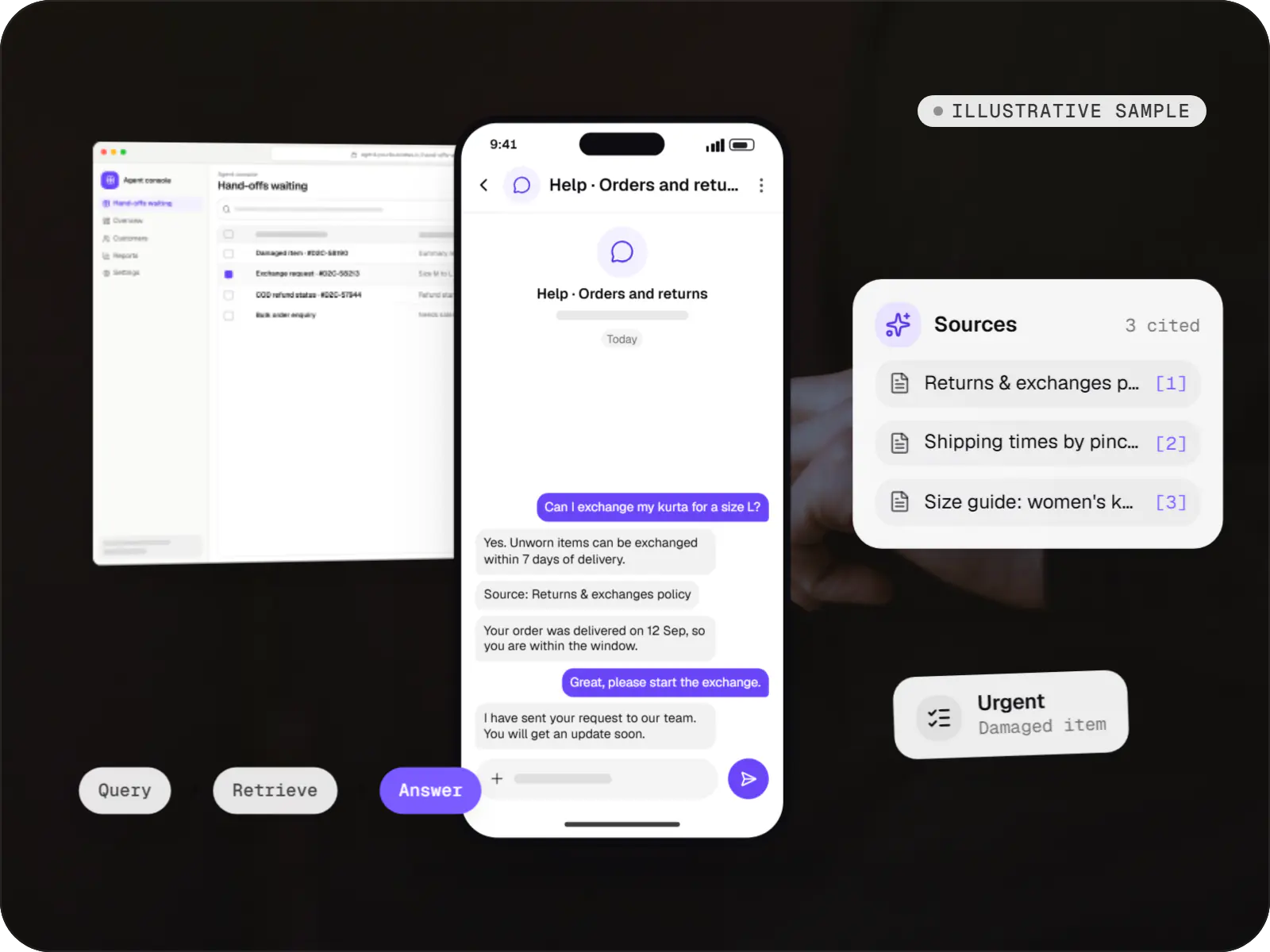
    AI customer support assistant for a D2C brand

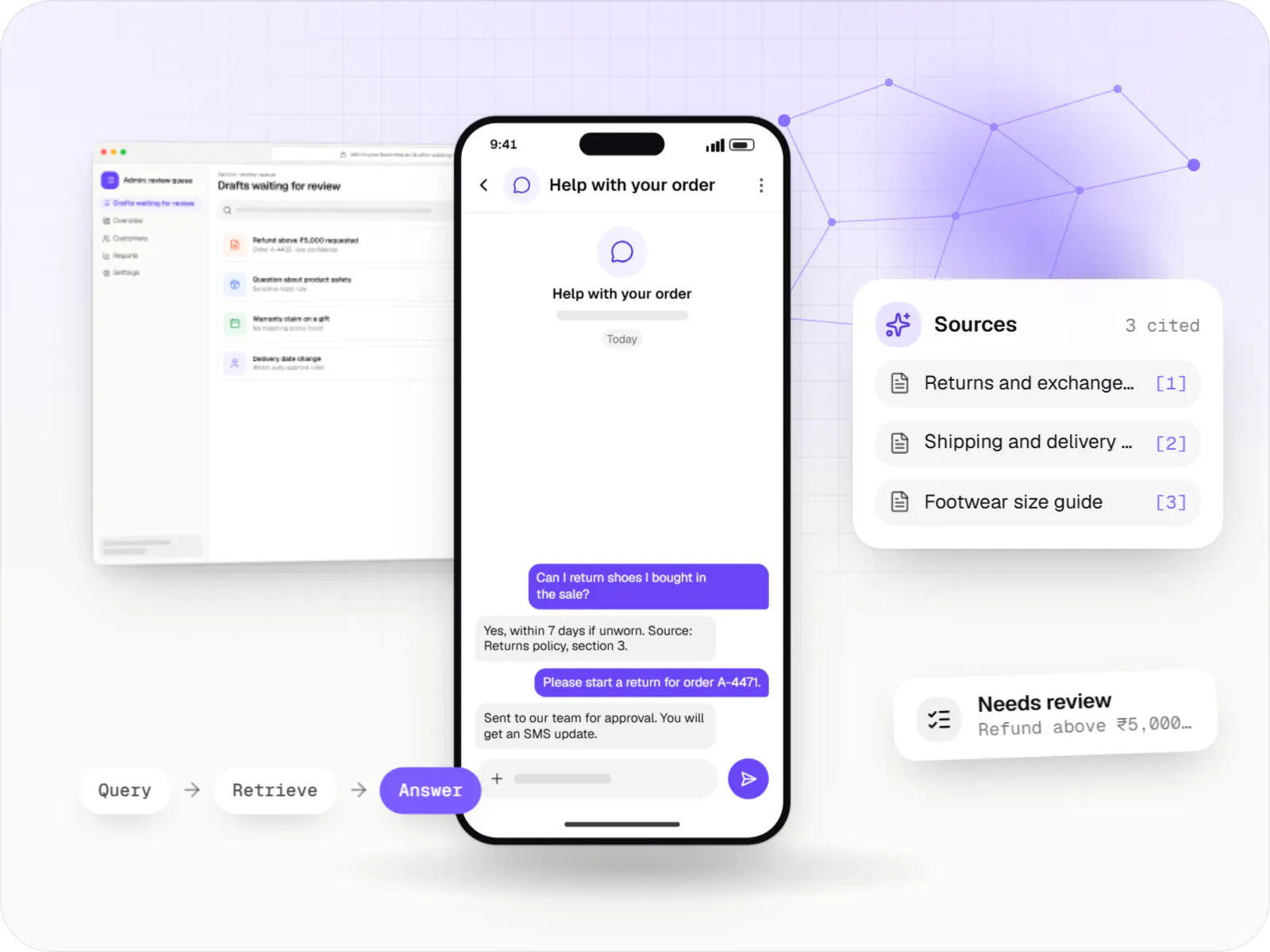
    An illustrative AI assistant that answers order, return and product questions from a D2C brand's own policies and order data, with sources and a human hand-off.

    • E-commerce
    • AI assistant

    Runs on

    • Website
    • Admin

    Built with

    • Next.js
    • Python
    • OpenAI APIs
    • LLM integrations
    • PostgreSQL
    • +1 more

FAQ

Frequently asked questions

Should we use FastAPI or Django?

FastAPI suits focused services such as a model endpoint, a document-processing API or a data service, where you want speed, type hints and automatic documentation. Django suits larger business applications with many related tables, user management and an admin interface out of the box. Both are mature, and we sometimes use both in one system, each for the part it handles well.

Can Python services work alongside our existing Node.js or PHP system?

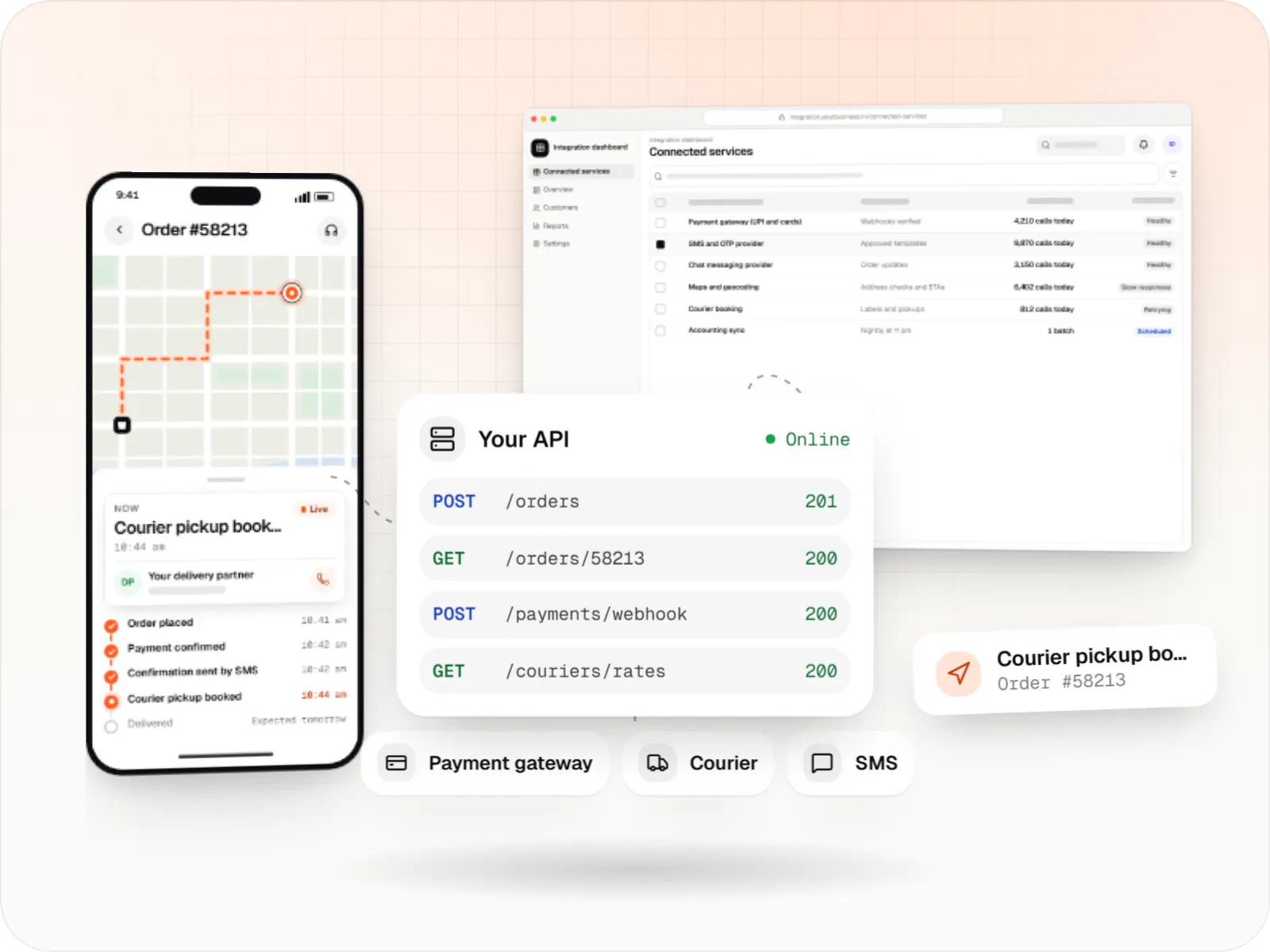
Yes. We usually deploy Python as a separate service that your main application calls through an API or a job queue. For example, your Node.js or PHP app uploads a document, a Python worker extracts the data, and the result comes back through a webhook or a shared database table. Each part stays in the language that suits it.

Do you build custom machine learning models in Python?

When the problem calls for it. Many business needs, such as classification, extraction or search, are now met by existing model APIs or fine-tuned open models, which are faster to deliver. Custom models make sense for specialised data, such as demand forecasting from your own sales history. We'll explain the options, the data needed and how accuracy would be measured first.

Next step

Have a data or AI problem to solve?

Describe the data you have and the outcome you want, and we'll suggest a practical approach.

Or reach us directly

Mon–Sat, 10:00–19:00 IST