




Backend
NestJS
A structured way to build back ends on Node.js, so large business systems stay organised, testable and easy to hand over.
Used for
- Business app back ends
- SaaS platforms
- Marketplaces
- Admin panel back ends
Finance
Origination, servicing and collections software for NBFCs, microfinance institutions and digital lenders working within RBI's digital lending guidelines.
At a glance

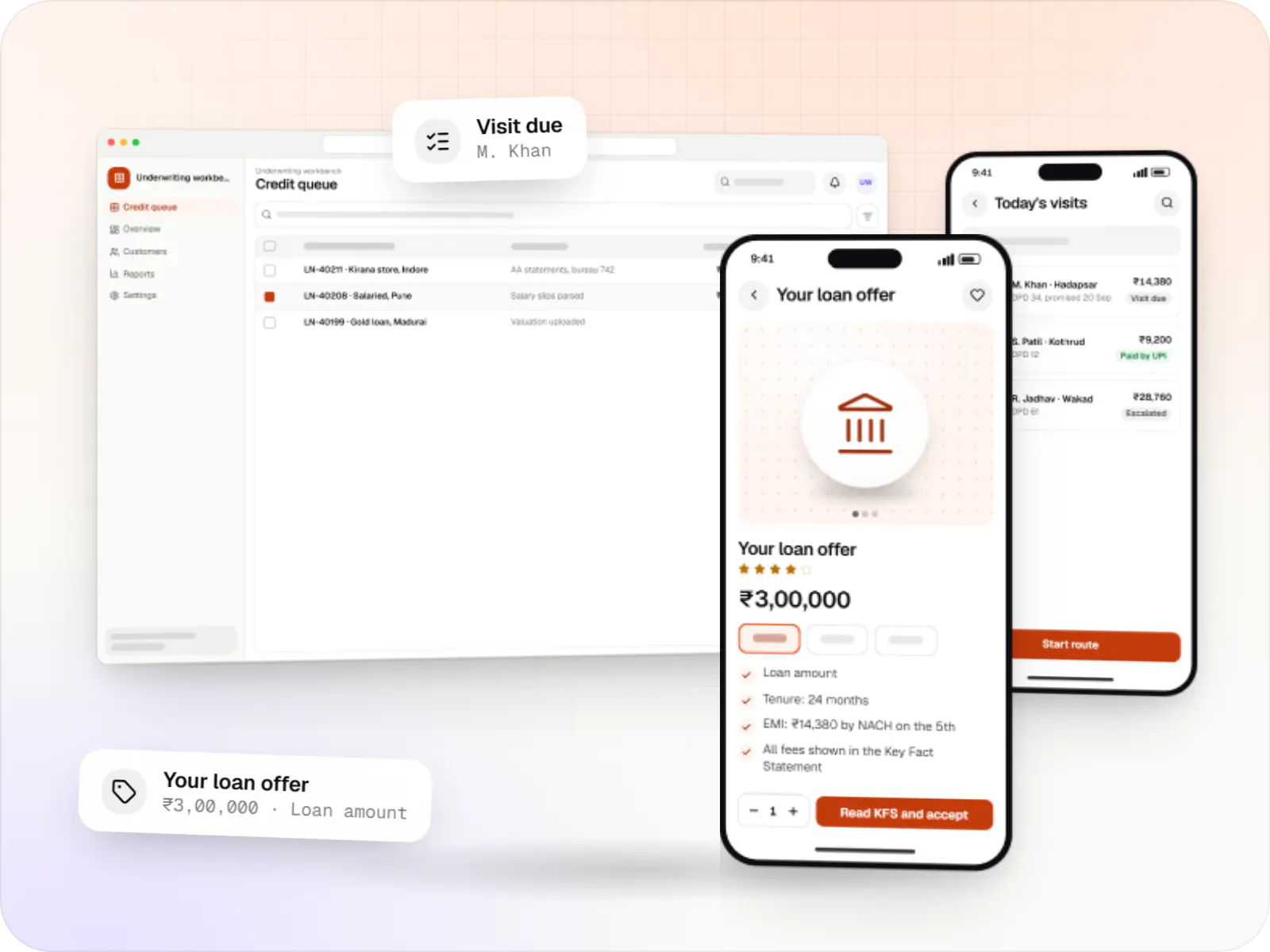
We build lending software across the loan life cycle: sourcing and origination apps, underwriting workbenches, loan servicing, collections and borrower self-service. It suits NBFCs, microfinance institutions, gold-loan and MSME lenders, and lending service providers working with regulated partners.
Flutter and the related logo are trademarks of Google LLC. We are not endorsed by or affiliated with Google LLC.
How to start
Tell us what you need in your own words. You talk to the developers who would build it and get a written, line-item estimate.
Get a project estimateA loan passes through many hands: a sourcing agent or app, a credit analyst, an operations team that disburses, a servicing system that tracks EMIs, and collections when payments slip. In many lenders each stage lives in a different spreadsheet or vendor tool, and nobody sees a borrower's full history.
We build lending systems where every stage writes to the same loan record. RBI's digital lending guidelines add specific requirements — disbursal straight to the borrower's bank account, repayments into the lender's account, a Key Fact Statement showing the all-in cost, and a cooling-off period — so we build those into the product rather than bolting them on.
Challenges
Analysts re-key figures from bank statements, ITRs and GST returns before they can assess a file.
When LOS and LMS do not share data, schedules, charges and foreclosure quotes go wrong.
Field agents collect cash and UPI payments that reach the system days later, with no visit record.
KFS, sanction letters, cooling-off exits and grievances need consistent, auditable records.
Solutions
Custom loan origination and loan management software covering applications, underwriting, disbursal, EMIs, collections and reporting.
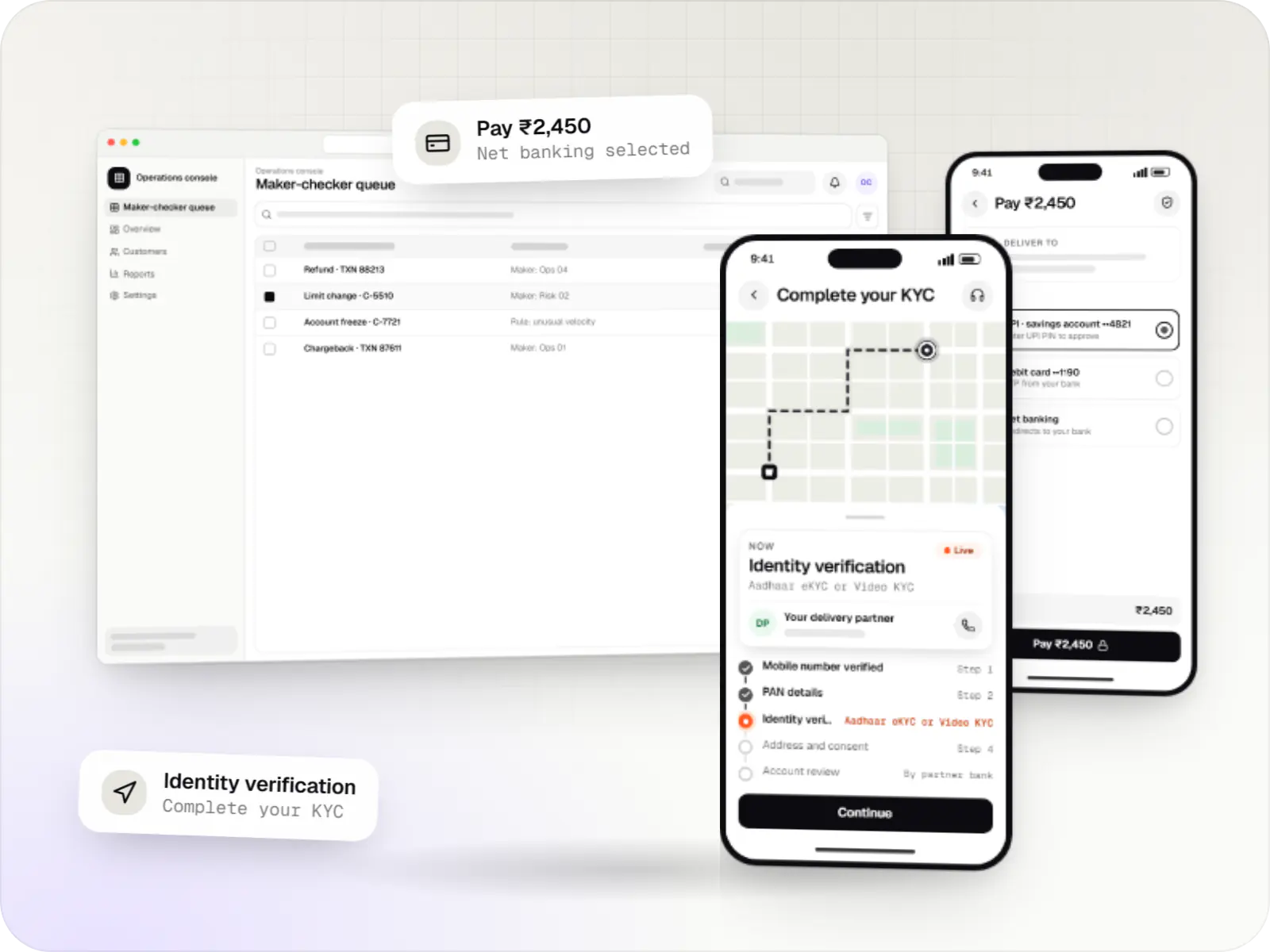
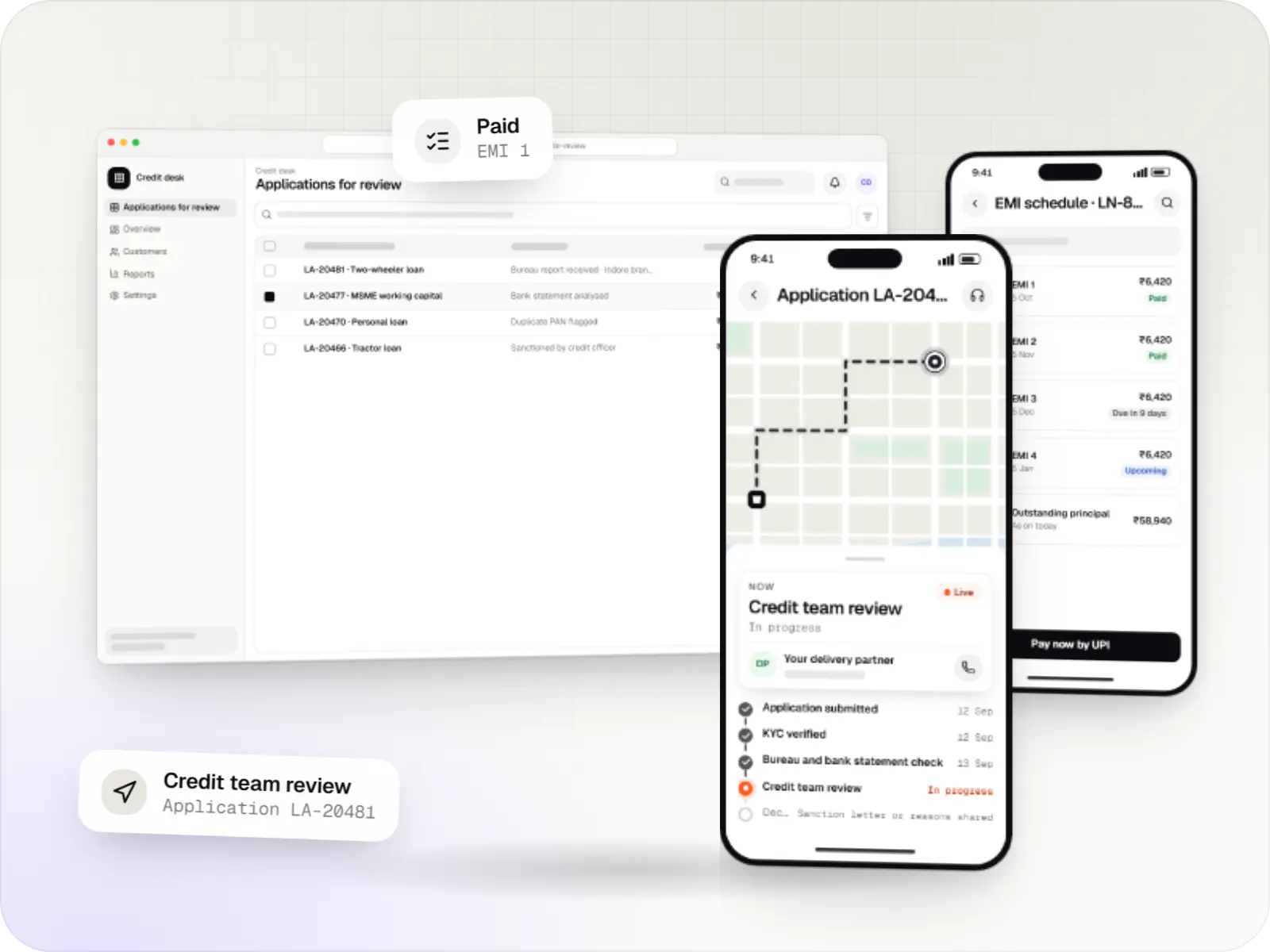
Secure fintech apps and back offices for payments, lending, investments and insurance, integrated with licensed banking, KYC and data partners.
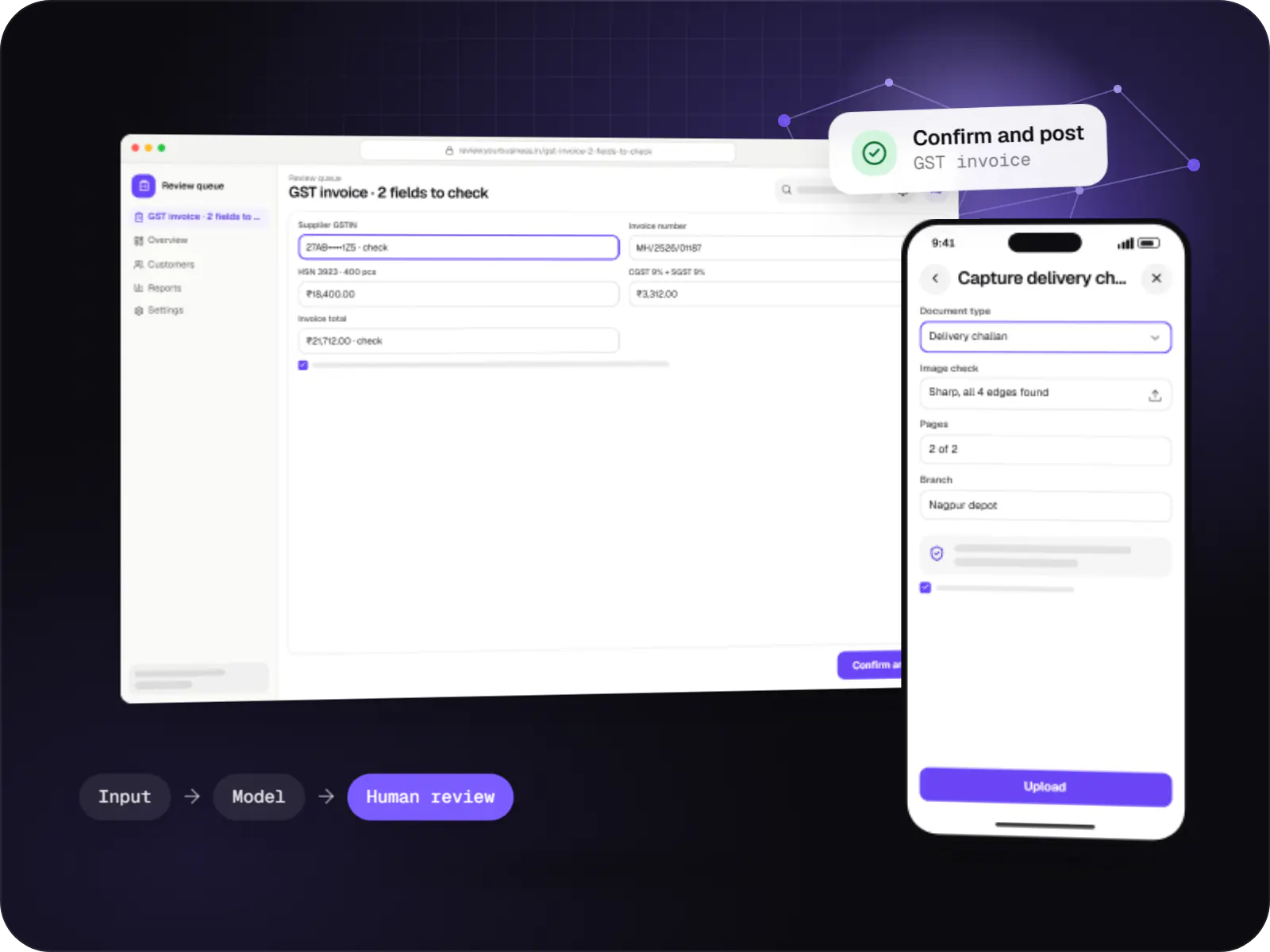
Data extraction from invoices, KYC documents, statements and forms into your systems, with validation rules and human review for uncertain fields.
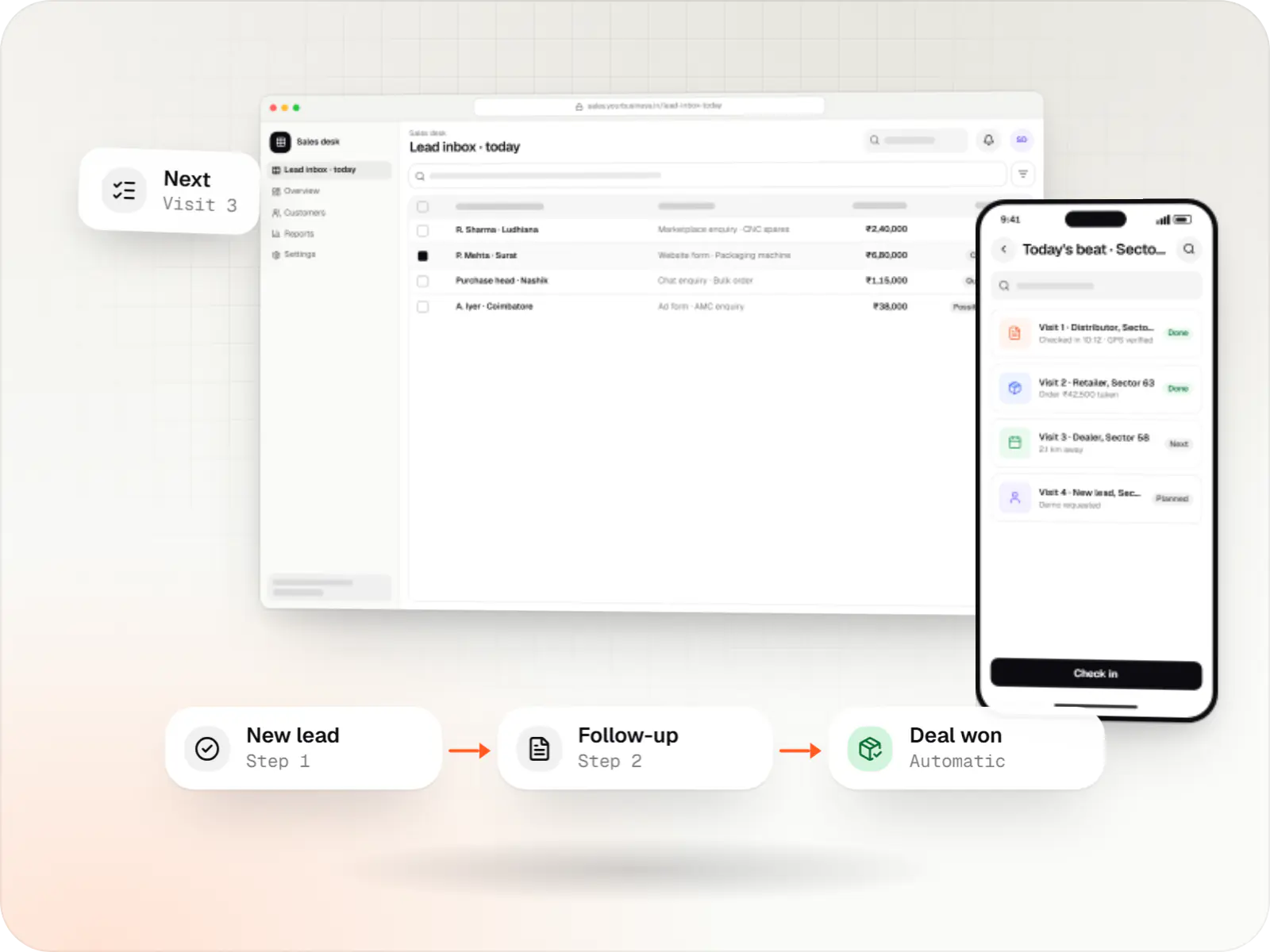
Custom CRM software that captures leads from every channel, keeps follow-ups on schedule and shows managers a live pipeline.
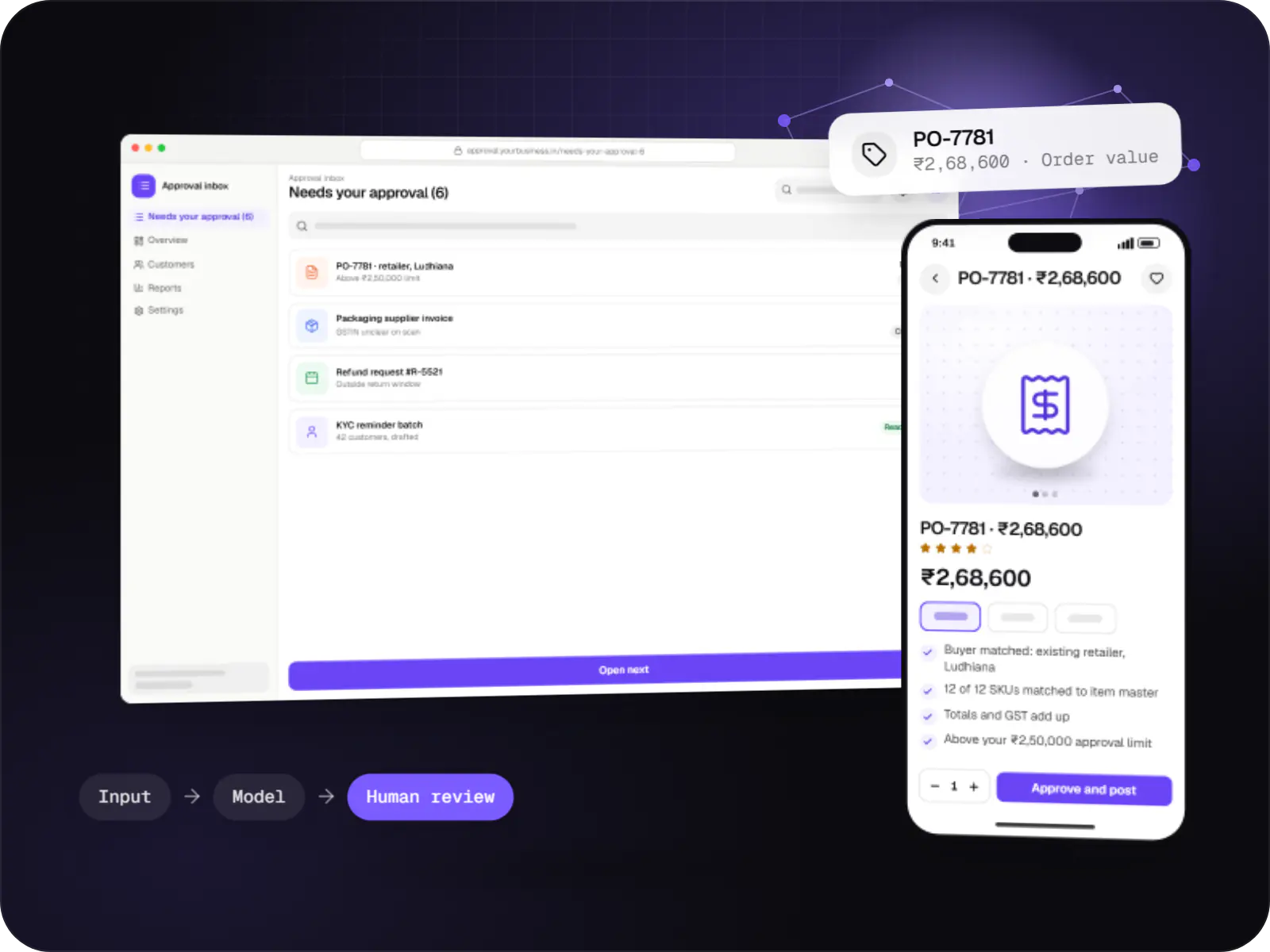
Automations for repetitive back-office work, with AI steps that read, classify and draft, and approvals where decisions matter.
Assisted and self-serve applications with eKYC, bank verification, bureau checks and document capture.
Statement analysis via Account Aggregator or uploads, policy rules, deviations and credit committee approvals.
Schedules, interest accrual, charges, part-prepayments, restructuring and foreclosure statements.
NACH e-mandates, UPI AutoPay, payment links and handling of bounced debits.
DPD-bucket allocation, geotagged visits, digital receipts and promise-to-pay tracking.
How it works
Every stage writes to the same loan record, so the borrower's full history is always one search away.
Application details, eKYC and bank verification are captured once, whether the borrower applies alone or with an agent's help.
Statements arrive through Account Aggregator or upload, the bureau report is pulled, and policy rules highlight deviations for the analyst to judge.
Approved terms generate the KFS and sanction letter from the same data, and the borrower accepts digitally after reading the all-in cost.
Once the repayment mandate is registered, the loan is disbursed straight to the verified bank account, and the cooling-off window starts.
NACH or UPI AutoPay debits each EMI. A bounced debit triggers a payment link and moves the loan into the right overdue bucket.
Agents get allocated cases, log geotagged visits and issue digital receipts, so cash reaches the loan record the same day.
Foreclosure quotes and the closure letter come straight from the loan record, with no manual calculation.
Platforms
Apps for Android phones and tablets, tested on budget and mid-range devices and published on Google Play or privately.
Browser-based applications with logins, roles and workflows, such as customer portals, SaaS products and internal tools.
Back-office panels for operations, support and finance teams: orders, users, content, reports and permissions.
Installable web apps with offline support and notifications, useful when an app-store listing isn't essential or phones have little storage.
Technology
PostgreSQL keeps each loan's schedule and payments consistent, Python reads bank statements for underwriting, and a Flutter app lets field agents work offline where the signal drops.
Backend
A structured way to build back ends on Node.js, so large business systems stay organised, testable and easy to hand over.
Used for
Backend
A programming language for AI features, data processing and automation: the engine behind document reading, reports and smart search.
Used for
Data
A reliable database for the records your business runs on: orders, payments, bookings and stock, kept accurate and easy to report on.
Used for
Data
Keeps frequently used data in fast memory, so apps stay quick on busy days and live features like order tracking feel instant.
Used for
Mobile
Build Android and iOS apps from one shared codebase, so you launch on both platforms faster with a consistent experience.
Used for
Payments & maps
Lets customers in India pay by UPI, cards, netbanking or wallets, and handles subscriptions, refunds and payouts to sellers or partners.
Used for
Flutter and the related logo are trademarks of Google LLC. We are not endorsed by or affiliated with Google LLC.
Plain-English glossary
Product preview
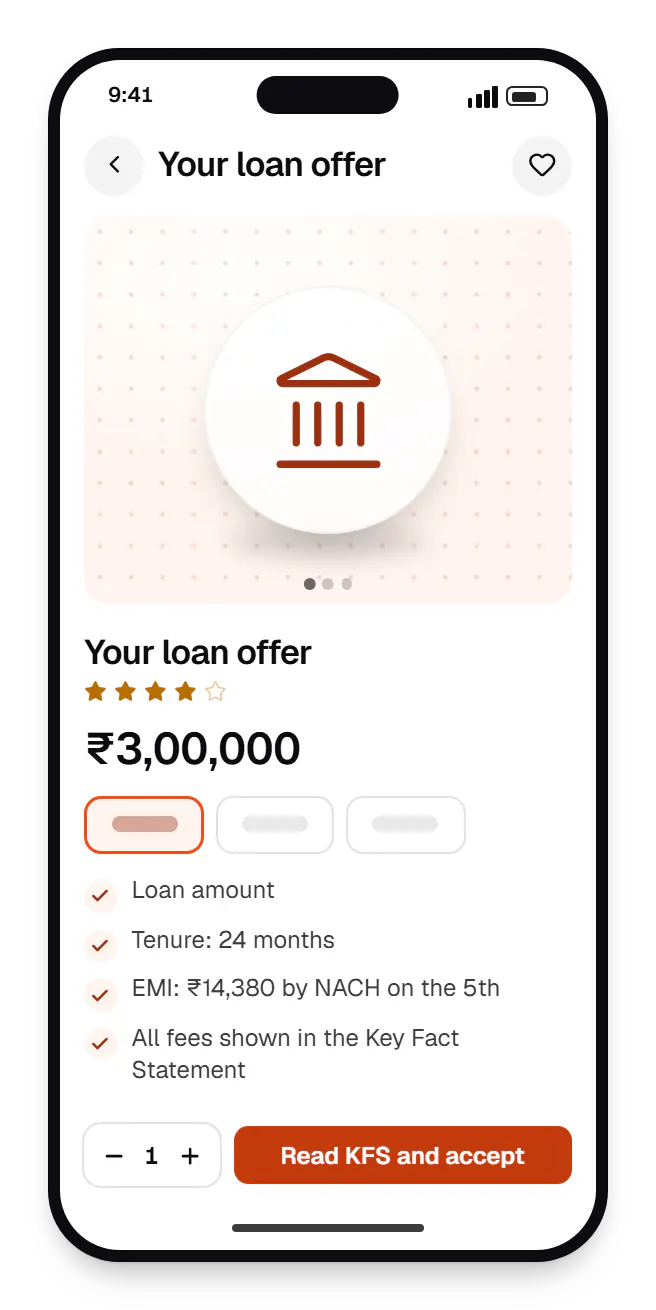
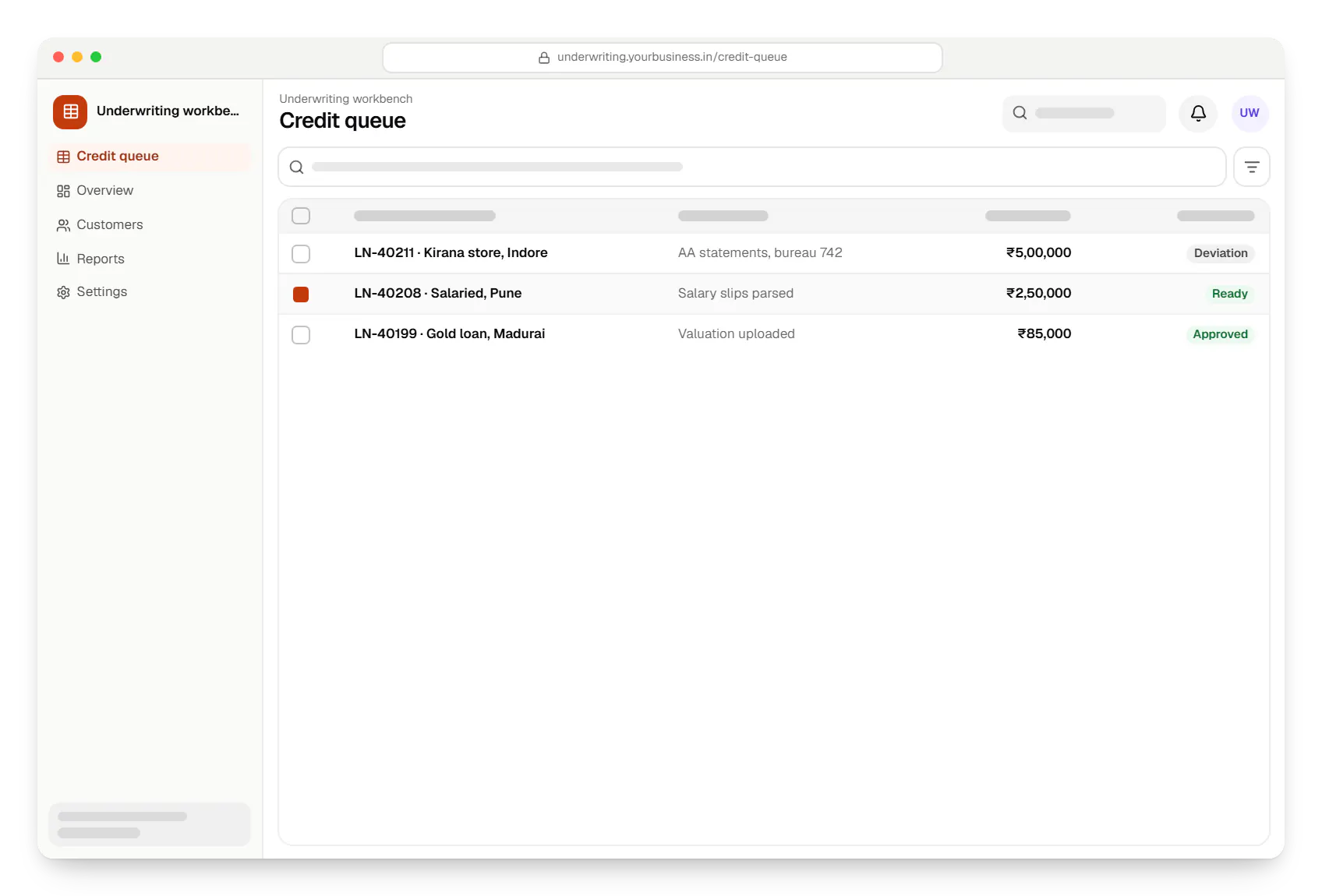
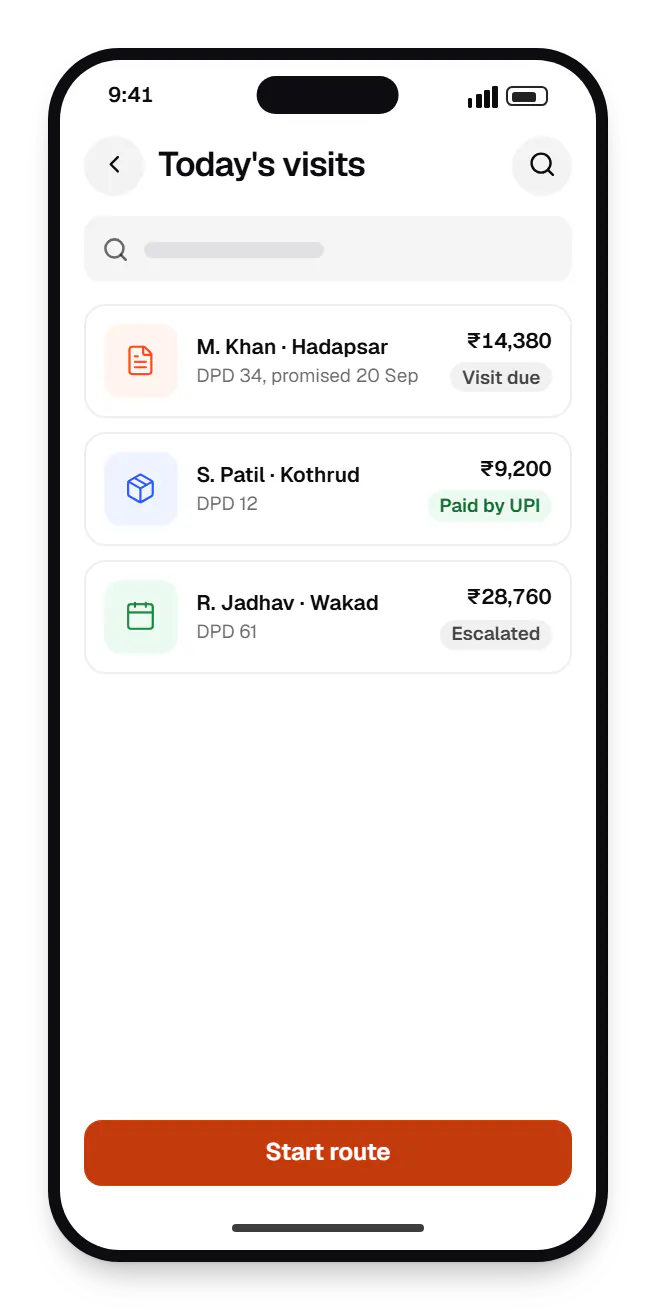
Sample screens: names, prices and figures are examples, not client data.
Cost drivers
Each product — EMI, bullet, gold loan, group microfinance — adds schedule logic and edge cases such as moratoriums.
Splitting disbursals, repayments and reporting between lenders adds reconciliation work.
Account Aggregator, bureau, GST and statement-parsing integrations each need certification and testing.
Estimates are written from your scope, with the effort and assumptions behind each line item.
How pricing worksServices
The design and engineering services our in-house team combines on projects in this sector.
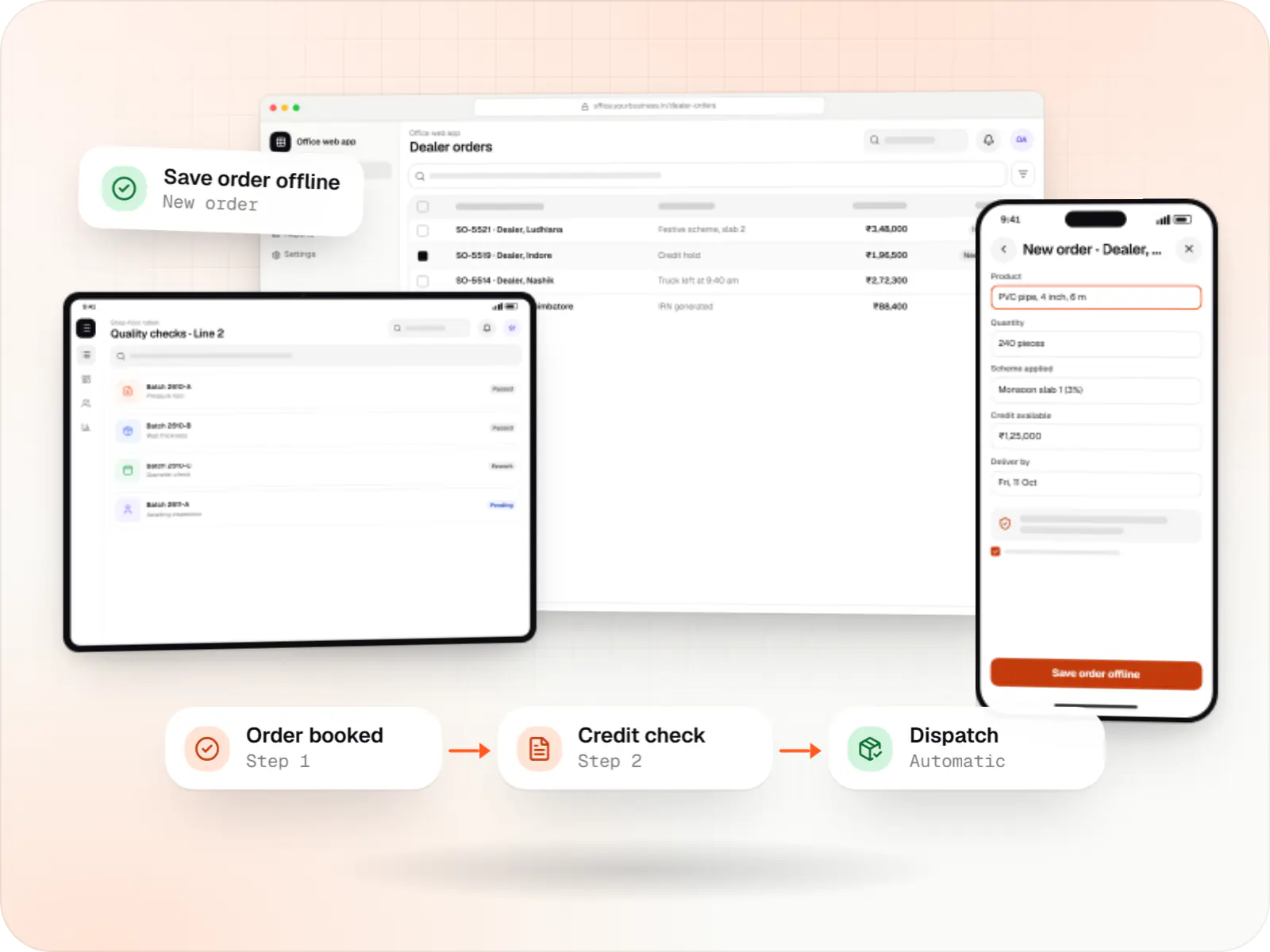
Software shaped around how your business runs, from approvals and inventory to billing and reports, replacing spreadsheets and disconnected tools.
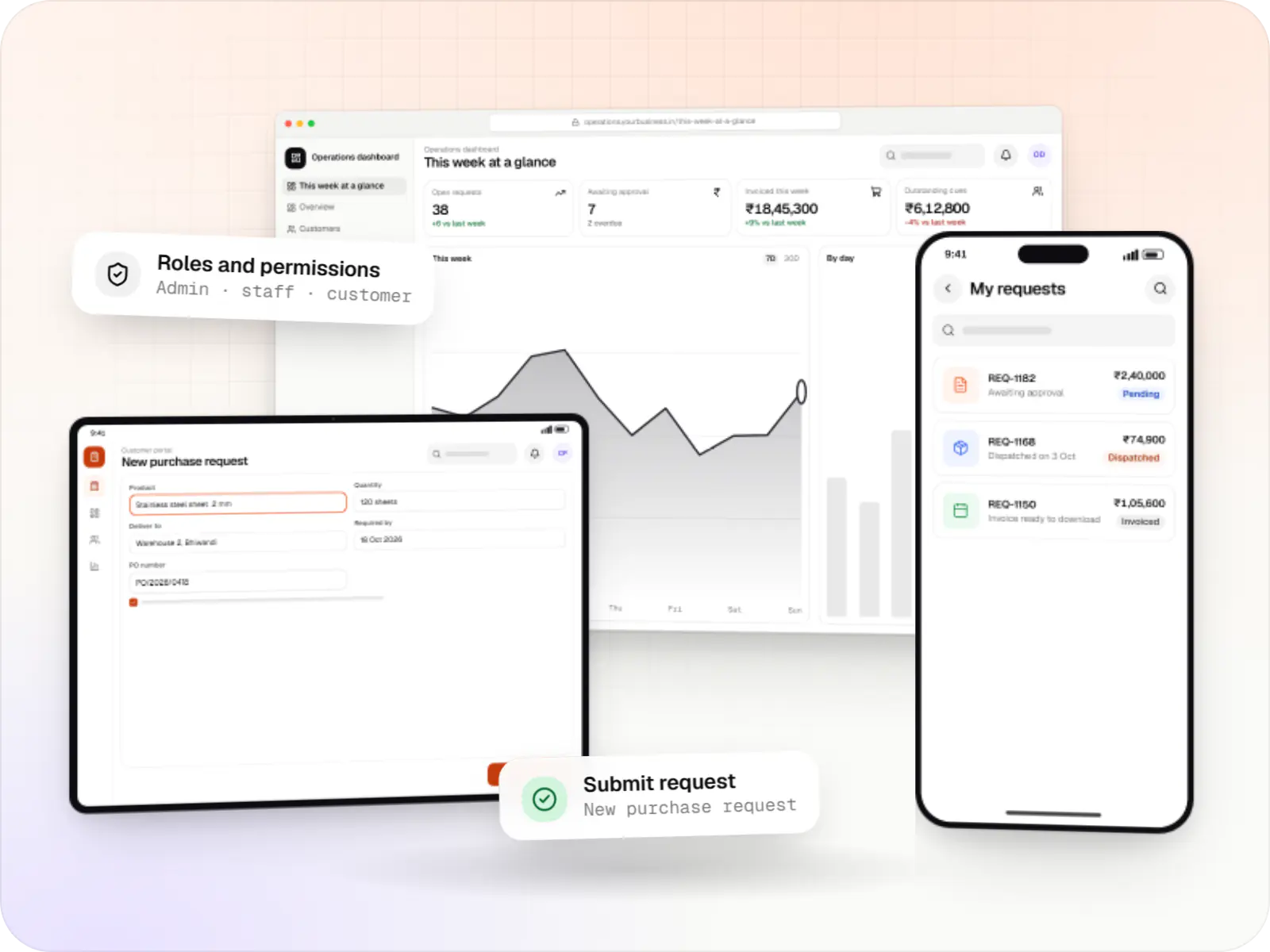
Browser-based products, customer portals, dashboards and internal tools, built on clean data models with secure roles and integrations.
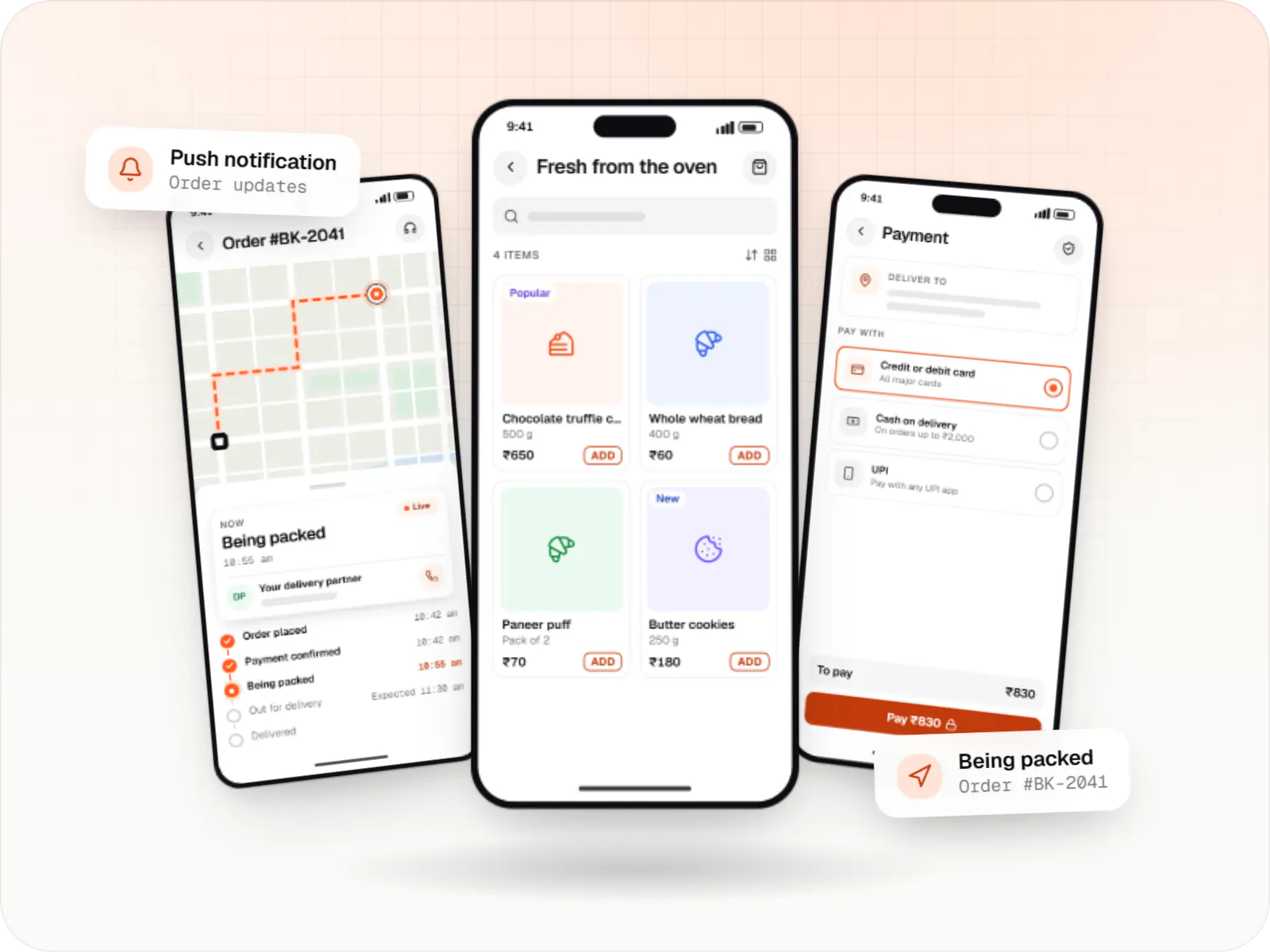
Native and cross-platform Android and iOS apps, from first release through regular store updates, built by our in-house designers and engineers.
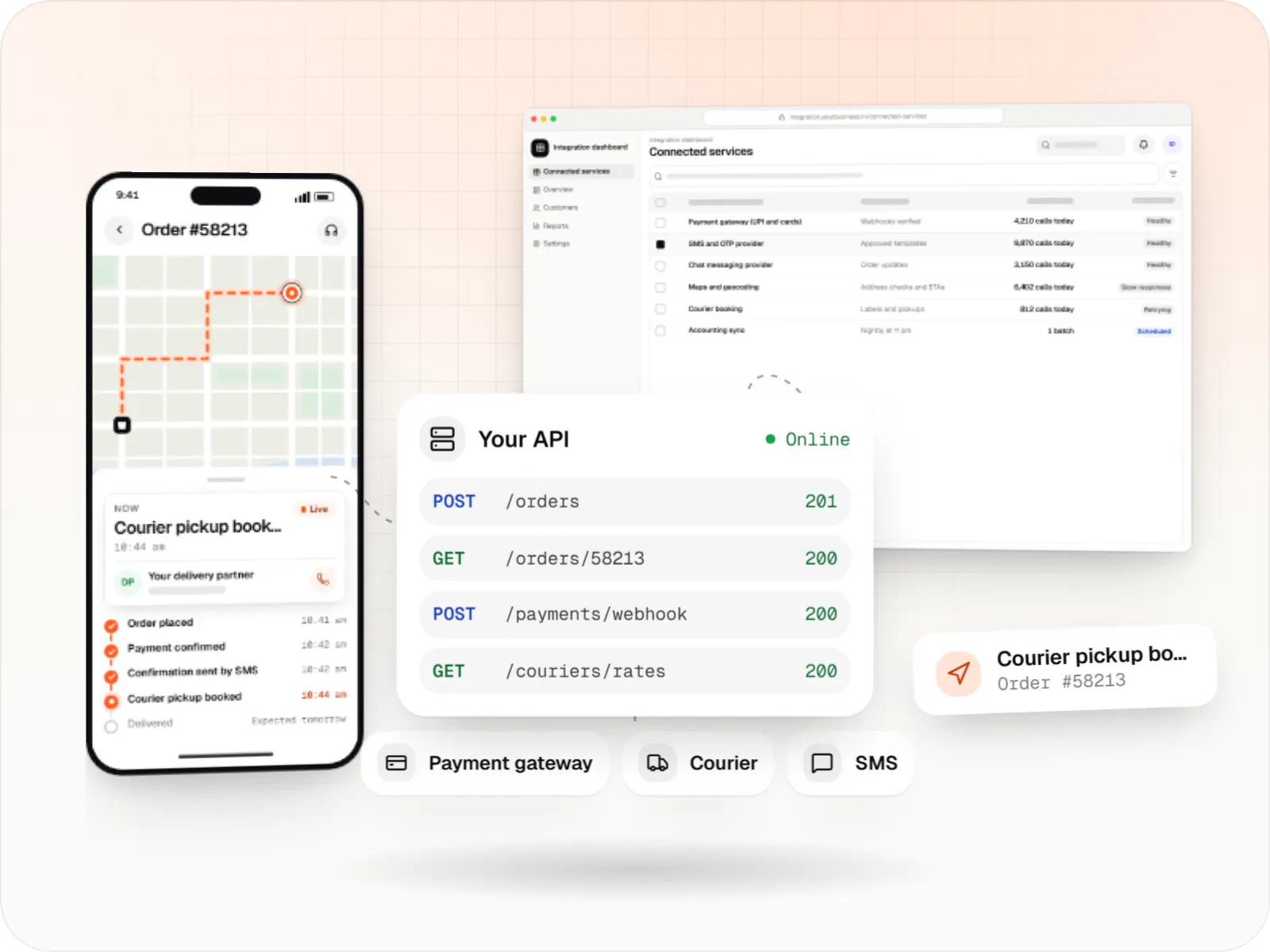
Secure, documented REST and GraphQL APIs, plus integrations that connect your apps to payment, logistics, GST, messaging and business systems.
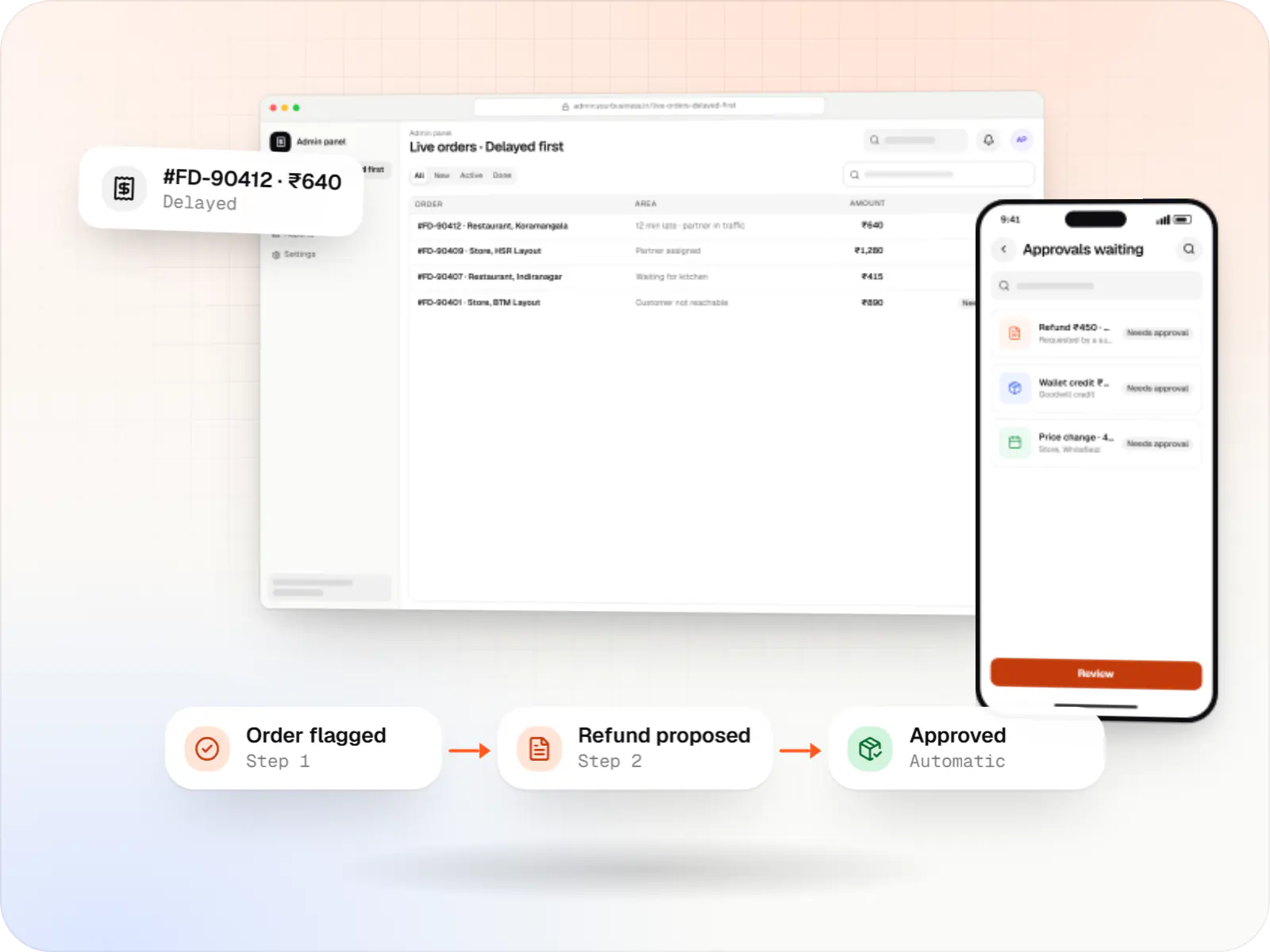
Back-office dashboards built around your team's daily tasks: order queues, approvals, catalogue management, payouts, reports and audit logs.
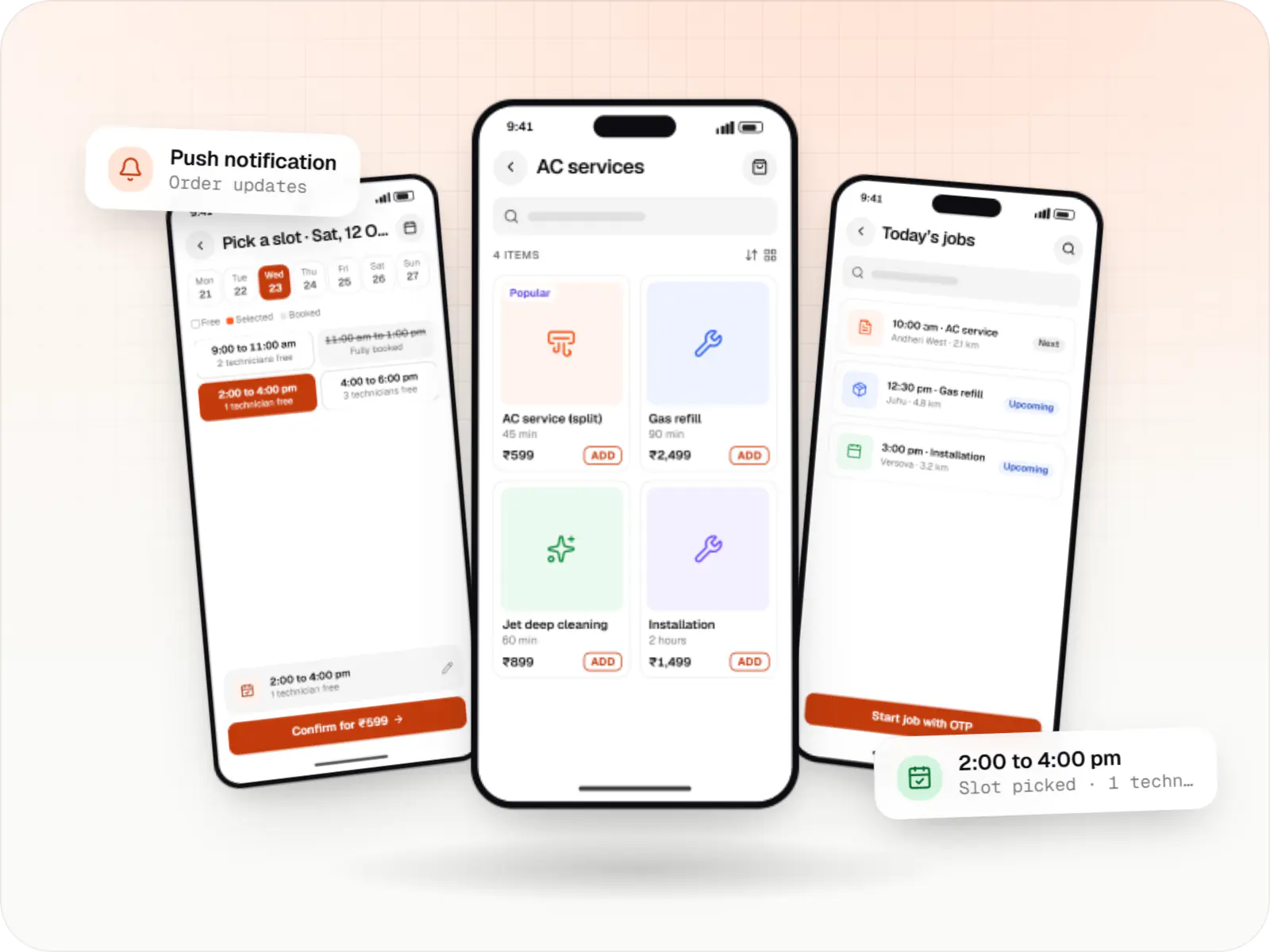
Android and iOS apps from one Dart codebase, built by engineers who know when Flutter is the right call and when native code is needed.
FAQ
We build the features the guidelines call for: disbursal only to the borrower's verified account, repayments into the lender's account, Key Fact Statements generated from the same data as the sanction, cooling-off exits, explicit consent before accessing device data, and grievance workflows. Interpreting the guidelines for your products is your compliance team's call; we implement their written requirements and keep rules configurable so revisions do not turn into rewrites.
If your products are standard and volumes modest, a licensed LMS is often faster. A custom build makes sense when products are unusual — supply-chain finance, revenue-based financing, gold loans with part-release — when you need tight integration with your own origination app, or when licence fees scale badly with loan count. We can also build origination and collections around an LMS you already use.
Field agents use an app for Android that works offline, records each visit with location and time, and sends a digital receipt by SMS or WhatsApp on the spot. Cash is tracked from agent to branch deposit with daily reconciliation, so gaps are visible. Where the borrower can pay digitally, the agent shares a UPI link or QR instead. Contact timings and scripts follow your fair-practices policy, and every call and visit is logged.
Next step
Tell us about your loan products, volumes and current systems. We will suggest what to build, what to integrate and what to leave alone.