Skip to content
Softcoderz

Technology · Data

Redis® development

Keeps frequently used data in fast memory, so apps stay quick on busy days and live features like order tracking feel instant.

How we use it

Redis keeps frequently used data in memory for very fast reads and writes, which we use for caching, job queues, rate limits, sessions and real-time location lookups.

Official site: redis.io (opens in new tab)

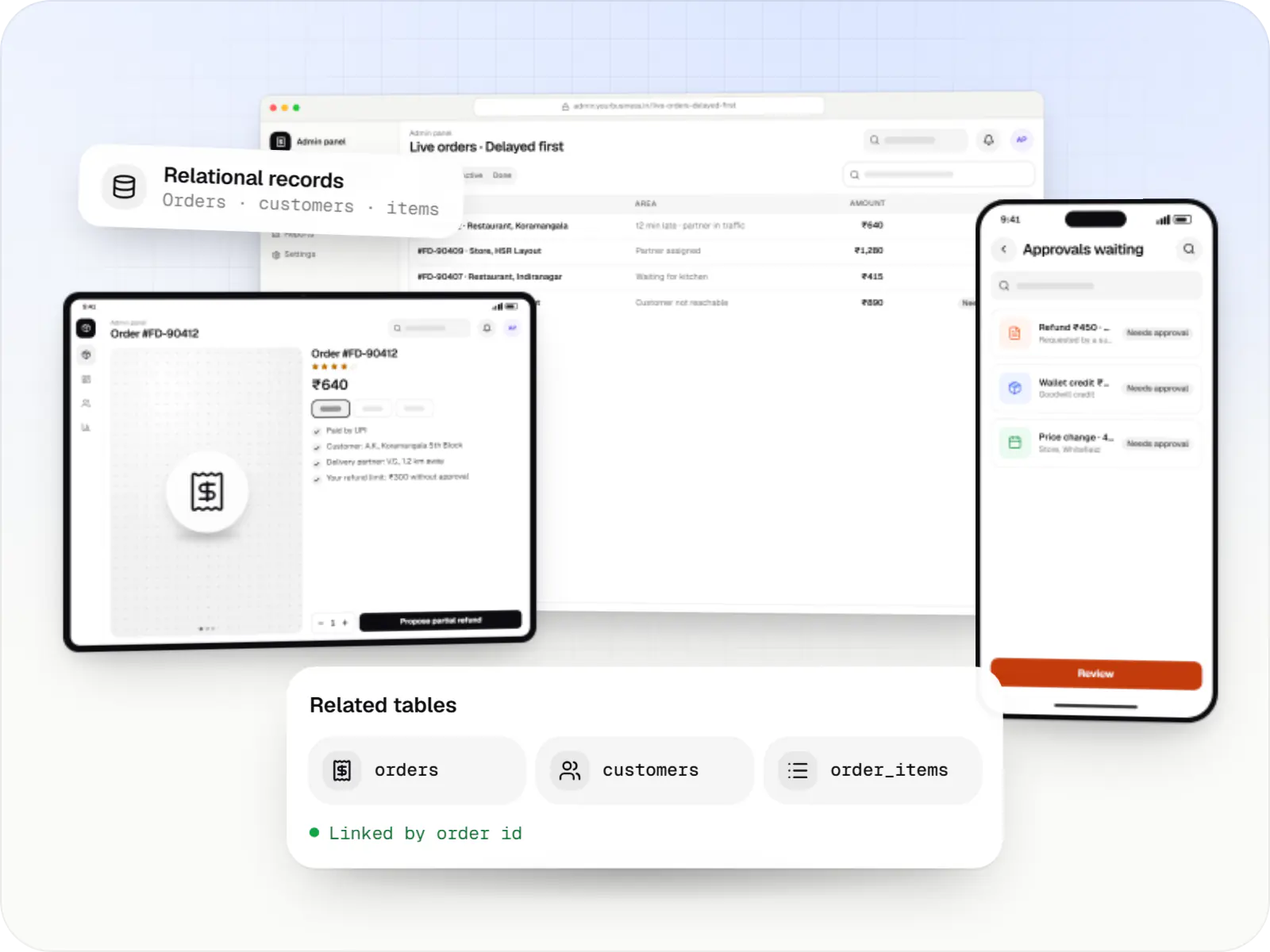
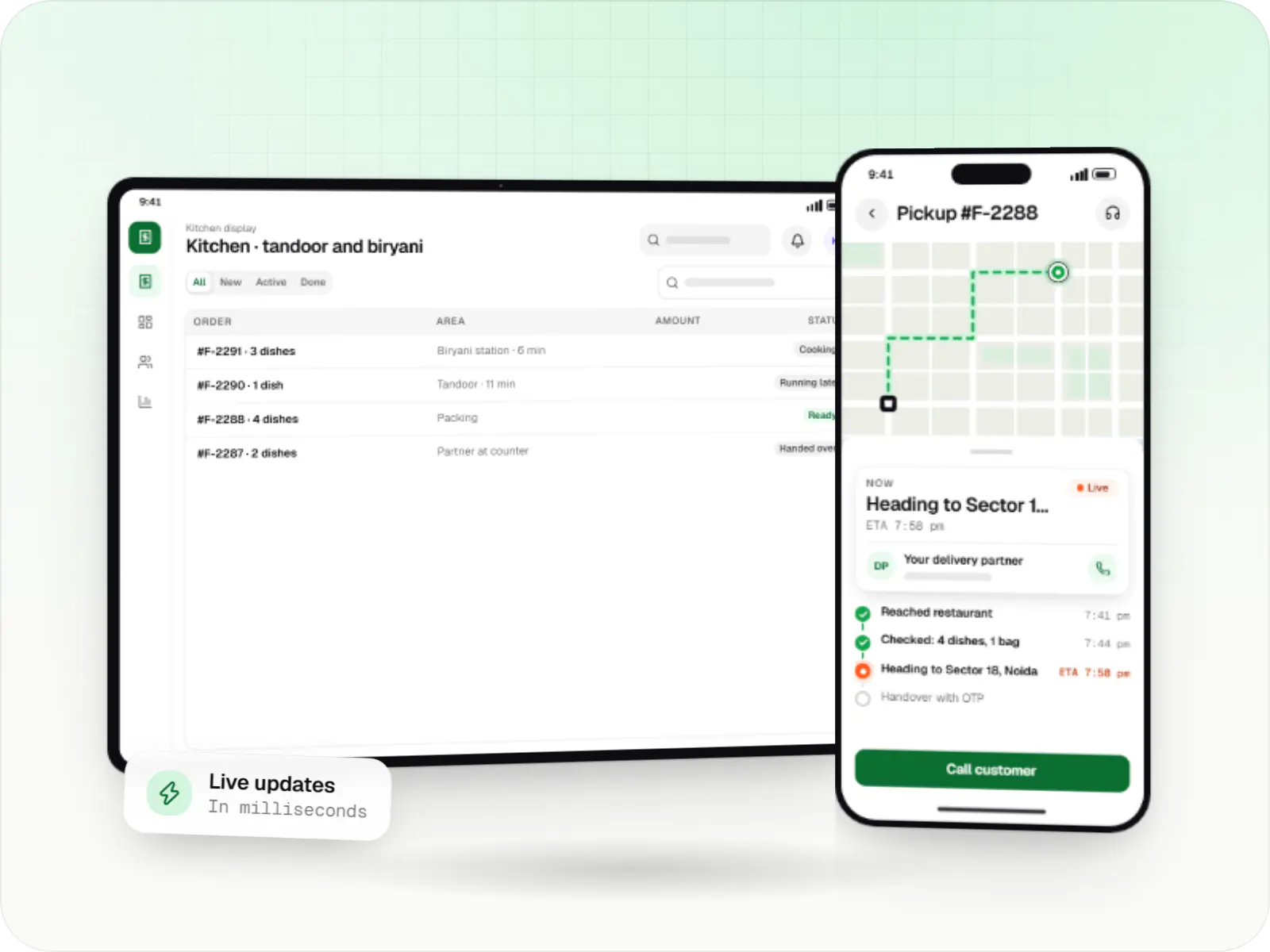
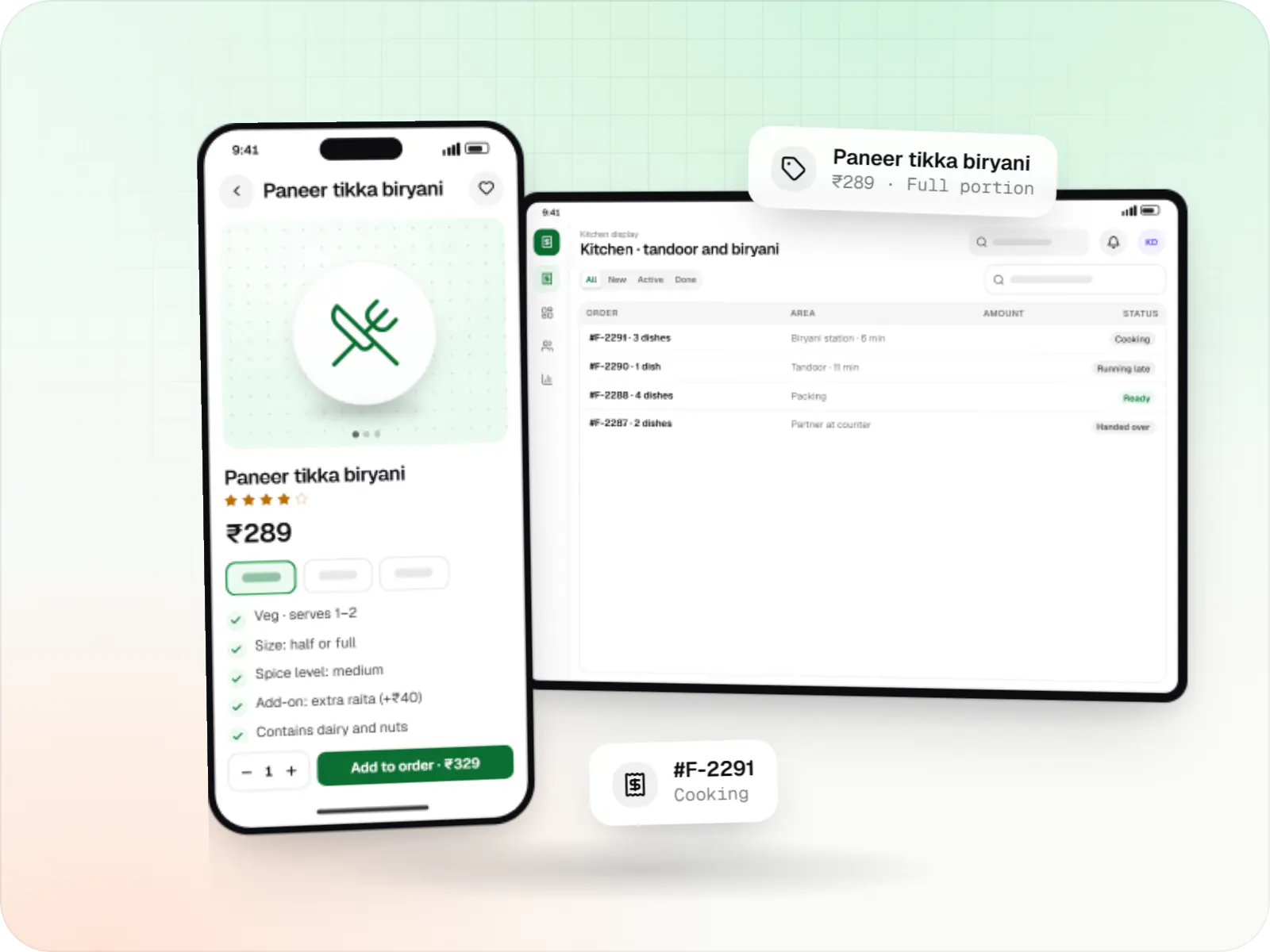
Live kitchen order queue on a tablet and real-time rider tracking on a phone, kept fast with Redis
Illustrative previewA live kitchen queue and rider tracking kept fast with an in-memory data store.

What Redis is, and what it does in our architectures

Redis is an in-memory data store: it keeps frequently used information in the server's memory, where it can be read far faster than from a normal database. It works beside your main database rather than replacing it. For you, that means pages that stay quick when many customers arrive at once, and live features that update in real time.

Redis rarely holds the source of truth. It sits beside the main database to take pressure off it and make real-time features practical: a menu cached for thousands of users, a queue of notifications to send, or the live positions of delivery partners.

Use cases

What we build with Redis

  • Response caching

    Menus, catalogues and configuration served without hitting the database.

  • Job queues

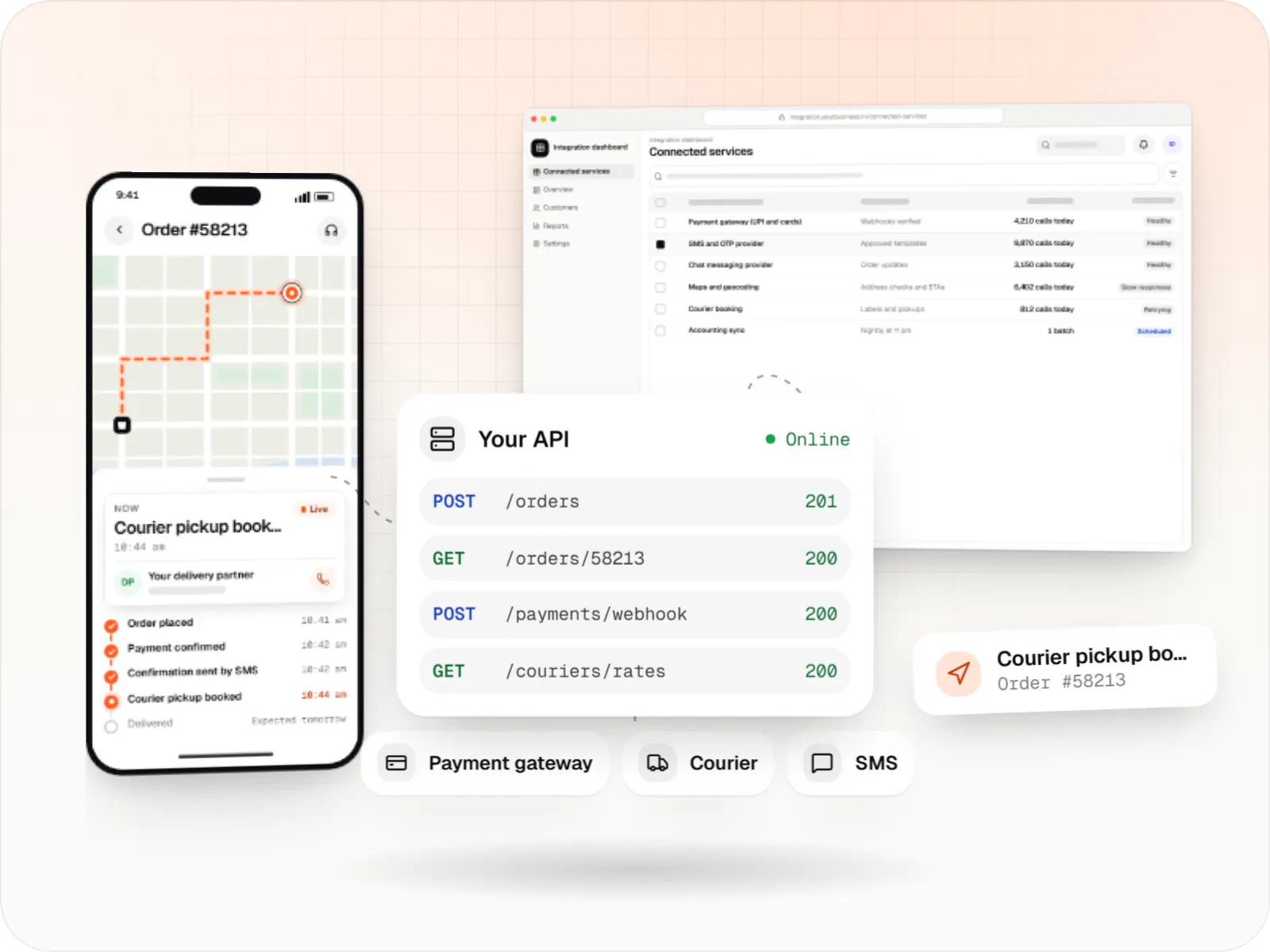
    BullMQ queues for emails, WhatsApp messages, invoices and imports.

  • Rate limiting and OTP throttling

    Protection for login and OTP endpoints.

  • Nearest-partner lookups

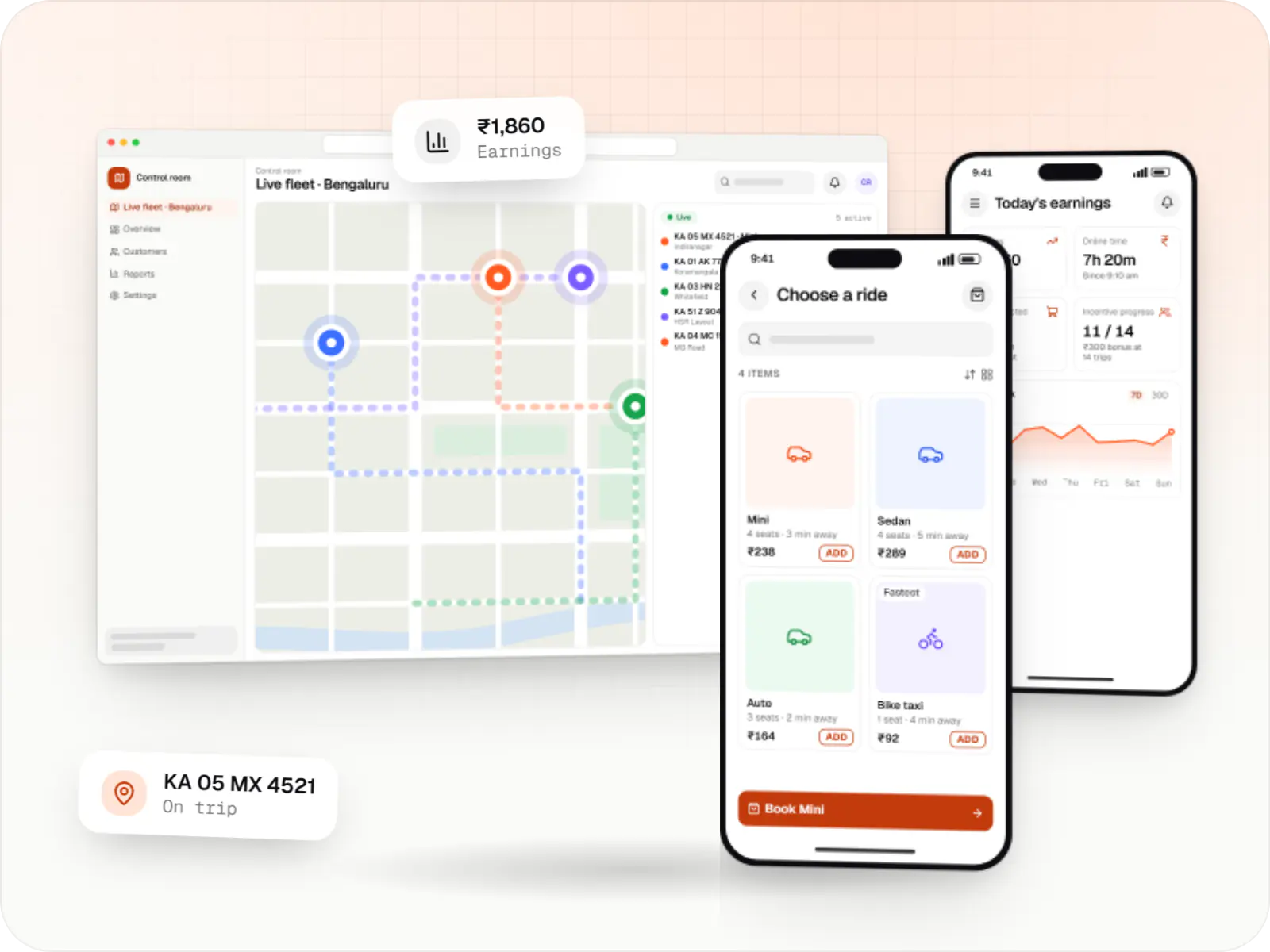
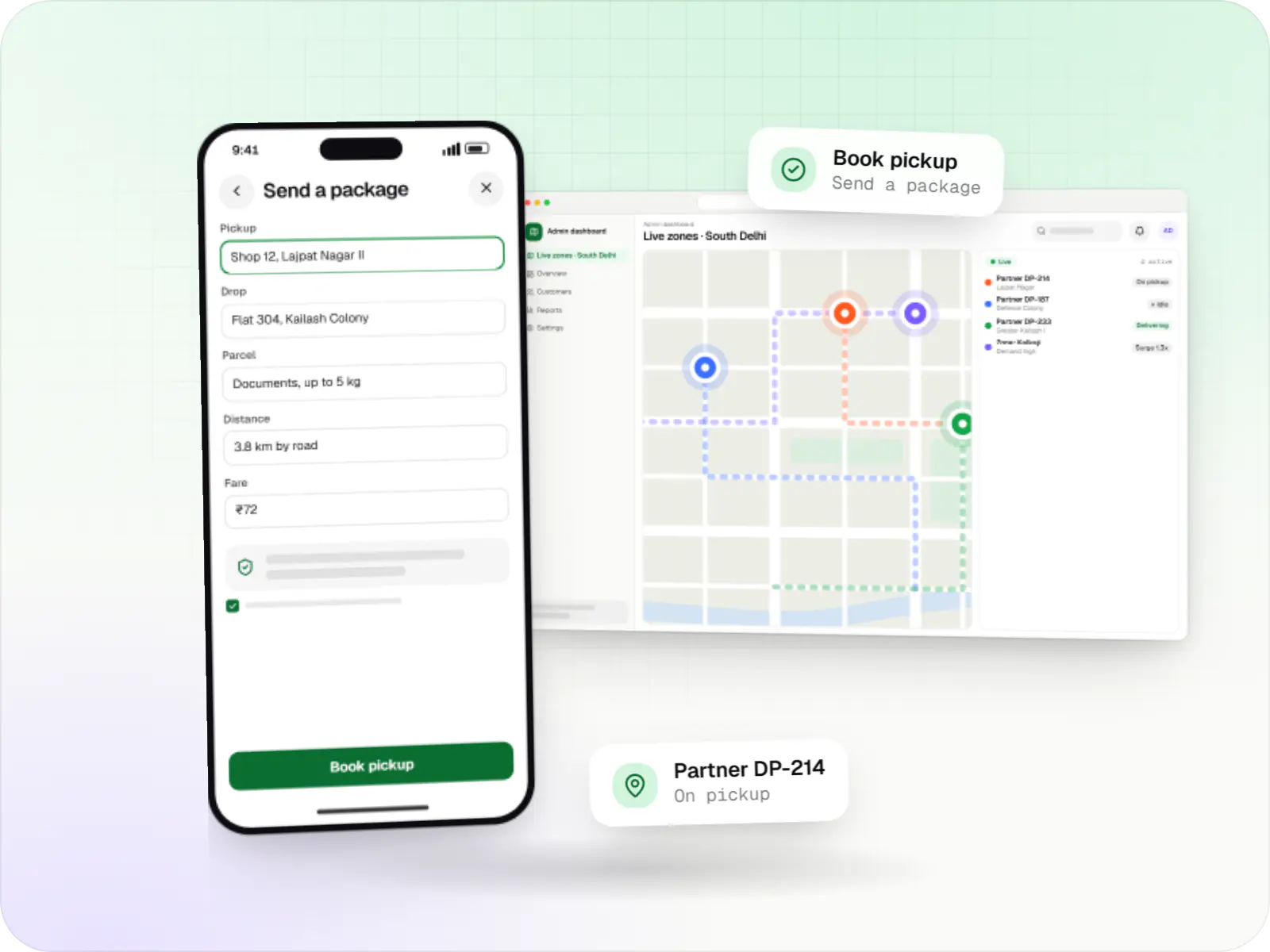
    Geospatial queries for delivery and ride dispatch.

  • Real-time fan-out

    Pub/sub to sync WebSocket updates across servers.

Why Redis matters when your app gets busy

  • Very fast responses

    Reads and writes served from memory keep busy screens quick.

  • Built for live features

    Lists, sorted sets, streams and geo indexes suit queues, rankings and nearby-partner searches.

  • Automatic clean-up

    Expiry times remove sessions, OTPs and cached data on schedule.

  • Managed hosting

    Amazon ElastiCache and other hosted services handle upkeep.

When we would not recommend Redis

  • As your only database: orders and payments belong in the main database; memory costs more than disk, and persistence settings need care when data must survive restarts.
  • When the real problem is elsewhere: if slowness comes from a badly indexed query or a slow third-party API, caching only hides it, so we profile first.
  • Small apps with light traffic: a well-indexed main database is often fast enough, and one less system to run keeps costs down.

Since Redis changed its licensing, the open-source Valkey fork has become an alternative on some managed services, and we choose between them per project.

Plain-English glossary

Caching terms, in plain English

Cache
A short-term copy of data that many people request, such as today's menu, kept ready so the database does not rebuild it for every visitor.
In-memory store
A system that keeps data in a server's working memory instead of on disk. It is much faster to read, which suits live features, but memory is more expensive.
TTL (time to live)
An expiry time attached to a piece of data. An OTP can vanish after five minutes, or a cached price list after an hour, without anyone cleaning up.
Geospatial index
A way of storing map positions so the system can quickly answer 'which delivery partners are within 2 km of this store?'

Services

Services that use Redis

  • API development

    Secure, documented REST and GraphQL APIs, plus integrations that connect your apps to payment, logistics, GST, messaging and business systems.

  • Web application development

    Browser-based products, customer portals, dashboards and internal tools, built on clean data models with secure roles and integrations.

  • Mobile app development

    Native and cross-platform Android and iOS apps, from first release through regular store updates, built by our in-house designers and engineers.

Solutions

Solutions relying on Redis

  • Food delivery app development

    Food ordering and delivery apps for restaurants, chains and cloud kitchens, with menus and add-ons, kitchen displays, prep-time ETAs and delivery tracking.

  • Taxi booking app development

    Rider app, driver app, dispatch engine and admin console for cab, auto, bike taxi, rental and outstation services, with UPI, cash and live tracking.

  • Hyperlocal delivery app development

    Hyperlocal delivery apps linking neighbourhood stores, pick-up-and-drop requests and delivery partners within a city, with zone-based dispatch and pricing.

Work

Sample projects

Illustrative projects that show how we plan and build products that use Redis. They are samples, not client work.

  • Delivery app development

    Illustrative sample

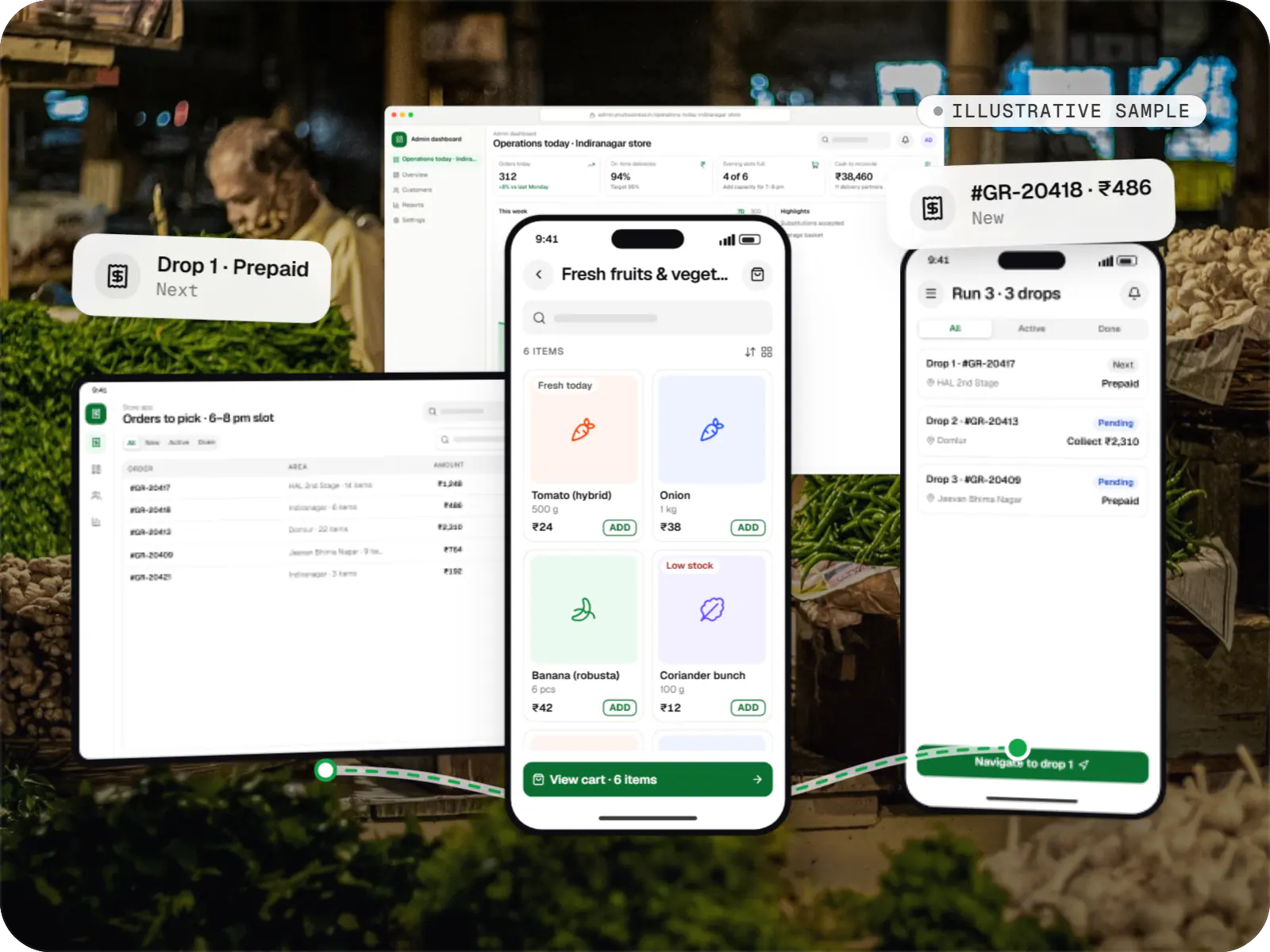
    Hyperlocal grocery delivery platform

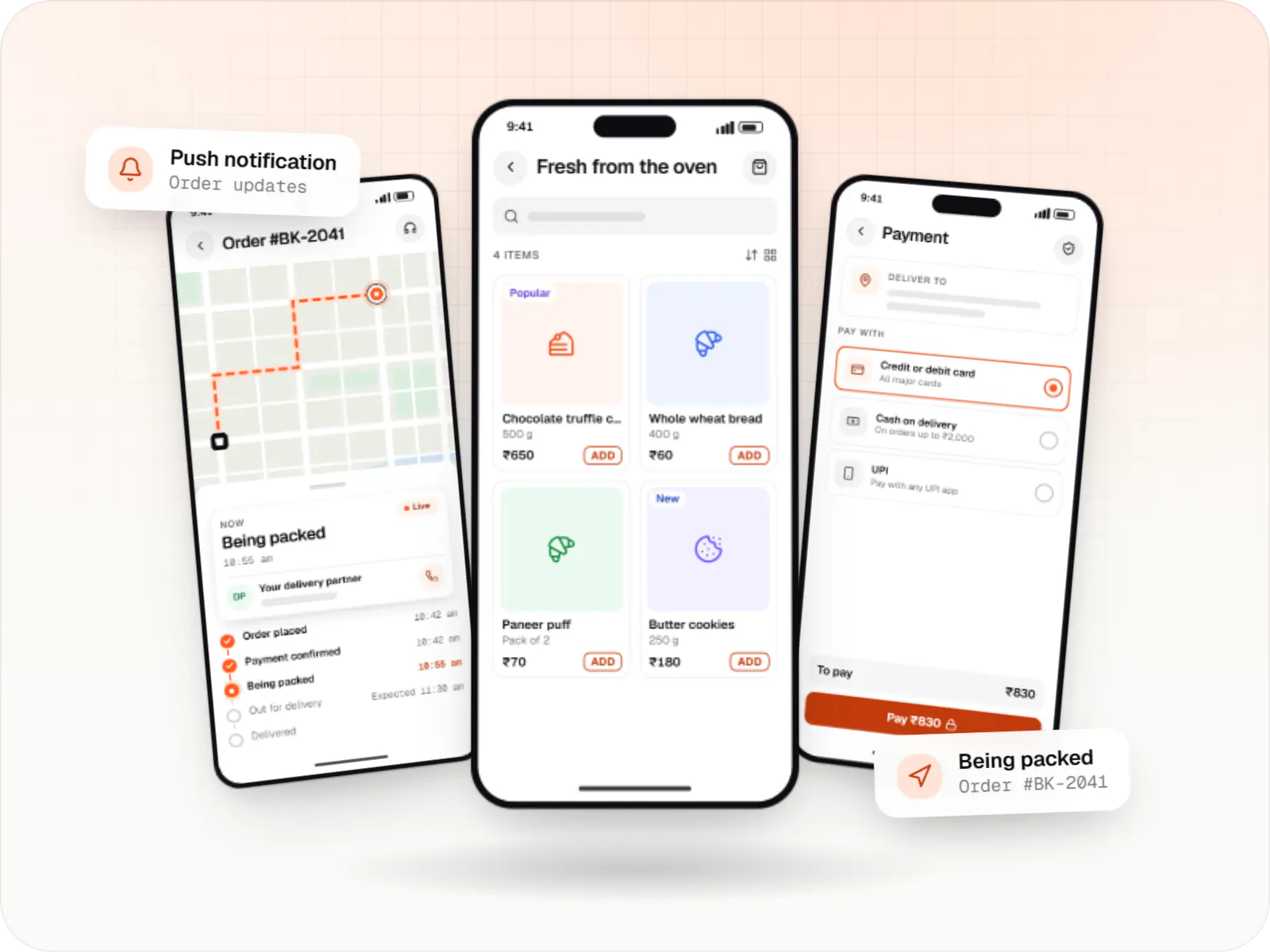
    An illustrative platform for neighbourhood grocery stores: slot or express delivery, store picking, batched delivery runs, and payment by UPI or cash on delivery.

    • Retail
    • Mobile + web platform

    Runs on

    • Android
    • iOS
    • Cross-platform
    • Admin

    Built with

    • Flutter
    • NestJS
    • PostgreSQL
    • Redis
    • AWS
    • +1 more
  • AI solutions

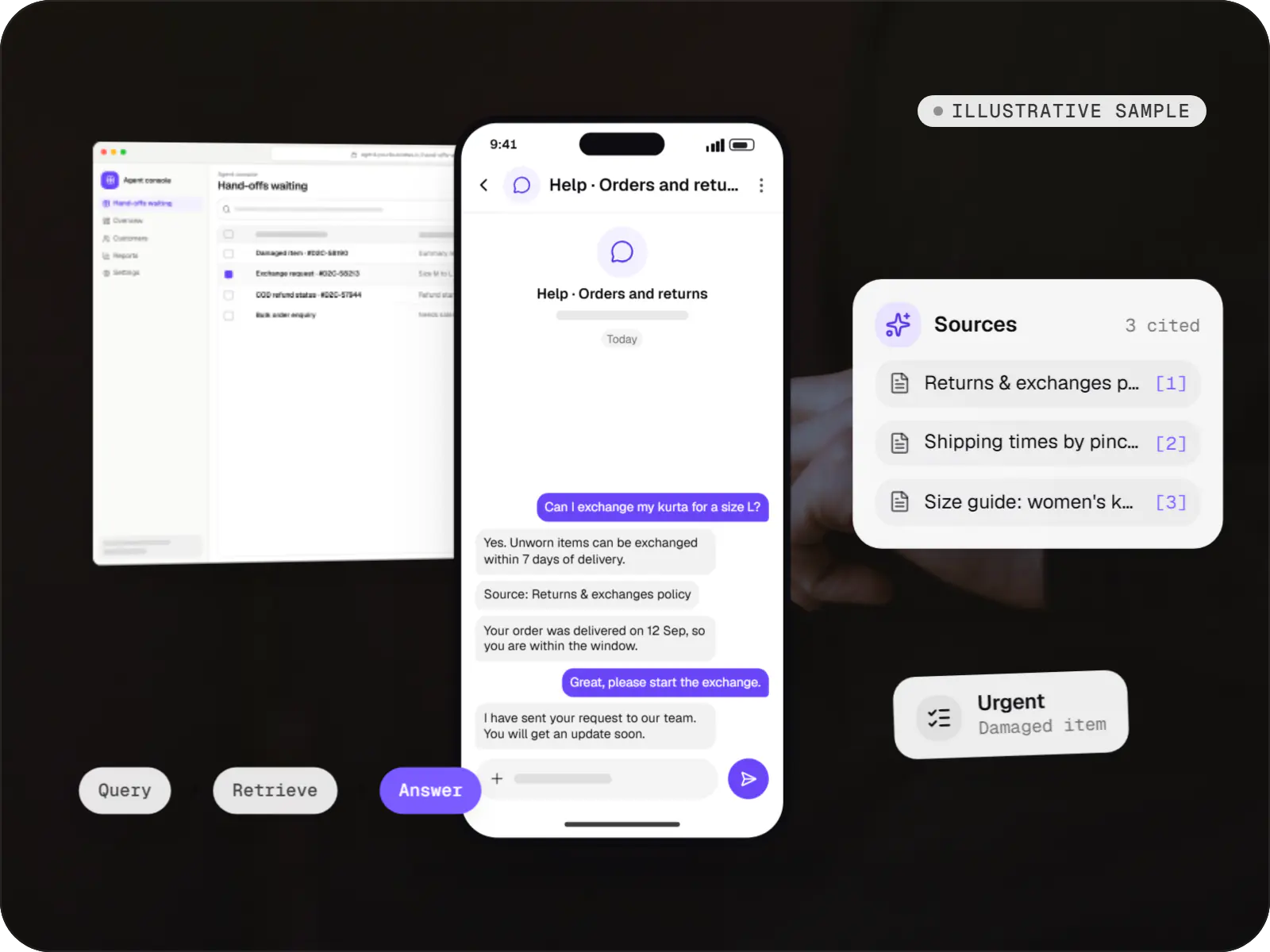
    Illustrative sample

    AI customer support assistant for a D2C brand

    An illustrative AI assistant that answers order, return and product questions from a D2C brand's own policies and order data, with sources and a human hand-off.

    • E-commerce
    • AI assistant

    Runs on

    • Website
    • Admin

    Built with

    • Next.js
    • Python
    • OpenAI APIs
    • LLM integrations
    • PostgreSQL
    • +1 more
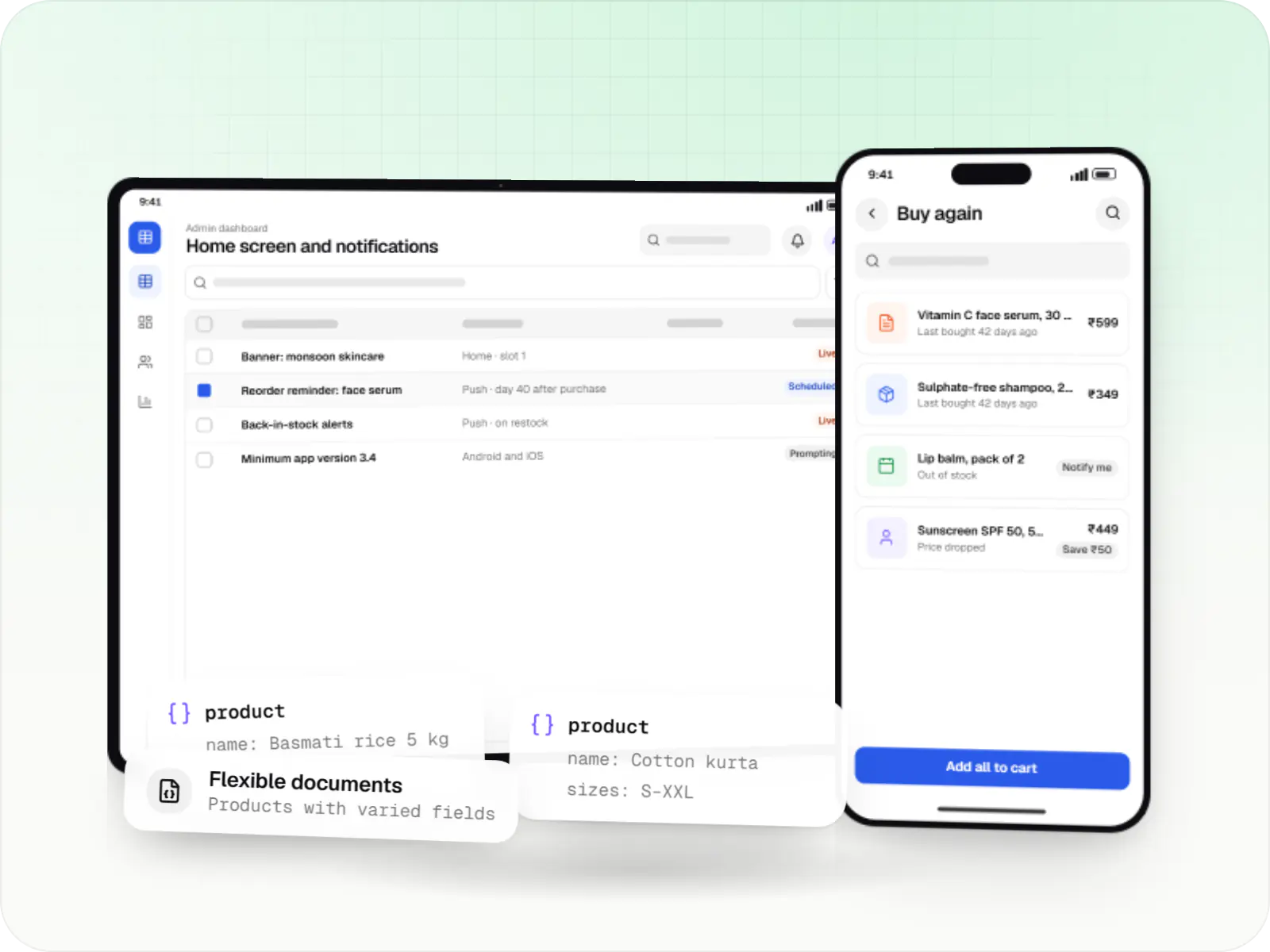
  • E-commerce & marketplaces

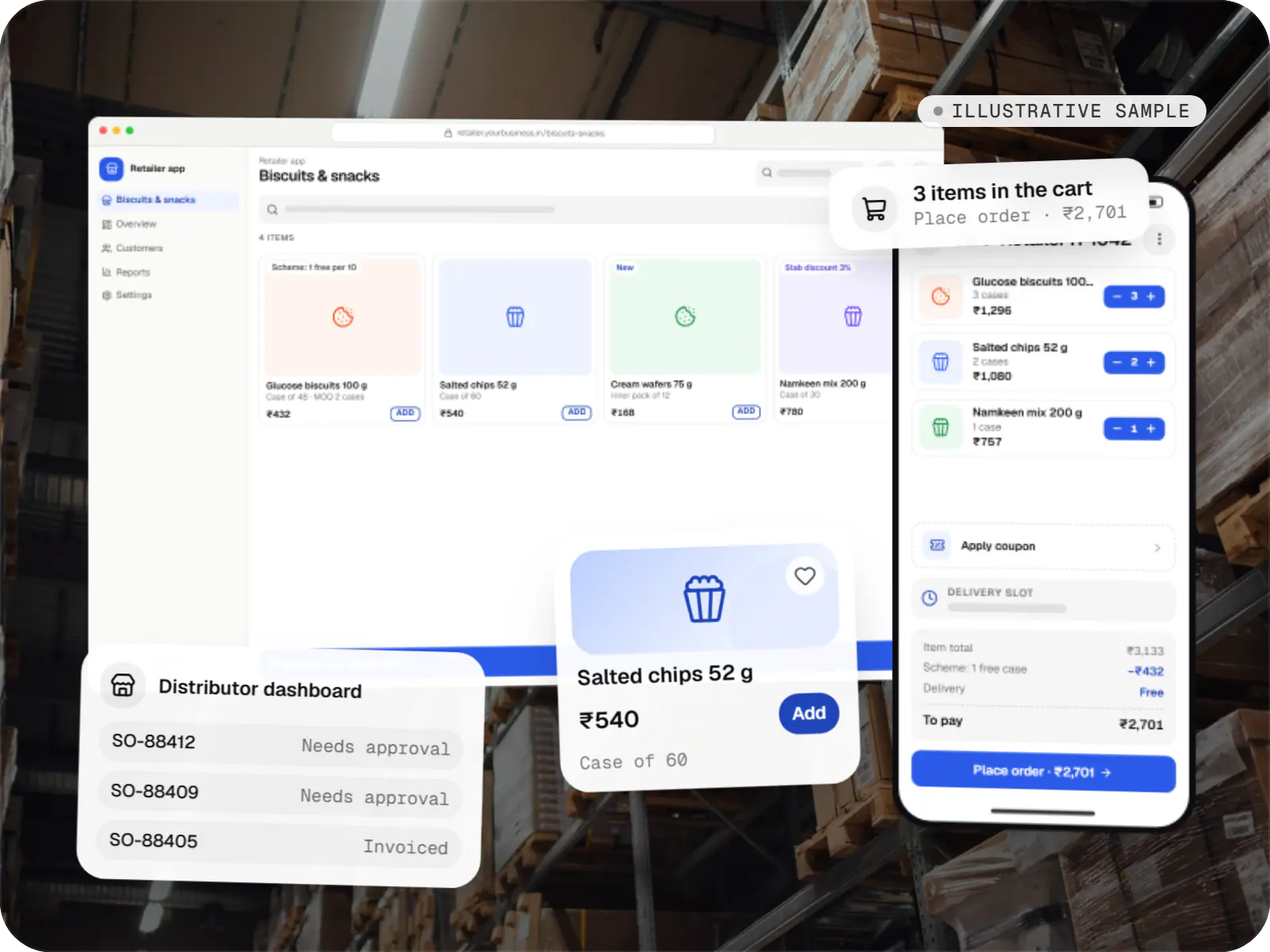
    Illustrative sample

    B2B wholesale ordering app

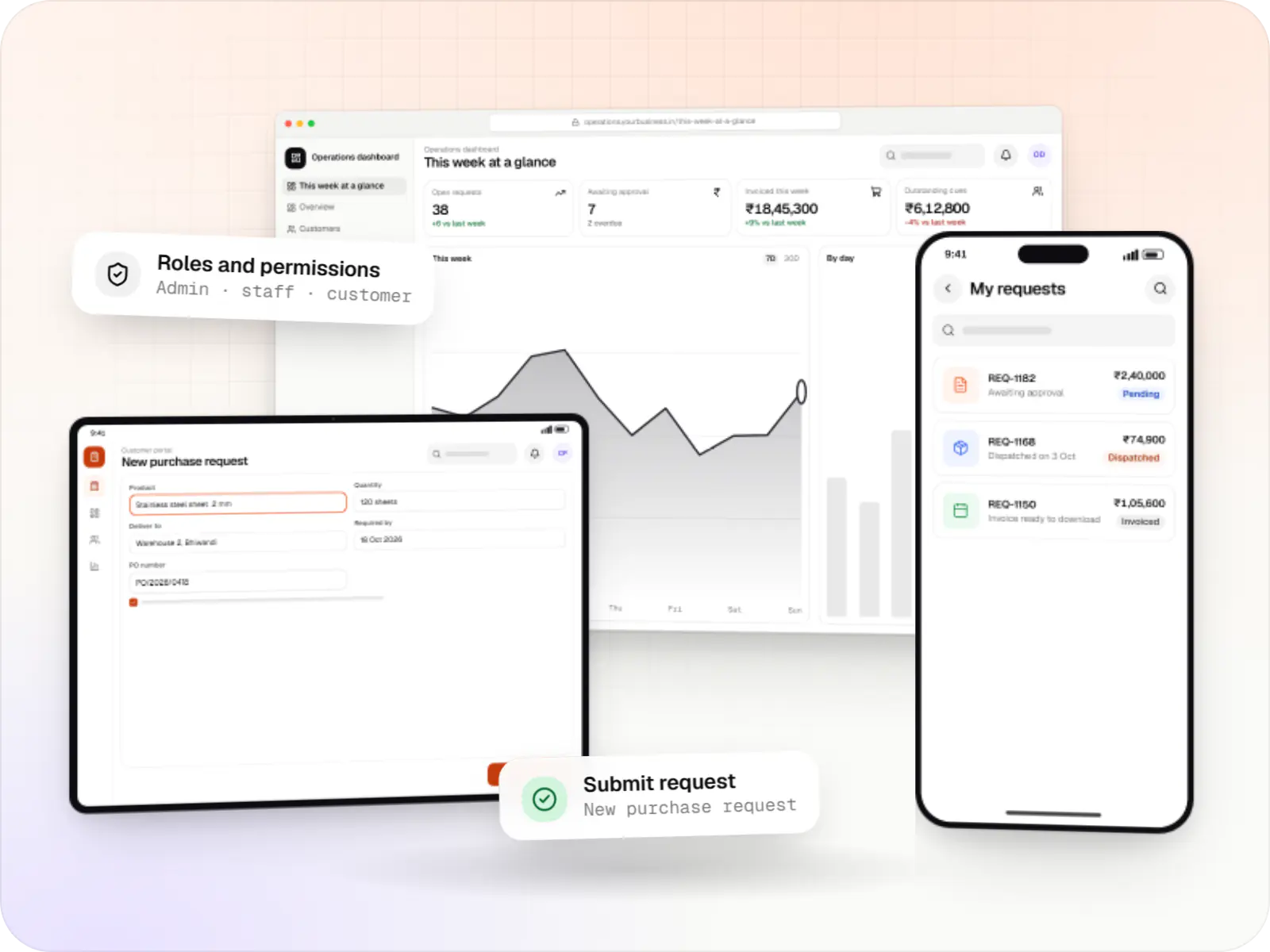
    An illustrative ordering app for a distributor's retailers and sales team, with tier pricing, credit limits, trade schemes and GST invoicing.

    • B2B commerce
    • Mobile app + web admin

    Runs on

    • Android
    • iOS
    • Cross-platform
    • Admin

    Built with

    • React Native
    • Node.js
    • PostgreSQL
    • Redis
    • AWS
    • +1 more
  • E-commerce & marketplaces

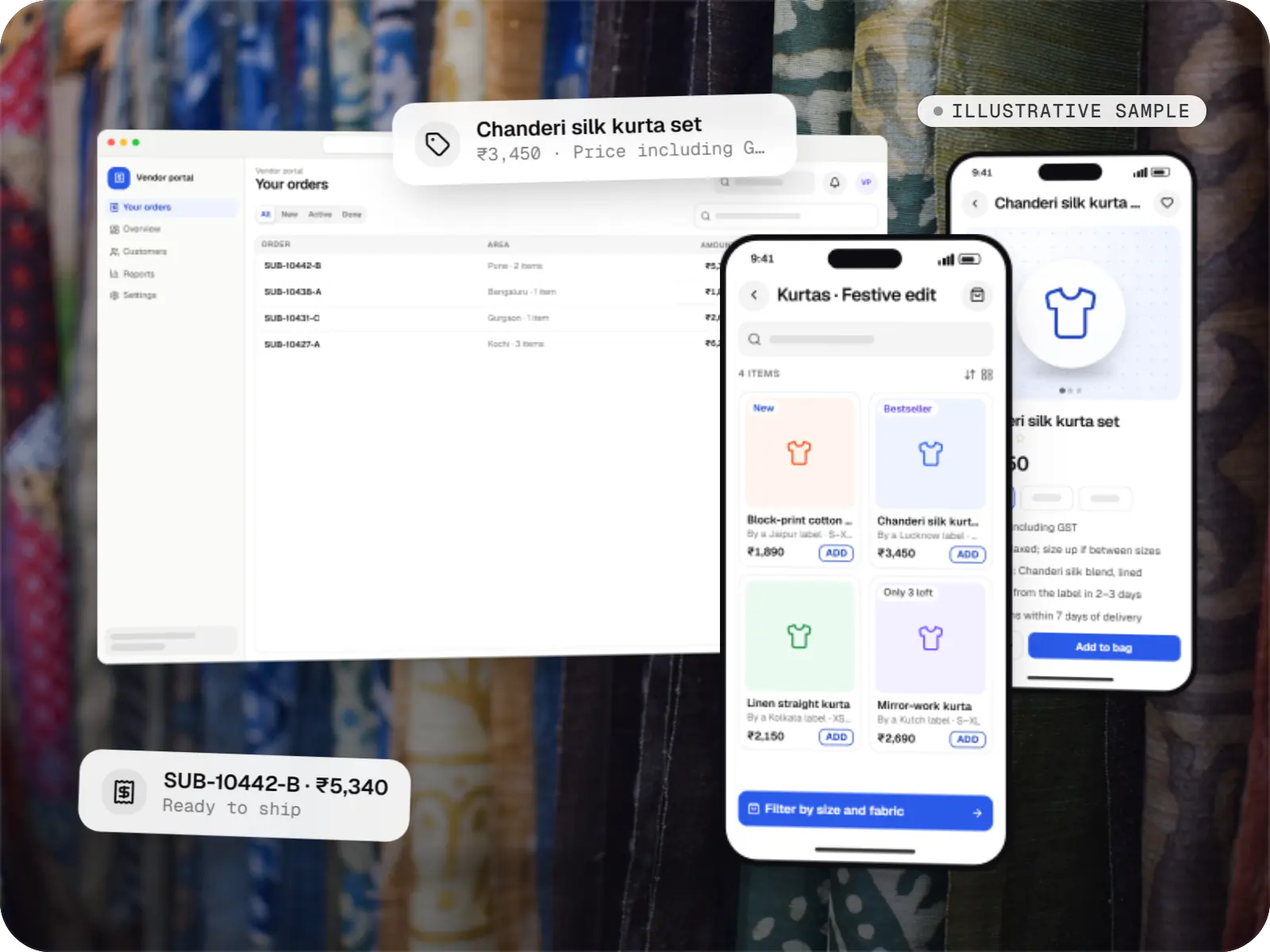
    Illustrative sample

    Multi-vendor fashion marketplace

    An illustrative marketplace where independent fashion labels sell through one storefront, with vendor onboarding, commission rules, multi-pickup shipping, returns and scheduled payouts.

    • E-commerce
    • Marketplace web platform

    Runs on

    • Website
    • Web app
    • Admin

    Built with

    • Next.js
    • NestJS
    • PostgreSQL
    • Redis
    • AWS
    • +1 more
  • Business software

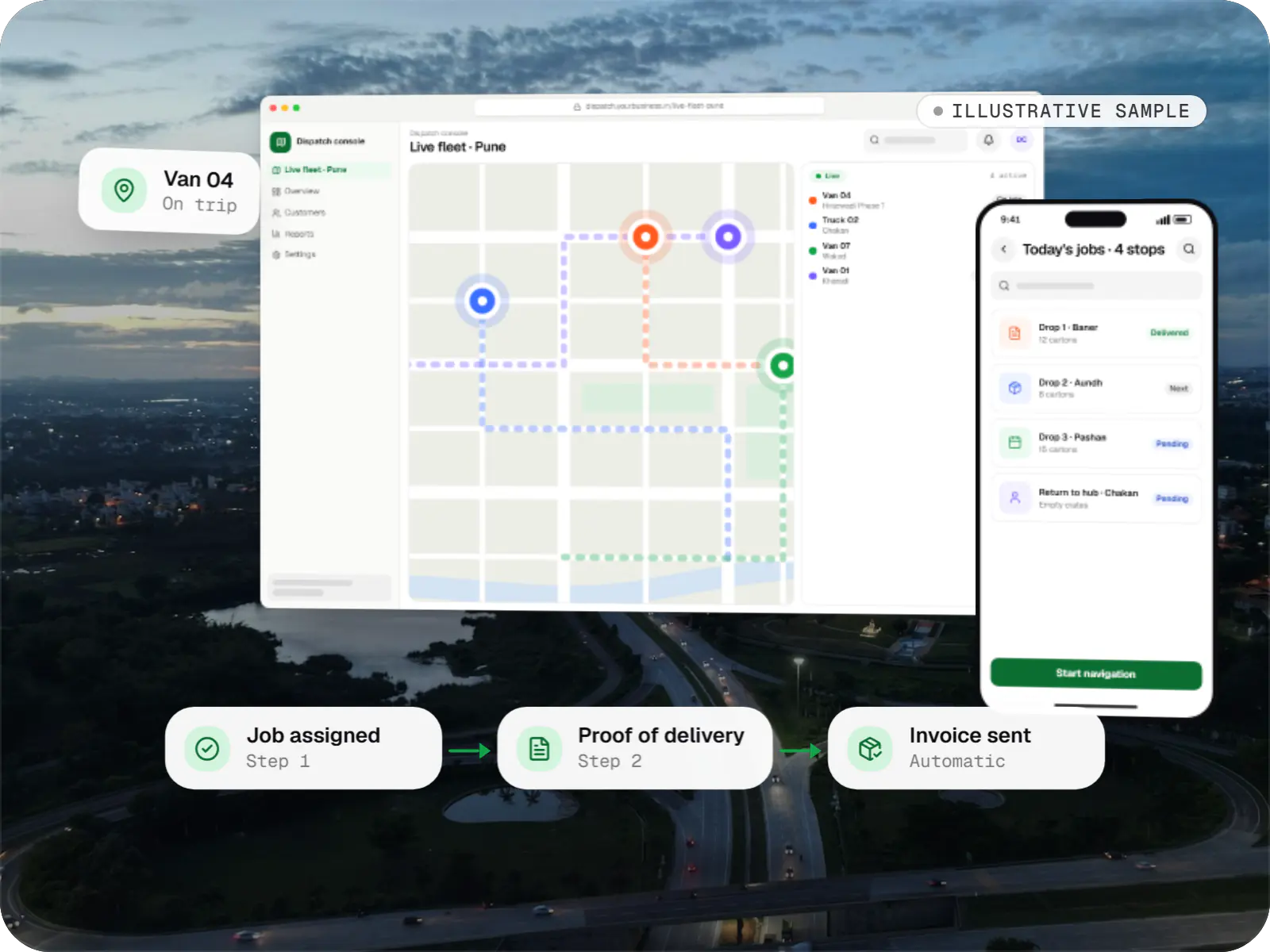
    Illustrative sample

    Fleet & dispatch management SaaS

    An illustrative SaaS for businesses running their own vehicles: live dispatch on a map, driver proof of delivery and per-trip billing for each customer.

    • Transportation
    • SaaS

    Runs on

    • Web app
    • Android
    • iOS
    • Cross-platform

    Built with

    • React
    • React Native
    • Node.js
    • PostgreSQL
    • Redis
    • +1 more
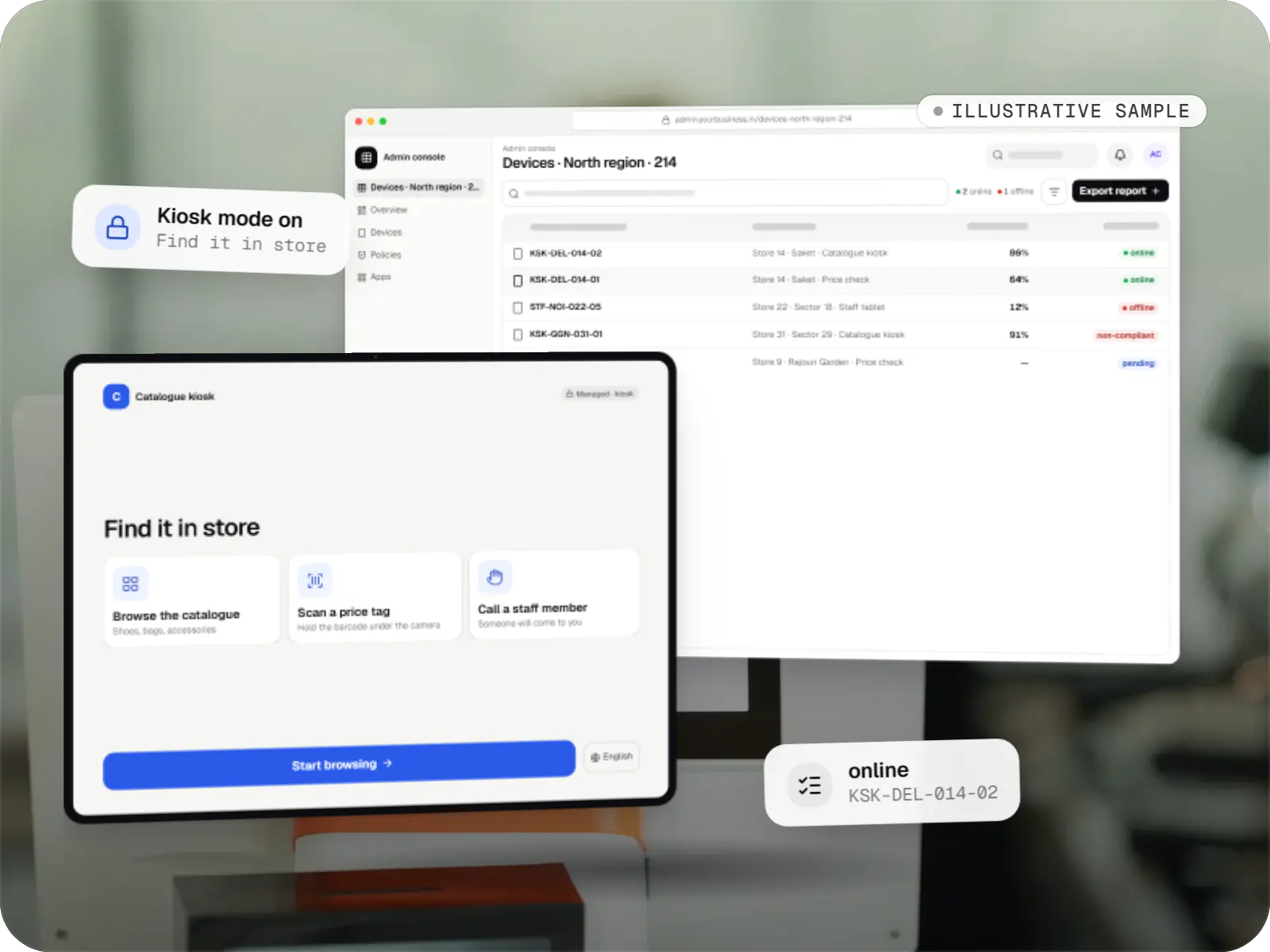
  • Device management & kiosk solutions

    Illustrative sample

    Android kiosk and device management platform for retail stores

    An illustrative kiosk product for retail chains: locked Android tablets for catalogues and price checks, a staff launcher, and a console to enrol, update and monitor every device.

    • Retail
    • Device management platform

    Runs on

    • Android Enterprise
    • Admin
    • Web app

    Built with

    • Next.js
    • React
    • Android (Kotlin)
    • NestJS
    • PostgreSQL
    • +1 more
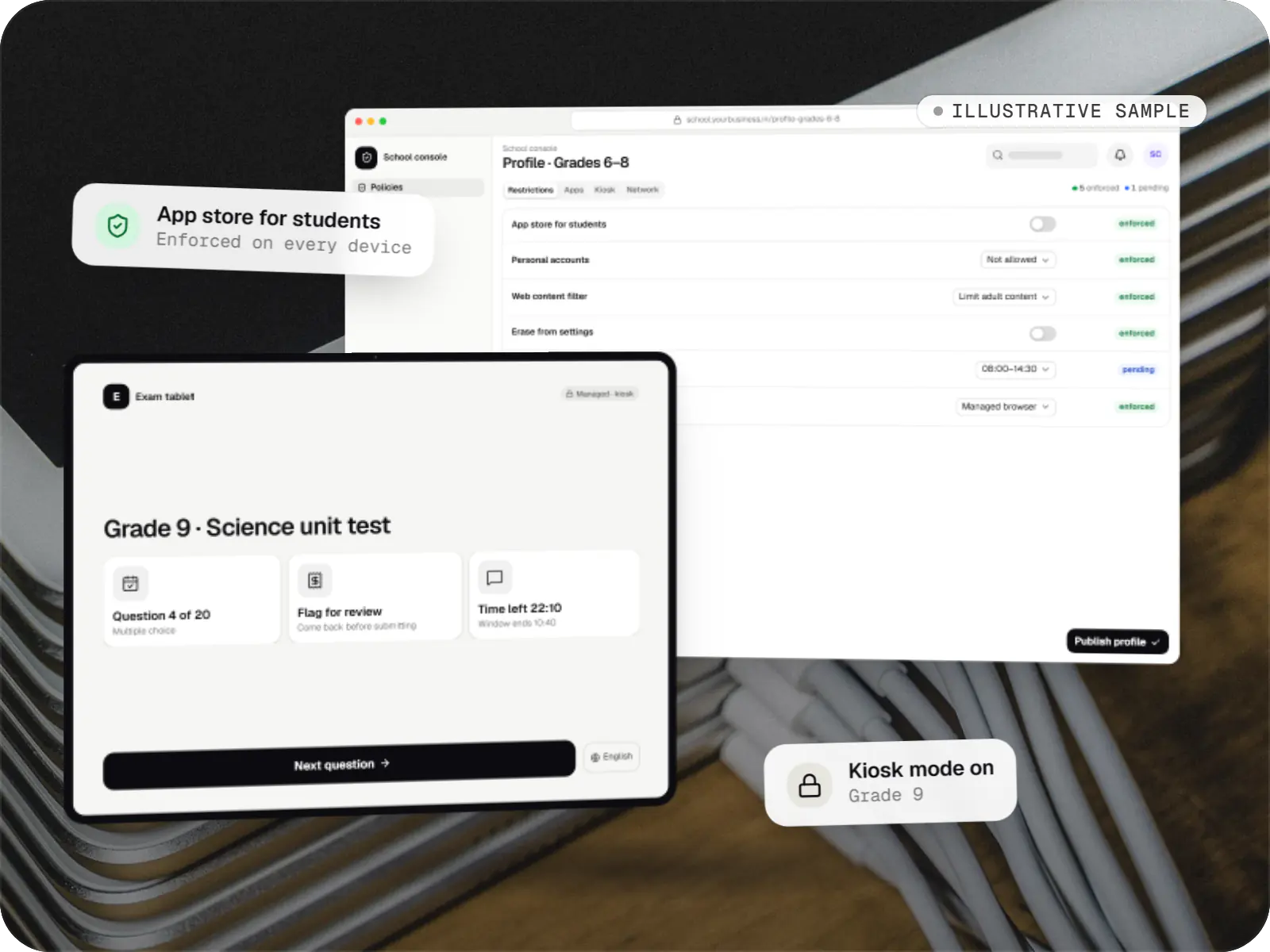
  • Device management & kiosk solutions

    Illustrative sample

    Tablet management console for schools

    An illustrative console for school tablets: iPad devices through Apple School Manager and MDM, Android™ tablets through Android Enterprise, with class-based rules teachers can follow.

    • Schools
    • Device management SaaS

    Runs on

    • iPhone and iPad
    • Android Enterprise
    • Admin
    • Web app

    Built with

    • Next.js
    • NestJS
    • PostgreSQL
    • Redis
    • AWS
    • +1 more

Industries

Where it shows up by industry

Industries whose typical builds with us include Redis.

FAQ

Frequently asked questions

Will adding Redis make our slow app fast?

Only if the slowness comes from repeated, expensive reads. Caching helps with pages or API responses many users request, such as menus or catalogues. If the cause is a badly indexed query, a slow third-party API or heavy front-end code, caching can hide the problem or serve stale data. We profile first, then add caching where it clearly helps, with sensible expiry.

How do you find the nearest delivery partner in real time?

While online, partner apps send location updates every few seconds, and we keep the latest position in a Redis geospatial index. When an order arrives, a radius query returns nearby available partners, which we rank by distance, current load and other rules before sending the request. Positions expire automatically if a phone goes offline, so stale partners are not assigned.

What happens to queued jobs if Redis restarts?

That depends on persistence settings. With append-only persistence on a managed service, queued jobs survive restarts. We also design jobs to be idempotent, so a job that runs twice, such as sending an invoice, has no duplicate effect, and critical records like payments live in the main database rather than only in a queue.

Next step

App slowing down under load?

Tell us where users feel the delay, and we'll profile before recommending caching or other fixes.

Or reach us directly

Mon–Sat, 10:00–19:00 IST