


Mobile
Flutter
Build Android and iOS apps from one shared codebase, so you launch on both platforms faster with a consistent experience.
Used for
- Mobile apps
- Delivery apps
- E-commerce apps
- Booking apps
On-demand · Mobility
Rider and driver apps, dispatch that matches trips in seconds, and the fare, payout and fleet tools you need from the first city launch.
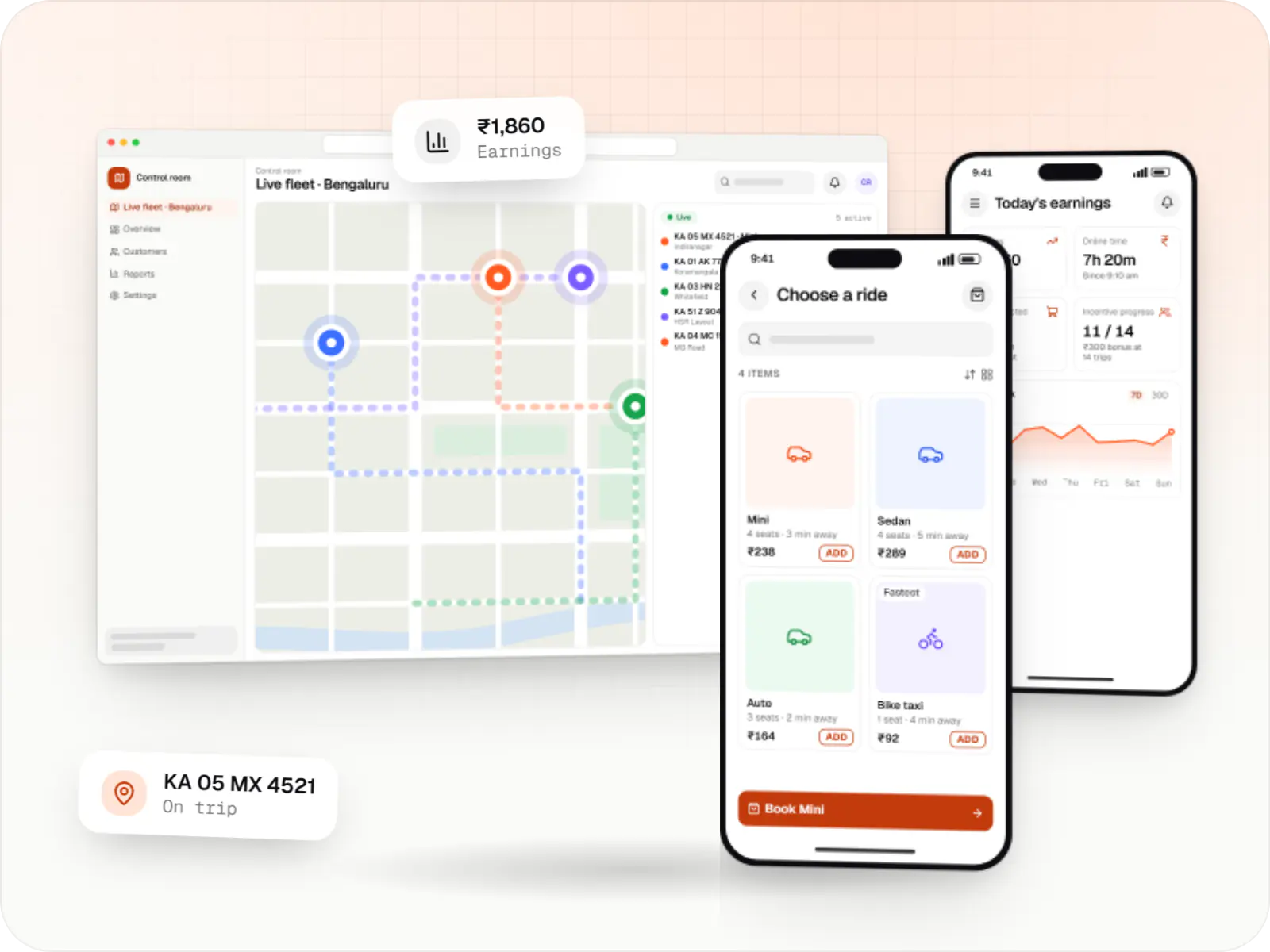
At a glance
What it is
Rider app, driver app, dispatch engine and admin console for cab, auto, bike taxi, rental and outstation services, with UPI, cash and live tracking.
Flutter and the related logo are trademarks of Google LLC. We are not endorsed by or affiliated with Google LLC.
How to start
Tell us what you need in your own words. You talk to the developers who would build it and get a written, line-item estimate.
Get a project estimateMost taxi app projects underestimate the driver side. Riders judge the product on how quickly a car arrives, and that depends on drivers keeping the app open, accepting requests and trusting the payout maths.
So we design dispatch, incentives and cash reconciliation first. Driver locations stream over persistent connections, nearby-driver lookups run on a geospatial index in Redis, and fares are calculated on the server so the estimate matches the bill.
This taxi booking app core suits a fleet owner leaving phone bookings behind or an aggregator onboarding independent drivers.
Challenges
Android battery savers kill background location; a foreground service and stale-location checks keep offline drivers out of dispatch.
Requests pass to the next nearest driver after a timeout.
Distance, waiting time, tolls, night charges and surge are itemised from the recorded route.
SOS alerts to your control room, trip sharing, ride-start OTP and masked phone numbers.
What is included
Platform: Android and iOS
Platform: Android first
Platform: Backend
Platform: Web
How it works
Each step is handled by the rider app, the driver app or the dispatch engine, with your control room watching live.
The rider sets pickup and drop, picks cab, auto or bike taxi, and sees an upfront fare calculated on the server.
The nearest free driver gets the request with pickup distance and expected earnings; if they ignore it, it moves to the next driver.
The driver navigates to the rider, who watches the car approach and shares a ride-start OTP on getting in.
The route is recorded, the rider can share the trip with family, and SOS alerts reach your control room.
The fare is finalised from the recorded route, including tolls and waiting time, and paid by UPI, card, wallet or cash.
Both sides rate the trip; ratings feed into dispatch and help your team spot problems early.
Platforms
Riders and drivers use phone apps; your team runs fleets, fares and support from a web console.
Apps for Android phones and tablets, tested on budget and mid-range devices and published on Google Play or privately.
Apps for iPhone and iPad, built to Apple's guidelines and released through TestFlight and the App Store.
One Flutter or React Native codebase for Android and iOS, with native modules where a feature needs them.
Back-office panels for operations, support and finance teams: orders, users, content, reports and permissions.
Browser-based applications with logins, roles and workflows, such as customer portals, SaaS products and internal tools.
Technology
Live maps, instant driver matching and reliable payments depend on these tools working together.
Mobile
Build Android and iOS apps from one shared codebase, so you launch on both platforms faster with a consistent experience.
Used for
Backend
Runs the server side of apps: fast, scalable back ends that power your app, website and integrations.
Used for
Backend
A structured way to build back ends on Node.js, so large business systems stay organised, testable and easy to hand over.
Used for
Data
Keeps frequently used data in fast memory, so apps stay quick on busy days and live features like order tracking feel instant.
Used for
Data
A reliable database for the records your business runs on: orders, payments, bookings and stock, kept accurate and easy to report on.
Used for
Payments & maps
Adds maps, address search, live tracking and travel-time estimates to delivery, ride and field apps, so orders reach the right door.
Used for
Payments & maps
Lets customers in India pay by UPI, cards, netbanking or wallets, and handles subscriptions, refunds and payouts to sellers or partners.
Used for
Cloud & DevOps
Ready-made building blocks for mobile apps, such as push notifications, phone OTP login and crash reports, so you launch sooner.
Used for
Cloud & DevOps
Cloud hosting for your app, website and data, with data centres in India and room to grow when traffic rises.
Used for
Flutter and the related logo are trademarks of Google LLC. We are not endorsed by or affiliated with Google LLC.
Integrations
Routes, places and road snapping; calls are billed, so we cache routes.
An Indian alternative to compare on cost and address coverage.
UPI, cards and wallets for trips and driver subscriptions.
Scheduled driver payouts to bank accounts or UPI IDs.
Masked calls between riders and drivers.
Driver and vehicle document checks through licensed providers.
Plain-English glossary
Product preview
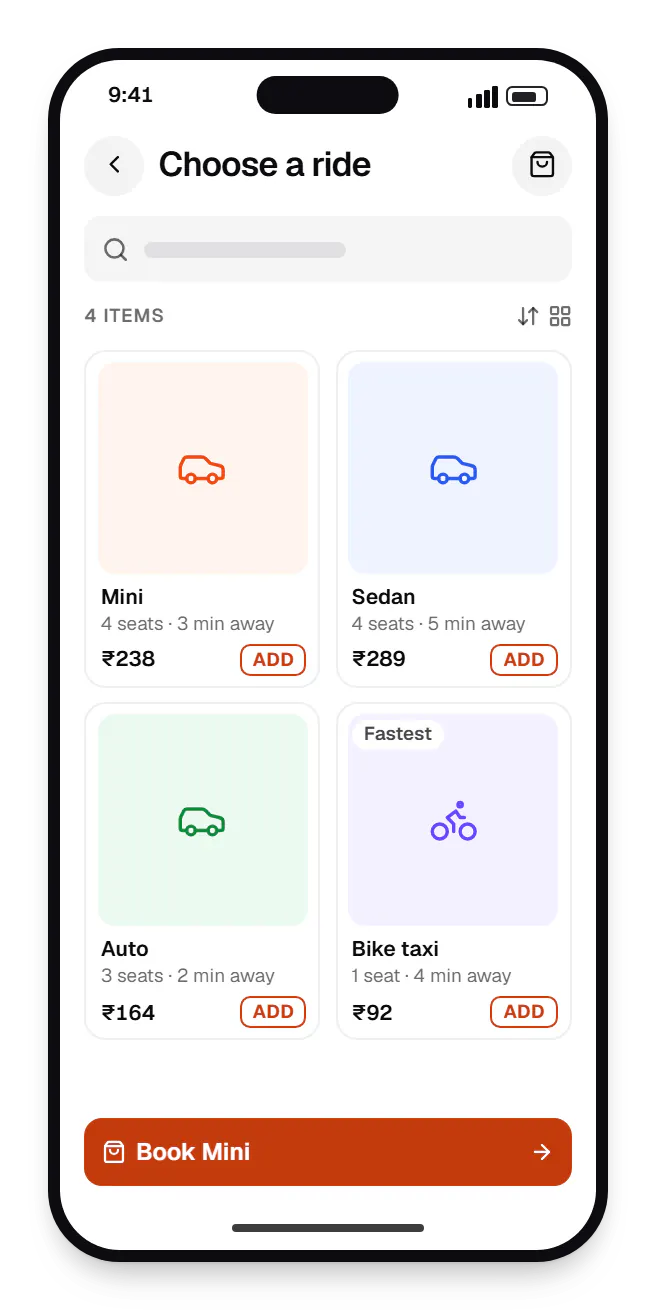
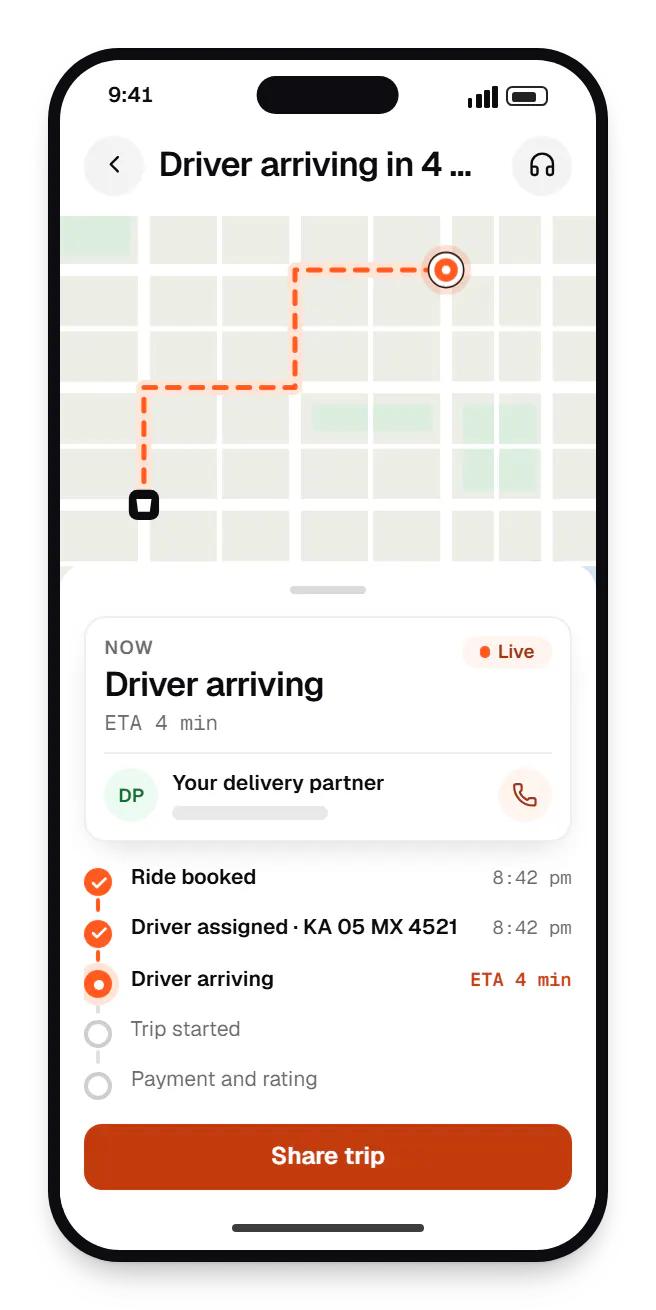
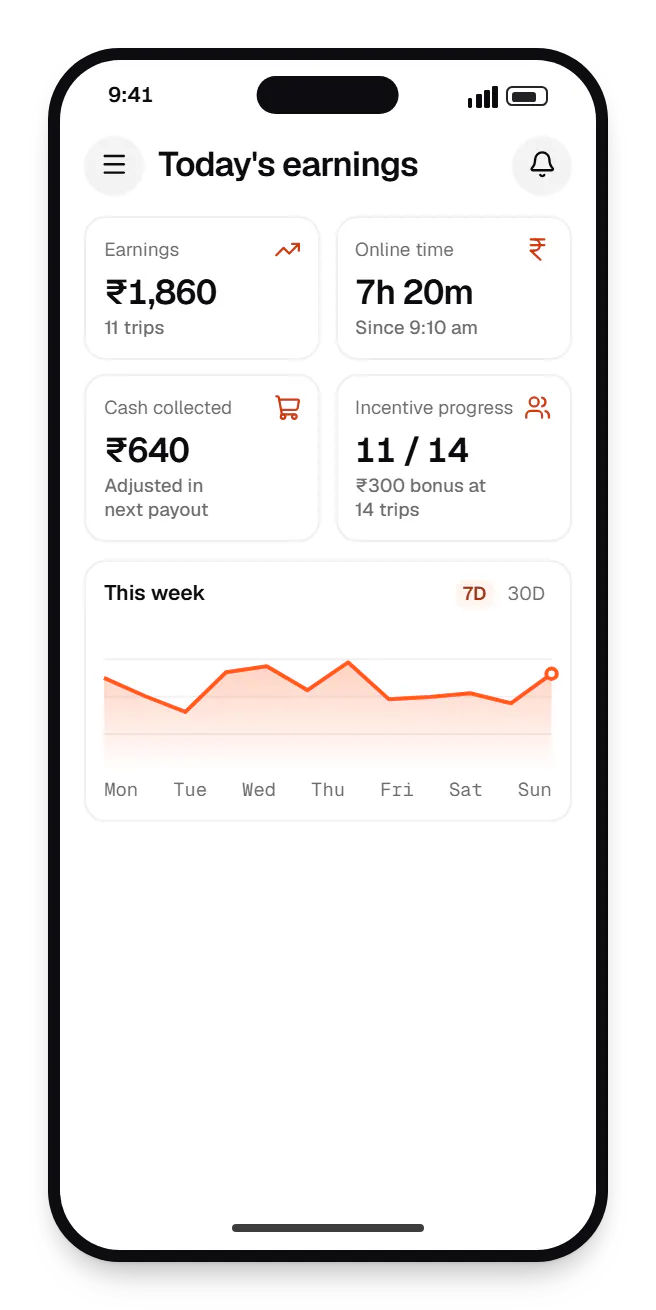
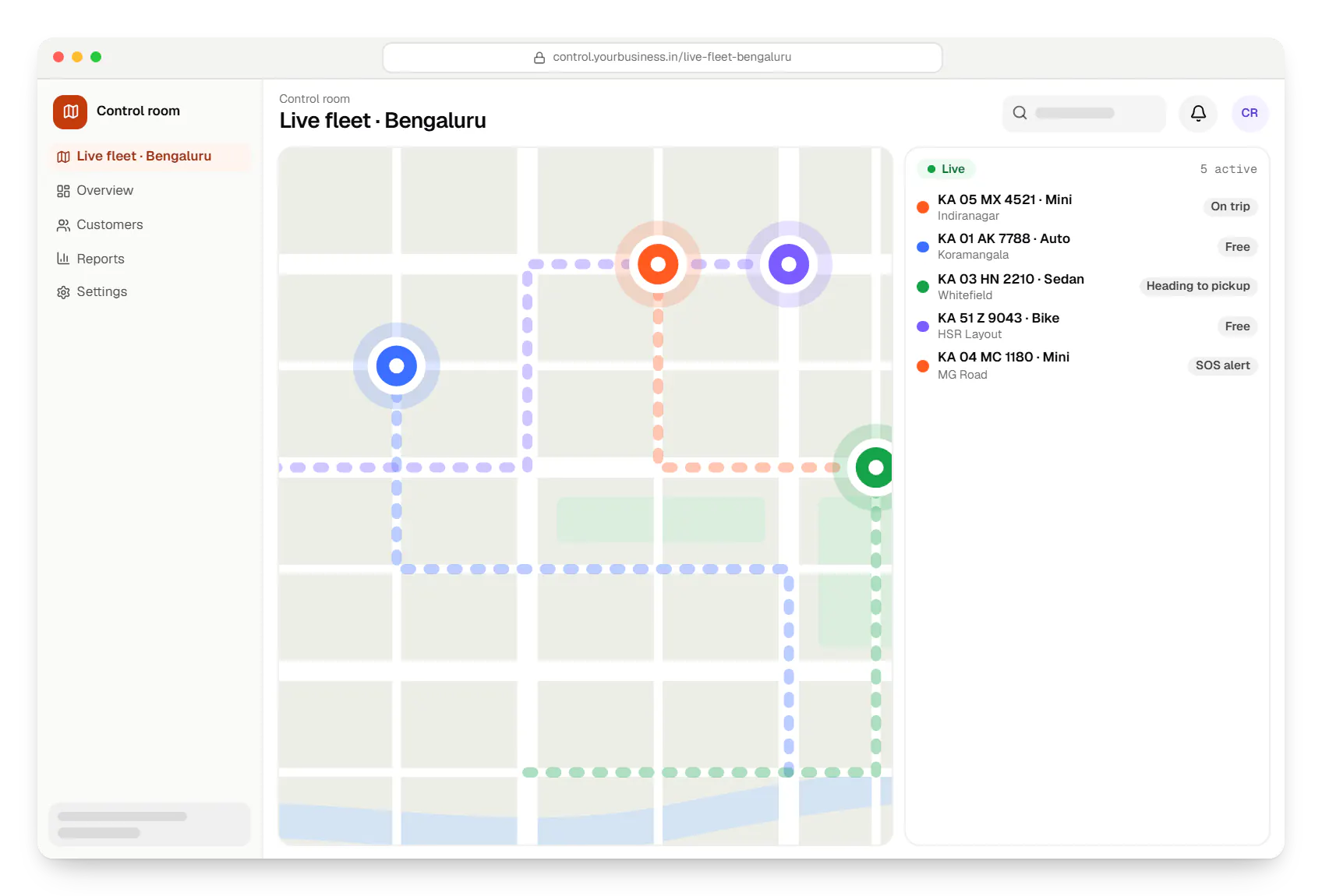
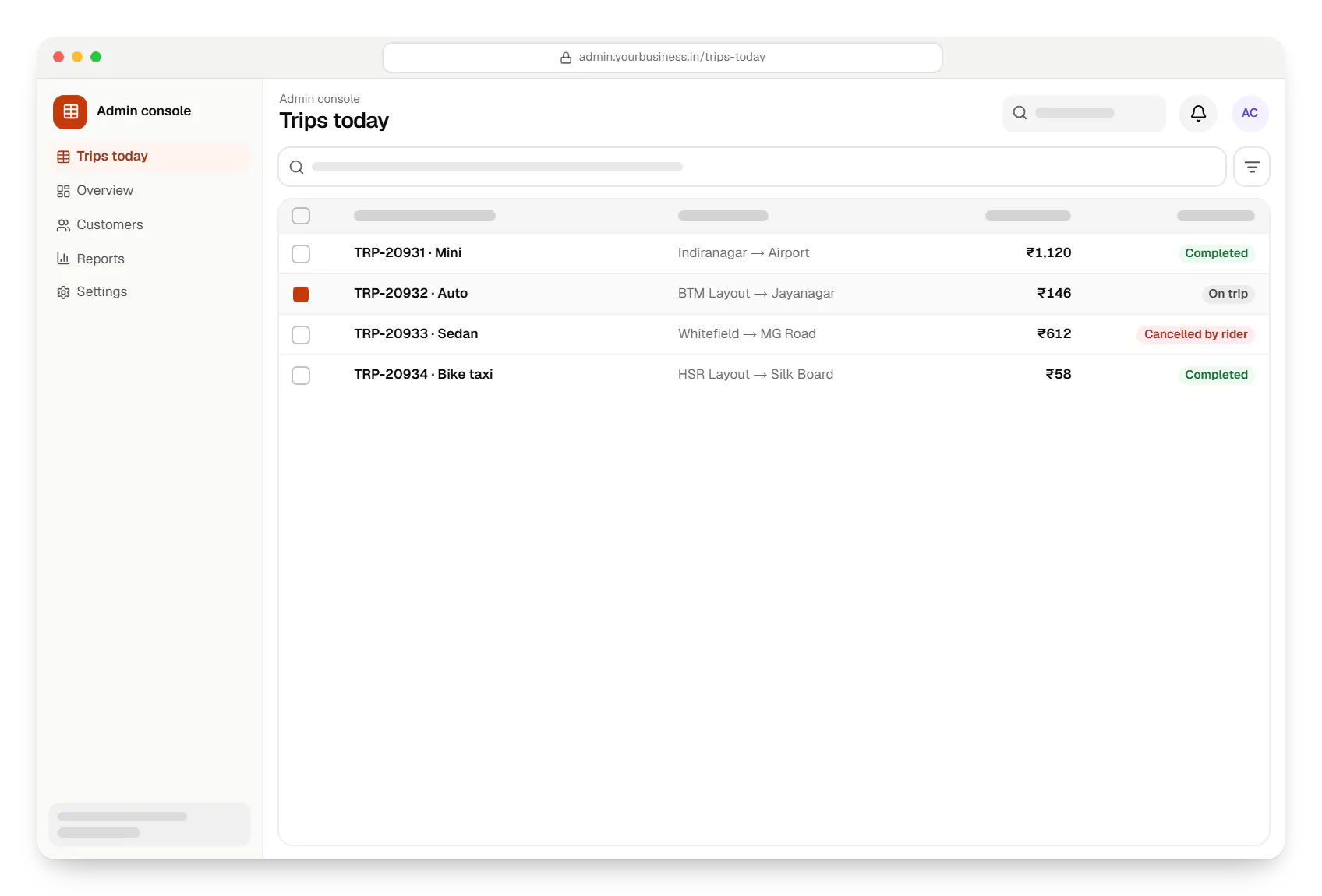
Sample screens: names, prices and figures are examples, not client data.
Work
Business software
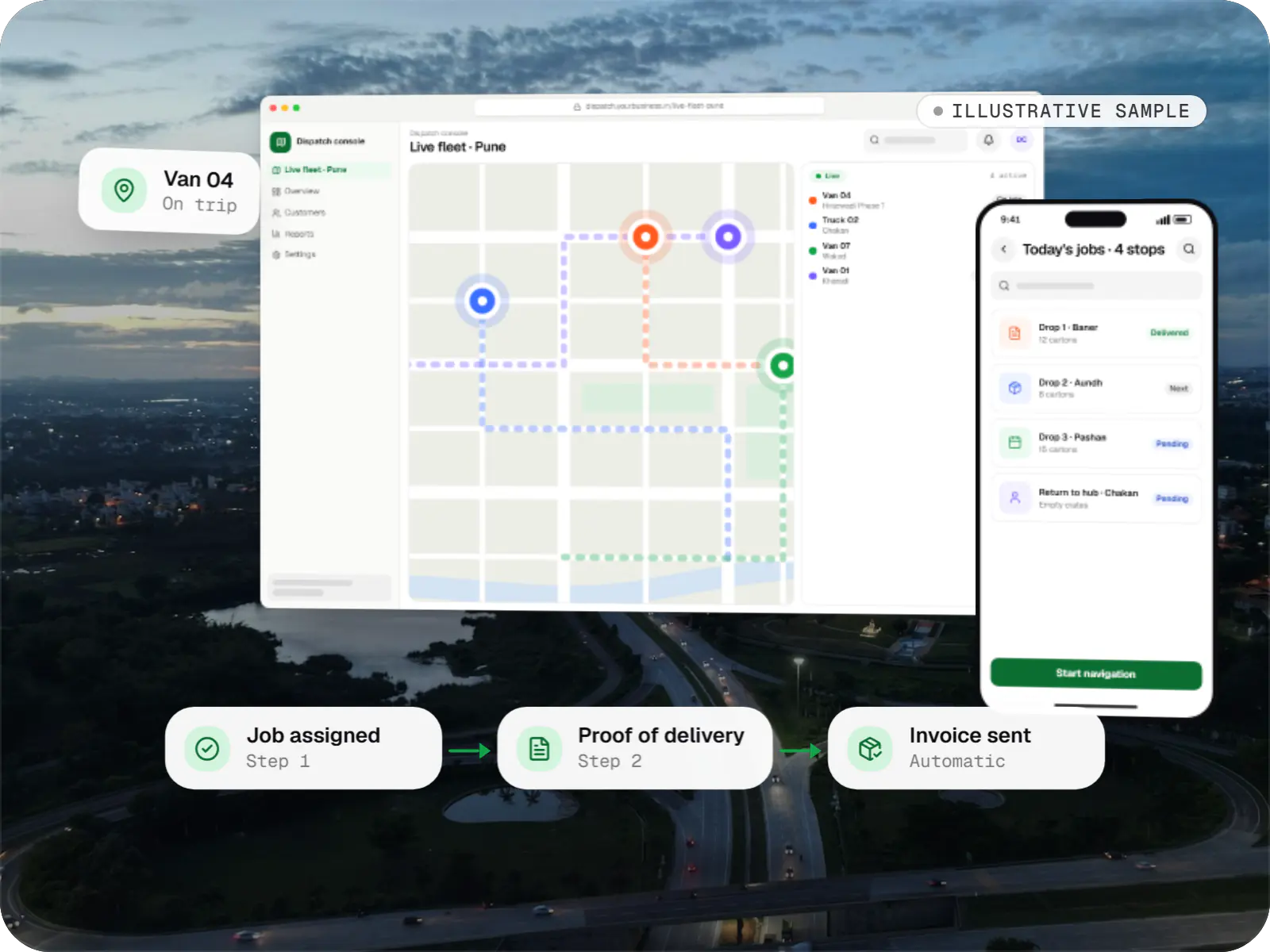
An illustrative SaaS for businesses running their own vehicles: live dispatch on a map, driver proof of delivery and per-trip billing for each customer.
Runs on
Built with
Services
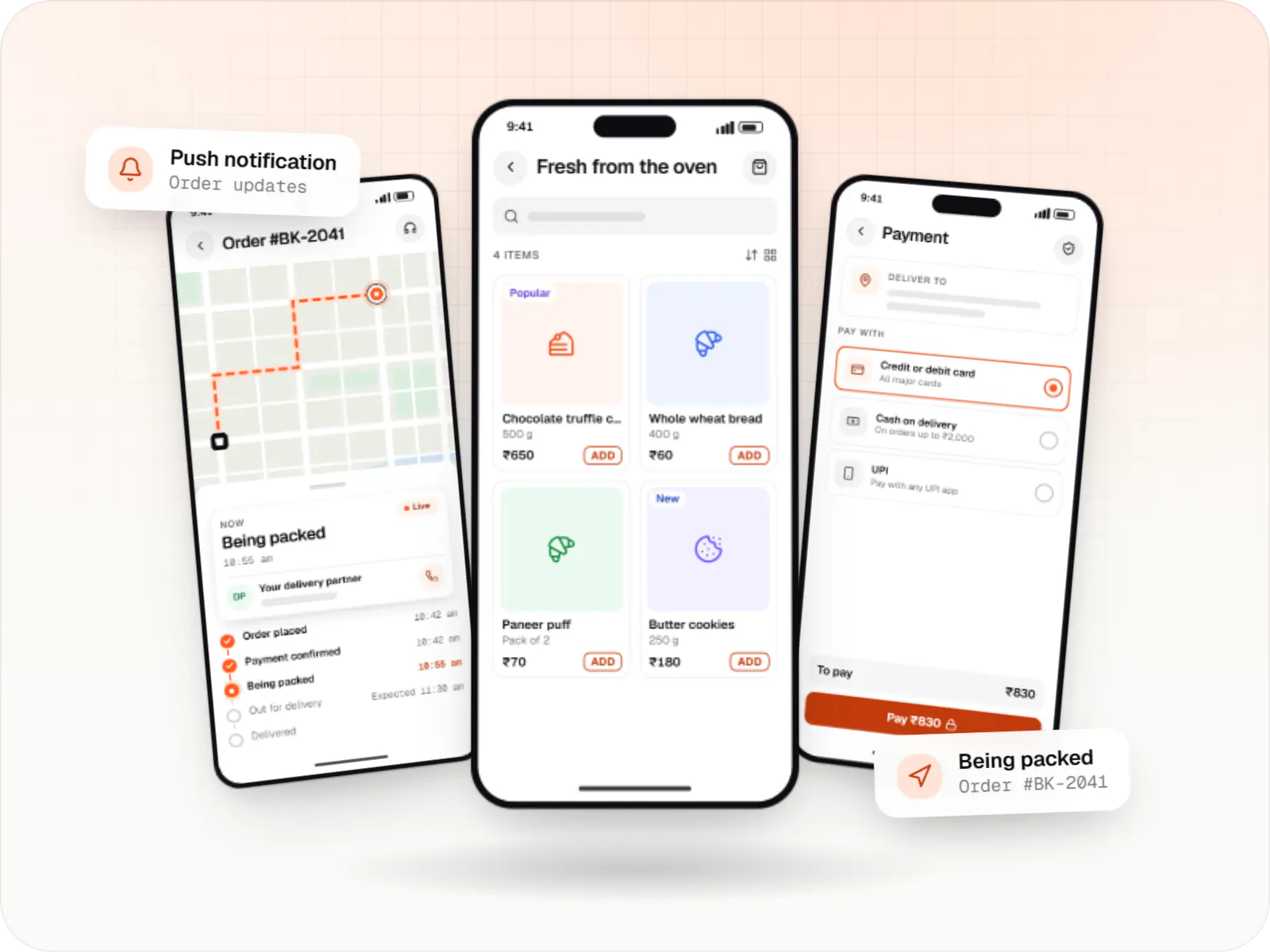
Native and cross-platform Android and iOS apps, from first release through regular store updates, built by our in-house designers and engineers.
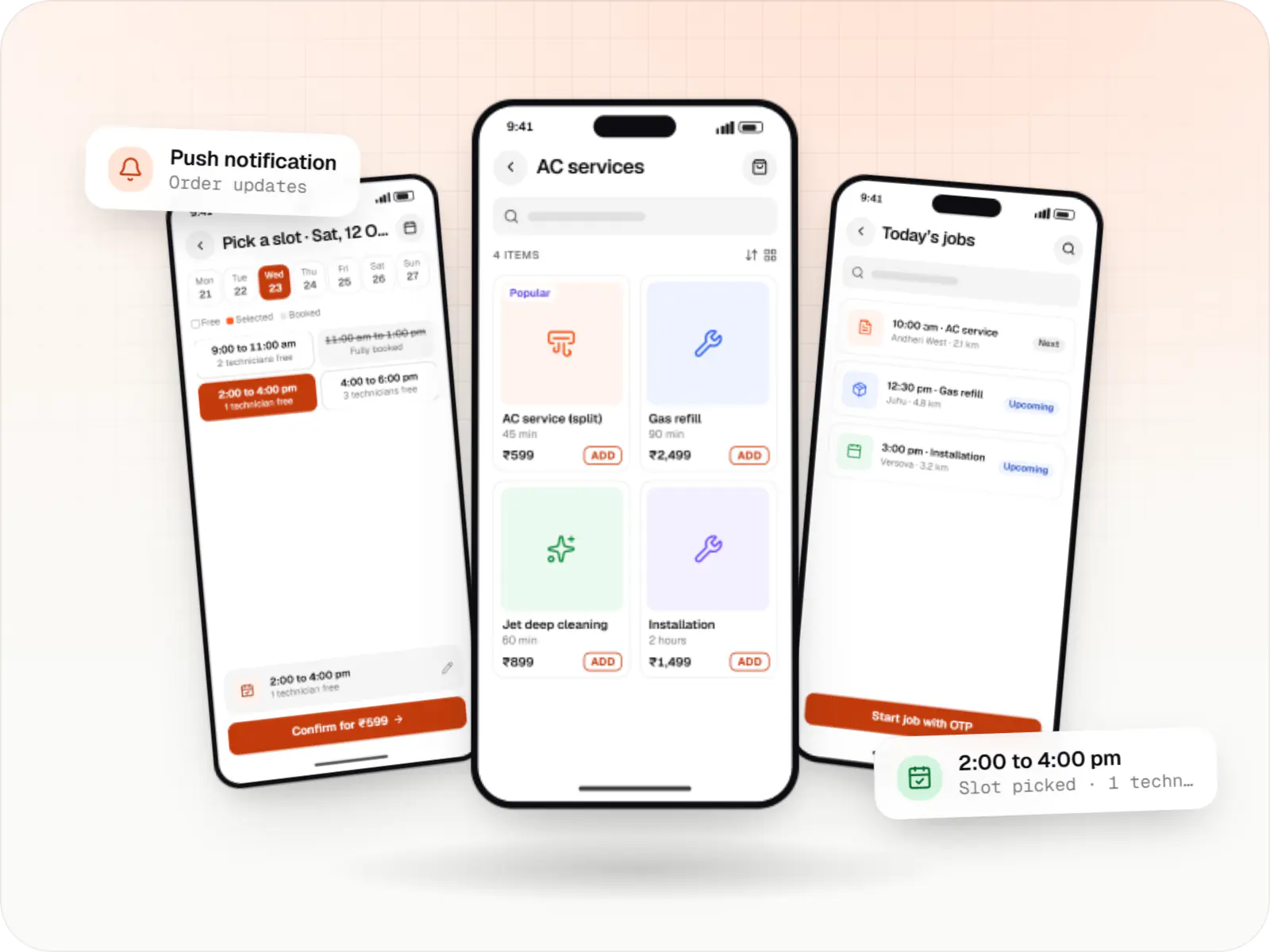
Android and iOS apps from one Dart codebase, built by engineers who know when Flutter is the right call and when native code is needed.
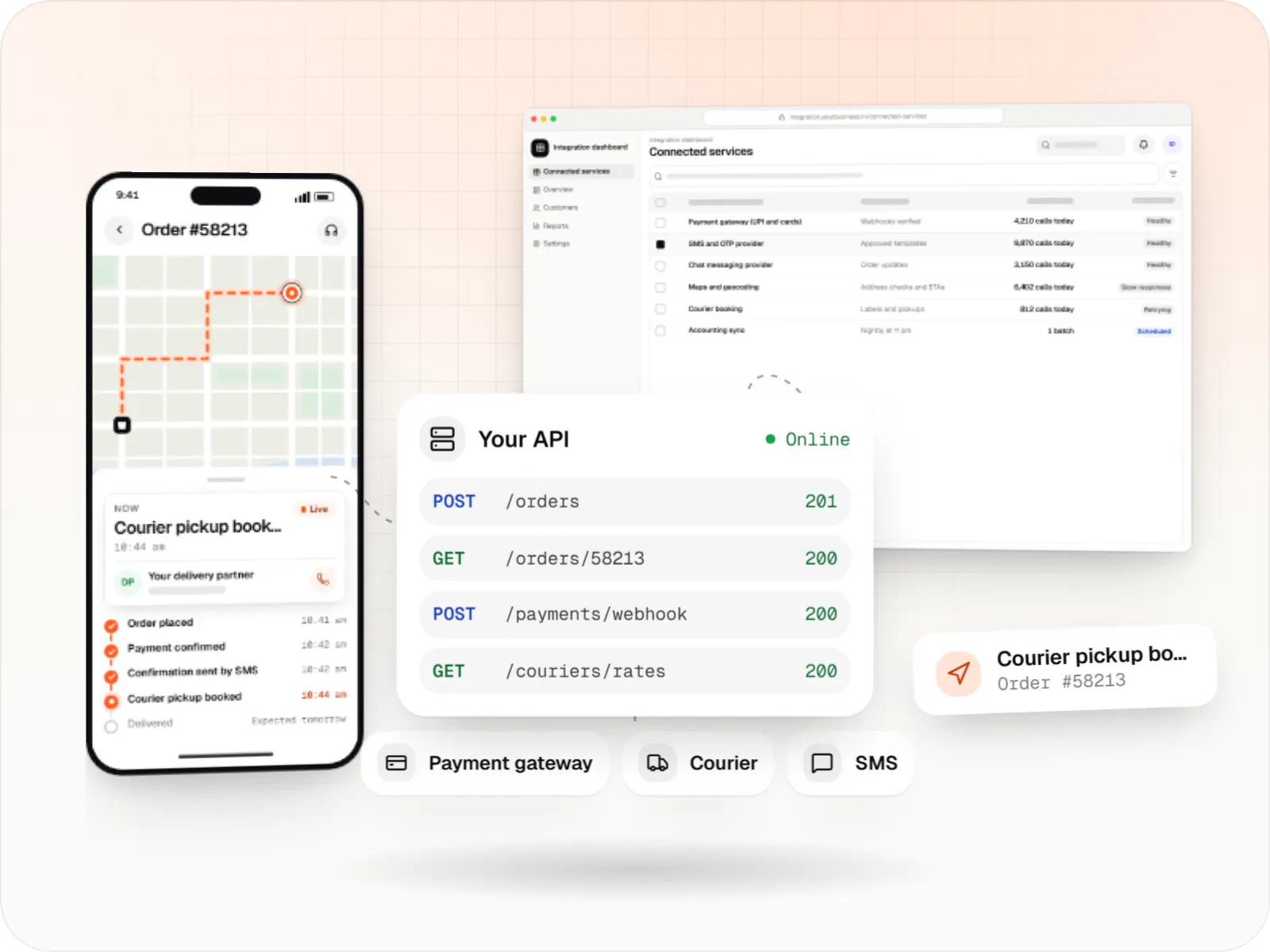
Secure, documented REST and GraphQL APIs, plus integrations that connect your apps to payment, logistics, GST, messaging and business systems.
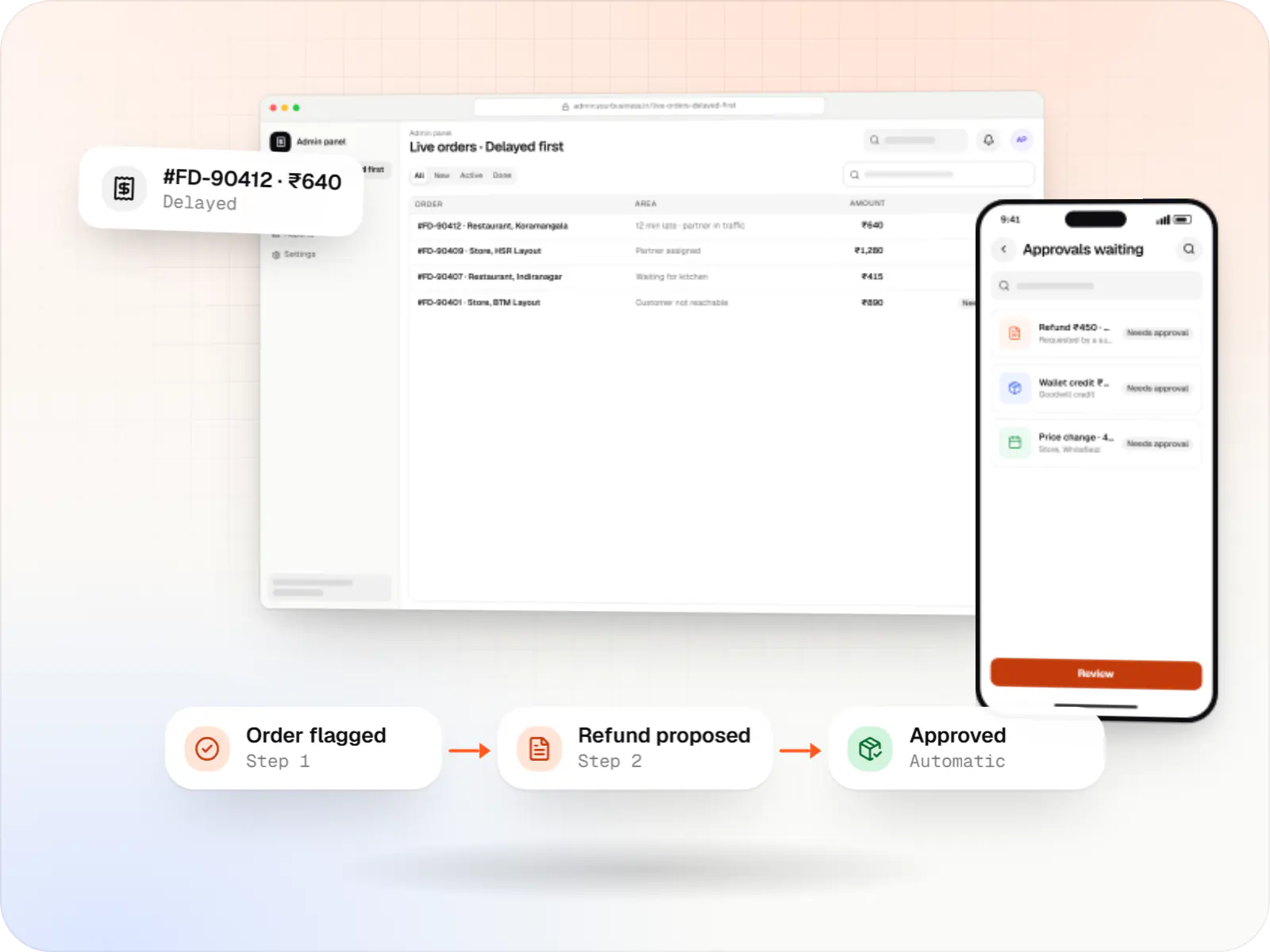
Back-office dashboards built around your team's daily tasks: order queues, approvals, catalogue management, payouts, reports and audit logs.
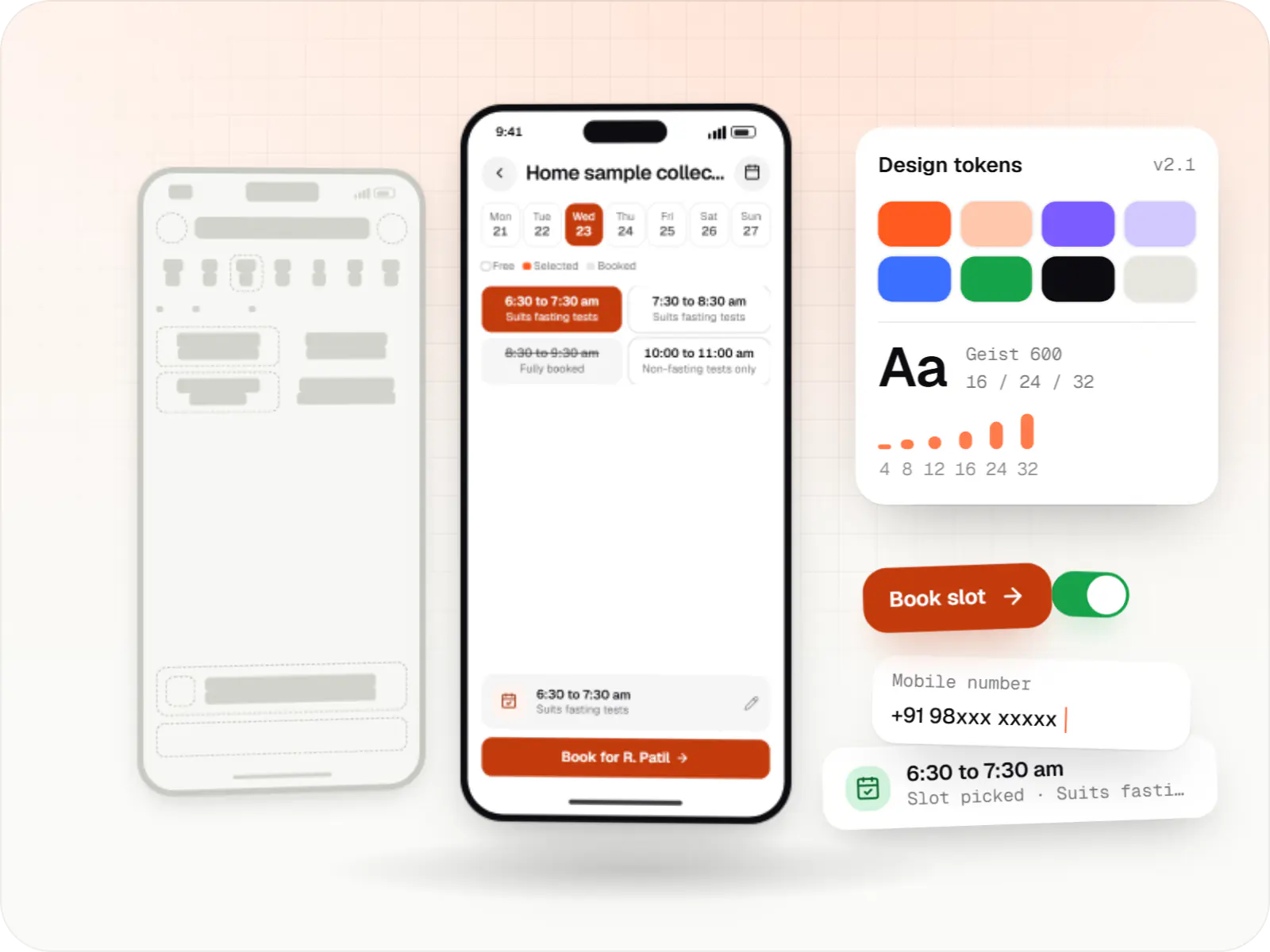
Product design for web and mobile apps: research, user flows, wireframes, prototypes and design systems that engineers can build from.
Industries
Cost drivers
City rides alone are simpler than adding rentals, outstation and shared rides.
Batched matching, destination modes and pooling add logic and testing.
Map API calls are billed per request, so design choices affect running costs as well as the build.
Commission, subscriptions and fleet-owner accounts each need their own settlement rules.
Each city adds fare tables, permits and aggregator requirements.
Estimates are written from your scope, with the effort and assumptions behind each line item.
How pricing worksFAQ
Keep the first release narrow: one city geofence, one or two vehicle types, cash and UPI, and an admin console for driver approval and support. Recruit and verify drivers before riders can book, or early customers see no cars. Rentals, outstation and shared rides can follow later. A focused MVP like this typically takes three to four months to build and pilot.
Yes. Drivers buy daily, weekly or monthly plans in the app, and an expired plan stops them going online. Renewals can run on UPI AutoPay mandates so shifts are not interrupted. Some operators mix models, such as subscriptions for cabs and commission for autos. Wallet and invoicing logic change with the model, so we settle it before the build.
Fares are computed on the server from the recorded route, not from what the driver's phone reports. Mock-location detection, impossible-speed checks and repeated rider-driver pairings flag suspicious trips for review. Promo codes are limited per device and payment method, and referral rewards wait for a completed, paid trip. Fraud never disappears entirely, but it becomes visible quickly.
The Ministry of Road Transport and Highways has issued Motor Vehicle Aggregator Guidelines, and states apply their own licensing and fare rules; bike taxis in particular are treated differently from state to state. We design for common requirements such as driver verification records, SOS alerts, fare transparency and trip data retention. Your legal adviser should confirm what applies in each city.
Yes. In fleet mode, vehicles are assigned to drivers per shift, earnings are tracked for reporting rather than paid per trip, and the console shows utilisation by vehicle. Fleet owners who supply cars can get their own dashboard. Fuel, servicing and document-expiry tracking overlap with fleet management software, which we can build alongside.
Next step
Tell us your ride types, launch city and business model, and we will send a scoped plan with a line-item estimate.