



Mobile
Flutter
Build Android and iOS apps from one shared codebase, so you launch on both platforms faster with a consistent experience.
Used for
- Mobile apps
- Delivery apps
- E-commerce apps
- Booking apps
Transportation & logistics
Platforms for new mobility businesses: EV and bike rentals, vehicle subscriptions, battery swapping, EV charging networks and shared micromobility.
At a glance
We build software for mobility operators beyond traditional taxis: self-drive and two-wheeler rentals, vehicle subscriptions, EV charging apps and charge point management, battery-swap station operations, and IoT-connected shared vehicles.
Flutter and the related logo are trademarks of Google LLC. We are not endorsed by or affiliated with Google LLC.
How to start
Tell us what you need in your own words. You talk to the developers who would build it and get a written, line-item estimate.
Get a project estimateChallenges
Vehicles and batteries sit idle in some areas while demand goes unmet in others.
Damage, late returns and unpaid dues need KYC, deposits and evidence at pickup and return.
IoT devices, batteries and chargers from different vendors speak different protocols.
Hourly, daily, weekly and subscription plans change often as the business learns.
Solutions
Across 4 areas
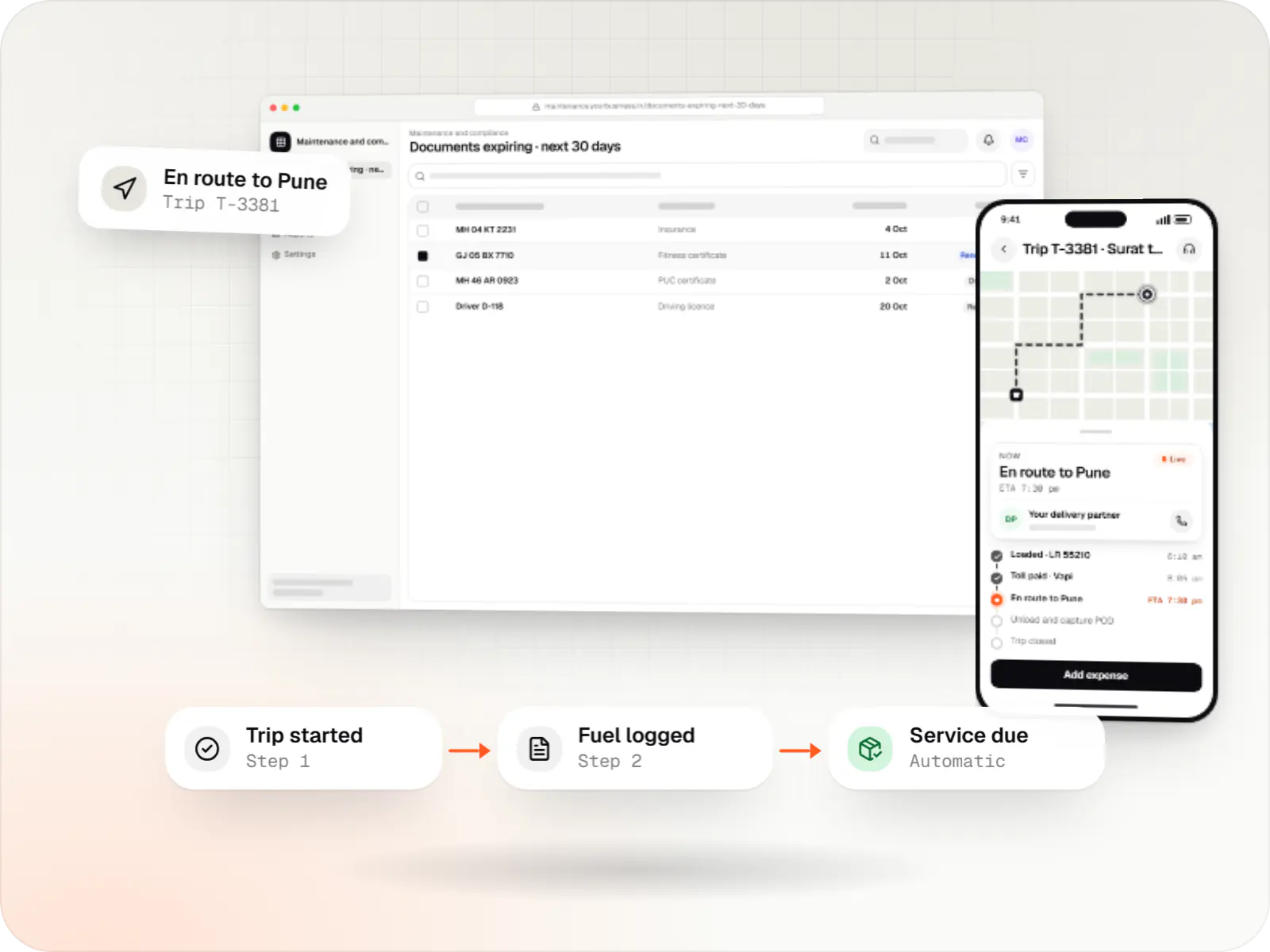
Custom fleet management software for GPS tracking, trips, driver apps, compliance reminders, maintenance and freight billing.
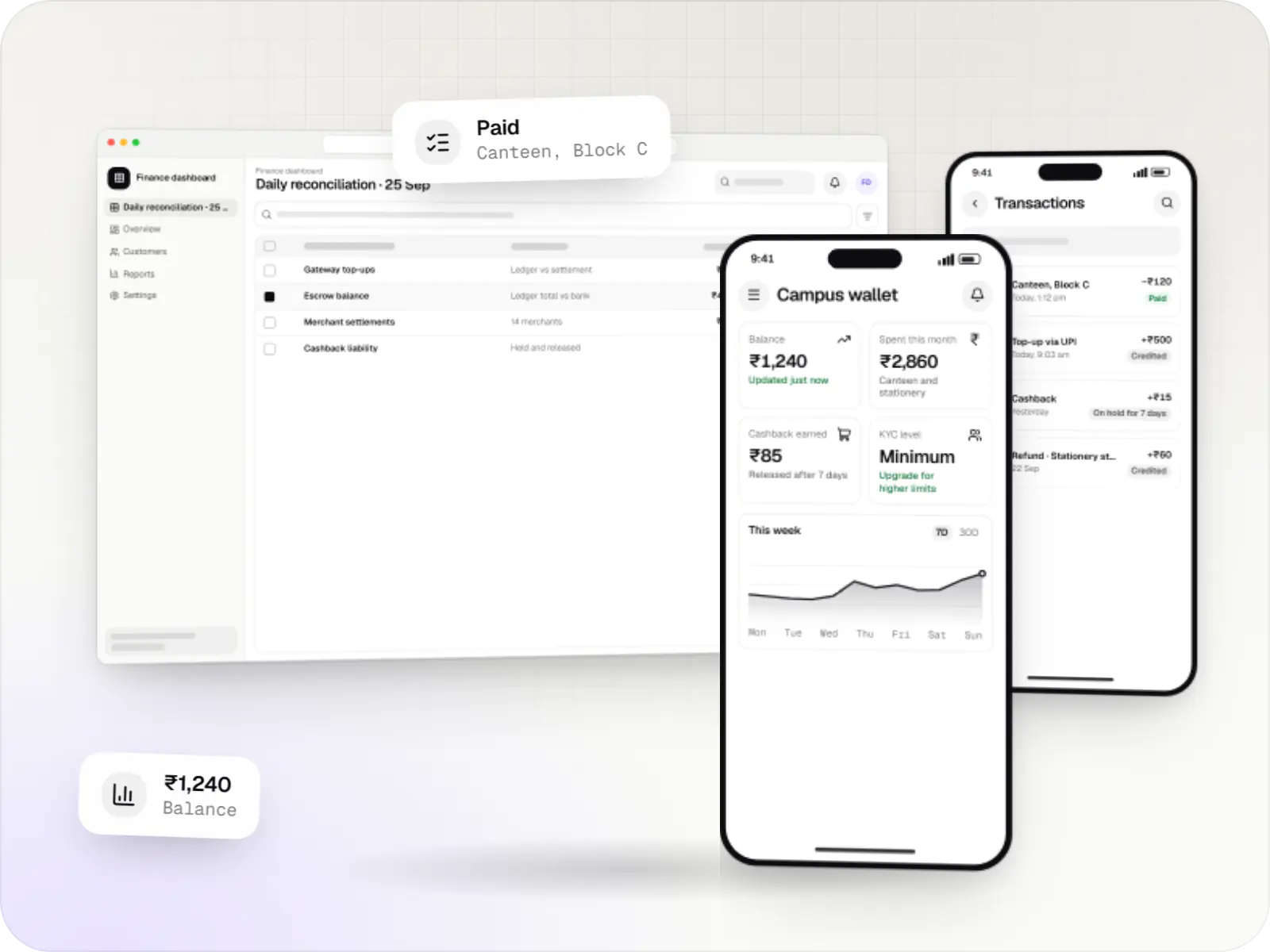
Digital wallet apps with top-ups, QR payments, rewards and a balance ledger, for closed-loop programmes or with a licensed PPI issuer.
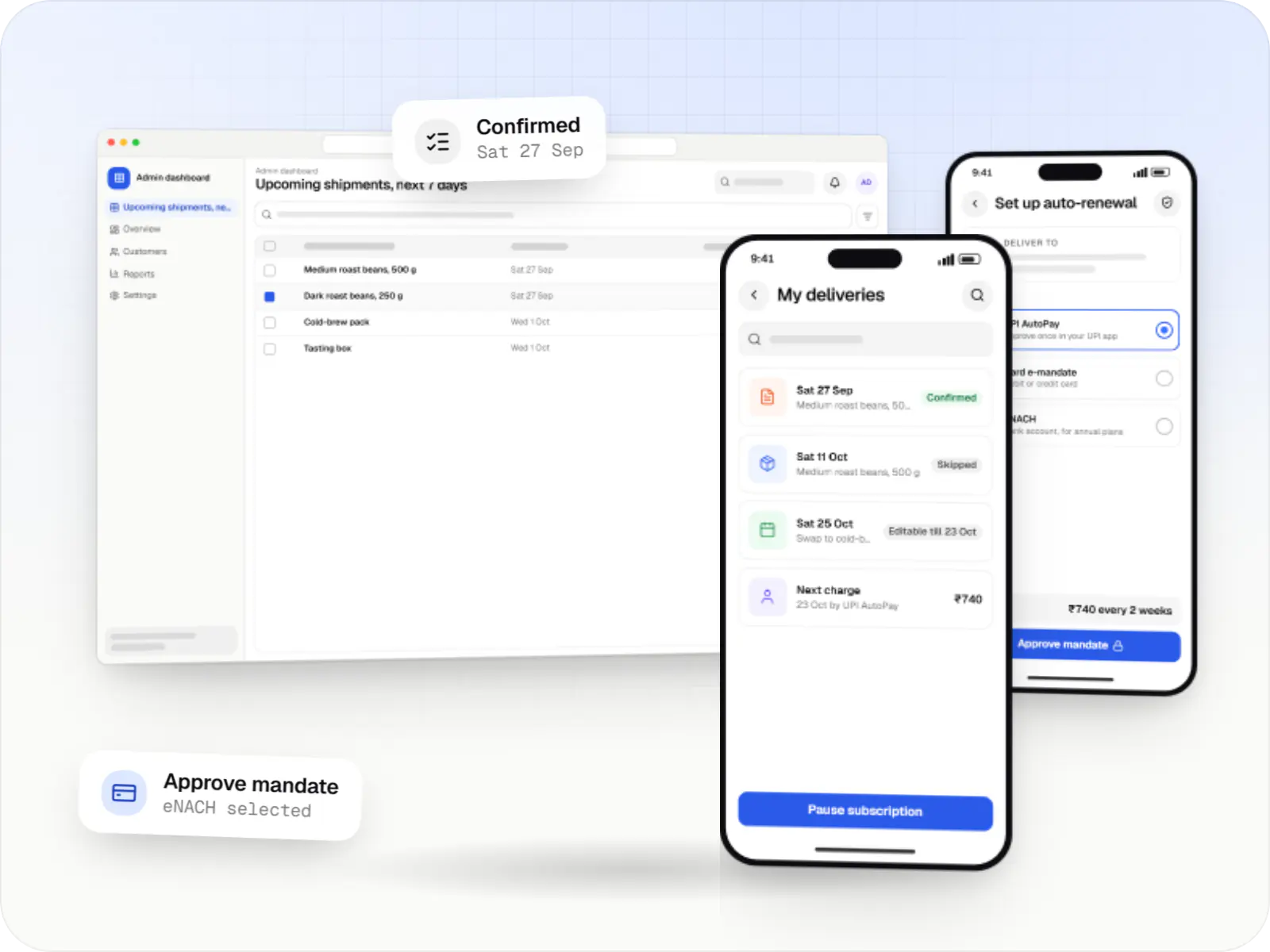
Subscription stores and memberships on UPI AutoPay, card mandates and eNACH, with pause, skip and swap controls and fulfilment planning.
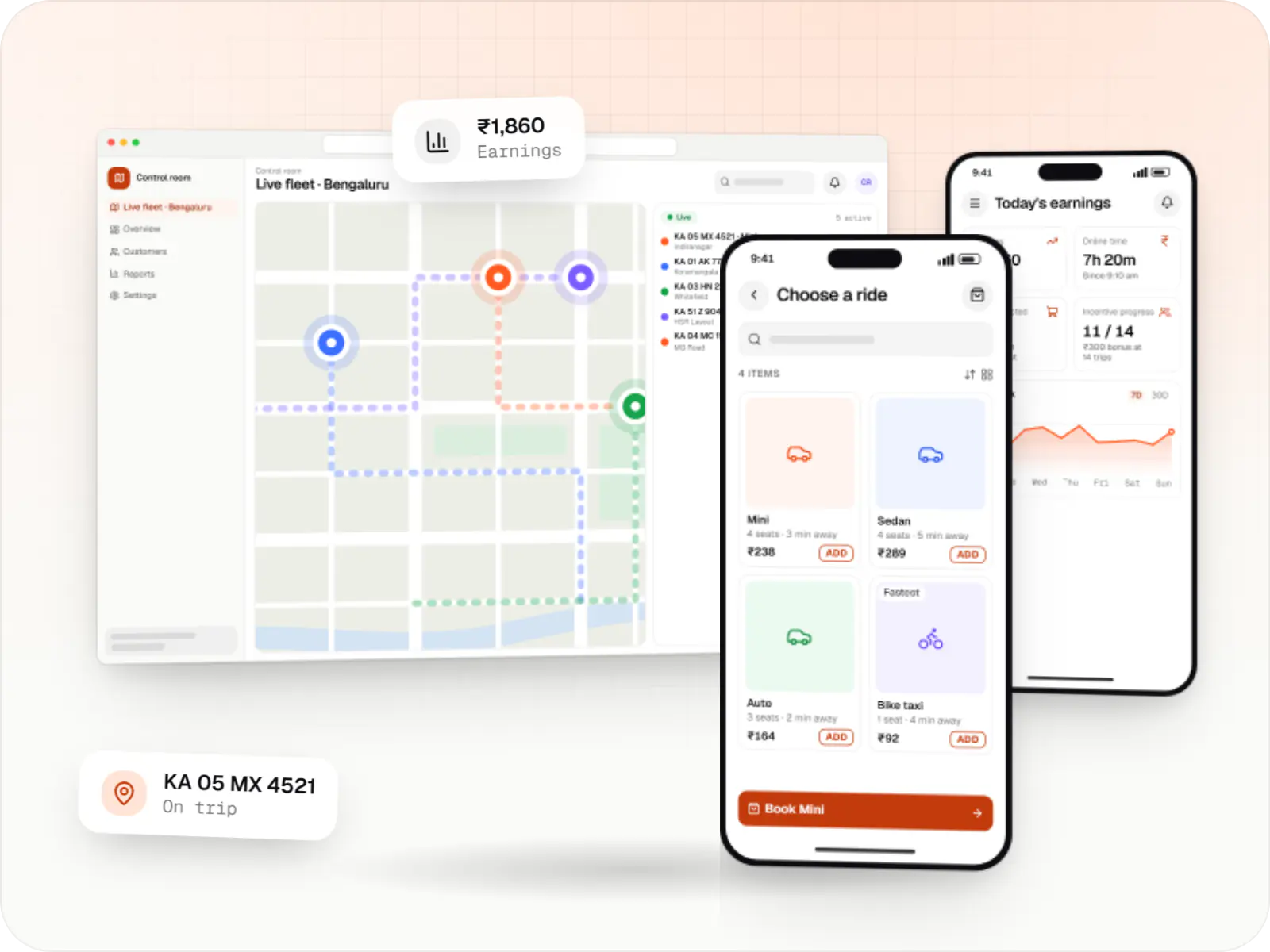
Rider app, driver app, dispatch engine and admin console for cab, auto, bike taxi, rental and outstation services, with UPI, cash and live tracking.
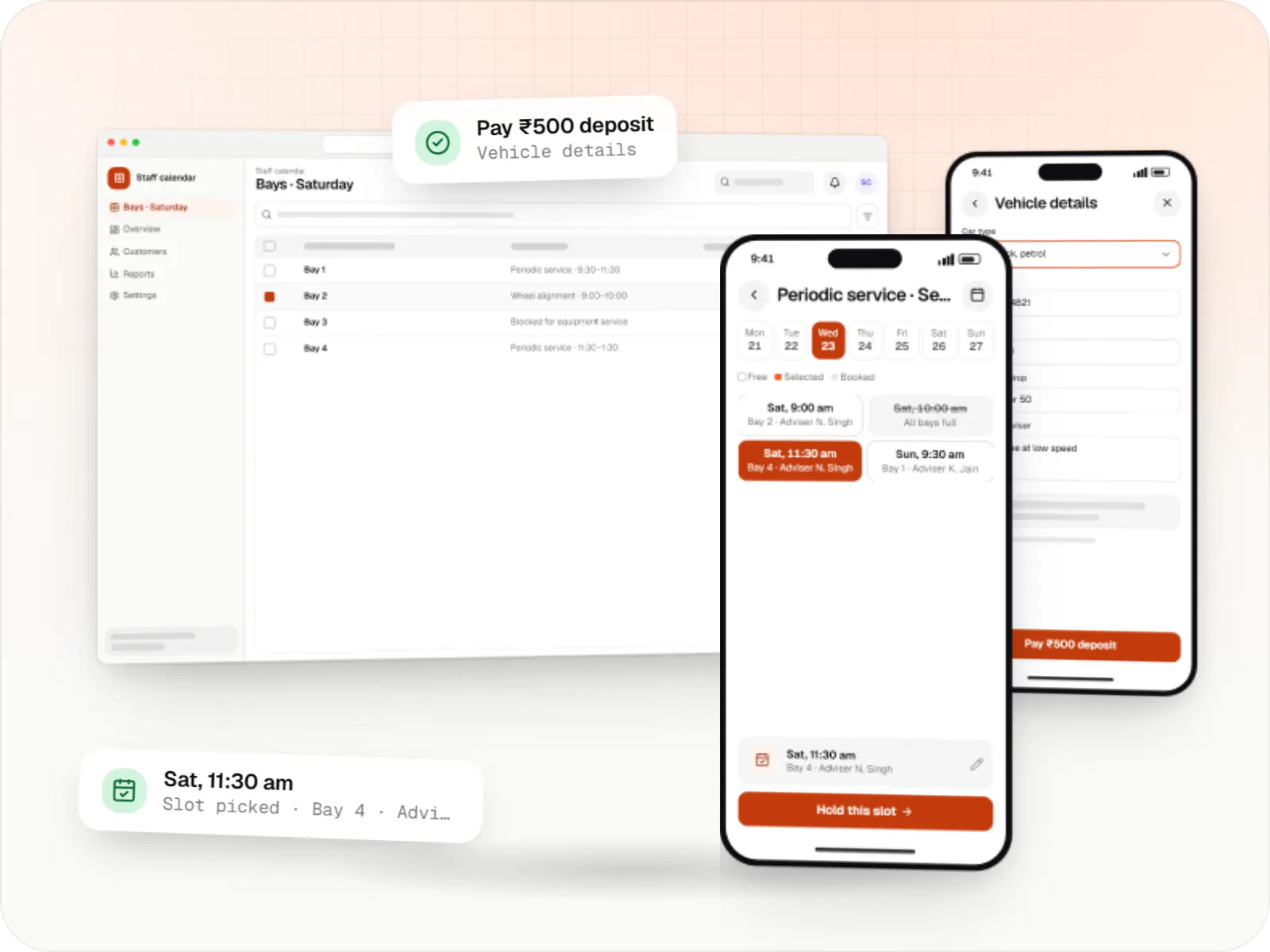
Custom scheduling software for consultants, service centres, labs and multi-location businesses: availability rules, reminders, payments and calendar sync.
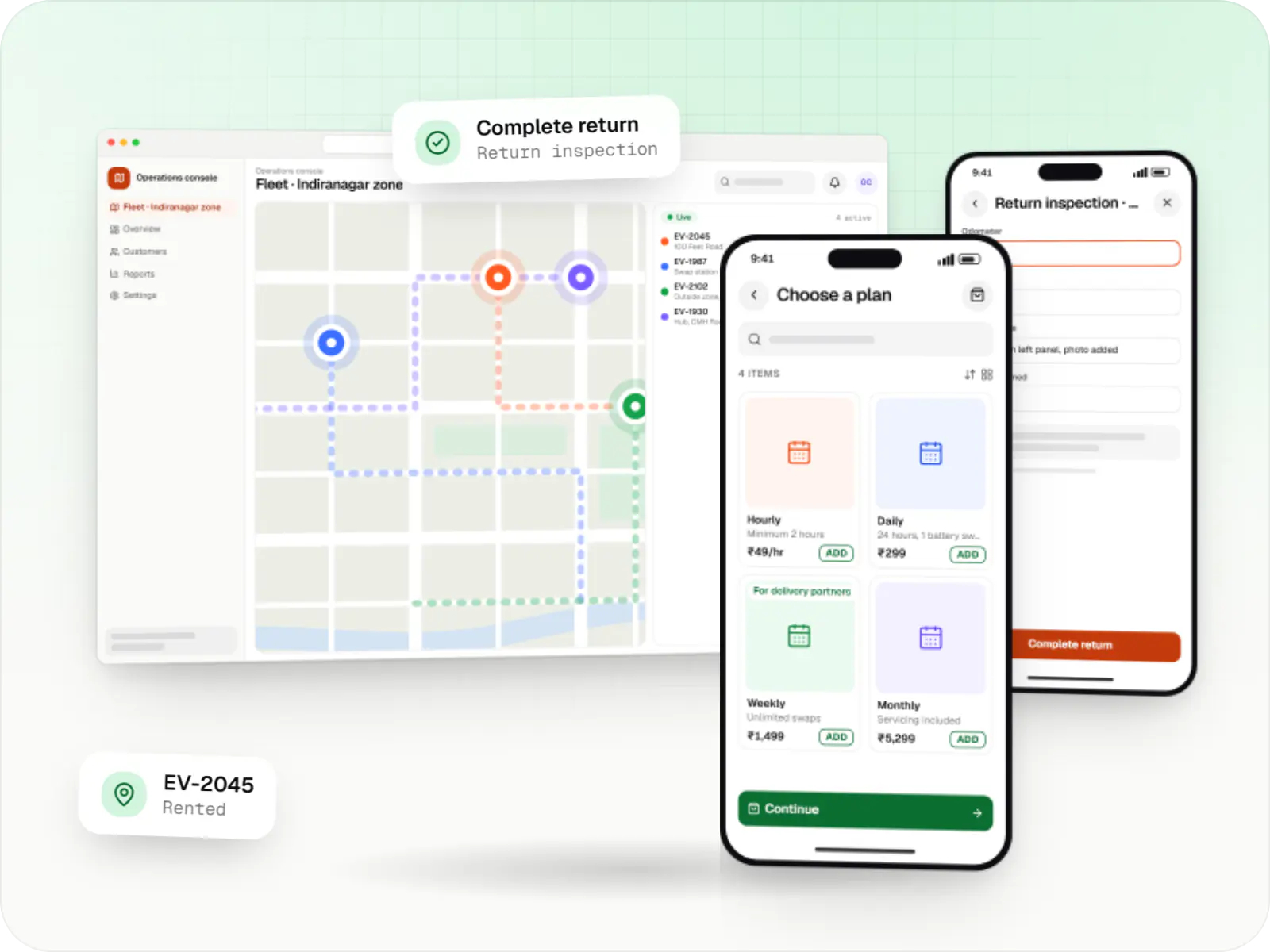
Plans by hour, day, week or month, with deposits, extensions and UPI AutoPay renewals.
Licence and identity checks through licensed providers or DigiLocker, selfie match and deposit collection.
Guided photos, odometer and battery readings, and damage notes at every pickup and return.
Remote unlock, immobilisation with safeguards and geofence alerts via telematics or BLE devices.
Charger status and sessions via OCPP, swap-station stock and battery health tracking.
How it works
Licence and identity are checked through a licensed provider or DigiLocker, followed by a selfie match and a deposit.
Hourly, daily, weekly or monthly plans are paid by UPI, and weekly plans can renew on AutoPay, which suits delivery partners.
Photos, odometer and battery readings are captured at pickup, so any later damage claim rests on evidence.
The telematics or Bluetooth unit unlocks the scooter, and a geofence alert fires if it leaves the permitted area.
The rider exchanges a depleted battery at a station, and the platform records battery health and station stock.
Return photos are compared with pickup records, charges are itemised and the deposit is refunded or adjusted.
Platforms
Apps for Android phones and tablets, tested on budget and mid-range devices and published on Google Play or privately.
Apps for iPhone and iPad, built to Apple's guidelines and released through TestFlight and the App Store.
Back-office panels for operations, support and finance teams: orders, users, content, reports and permissions.
Browser-based applications with logins, roles and workflows, such as customer portals, SaaS products and internal tools.
Technology
Flutter builds the rider and field-team apps, NestJS services talk to IoT devices, batteries and chargers, and Google Maps shows swap stations and the boundaries vehicles must stay within.
Mobile
Build Android and iOS apps from one shared codebase, so you launch on both platforms faster with a consistent experience.
Used for
Backend
A structured way to build back ends on Node.js, so large business systems stay organised, testable and easy to hand over.
Used for
Data
A reliable database for the records your business runs on: orders, payments, bookings and stock, kept accurate and easy to report on.
Used for
Data
Keeps frequently used data in fast memory, so apps stay quick on busy days and live features like order tracking feel instant.
Used for
Payments & maps
Adds maps, address search, live tracking and travel-time estimates to delivery, ride and field apps, so orders reach the right door.
Used for
Payments & maps
Lets customers in India pay by UPI, cards, netbanking or wallets, and handles subscriptions, refunds and payouts to sellers or partners.
Used for
Cloud & DevOps
Cloud hosting for your app, website and data, with data centres in India and room to grow when traffic rises.
Used for
Flutter and the related logo are trademarks of Google LLC. We are not endorsed by or affiliated with Google LLC.
Plain-English glossary
Product preview
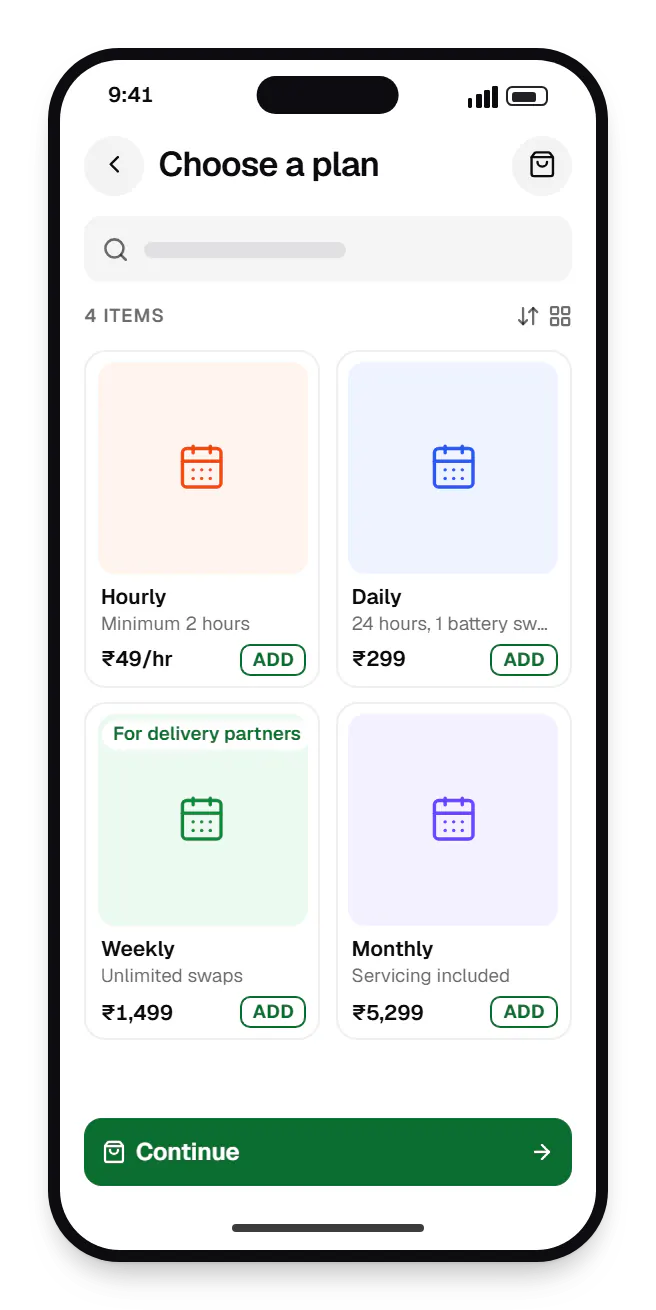
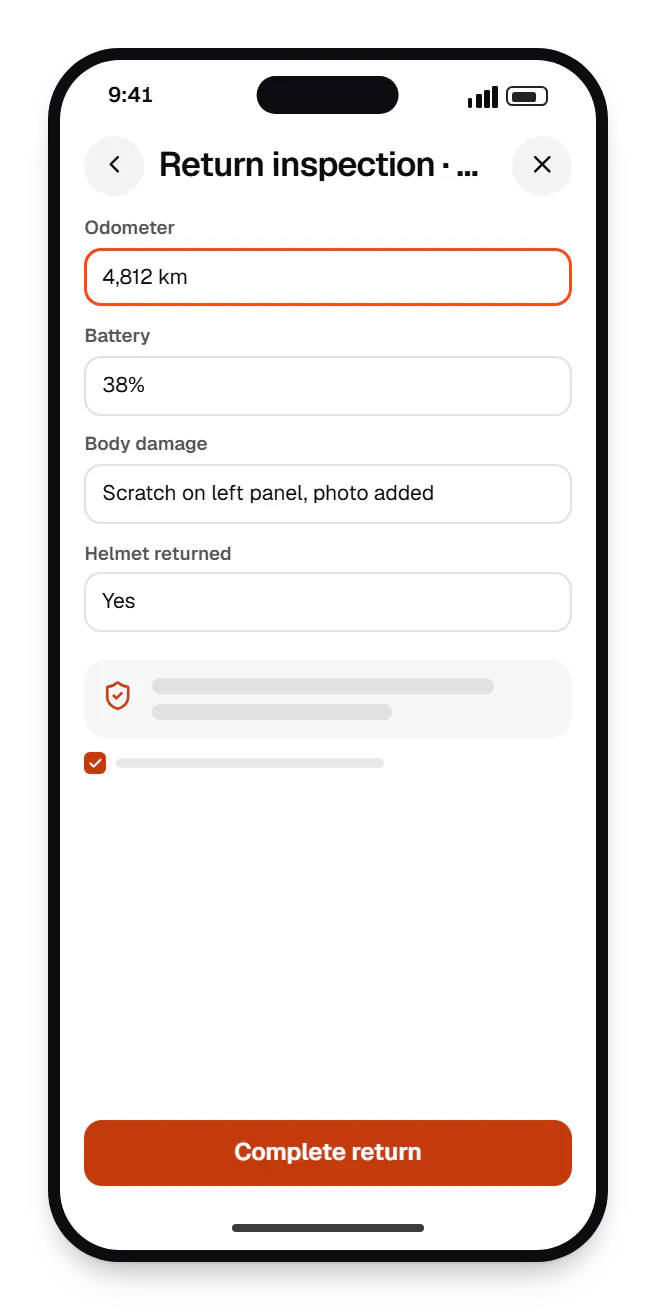
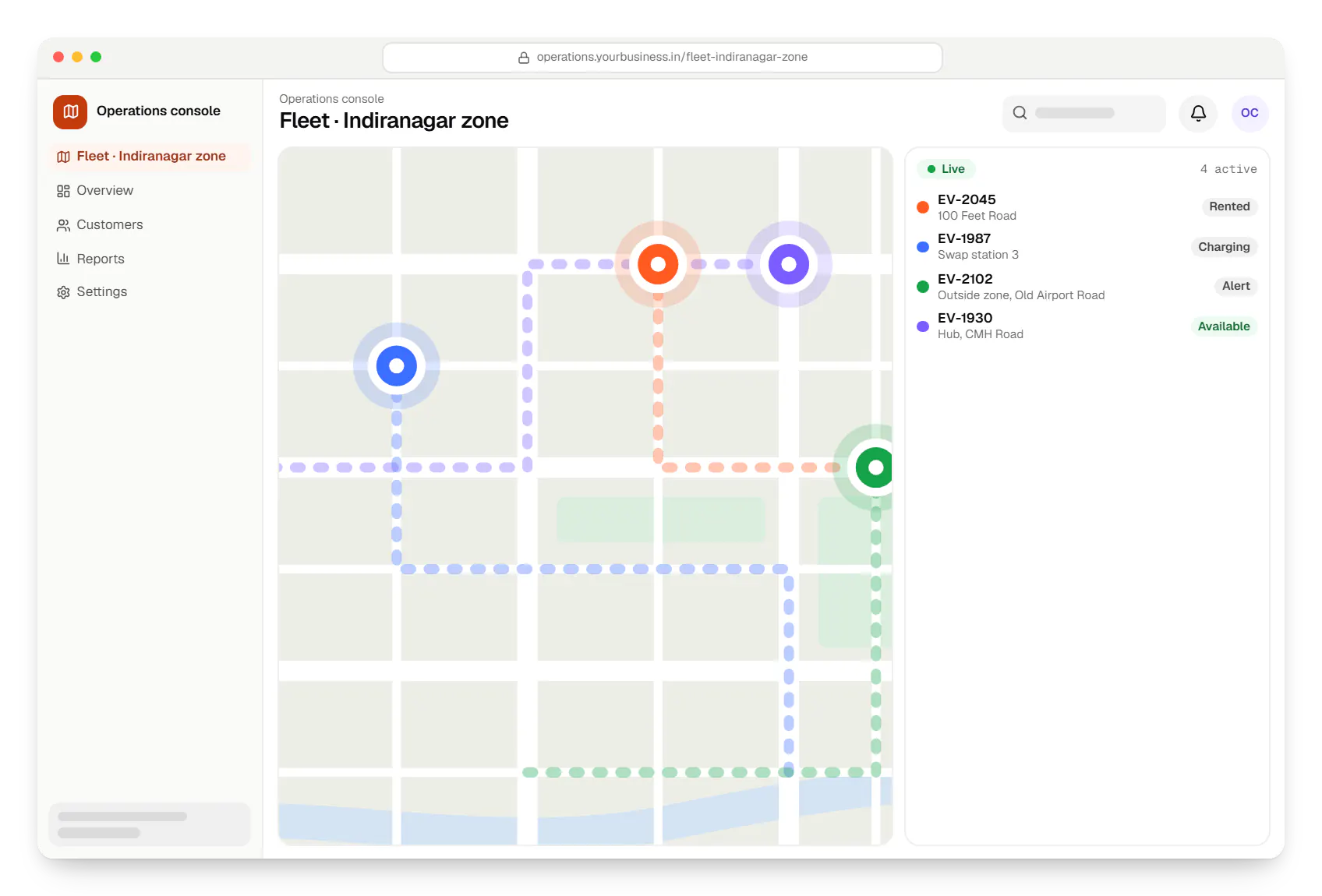
Sample screens: names, prices and figures are examples, not client data.
Cost drivers
Each IoT device, battery management system or charger model needs integration and field testing.
Rentals, subscriptions, swaps and charging each bring separate pricing, billing and operations flows.
Rebalancing, recovery and maintenance apps for field staff add a second major app.
Estimates are written from your scope, with the effort and assumptions behind each line item.
How pricing worksServices
The design and engineering services our in-house team combines on projects in this sector.
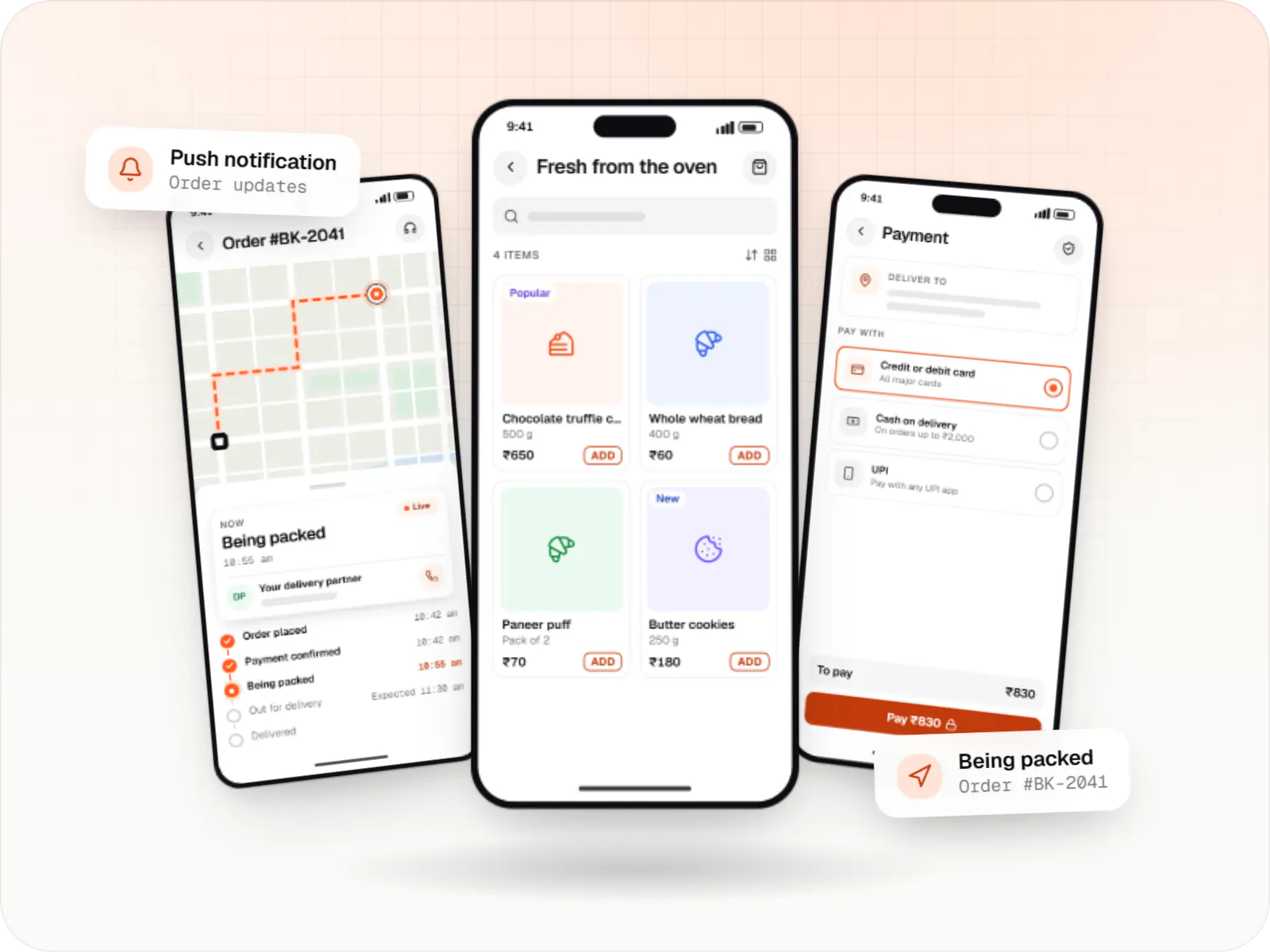
Native and cross-platform Android and iOS apps, from first release through regular store updates, built by our in-house designers and engineers.
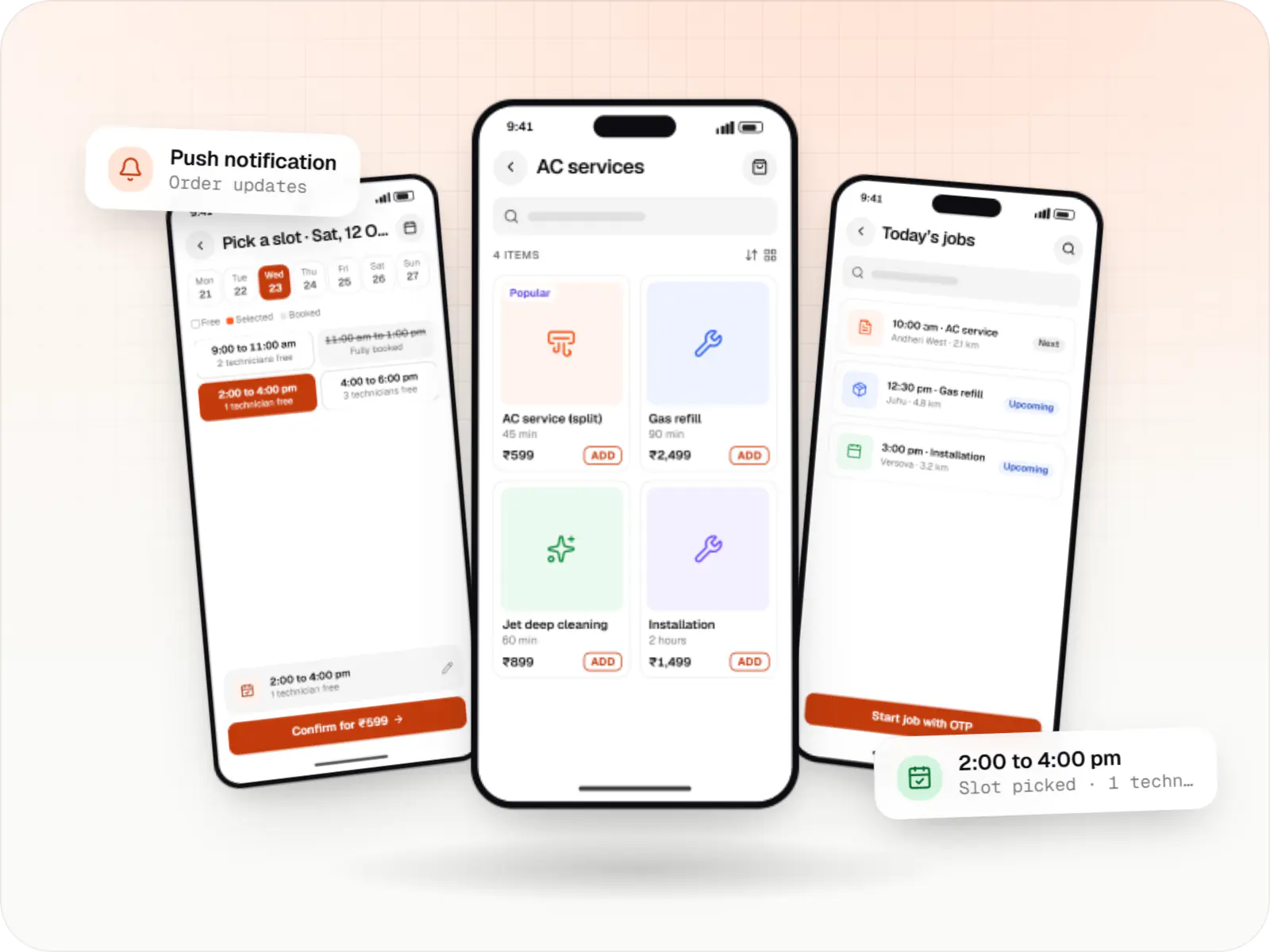
Android and iOS apps from one Dart codebase, built by engineers who know when Flutter is the right call and when native code is needed.
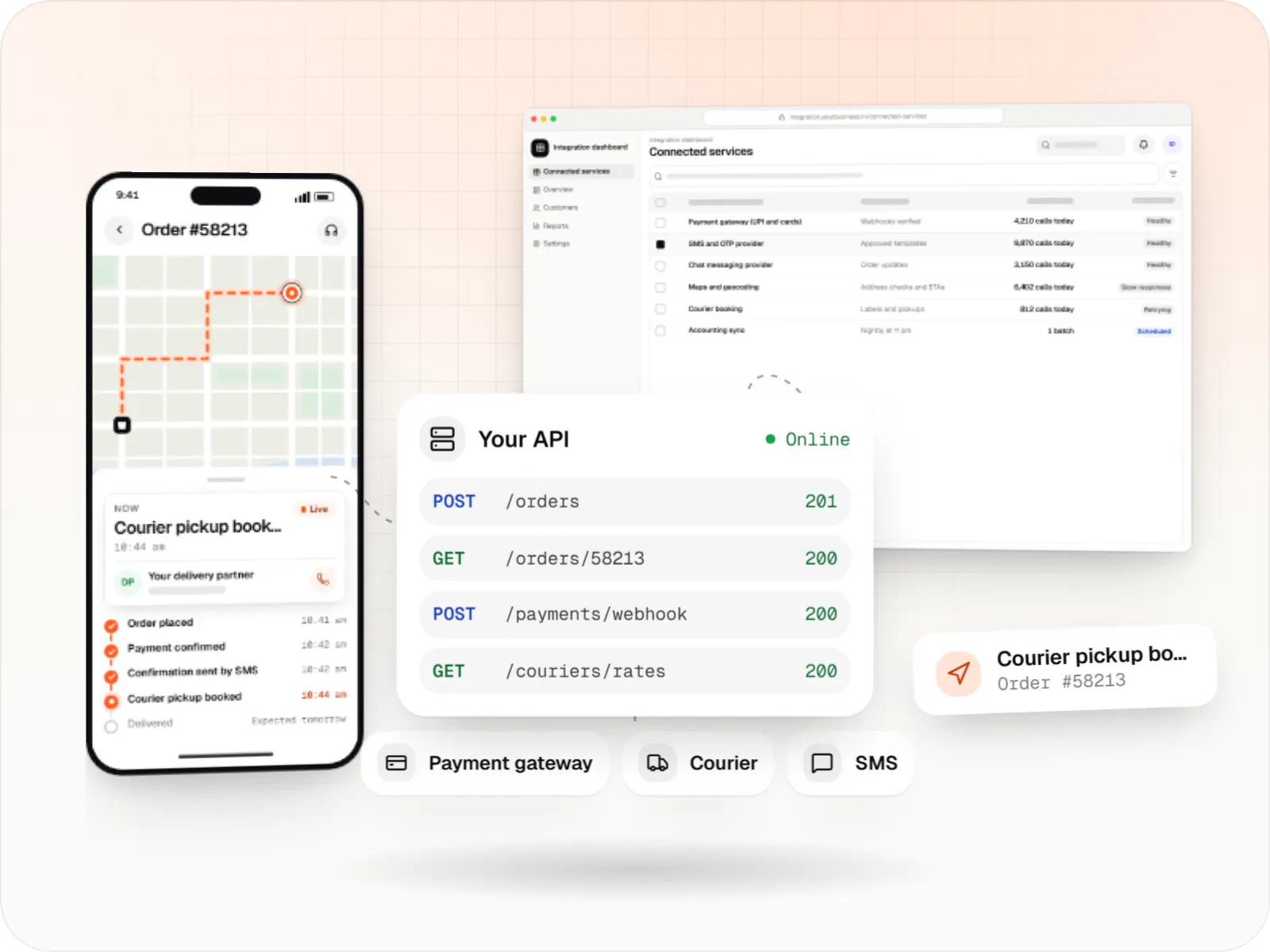
Secure, documented REST and GraphQL APIs, plus integrations that connect your apps to payment, logistics, GST, messaging and business systems.
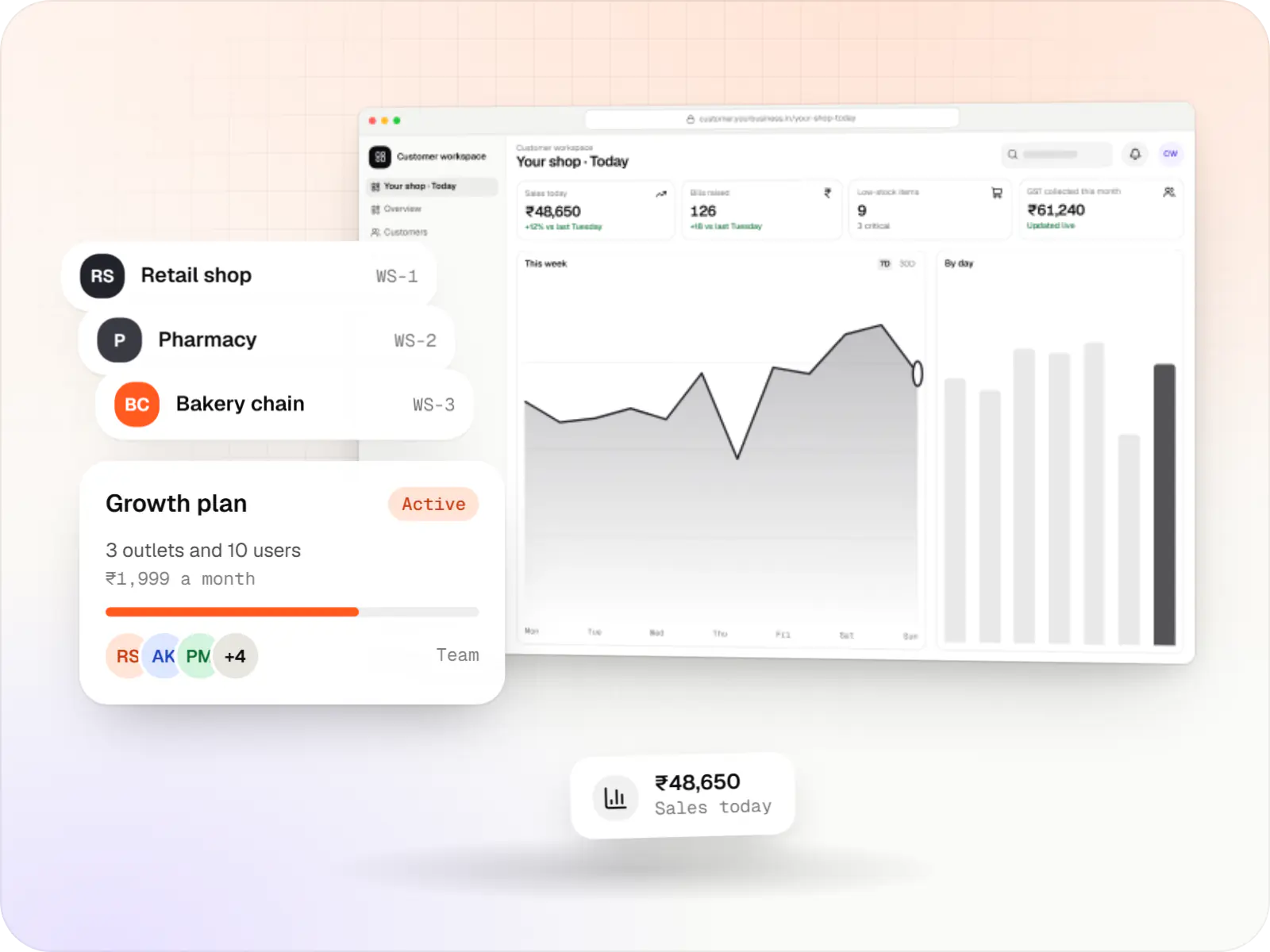
Multi-tenant SaaS products with subscription billing, team roles, onboarding and usage analytics, from first MVP to paying customers.
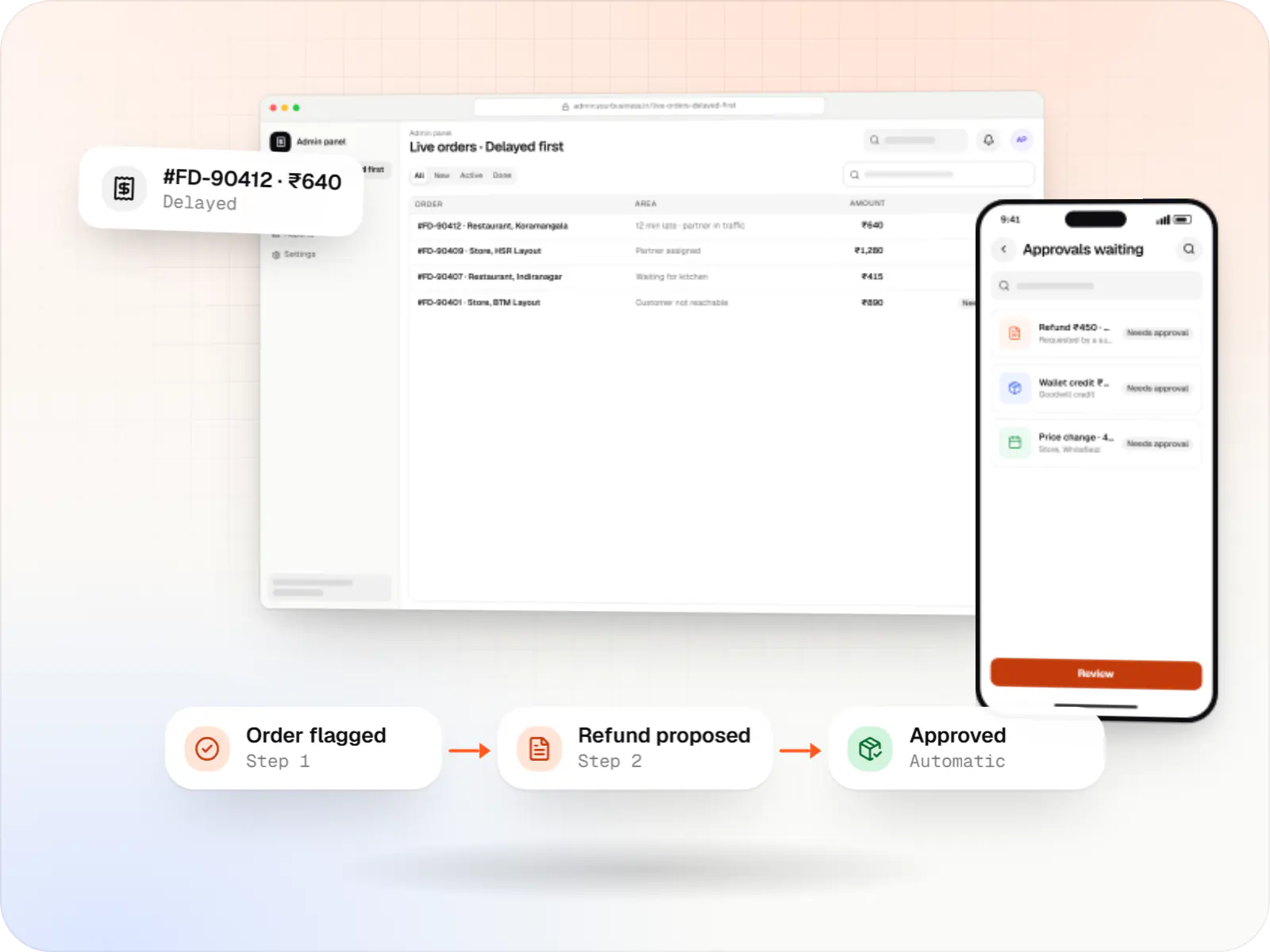
Back-office dashboards built around your team's daily tasks: order queues, approvals, catalogue management, payouts, reports and audit logs.
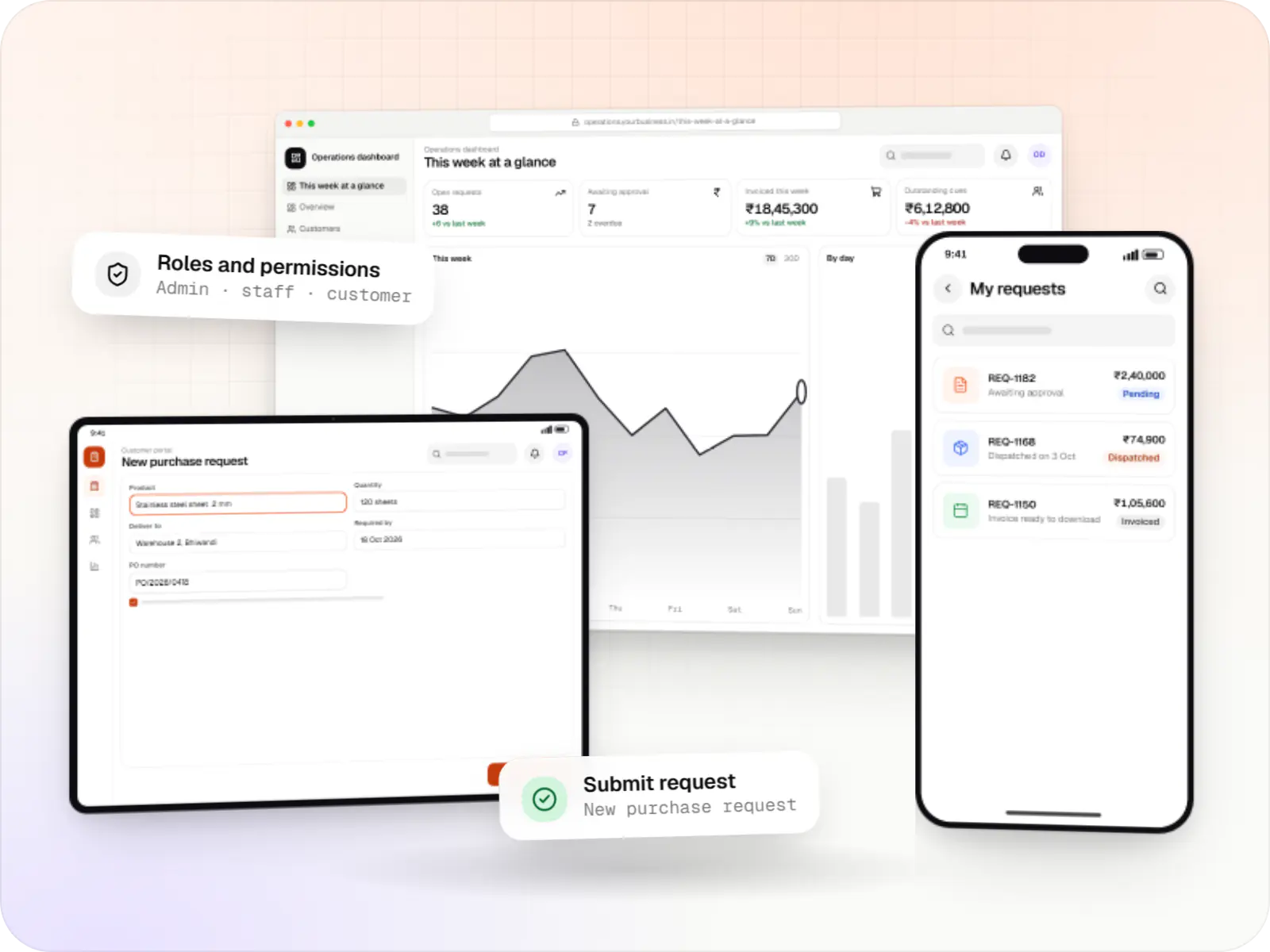
Browser-based products, customer portals, dashboards and internal tools, built on clean data models with secure roles and integrations.
FAQ
For chargers that support OCPP (Open Charge Point Protocol), yes: we build or integrate a central system that manages charger status, remote start and stop, sessions and tariffs across brands. Version support matters, since many chargers run OCPP 1.6 and newer ones 2.0.1, so we confirm your hardware early. Chargers without OCPP need vendor APIs, which vary in quality. Session payments can run through UPI or an in-app prepaid wallet.
Through licensed verification providers that check licence details against official records, or through DigiLocker, where the renter shares their licence with consent. We add a selfie match against the ID and store only what your policy requires. Consents and verification results are logged, and data is used only for the purpose the renter agreed to, in line with the DPDP Act. Repeat renters are re-verified on a schedule rather than at every booking.
If the vehicle has a telematics device that supports it, the platform can send an immobilisation command, but we build it with safeguards: only when the vehicle is stationary or crawling, only by authorised staff with a logged reason, and after warnings to the renter. Immobilising a moving vehicle is dangerous, so the rules are enforced both in software and in device configuration. Your rental terms should disclose the capability clearly.
Next step
Tell us your asset types, hardware vendors and business model. We will map the integrations and estimate the apps and back office.