

Mobile
Flutter
Build Android and iOS apps from one shared codebase, so you launch on both platforms faster with a consistent experience.
Used for
- Mobile apps
- Delivery apps
- E-commerce apps
- Booking apps
Transportation & logistics
Booking, dispatch and driver apps for taxi operators, outstation cab services, airport transfers, corporate cabs and bike or auto aggregators.
At a glance

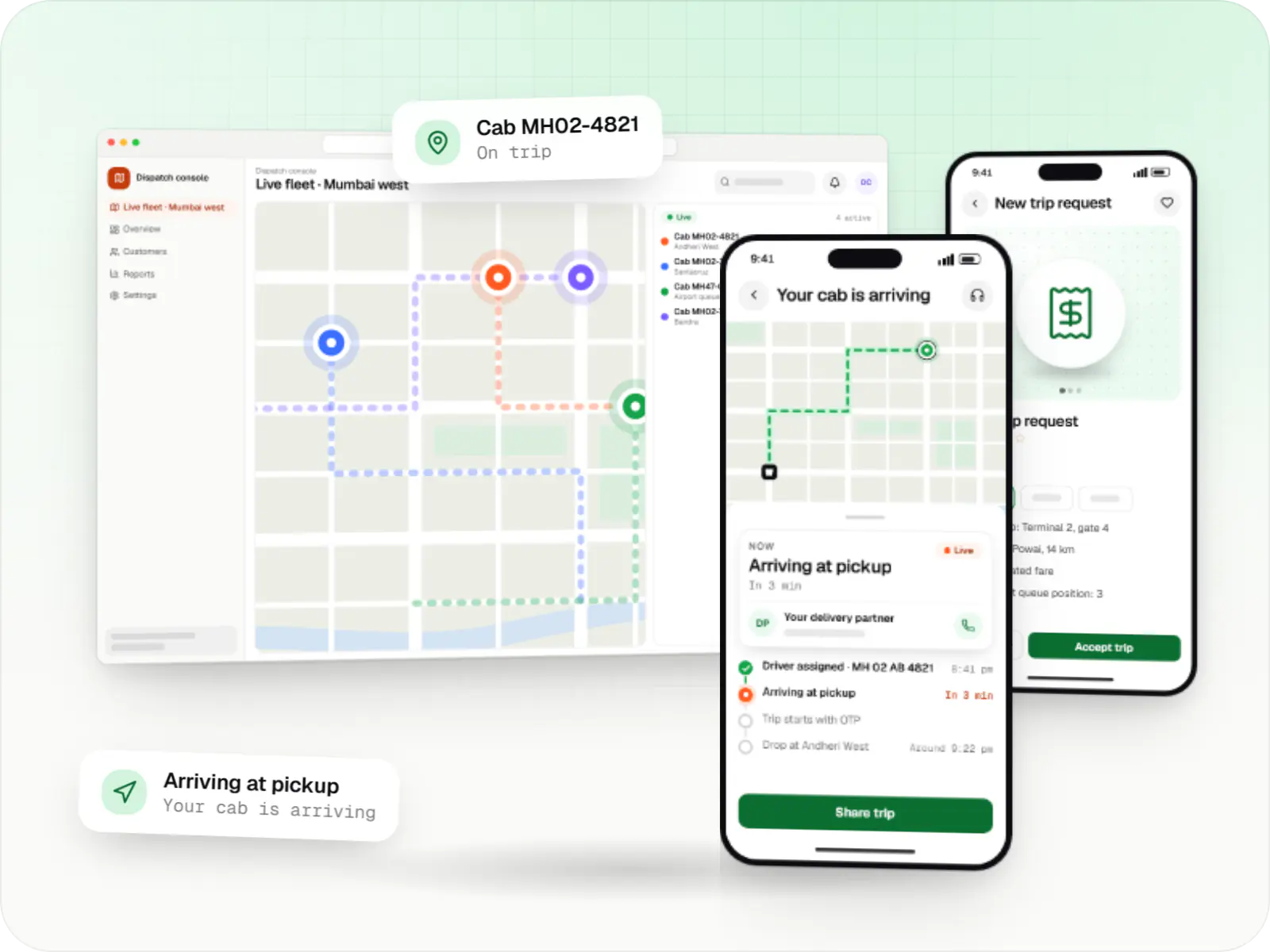
We build ride-hailing and taxi software: rider apps, driver apps, dispatch consoles, fare engines, driver onboarding and payouts, and safety features. It suits local taxi operators going digital, outstation and airport transfer services, and startups launching niche ride aggregators.
Flutter and the related logo are trademarks of Google LLC. We are not endorsed by or affiliated with Google LLC.
How to start
Tell us what you need in your own words. You talk to the developers who would build it and get a written, line-item estimate.
Get a project estimateA taxi business depends on three things working in real time: finding a nearby driver, charging a fare both sides accept, and keeping riders and drivers safe. Local operators often run this through phone bookings and WhatsApp; aggregators need automated matching and pricing from the first day.
We build taxi and ride-hailing platforms for both. The Motor Vehicle Aggregator Guidelines issued by the Ministry of Road Transport and Highways, as adopted by each state, set expectations on driver verification, safety features and fares, so we plan those with you before the first screen is designed.
Challenges
Airports, stations and rainy evenings need dispatch rules that do not leave riders waiting.
Tolls, waiting time, night charges and outstation allowances cause arguments when they are not itemised.
Licence, vehicle papers and background checks must be complete before a driver goes online.
Mixed cash and UPI payments make commission settlement with drivers messy.
Solutions
Across 4 areas
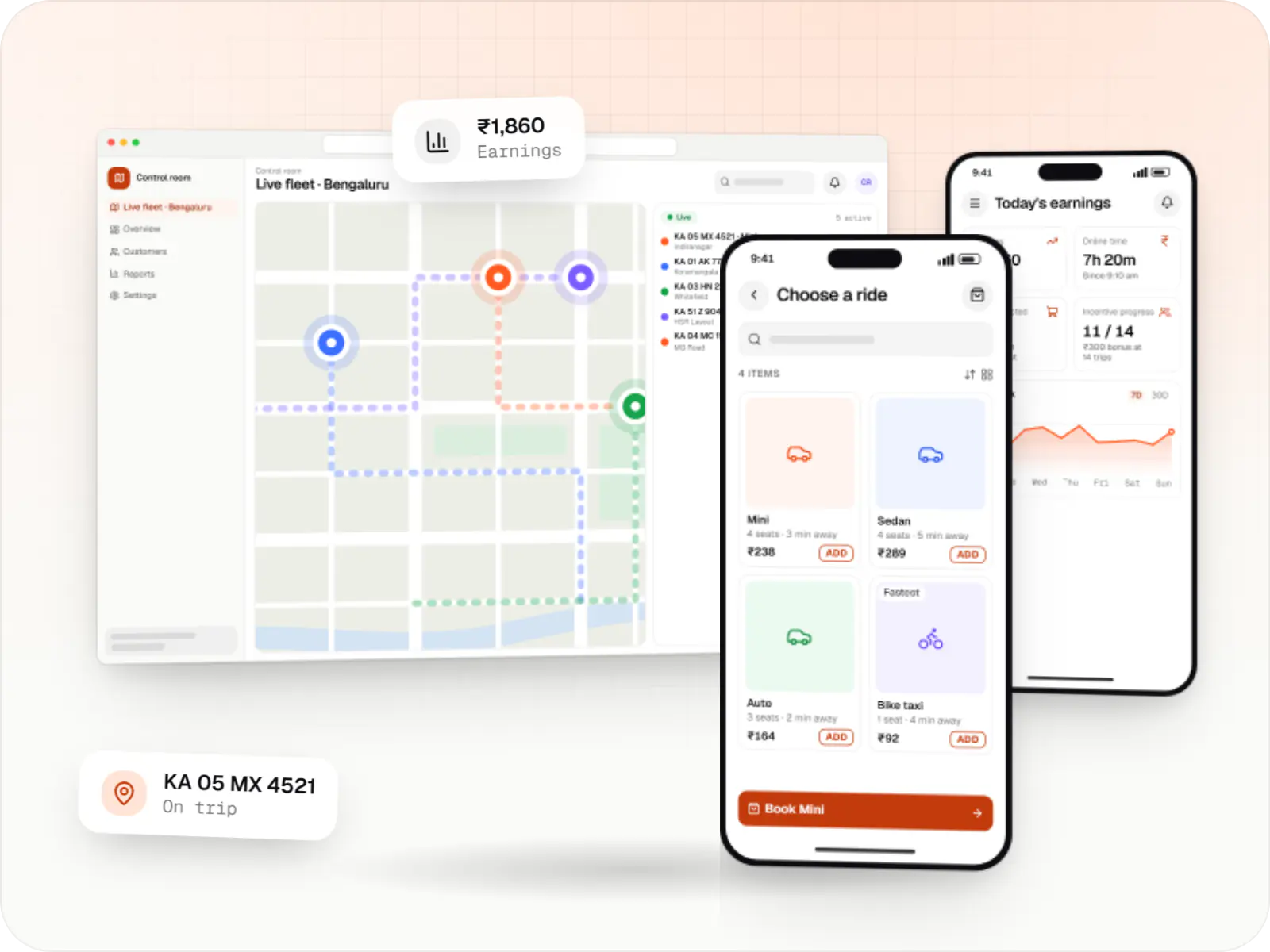
Rider app, driver app, dispatch engine and admin console for cab, auto, bike taxi, rental and outstation services, with UPI, cash and live tracking.
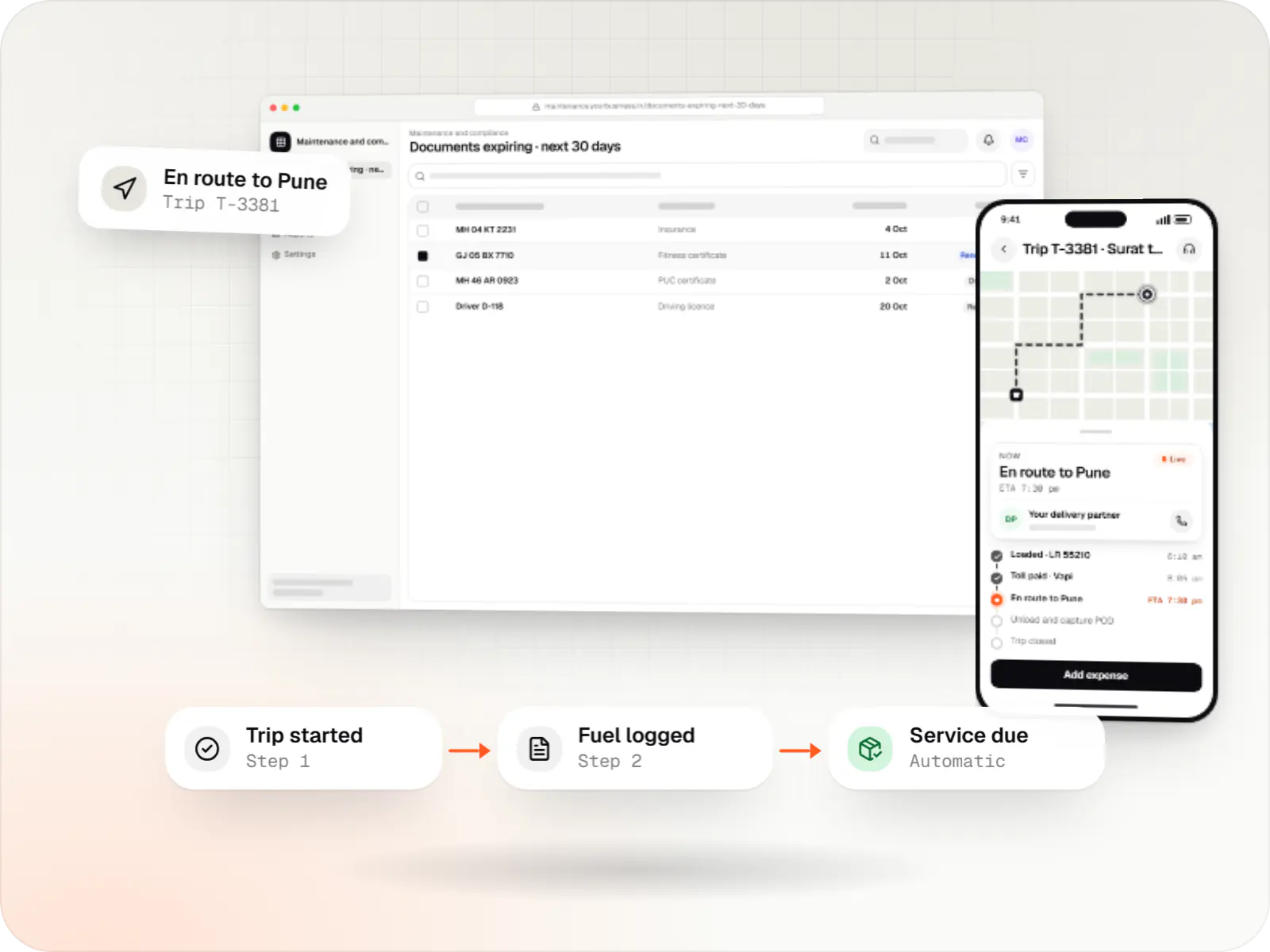
Custom fleet management software for GPS tracking, trips, driver apps, compliance reminders, maintenance and freight billing.
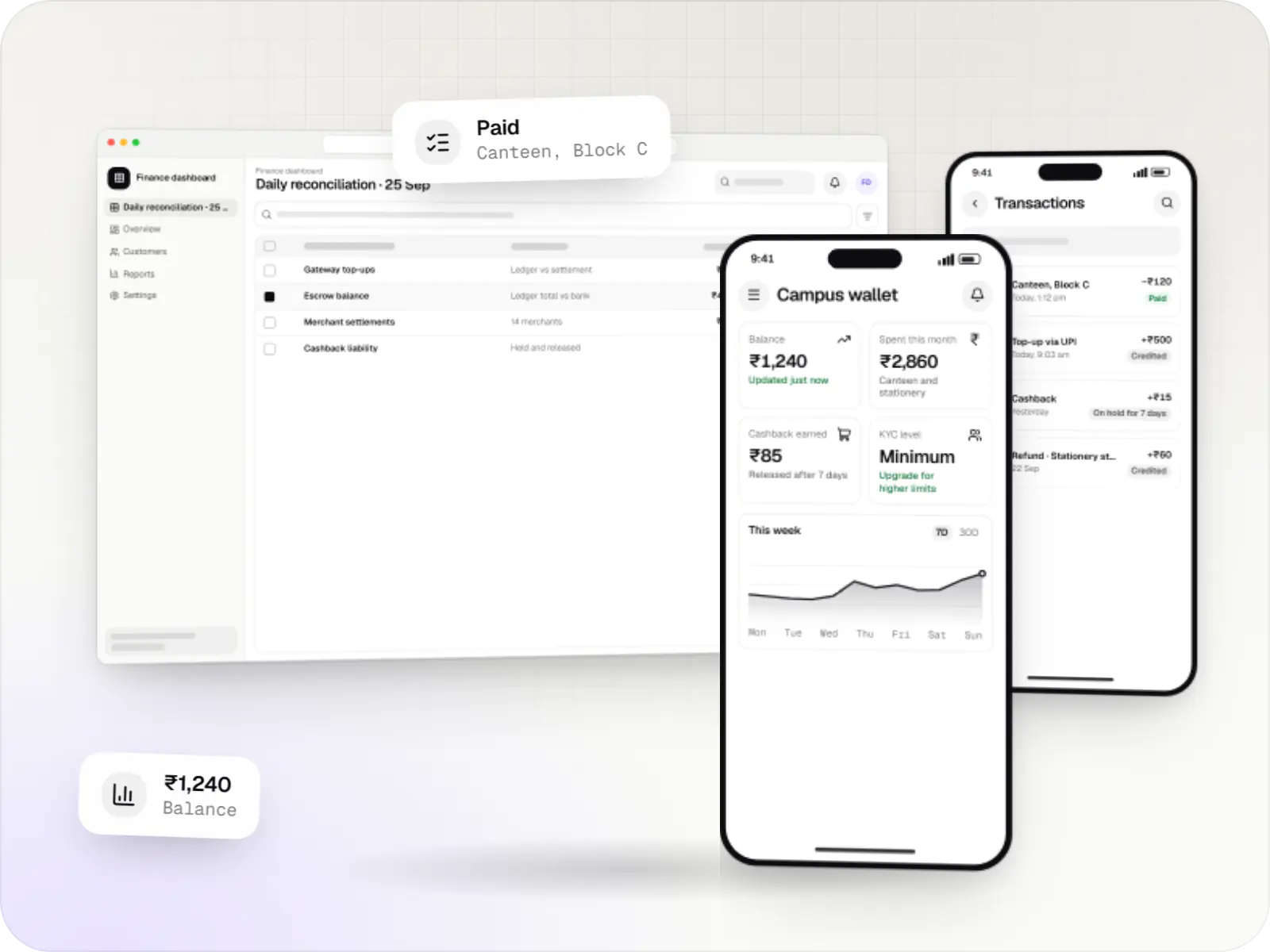
Digital wallet apps with top-ups, QR payments, rewards and a balance ledger, for closed-loop programmes or with a licensed PPI issuer.
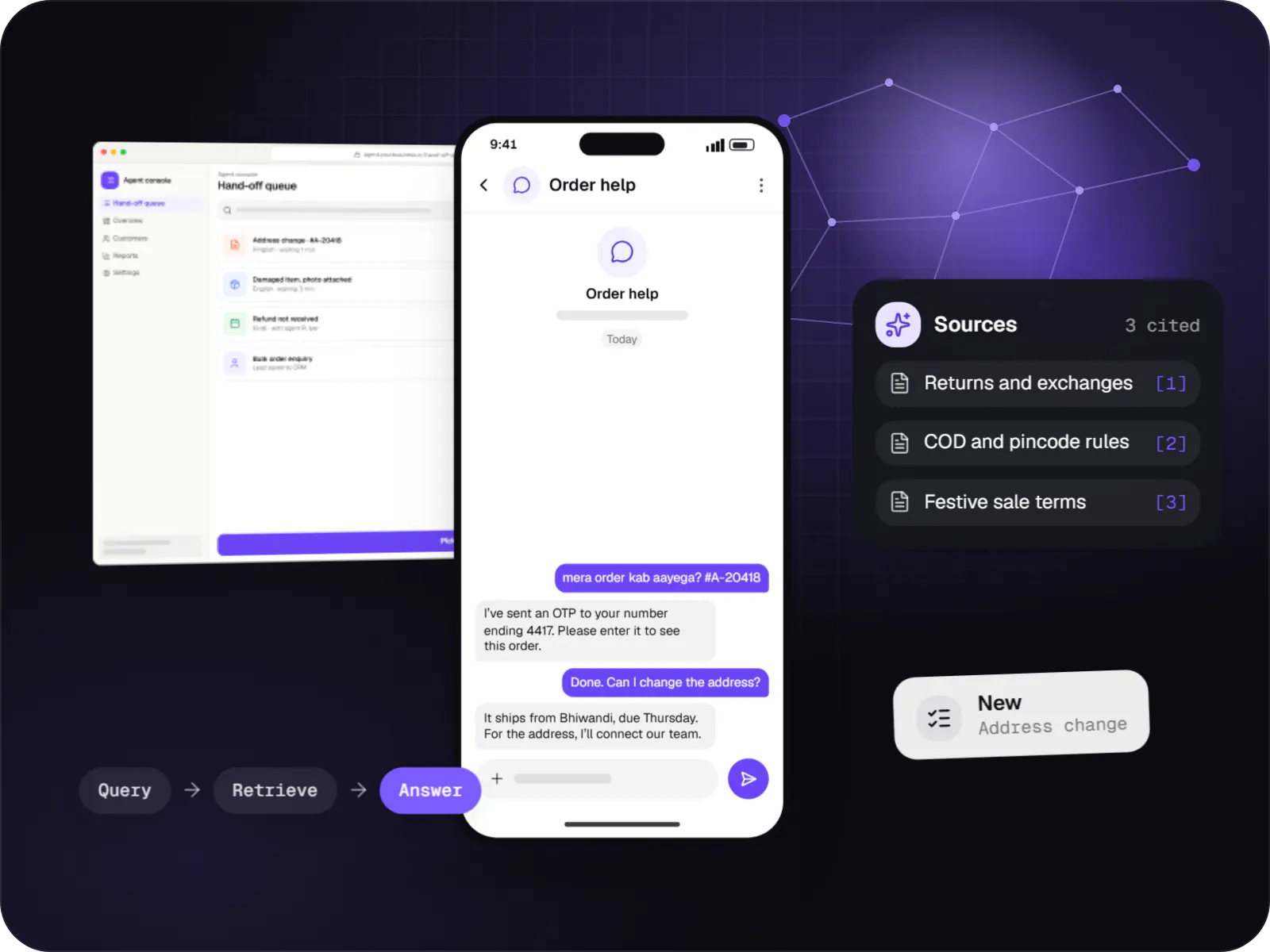
Support and sales chatbots for web, app and WhatsApp that answer from your own content and hand off to your team.
Book now or later, fare estimates, live tracking, trip sharing with contacts and in-app SOS.
Trip requests, navigation, earnings, document expiry alerts and cash or UPI collection.
Nearest-driver matching, airport queues and manual assignment for phone bookings.
Distance and time rates, tolls, night and waiting charges, outstation packages and corporate tariffs.
Commission or subscription deductions, cash adjustments and scheduled payouts.
How it works
Pickup, drop and cab type are chosen, with a fare estimate that shows tolls and night charges up front.
Online drivers close by are offered the trip in turn, while airport queues and phone bookings follow their own rules.
The driver gets pickup details and navigation; the rider sees the cab approaching with its number and driver details.
The rider shares a start code so the right person is in the right cab. The trip can be shared with family, and SOS is one tap away.
Distance, time, waiting and tolls produce an itemised fare, paid by UPI, card, wallet or cash.
Both sides rate the trip, and the driver's commission and cash adjustments settle in the next scheduled payout.
Platforms
Apps for Android phones and tablets, tested on budget and mid-range devices and published on Google Play or privately.
Apps for iPhone and iPad, built to Apple's guidelines and released through TestFlight and the App Store.
One Flutter or React Native codebase for Android and iOS, with native modules where a feature needs them.
Back-office panels for operations, support and finance teams: orders, users, content, reports and permissions.
Browser-based applications with logins, roles and workflows, such as customer portals, SaaS products and internal tools.
Technology
Flutter or React Native builds the rider and driver apps, Node.js with Redis matches riders to nearby drivers in real time, and Google Maps provides routes, arrival times and live tracking.
Mobile
Build Android and iOS apps from one shared codebase, so you launch on both platforms faster with a consistent experience.
Used for
Mobile
Build Android and iOS apps in the same language as a React website, so one team can share code and skills across web and mobile.
Used for
Backend
Runs the server side of apps: fast, scalable back ends that power your app, website and integrations.
Used for
Data
Keeps frequently used data in fast memory, so apps stay quick on busy days and live features like order tracking feel instant.
Used for
Data
A reliable database for the records your business runs on: orders, payments, bookings and stock, kept accurate and easy to report on.
Used for
Payments & maps
Adds maps, address search, live tracking and travel-time estimates to delivery, ride and field apps, so orders reach the right door.
Used for
Payments & maps
Lets customers in India pay by UPI, cards, netbanking or wallets, and handles subscriptions, refunds and payouts to sellers or partners.
Used for
Cloud & DevOps
Ready-made building blocks for mobile apps, such as push notifications, phone OTP login and crash reports, so you launch sooner.
Used for
Flutter and the related logo are trademarks of Google LLC. We are not endorsed by or affiliated with Google LLC.
Plain-English glossary
Product preview
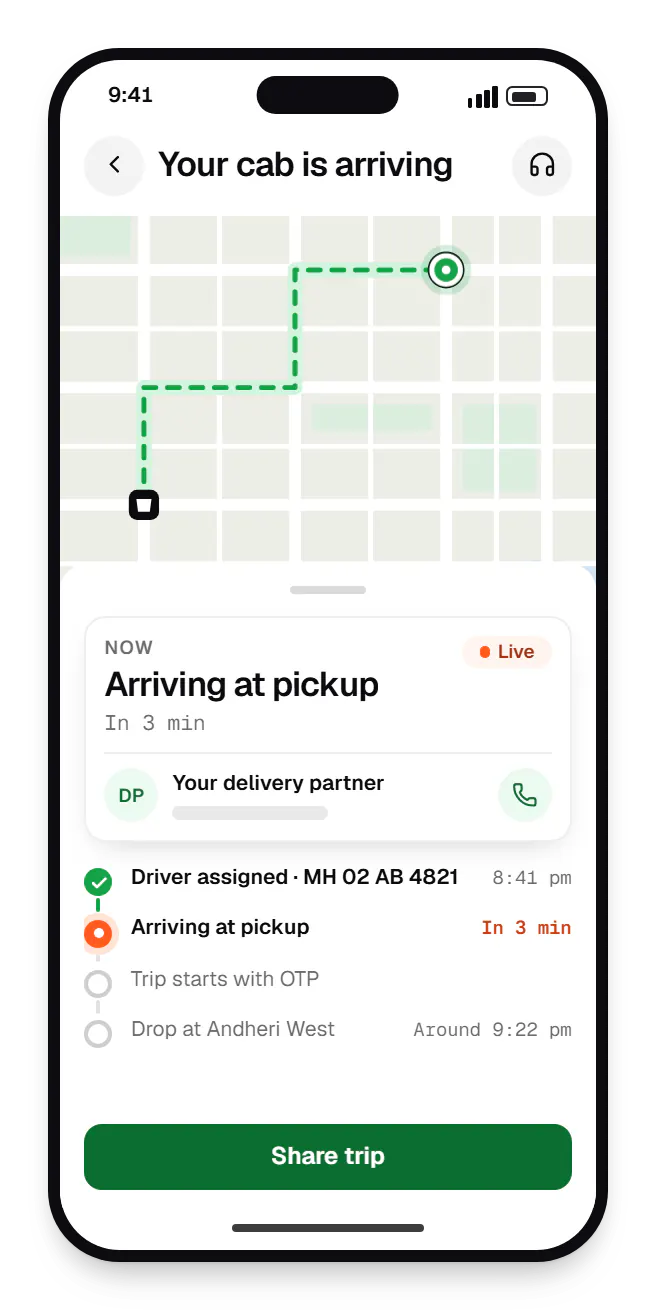
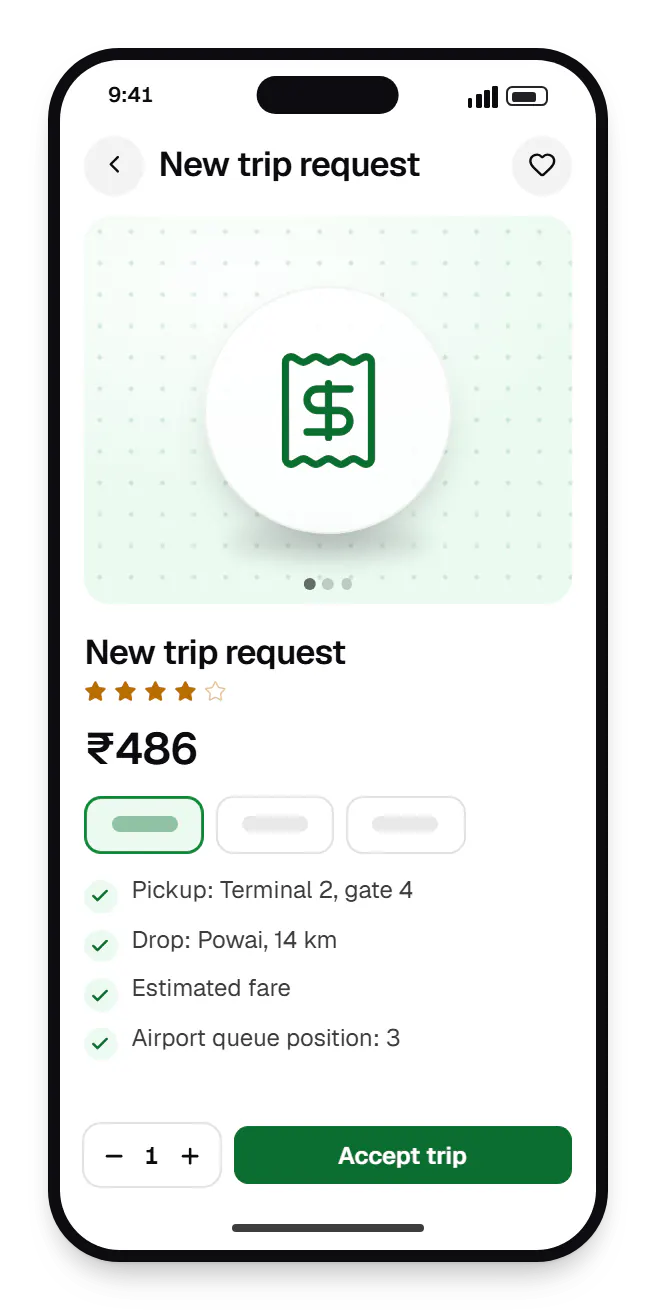
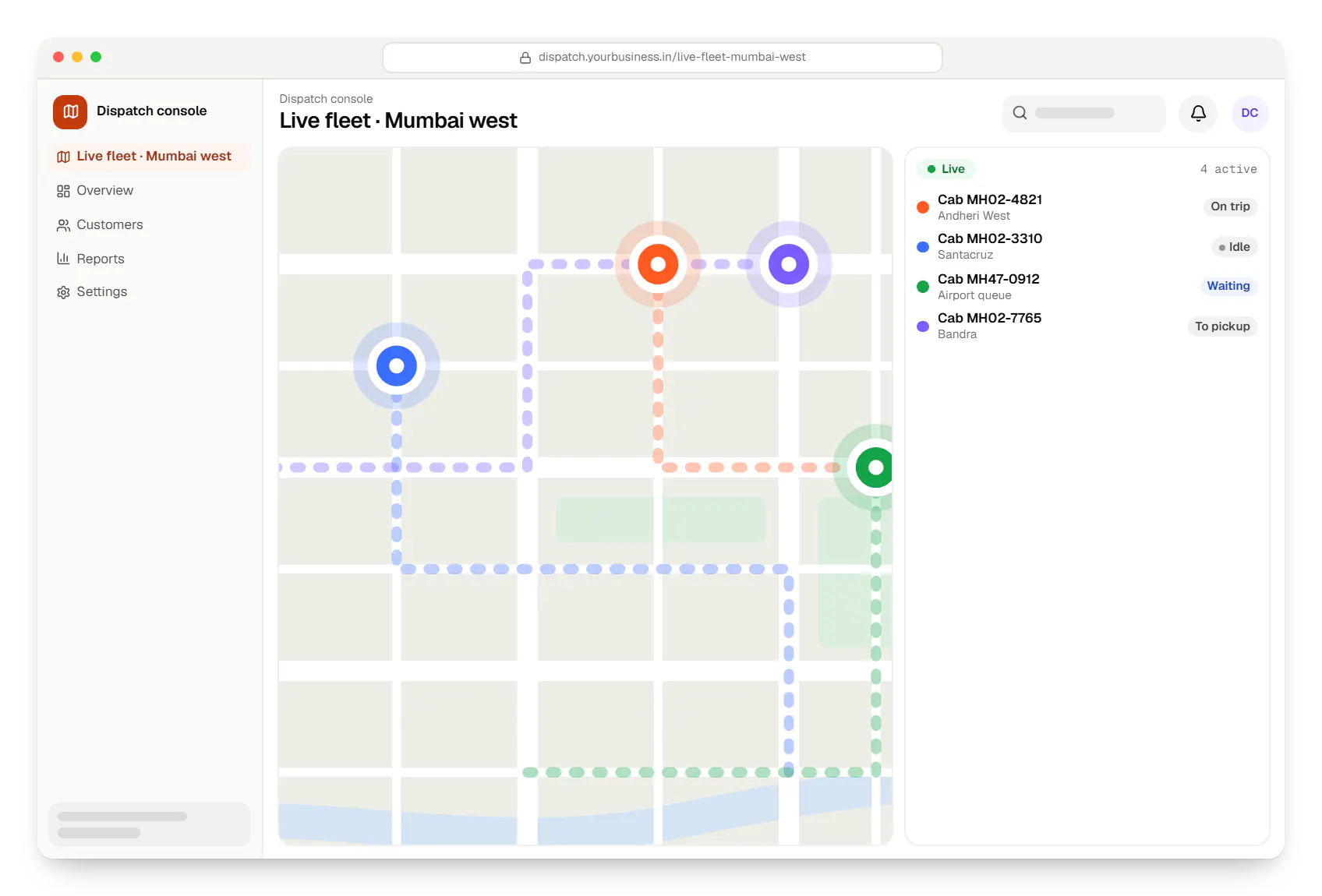
Sample screens: names, prices and figures are examples, not client data.
Cost drivers
City rides, rentals, outstation and airport transfers each need their own fare and dispatch rules.
Commission, driver subscription or owned fleet changes wallet, payout and reporting logic.
SOS handling, trip data retention, verification workflows and reports for authorities add scope.
Estimates are written from your scope, with the effort and assumptions behind each line item.
How pricing worksServices
The design and engineering services our in-house team combines on projects in this sector.
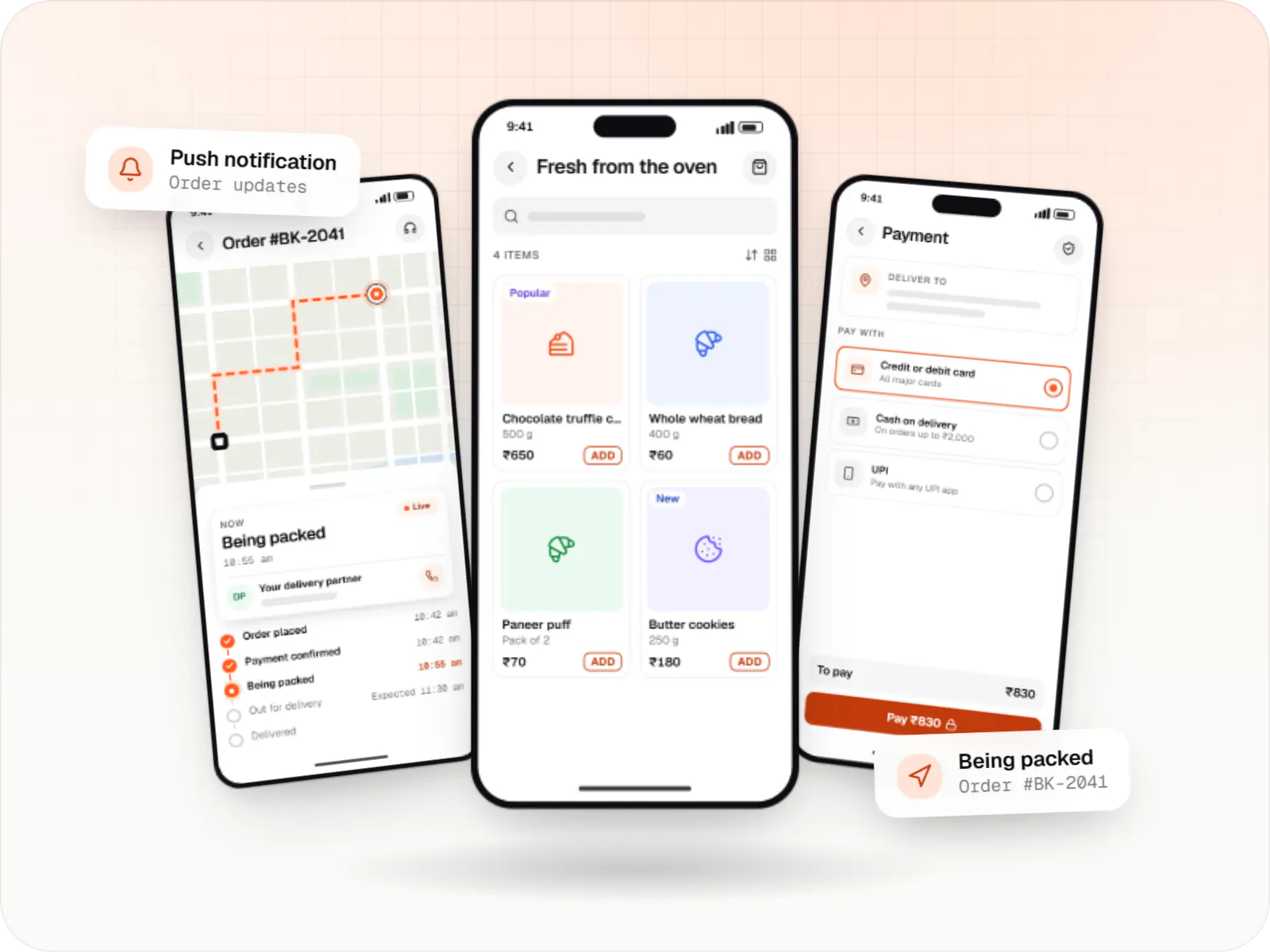
Native and cross-platform Android and iOS apps, from first release through regular store updates, built by our in-house designers and engineers.
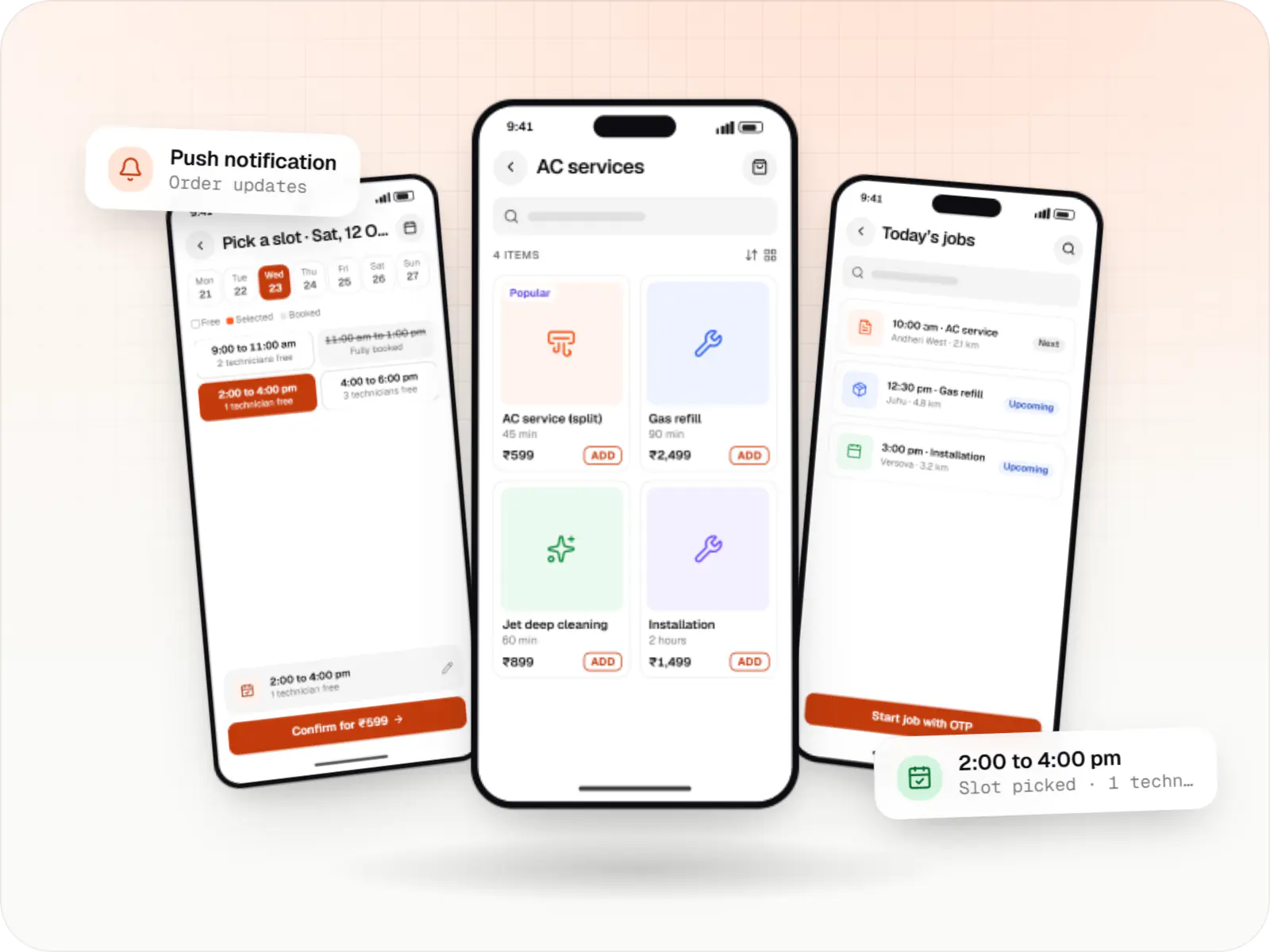
Android and iOS apps from one Dart codebase, built by engineers who know when Flutter is the right call and when native code is needed.
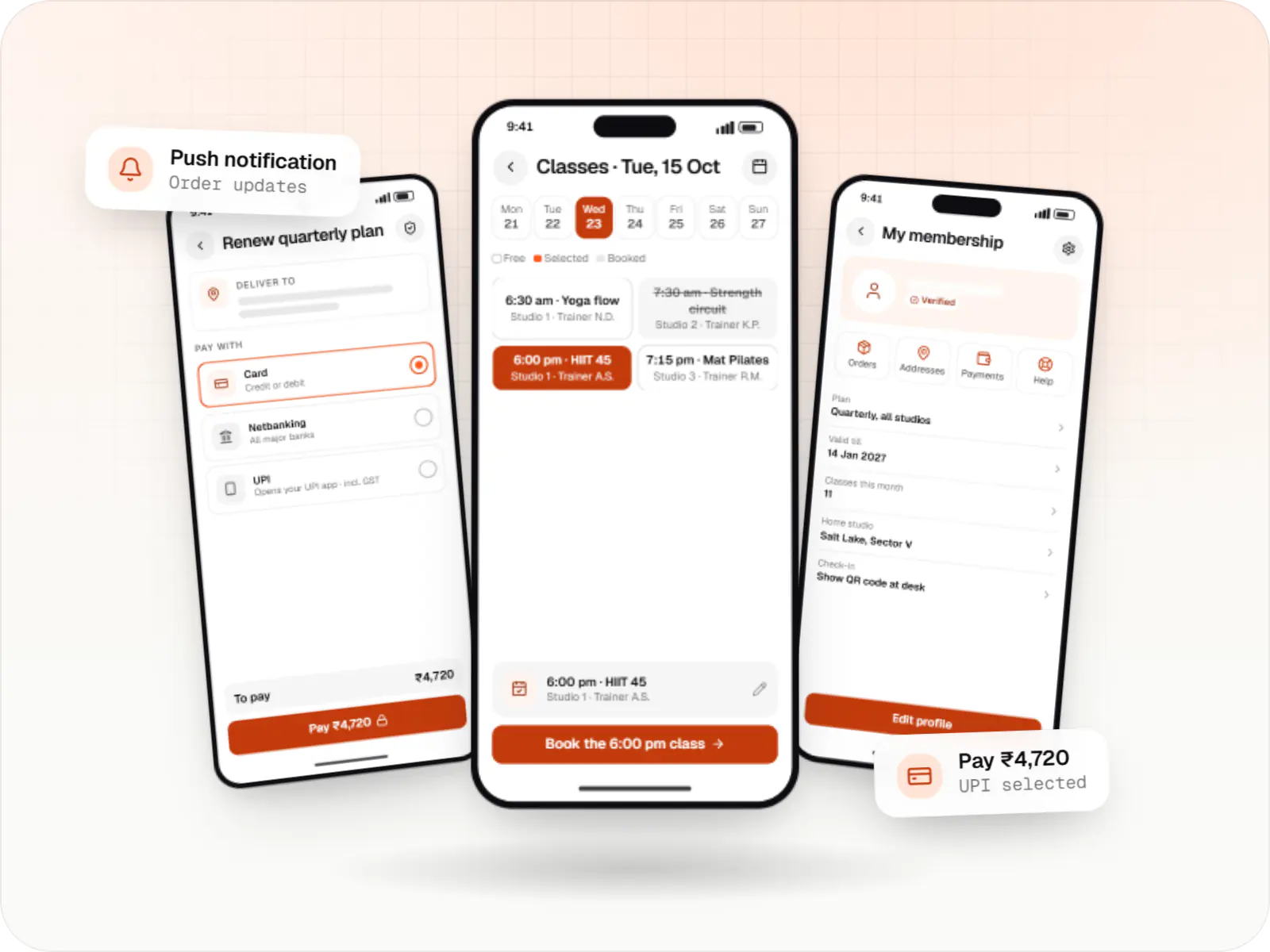
Android and iOS apps in React Native and TypeScript, suited to teams that already use React on the web and want shared logic across products.
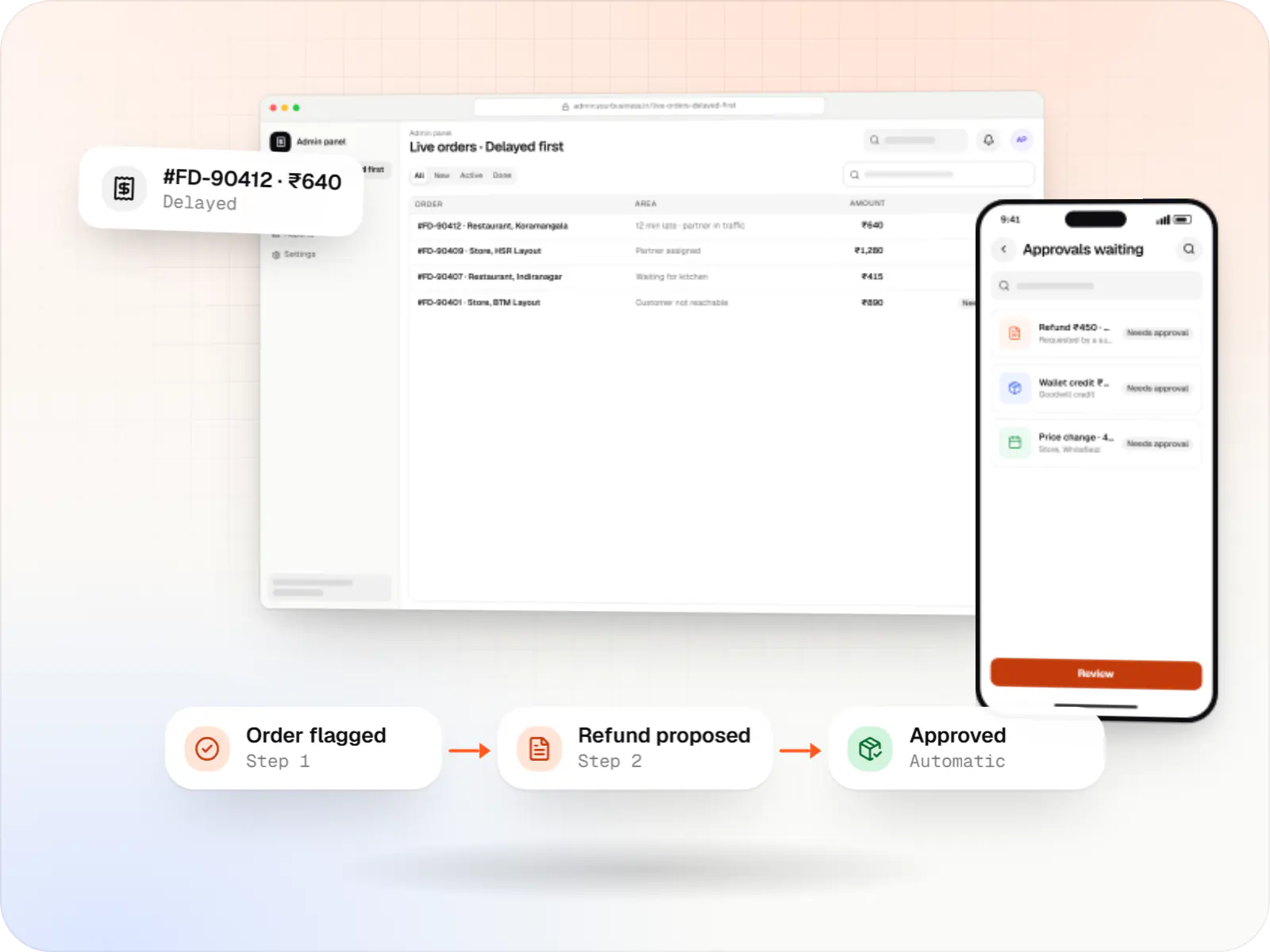
Back-office dashboards built around your team's daily tasks: order queues, approvals, catalogue management, payouts, reports and audit logs.
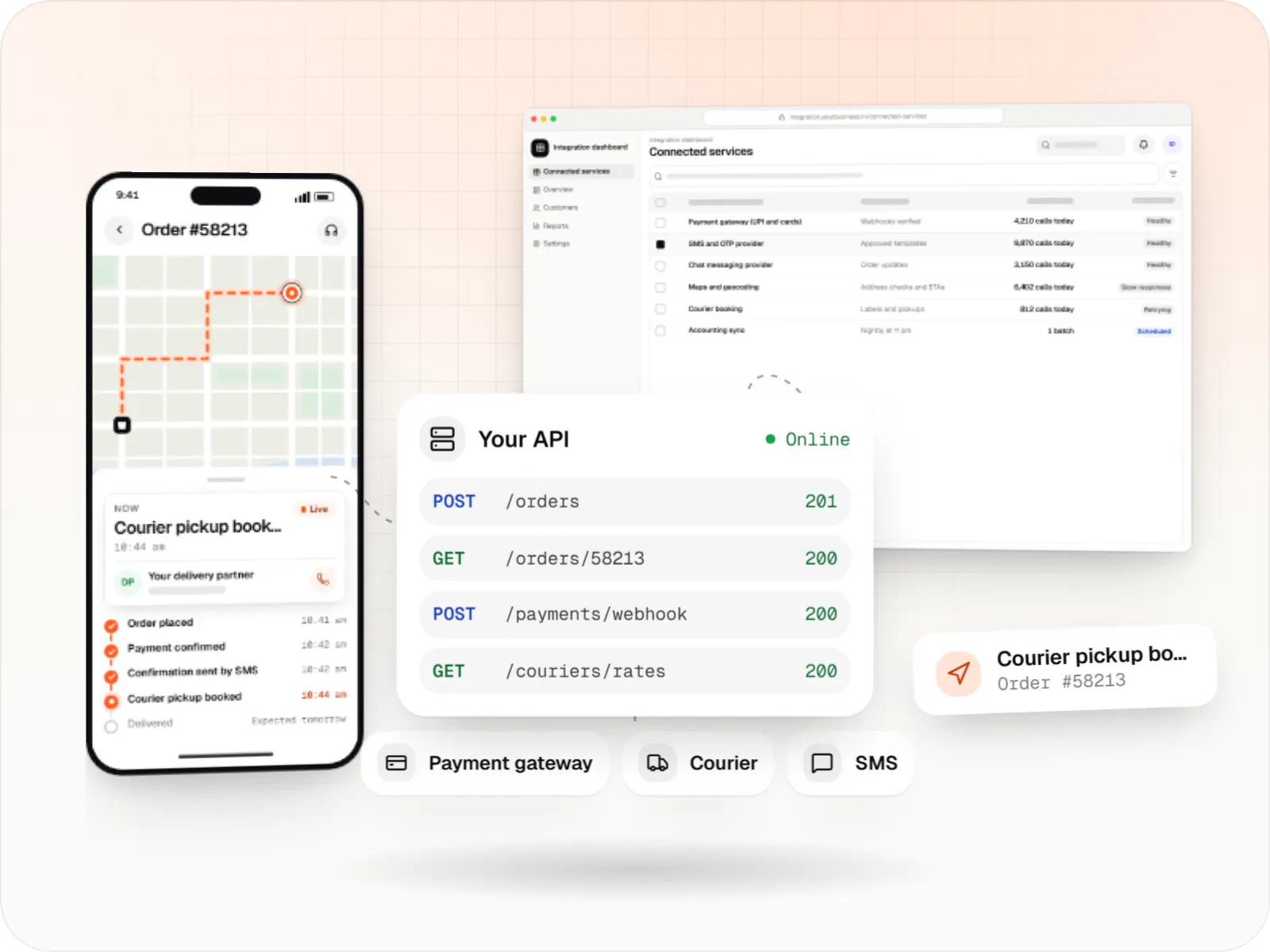
Secure, documented REST and GraphQL APIs, plus integrations that connect your apps to payment, logistics, GST, messaging and business systems.
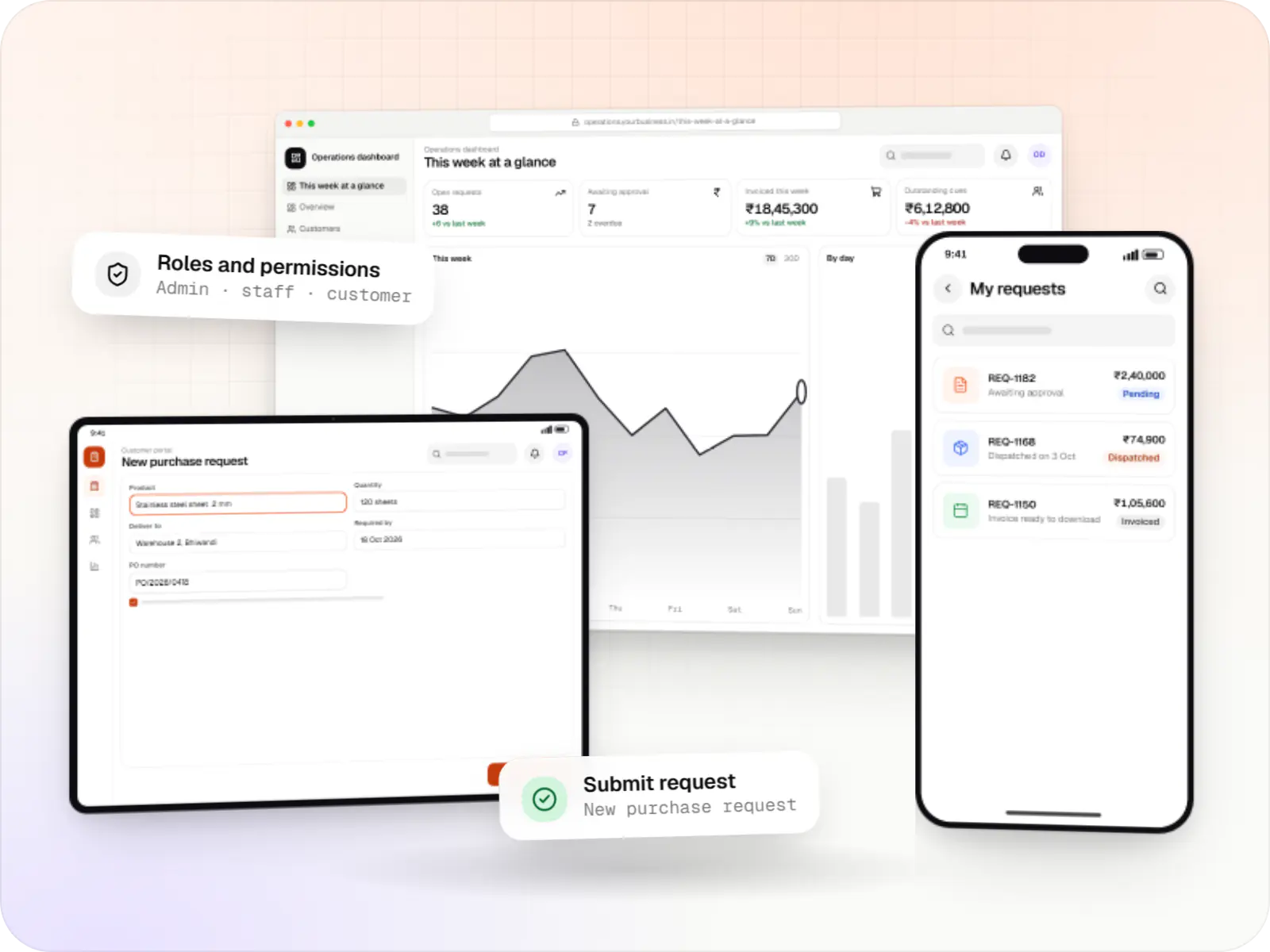
Browser-based products, customer portals, dashboards and internal tools, built on clean data models with secure roles and integrations.
FAQ
In many states, operating as a cab aggregator needs a licence or registration under state rules based on the Motor Vehicle Aggregator Guidelines. Requirements vary by state and vehicle type, so check with a transport consultant or lawyer before launch. On our side, we build what those rules commonly expect — driver verification records, SOS, trip data retention and fare display — and adjust flows once your licence conditions are known.
The driver app sends location at intervals that change with state: frequent during a trip, less often when idle, and paused when the driver goes offline. Updates travel over a lightweight socket connection, and Redis keeps the latest positions for fast nearest-driver queries. We test on the mid-range Android phones most drivers use and handle manufacturer battery-saving settings that otherwise stop background apps.
Yes. A dispatcher console lets your call centre create bookings for customers who phone in, see available drivers on a map, and assign a driver manually or let the dispatch engine choose. The customer gets SMS or WhatsApp updates with driver details and a tracking link, so they never need the app. Many operators keep phone bookings for older customers and corporate accounts while app usage grows.
Next step
Tell us your cities, booking types and fleet model. We will scope rider, driver and dispatch apps and estimate each separately.