



Mobile
Flutter
Build Android and iOS apps from one shared codebase, so you launch on both platforms faster with a consistent experience.
Used for
- Mobile apps
- Delivery apps
- E-commerce apps
- Booking apps
Wallet apps
Top-ups, payments, rewards and refunds on a double-entry ledger that is reconciled every day.
At a glance
What it is
Digital wallet apps with top-ups, QR payments, rewards and a balance ledger, for closed-loop programmes or with a licensed PPI issuer.
Flutter and the related logo are trademarks of Google LLC. We are not endorsed by or affiliated with Google LLC.
How to start
Tell us what you need in your own words. You talk to the developers who would build it and get a written, line-item estimate.
Get a project estimateThe first decision is regulatory, not technical. A closed-loop wallet, used only for goods or services from the issuing business and without cash withdrawal, is treated differently from a wallet usable at other merchants or for transfers, which falls under RBI's prepaid payment instrument framework and needs an authorised issuer or bank partner.
Once your advisers confirm the model, we design the ledger, limits and KYC tiers around it, so moving from closed-loop to a partner-issued wallet later does not mean starting again.
Challenges
Wallets built on a single balance column drift away from escrow or bank records over time.
Multiple accounts and self-referrals drain promotional budgets without controls.
Top-up and payment spikes during offers expose locking and performance issues.
Refunds to the wallet versus the original source need rules customers and support staff understand.
What is included
Platform: Android and iOS app
Platform: Android app and web
Platform: Admin dashboard
Platform: Admin dashboard
How it works
Whether the wallet is closed-loop or issued with a licensed PPI partner is decided first with your compliance advisers under RBI rules; the steps below then follow that model.
The user signs up with a verified mobile number, and the KYC level set by your partner's policy decides their wallet limits.
Money is added by UPI, card or net banking, and the ledger credits the wallet only after the gateway confirms the payment.
The user scans a merchant QR, sees the amount and merchant name, and pays from the wallet with a PIN or biometric.
Cashback follows campaign budgets and caps, and refunds go back to the wallet or the original source according to your rules.
Merchants see collections and receive settlements on schedule, with reports for each outlet.
The ledger is matched with gateway settlements and escrow or partner statements; any gap becomes an exception to investigate.
Platforms
Users and merchants use phone apps for Android and iOS; risk, operations and finance teams use an admin dashboard.
Apps for Android phones and tablets, tested on budget and mid-range devices and published on Google Play or privately.
Apps for iPhone and iPad, built to Apple's guidelines and released through TestFlight and the App Store.
One Flutter or React Native codebase for Android and iOS, with native modules where a feature needs them.
Back-office panels for operations, support and finance teams: orders, users, content, reports and permissions.
Technology
Chosen so every balance comes from a ledger, alerts arrive instantly and apps stay secure on any phone.
Mobile
Build Android and iOS apps from one shared codebase, so you launch on both platforms faster with a consistent experience.
Used for
Mobile
Build Android and iOS apps in the same language as a React website, so one team can share code and skills across web and mobile.
Used for
Backend
A structured way to build back ends on Node.js, so large business systems stay organised, testable and easy to hand over.
Used for
Data
A reliable database for the records your business runs on: orders, payments, bookings and stock, kept accurate and easy to report on.
Used for
Data
Keeps frequently used data in fast memory, so apps stay quick on busy days and live features like order tracking feel instant.
Used for
Cloud & DevOps
Ready-made building blocks for mobile apps, such as push notifications, phone OTP login and crash reports, so you launch sooner.
Used for
Flutter and the related logo are trademarks of Google LLC. We are not endorsed by or affiliated with Google LLC.
Integrations
UPI, card and net banking top-ups with webhooks.
Wallet issuance and limits through the licensed partner.
Minimum and full KYC through licensed providers.
Transaction alerts and campaign messages.
OTPs and transaction SMS through registered templates.
Device fingerprinting to detect multiple accounts.
Privacy & security
Whether the wallet is closed-loop or a PPI, and which limits apply, is decided by your advisers and issuer partner; we implement those limits.
Minimum and full-KYC upgrades run through licensed providers and your partner's policy.
Device binding, PIN or biometric login, root detection, certificate pinning and encrypted storage.
Every balance change is a ledger entry, admin actions are logged, and suspicious transactions are held for review.
Plain-English glossary
Product preview
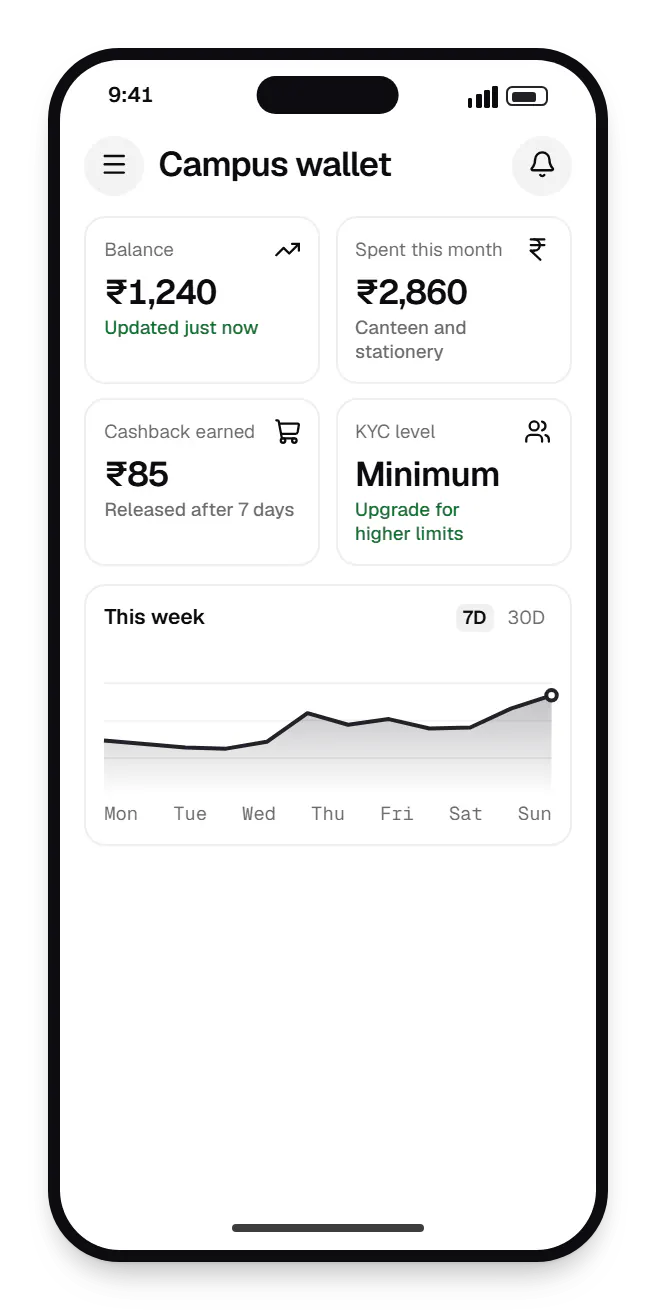
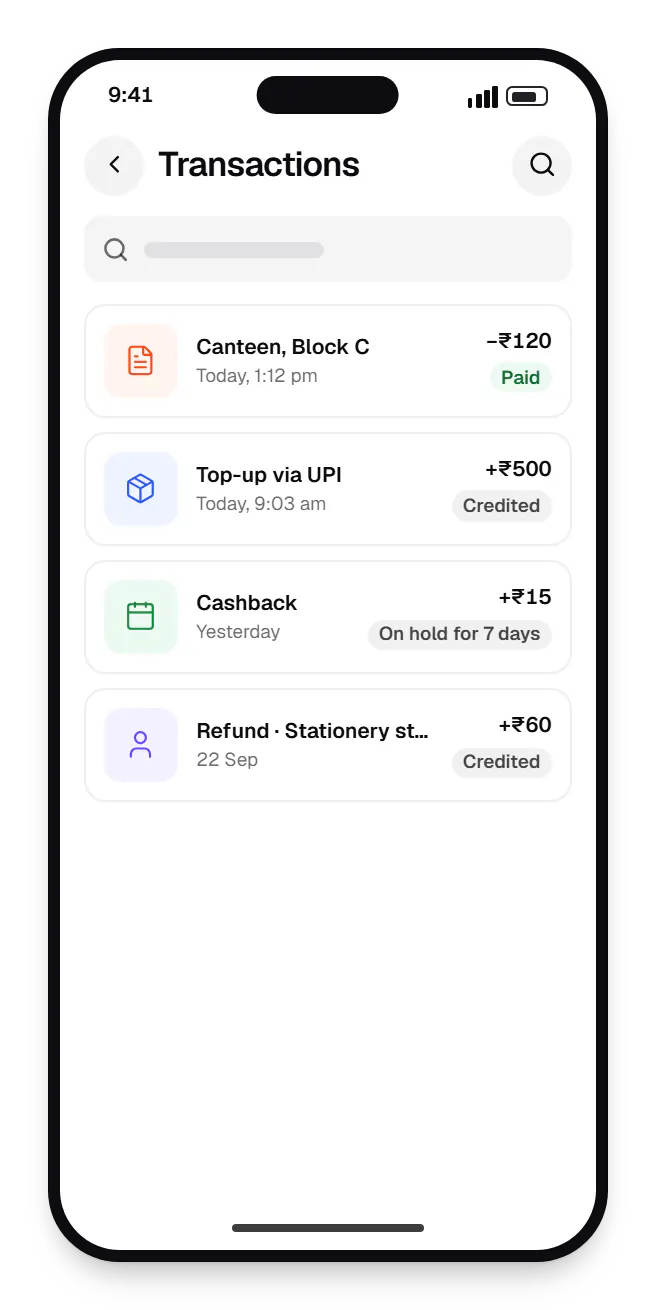
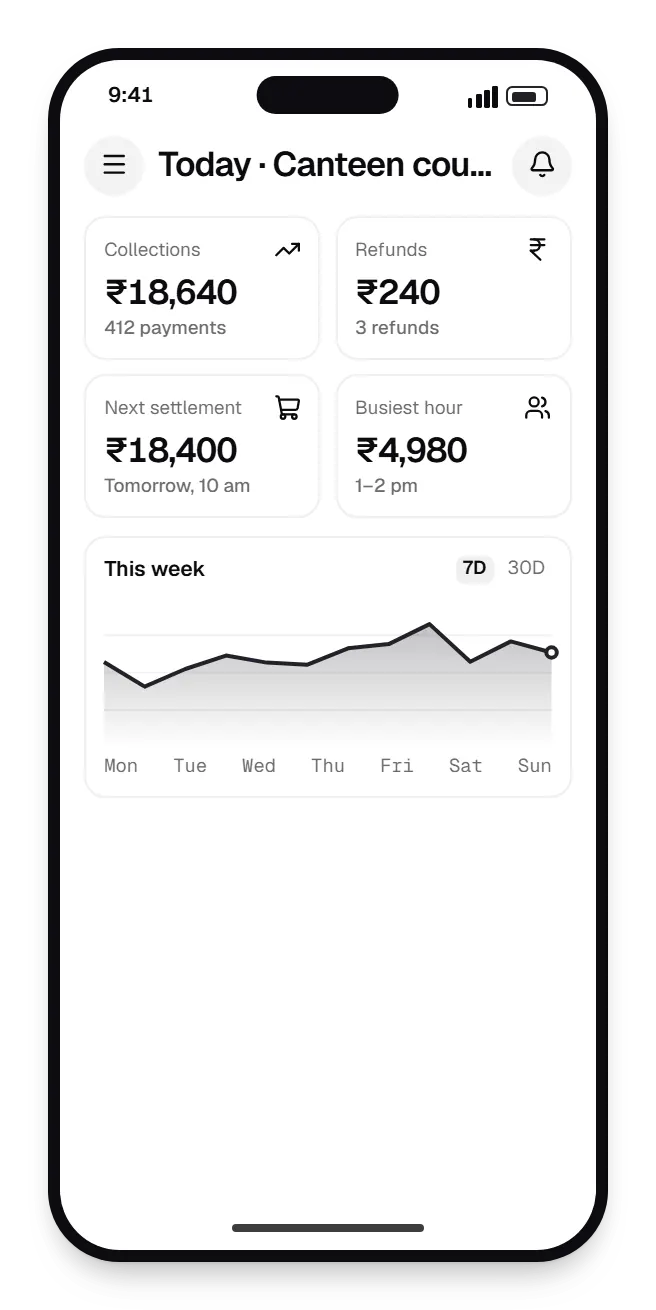
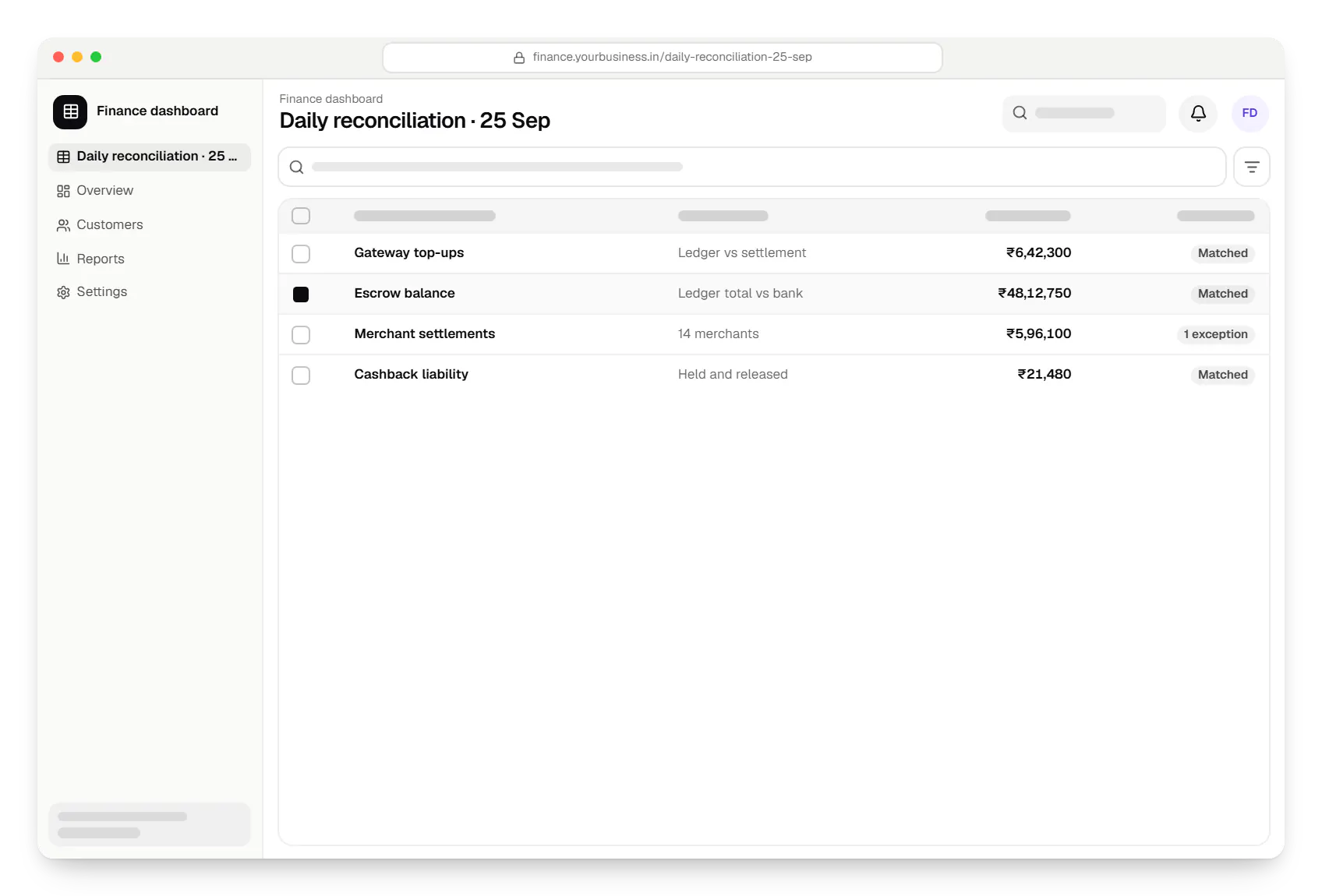
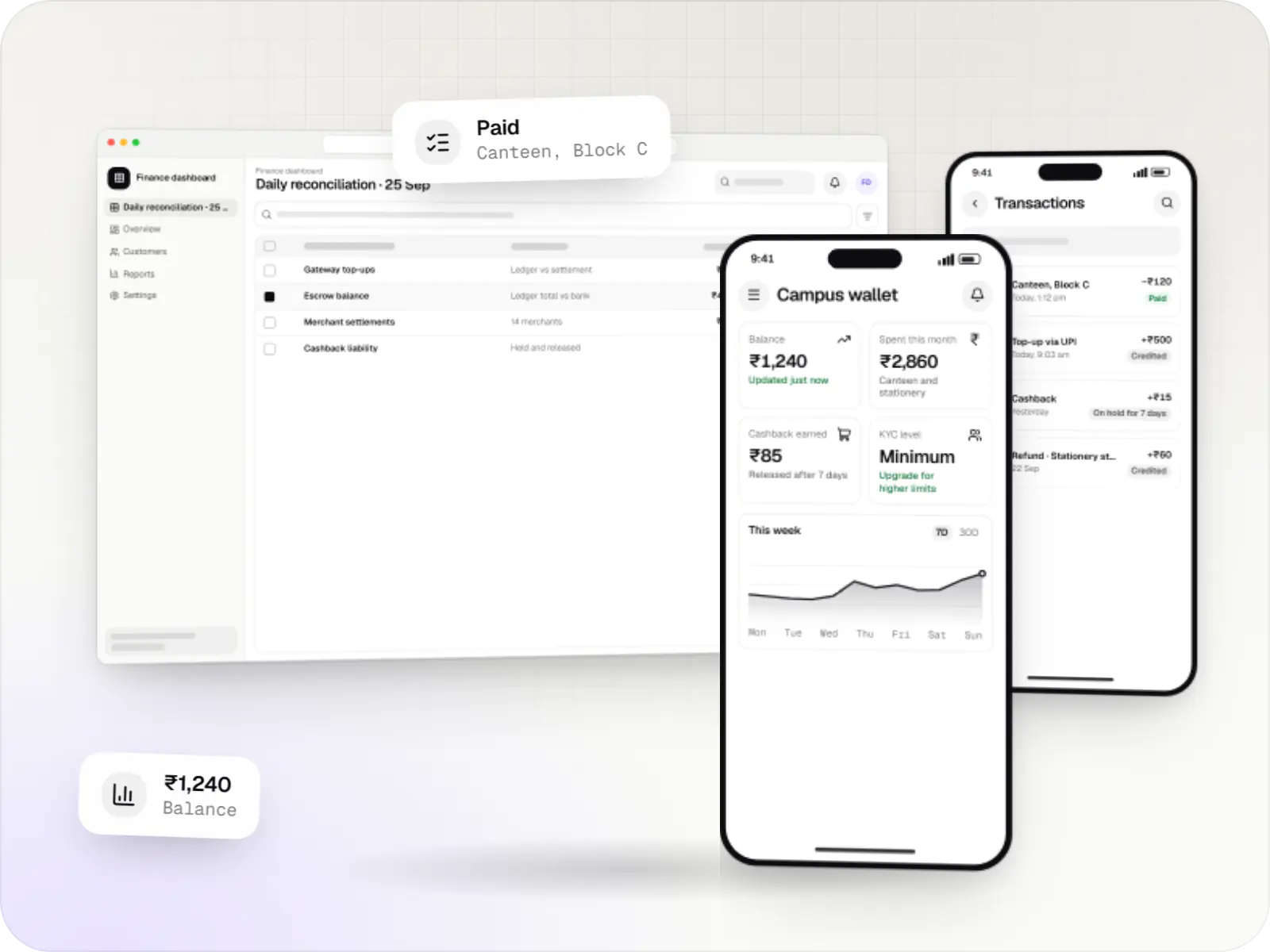
Sample screens: names, prices and figures are examples, not client data.
Industries
Cost drivers
Closed-loop wallets are simpler than wallets integrated with a licensed PPI issuer.
Points, holds and partial refunds add ledger and reconciliation work.
A merchant app, onboarding and settlements are a significant second product.
Rule-based cashback with budgets and abuse controls takes careful design.
Penetration testing and fixes before launch are part of the budget.
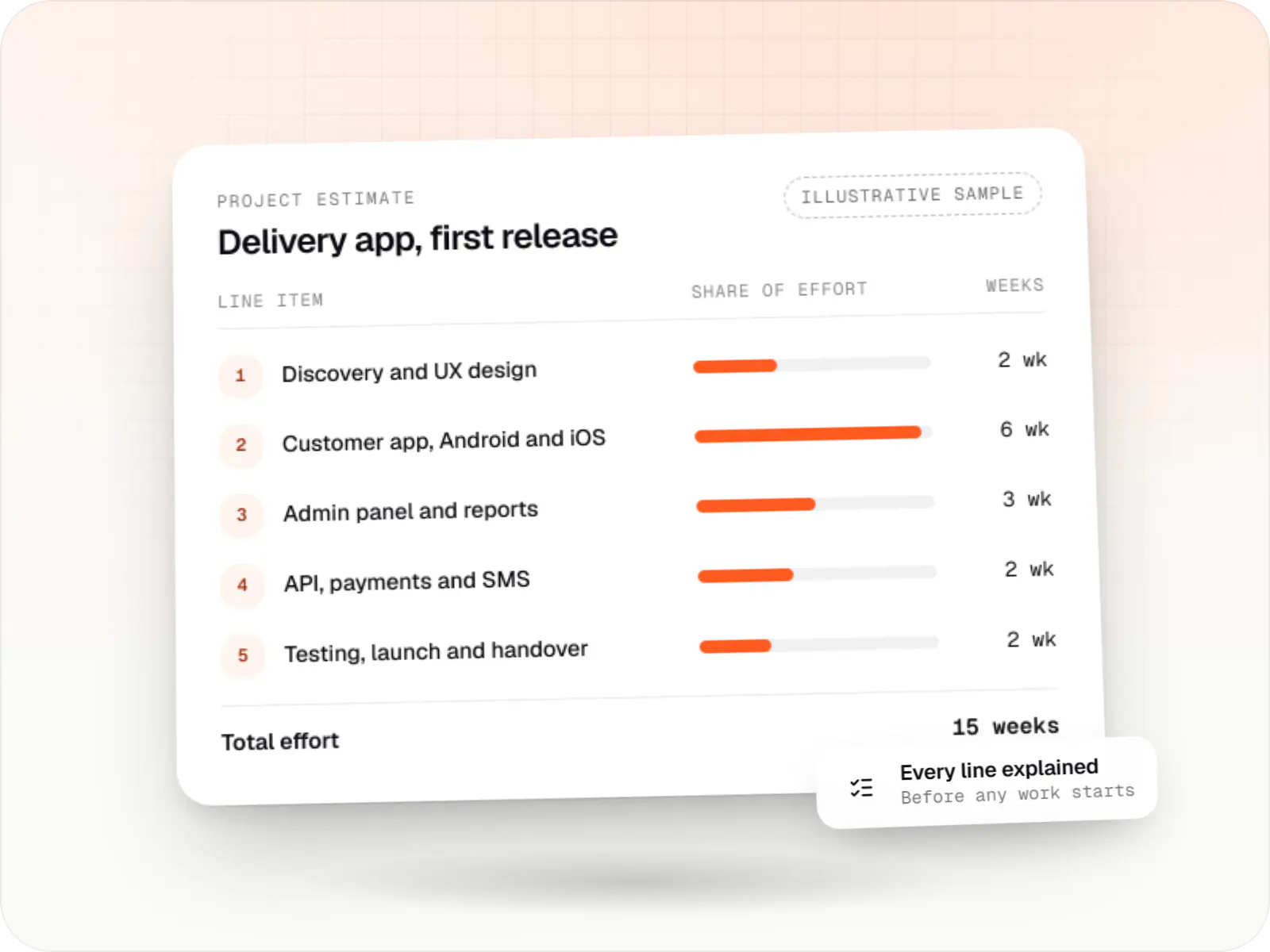
Estimates are written from your scope, with the effort and assumptions behind each line item.
How pricing worksServices
The disciplines a project like this draws on.
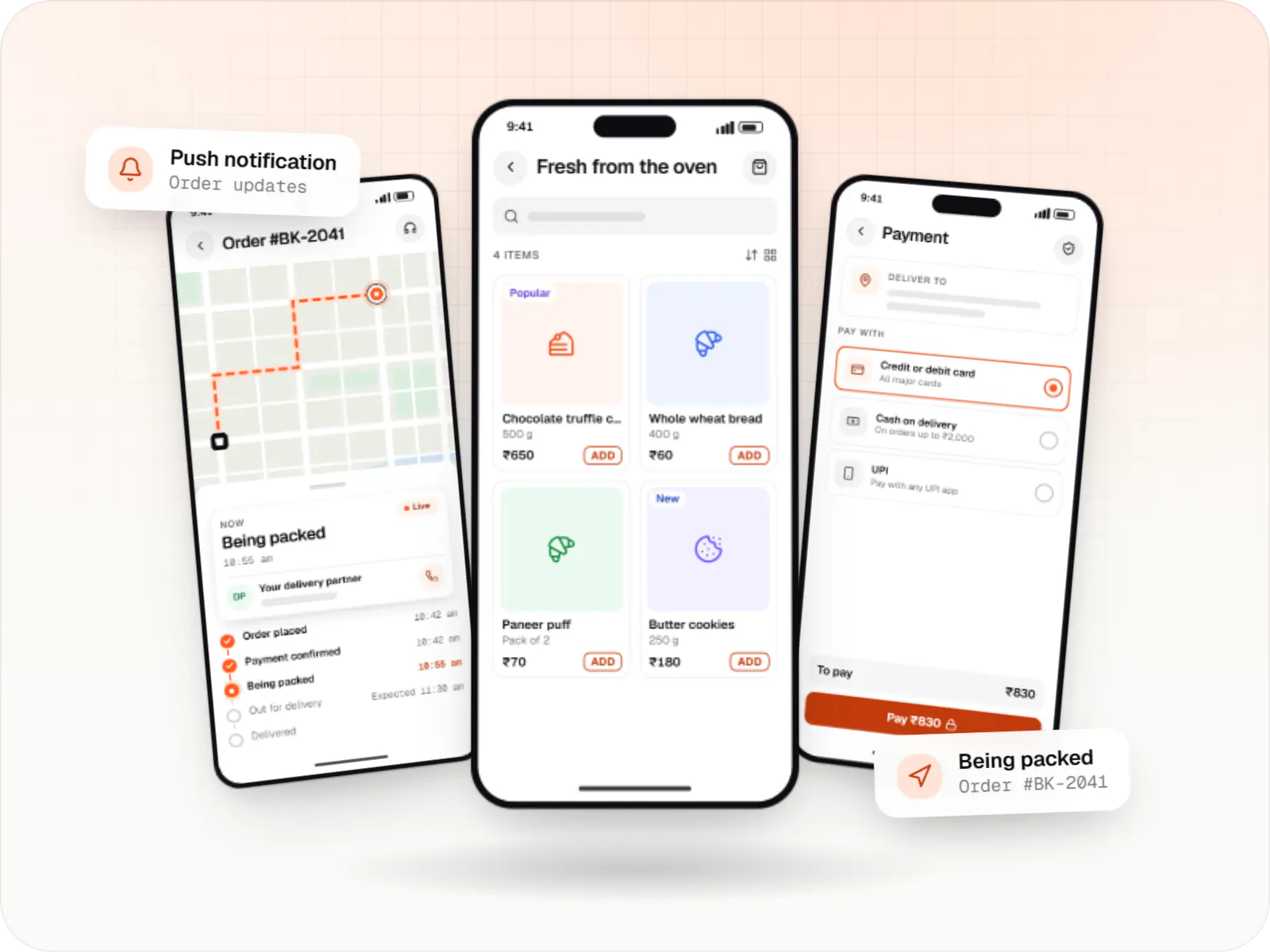
Native and cross-platform Android and iOS apps, from first release through regular store updates, built by our in-house designers and engineers.
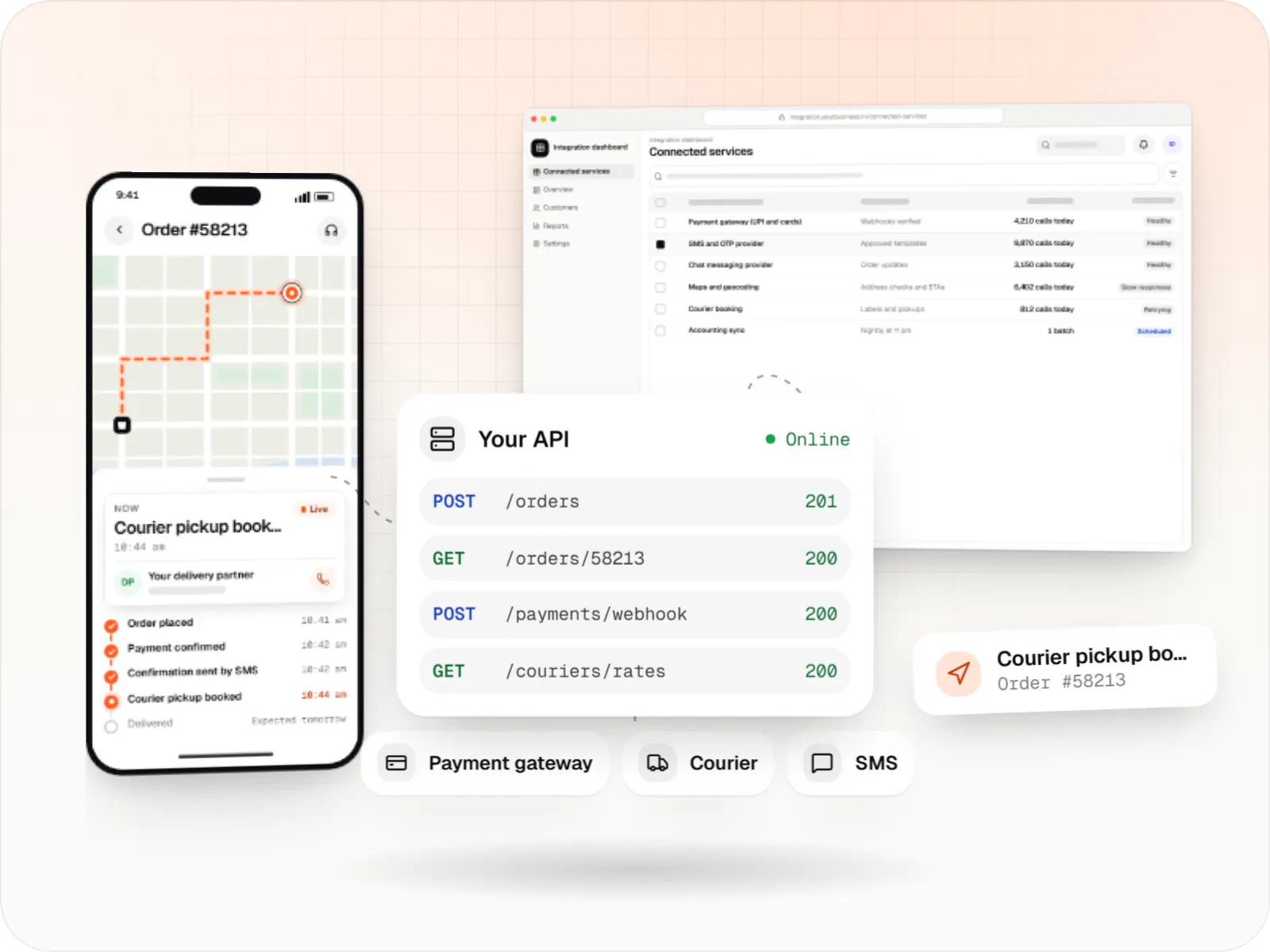
Secure, documented REST and GraphQL APIs, plus integrations that connect your apps to payment, logistics, GST, messaging and business systems.
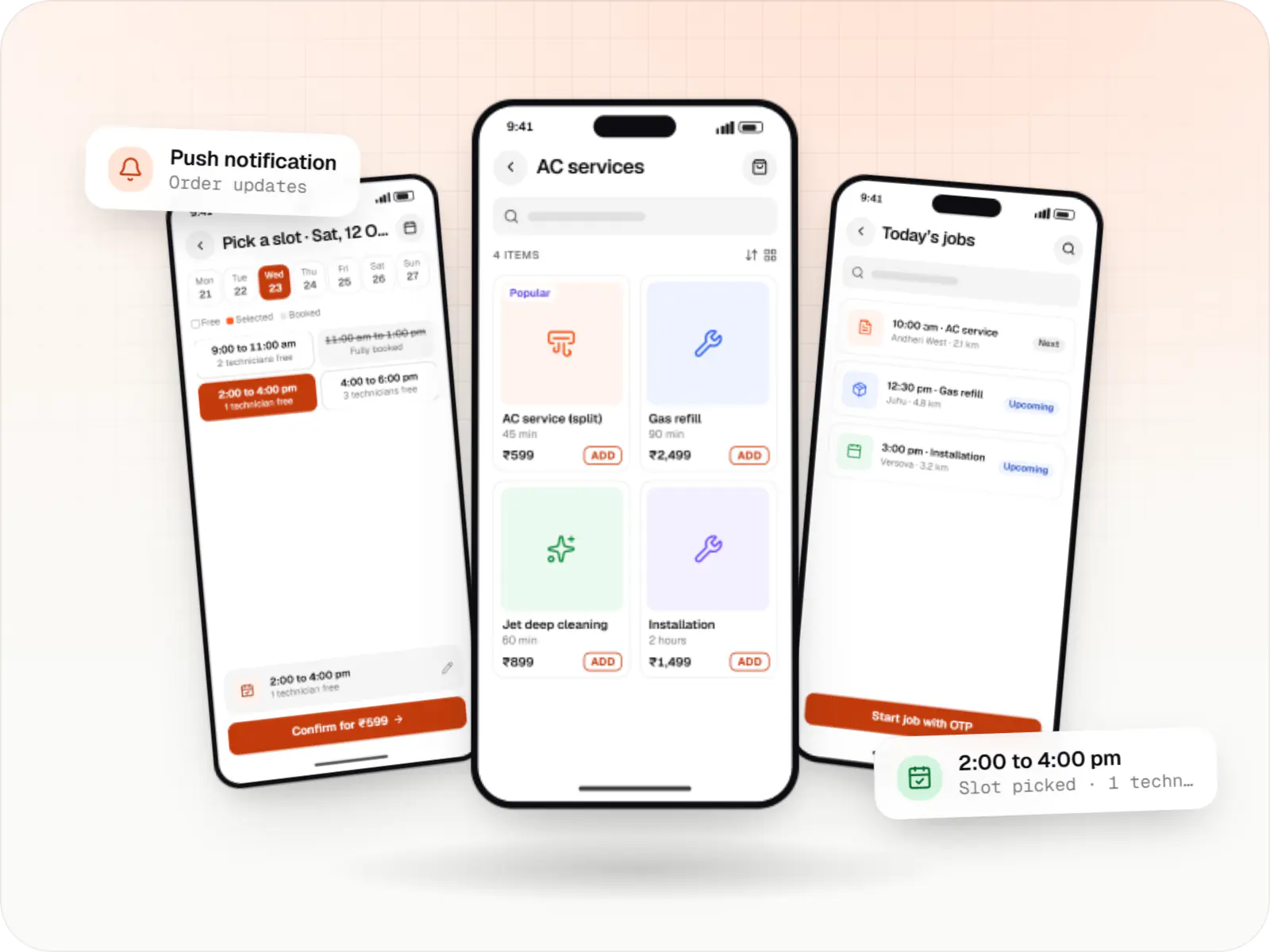
Android and iOS apps from one Dart codebase, built by engineers who know when Flutter is the right call and when native code is needed.
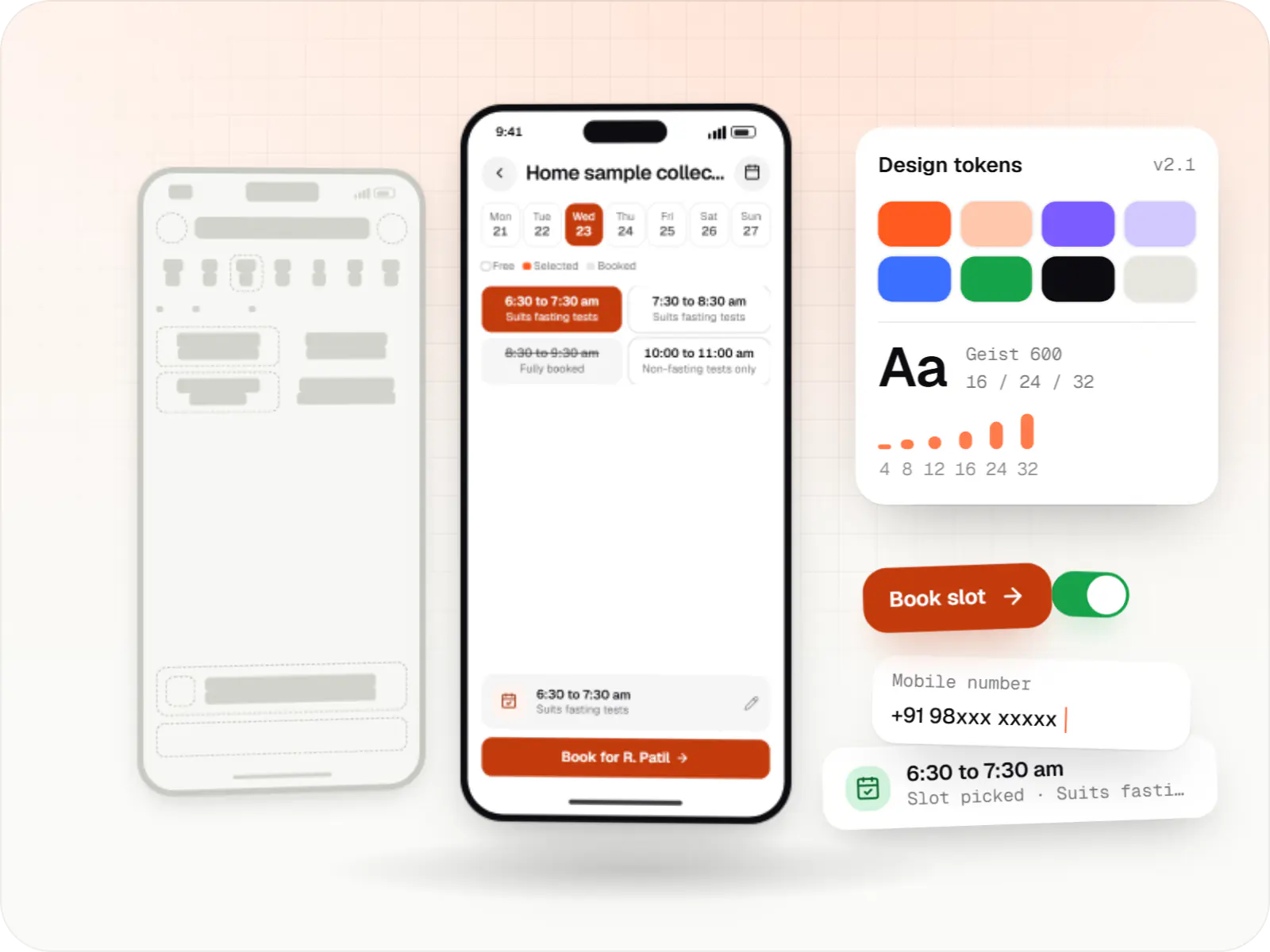
Product design for web and mobile apps: research, user flows, wireframes, prototypes and design systems that engineers can build from.
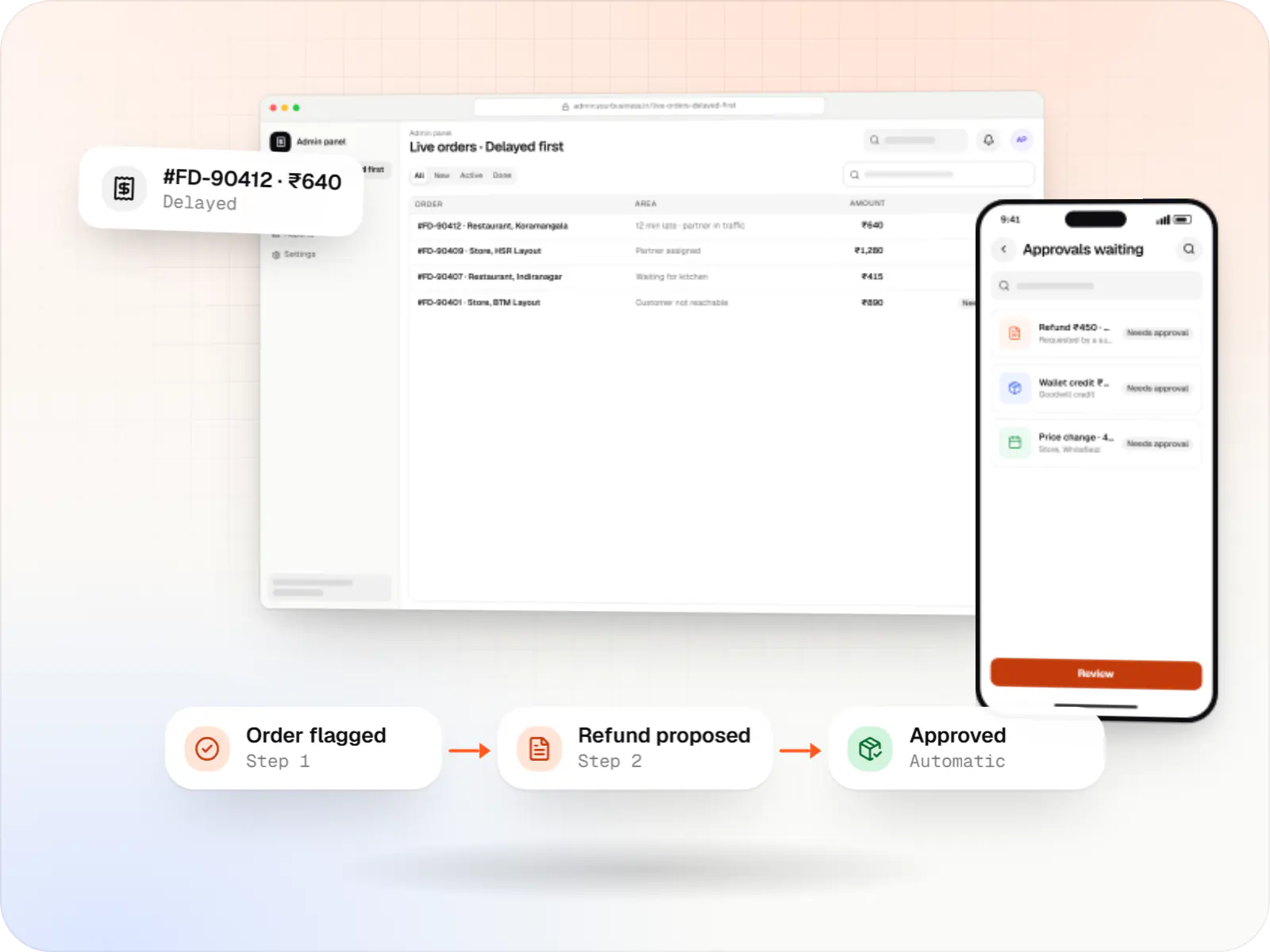
Back-office dashboards built around your team's daily tasks: order queues, approvals, catalogue management, payouts, reports and audit logs.
FAQ
It depends on how the wallet works, and your legal and compliance advisers should confirm it. Broadly, a closed-loop wallet used only for your own goods or services, with no cash withdrawal, is treated differently from a wallet usable at other merchants or for transfers, which needs PPI authorisation or an authorised issuer partner. We build either model.
Balances are never edited directly. Every top-up, payment, refund, reward and reversal is written as balanced double-entry ledger entries, and a wallet's balance is derived from them. Payment APIs are idempotent, so a retried request or duplicate webhook is recognised rather than credited twice. A daily job reconciles ledger totals with gateway settlements and escrow or partner statements, and any mismatch becomes an exception for the finance team.
Yes, with controls built into the rewards engine rather than added after a loss. Campaigns carry budgets and per-user caps, cashback can be held for a period before release, and rules check device fingerprints, KYC status and referral patterns to spot multiple accounts. Suspicious rewards are held for review rather than paid, and operations staff can pause a campaign instantly.
Only if the wallet model permits it. Closed-loop wallets usually do not allow withdrawal, and for PPIs, transfers to bank accounts are generally limited to full-KYC wallets under the issuer's rules. Where allowed, we integrate the partner's payout API with limits, beneficiary validation and fraud checks. Your issuer partner and compliance team set the exact rules, and the app enforces them.
Related
Next step
Tell us who will use the wallet, where it can be spent and whether you already have an issuer partner.