


Backend
NestJS
A structured way to build back ends on Node.js, so large business systems stay organised, testable and easy to hand over.
Used for
- Business app back ends
- SaaS platforms
- Marketplaces
- Admin panel back ends
Finance
Engineering for payment companies, marketplaces and platforms with complex collections, payouts, split settlements and reconciliation needs.
At a glance

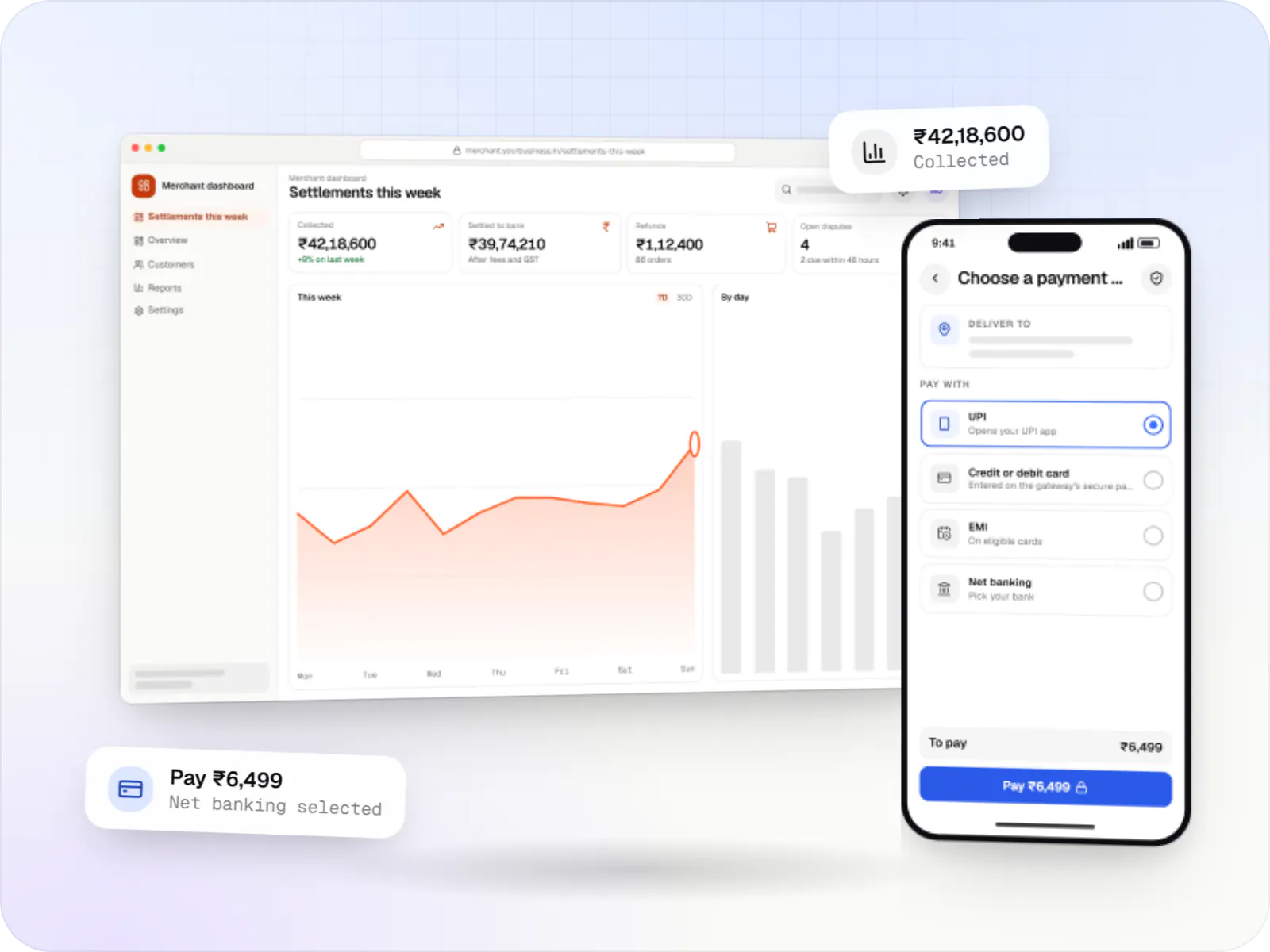
We build payment-facing software: merchant onboarding and dashboards, checkout and UPI flows, recurring payments, payouts, split settlements, reconciliation engines and dispute tooling. Clients include payment businesses building on bank partnerships and companies whose collections outgrew a single gateway dashboard.
How to start
Tell us what you need in your own words. You talk to the developers who would build it and get a written, line-item estimate.
Get a project estimatePayments look simple from the checkout page. Behind it sit webhooks that arrive late or twice, settlements that bundle hundreds of transactions, refunds that cross settlement cycles, and chargebacks with strict response windows. For marketplaces and platforms, money also has to be split between sellers, partners and the platform before payout.
We engineer the layer that keeps this honest: idempotent payment APIs, a ledger that records each state change, reconciliation across gateway, bank and internal records, and dashboards that let finance teams explain every rupee. Card data is handled through tokenisation and gateway-hosted fields, never stored on your servers.
Challenges
Settlement files net off fees, GST and refunds, so matching them to orders by hand takes days.
Duplicate, delayed or missed callbacks leave paid orders marked unpaid.
Marketplaces must hold, split and release funds to sellers on terms that change with each deal.
Business KYC with GSTIN, PAN and bank verification, plus risk review, delays go-live.
Solutions
Across 3 areas
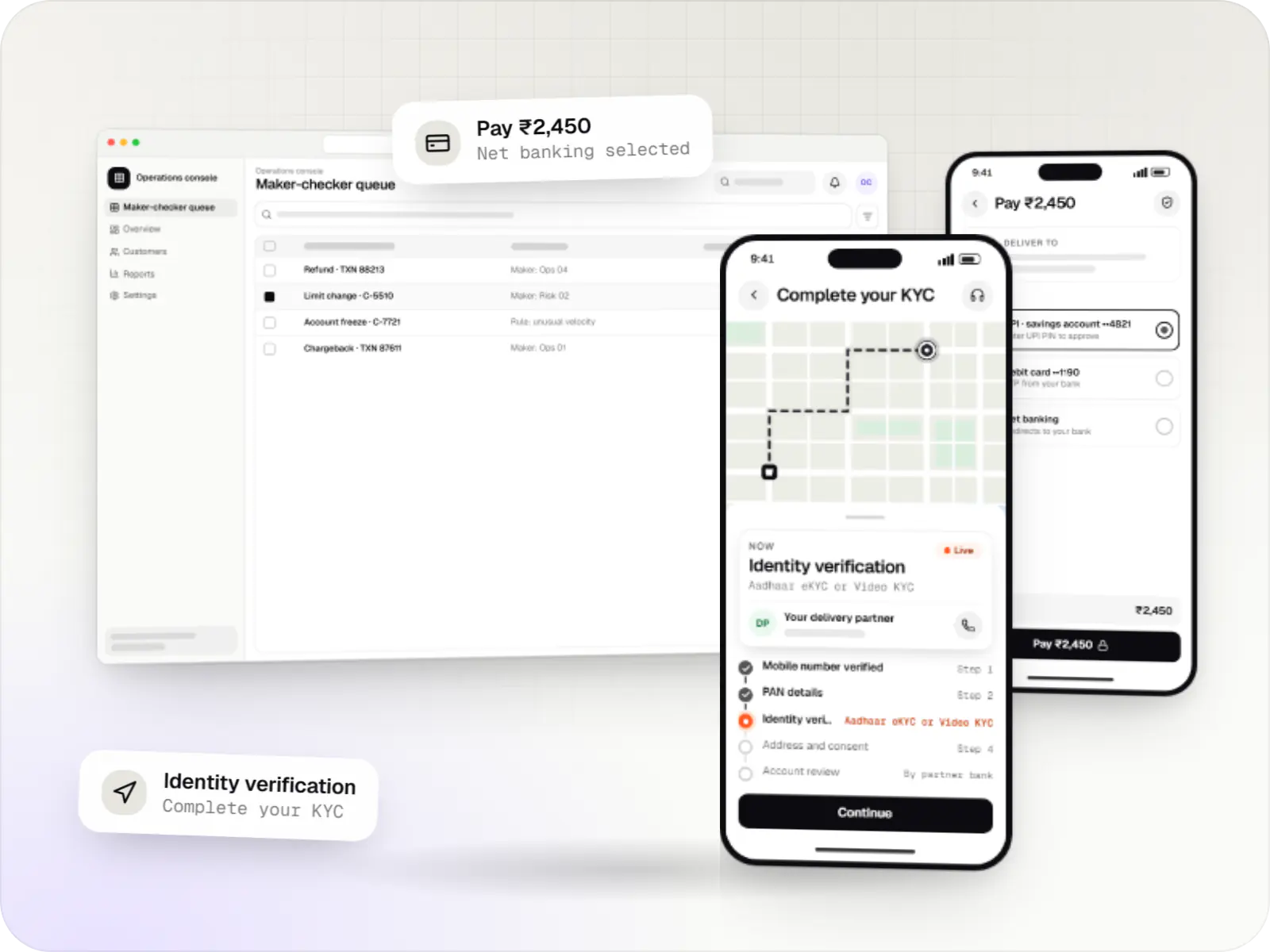
Secure fintech apps and back offices for payments, lending, investments and insurance, integrated with licensed banking, KYC and data partners.
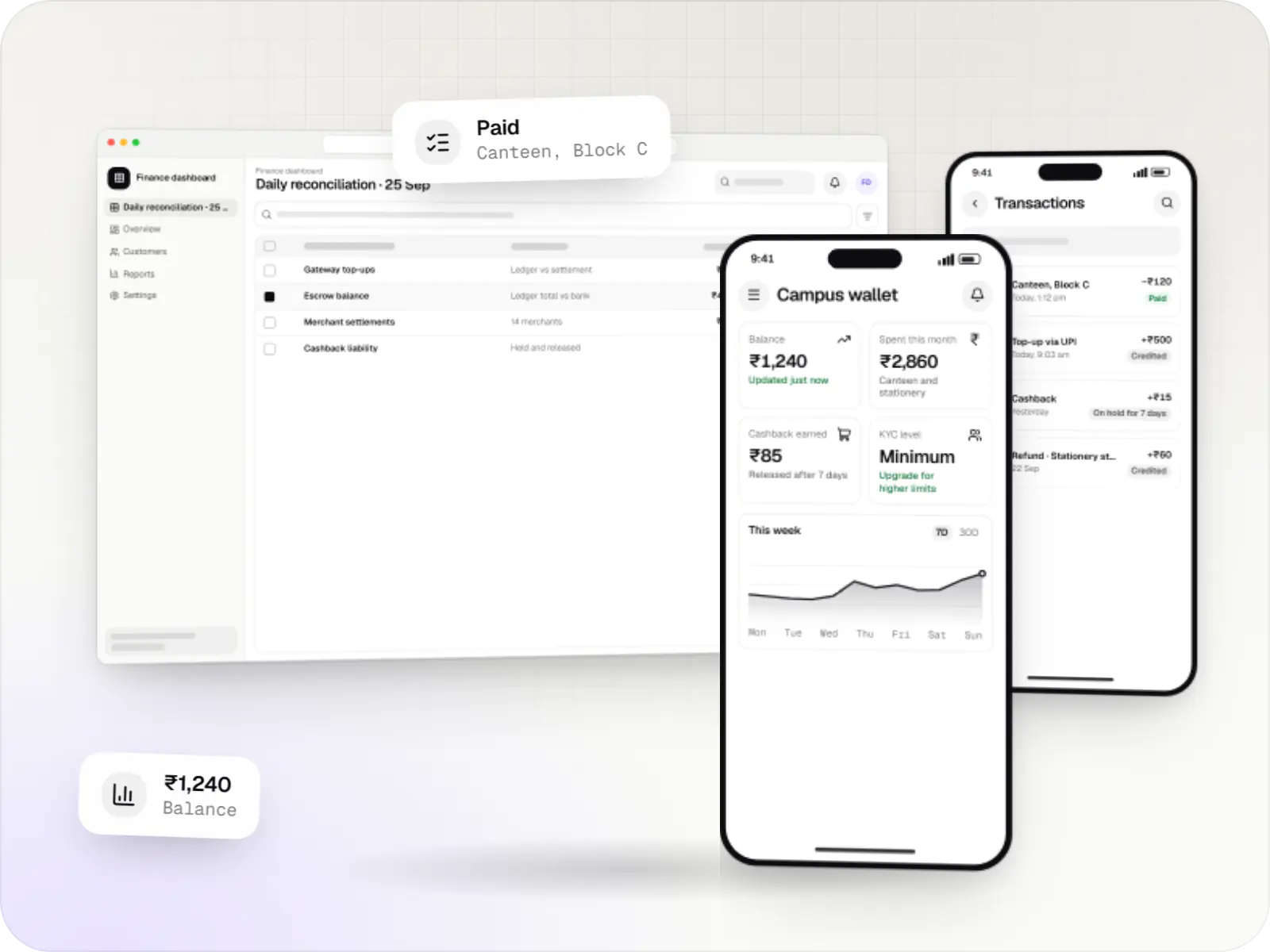
Digital wallet apps with top-ups, QR payments, rewards and a balance ledger, for closed-loop programmes or with a licensed PPI issuer.
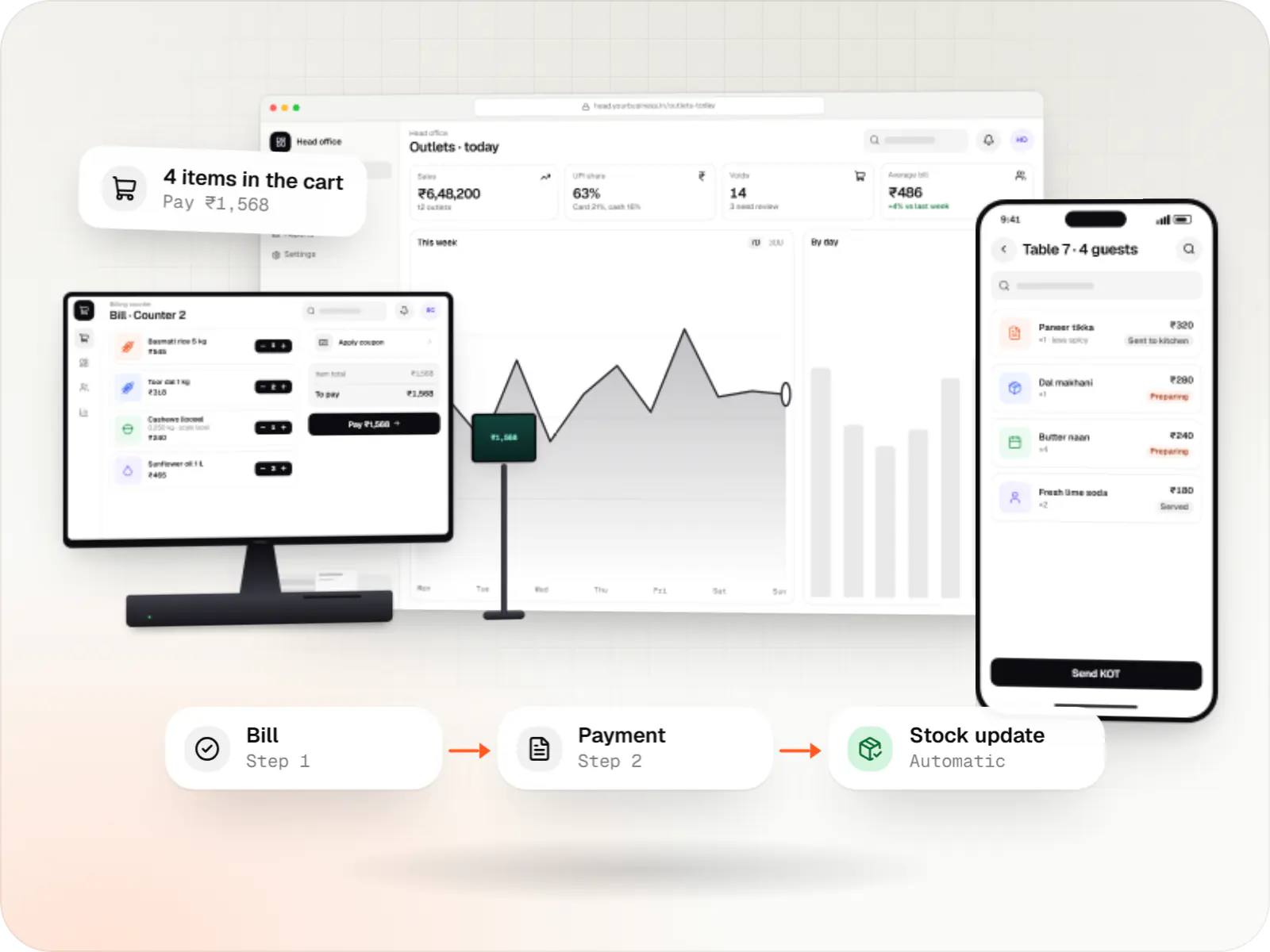
Custom point-of-sale software with offline billing, UPI QR payments, GST invoices, hardware integration and central control for multiple outlets.
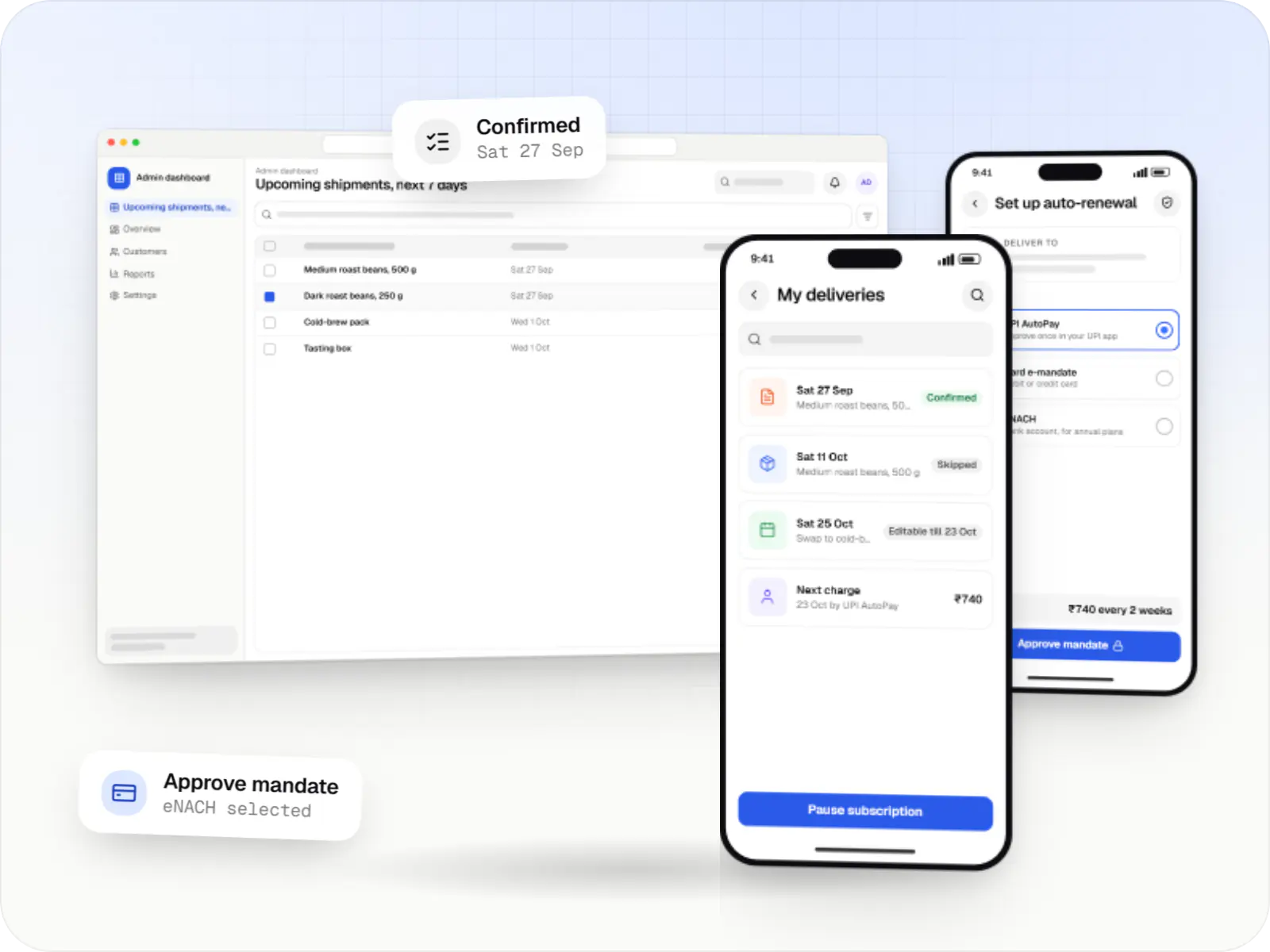
Subscription stores and memberships on UPI AutoPay, card mandates and eNACH, with pause, skip and swap controls and fulfilment planning.
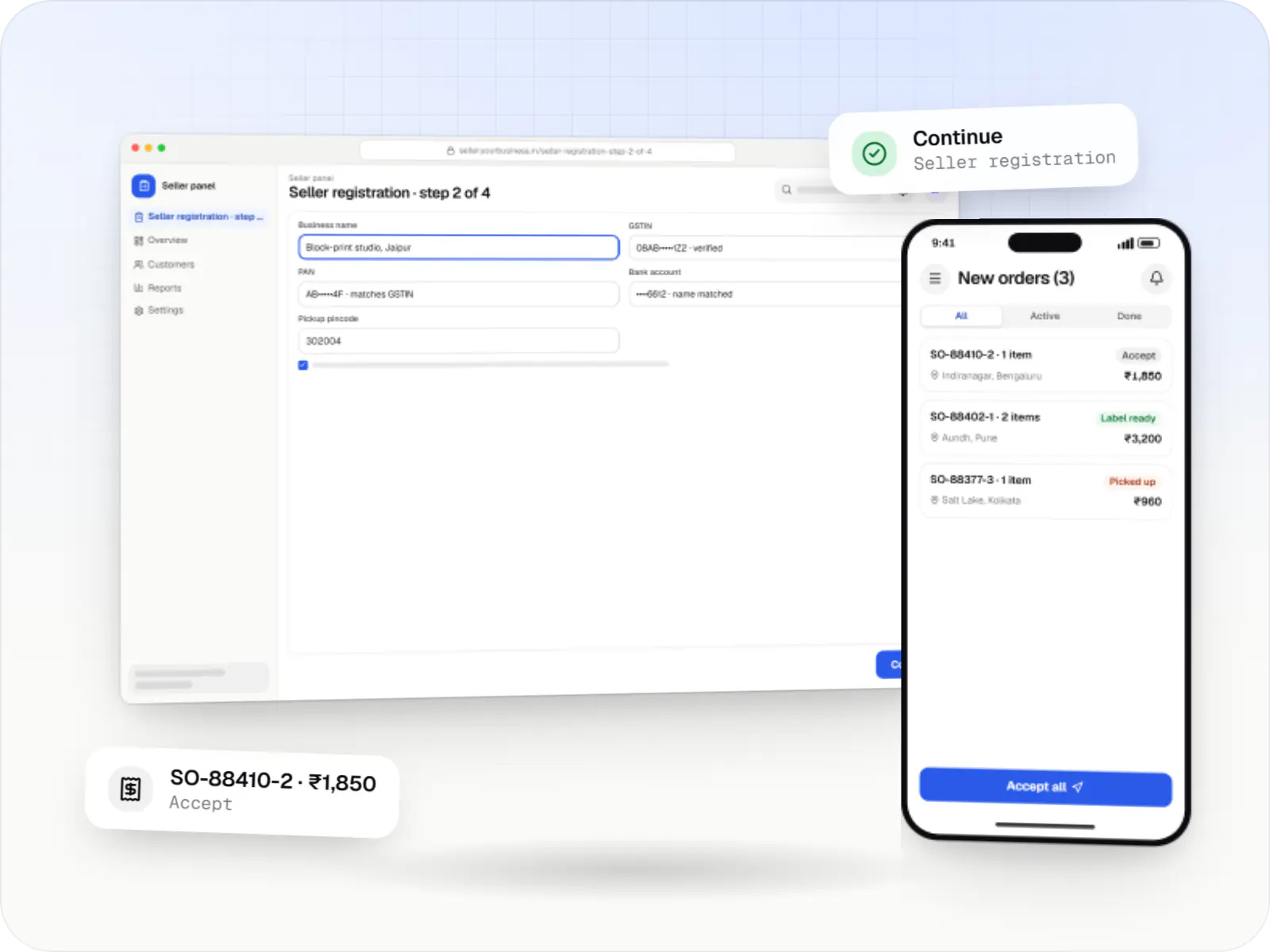
Multi-vendor marketplaces with seller onboarding, commission rules, split payouts, per-seller invoicing and catalogue moderation.
UPI intent and QR, cards via gateway-hosted fields, net banking, EMI options and retries for failed attempts.
UPI AutoPay and e-mandate registration, pre-debit notifications and failed-debit handling.
Commission and hold rules using gateway features such as Razorpay Route, with IMPS or UPI payouts.
Matching of orders, gateway reports and bank credits, with an exceptions queue for finance.
Deadline tracking, evidence upload and outcome records for each dispute.
How it works
The buyer pays by UPI intent, QR or a gateway-hosted card form. Your servers only ever see a token, never the card number.
The gateway's callback is verified, de-duplicated and recorded, so the order is marked paid exactly once even if the message arrives late or twice.
Platform commission, GST on fees and the seller's share are calculated per order, with holds applied until delivery is confirmed.
Settlement arrives as one bank credit with fees, refunds and chargebacks already netted off.
Orders, settlement rows and bank credits are paired using gateway IDs, UTRs and amounts; anything unexplained goes to the finance queue.
Released amounts go to sellers by IMPS or UPI, with a statement each seller can check against their own orders.
Platforms
Browser-based applications with logins, roles and workflows, such as customer portals, SaaS products and internal tools.
Back-office panels for operations, support and finance teams: orders, users, content, reports and permissions.
Apps for Android phones and tablets, tested on budget and mid-range devices and published on Google Play or privately.
Marketing and content websites: fast, search-friendly pages with a CMS your team can update without a developer.
Technology
NestJS and Node.js services are written so each payment is processed once, Redis holds short-lived keys that block duplicates, and PostgreSQL keeps a transaction history your finance team can audit.
Backend
A structured way to build back ends on Node.js, so large business systems stay organised, testable and easy to hand over.
Used for
Backend
Runs the server side of apps: fast, scalable back ends that power your app, website and integrations.
Used for
Data
A reliable database for the records your business runs on: orders, payments, bookings and stock, kept accurate and easy to report on.
Used for
Data
Keeps frequently used data in fast memory, so apps stay quick on busy days and live features like order tracking feel instant.
Used for
Payments & maps
Lets customers in India pay by UPI, cards, netbanking or wallets, and handles subscriptions, refunds and payouts to sellers or partners.
Used for
Cloud & DevOps
Packages your software so it runs the same way on every laptop and server, which makes releases predictable and moving hosts easier.
Used for
Cloud & DevOps
Cloud hosting for your app, website and data, with data centres in India and room to grow when traffic rises.
Used for
Plain-English glossary
Product preview
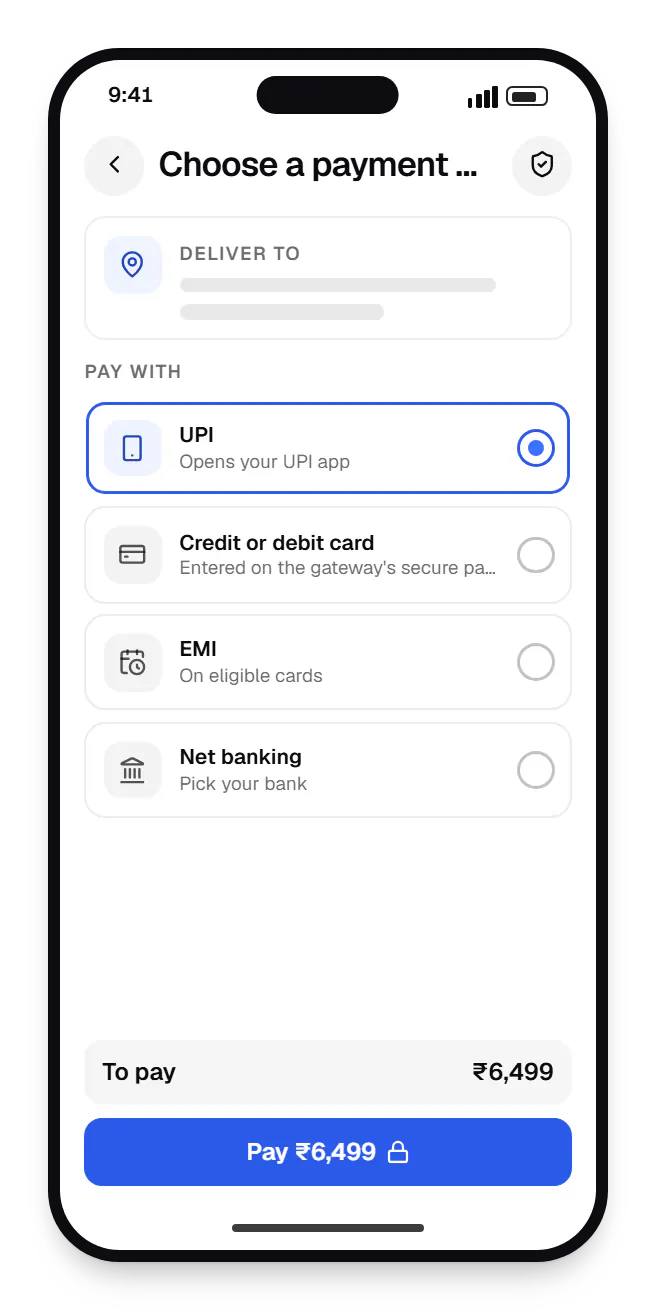
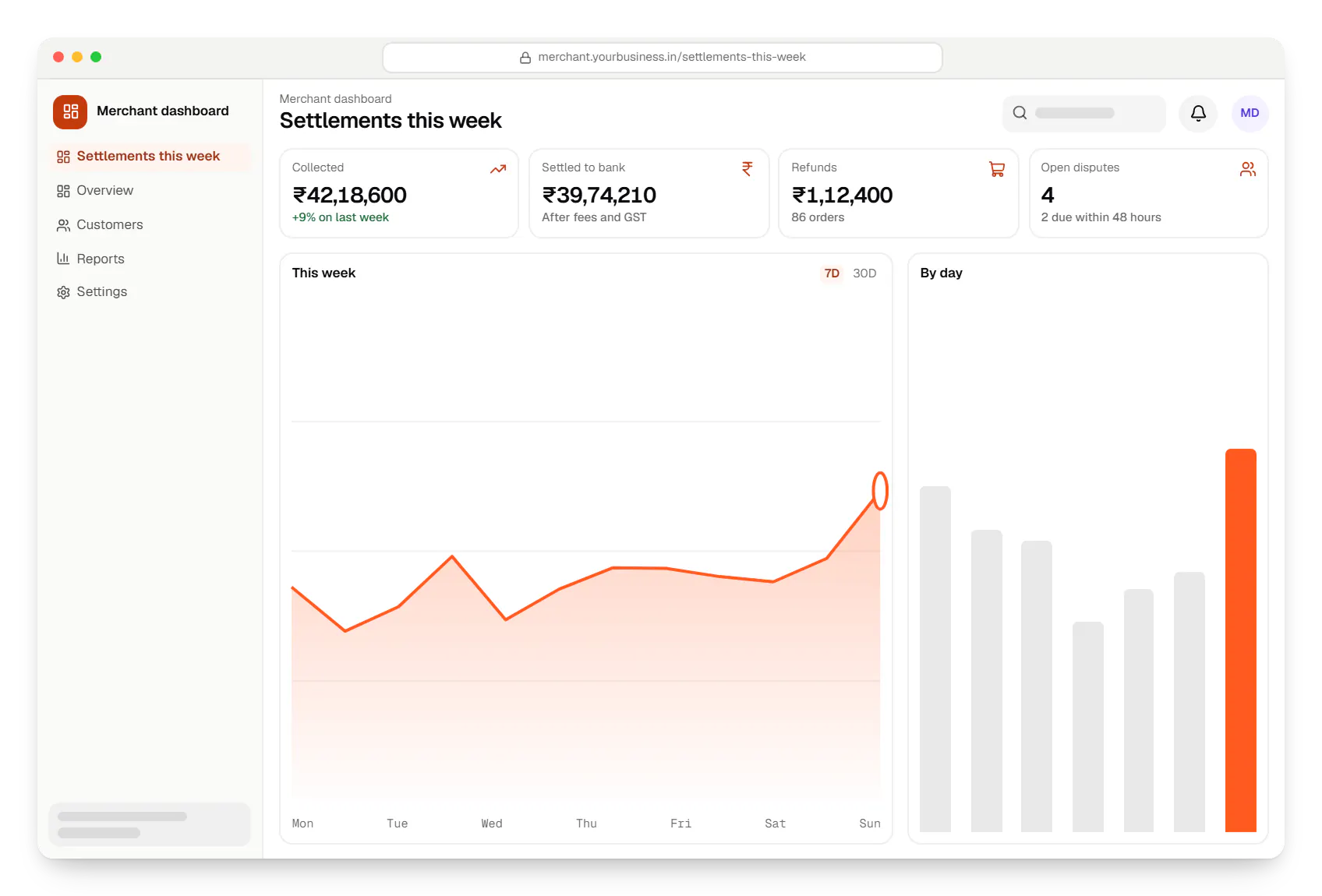
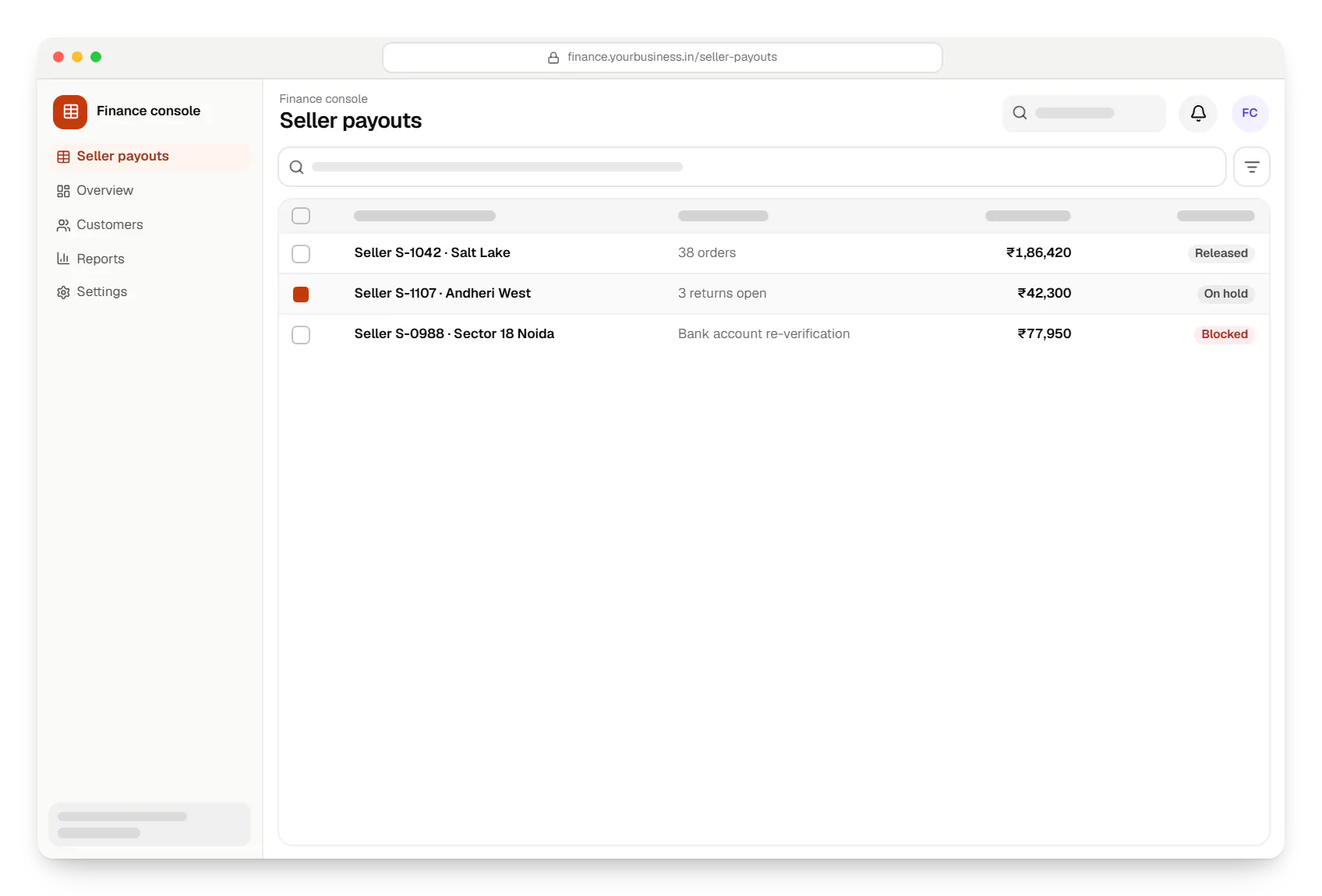
Sample screens: names, prices and figures are examples, not client data.
Cost drivers
Each gateway, bank or payout provider adds integration, sandbox testing and failure handling.
Single-merchant settlement is quick to build; multi-party splits with holds and reversals are not.
PCI DSS scope, data localisation and audit logging depend on which data your systems touch.
Estimates are written from your scope, with the effort and assumptions behind each line item.
How pricing worksServices
The design and engineering services our in-house team combines on projects in this sector.
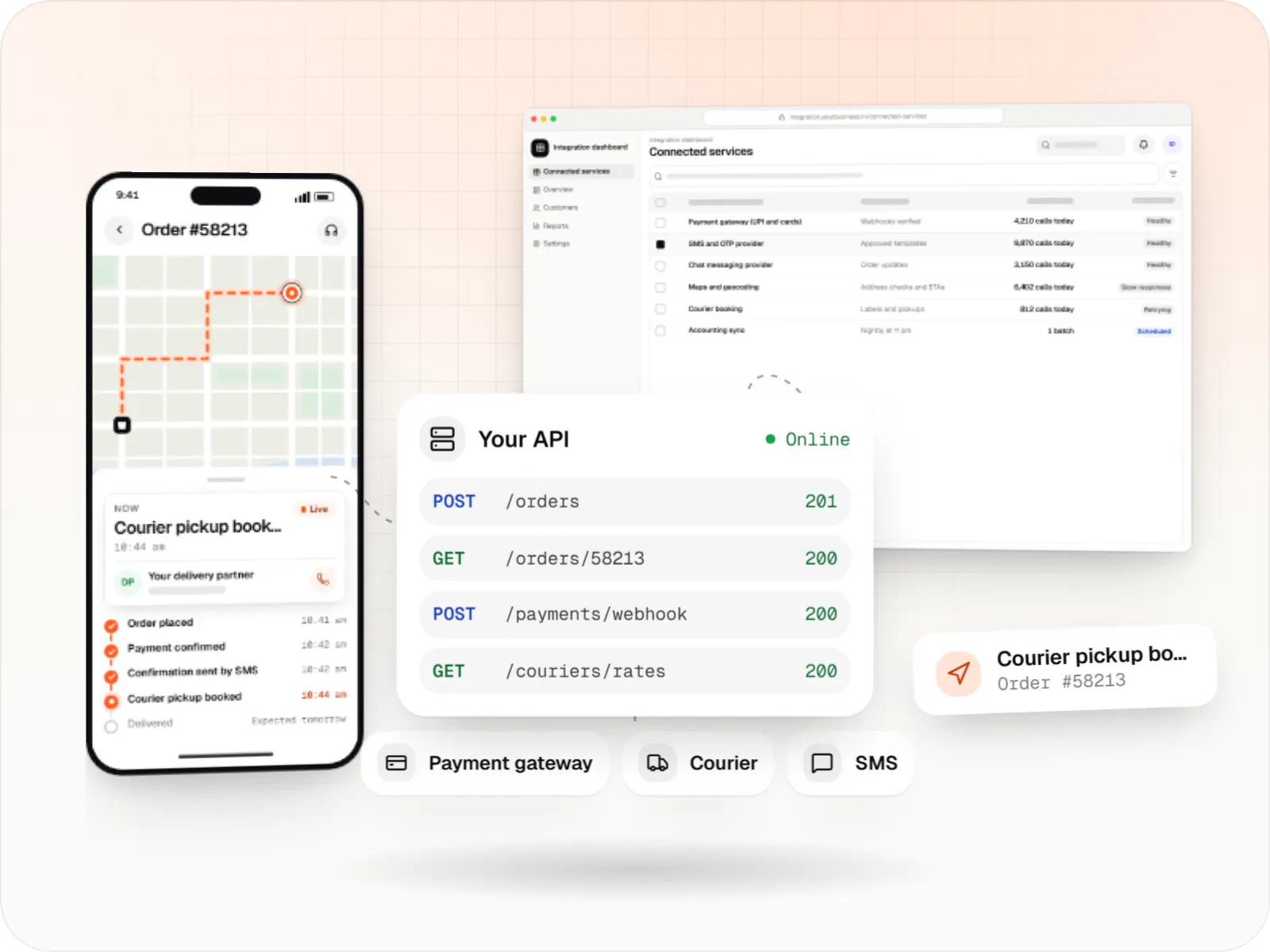
Secure, documented REST and GraphQL APIs, plus integrations that connect your apps to payment, logistics, GST, messaging and business systems.
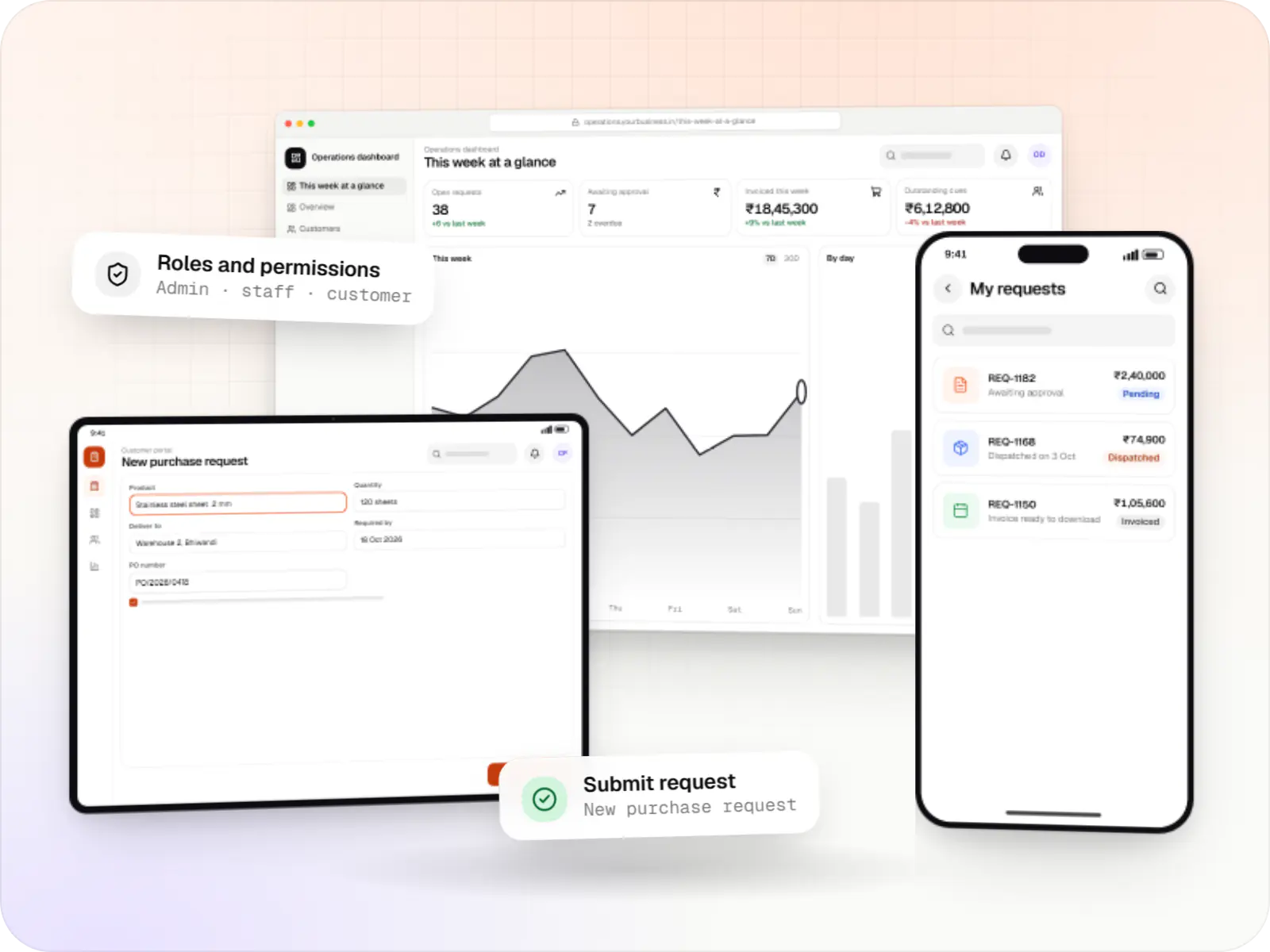
Browser-based products, customer portals, dashboards and internal tools, built on clean data models with secure roles and integrations.
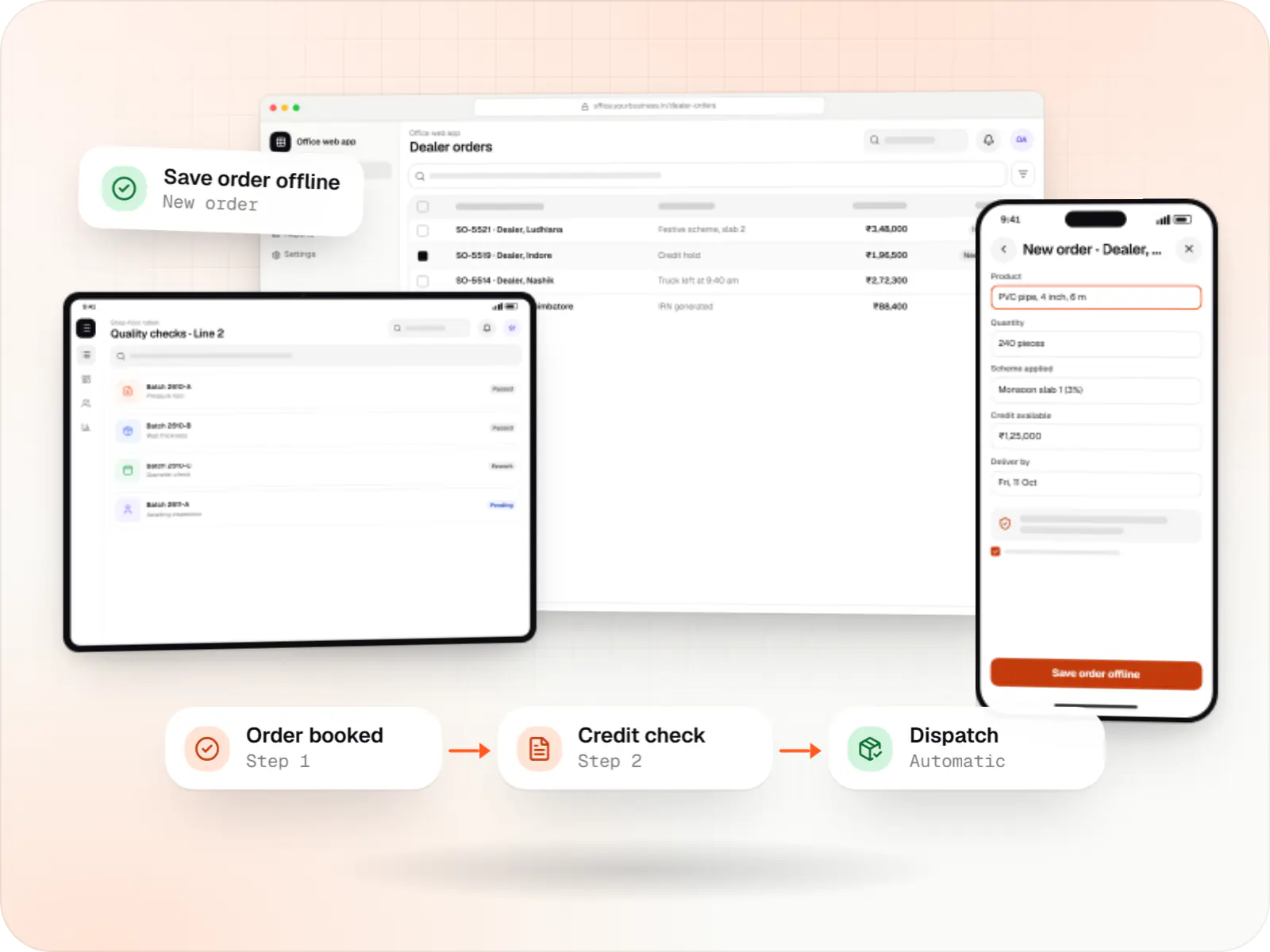
Software shaped around how your business runs, from approvals and inventory to billing and reports, replacing spreadsheets and disconnected tools.
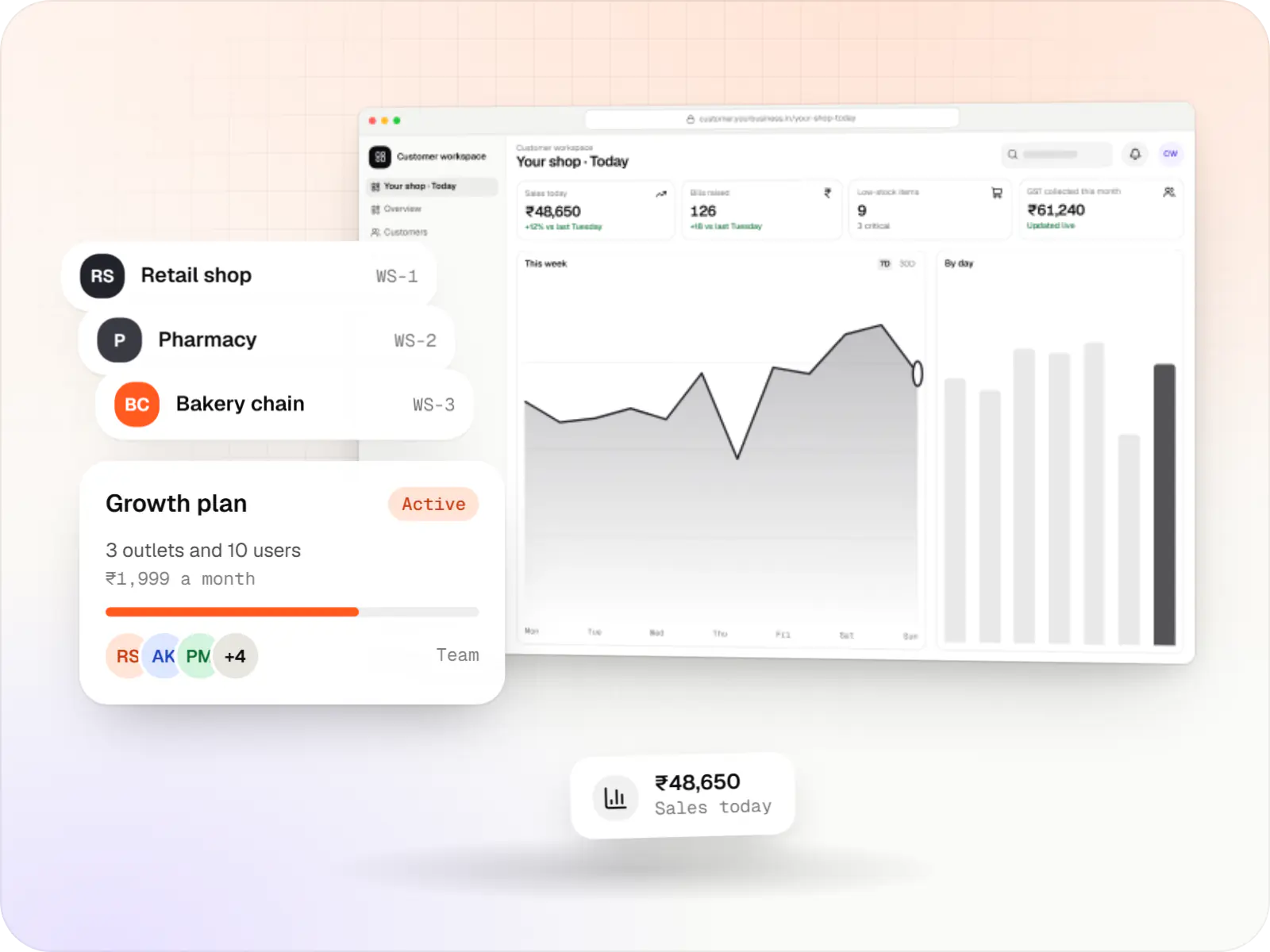
Multi-tenant SaaS products with subscription billing, team roles, onboarding and usage analytics, from first MVP to paying customers.
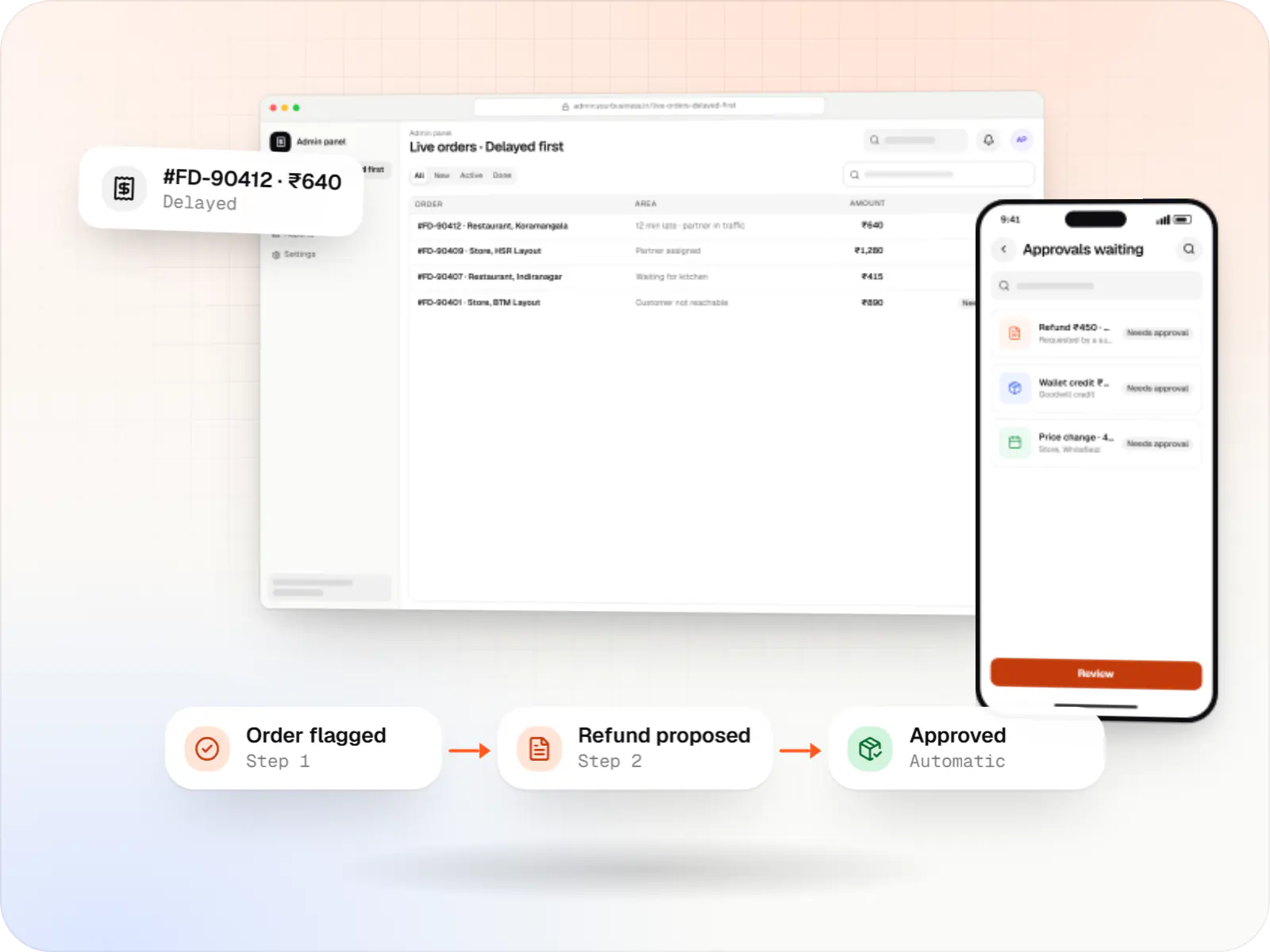
Back-office dashboards built around your team's daily tasks: order queues, approvals, catalogue management, payouts, reports and audit logs.
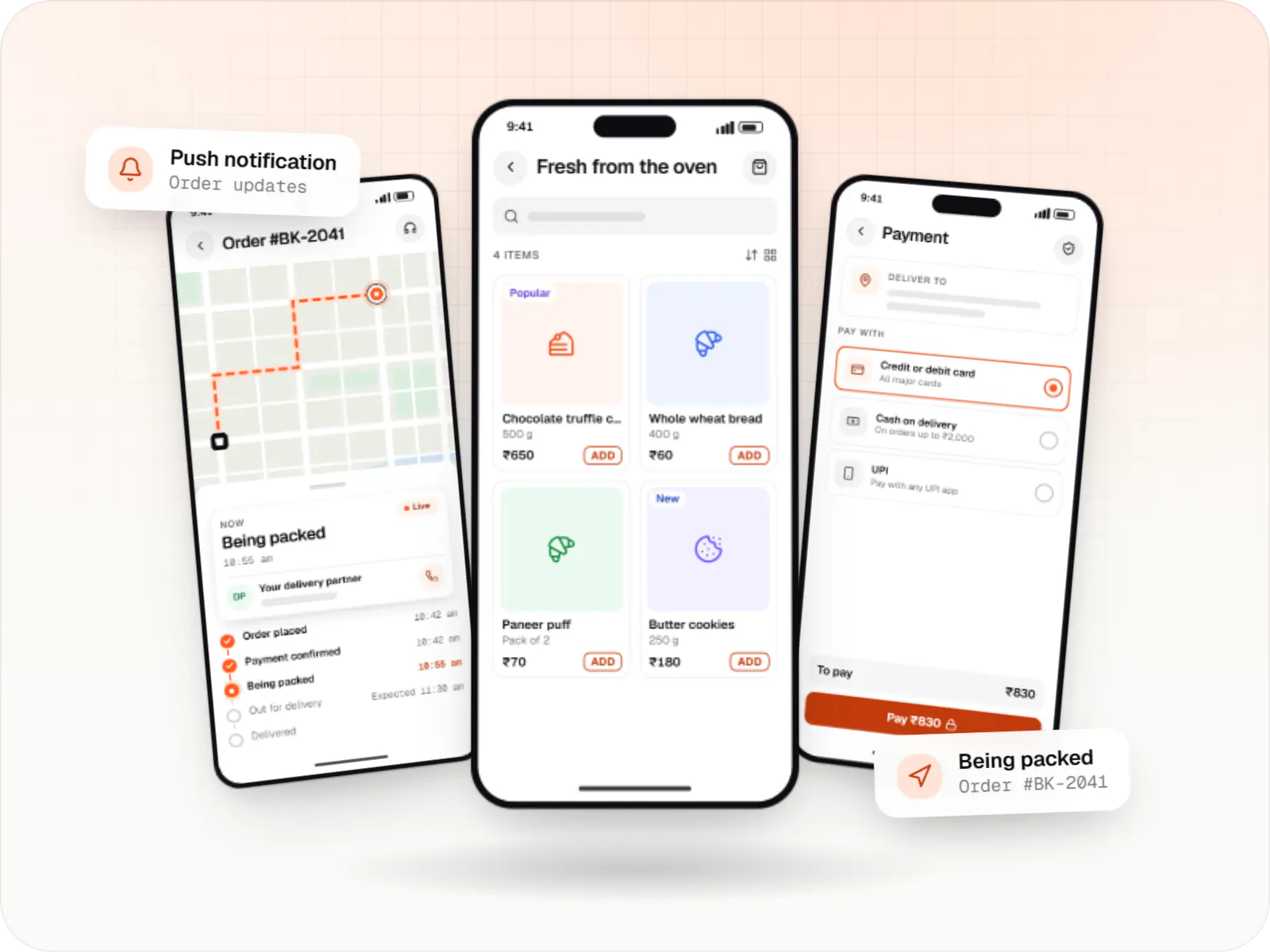
Native and cross-platform Android and iOS apps, from first release through regular store updates, built by our in-house designers and engineers.
FAQ
It depends on what your systems touch. If card details are entered into gateway-hosted fields or a redirect page and you keep only tokens, your PCI DSS scope is much smaller, usually a self-assessment. If your servers receive or store card numbers, scope grows sharply, and RBI's card-on-file tokenisation rules stop merchants storing card numbers anyway. We design to keep raw card data off your infrastructure; your acquirer or assessor confirms the applicable requirements.
We ingest settlement reports and webhooks from each gateway, plus bank statement data, into one transaction model. A matching engine pairs orders, payments, settlements and bank credits using gateway IDs, UTRs and amounts, allowing for fees, GST on fees, refunds and chargebacks deducted from settlements. Anything unmatched lands in an exceptions queue with the likely reason, so finance works a queue instead of spreadsheets, and each resolution is logged.
Yes, through a gateway or PSP that supports UPI AutoPay. We build mandate creation with the right frequency and maximum amount, pre-debit notifications, retries within network rules, and handling for pauses, revocations and failed debits from the customer's UPI app. If plan prices may rise, the mandate limit or a fresh authorisation has to allow for it, so we design pricing and mandate parameters together from the start.
Next step
Describe your payment flows and the gateways and banks involved. We will propose an architecture and a line-item estimate.