Technology · Data
MongoDB® development
A flexible database for records that vary a lot from one to the next, such as mixed product catalogues, content and activity logs.
How we use it
MongoDB stores data as JSON-like documents, which suits records that vary from one to the next: product attributes across very different categories, form submissions, activity feeds and logs. We usually run it on MongoDB Atlas for managed backups, search and vector search.
Official site: mongodb.com (opens in new tab)
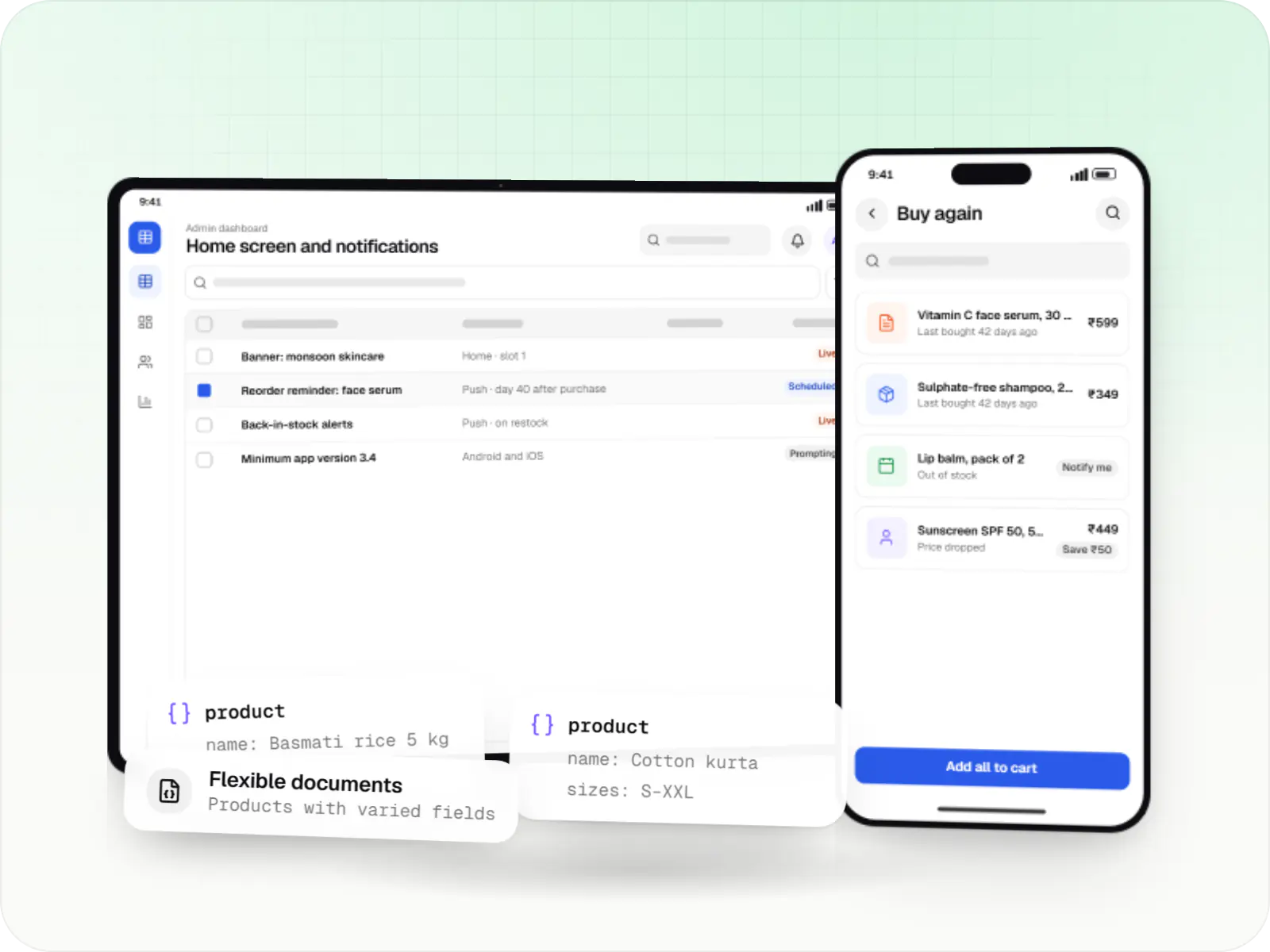
What MongoDB is, and where a document database helps
MongoDB is a database that stores each record as a self-contained document, rather than as rows in fixed tables. A phone and a kurta can sit in the same catalogue with completely different details. For you, that means product ranges, content and logs can change shape without a database redesign each time.
When data shapes change often or differ widely between records, forcing them into tables creates friction. MongoDB lets each document carry the fields it needs and evolves easily during early product iteration.
Use cases
What we build with MongoDB
Catalogues with varied attributes
Electronics, fashion and groceries without dozens of empty columns.
Content and CMS data
Articles, pages and nested content blocks.
Activity feeds and logs
Append-heavy data with automatic expiry.
Chat and messaging
Conversations and messages stored per thread.
Fast-changing prototypes
Quick iteration before the data model settles.
Why MongoDB matters for flexible data
Flexible documents
New fields can be added without schema migrations, which suits fast-changing products.
Grows with large collections
Sharding spreads very large collections across servers.
Search built in
Atlas Search and Vector Search add search features without a separate cluster.
Live reactions to changes
Change streams let the app react to new data in real time.
When we would not recommend MongoDB
- Money, stock and anything that must balance: financial records, stock and data that relies on joins and multi-record transactions are usually safer in PostgreSQL, sometimes alongside MongoDB.
- Heavy reporting across many record types: joins are limited, so complex reports take more effort than with SQL.
- Teams without schema discipline: flexibility needs rules; without schema validation, documents designed around how the app reads data and deliberate indexes, data gets messy and slow.
Plain-English glossary
MongoDB terms, in plain English
- Document
- One self-contained record, such as a product with all its details, stored in a JSON-like format. Different documents can have different fields.
- Schema validation
- Rules that check each document has the right fields before it is saved. They keep flexible data from turning into inconsistent data.
- Sharding
- Splitting a very large collection across several servers so it can keep growing. Most products never need it, but it is there when they do.
- MongoDB Atlas
- The managed cloud service for MongoDB. It handles backups, monitoring and upgrades, so your team spends less time looking after the database.
Services
Services where we use MongoDB
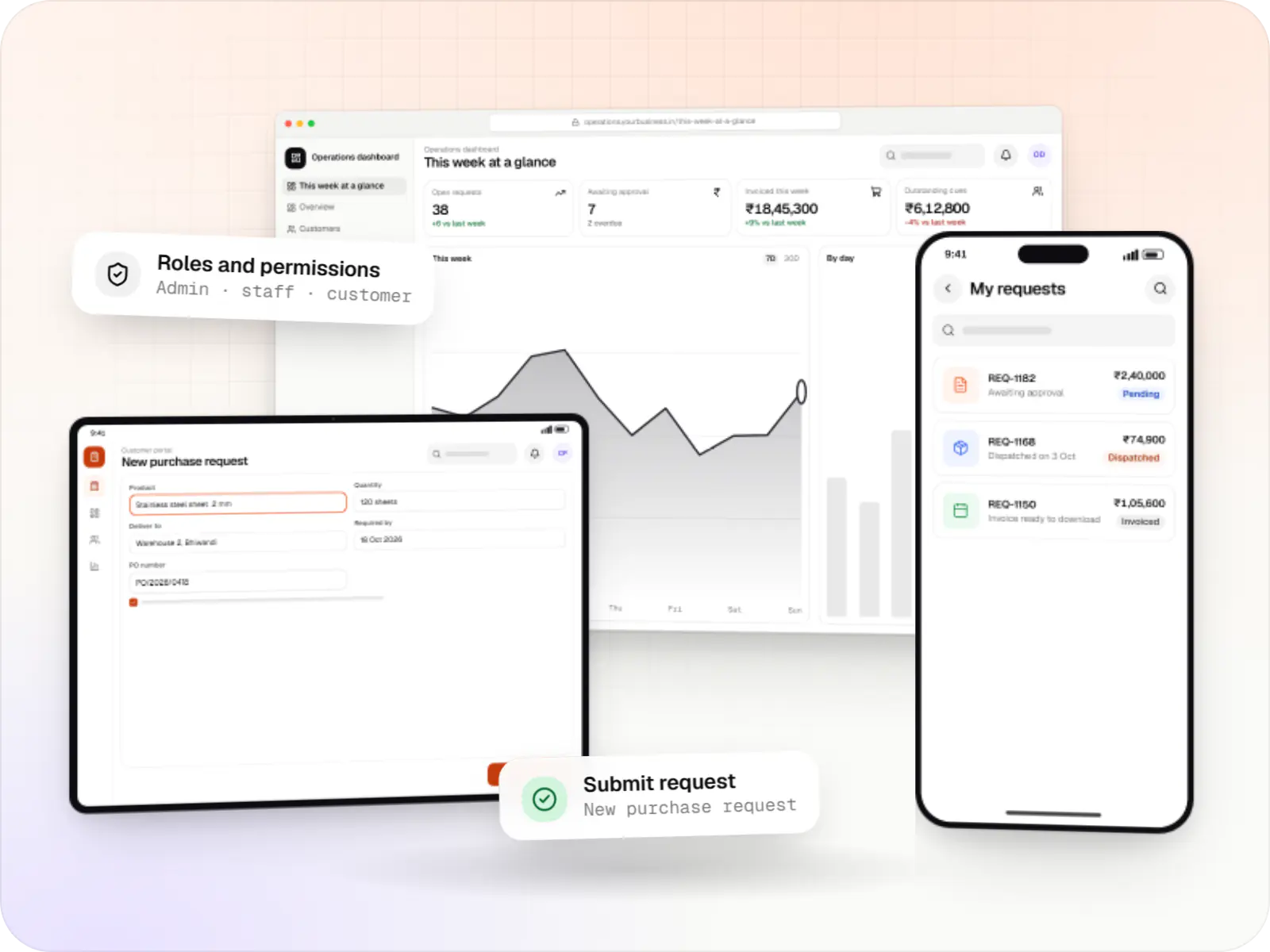
Web application development
Browser-based products, customer portals, dashboards and internal tools, built on clean data models with secure roles and integrations.

Mobile app development
Native and cross-platform Android and iOS apps, from first release through regular store updates, built by our in-house designers and engineers.
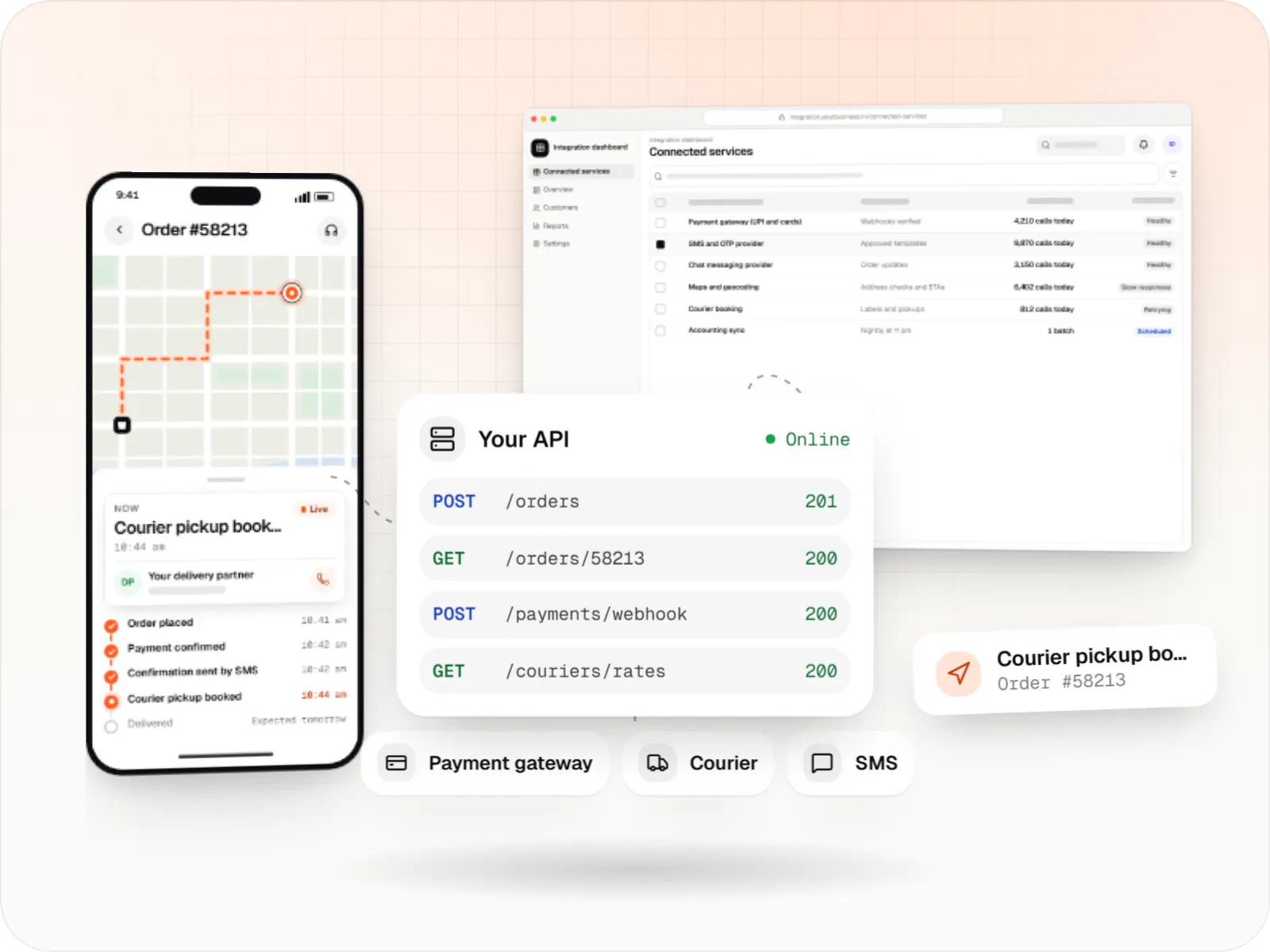
API development
Secure, documented REST and GraphQL APIs, plus integrations that connect your apps to payment, logistics, GST, messaging and business systems.
Solutions
Solutions that may use MongoDB
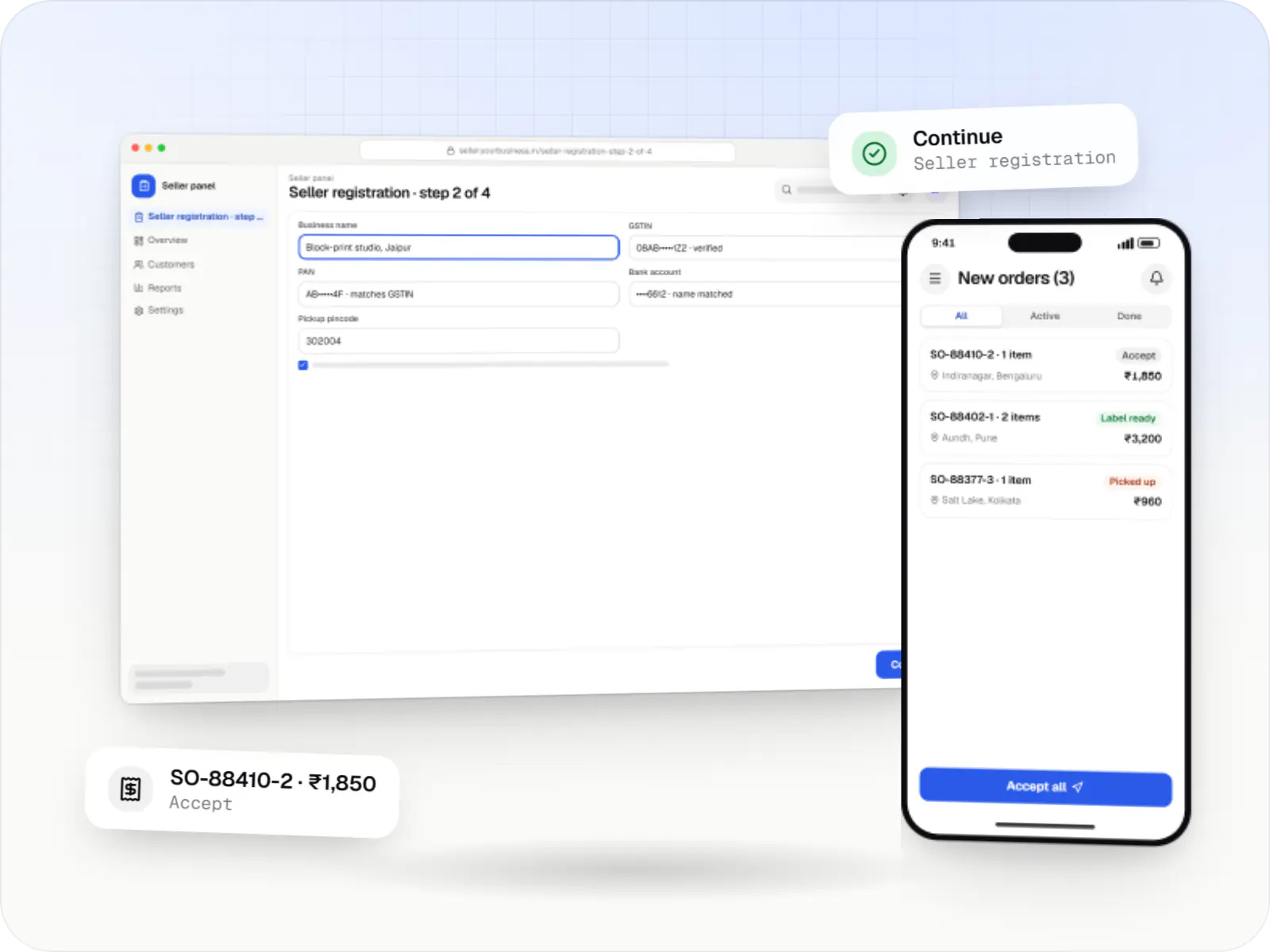
Multi-vendor marketplace development
Multi-vendor marketplaces with seller onboarding, commission rules, split payouts, per-seller invoicing and catalogue moderation.
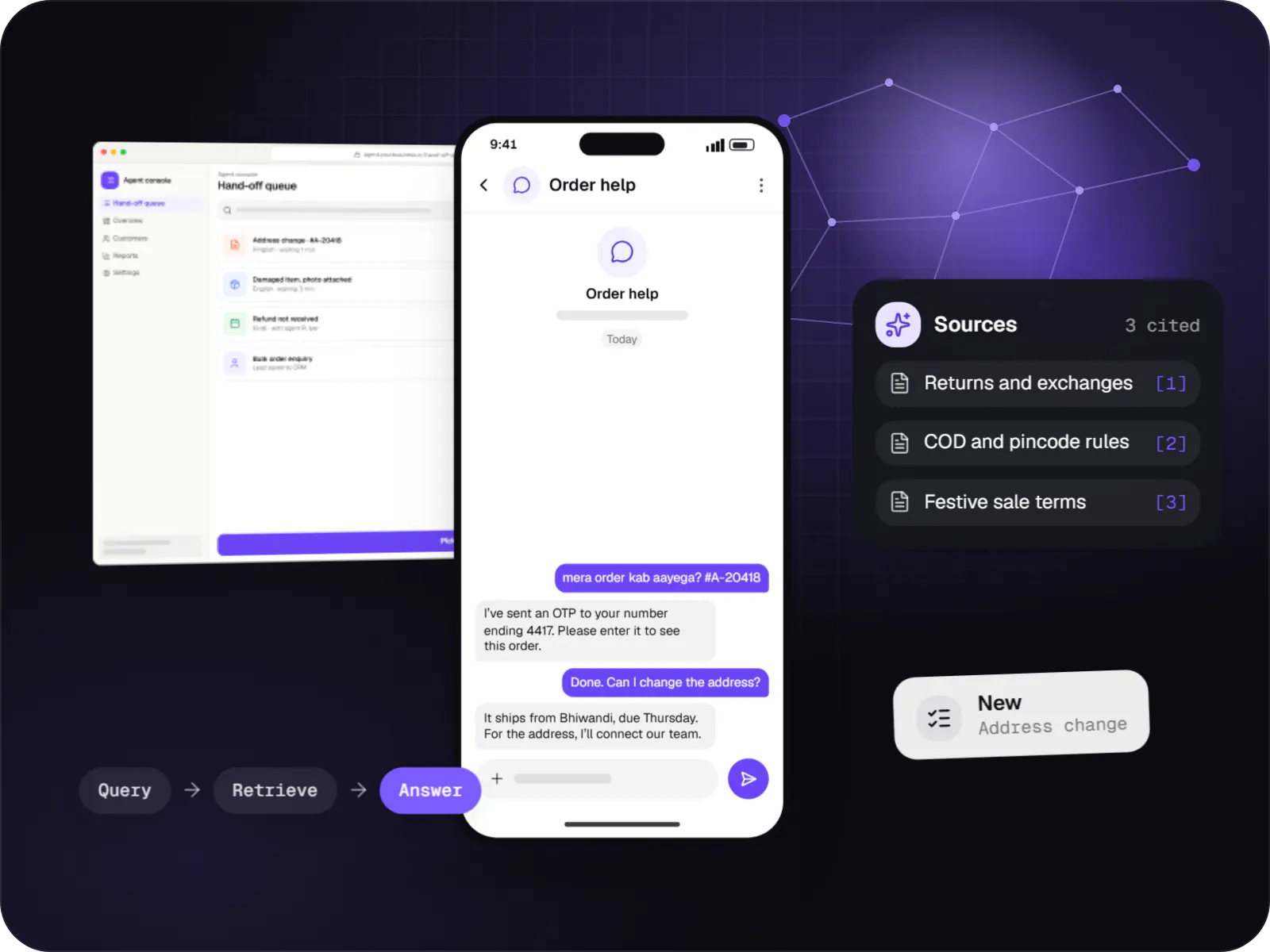
AI chatbot development
Support and sales chatbots for web, app and WhatsApp that answer from your own content and hand off to your team.
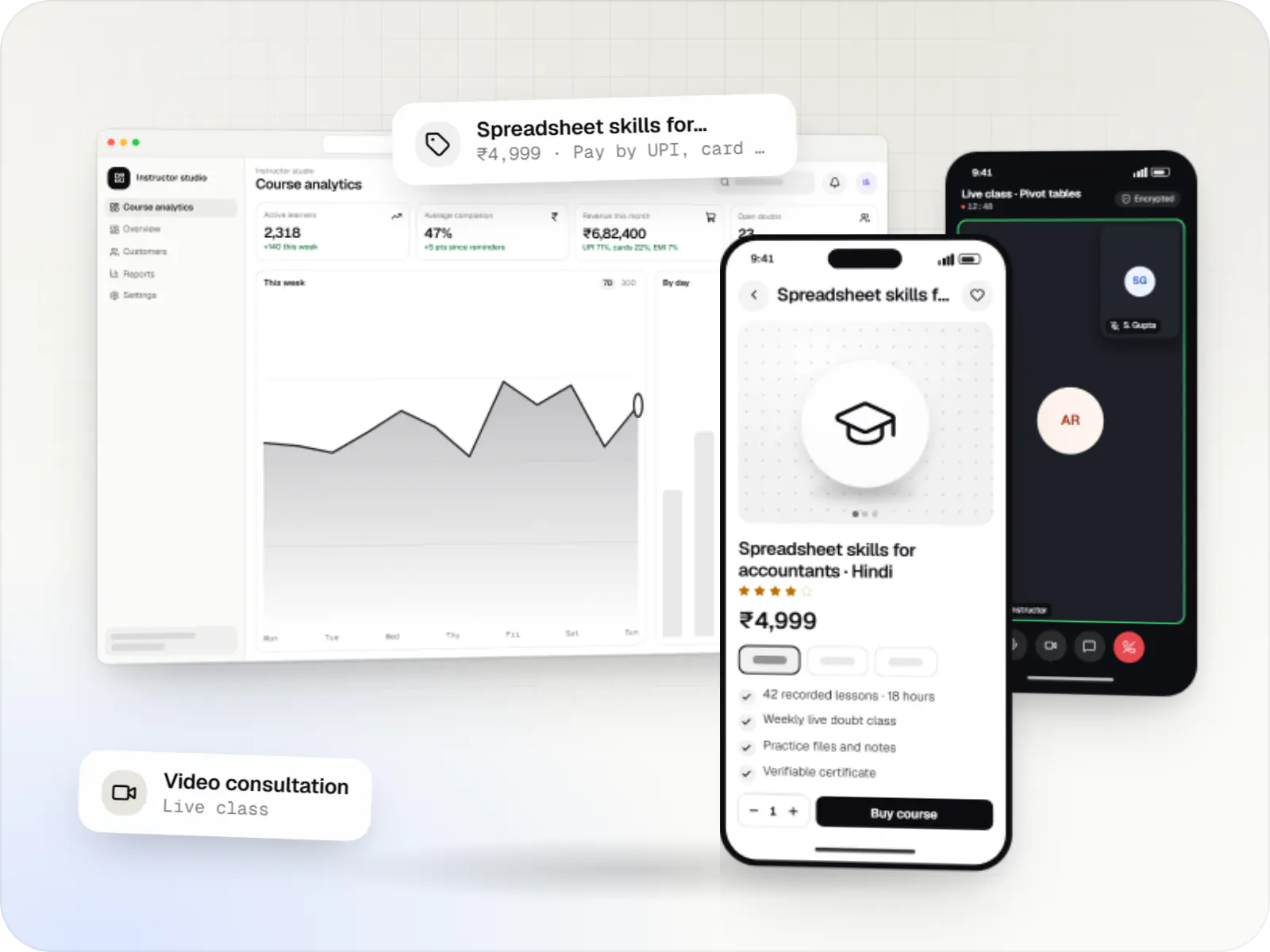
E-learning platform development
Course platforms with protected video, live classes, assessments, certificates and payments, designed for multilingual content and learners on low bandwidth.
Industries
Where it shows up by industry
Industries whose typical builds with us include MongoDB.
FAQ
Frequently asked questions
Is MongoDB a good choice for an e-commerce store?
Partly. Catalogues with varied attributes fit documents well, but orders, payments, stock and refunds benefit from relational integrity. Many stores we build use PostgreSQL for transactions and either PostgreSQL JSONB or MongoDB for flexible product data. If your team already runs MongoDB well, its multi-document transactions can support order flows with careful design.
Can you fix a MongoDB database that has become slow and messy?
Yes. We profile slow operations, review indexes against real query patterns and look for documents that grow without limit, such as arrays that keep expanding. Fixes include new or compound indexes, reshaped documents, archiving of old data and schema validation so inconsistent records stop appearing. Changes are planned to run without long downtime.
Should we use MongoDB Atlas or host MongoDB ourselves?
For most teams Atlas is the practical choice: backups, monitoring, upgrades and scaling are handled for you, and it runs in Indian regions of AWS, Google Cloud and Azure. Self-hosting avoids the managed-service premium but adds operational work and risk. We compare running costs and your team's capacity before recommending either.
Related
Keep exploring
Next step
Deciding between MongoDB and SQL?
Walk us through your data and queries, and we'll recommend a database with the reasoning written down.