


Mobile
Flutter
Build Android and iOS apps from one shared codebase, so you launch on both platforms faster with a consistent experience.
Used for
- Mobile apps
- Delivery apps
- E-commerce apps
- Booking apps
Education
An engineering team for EdTech companies building learning apps, test-prep platforms and AI-assisted learning products that need to scale.
At a glance

We work with EdTech founders and product teams on the engineering behind learning products: video delivery with DRM, live classes, question banks with maths rendering, adaptive practice, subscriptions, and AI study help with guardrails. We build MVPs or join an existing product as an extension of your team.
Flutter and the related logo are trademarks of Google LLC. We are not endorsed by or affiliated with Google LLC.
How to start
Tell us what you need in your own words. You talk to the developers who would build it and get a written, line-item estimate.
Get a project estimateEdTech companies compete on the learning experience, but often stumble on engineering: video that buffers on a small-town 4G connection, live classes that fail during exam season, content piracy, and subscription billing that does not match how Indian families pay.
We build the platform so your team can focus on pedagogy and content. That covers content pipelines, assessment engines, adaptive practice, analytics, and AI features that help learners without pretending to be a teacher. It suits test-prep, K-12, language and skills products at MVP or growth stage.
Challenges
Learners in tier-2 and tier-3 towns need adaptive streaming and offline downloads that still respect DRM.
Paid courses leak through screen recording and shared logins unless the app is designed against it.
Mock tests with thousands of simultaneous submissions and instant rank lists stress weak backends.
Learners stall after week one without nudges, streaks and meaningful progress signals.
Solutions
Across 3 areas
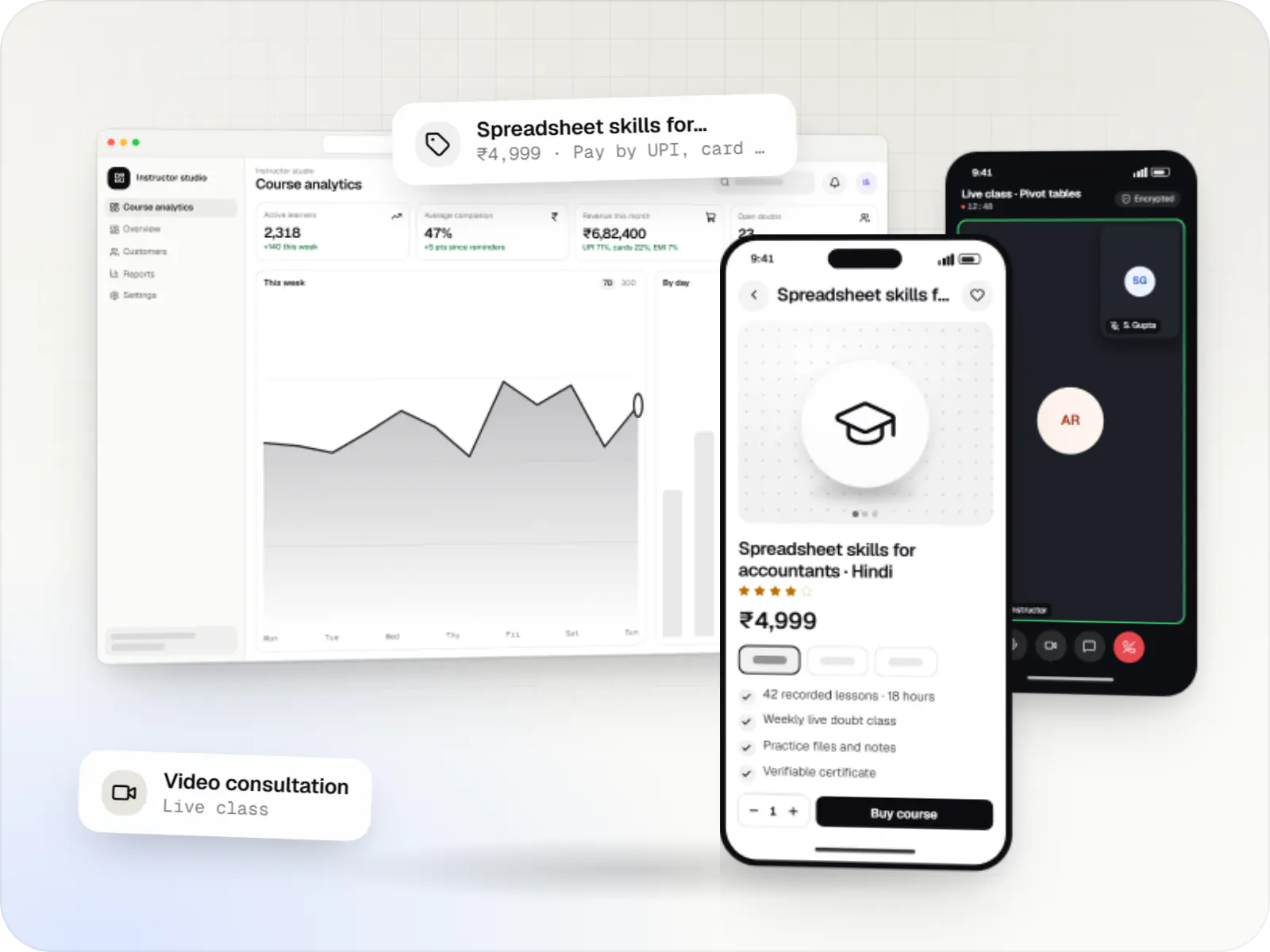
Course platforms with protected video, live classes, assessments, certificates and payments, designed for multilingual content and learners on low bandwidth.
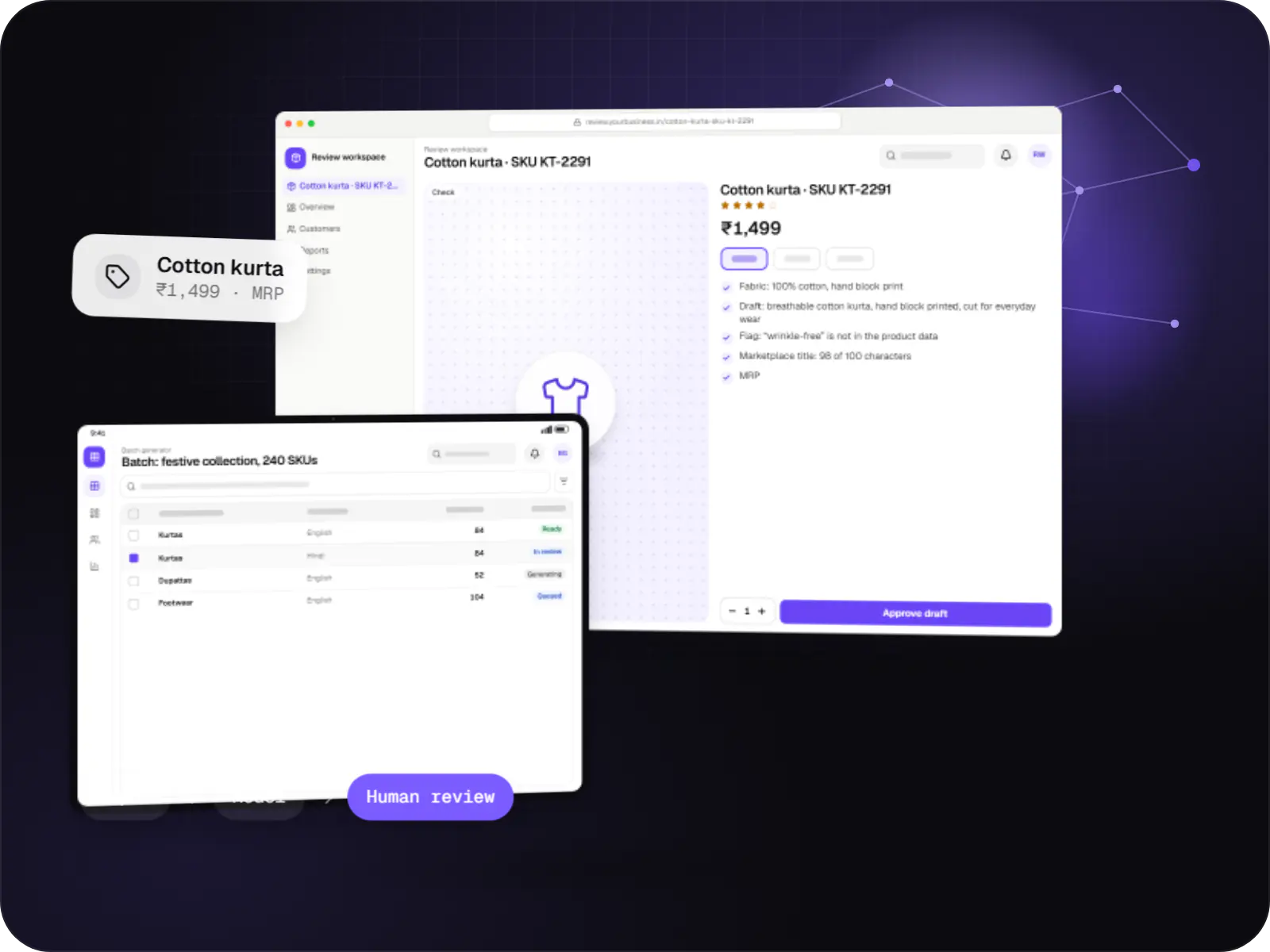
Features that generate catalogue copy, reports, summaries, translations and images, with brand controls and a review step before anything is published.
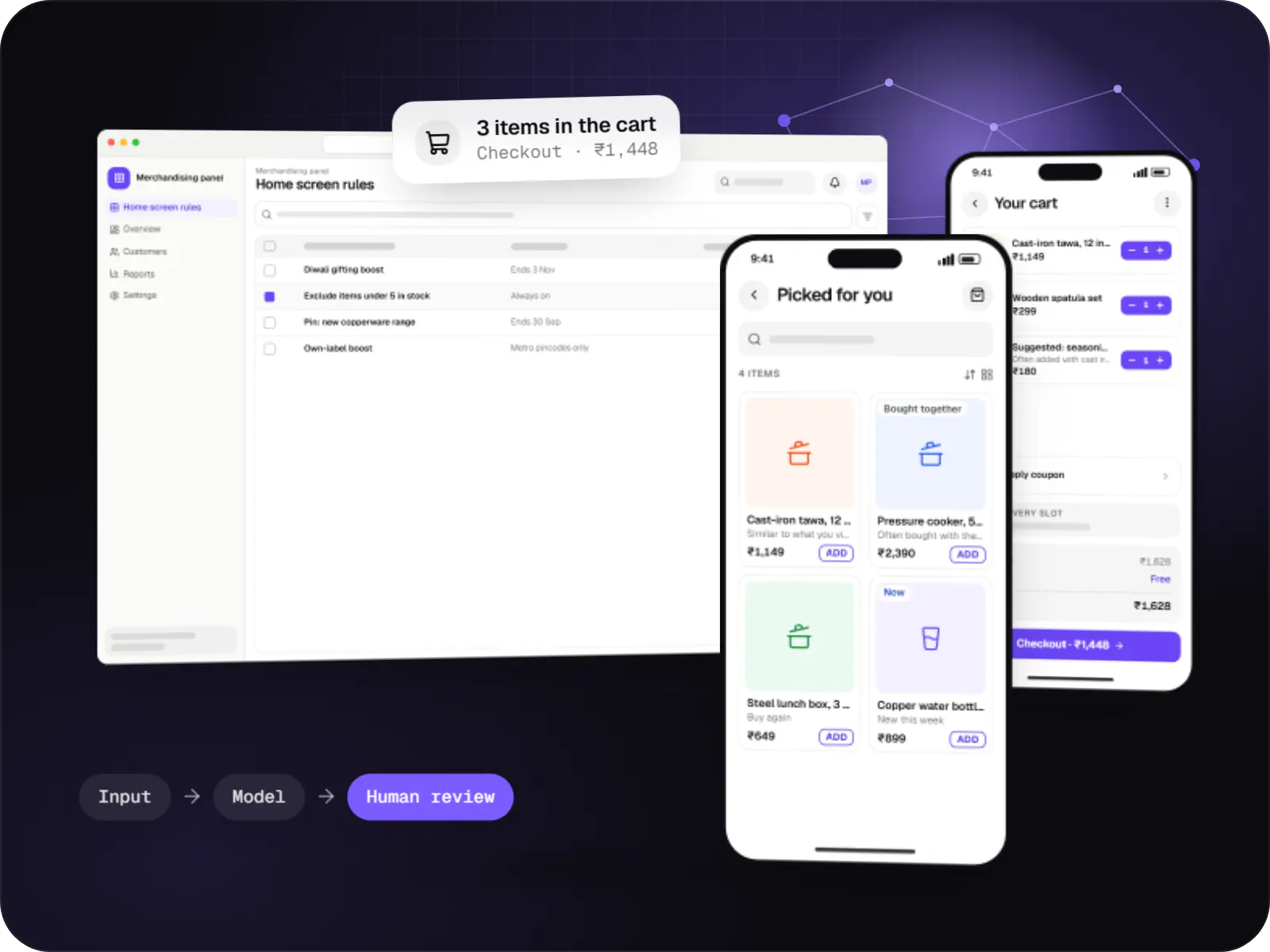
Product, content and offer recommendations built from your behavioural data, with business rules, cold-start handling and A/B testing.
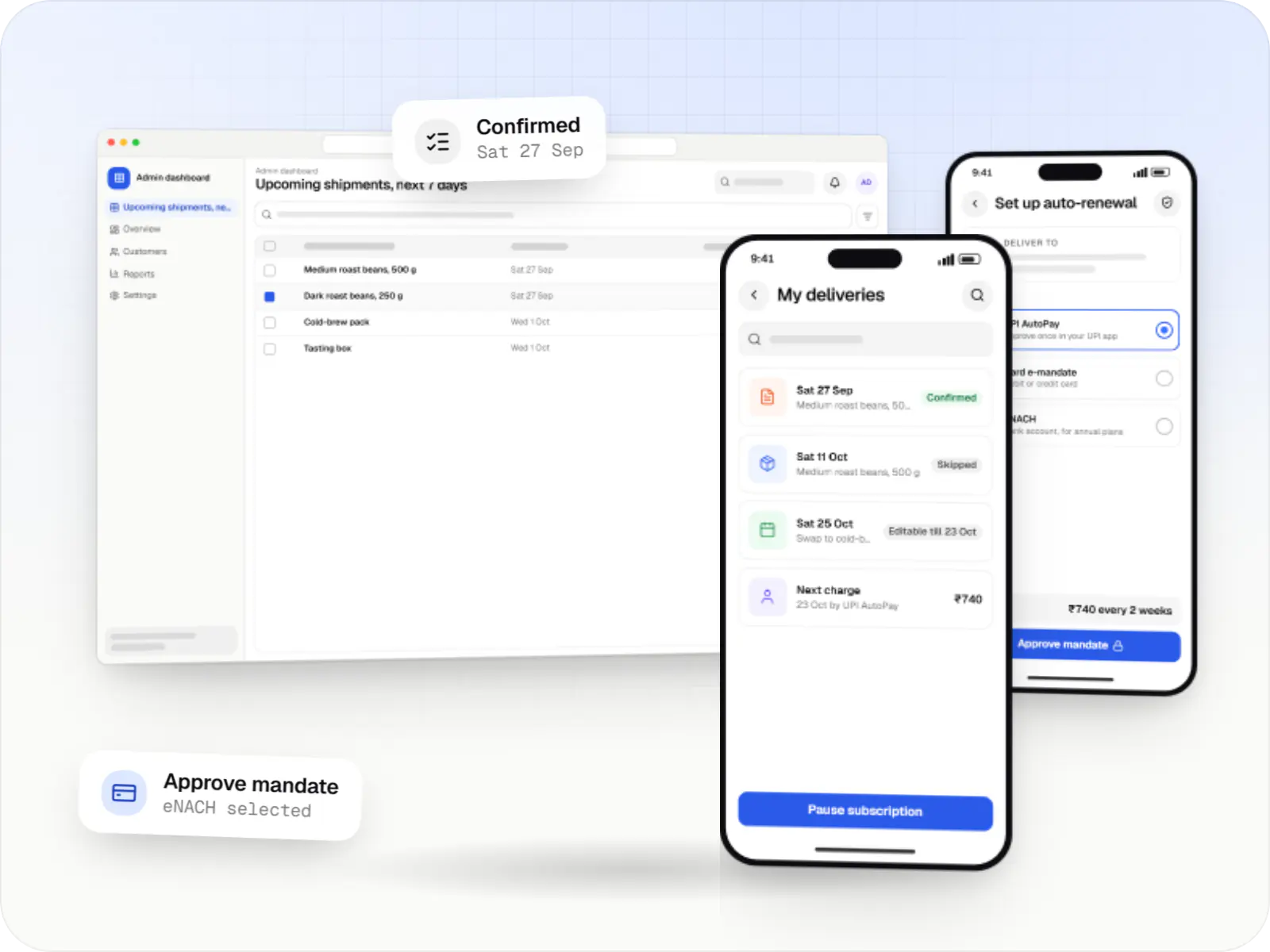
Subscription stores and memberships on UPI AutoPay, card mandates and eNACH, with pause, skip and swap controls and fulfilment planning.
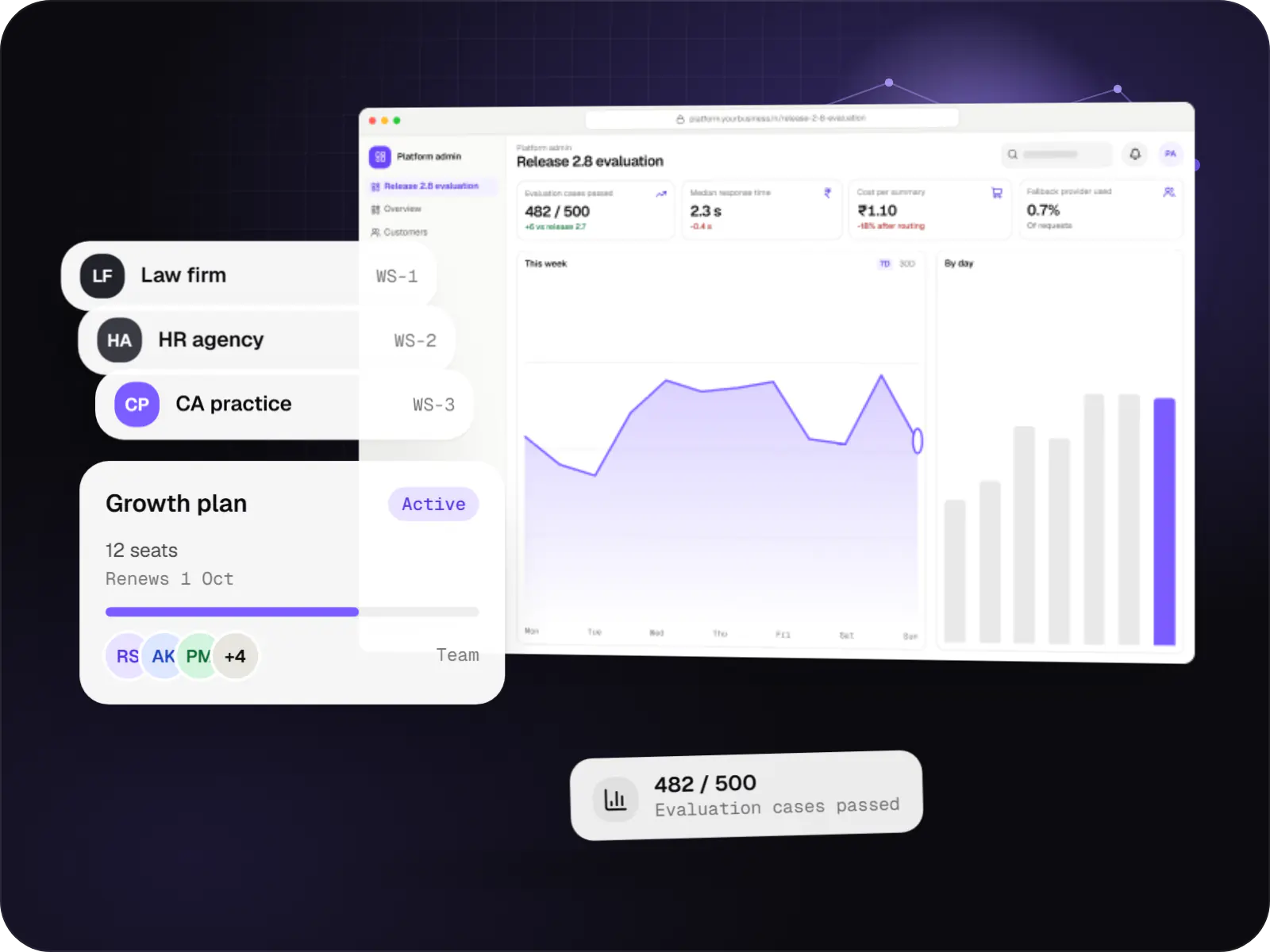
Multi-tenant SaaS products with AI at their core, built with tenant isolation, usage metering, model routing, evaluation and subscription billing.
HLS streaming with Widevine and FairPlay DRM, watermarking, offline downloads and device limits.
Sessions through video APIs, with chat, polls, raise-hand and recordings published afterwards.
LaTeX maths, multilingual questions, timed tests, negative marking and percentile reports.
Topic mastery tracking that picks the next question set from each learner's recent answers.
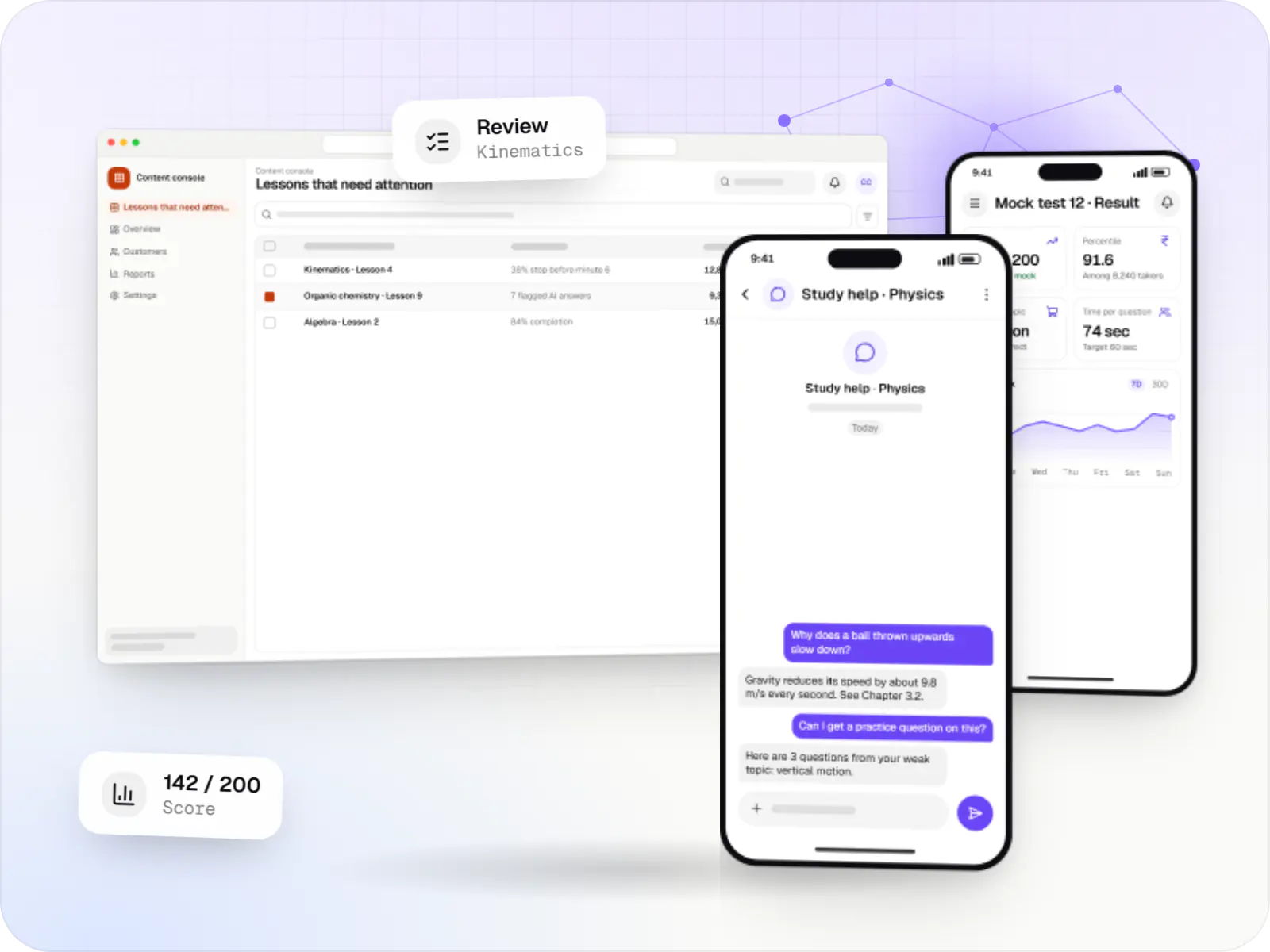
Explanations grounded in your own content, with guardrails and teacher review of flagged answers.
How it works
The learner chooses an exam and a target date, and a short diagnostic test sets the starting level.
The learner buys a monthly or yearly plan with UPI or a card, and renewals run on a mandate so access does not lapse mid-preparation.
Lessons stream at whatever quality the network allows, downloads stay encrypted, and a watermark discourages sharing.
Each new set is picked from recent answers, so time goes to weak topics rather than questions the learner already gets right.
Explanations come from your own chapters, and any answer a learner flags goes to a teacher for review.
Thousands of learners submit together and see percentile and topic-wise analysis within minutes.
Drop-off points, weak topics and flagged answers show the academic team what to fix next.
Platforms
Apps for Android phones and tablets, tested on budget and mid-range devices and published on Google Play or privately.
Apps for iPhone and iPad, built to Apple's guidelines and released through TestFlight and the App Store.
Browser-based applications with logins, roles and workflows, such as customer portals, SaaS products and internal tools.
Installable web apps with offline support and notifications, useful when an app-store listing isn't essential or phones have little storage.
Back-office panels for operations, support and finance teams: orders, users, content, reports and permissions.
Technology
Flutter or React Native delivers one learner app for Android and iOS, video delivery built on AWS copes with exam-season peaks, and OpenAI models answer through retrieval so explanations stay tied to your syllabus.
Mobile
Build Android and iOS apps from one shared codebase, so you launch on both platforms faster with a consistent experience.
Used for
Mobile
Build Android and iOS apps in the same language as a React website, so one team can share code and skills across web and mobile.
Used for
Web
A modern web technology for fast, search-friendly websites, online stores and web applications that load quickly on mobile.
Used for
Backend
Runs the server side of apps: fast, scalable back ends that power your app, website and integrations.
Used for
Backend
A programming language for AI features, data processing and automation: the engine behind document reading, reports and smart search.
Used for
Adds AI features such as chat assistants, document summaries and smart search to your product, built on OpenAI models with human review.
Used for
Cloud & DevOps
Cloud hosting for your app, website and data, with data centres in India and room to grow when traffic rises.
Used for
Data
Keeps frequently used data in fast memory, so apps stay quick on busy days and live features like order tracking feel instant.
Used for
Flutter and the related logo are trademarks of Google LLC. We are not endorsed by or affiliated with Google LLC.
Plain-English glossary
Product preview
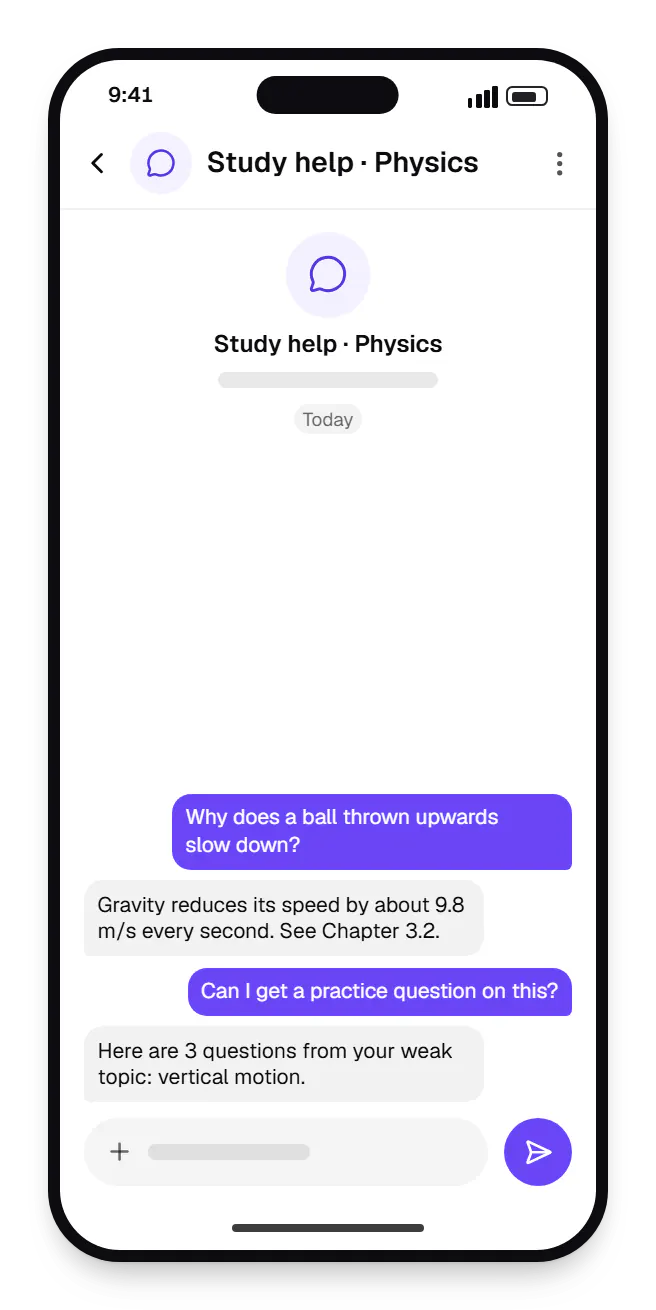
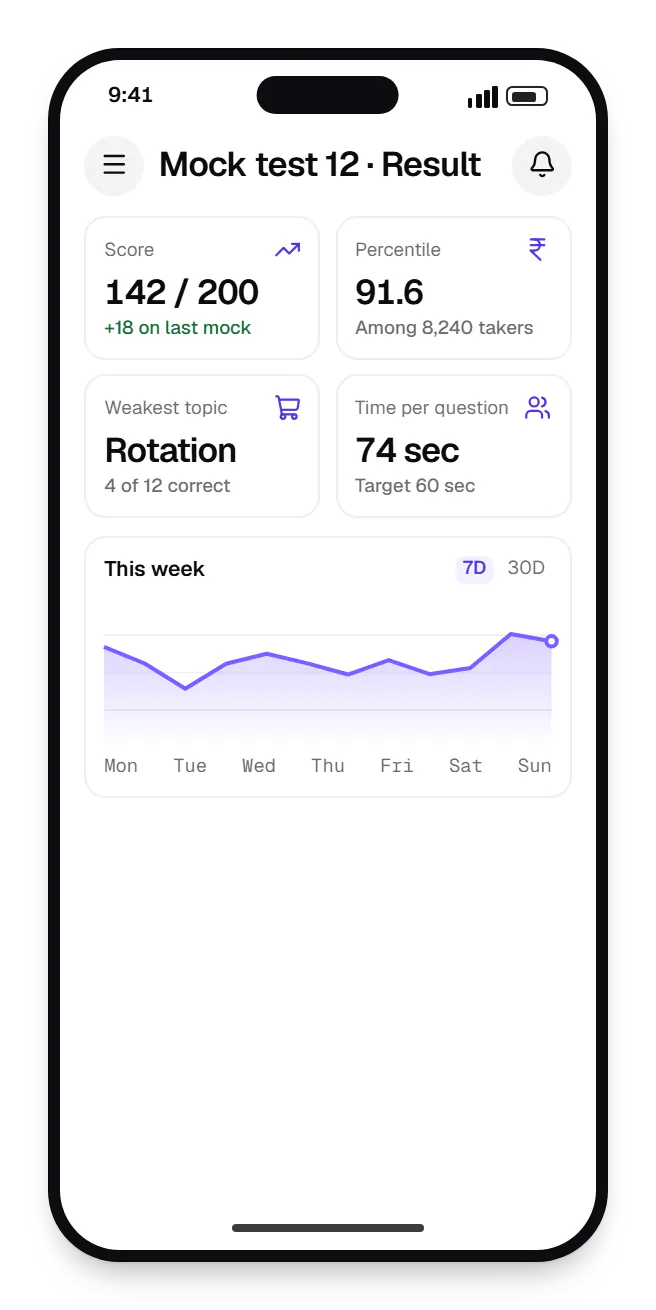
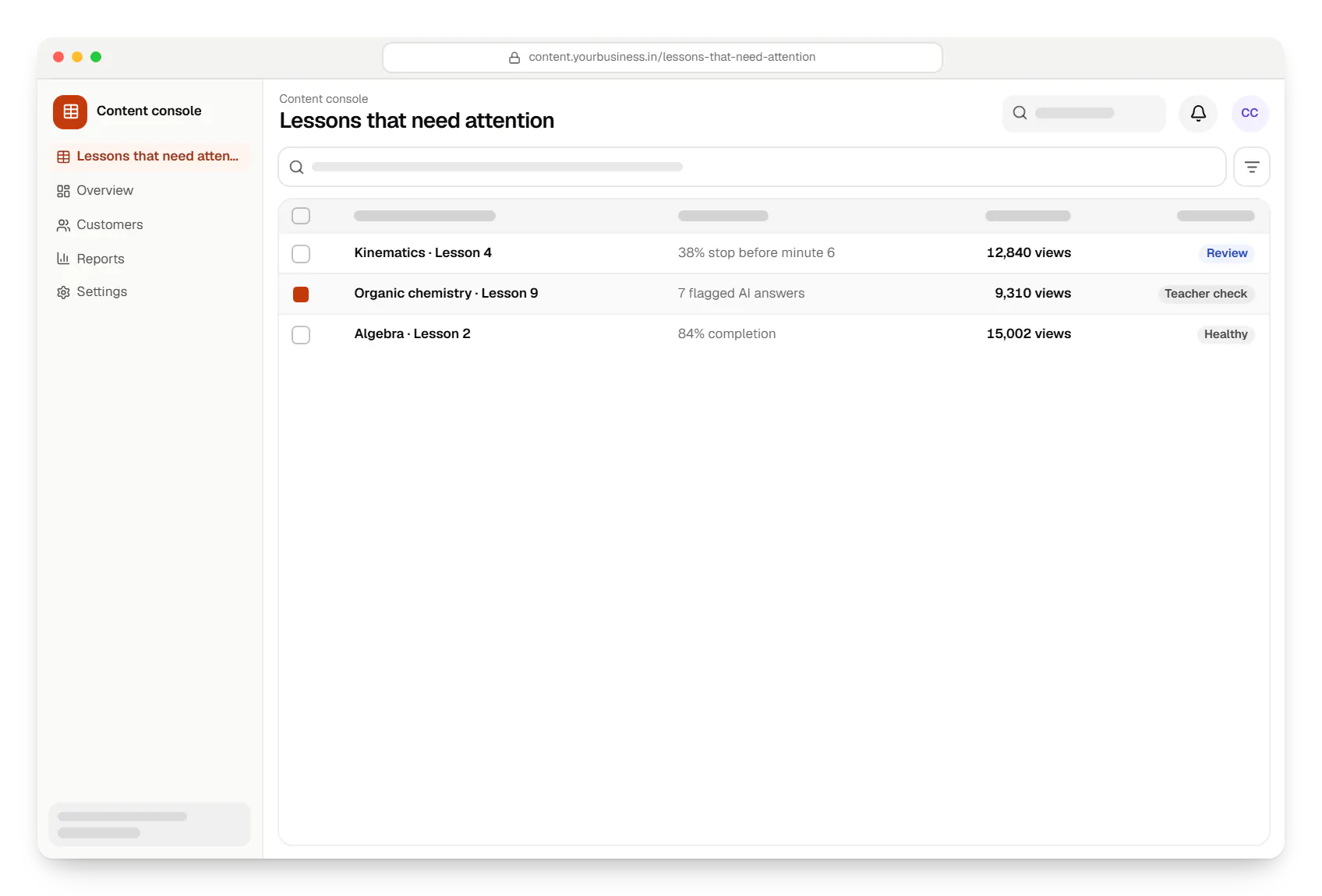
Sample screens: names, prices and figures are examples, not client data.
Cost drivers
DRM, watermarking and device binding add licence costs and engineering over plain streaming.
Real-time classes add video infrastructure, moderation tools and scale testing.
Retrieval over your content, evaluation sets and review workflows need data preparation and ongoing tuning.
Estimates are written from your scope, with the effort and assumptions behind each line item.
How pricing worksServices
The design and engineering services our in-house team combines on projects in this sector.
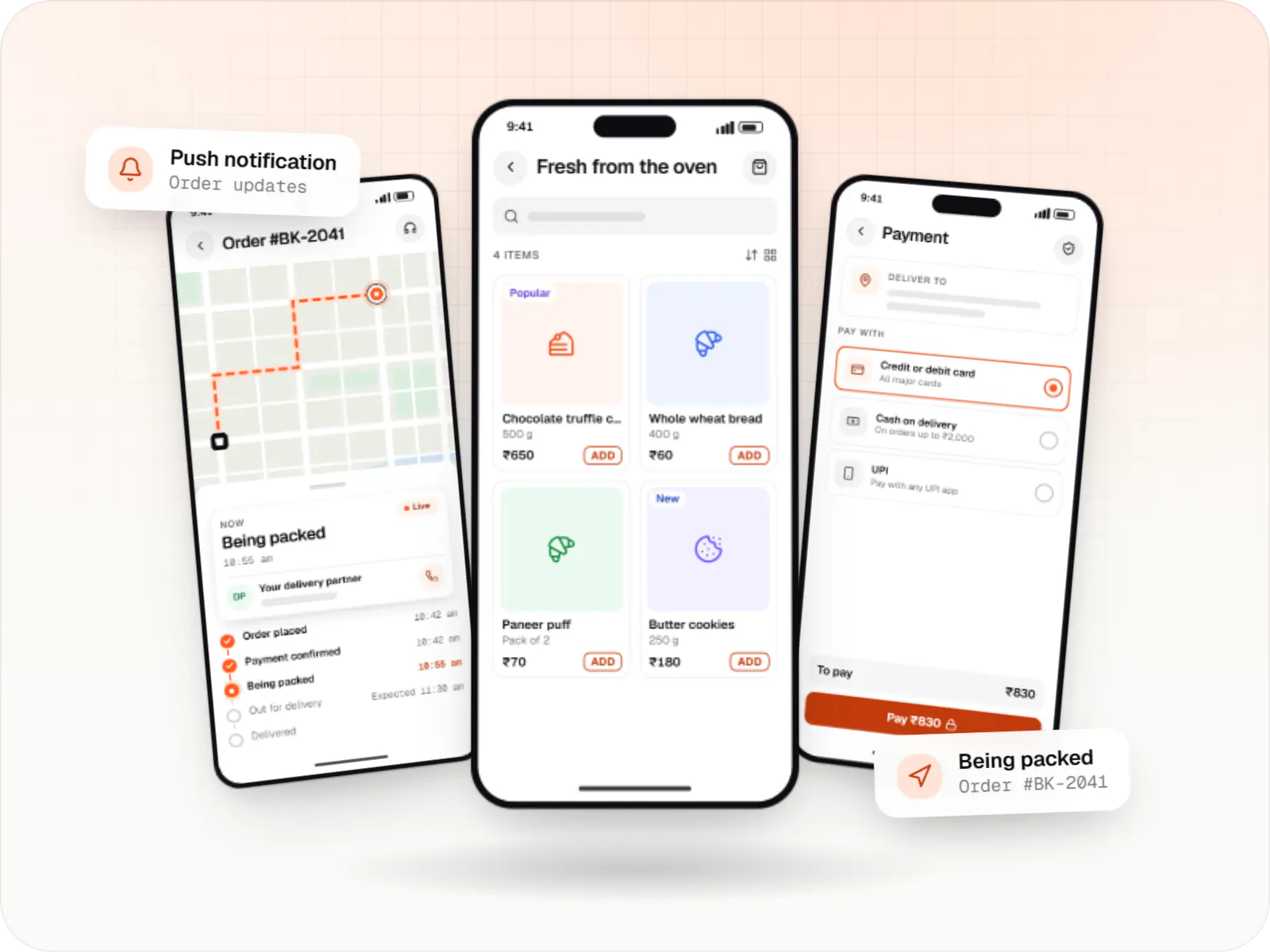
Native and cross-platform Android and iOS apps, from first release through regular store updates, built by our in-house designers and engineers.
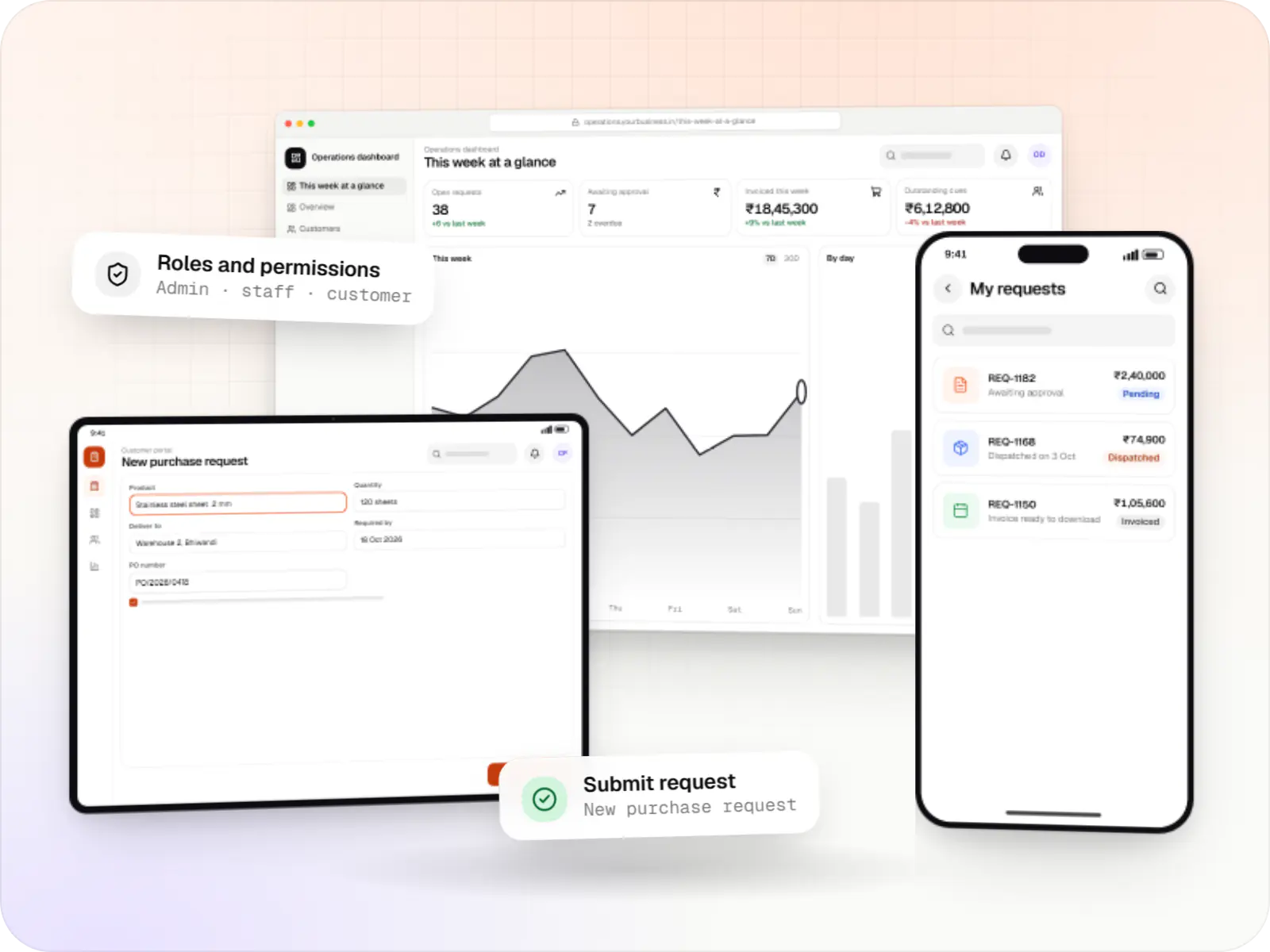
Browser-based products, customer portals, dashboards and internal tools, built on clean data models with secure roles and integrations.
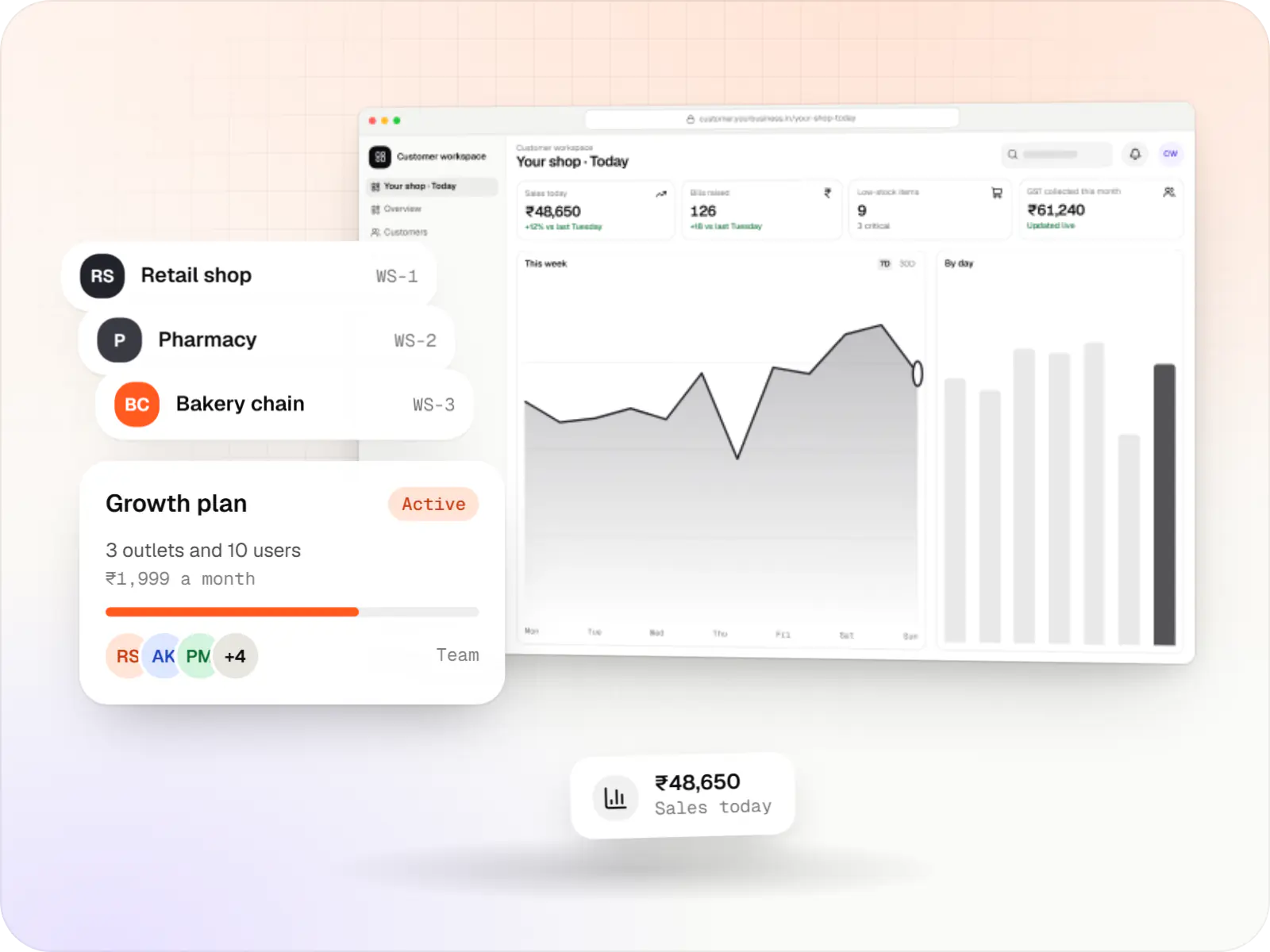
Multi-tenant SaaS products with subscription billing, team roles, onboarding and usage analytics, from first MVP to paying customers.
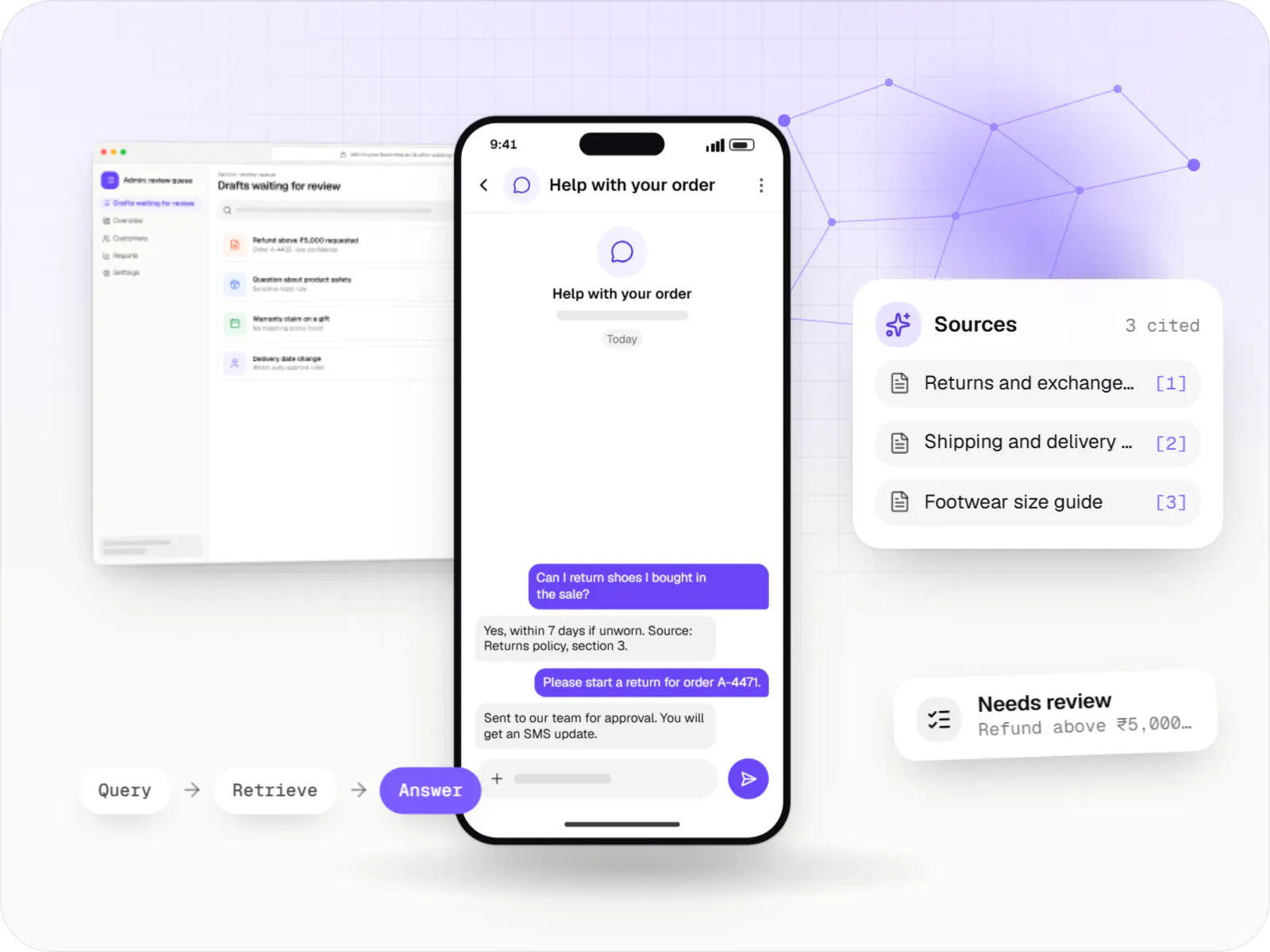
AI features and AI-first apps built on model APIs, retrieval over your own data, workflow automation or custom ML, with evaluation and human review.
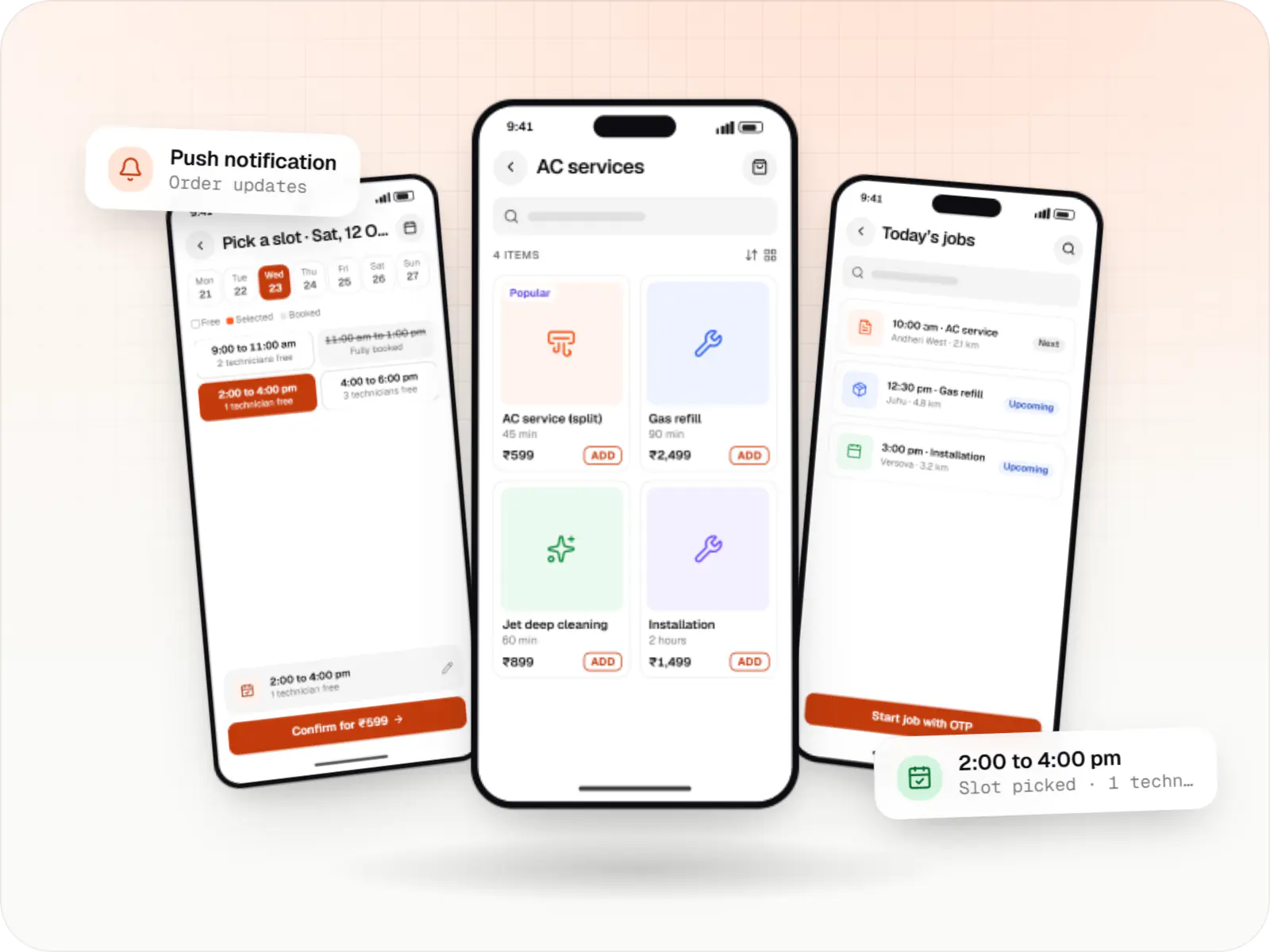
Android and iOS apps from one Dart codebase, built by engineers who know when Flutter is the right call and when native code is needed.
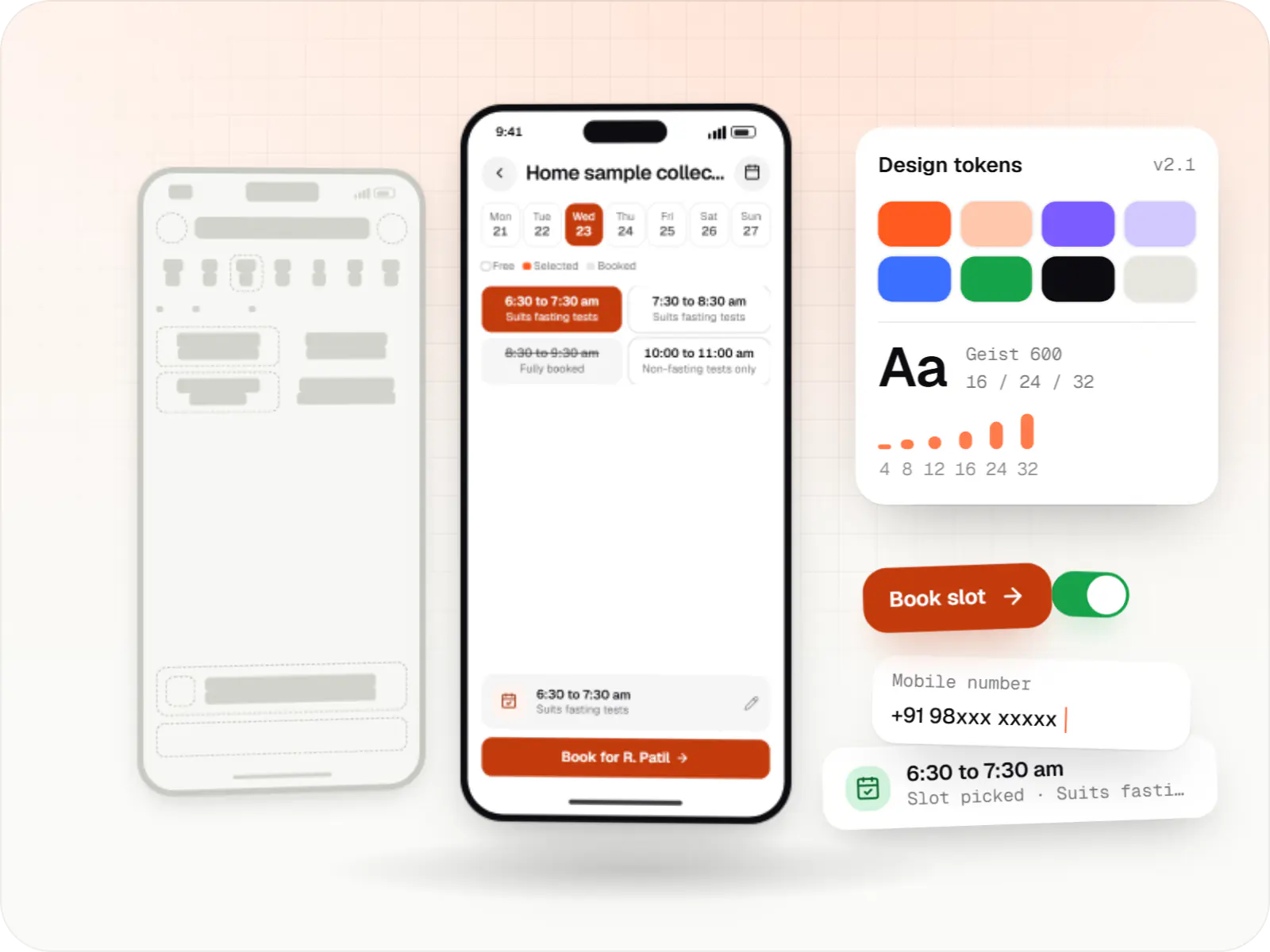
Product design for web and mobile apps: research, user flows, wireframes, prototypes and design systems that engineers can build from.
FAQ
You can make it much harder, not impossible. DRM — Widevine on Android and Chrome, FairPlay on Apple devices — blocks casual screen recording on most devices and encrypts downloads so they only play inside your app. Dynamic watermarks with the learner's phone number discourage sharing, and device limits stop one login serving a group. Someone can still film a screen with another phone, so we pair these controls with monitoring for unusual account activity.
We ground the assistant in your curated content using retrieval, so answers draw on your chapters rather than general internet text, and restrict it to learning topics. Maths and science responses are tested against an evaluation set built with your academic team before launch. Learners can flag wrong answers for teacher review, and interactions are logged for quality checks. For minors, we collect only necessary data and never use it for targeted advertising.
Yes. We start with a short audit of architecture, tests, dependencies, cloud costs and known bugs, and share findings before committing to a roadmap. Then we either stabilise the codebase or plan a staged rewrite of the parts blocking growth. We need repository access, cloud credentials and ideally time with previous developers. Handover risks, such as undocumented integrations, are listed openly so you can plan around them.
Next step
Tell us about your learners, content formats and current stack. We will suggest where engineering effort pays off first.