

Skip to content
Softcoderz

Mumbai · E-commerce

E-commerce development in Mumbai

Online stores and commerce platforms for Mumbai brands and traders, from a D2C label outgrowing its theme to a Kalbadevi wholesaler taking repeat orders online.

This page brings together

Runs on
  • Website
  • PWA
  • Android
  • iOS
  • Admin
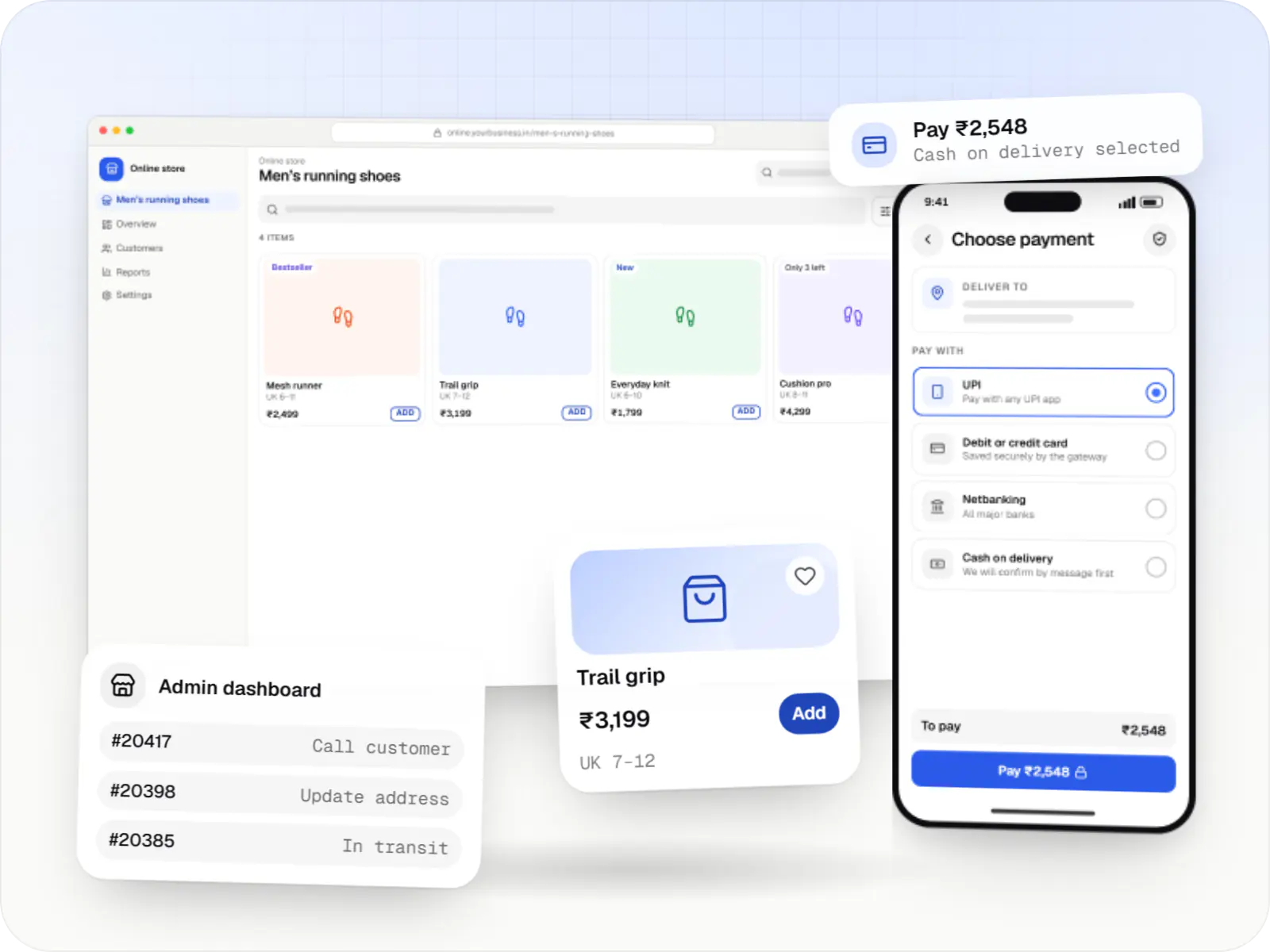
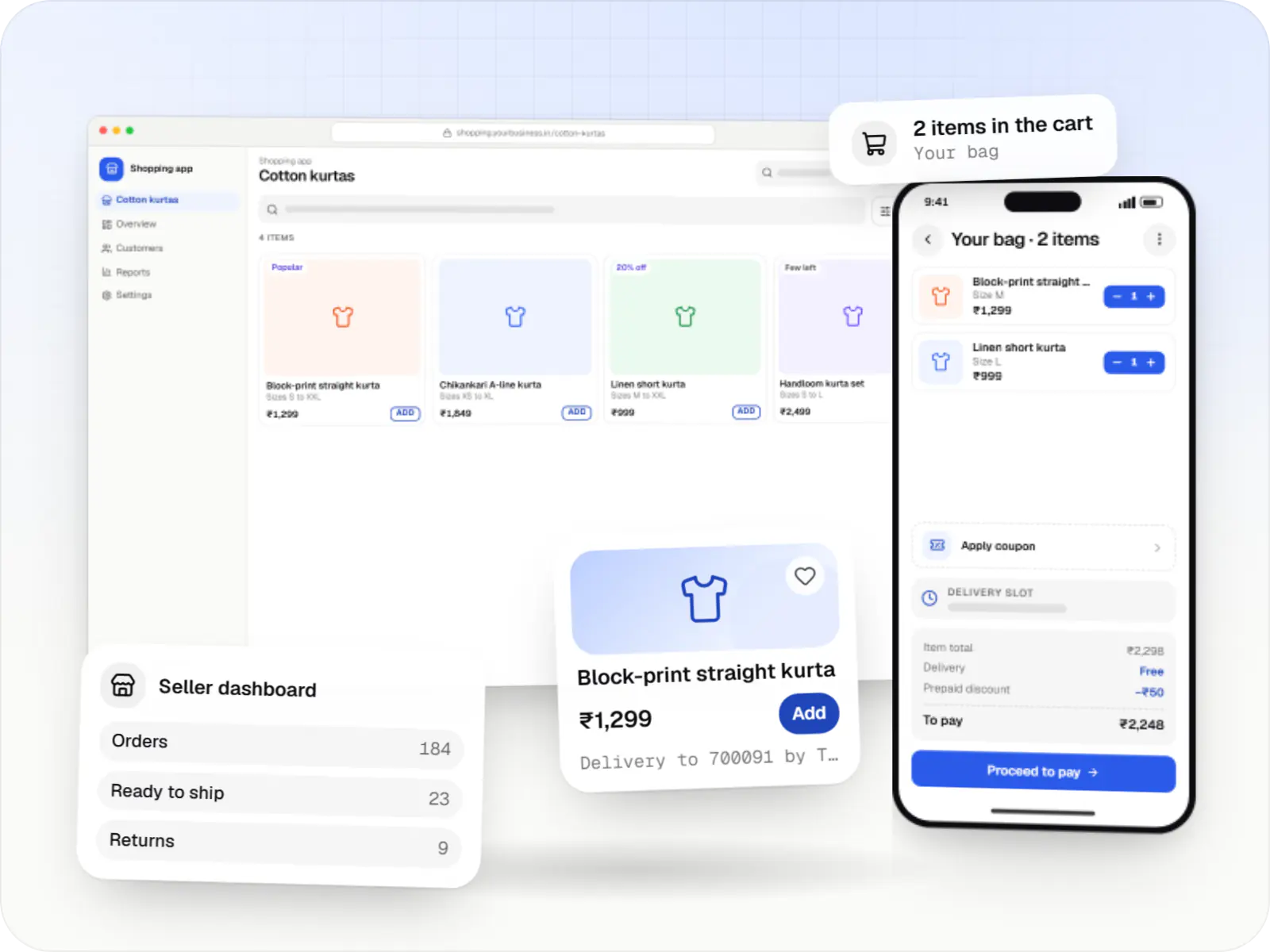
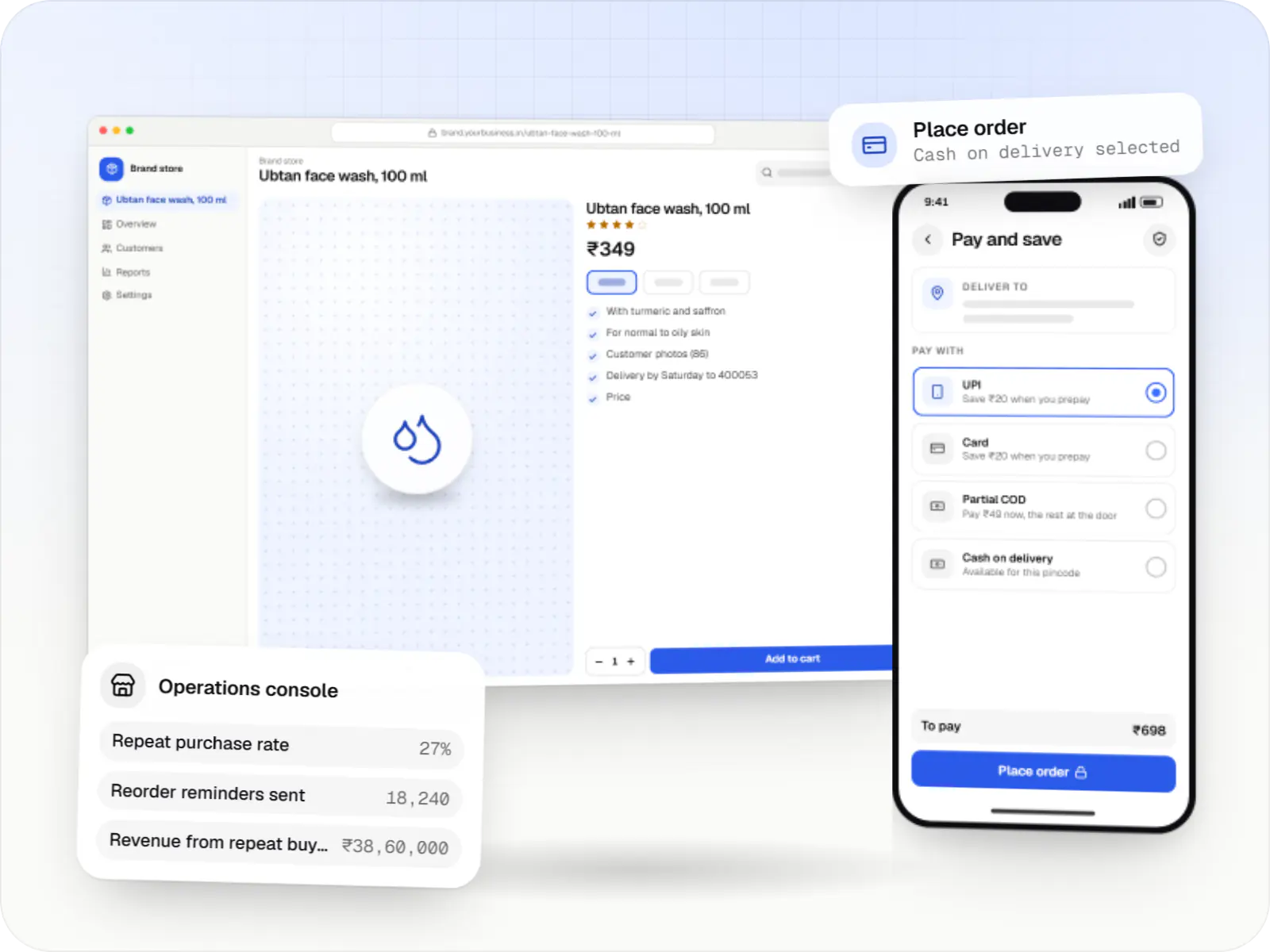
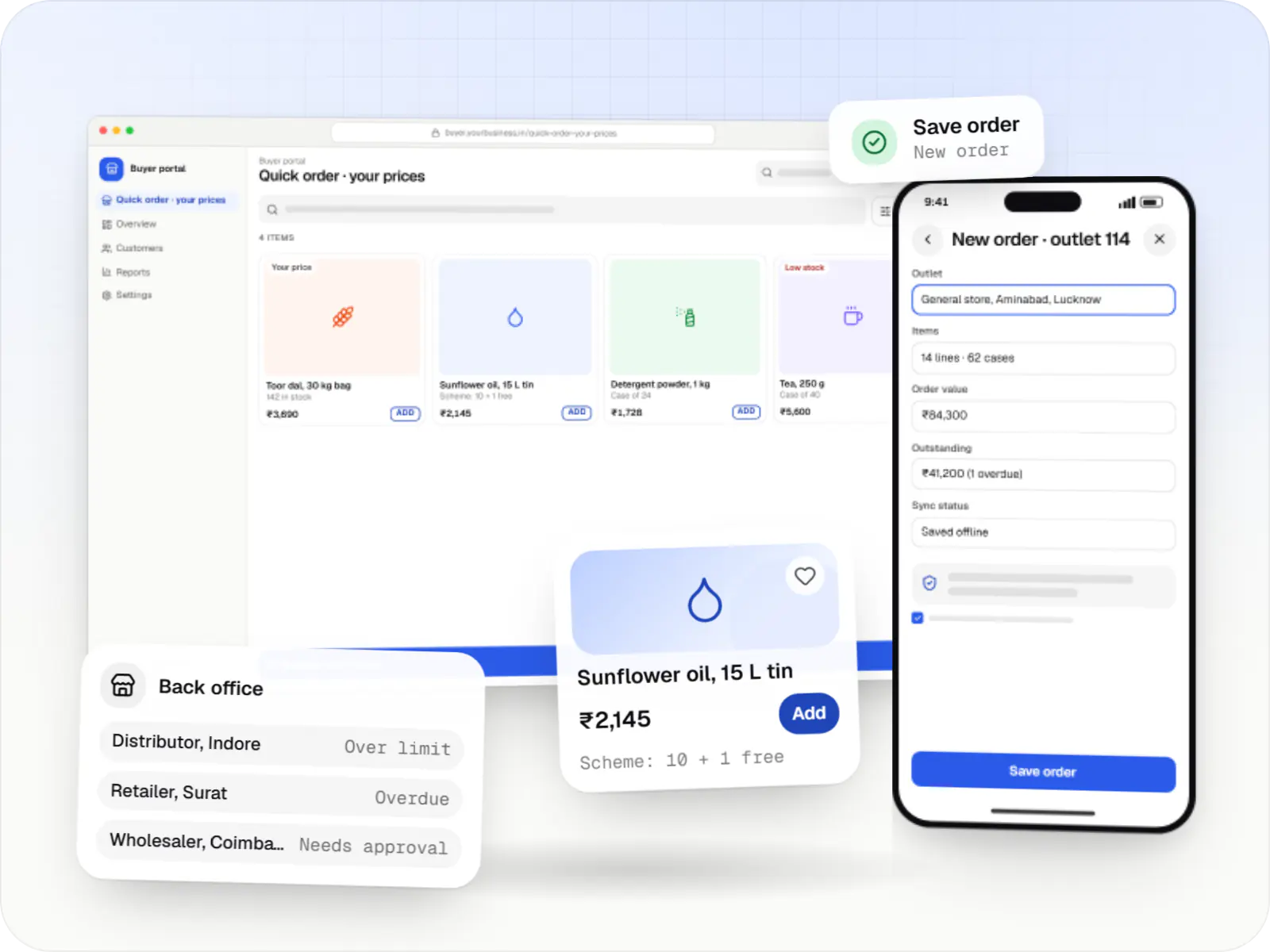
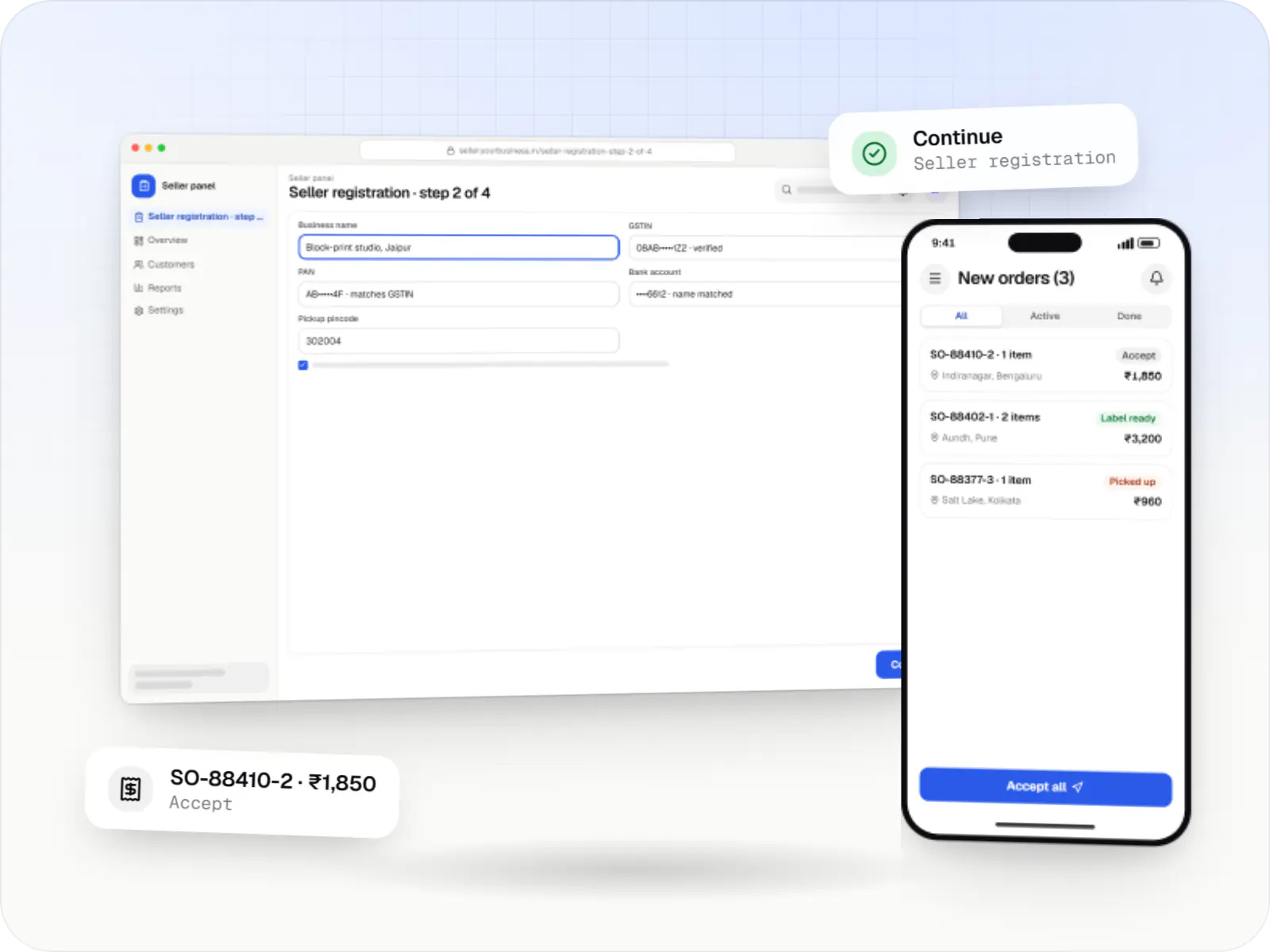
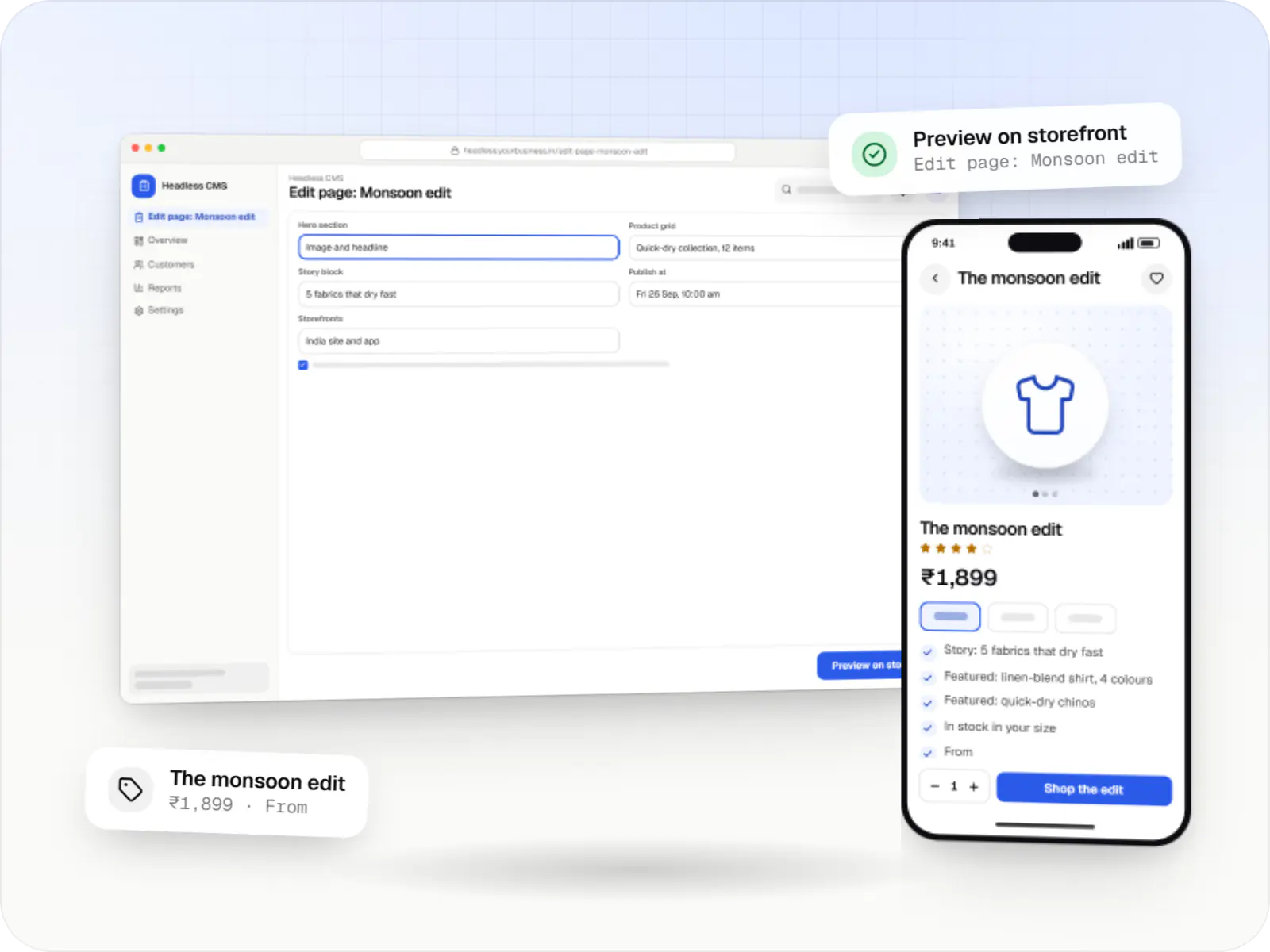
E-commerce screens: storefront catalogue in a browser, shopping app on a phone and a seller orders card
Illustrative previewA shopper's path from the storefront to payment, with the seller's orders arriving on the other side.

Commerce built around your catalogue and your warehouse

Mumbai sellers range widely: D2C fashion and beauty brands, jewellers pricing by the day’s metal rate, textile traders selling by the metre and distributors serving retailers on credit. Each needs a different store, but the hard parts repeat: inventory across channels, payment and COD controls, shipping and clean GST records.

We build on Shopify, WooCommerce, headless Next.js set-ups or fully custom stacks, choosing by catalogue, order volume and the team that will run it. We work with Mumbai clients remotely, with shared boards, weekly demos and direct access to engineers.

Local context

Mumbai commerce realities we design for

Selling online from Mumbai brings operational details that generic store templates ignore.

Bandra-Worli Sea Link cable-stayed bridge stretching across the sea in Mumbai at golden hour
  • Stock often sits in Bhiwandi warehouses while the team works from Lower Parel or Andheri, so inventory and pick-pack flows must span locations.

  • Jewellers around Zaveri Bazaar price from the live metal rate, weight, making charges and GST, and product pages should show HUID hallmark details.

  • Fabric traders near Mangaldas Market sell by the metre, with minimum order quantities, swatch requests and trade pricing.

  • Wholesalers in Kalbadevi and Masjid Bunder sell to retailers on credit, with GST invoices, e-way bills and repeat orders arriving over WhatsApp.

  • Addresses depend on building, wing and society names plus landmarks, and society gates control courier access.

  • Heavy monsoon spells disrupt same-day promises, so delivery estimates should be adjustable from the admin, not hard-coded.

What we build for Mumbai sellers

  • Multi-channel inventory

    One stock pool synced to your store and marketplaces, directly or through an OMS such as Unicommerce or EasyEcom.

  • Metal-rate pricing engine

    Rate updates reprice gold and silver products, with metal value, making charges and tax itemised.

  • Trade portal

    GST-verified buyer accounts, tiered pricing, credit limits and quick reorder.

  • COD and RTO controls

    Pin code rules for COD, WhatsApp order confirmation and address checks to cut avoidable returns.

  • Shipping and returns

    Courier aggregation via Shiprocket, Delhivery or others, with labels, tracking pages and return pickups.

Solutions

E-commerce solutions for Mumbai businesses

  • D2C e-commerce development

    Brand-owned online stores for D2C companies, with conversion-focused checkout, retention tools, server-side tracking and multichannel stock sync.

  • B2B e-commerce development

    Ordering portals and apps for manufacturers, distributors and wholesalers, with buyer-specific pricing, credit limits, bulk ordering and ERP sync.

  • Multi-vendor marketplace development

    Multi-vendor marketplaces with seller onboarding, commission rules, split payouts, per-seller invoicing and catalogue moderation.

  • Headless commerce development

    Next.js storefronts on a headless commerce engine and CMS, for brands that need speed, several storefronts or content-led shopping.

  • Subscription commerce development

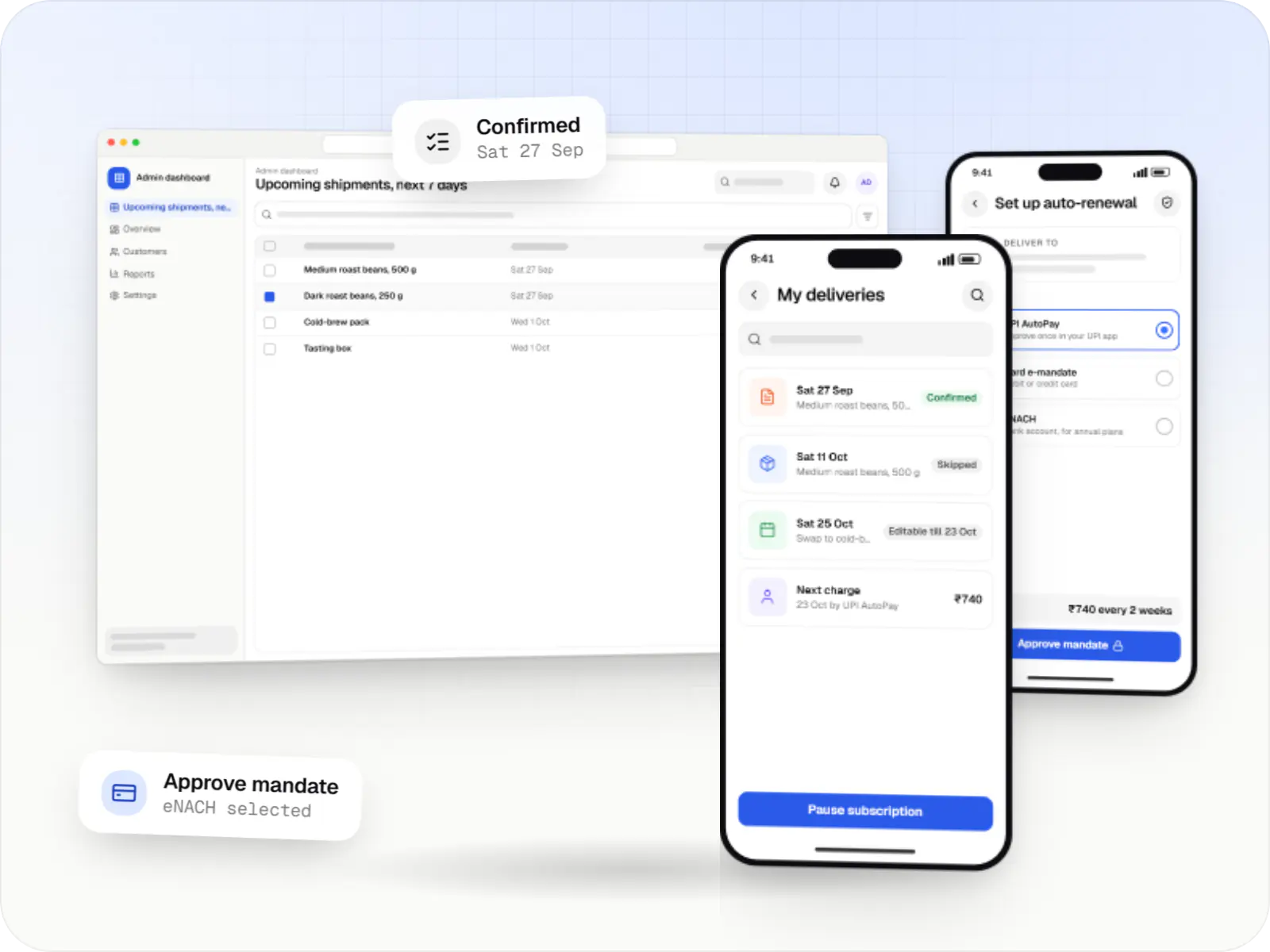
    Subscription stores and memberships on UPI AutoPay, card mandates and eNACH, with pause, skip and swap controls and fulfilment planning.

Cost drivers

Cost considerations for Mumbai e-commerce builds

  1. Platform choice

    Shopify or WooCommerce with custom apps launches sooner; custom or headless costs more but removes platform limits.

  2. Catalogue complexity

    Size and colour variants are simple; pricing by metal rate, metre or buyer tier needs custom logic.

  3. Channel and OMS integrations

    Each marketplace, OMS or accounting sync adds mapping, error handling and reconciliation.

  4. Replatforming

    Moving products, customers, orders and URLs without losing search visibility needs planning and redirects.

  5. Operations tooling

    Warehouse scanning, returns and reconciliation screens often take most of the admin effort.

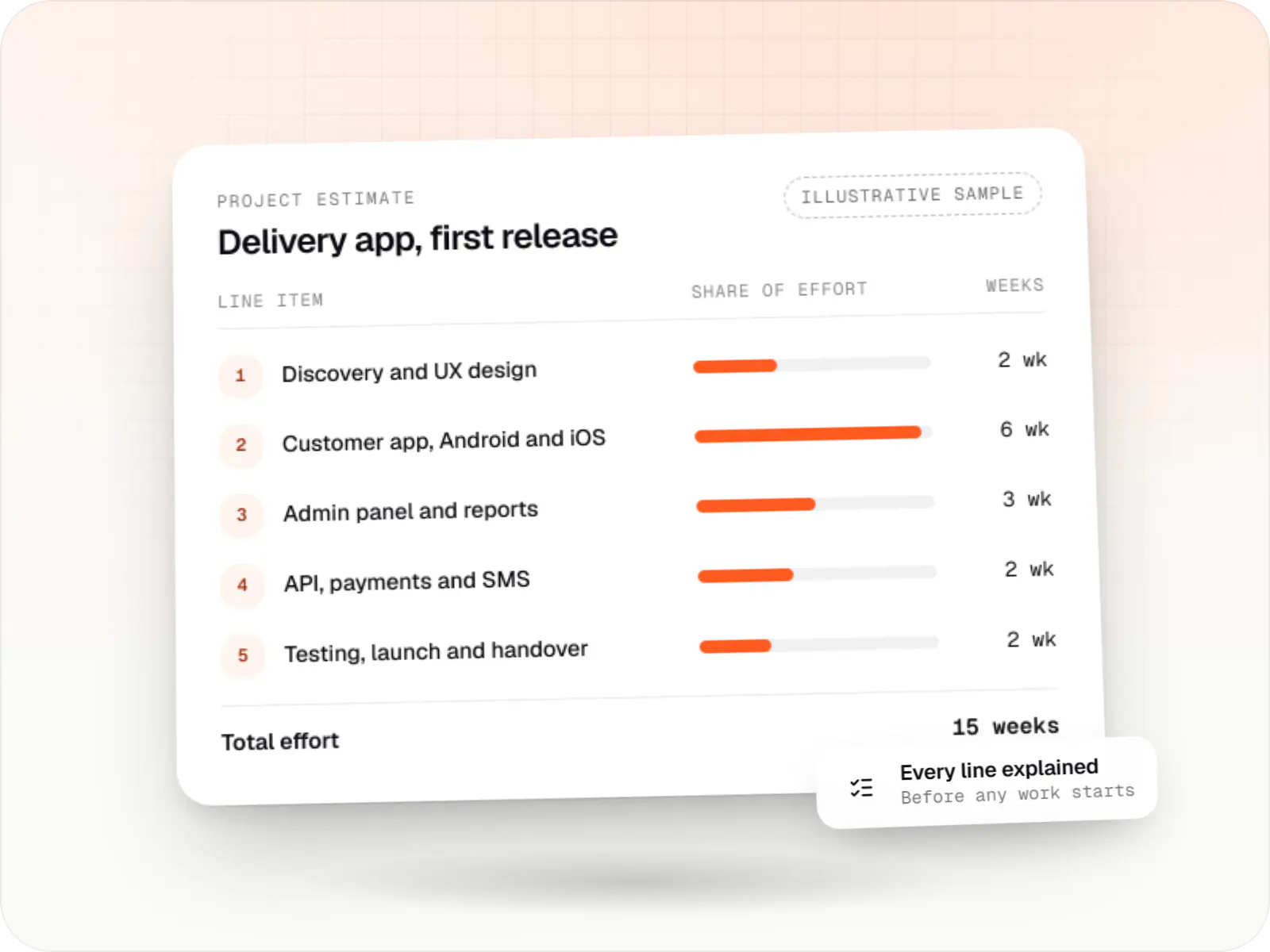
Estimates are written from your scope, with the effort and assumptions behind each line item.

How pricing works

Process

Remote delivery for Mumbai clients

  1. Discovery on video

    A screen-share walkthrough of your catalogue, channels, warehouse process and real orders.

    You getRequirements and platform recommendation

  2. Data and integration plan

    Data model, channel mappings, payment and courier choices and a migration plan, agreed before design.

    You getIntegration map

  3. Build with weekly demos

    Storefront, admin and integrations demoed on staging with your real catalogue.

    You getStaging store

  4. Soft launch

    A limited launch to test payments, shipping and returns end to end, then full cut-over with redirects.

    You getLive store and runbook

Work

Commerce sample projects

  • E-commerce & marketplaces

    Illustrative sample

    Multi-vendor fashion marketplace

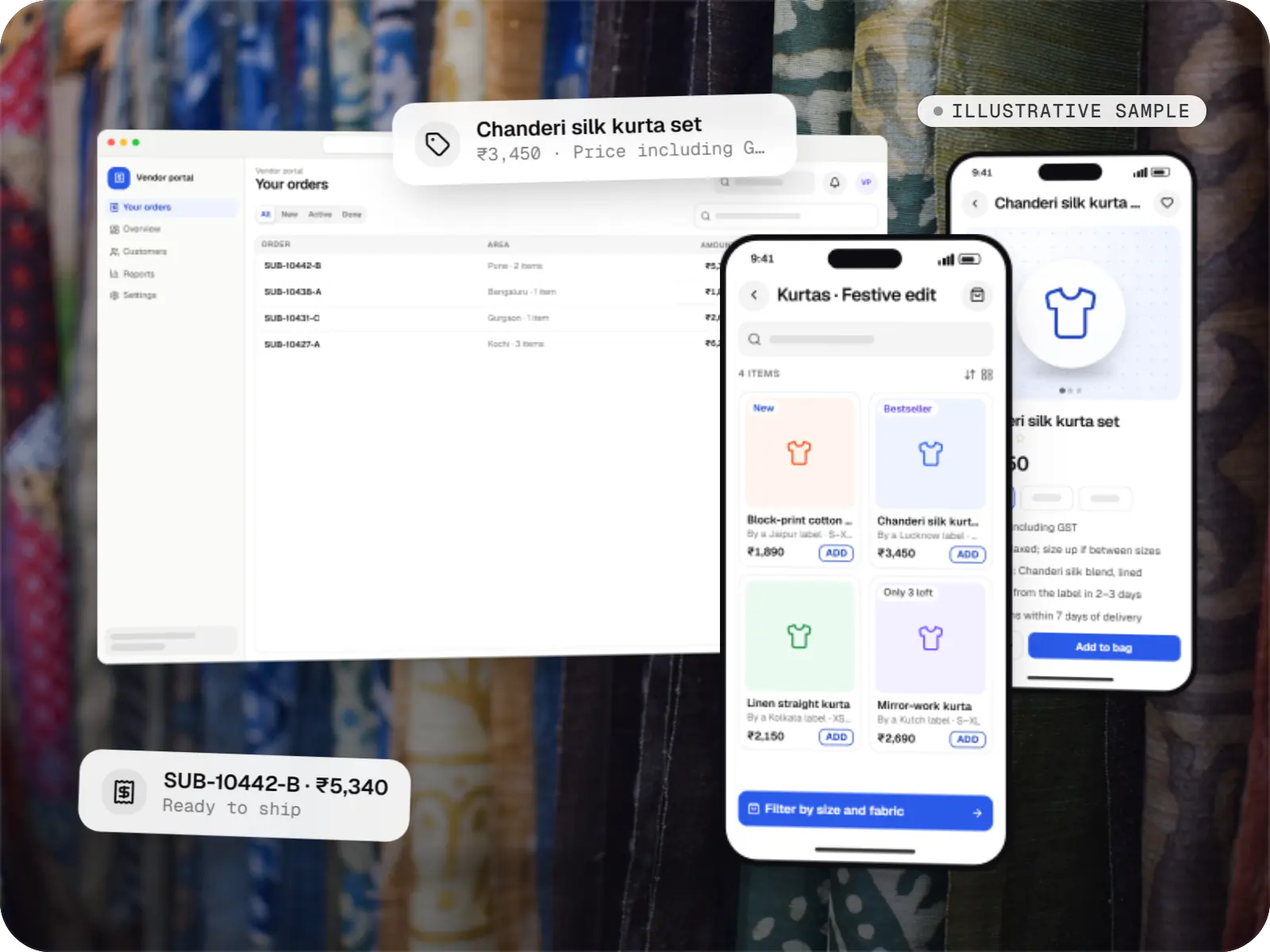
    An illustrative marketplace where independent fashion labels sell through one storefront, with vendor onboarding, commission rules, multi-pickup shipping, returns and scheduled payouts.

    • E-commerce
    • Marketplace web platform

    Runs on

    • Website
    • Web app
    • Admin

    Built with

    • Next.js
    • NestJS
    • PostgreSQL
    • Redis
    • AWS
    • +1 more
  • E-commerce & marketplaces

    Illustrative sample

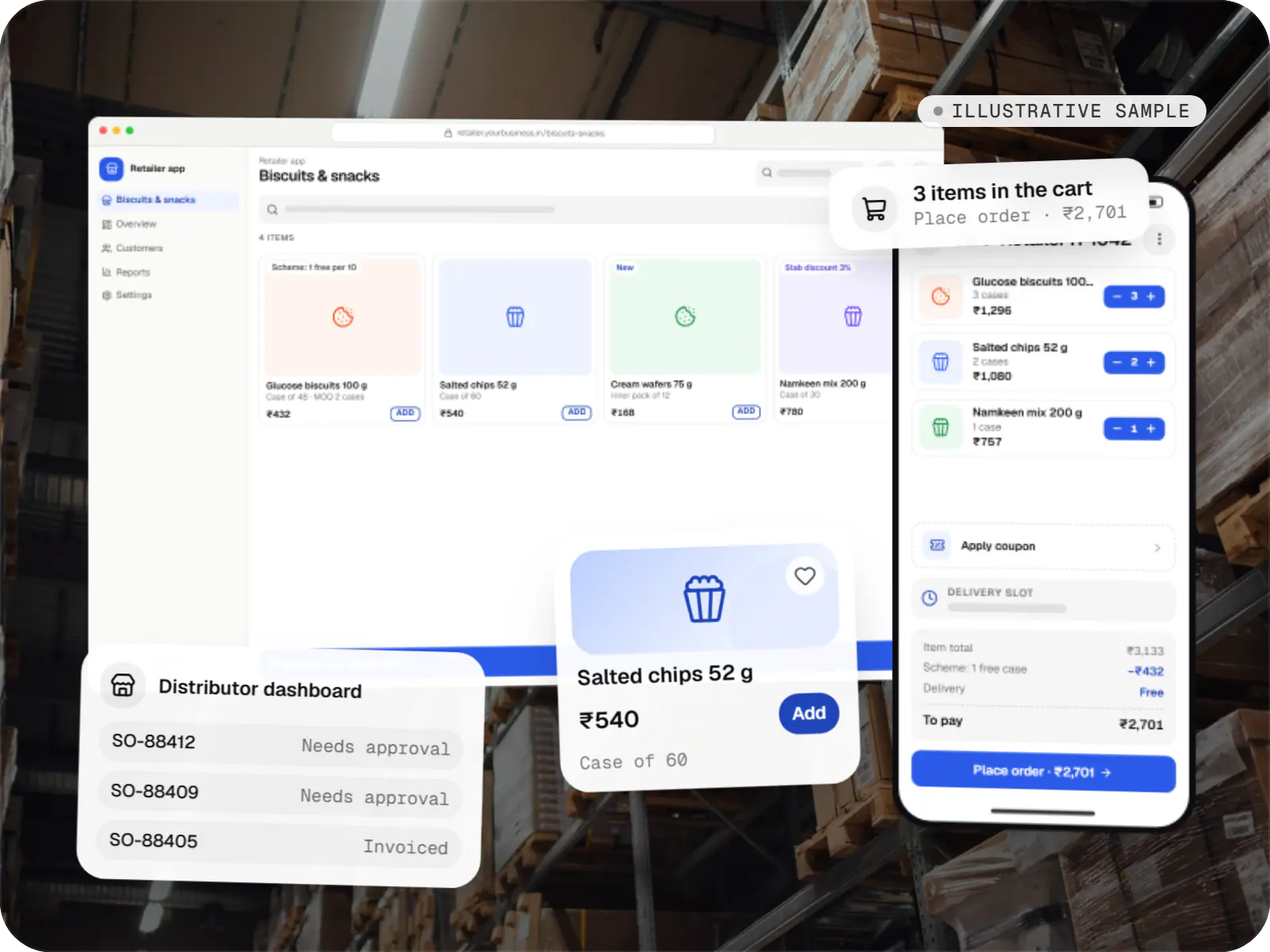
    B2B wholesale ordering app

    An illustrative ordering app for a distributor's retailers and sales team, with tier pricing, credit limits, trade schemes and GST invoicing.

    • B2B commerce
    • Mobile app + web admin

    Runs on

    • Android
    • iOS
    • Cross-platform
    • Admin

    Built with

    • React Native
    • Node.js
    • PostgreSQL
    • Redis
    • AWS
    • +1 more
  • AI solutions

    Illustrative sample

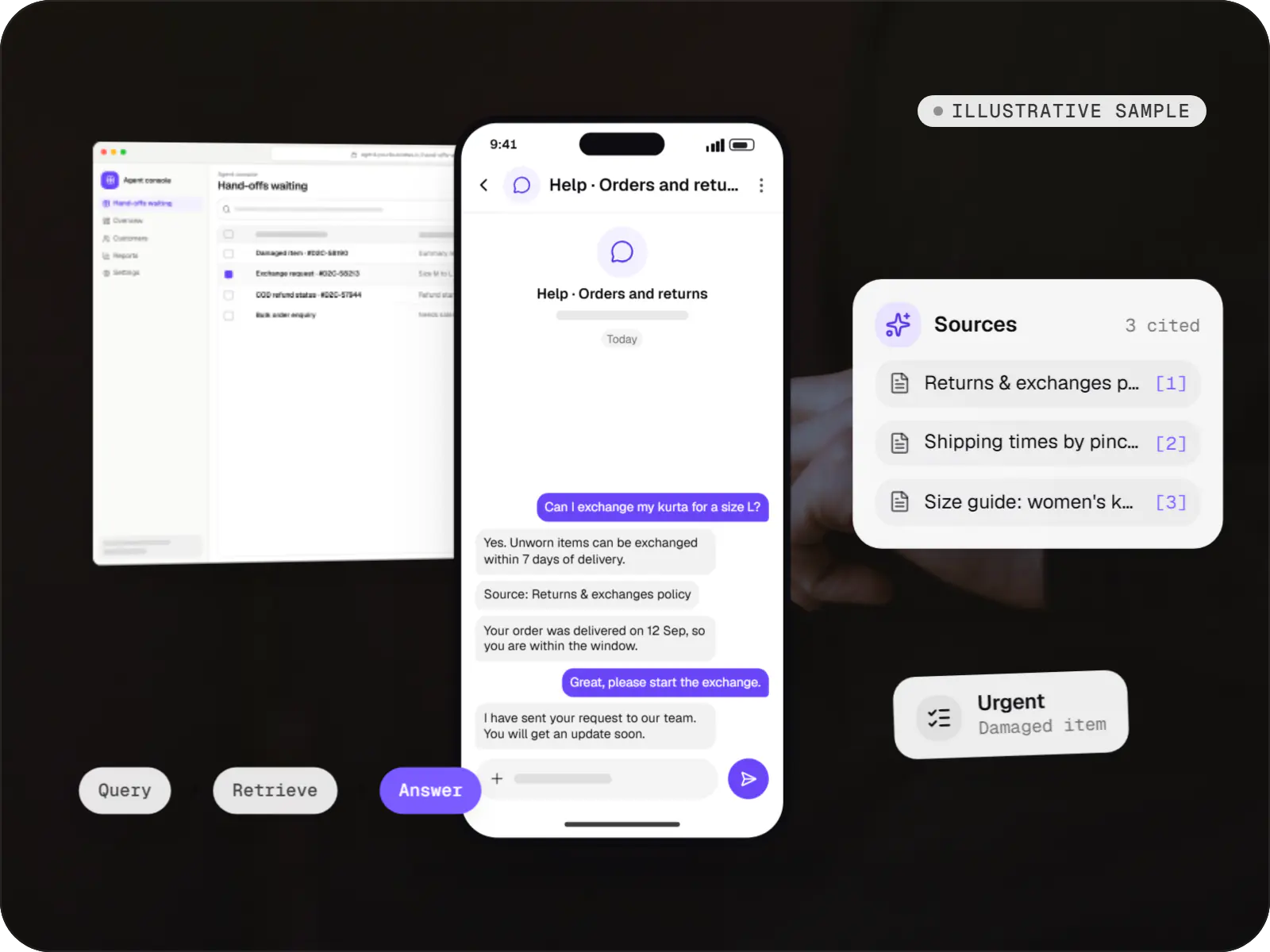
    AI customer support assistant for a D2C brand

    An illustrative AI assistant that answers order, return and product questions from a D2C brand's own policies and order data, with sources and a human hand-off.

    • E-commerce
    • AI assistant

    Runs on

    • Website
    • Admin

    Built with

    • Next.js
    • Python
    • OpenAI APIs
    • LLM integrations
    • PostgreSQL
    • +1 more

FAQ

Frequently asked questions

Should a Mumbai D2C brand stay on Shopify or move to a custom build?

Stay on Shopify while it fits: it handles checkout, hosting and apps well, and a custom theme or a few private apps solve most gaps. Headless or custom makes sense when you are fighting the platform, for example with complex bundles, B2B pricing, heavy content, strict performance targets or mounting app fees. We can audit your store and show which problems each option solves.

Can you build a jewellery store that reprices with the gold rate?

Yes. Each product stores its weight, purity and making-charge rule, and a rate feed or admin entry updates the metal price. Prices recalculate across the catalogue, and the product page shows the break-up of metal value, making charges and GST. We can add rate locking during checkout and display hallmark details. Your team decides the rate source and how often it updates.

How do you reduce COD returns on orders shipped from Mumbai?

We combine several controls: COD availability by pin code and order value, WhatsApp confirmation of COD orders before dispatch, address quality checks and flags for customers with past refusals. Prepaid incentives at checkout help too. The admin shows return-to-origin reasons by courier and region so you can adjust the rules. These measures reduce avoidable returns; they do not remove them entirely.

Can the store sync with Tally or our ERP?

Usually. We push orders, customers and GST details to Tally, Zoho Books or your ERP and pull stock levels back, using the system’s API, a connector or a scheduled file exchange. We agree which system owns each piece of data, such as stock, prices and customer credit, so records do not conflict. Reconciliation reports flag mismatches for your accounts team.

Next step

Planning a new store or a replatform?

Send us your catalogue size, channels and current platform. We will recommend an approach and a line-item estimate.