
Web
Next.js
A modern web technology for fast, search-friendly websites, online stores and web applications that load quickly on mobile.
Used for
- Business websites
- Online stores
- Web apps
- Customer portals
Industries · Beauty & cosmetics
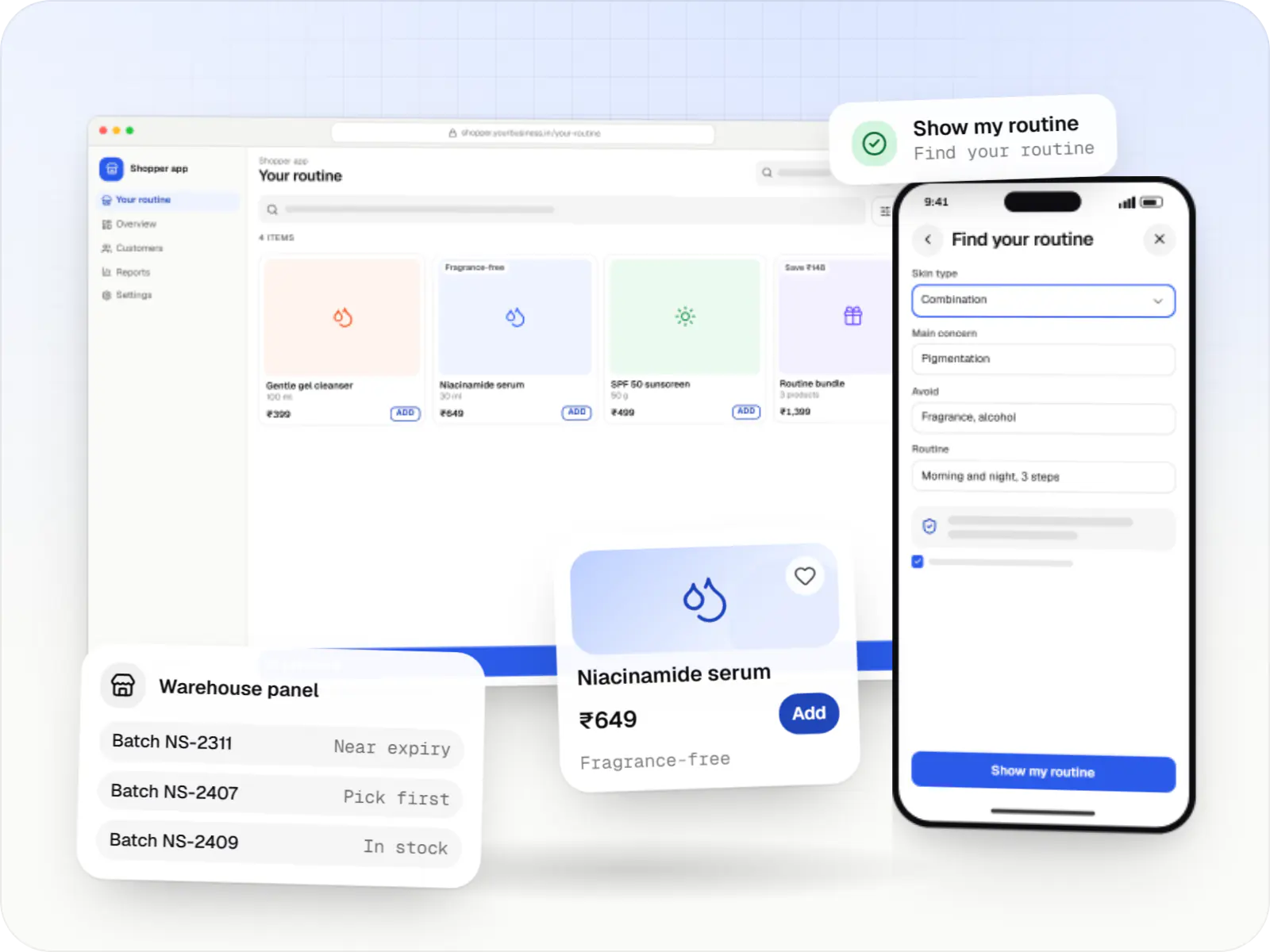
Help shoppers find the right shade or routine, and keep batch and expiry data straight behind the scenes.
At a glance
What it is
Commerce software for beauty and cosmetics brands: shade and skin-type discovery, batch and expiry tracking, sampling and refill subscriptions.

For skincare, haircare, make-up and personal care brands, beauty retailers and brands that also supply salons.
How to start
Tell us what you need in your own words. You talk to the developers who would build it and get a written, line-item estimate.
Get a project estimateBeauty shoppers want to know whether a shade suits their skin tone, whether an ingredient suits their skin type and what people with similar concerns thought. Behind the scenes, brands must manage batch numbers, manufacturing and expiry dates, and dispatch older stock first.
We build beauty commerce with structured product data for shades, ingredients and concerns, guided discovery such as quizzes and routines, reviews filtered by skin type, and inventory that tracks batches and expiry across warehouses.
Challenges
Wrong-shade purchases lead to returns that often cannot be resold.
Without batch tracking, near-expiry stock ships late or is written off.
Customers buy regimens, yet most stores sell items one at a time.
The same product appears at different prices across marketplaces.
Solutions
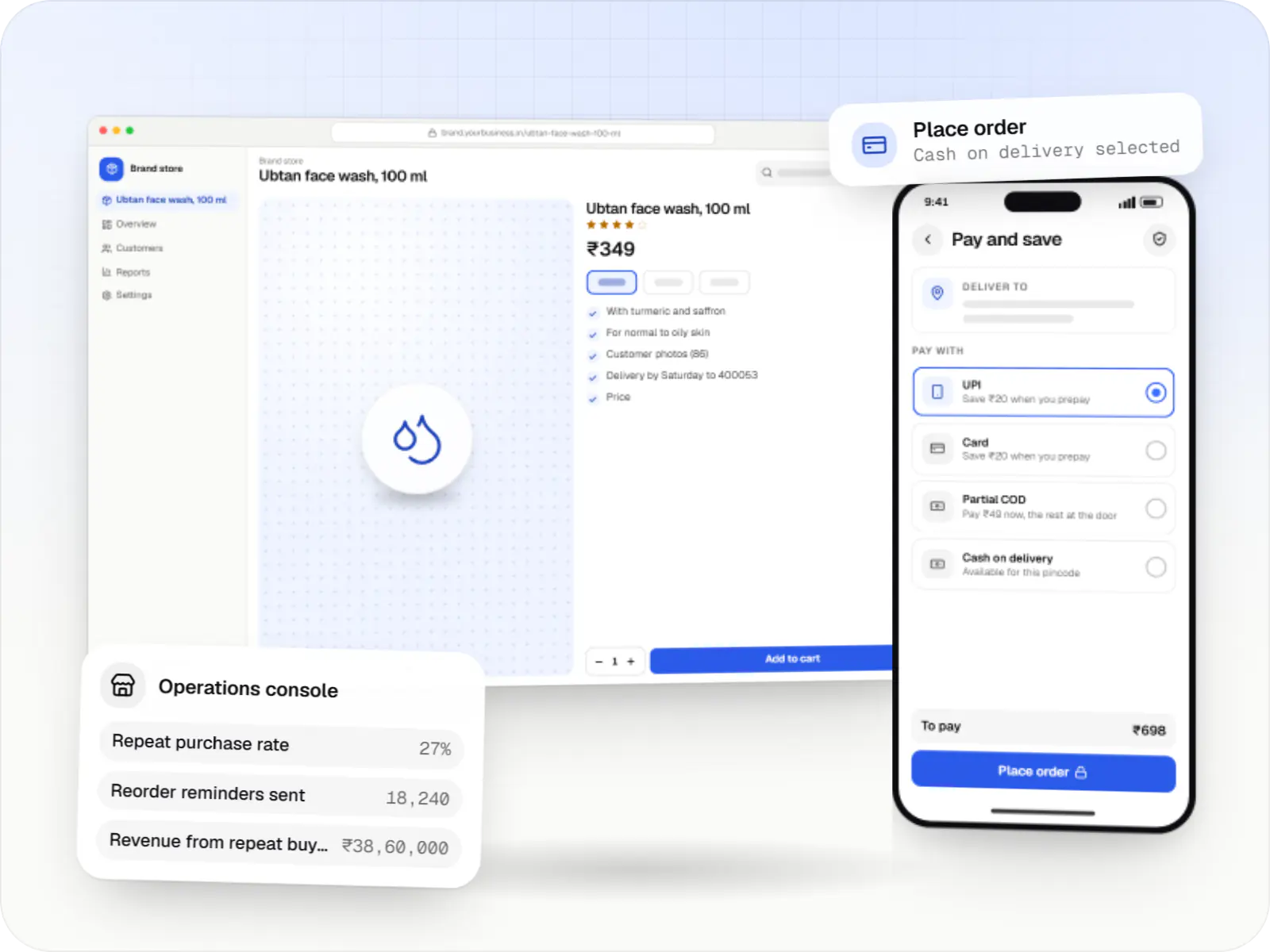
Brand-owned online stores for D2C companies, with conversion-focused checkout, retention tools, server-side tracking and multichannel stock sync.
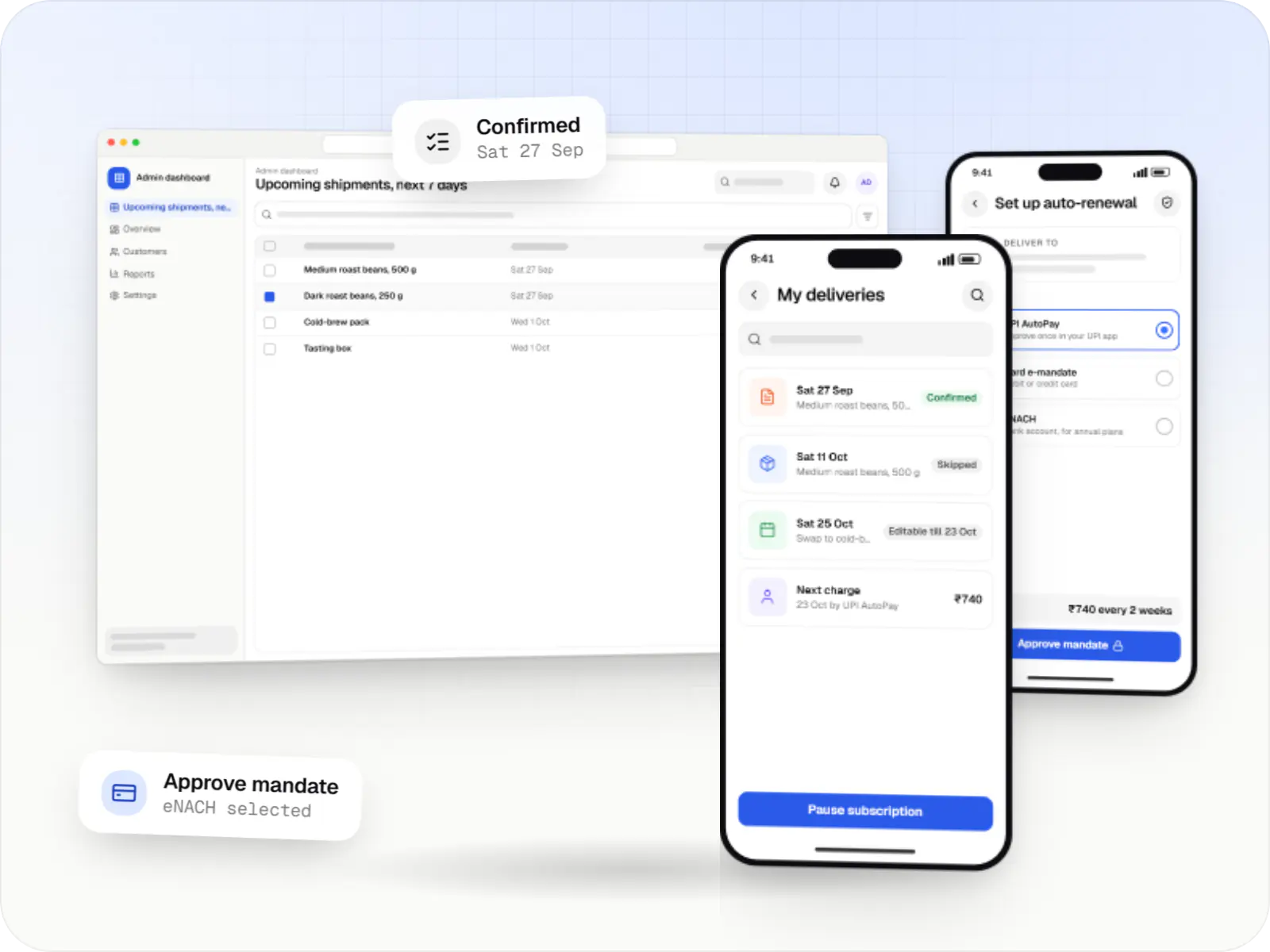
Subscription stores and memberships on UPI AutoPay, card mandates and eNACH, with pause, skip and swap controls and fulfilment planning.
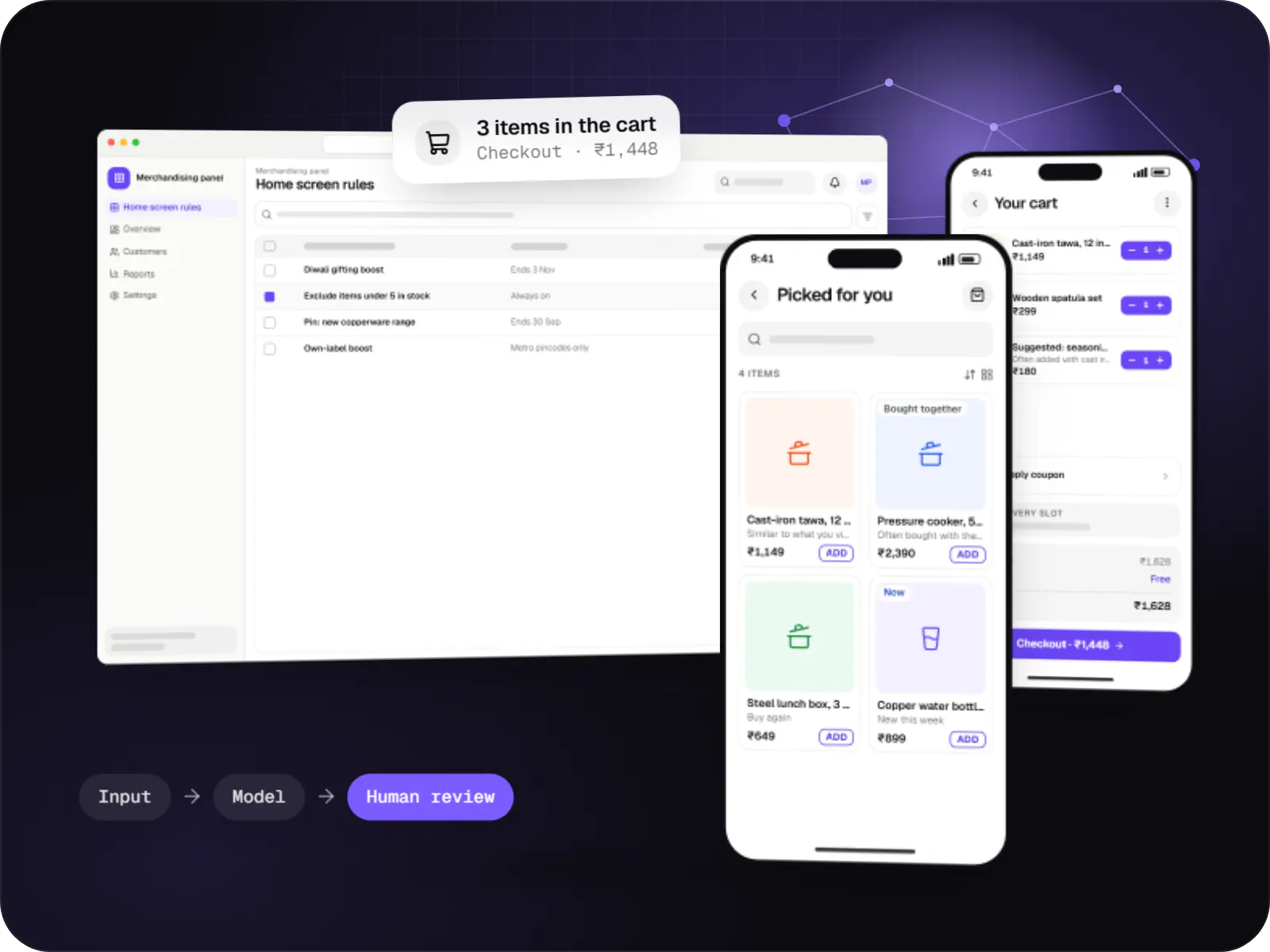
Product, content and offer recommendations built from your behavioural data, with business rules, cold-start handling and A/B testing.
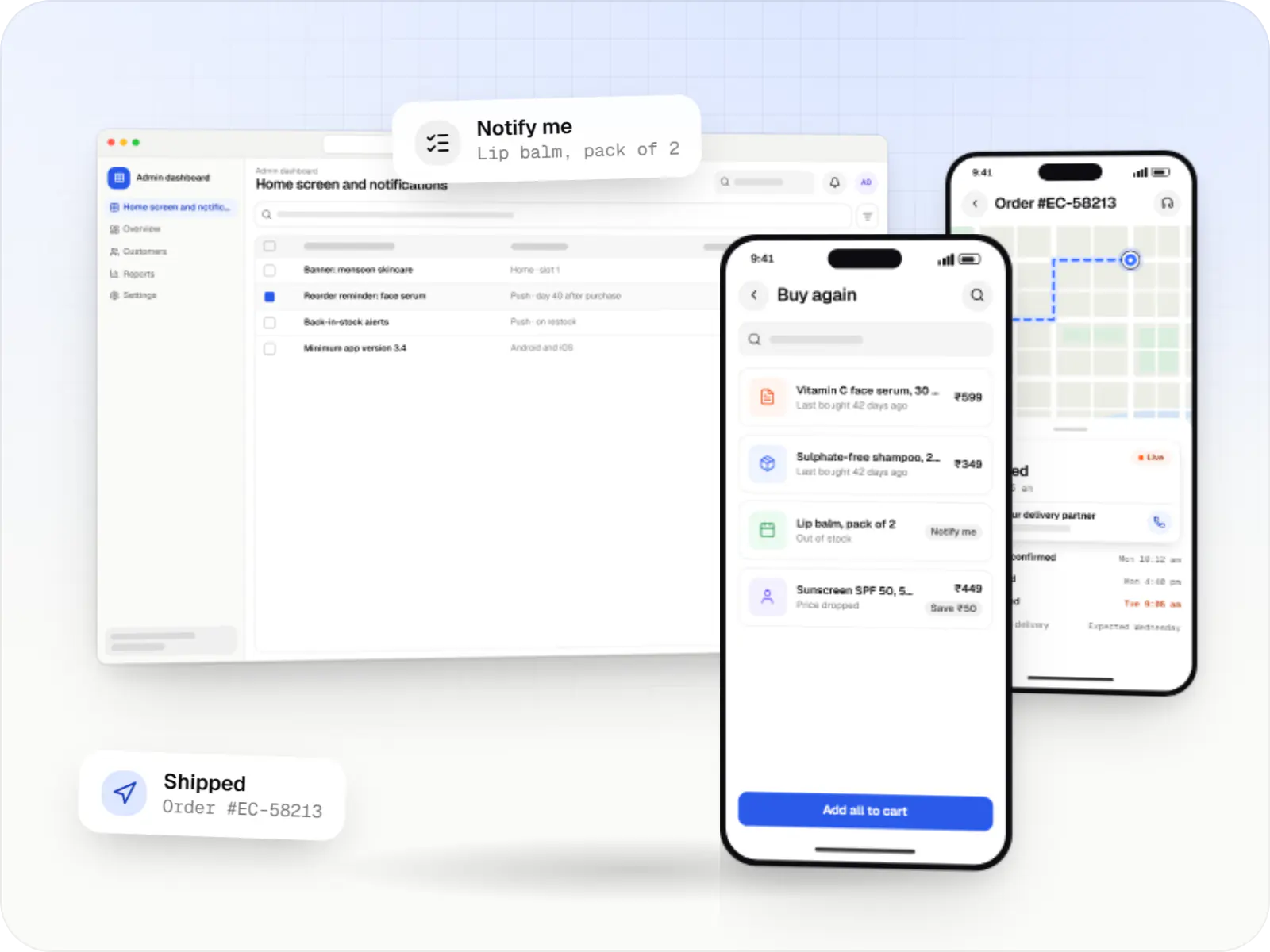
Android and iOS shopping apps with quick browsing, UPI checkout and push notifications, sharing one backend with your website.
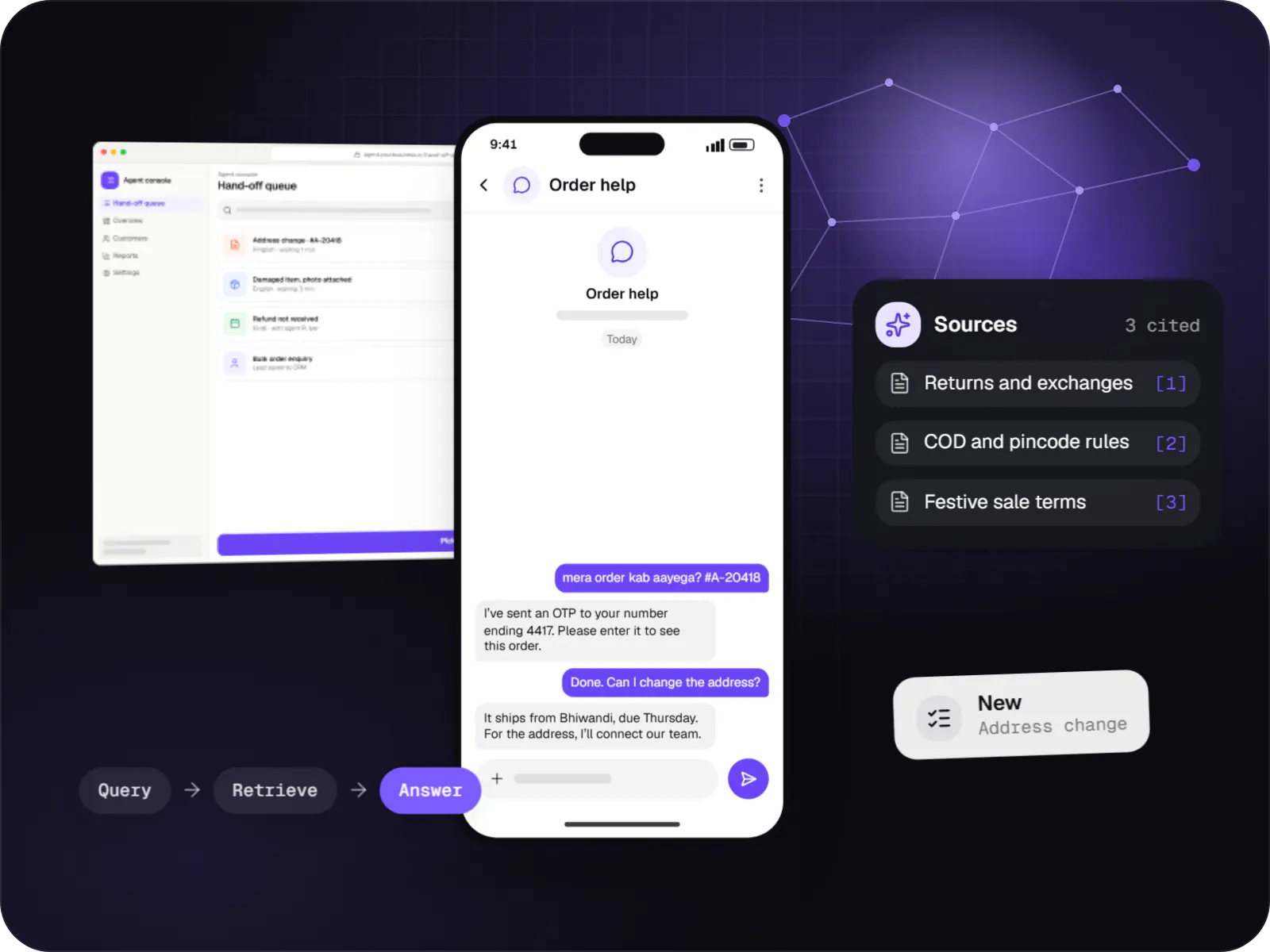
Support and sales chatbots for web, app and WhatsApp that answer from your own content and hand off to your team.
Swatches shown on several skin tones, and matching from a current foundation.
Filter by skin type, concern and ingredients to include or avoid.
Guided quizzes that recommend step-by-step routines as bundles.
First-expiry-first-out dispatch, near-expiry alerts and batch lookup.
Reminders or subscriptions timed to typical product use.
How it works
Guided discovery at the front, batch and expiry control behind it.
Skin type, concerns and ingredients to avoid shape a suggested routine from your own catalogue.
Swatches on several skin tones, or a match from the foundation they use today, narrow the choice.
The routine is priced as one bundle, while stock is still deducted correctly for each product in it.
Picking follows first-expiry-first-out, and the batch number is recorded against the order in case of a complaint or recall.
Timed to typical use of that product, a reminder or subscription brings the customer back before it runs out.
Then it starts again at step 1: Shopper takes a routine quiz
Platforms
Marketing and content websites: fast, search-friendly pages with a CMS your team can update without a developer.
Apps for iPhone and iPad, built to Apple's guidelines and released through TestFlight and the App Store.
Apps for Android phones and tablets, tested on budget and mid-range devices and published on Google Play or privately.
Back-office panels for operations, support and finance teams: orders, users, content, reports and permissions.
Technology
Web
A modern web technology for fast, search-friendly websites, online stores and web applications that load quickly on mobile.
Used for
Web
Builds interactive screens in the browser, such as dashboards, admin panels and portals, that respond instantly as your team works.
Used for
Backend
Runs the server side of apps: fast, scalable back ends that power your app, website and integrations.
Used for
Data
A reliable database for the records your business runs on: orders, payments, bookings and stock, kept accurate and easy to report on.
Used for
Payments & maps
Lets customers in India pay by UPI, cards, netbanking or wallets, and handles subscriptions, refunds and payouts to sellers or partners.
Used for
Cloud & DevOps
Ready-made building blocks for mobile apps, such as push notifications, phone OTP login and crash reports, so you launch sooner.
Used for
Plain-English glossary
Product preview
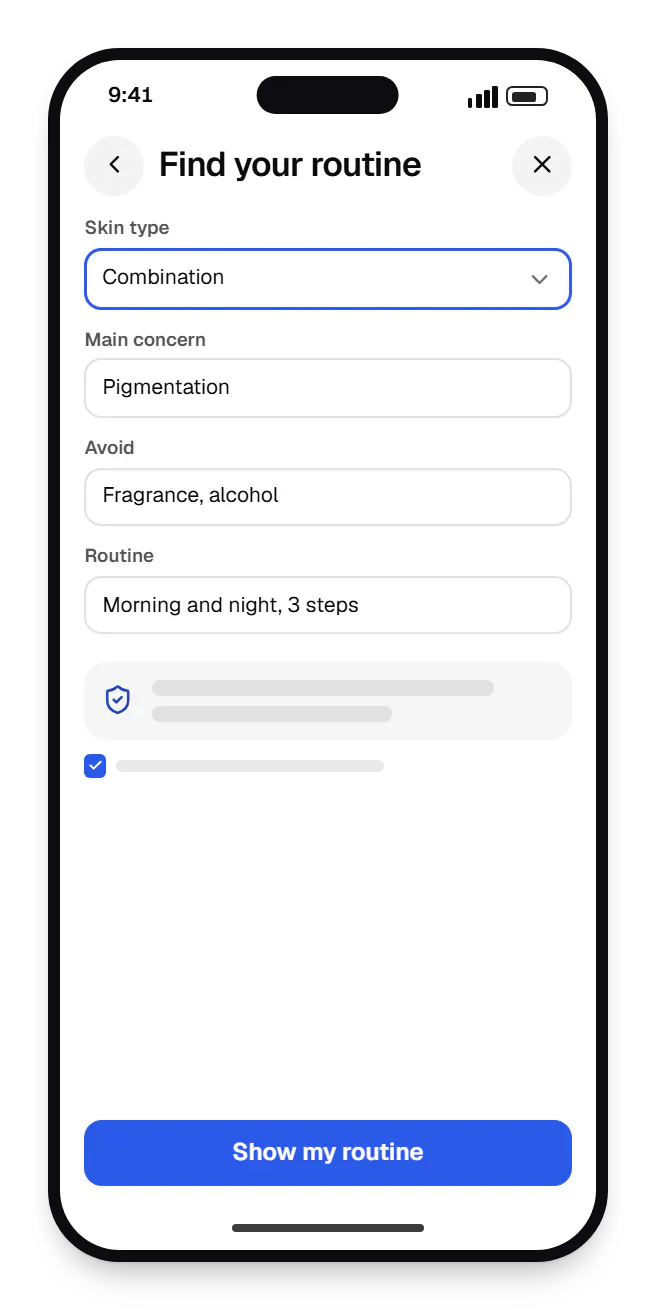
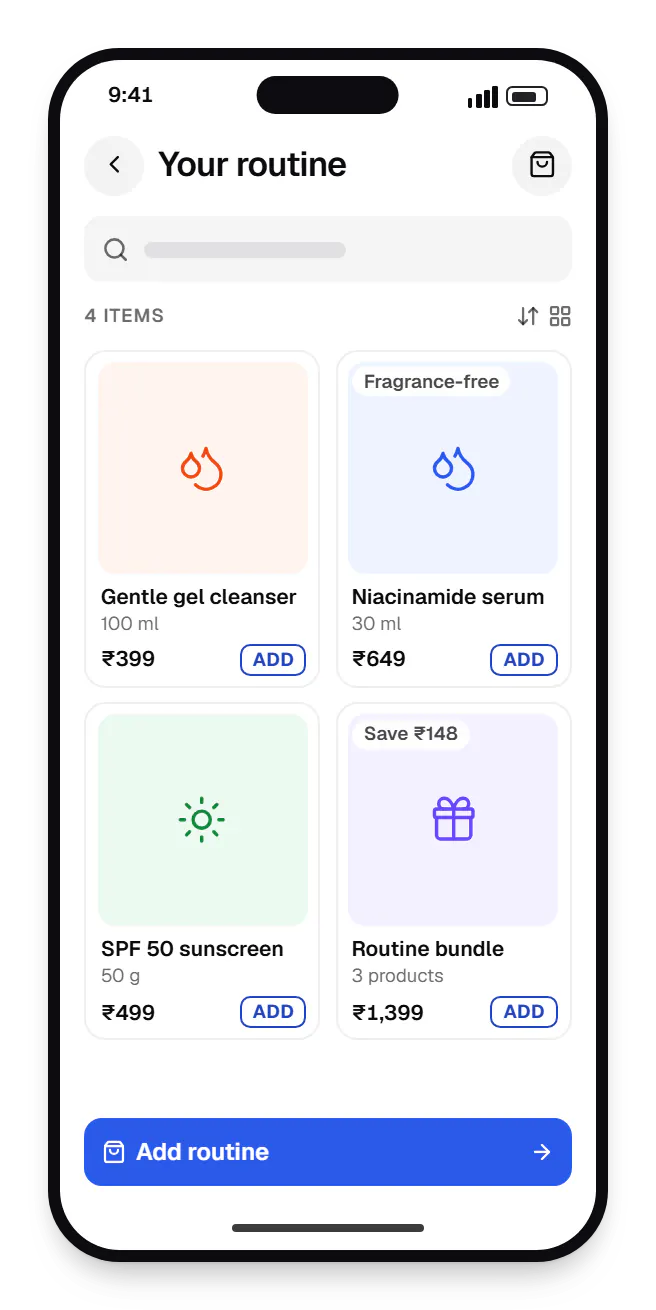
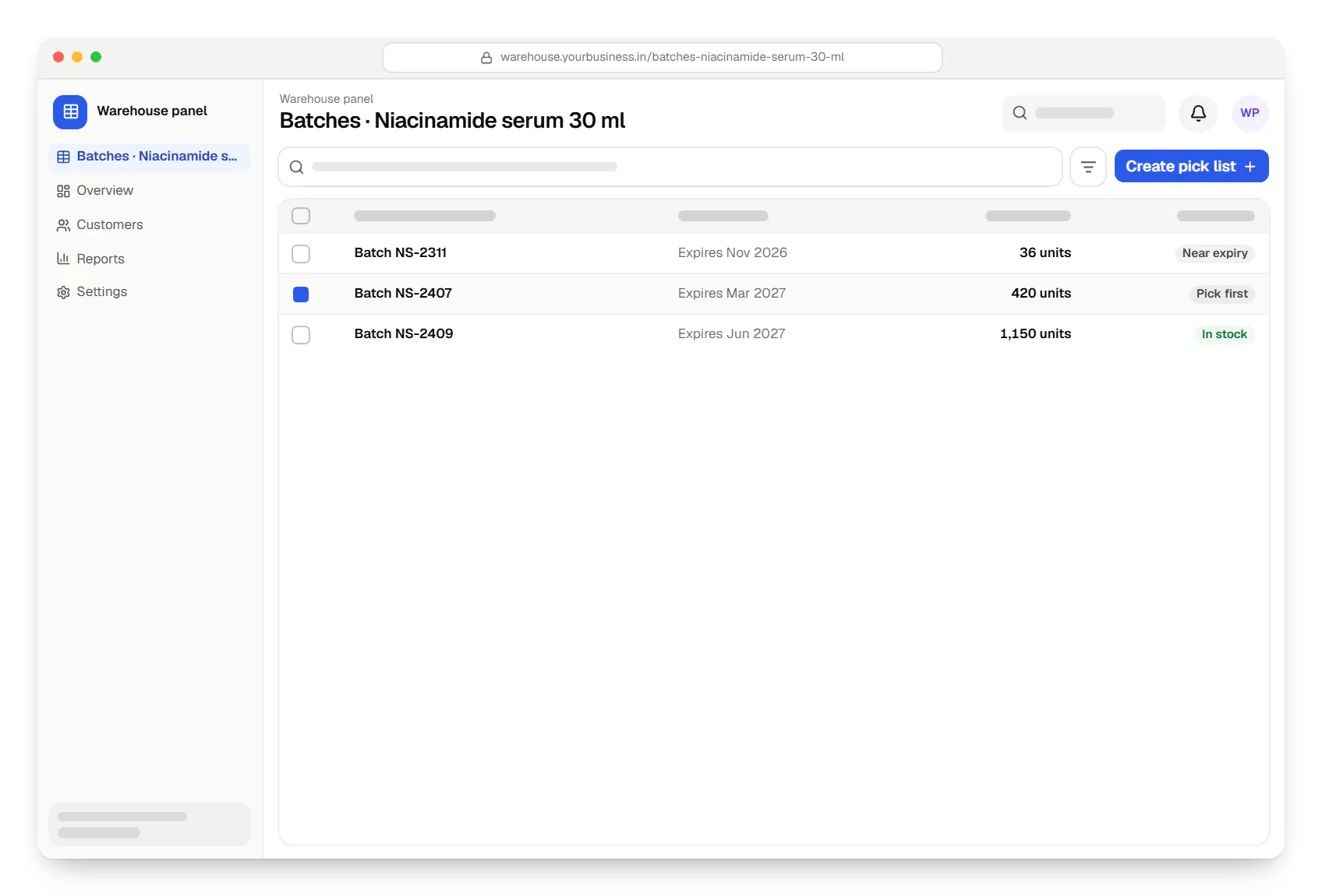
Sample screens: names, prices and figures are examples, not client data.
Cost drivers
Structuring shades, ingredients and concerns for every SKU takes content work.
Quizzes are modest; virtual try-on through a third-party SDK adds licensing and integration.
Batch and expiry tracking touches receiving, dispatch and returns flows.
Estimates are written from your scope, with the effort and assumptions behind each line item.
How pricing worksServices
The design and engineering services our in-house team combines on projects in this sector.
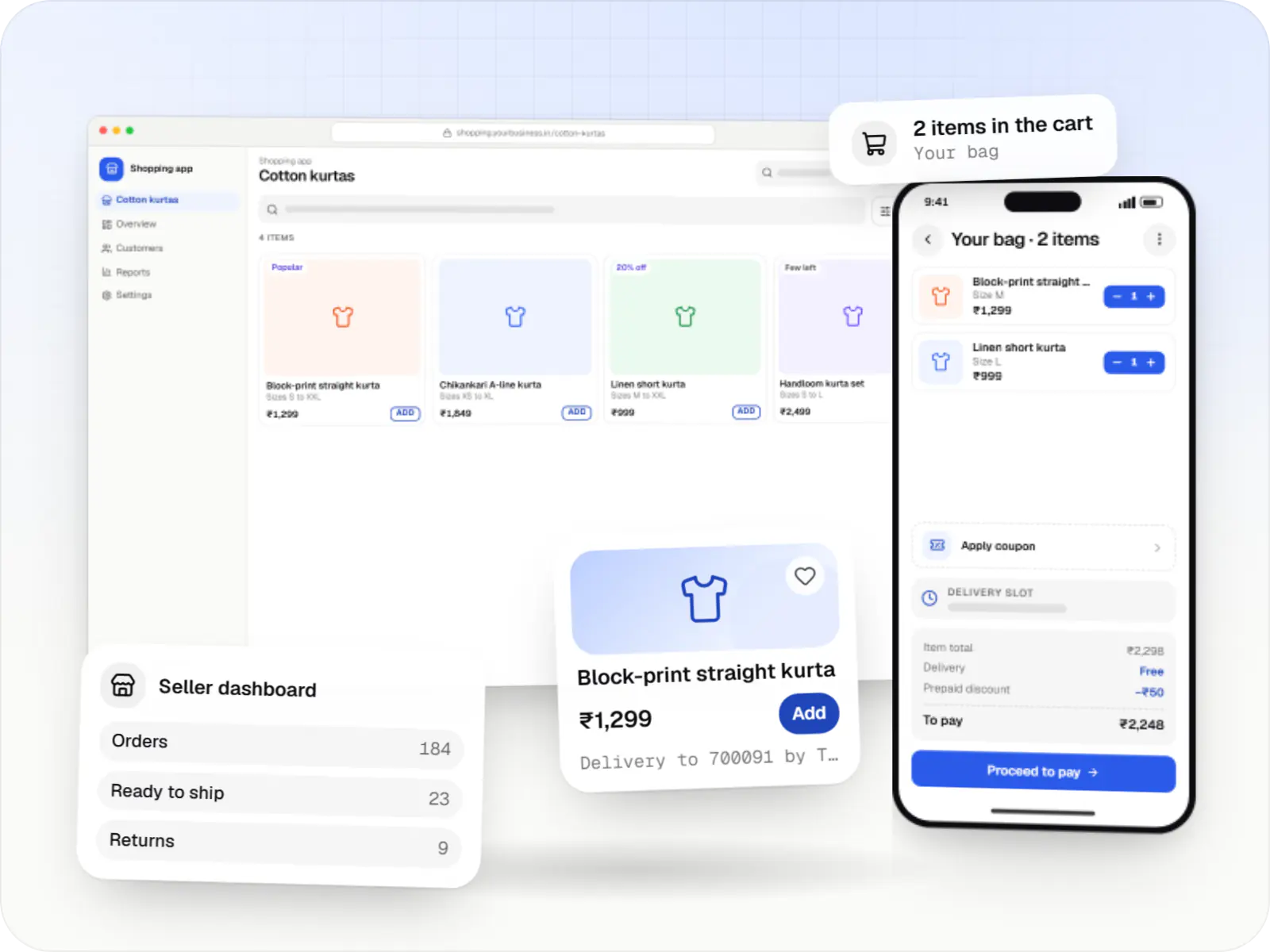
Online stores, shopping apps and B2B ordering portals on Shopify, WooCommerce or custom stacks, wired to Indian payments, couriers and GST invoicing.
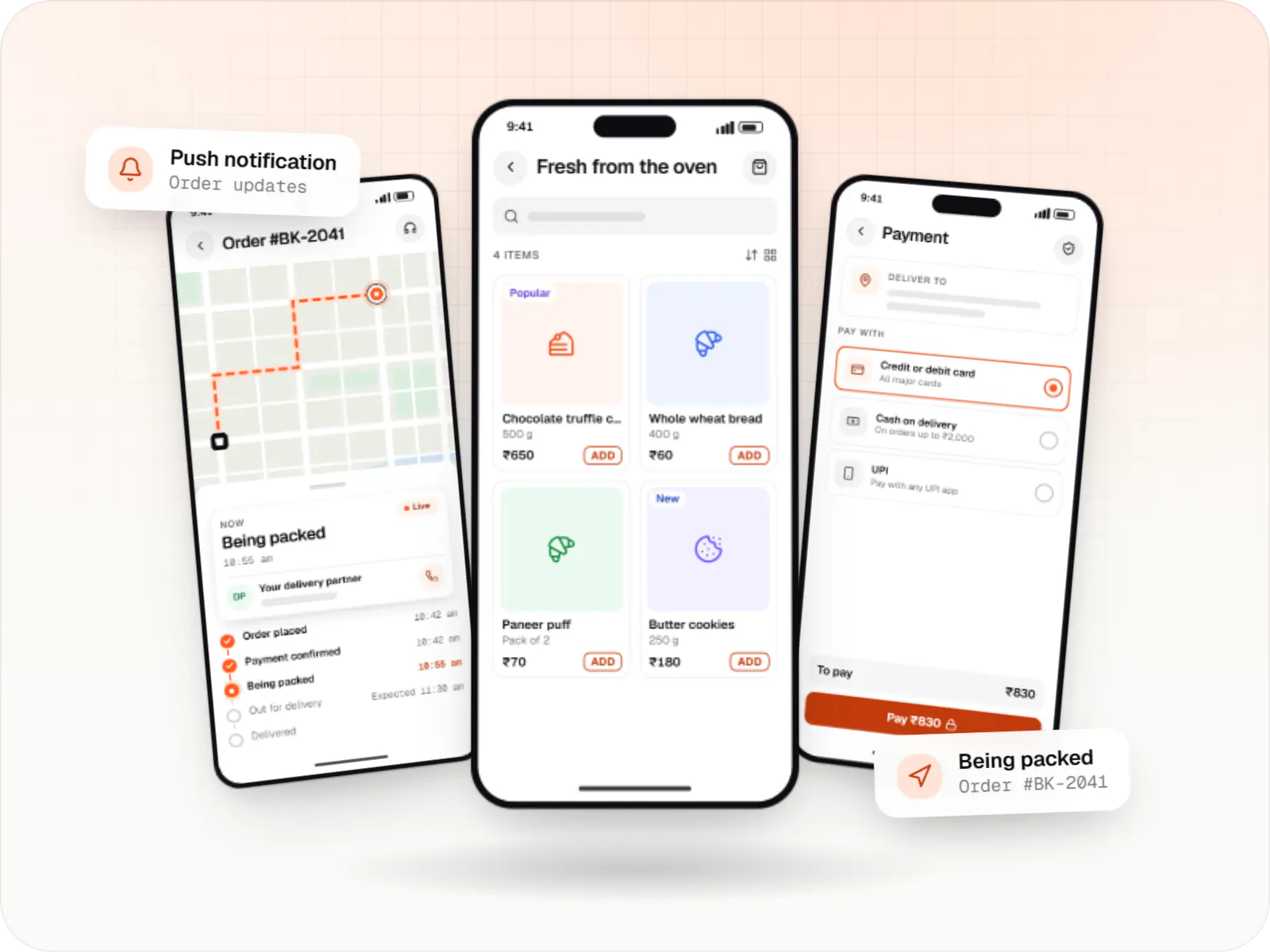
Native and cross-platform Android and iOS apps, from first release through regular store updates, built by our in-house designers and engineers.
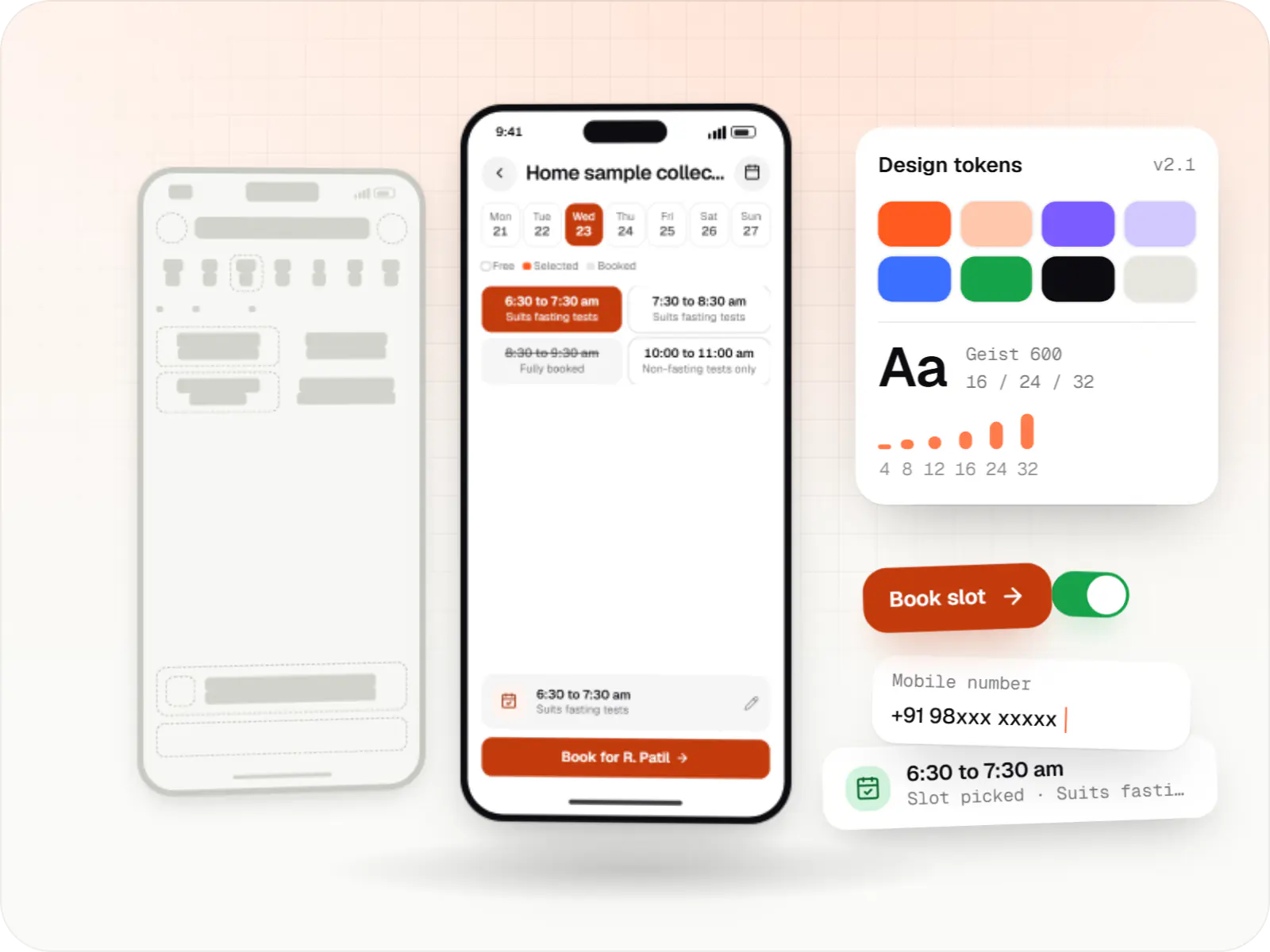
Product design for web and mobile apps: research, user flows, wireframes, prototypes and design systems that engineers can build from.
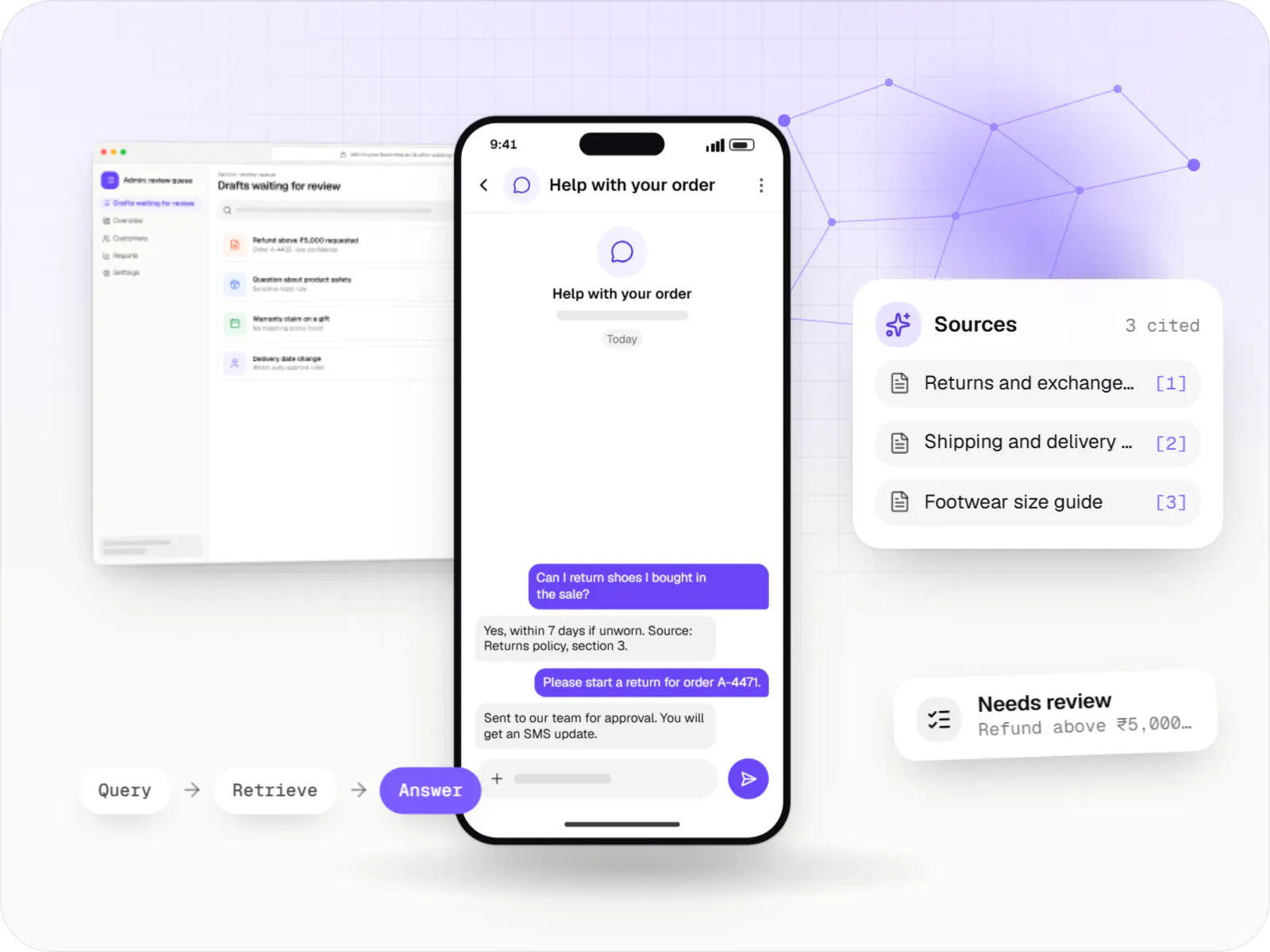
AI features and AI-first apps built on model APIs, retrieval over your own data, workflow automation or custom ML, with evaluation and human review.
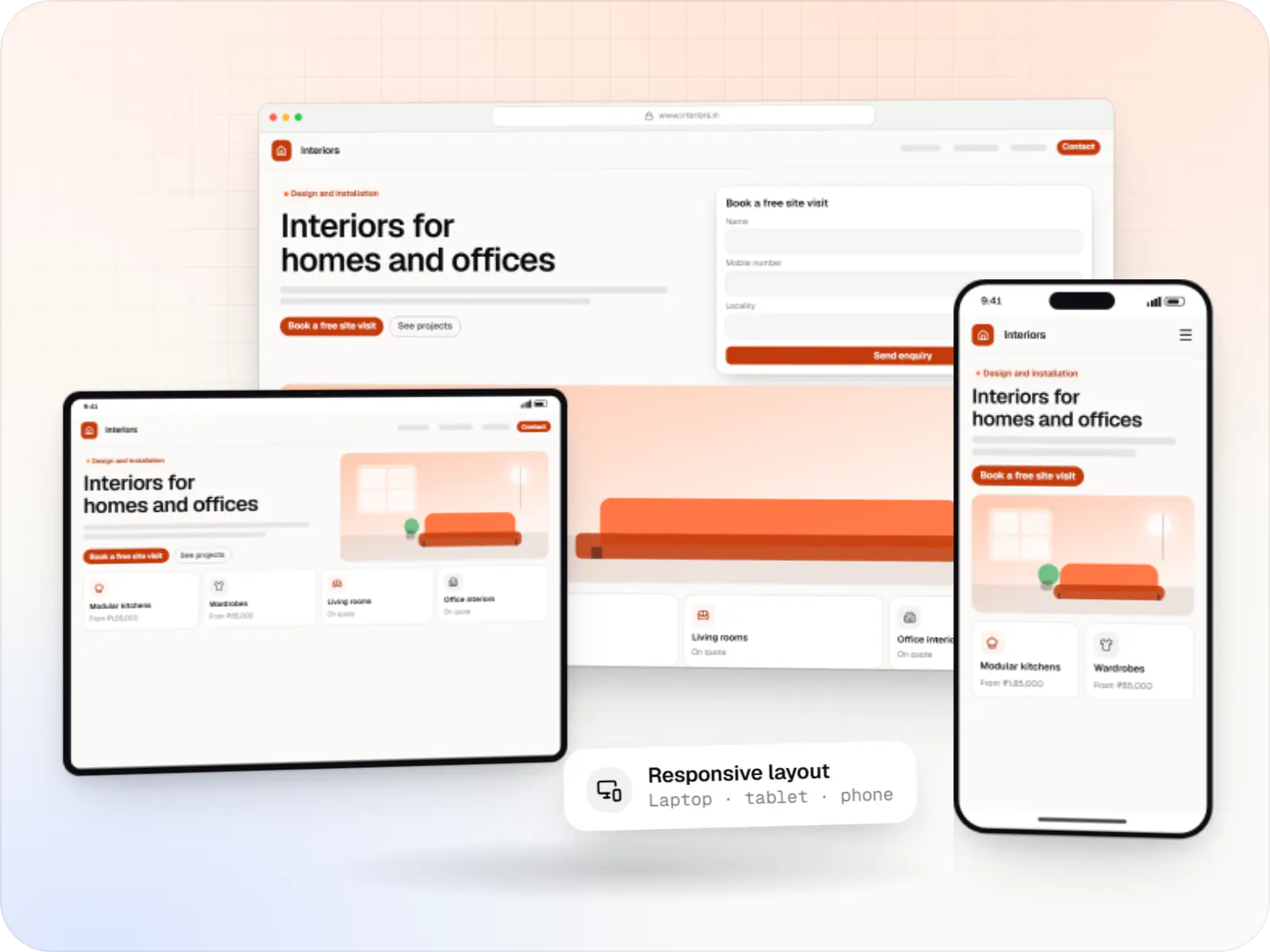
Fast, SEO-ready company and marketing websites with a CMS your team can edit, designed and built by our in-house team.
Work
Illustrative projects that show how we would approach a product in this sector.
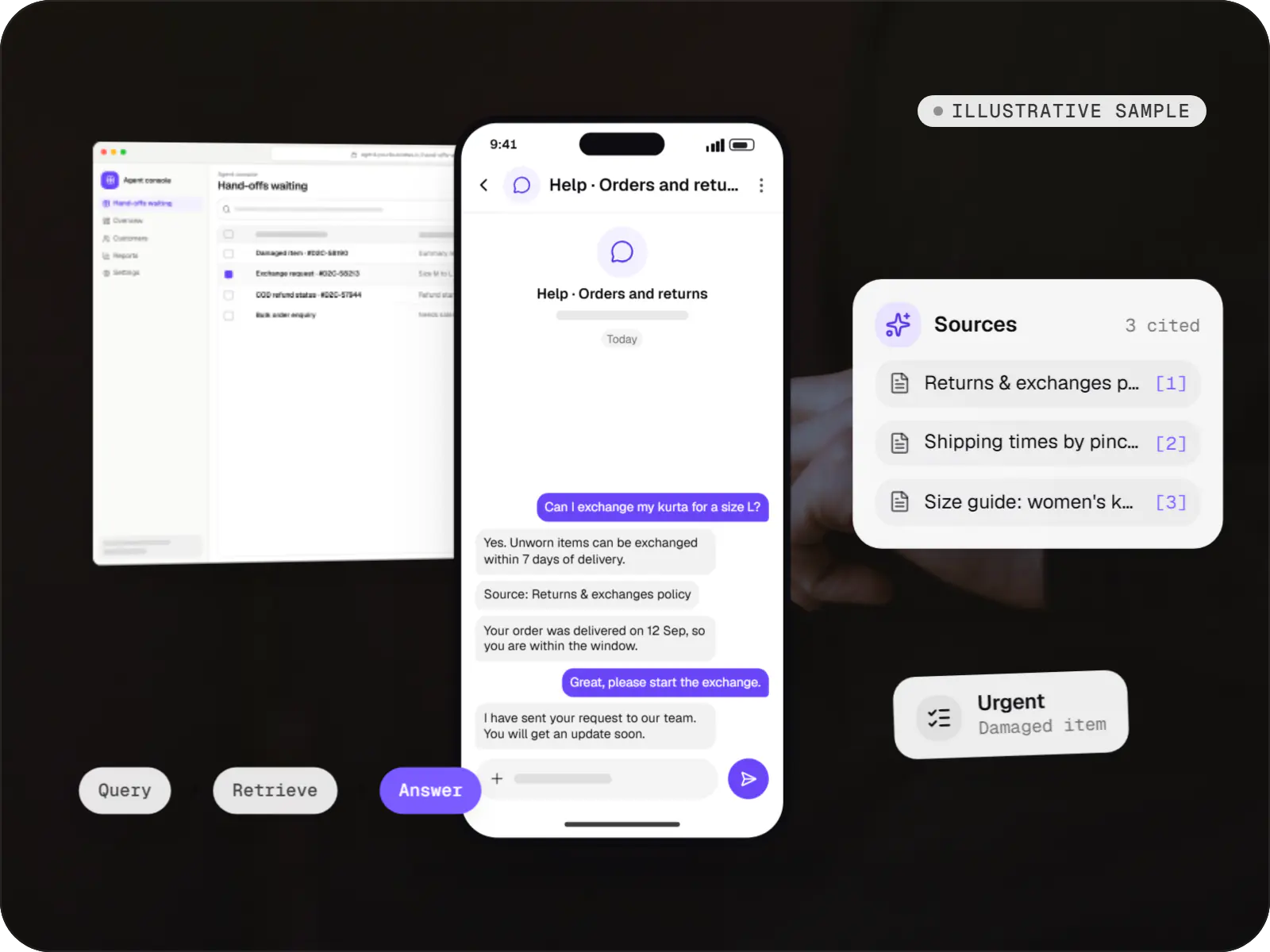
AI solutions
An illustrative AI assistant that answers order, return and product questions from a D2C brand's own policies and order data, with sources and a human hand-off.
Runs on
Built with
FAQ
Virtual try-on is usually done by integrating a specialist provider's SDK or web component rather than building face tracking from scratch, which would be slow and costly. We handle the integration, shade mapping and performance on mid-range phones. Results vary with lighting and camera quality, so we present try-on as a guide alongside real swatches and reviews, not a replacement for them.
Stock is recorded at batch level when goods arrive, with manufacturing and expiry dates. Pick lists follow first-expiry-first-out, near-expiry stock is flagged for discounting or return to vendor, and each shipment records which batch went to which customer. If a complaint or recall comes in, you can list every order that received the affected batch without digging through paper records.
A chatbot can help customers navigate your catalogue: explaining ingredients listed on your products, comparing items and suggesting routines based on your own content. It should not diagnose skin conditions or give medical advice, and we configure it to hand over to a human or suggest seeing a dermatologist in those cases. Answers are grounded in your product data, with guardrails and logs your team can review.
Next step
Share your catalogue and channels. We'll suggest discovery and inventory features that fit.