
Web
Next.js
A modern web technology for fast, search-friendly websites, online stores and web applications that load quickly on mobile.
Used for
- Business websites
- Online stores
- Web apps
- Customer portals
Industries · Fashion & apparel
Handle variant-heavy catalogues, fit questions and exchanges without drowning your team.
At a glance
What it is
E-commerce and retail software for fashion labels and apparel sellers: size-colour variants, fit guidance, returns and seasonal drops.

For fashion labels, ethnic wear brands, apparel retailers and marketplace sellers selling online, in stores or both.
How to start
Tell us what you need in your own words. You talk to the developers who would build it and get a written, line-item estimate.
Get a project estimateEvery fashion product is really a grid of sizes and colours, each with its own stock. Collections change with the seasons, end-of-season sales clear what's left, and a large share of orders come back because of fit.
We build fashion commerce around that reality: variant-aware catalogues and stock, size guidance tied to garment measurements, exchange-first returns and fast image-led browsing on mobile. For brands with stores, the same inventory feeds counters, the website and marketplaces.
Challenges
Size confusion leads to exchanges and returns that cost two shipments.
Popular sizes sell out while others linger, and online stock doesn't reflect store holdings.
Every drop needs photography, measurements and variant setup across channels.
Collections must sell through before the season ends or be marked down.
Solutions
Across 3 areas
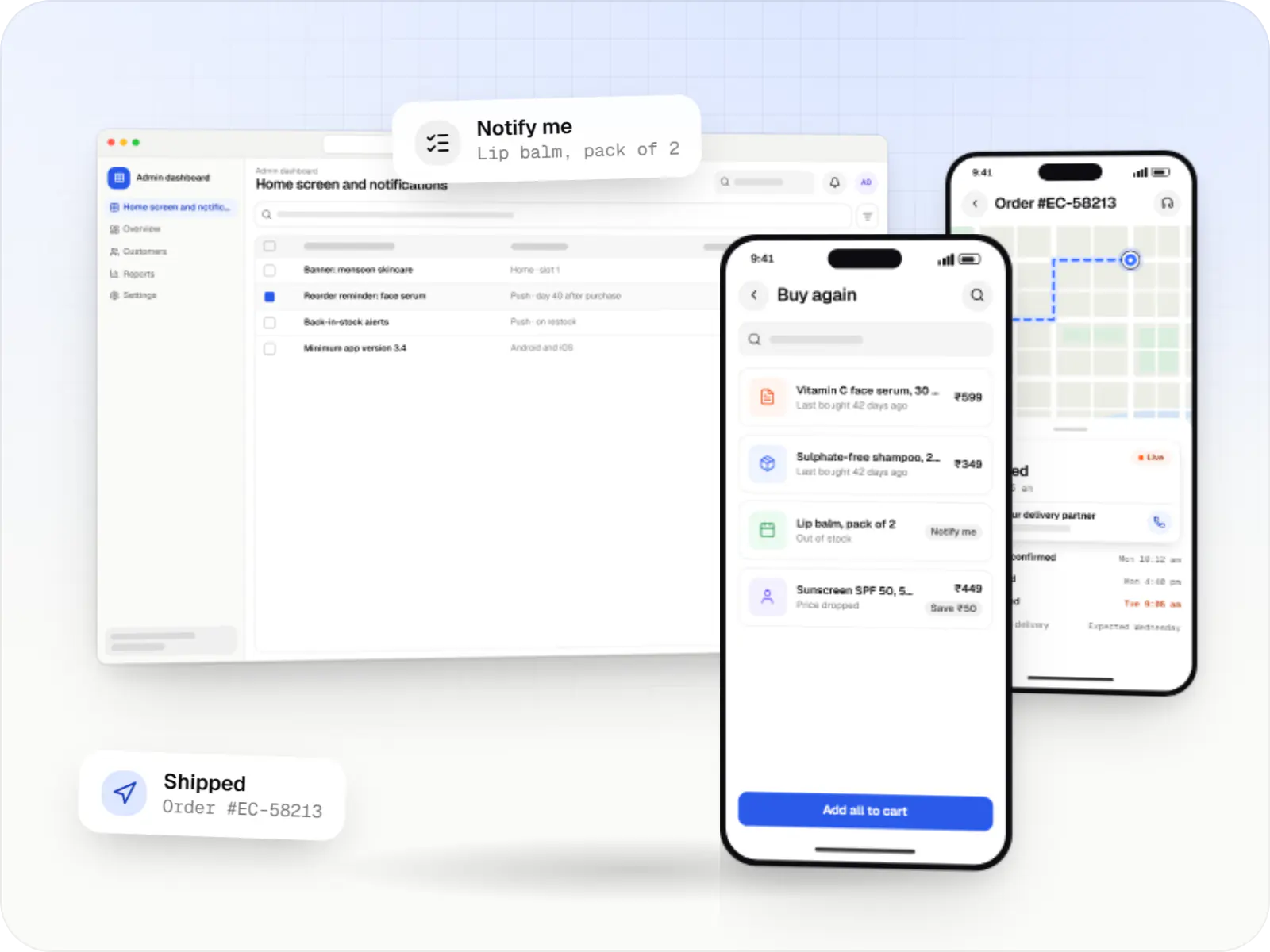
Android and iOS shopping apps with quick browsing, UPI checkout and push notifications, sharing one backend with your website.
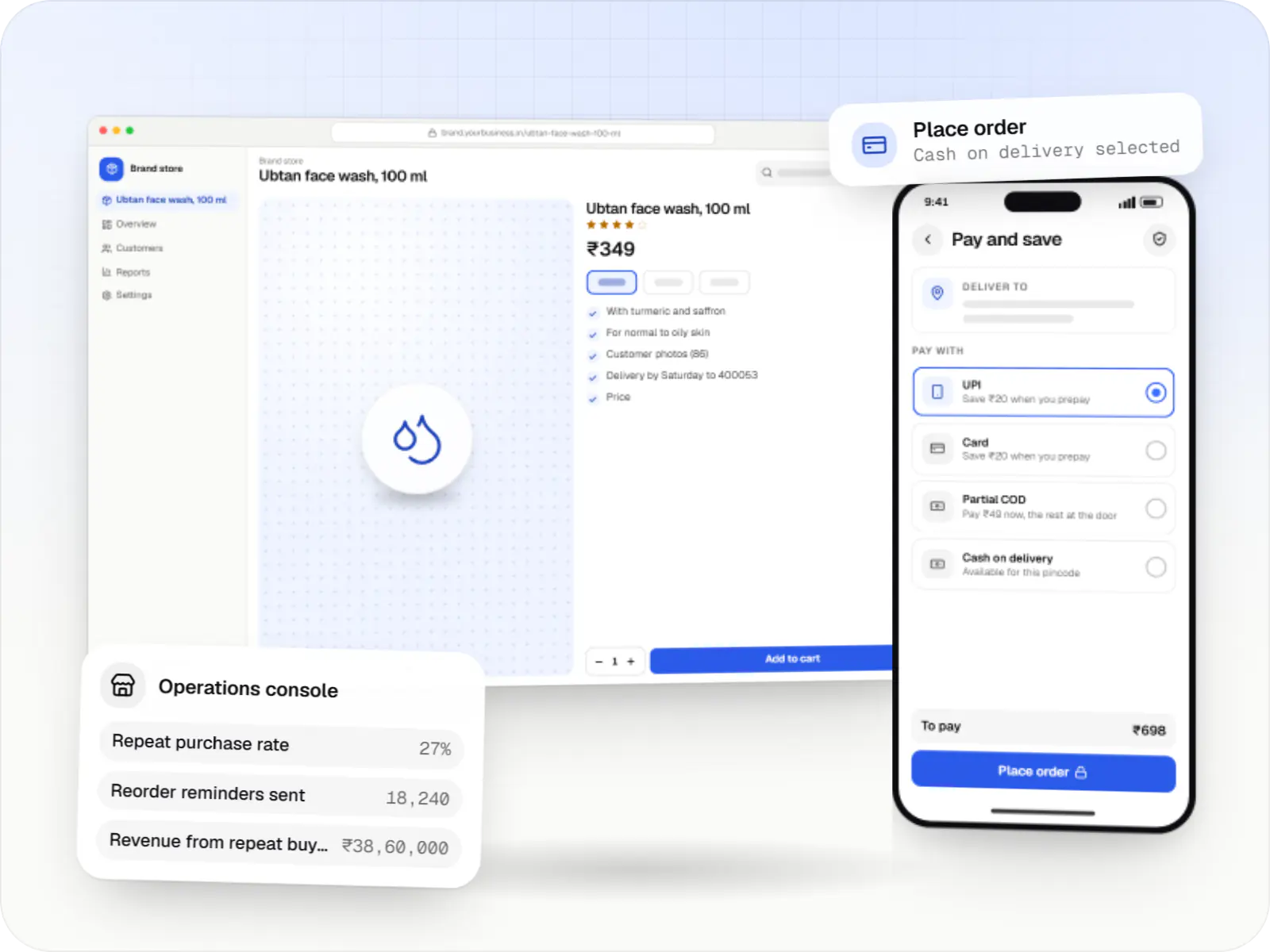
Brand-owned online stores for D2C companies, with conversion-focused checkout, retention tools, server-side tracking and multichannel stock sync.
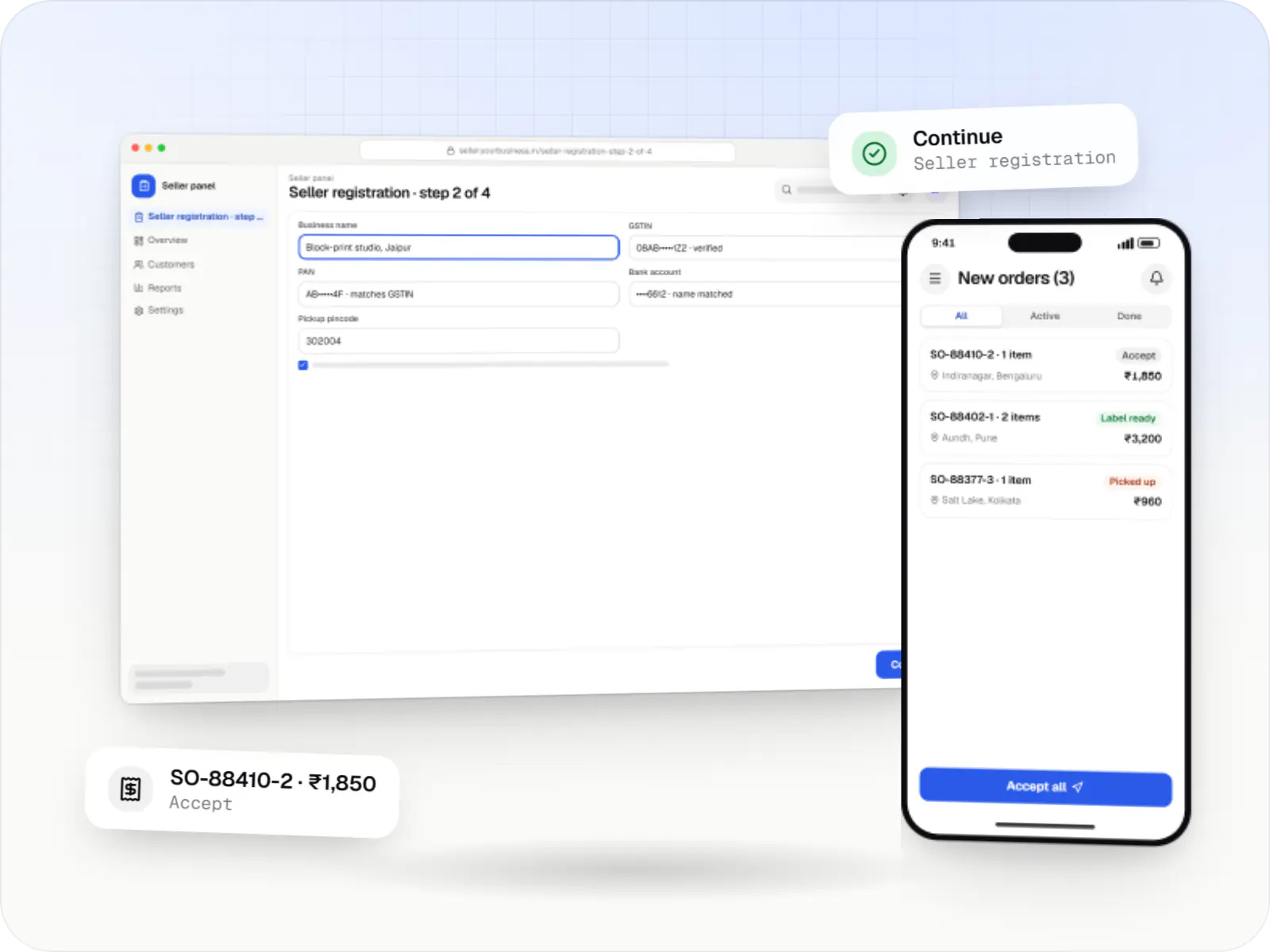
Multi-vendor marketplaces with seller onboarding, commission rules, split payouts, per-seller invoicing and catalogue moderation.
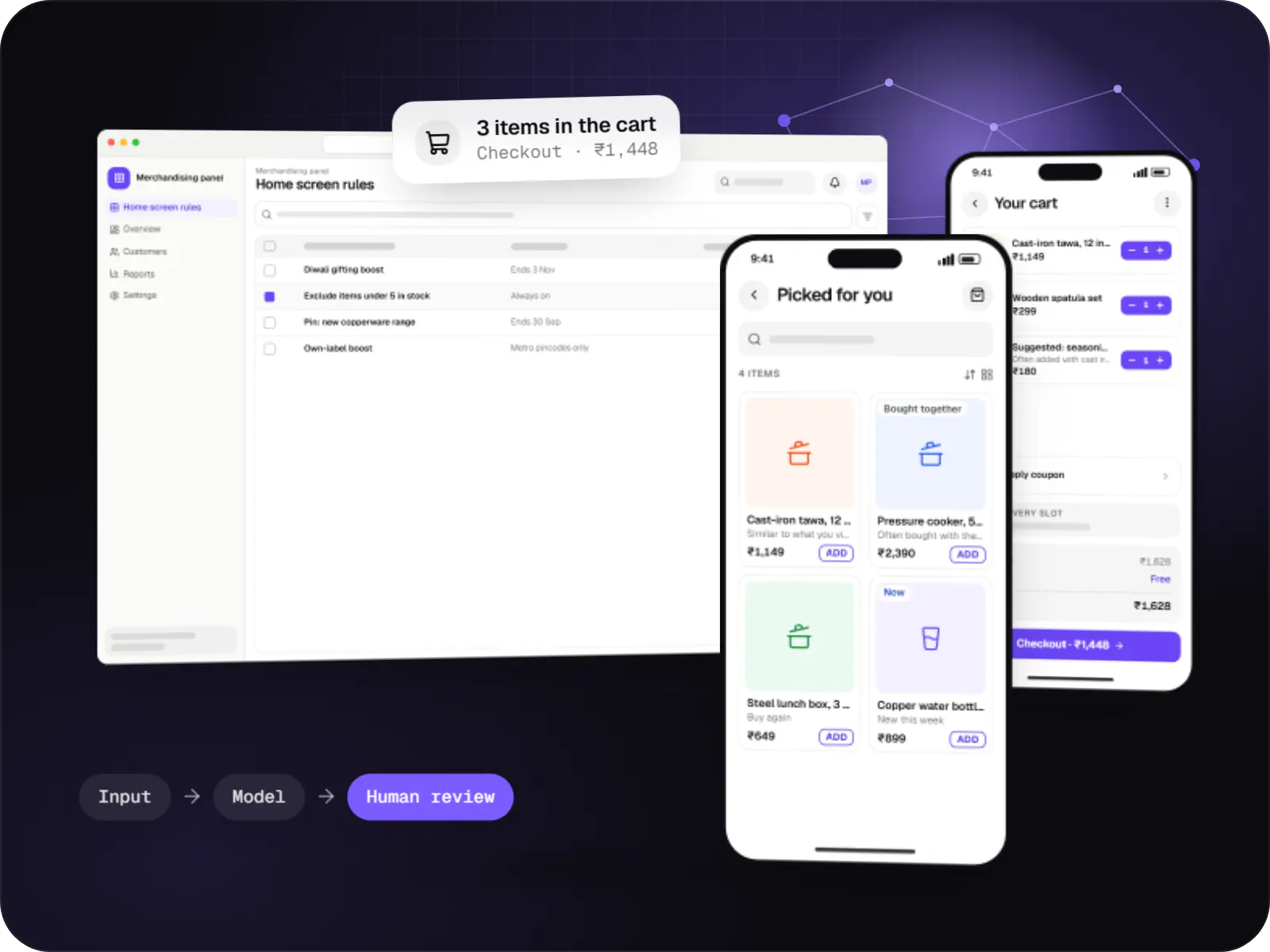
Product, content and offer recommendations built from your behavioural data, with business rules, cold-start handling and A/B testing.
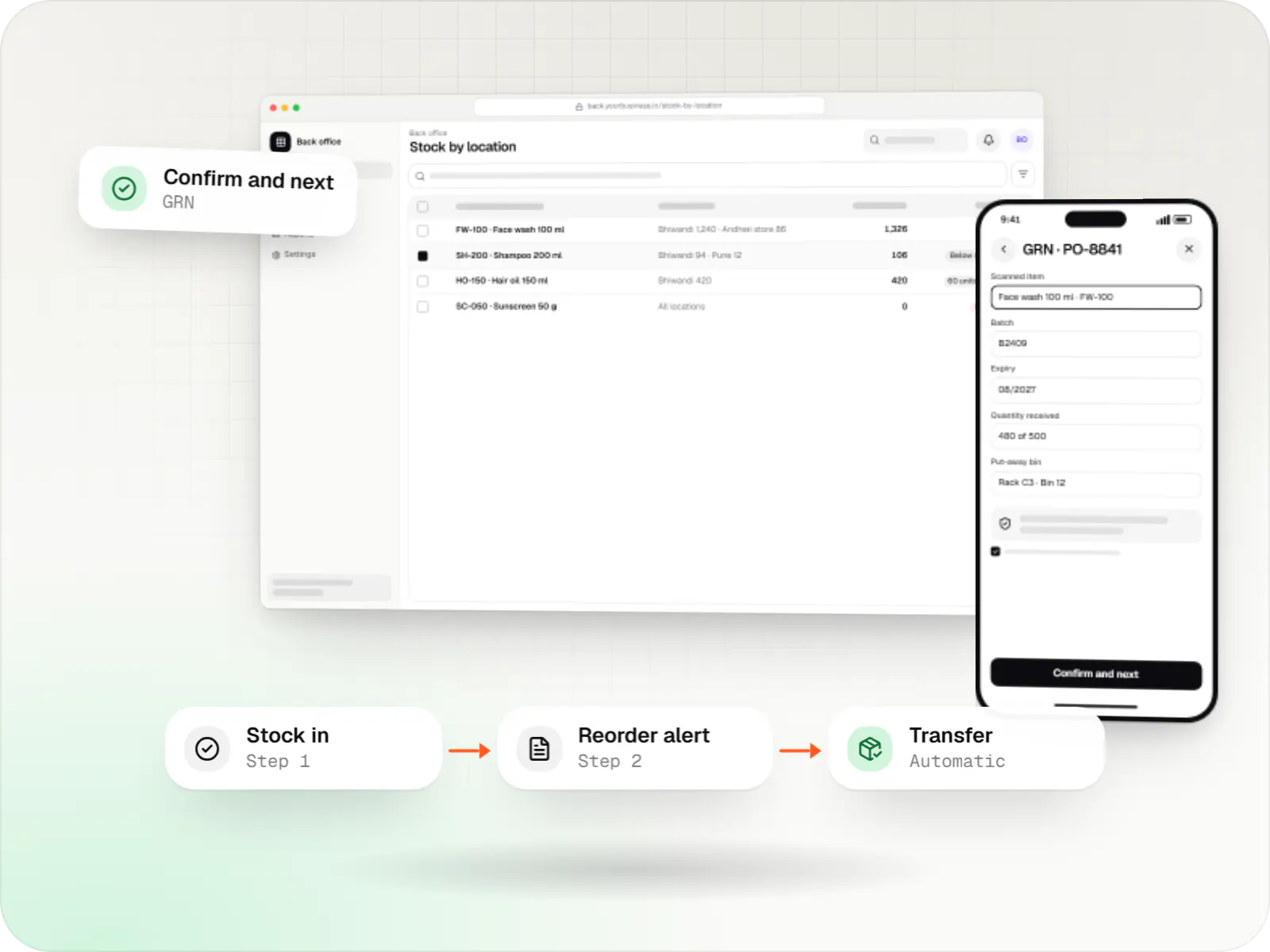
Custom inventory software for multi-location stock, batch and expiry tracking, barcode scanning and marketplace stock sync.
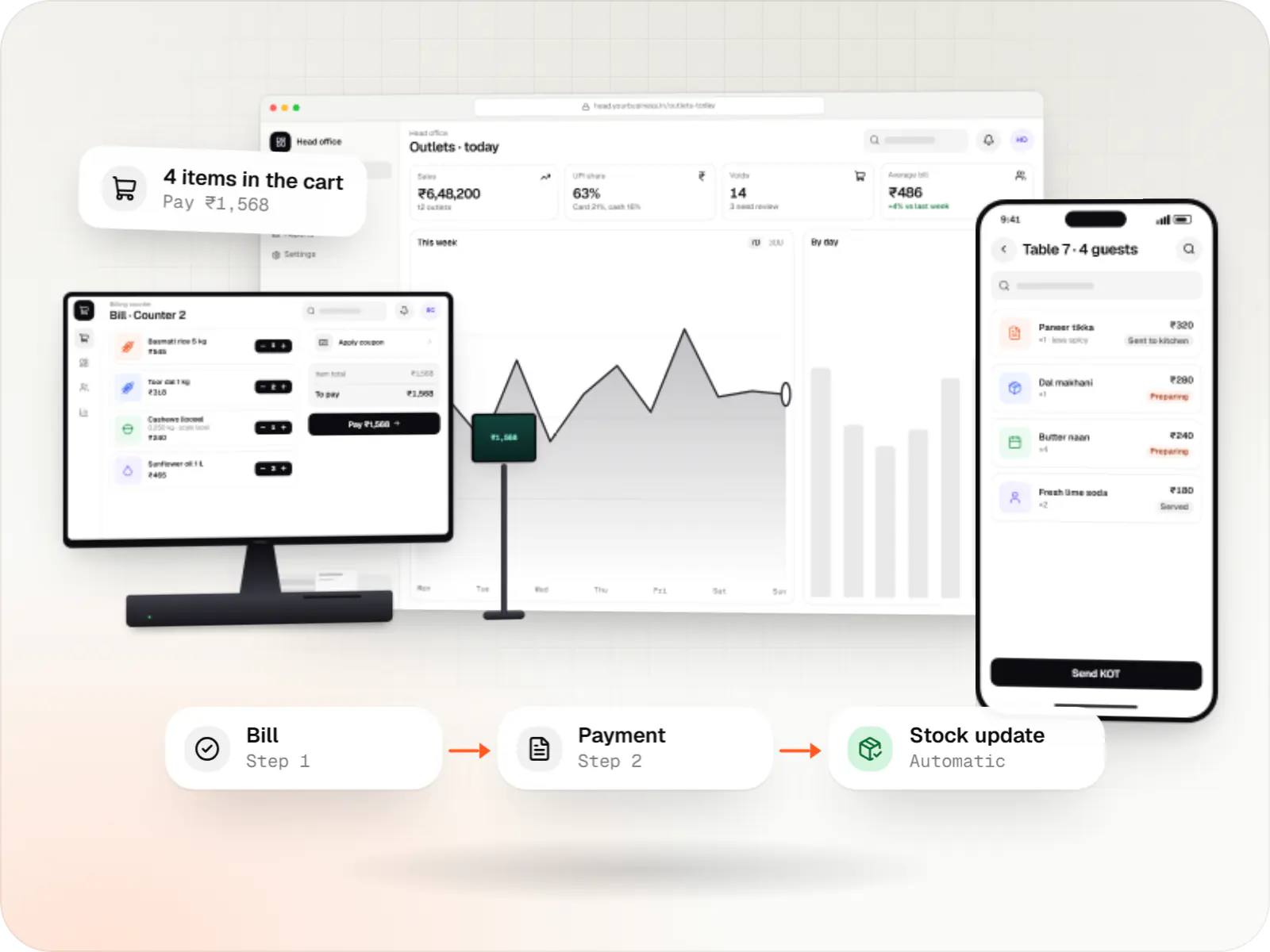
Custom point-of-sale software with offline billing, UPI QR payments, GST invoices, hardware integration and central control for multiple outlets.
Measurements per style, fit notes and size suggestions from past purchases.
Size and colour grids with swatches, per-variant images and stock.
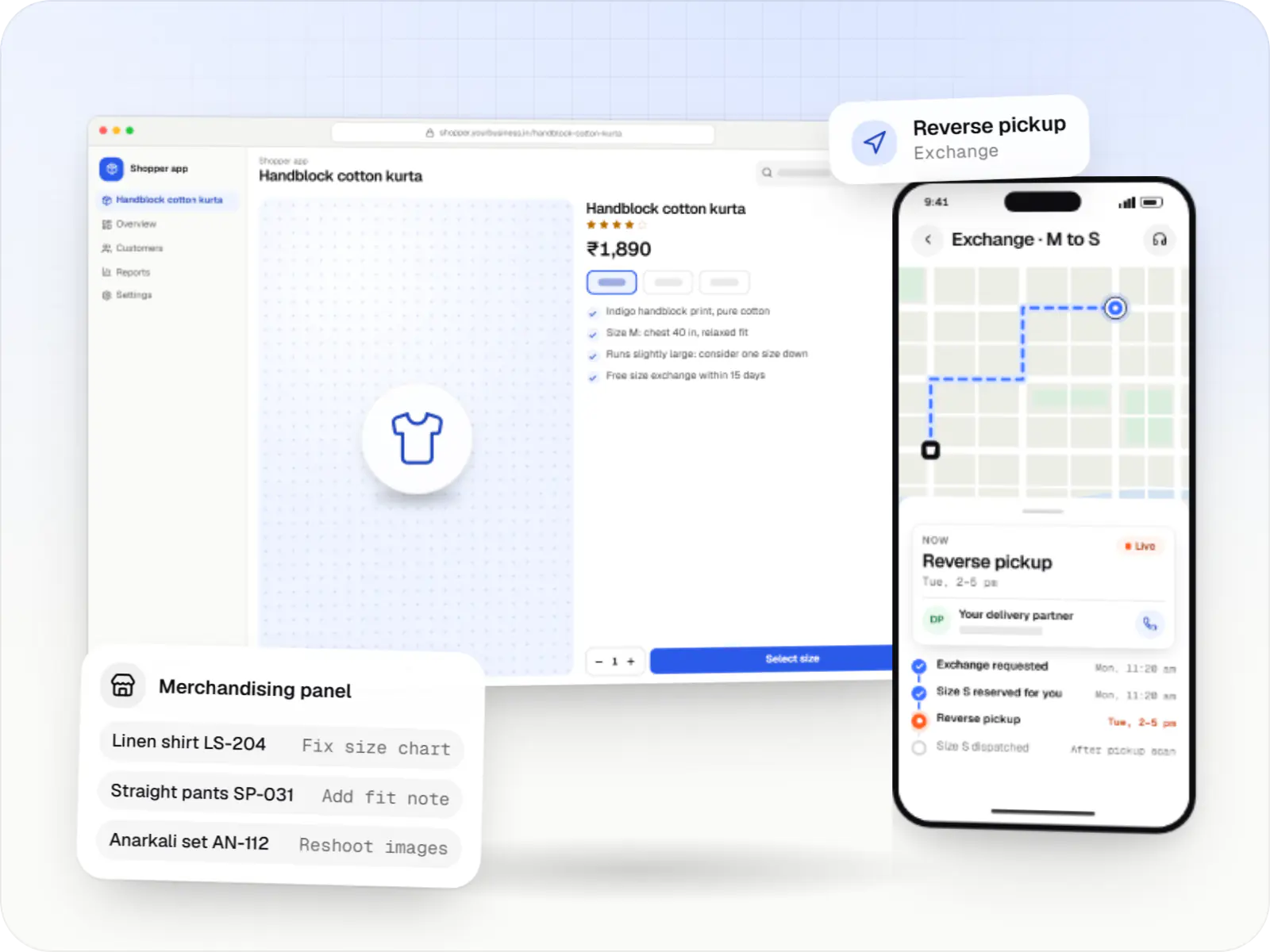
Size swaps reserved instantly, with reverse pickup and store credit options.
Scheduled launches, lookbooks and pre-orders for new collections.
Spreadsheet and image uploads that create variants and marketplace listings.
How it works
Size-level stock and exchange-first rules stop a wrong size from becoming a lost sale.
Garment measurements and fit notes for that style, plus a suggestion based on what they kept before, guide the choice.
Stock is held by size and colour across the warehouse, stores and marketplaces, so the reserved piece is really available.
If the warehouse is out of that size, a store that holds it can fulfil the order.
The replacement size is reserved immediately, so it can't sell out while the original travels back.
Once the pickup is scanned and the item checked, the new size ships and the return reason is logged.
Styles with frequent fit returns are flagged, so the size chart or fit note can be fixed for the rest of the season.
Platforms
Marketing and content websites: fast, search-friendly pages with a CMS your team can update without a developer.
Apps for Android phones and tablets, tested on budget and mid-range devices and published on Google Play or privately.
Apps for iPhone and iPad, built to Apple's guidelines and released through TestFlight and the App Store.
Installable web apps with offline support and notifications, useful when an app-store listing isn't essential or phones have little storage.
Back-office panels for operations, support and finance teams: orders, users, content, reports and permissions.
Technology
Web
A modern web technology for fast, search-friendly websites, online stores and web applications that load quickly on mobile.
Used for
Web
Builds interactive screens in the browser, such as dashboards, admin panels and portals, that respond instantly as your team works.
Used for
Backend
Runs the server side of apps: fast, scalable back ends that power your app, website and integrations.
Used for
Data
A reliable database for the records your business runs on: orders, payments, bookings and stock, kept accurate and easy to report on.
Used for
Data
Keeps frequently used data in fast memory, so apps stay quick on busy days and live features like order tracking feel instant.
Used for
Cloud & DevOps
Cloud hosting for your app, website and data, with data centres in India and room to grow when traffic rises.
Used for
Plain-English glossary
Product preview
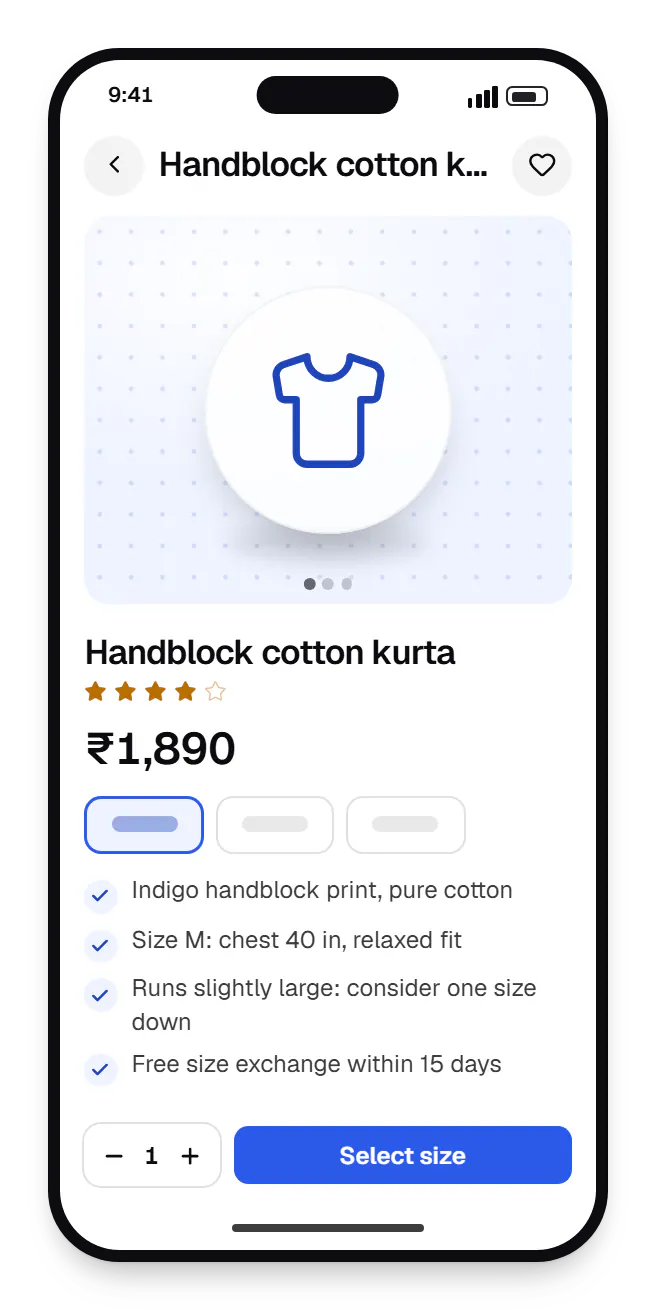
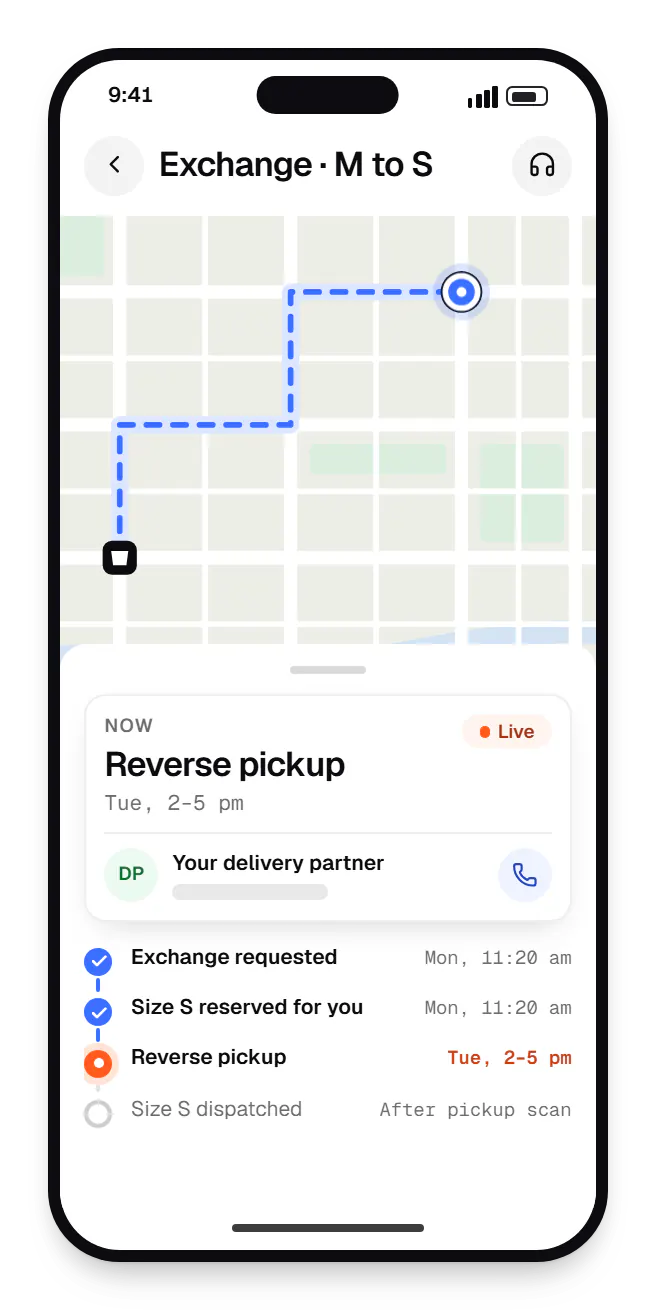
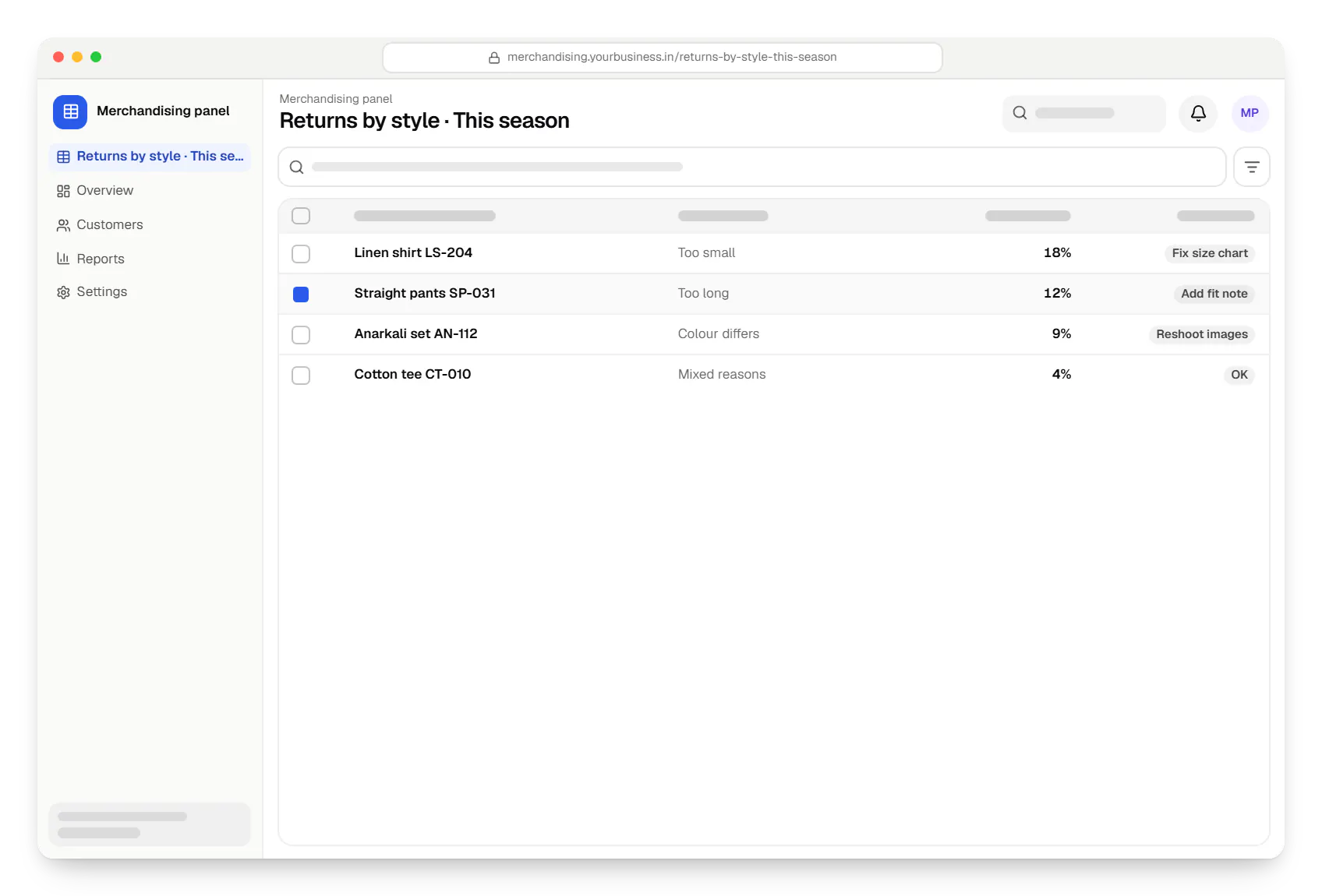
Sample screens: names, prices and figures are examples, not client data.
Work
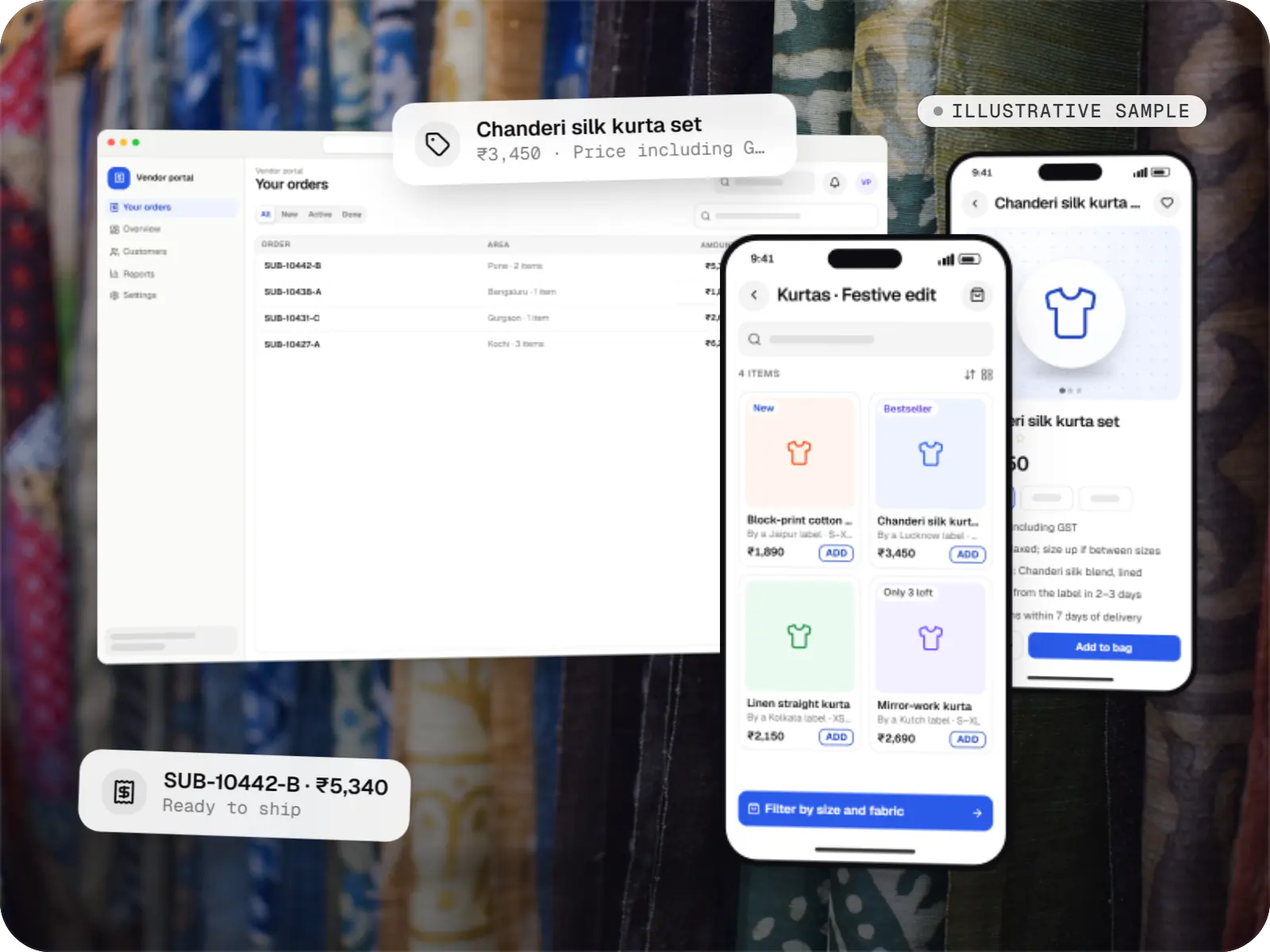
E-commerce & marketplaces
An illustrative marketplace where independent fashion labels sell through one storefront, with vendor onboarding, commission rules, multi-pickup shipping, returns and scheduled payouts.
Runs on
Built with
Cost drivers
Frequent drops need stronger import, image and variant tooling.
Exchange reservations, QC checks and store credit add workflow depth.
Syncing stores, your own site and marketplaces raises integration effort.
Estimates are written from your scope, with the effort and assumptions behind each line item.
How pricing worksServices
The design and engineering services our in-house team combines on projects in this sector.
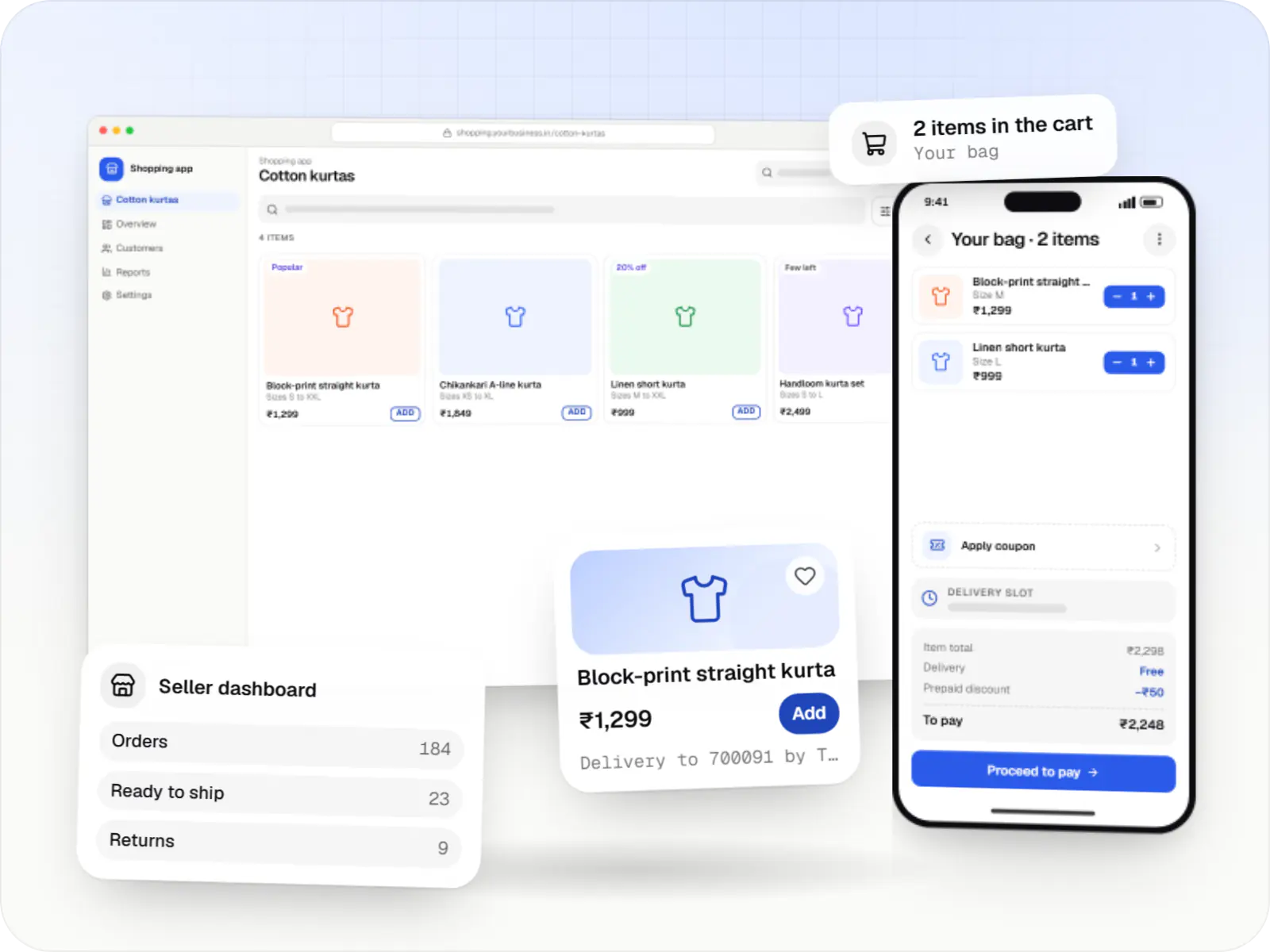
Online stores, shopping apps and B2B ordering portals on Shopify, WooCommerce or custom stacks, wired to Indian payments, couriers and GST invoicing.
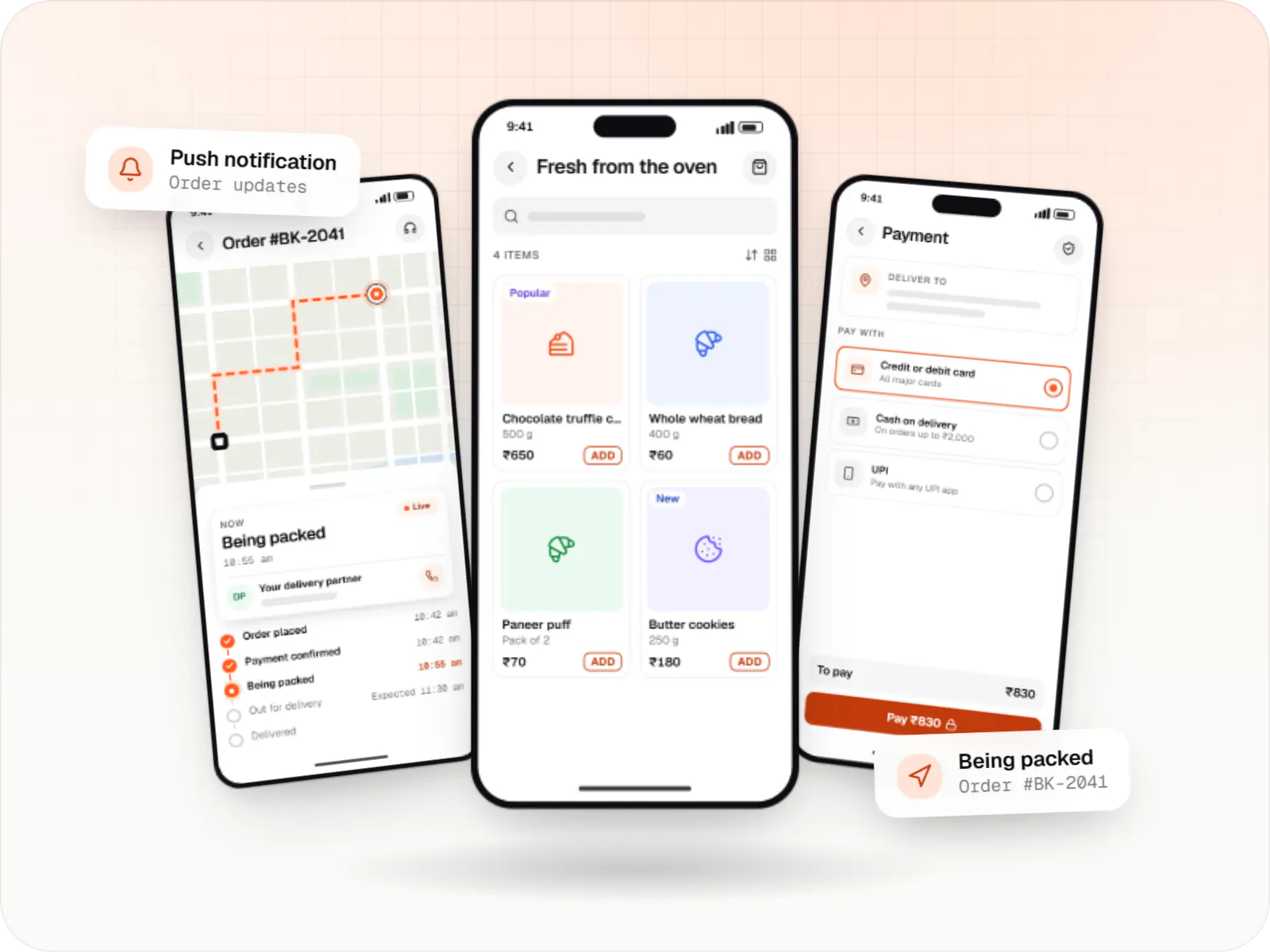
Native and cross-platform Android and iOS apps, from first release through regular store updates, built by our in-house designers and engineers.
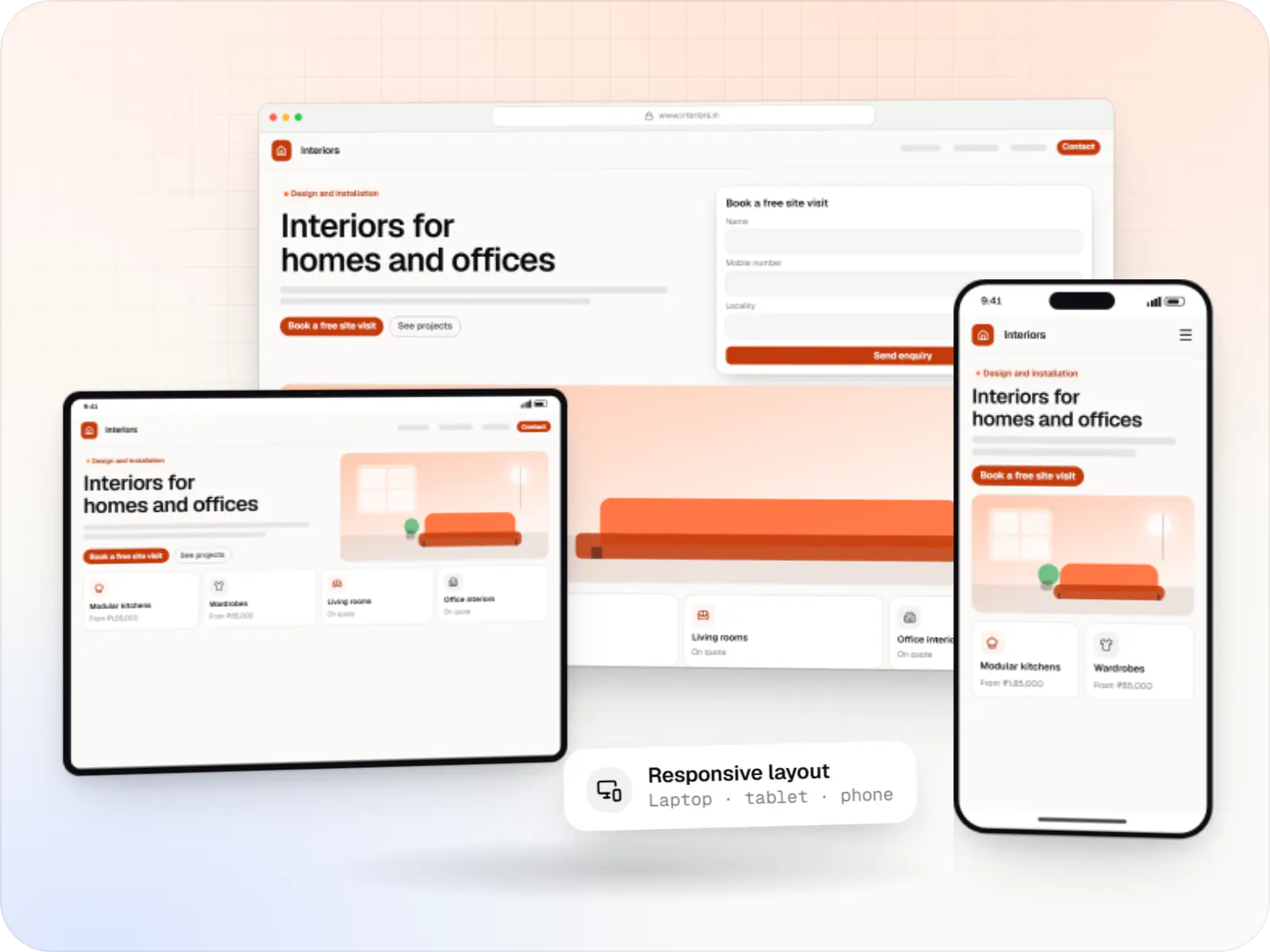
Fast, SEO-ready company and marketing websites with a CMS your team can edit, designed and built by our in-house team.
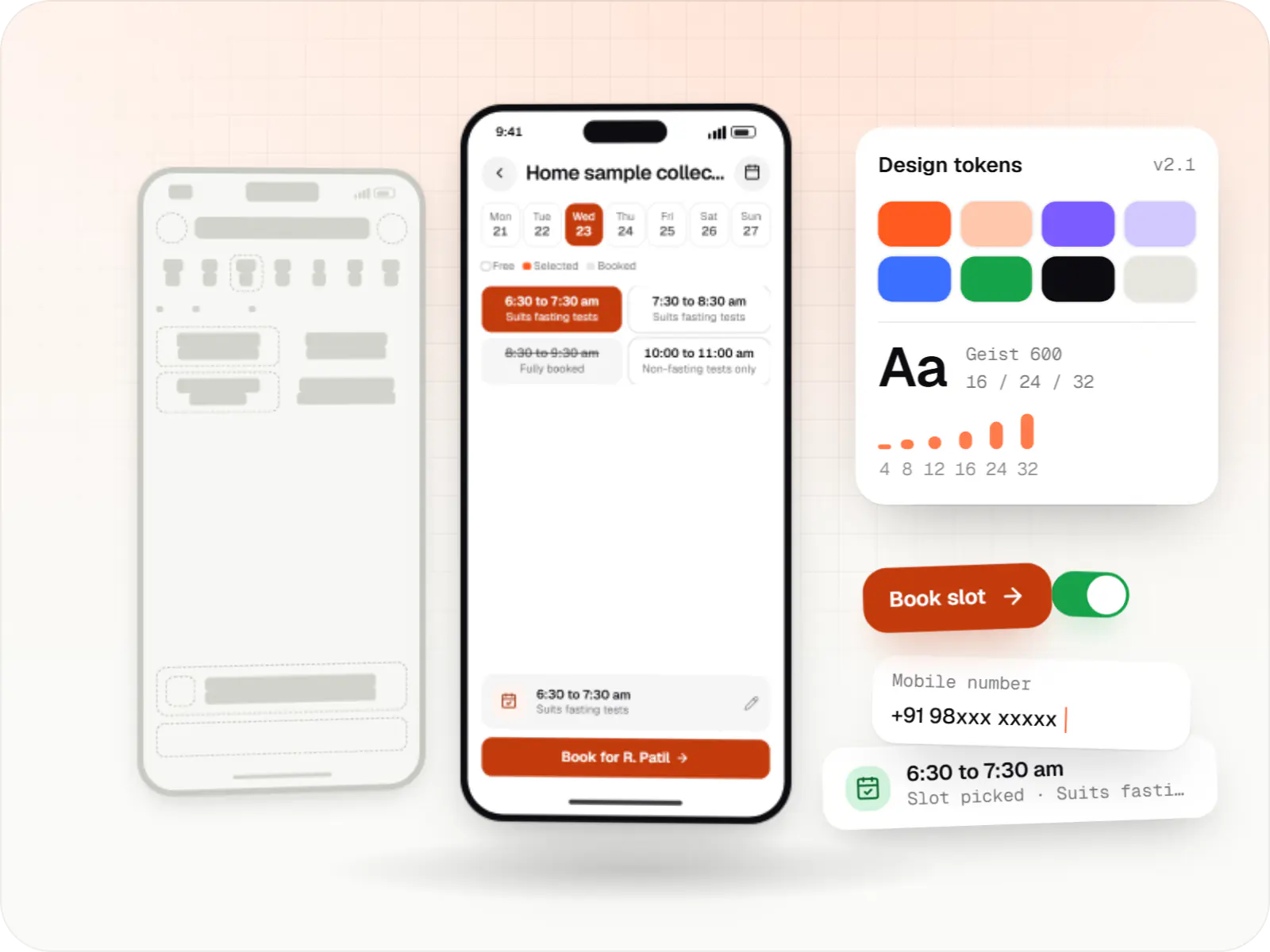
Product design for web and mobile apps: research, user flows, wireframes, prototypes and design systems that engineers can build from.
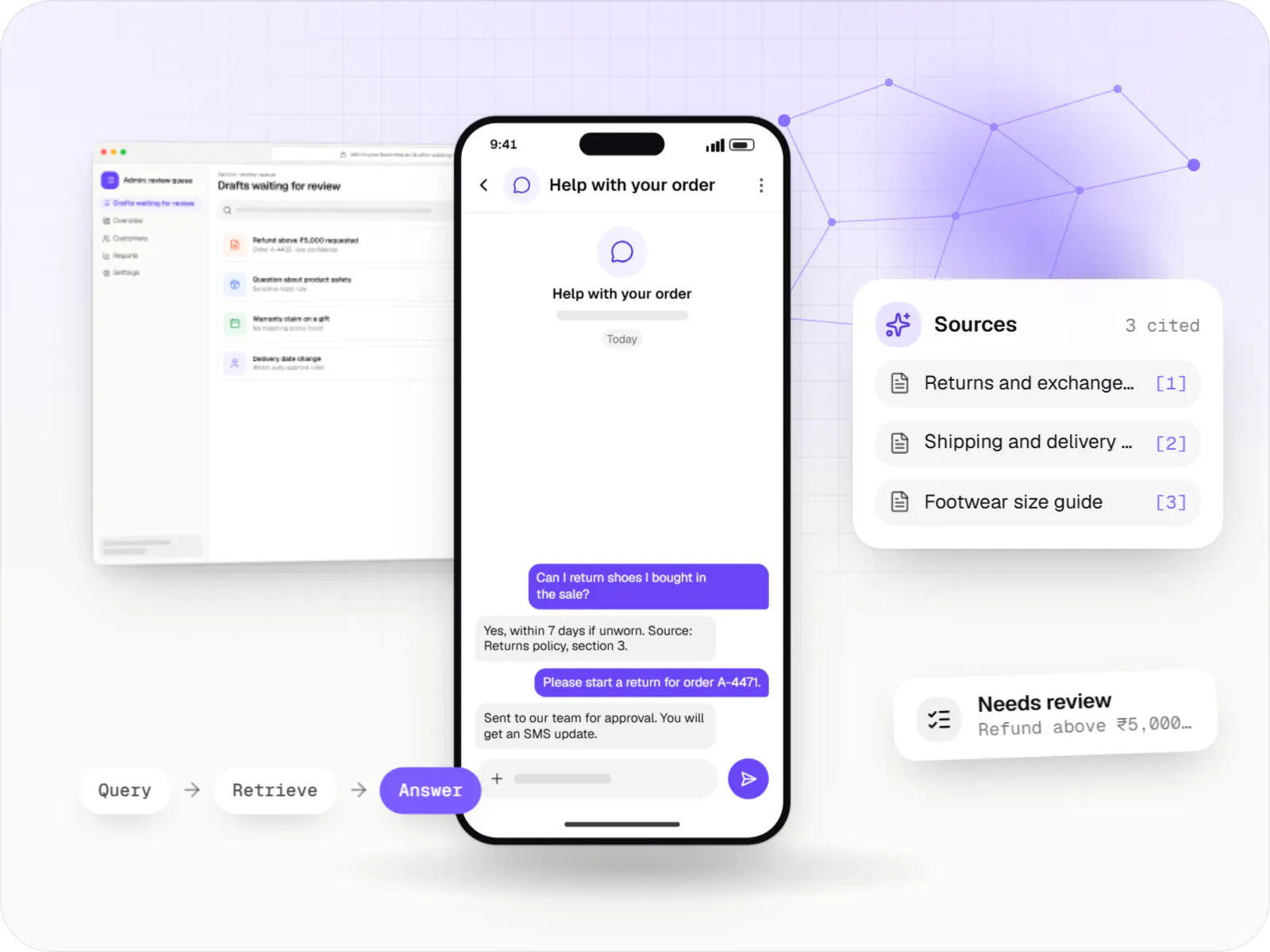
AI features and AI-first apps built on model APIs, retrieval over your own data, workflow automation or custom ML, with evaluation and human review.
FAQ
They can help, though no tool removes fit returns entirely. The most dependable approach is accurate garment measurements per style, clear fit notes such as runs small, and suggestions based on what a customer kept or exchanged before. We capture return reasons in a structured way, so you can spot styles with sizing problems and fix the size chart, which often helps more than a clever algorithm.
When a customer requests a different size, the system reserves that variant immediately so it can't sell out while the original item travels back. The replacement ships once the reverse pickup is scanned, or straight away for trusted customers, depending on your rules. If the size isn't available, the customer is offered store credit or a refund, and every step updates stock across channels.
Yes. A shared inventory service can power store billing, the website, apps and marketplace listings, with stock held per location. Online orders can be fulfilled from a store when the warehouse is out, and customers can return online purchases in a store. Fashion brands often gain the most here, because size-level stock is spread thinly across locations.
Next step
Tell us about your catalogue and channels. We'll recommend where custom software pays off.