Skip to content
Softcoderz

E-commerce · Fashion & apparel

E-commerce website development for fashion and apparel brands

Online stores for clothing, ethnic wear and accessories brands, built around fit, photography, exchanges and stock that stays accurate across channels.

This page brings together

Runs on
  • Website
  • PWA
  • Admin
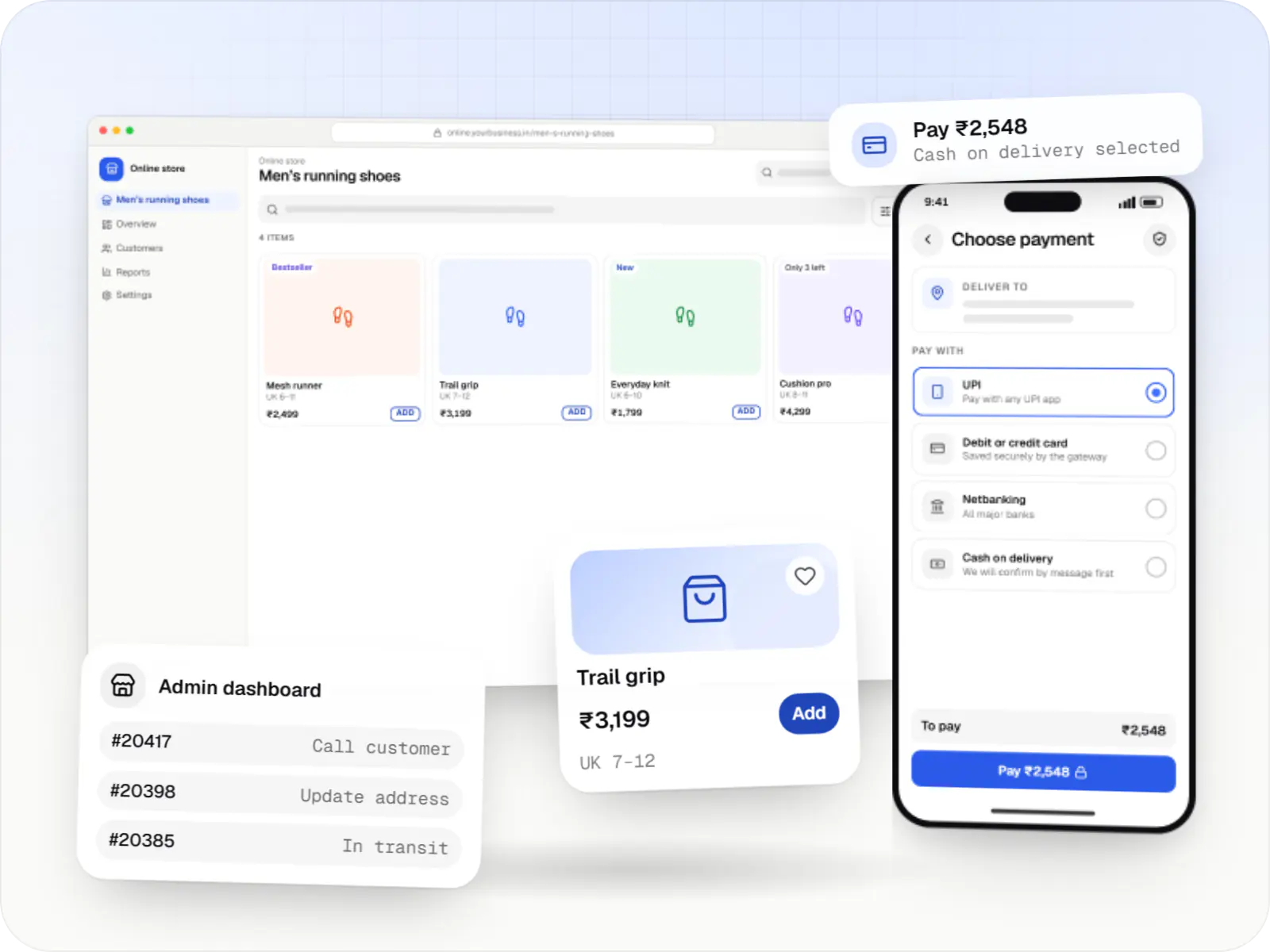
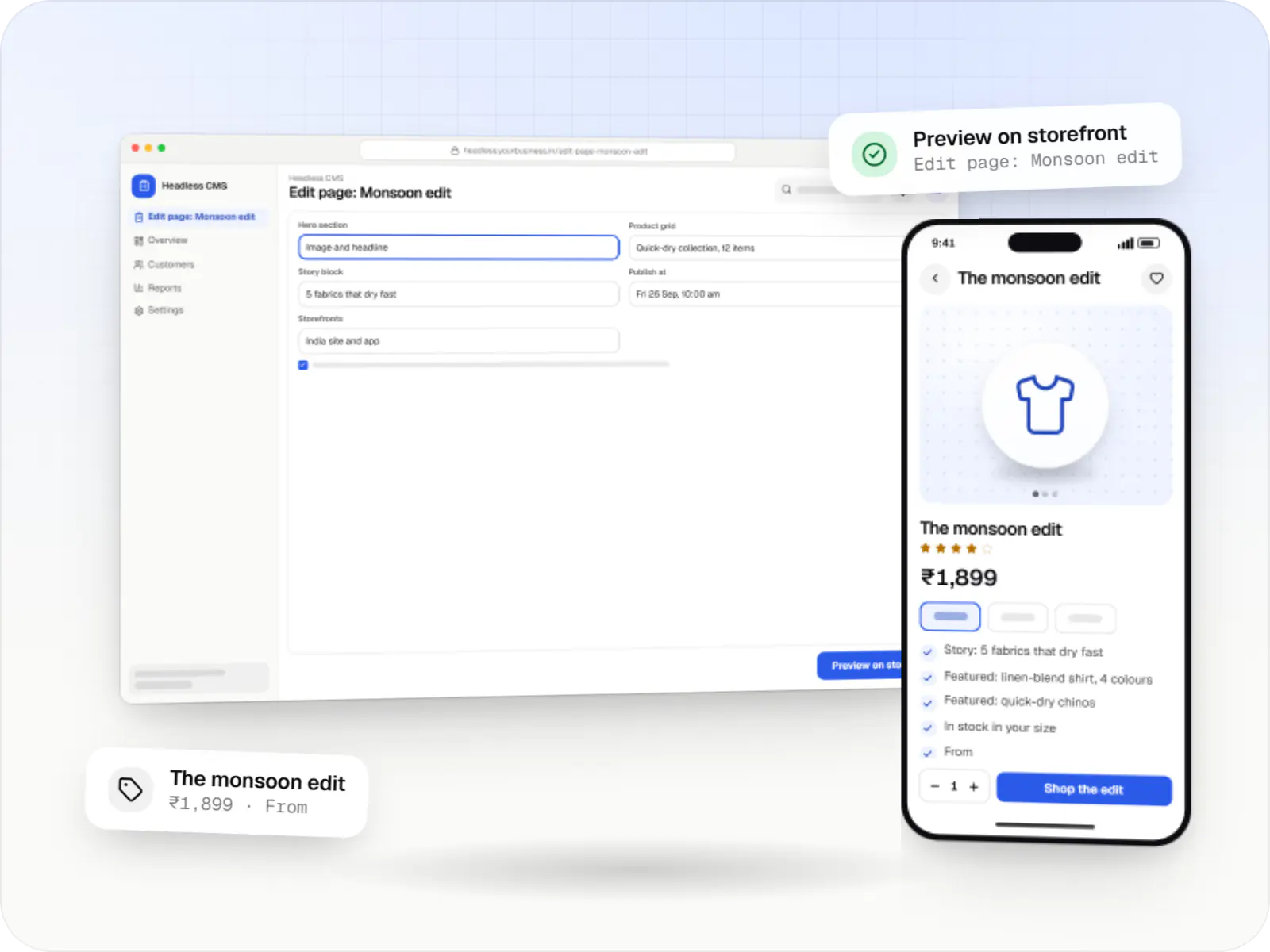
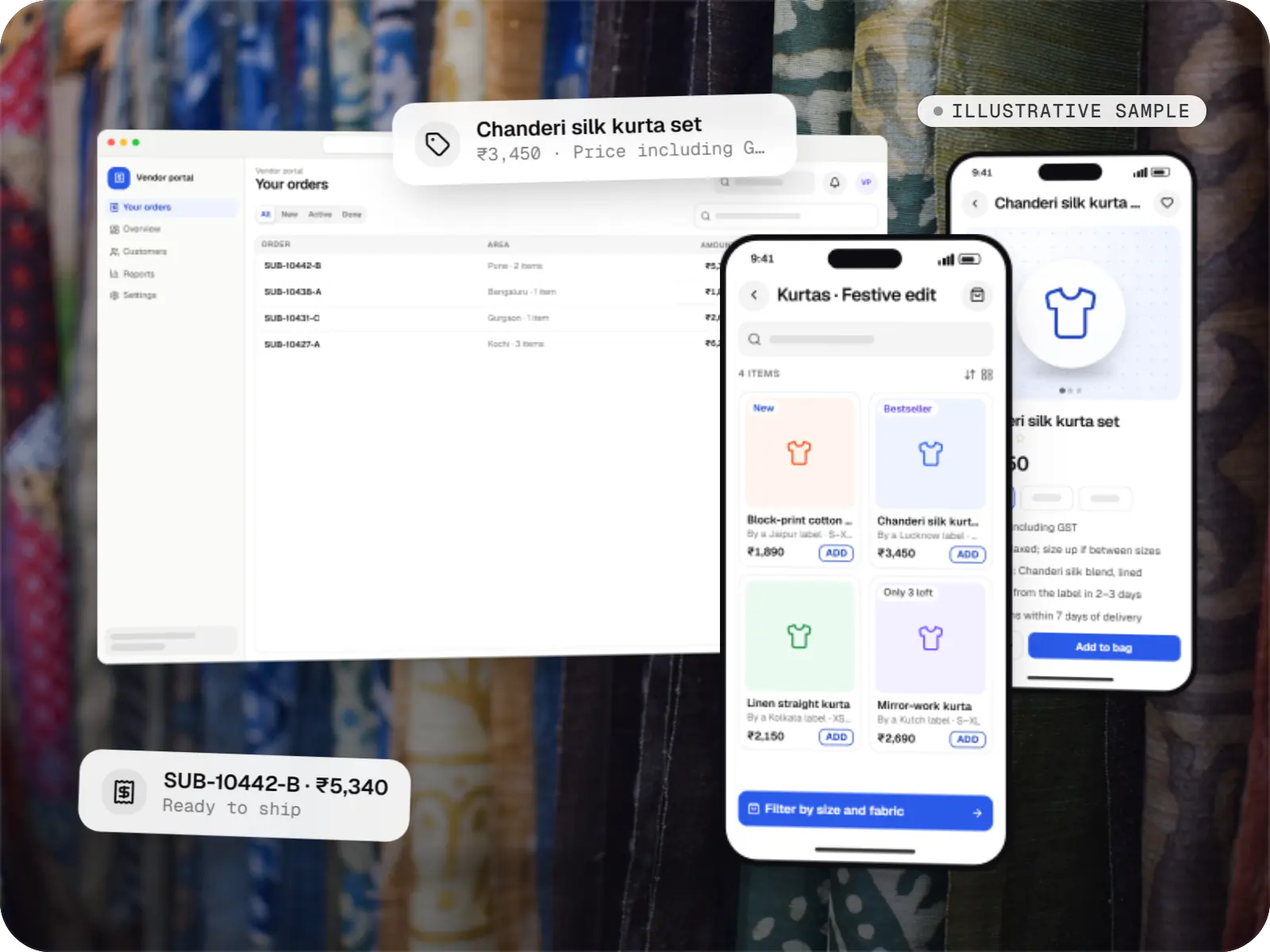
E-commerce website screens: storefront catalogue in a browser, online store on a phone and a seller orders card
Illustrative previewA shopper's path from the storefront to payment, with the seller's orders arriving on the other side.

Why fashion stores need different engineering

A clothing product is really a grid: one style in several sizes and colours, each a separate unit of stock with its own photos. Customers cannot try before buying, so size guides, fit notes and easy exchanges matter as much as the design. Sales peak around festivals, weddings and end-of-season sales, bringing sharp traffic spikes.

Our e-commerce website development for fashion and apparel brands starts with the catalogue model and the returns flow, then the storefront. Ethnic wear often needs made-to-measure options such as blouse stitching. Brands with stores or marketplace listings need stock accurate everywhere, or the site sells pieces that are already gone.

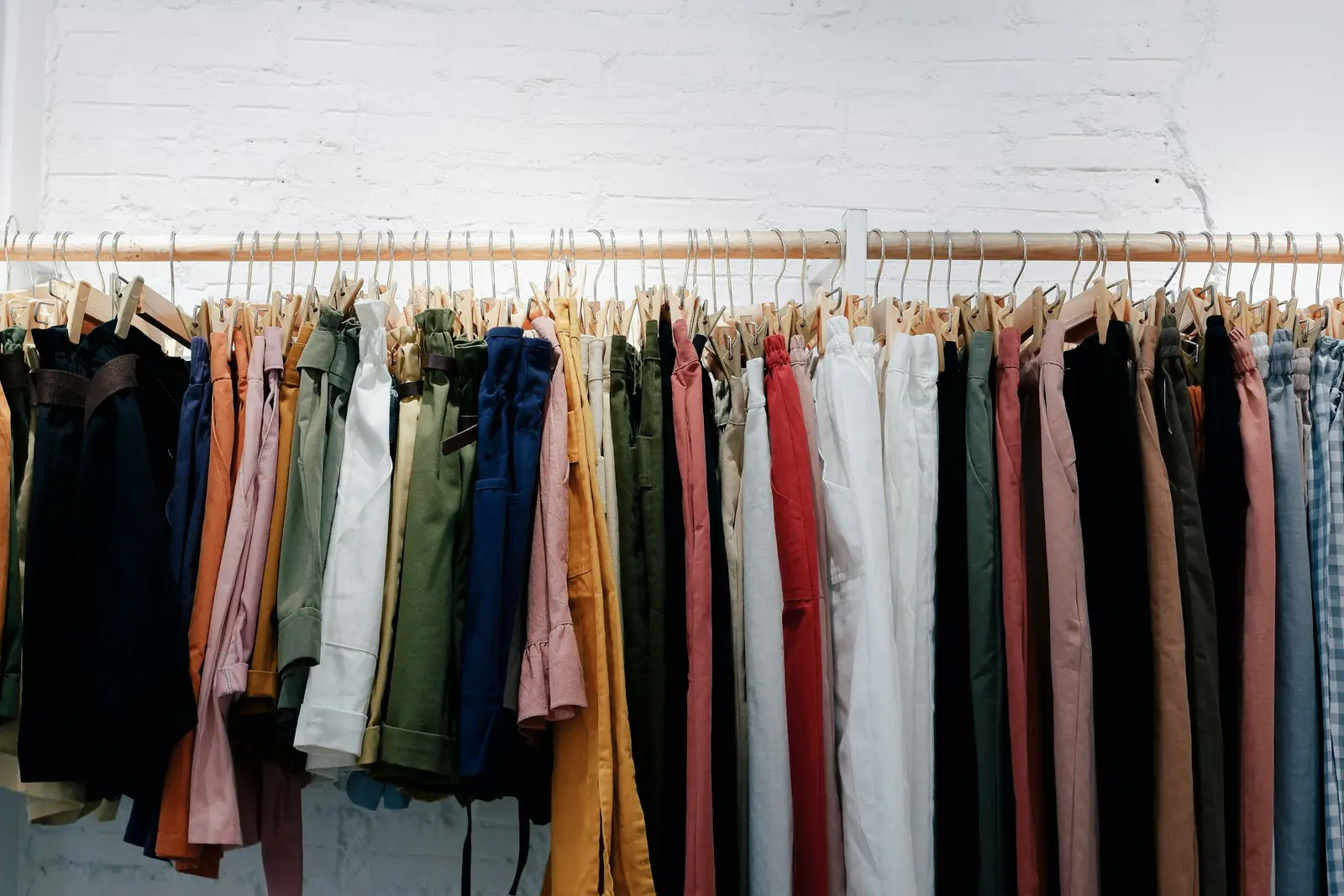
Rail of colourful trousers and shirts on wooden hangers against a white brick wall in a clothing store

Challenges

Where apparel brands lose sales online

  1. Size uncertainty

    Brand-specific size charts, garment measurements and fit feedback reduce abandoned carts and exchange requests.

  2. Exchanges handled as refunds

    Most fit problems need a size swap, not a refund. An exchange-first flow keeps the sale.

  3. COD parcels that come back

    Refused COD orders cost shipping both ways; checks before dispatch cut avoidable returns.

  4. Stock split across channels

    Stores, warehouse and marketplace listings drift apart without one source of truth.

  5. Tax that depends on price

    Apparel GST can depend on an item's value, so discounts must be applied before tax is worked out per line.

What is included

What a fashion storefront and back office include

  • Platform: Website

    Shopping experience

    • Filters for size, colour, fabric, fit and occasion
    • Colour swatches that switch photos and stock
    • Size guides with garment measurements
    • Back-in-stock alerts for a specific size
    • Made-to-measure options for ethnic wear
  • Platform: Website

    Checkout

    • UPI, cards, wallets and pay-later options
    • COD rules by pincode with WhatsApp confirmation
    • GST invoices per line with HSN codes
  • Platform: Customer portal

    Returns and exchanges

    • Self-serve size or colour exchange with stock reserved
    • Reverse pickup through Shiprocket, Delhivery or your courier
    • Refund to source or store credit
  • Platform: Admin dashboard

    Merchandising

    • Bulk upload of style, size and colour matrices
    • Image pipeline with CDN delivery
    • Drops, pre-orders and scheduled sale prices
    • Sell-through and return-reason reports

Comparison

Shopify or a custom build for a fashion brand

Both can be right, depending on how unusual your catalogue, returns and channel mix are.

Shopify or a custom build for a fashion brand
Shopify with a custom themeCustom build (Next.js with a headless backend)
Time to launchFaster, on a ready commerce engineLonger, as more is built and tested
Exchanges and made-to-measureThrough apps, with limits on custom logicBuilt to your exact rules
Store and marketplace stockUsually via an OMS app or connectorDirect integration with your OMS or ERP
Running costsMonthly plan plus app subscriptionsHosting and maintenance, no per-app fees
Checkout controlLimited on standard plansFull control over steps and logic

Cost drivers

What drives effort on a fashion store

  1. Catalogue depth

    Styles, variants and photos per variant shape data modelling and uploads.

  2. Exchange and stitching logic

    Stock-reserving exchanges and measurement forms add rules and testing.

  3. Channel integrations

    Each OMS, marketplace link, POS or accounting system is estimated separately.

  4. Sale-day readiness

    Load testing, caching and stock locking before big sales.

Estimates are written from your scope, with the effort and assumptions behind each line item.

How pricing works

Process

How a fashion store build runs

  1. Catalogue model

    We map styles, variants, size charts and stitching options before any design work.

    You getCatalogue schema

  2. Storefront and returns design

    Product pages, checkout and the exchange flow are prototyped and tested on phones.

    You getClickable prototype

  3. Build, load-test and launch

    Fortnightly builds, a load test and a soft launch ahead of your next sale.

    You getLive store

Work

Commerce samples worth a look

  • E-commerce & marketplaces

    Illustrative sample

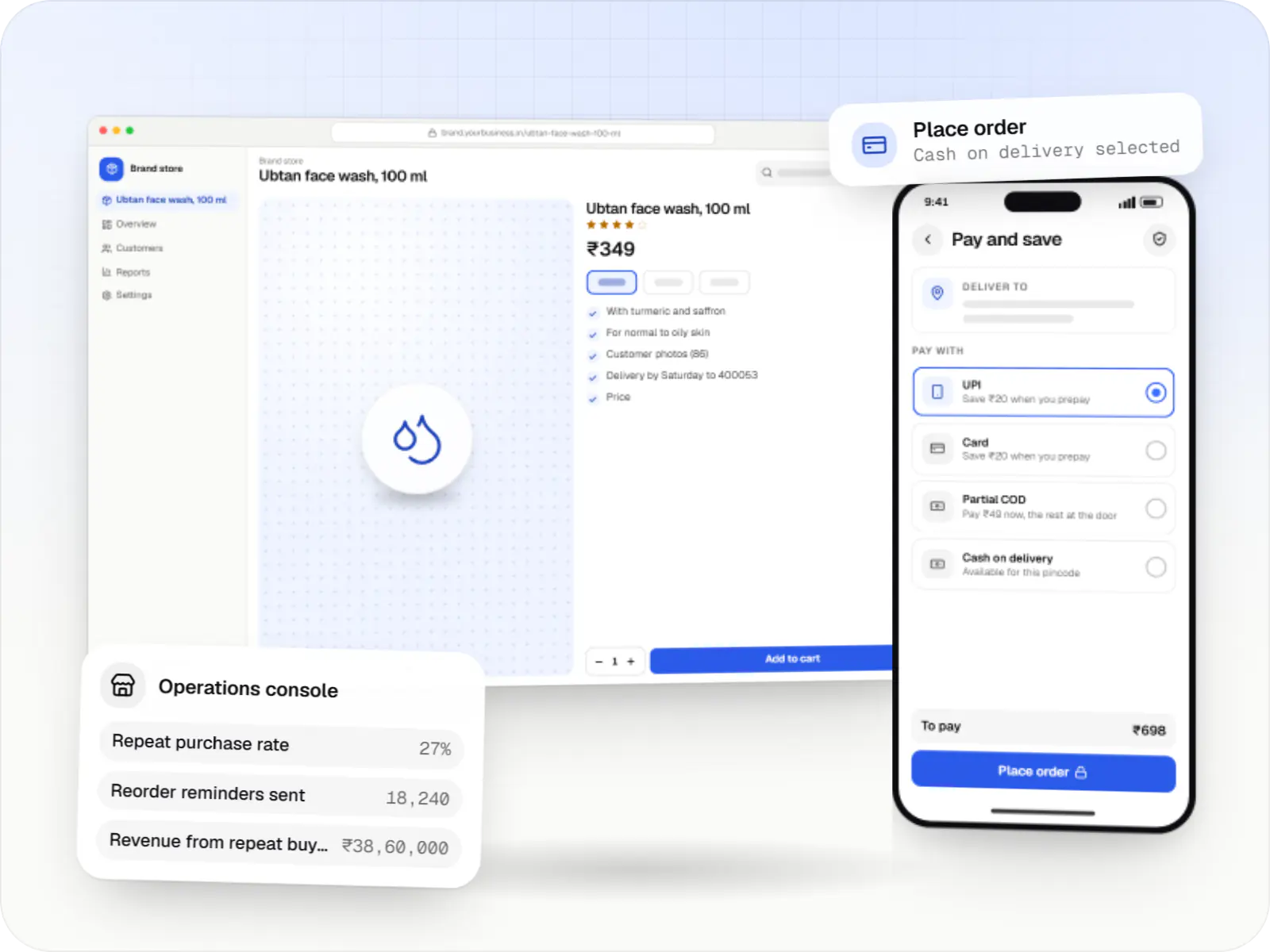
    Multi-vendor fashion marketplace

    An illustrative marketplace where independent fashion labels sell through one storefront, with vendor onboarding, commission rules, multi-pickup shipping, returns and scheduled payouts.

    • E-commerce
    • Marketplace web platform

    Runs on

    • Website
    • Web app
    • Admin

    Built with

    • Next.js
    • NestJS
    • PostgreSQL
    • Redis
    • AWS
    • +1 more
  • AI solutions

    Illustrative sample

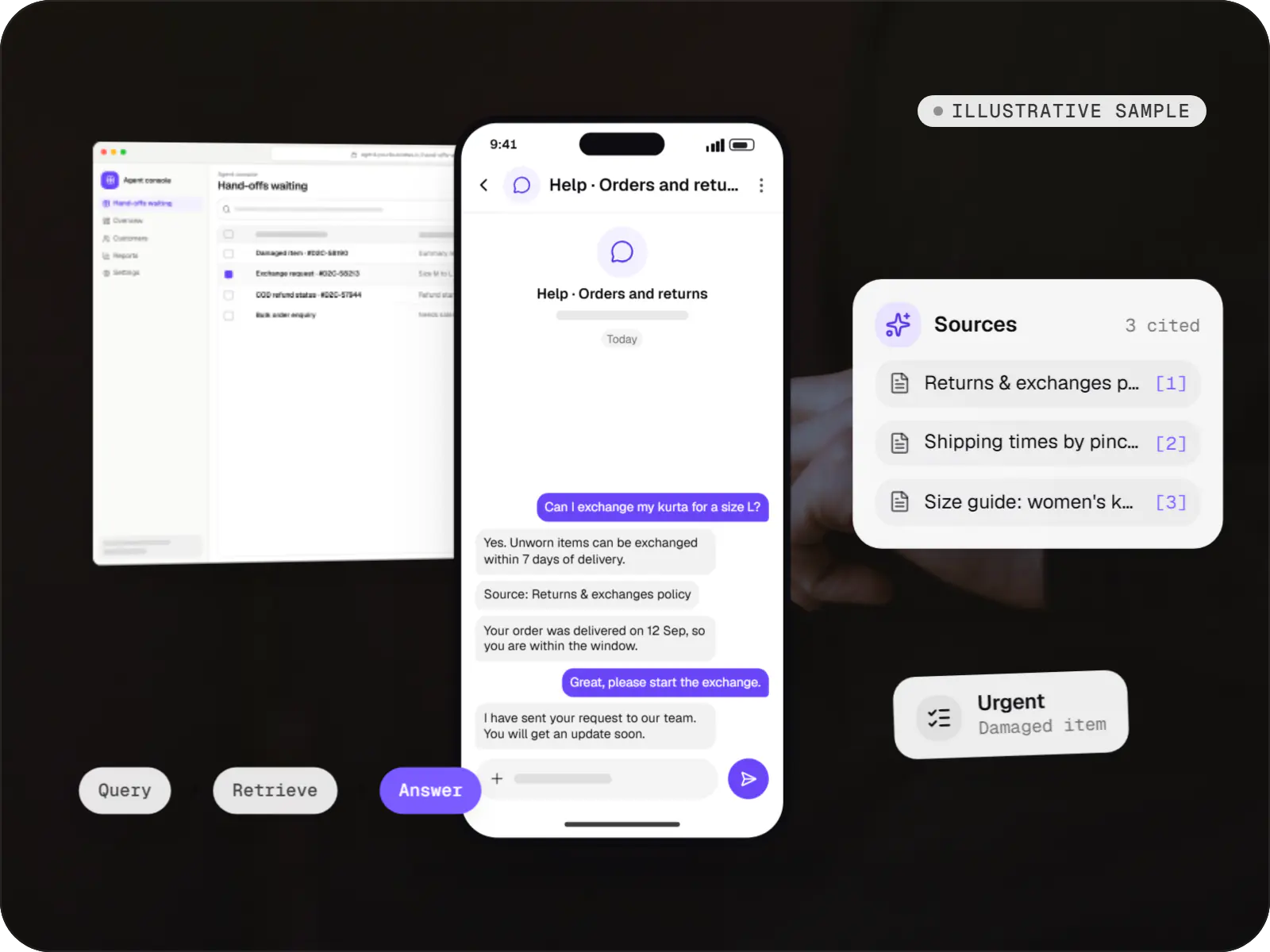
    AI customer support assistant for a D2C brand

    An illustrative AI assistant that answers order, return and product questions from a D2C brand's own policies and order data, with sources and a human hand-off.

    • E-commerce
    • AI assistant

    Runs on

    • Website
    • Admin

    Built with

    • Next.js
    • Python
    • OpenAI APIs
    • LLM integrations
    • PostgreSQL
    • +1 more

FAQ

Frequently asked questions

How do you reduce COD orders that get refused at delivery?

We combine WhatsApp or IVR confirmation before COD orders are packed, COD limits by pincode and order value, checks that flag incomplete addresses and incentives to pay online. None of this removes refusals entirely, but it moves the decision to before dispatch, when cancelling costs nothing. Pincode-level reports help you tune the rules.

Can customers exchange for a different size without a refund?

Yes. The customer picks the new size or colour in the returns portal, stock is reserved immediately and a reverse pickup is booked with your courier. Depending on your policy, the replacement ships after a quality check or straight away for trusted customers. If the size is out of stock, the flow offers store credit or a refund, and price differences settle automatically.

Can the website share stock with our stores and marketplace listings?

Yes, usually through an order management system. Brands selling on Myntra, Ajio, Amazon or Flipkart commonly run an OMS such as Unicommerce or EasyEcom with marketplace connectors; we integrate the website with it so every channel draws on one stock pool. Stores connect through your POS or ERP, and a small buffer per channel covers sync delays.

Will the site cope with traffic during an end-of-season sale?

We prepare for it: pages served from a CDN, cached product listings, and stock reserved at checkout so two customers cannot buy the last piece. Before a major sale we load-test against the expected traffic and review payment gateway and courier limits. On sale day we can watch the store alongside your team.

Next step

Launching or rebuilding a fashion store?

Share your catalogue size, channels and current platform. We will recommend Shopify or custom and cost it line by line.

Or reach us directly

Mon–Sat, 10:00–19:00 IST