



Mobile
Android (Kotlin)
Apps built specifically for Android, with full access to the phone's hardware, background location and company-managed devices.
Used for
- Apps for Android
- Delivery partner apps
- Billing and POS apps
- Field staff apps
Media & technology
Companion apps, device platforms, developer portals and product engineering capacity for hardware, IoT and deep-tech companies.
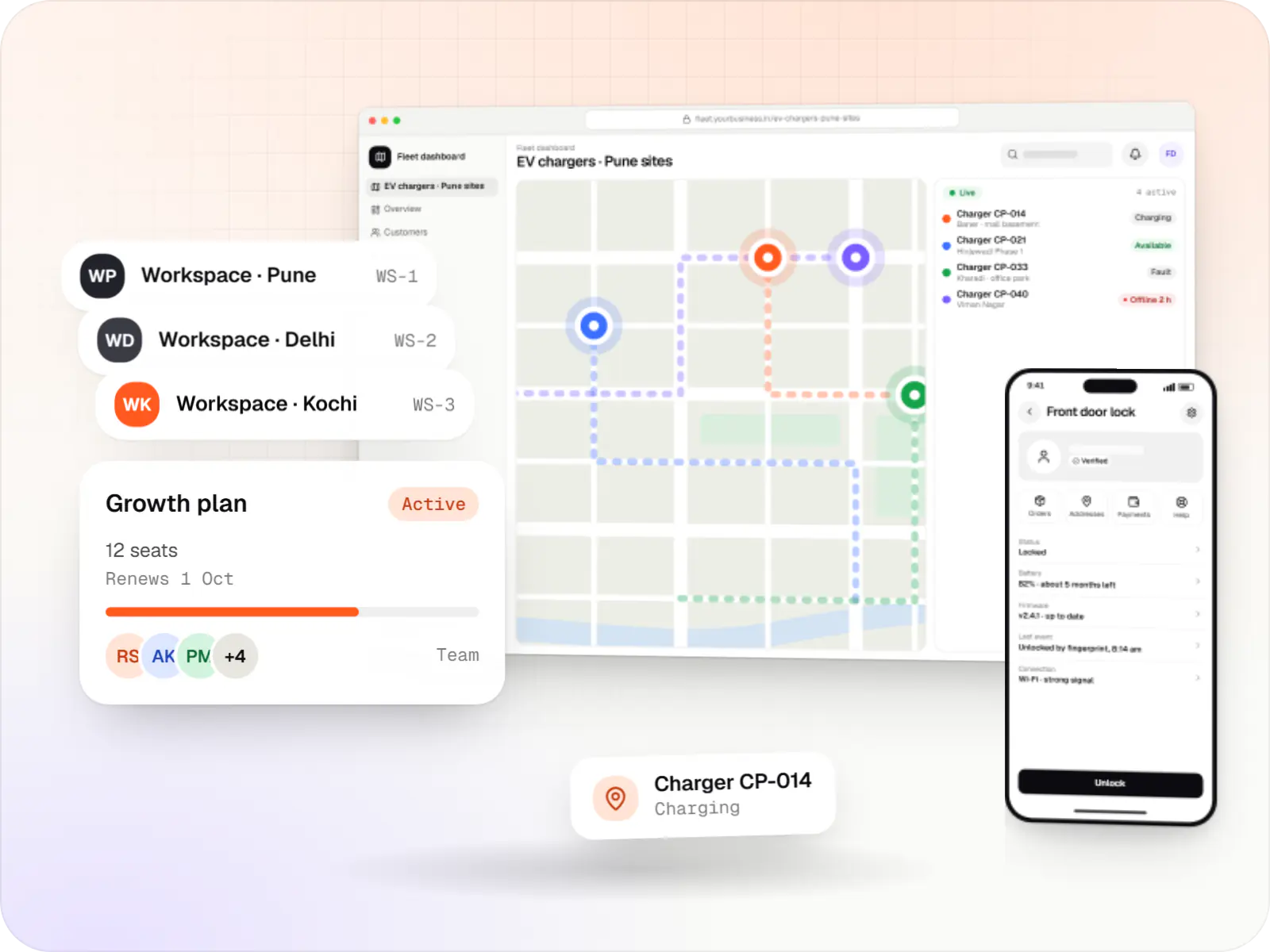
At a glance

Technology companies go deep on their core product. We build the software around it: companion apps, device platforms, dashboards and developer portals.
Flutter and the related logo are trademarks of Google LLC. We are not endorsed by or affiliated with Google LLC.
How to start
Tell us what you need in your own words. You talk to the developers who would build it and get a written, line-item estimate.
Get a project estimateA smart-lock maker, EV charger manufacturer or sensor startup usually has strong firmware and hardware engineers. The Bluetooth pairing app, the cloud that stores telemetry and ships firmware updates, and the dashboards installers use are different disciplines.
We take on those layers against your protocols, so your core team stays on the core.
Challenges
Pairing behaves differently across phone makers and OS versions.
Thousands of devices reporting every few seconds need efficient ingestion.
OTA needs staged rollouts, signature checks and a halt switch.
Integrators need API keys, docs and a sandbox.
Solutions
Across 2 areas
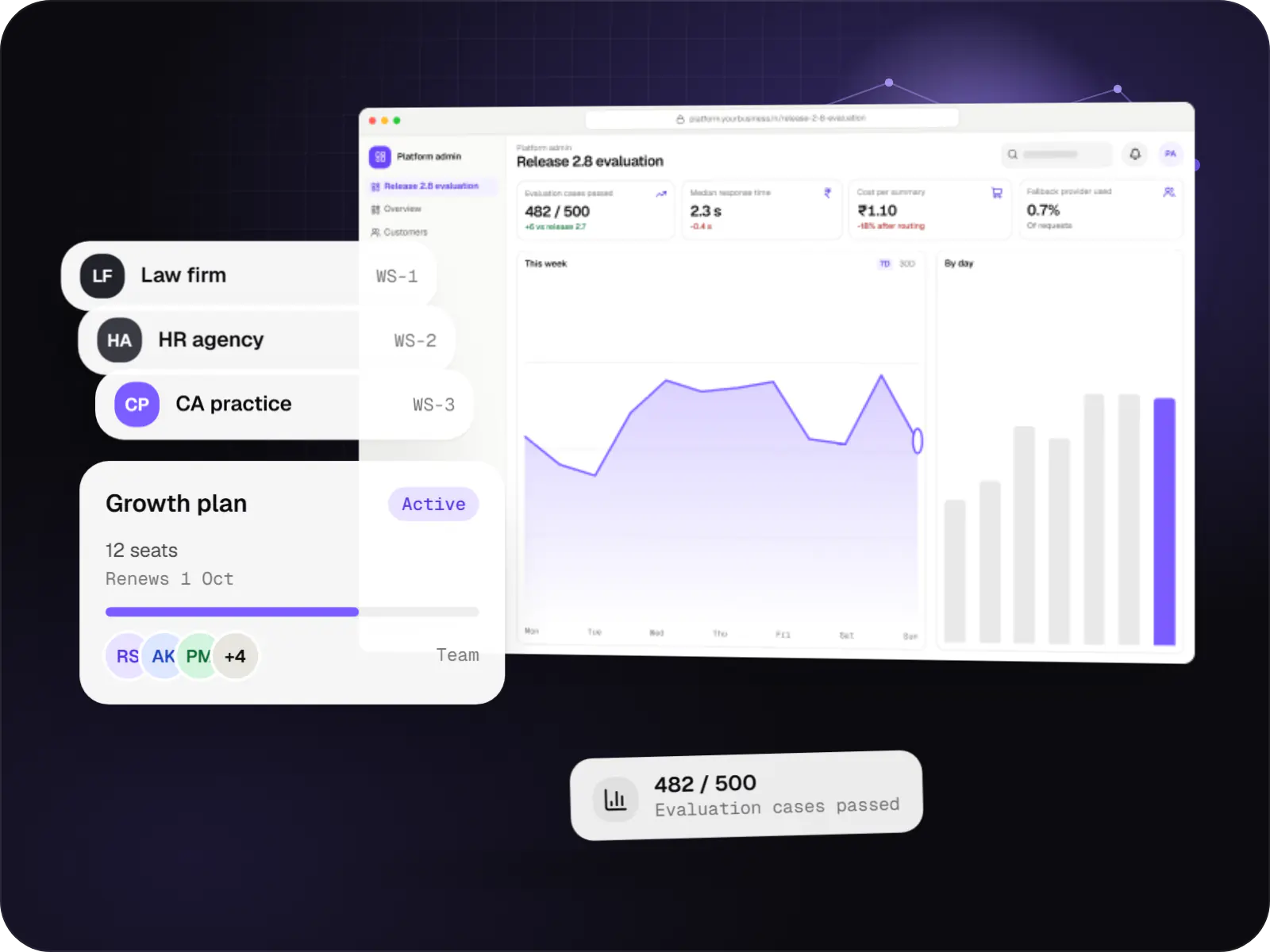
Multi-tenant SaaS products with AI at their core, built with tenant isolation, usage metering, model routing, evaluation and subscription billing.
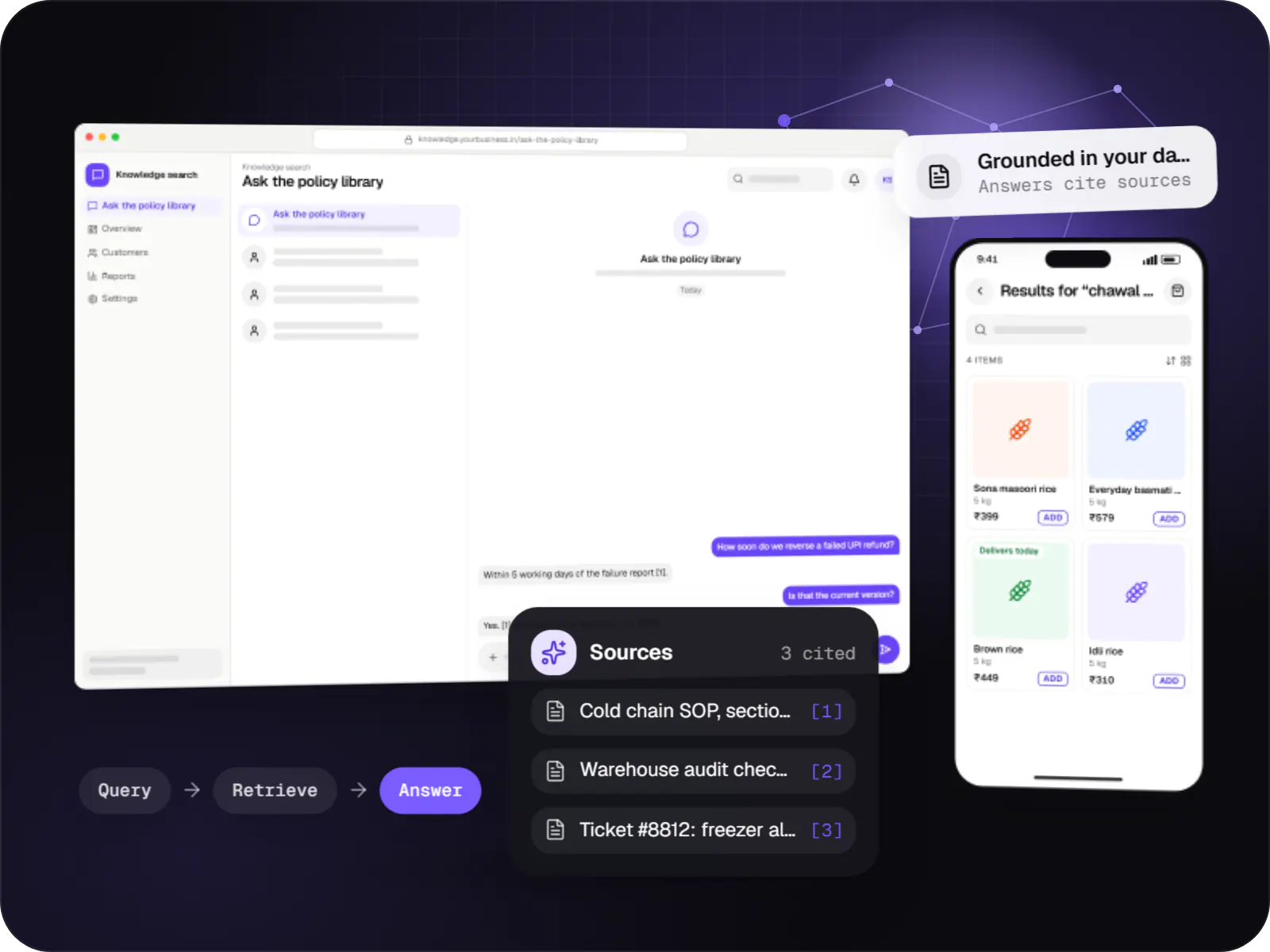
Search and question-answering over your documents, tickets and product data, with hybrid retrieval, citations and permission-aware results.
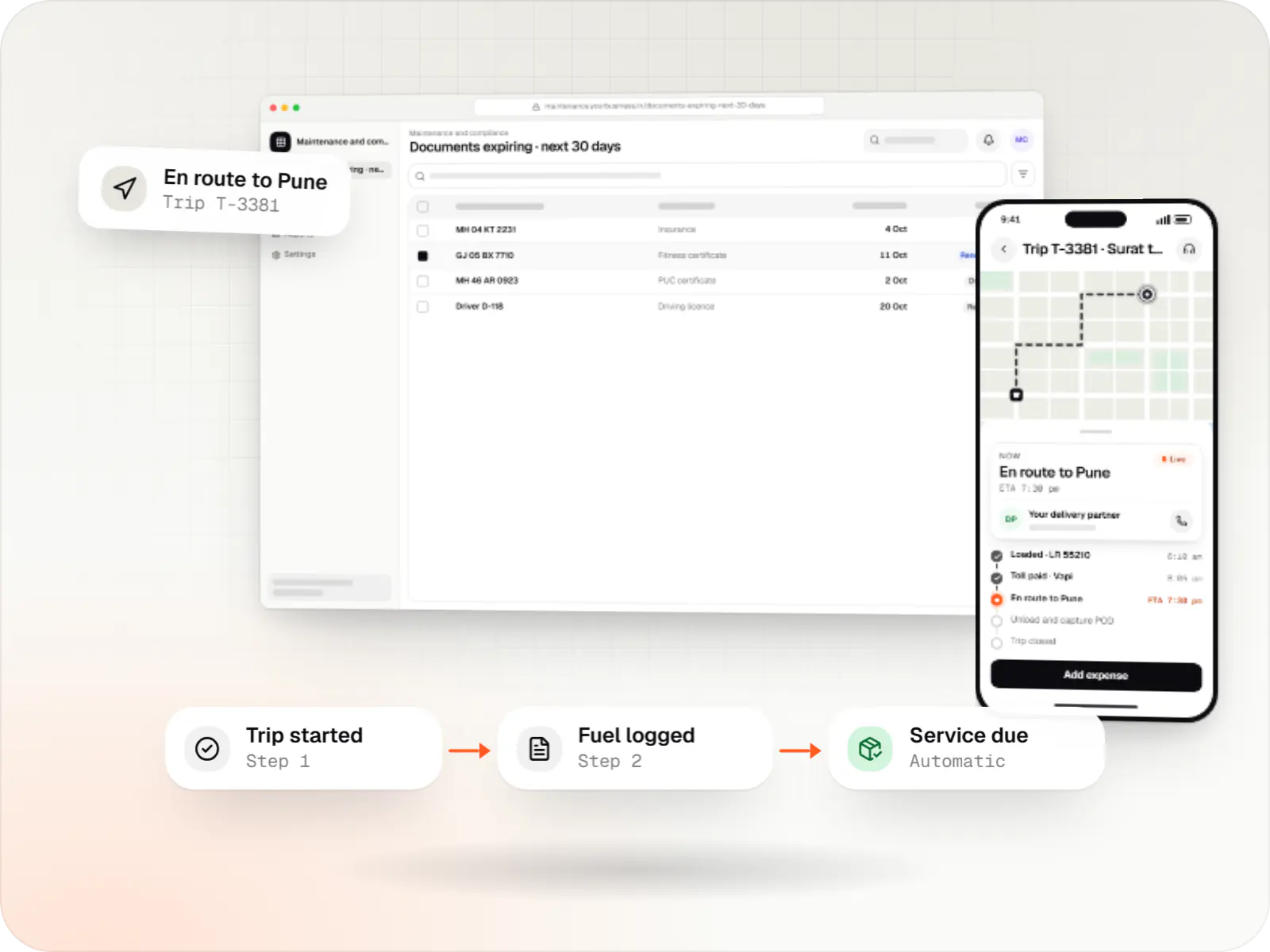
Custom fleet management software for GPS tracking, trips, driver apps, compliance reminders, maintenance and freight billing.
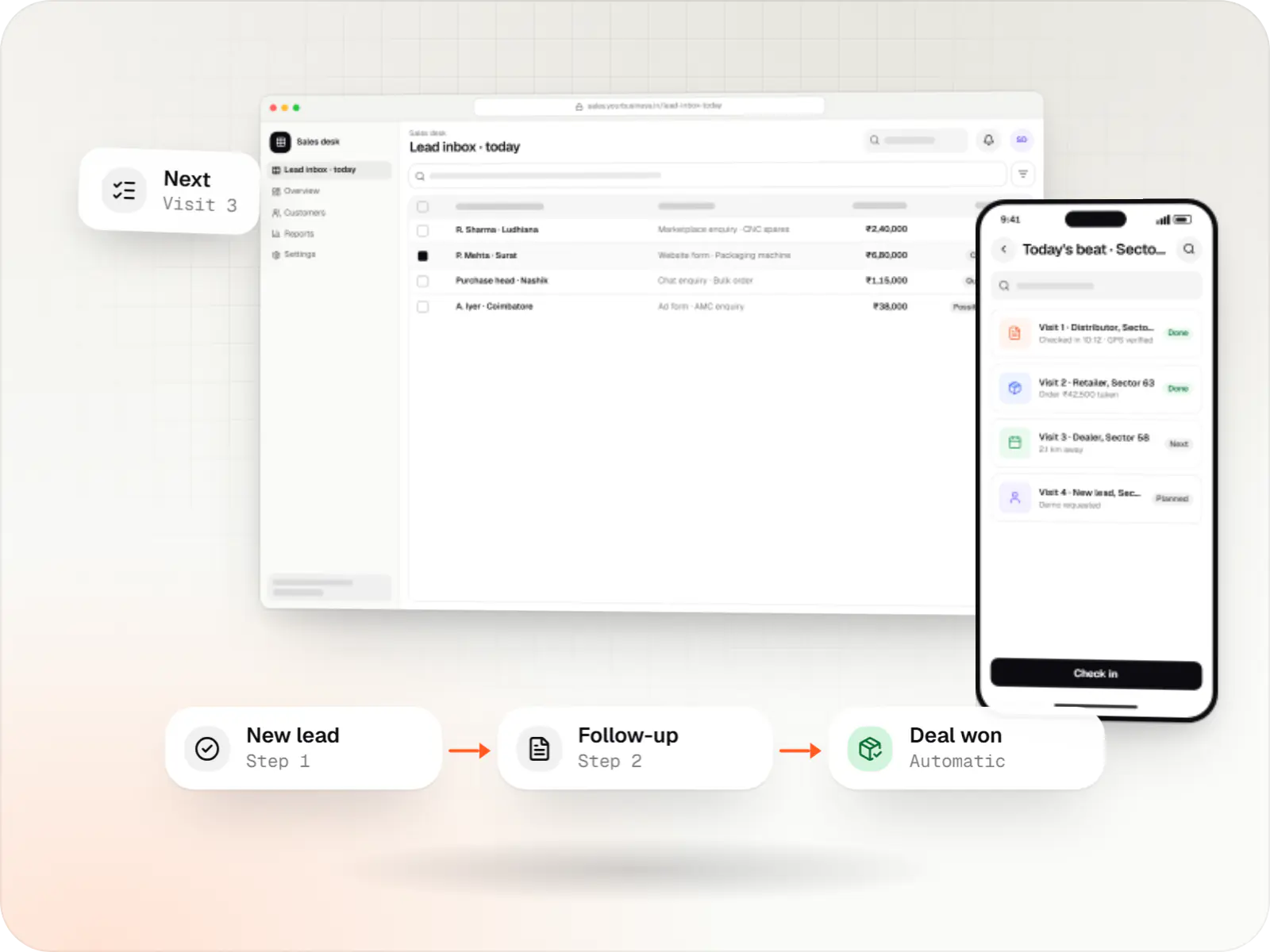
Custom CRM software that captures leads from every channel, keeps follow-ups on schedule and shows managers a live pipeline.
BLE and Wi-Fi provisioning, device control and alerts.
MQTT ingestion, time-series storage and device state.
Rollout groups, progress tracking and automatic pauses.
Device views, alerts and roles for enterprise buyers.
API reference, keys and usage metrics.
How it works
Using a smart lock or an EV charger as the example, this is where each layer of software takes over.
The app finds the device over Bluetooth Low Energy, checks it is genuine and passes it the Wi-Fi details for the home or site.
The device connects with its own certificate over MQTT and appears in the customer's account and in your fleet dashboard.
Battery level, temperature, charging sessions or lock events arrive every few seconds and are stored efficiently for charts and alerts.
Owners get alerts, such as a failed charge, and can send commands back; installers see all of a site's devices in their dashboard.
A signed firmware build goes to internal devices first, then a small share of customers, then everyone, pausing automatically if failures rise.
Integrators get API keys, documentation and a sandbox to connect your devices to their own platforms, without your engineers on every call.
Platforms
Apps for Android phones and tablets, tested on budget and mid-range devices and published on Google Play or privately.
Apps for iPhone and iPad, built to Apple's guidelines and released through TestFlight and the App Store.
One Flutter or React Native codebase for Android and iOS, with native modules where a feature needs them.
Browser-based applications with logins, roles and workflows, such as customer portals, SaaS products and internal tools.
Back-office panels for operations, support and finance teams: orders, users, content, reports and permissions.
Windows and macOS apps for billing counters, kiosks and offline-heavy work, where a browser isn't enough.
Technology
Native Android (Kotlin) and iOS (Swift) code handles Bluetooth reliably, Node.js and Python take in device data, and PostgreSQL with Redis store telemetry history and live device state.
Mobile
Apps built specifically for Android, with full access to the phone's hardware, background location and company-managed devices.
Used for
Mobile
Apps built specifically for iPhone and iPad, for when your product needs Apple features or a polished experience for iPhone users.
Used for
Mobile
Build Android and iOS apps from one shared codebase, so you launch on both platforms faster with a consistent experience.
Used for
Backend
Runs the server side of apps: fast, scalable back ends that power your app, website and integrations.
Used for
Backend
A programming language for AI features, data processing and automation: the engine behind document reading, reports and smart search.
Used for
Cloud & DevOps
Cloud hosting for your app, website and data, with data centres in India and room to grow when traffic rises.
Used for
Data
A reliable database for the records your business runs on: orders, payments, bookings and stock, kept accurate and easy to report on.
Used for
Data
Keeps frequently used data in fast memory, so apps stay quick on busy days and live features like order tracking feel instant.
Used for
Cloud & DevOps
Packages your software so it runs the same way on every laptop and server, which makes releases predictable and moving hosts easier.
Used for
Flutter and the related logo are trademarks of Google LLC. We are not endorsed by or affiliated with Google LLC.
Plain-English glossary
Product preview
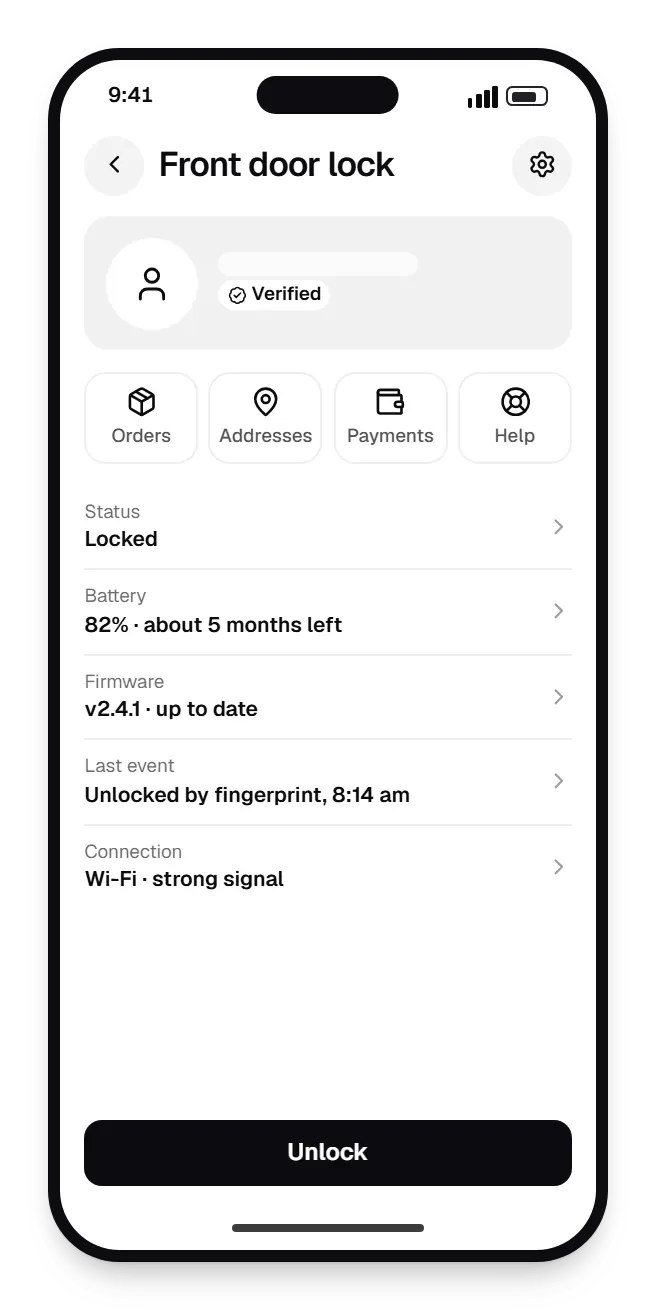
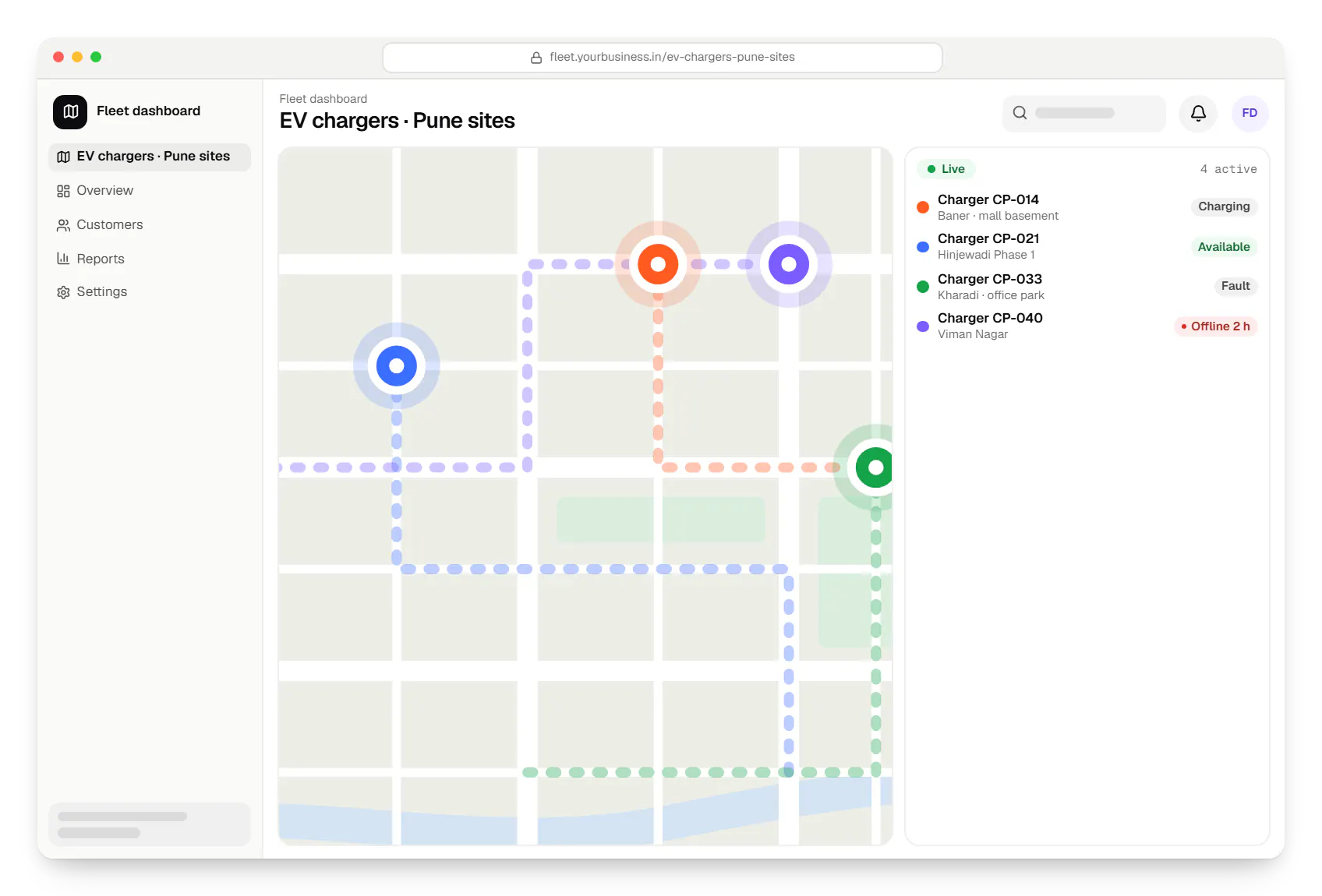
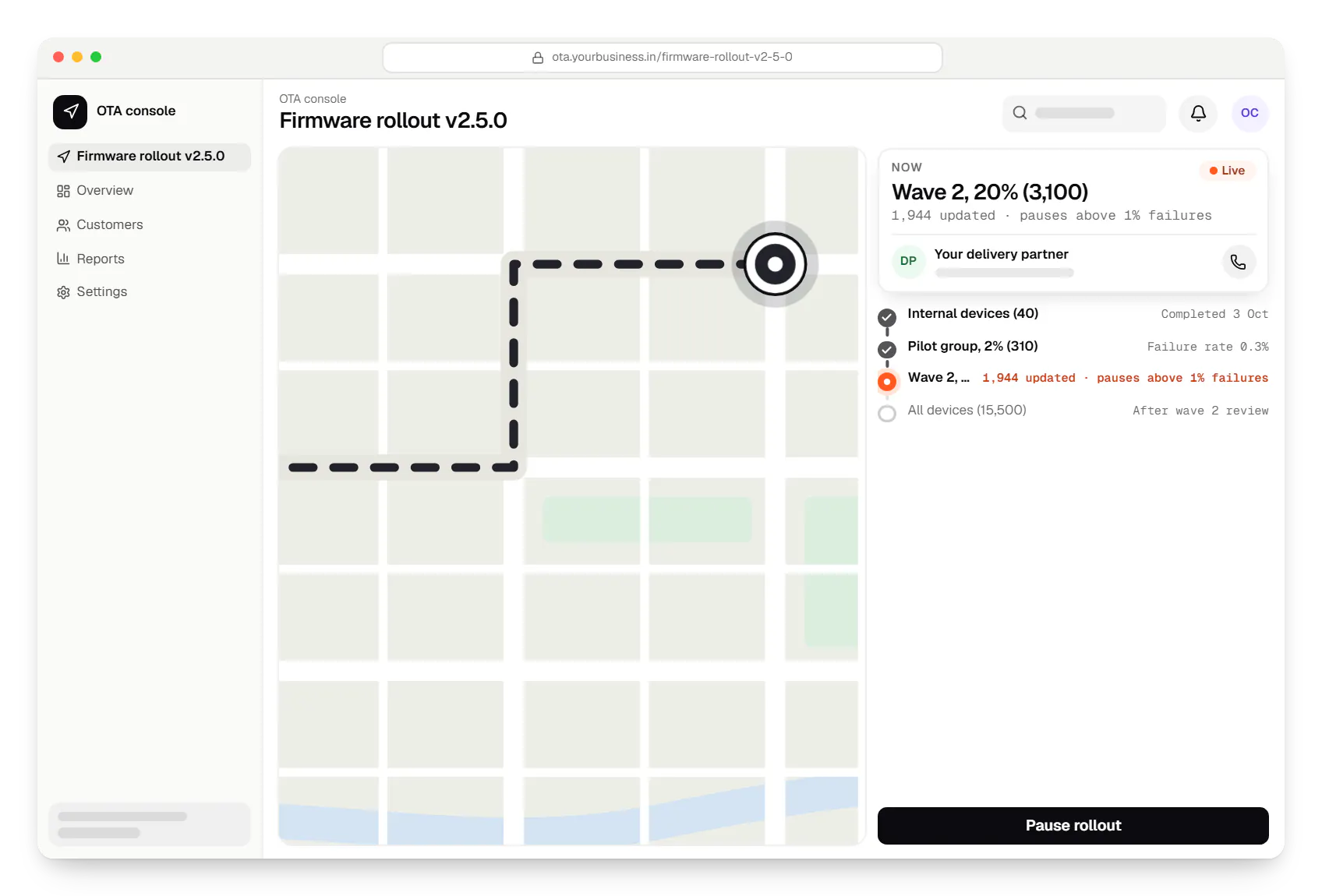
Sample screens: names, prices and figures are examples, not client data.
Cost drivers
Documented protocols speed app work; changing firmware slows it.
Testing across phone models and hardware revisions takes time and units.
Telemetry frequency and retention drive storage design.
Estimates are written from your scope, with the effort and assumptions behind each line item.
How pricing worksServices
The design and engineering services our in-house team combines on projects in this sector.
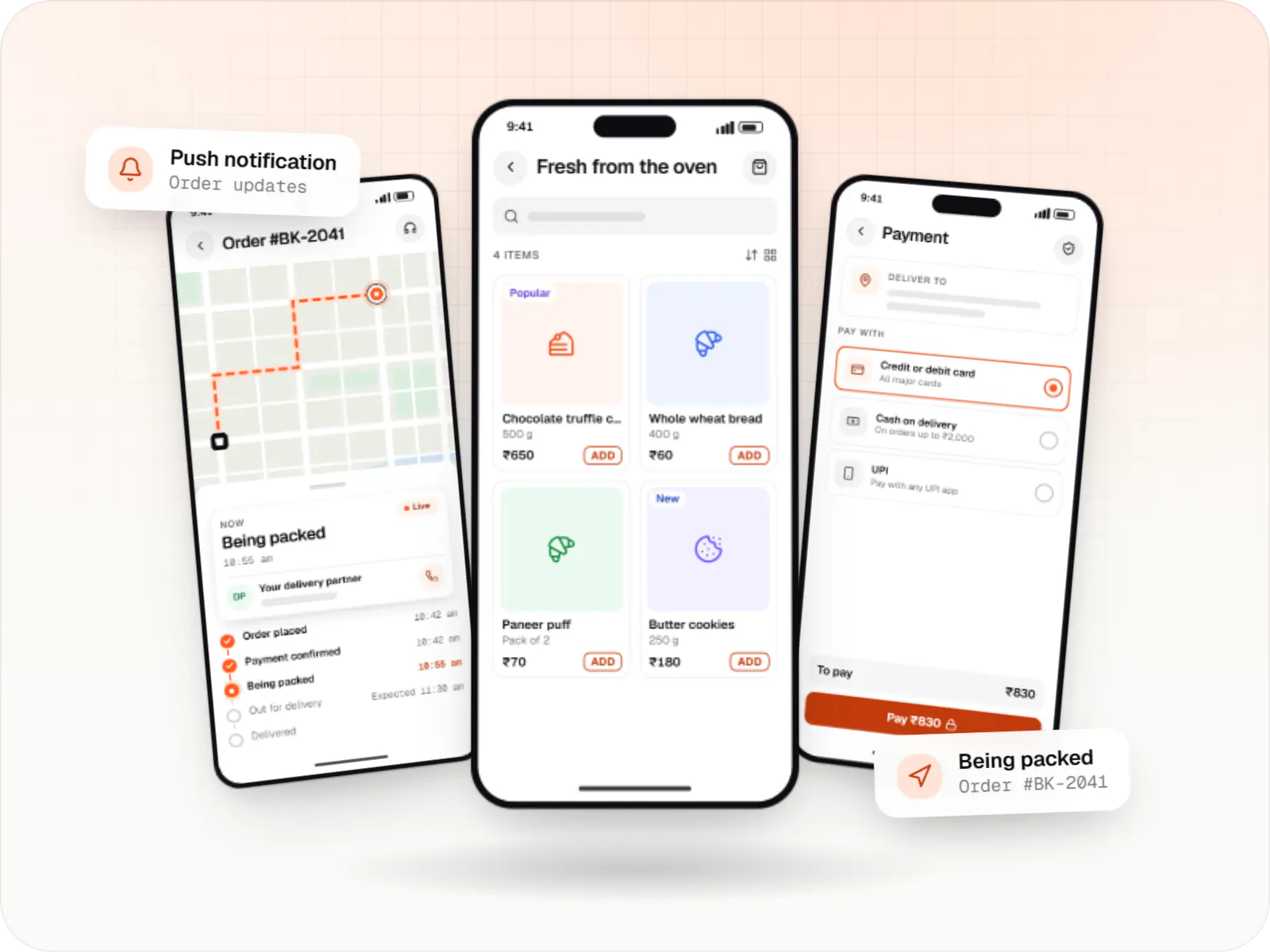
Native and cross-platform Android and iOS apps, from first release through regular store updates, built by our in-house designers and engineers.
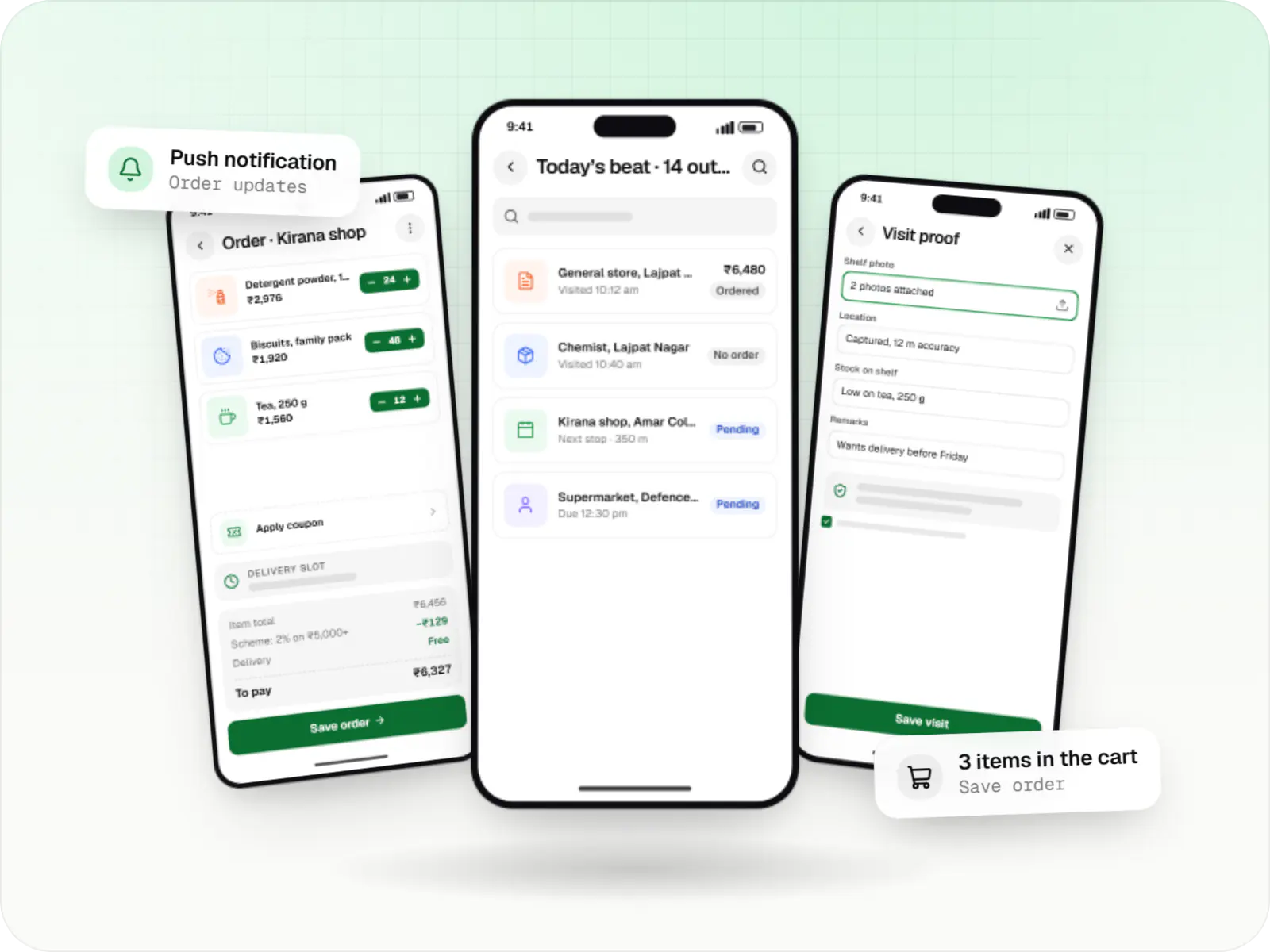
Native Android apps in Kotlin and Jetpack Compose, designed for entry-level phones, patchy networks and the background limits of popular Android brands.
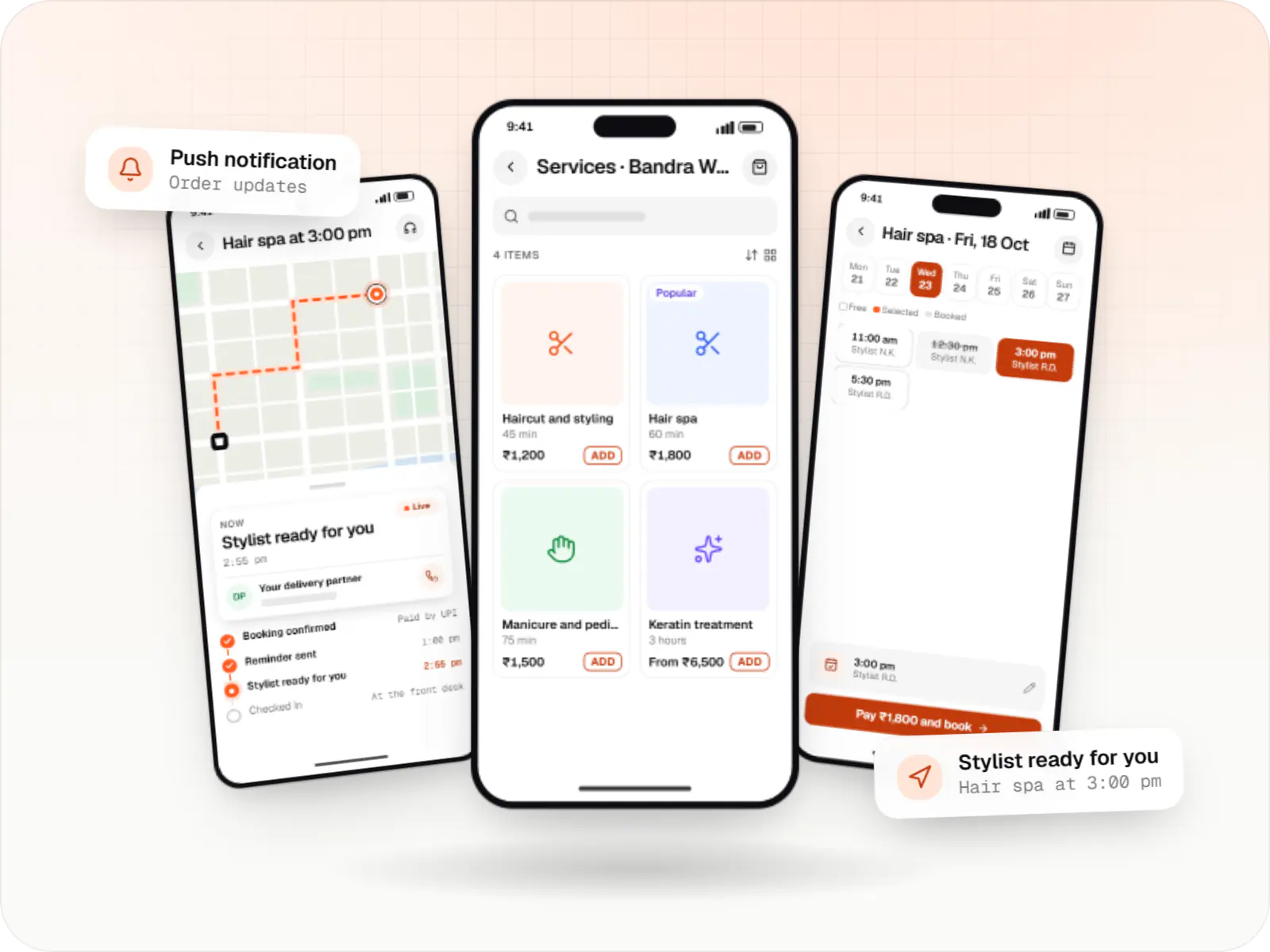
Native iPhone and iPad apps in Swift and SwiftUI, built to Apple's review guidelines and privacy rules and tested on the devices your customers use.
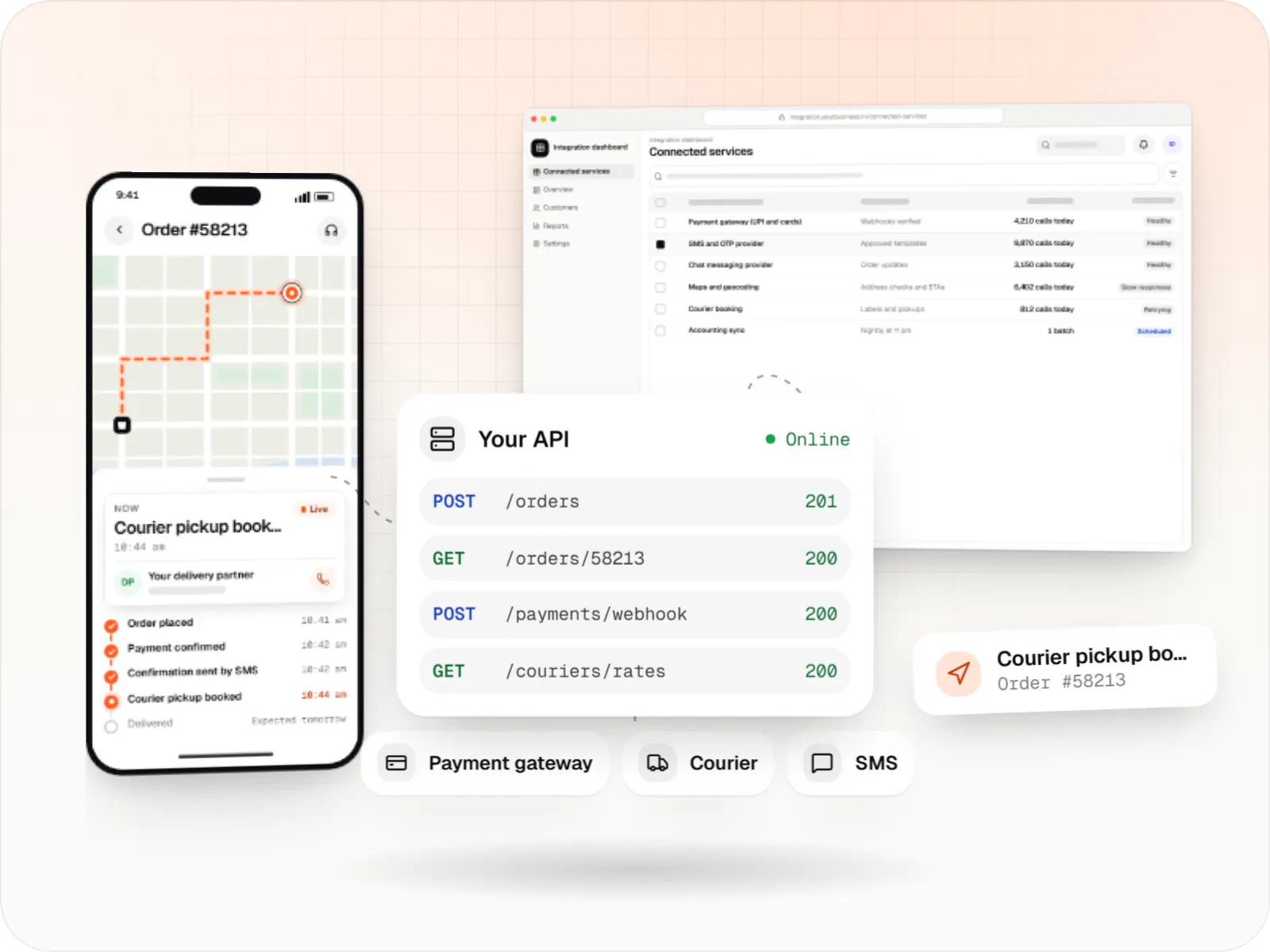
Secure, documented REST and GraphQL APIs, plus integrations that connect your apps to payment, logistics, GST, messaging and business systems.
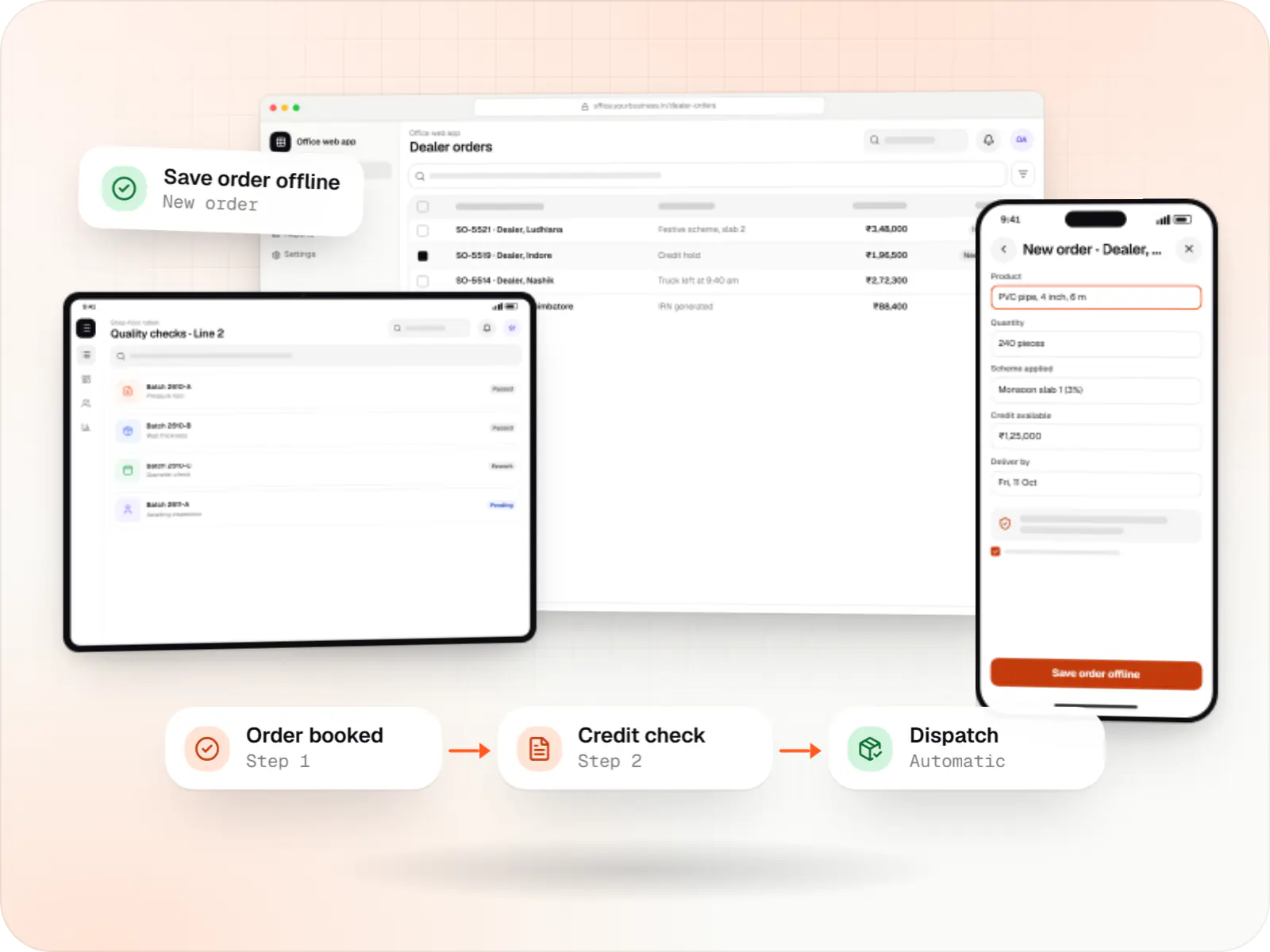
Software shaped around how your business runs, from approvals and inventory to billing and reports, replacing spreadsheets and disconnected tools.
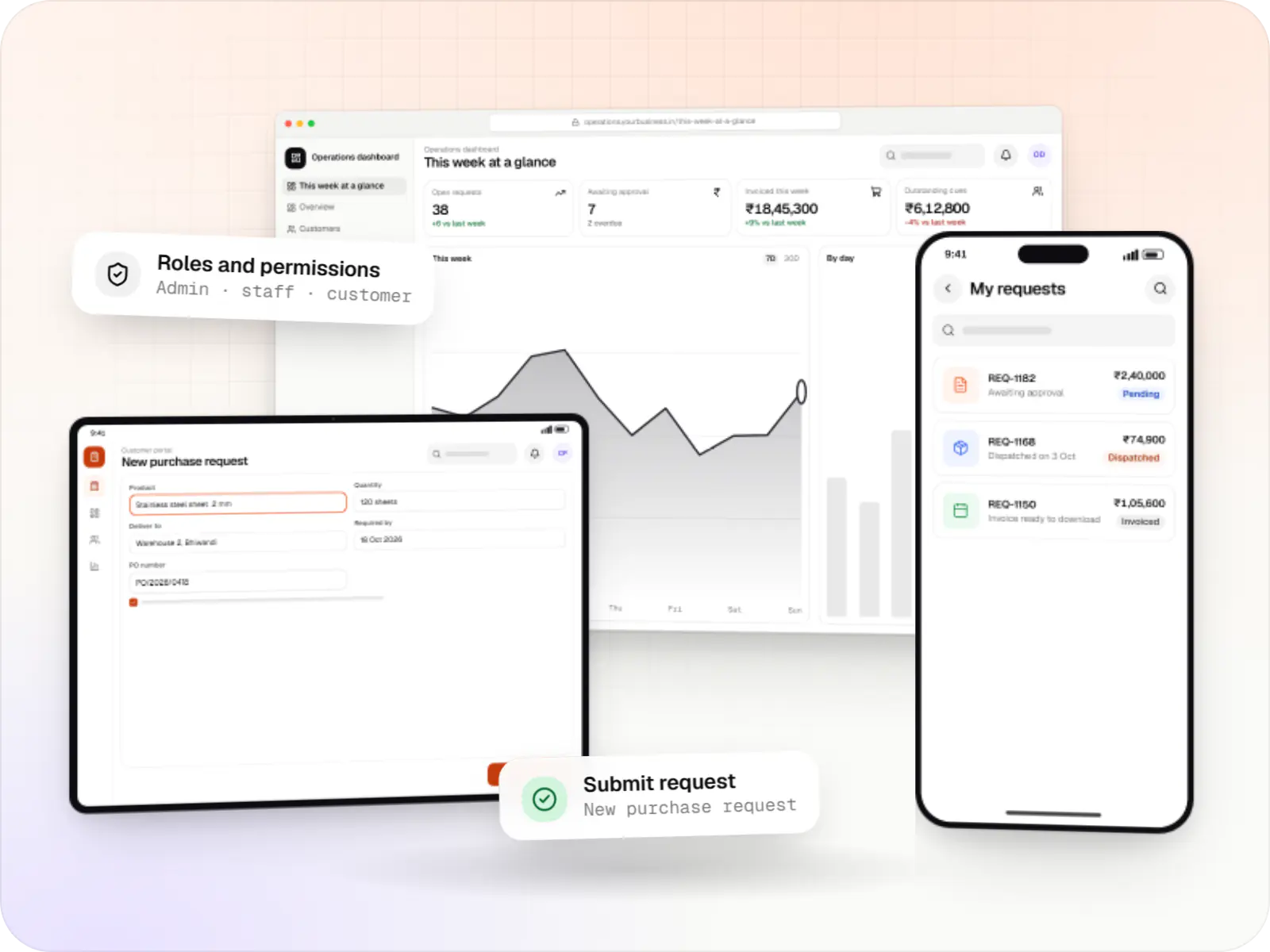
Browser-based products, customer portals, dashboards and internal tools, built on clean data models with secure roles and integrations.
FAQ
Yes, working from your GATT profile or protocol document and, ideally, engineering samples. We usually write the Bluetooth layer natively in Kotlin and Swift, even inside a cross-platform app, because BLE behaviour varies across phones. Testing on popular Android models, including budget phones common in India, is planned from the start.
Signed firmware builds go to rollout groups: internal devices, then a small share of customers, then everyone. Devices download, verify the signature and report status; if failures cross your threshold, the rollout pauses. Your firmware team owns the bootloader and on-device rollback, and we build the orchestration and monitoring.
Most connected products use MQTT for telemetry and commands, with HTTPS for provisioning and file transfers. We typically use AWS IoT Core or a self-managed broker such as EMQX or Mosquitto, depending on device count, cost and lock-in concerns. Time-series data often goes to PostgreSQL with TimescaleDB.
Next step
We will review your protocols and propose the app and cloud layers around them.