



Mobile
Android (Kotlin)
Apps built specifically for Android, with full access to the phone's hardware, background location and company-managed devices.
Used for
- Apps for Android
- Delivery partner apps
- Billing and POS apps
- Field staff apps
Manufacturing
Warehouse management, handheld scanning apps, distributor management and dispatch software for 3PLs, distributors and stockists.
At a glance
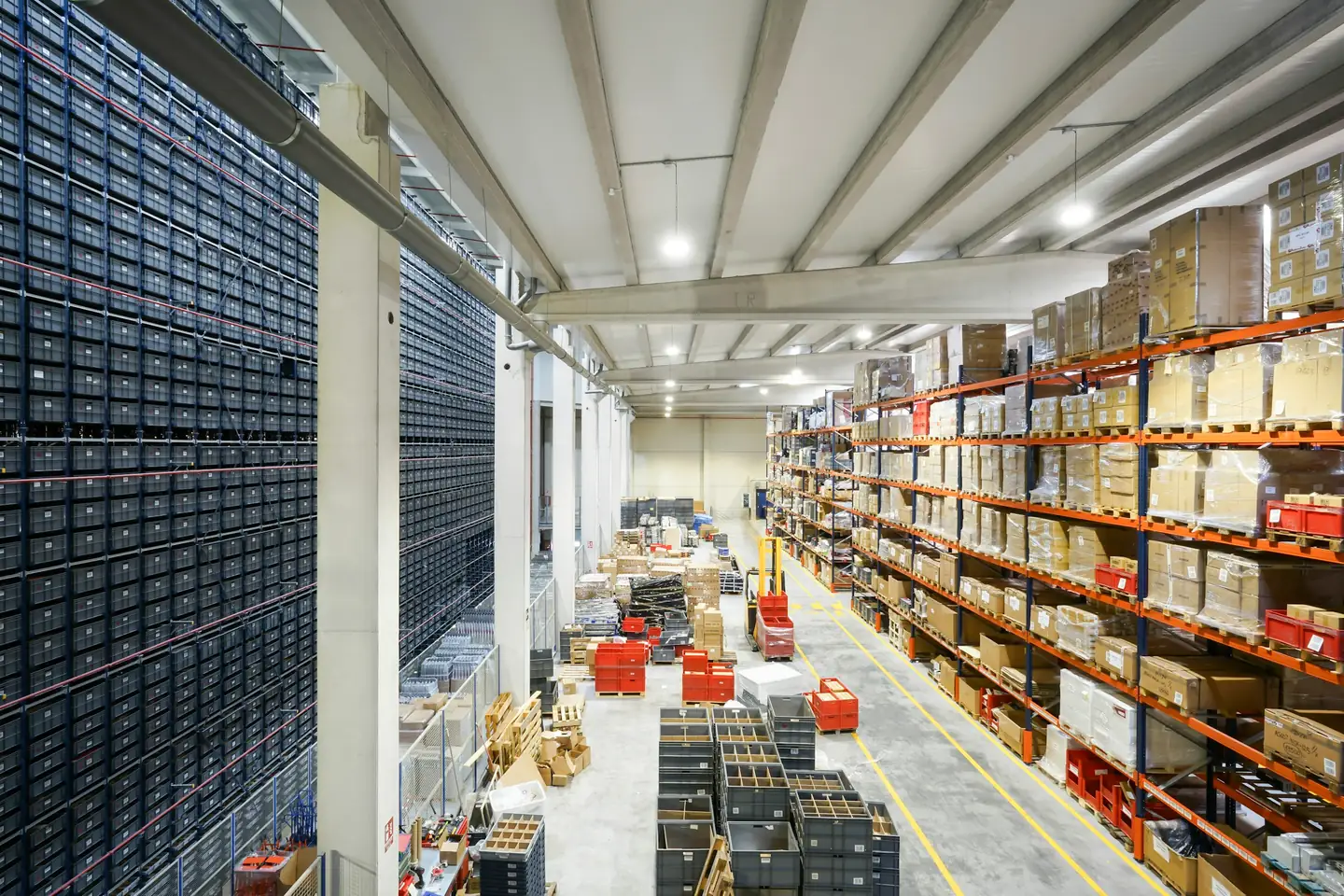
Warehouses and distributors move stock fast on thin margins, so every scan matters. We build WMS and distribution software around your layout, SKUs and channels.
How to start
Tell us what you need in your own words. You talk to the developers who would build it and get a written, line-item estimate.
Get a project estimateA distributor or 3PL warehouse receives stock from many suppliers, stores it in bins or pallet locations, and picks orders for retailers, marketplaces or other warehouses, often against same-day cut-offs. FMCG and pharma stock adds batch and expiry tracking; 3PLs must bill each client for storage and handling. We build this software around barcode scanning on Android handhelds, integrated with your ERP, marketplaces and couriers.
Challenges
System and physical stock drift apart because movements aren't scanned.
Pickers walk the whole floor for each order without optimised pick lists.
Near-expiry batches are missed because stock isn't issued first-expiry, first-out.
Storage and handling charges worked out by hand at month end.
Solutions
Across 3 areas
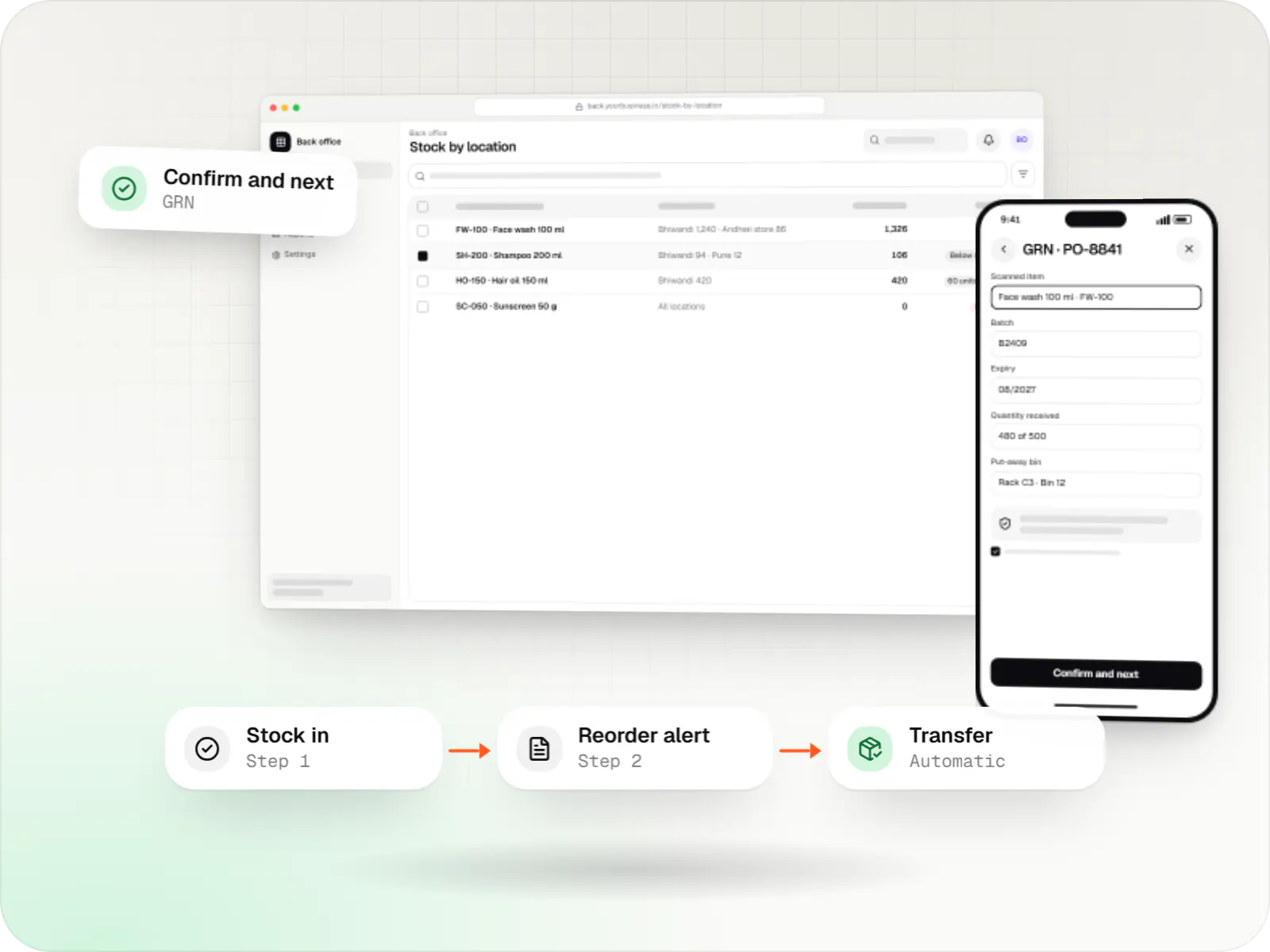
Custom inventory software for multi-location stock, batch and expiry tracking, barcode scanning and marketplace stock sync.
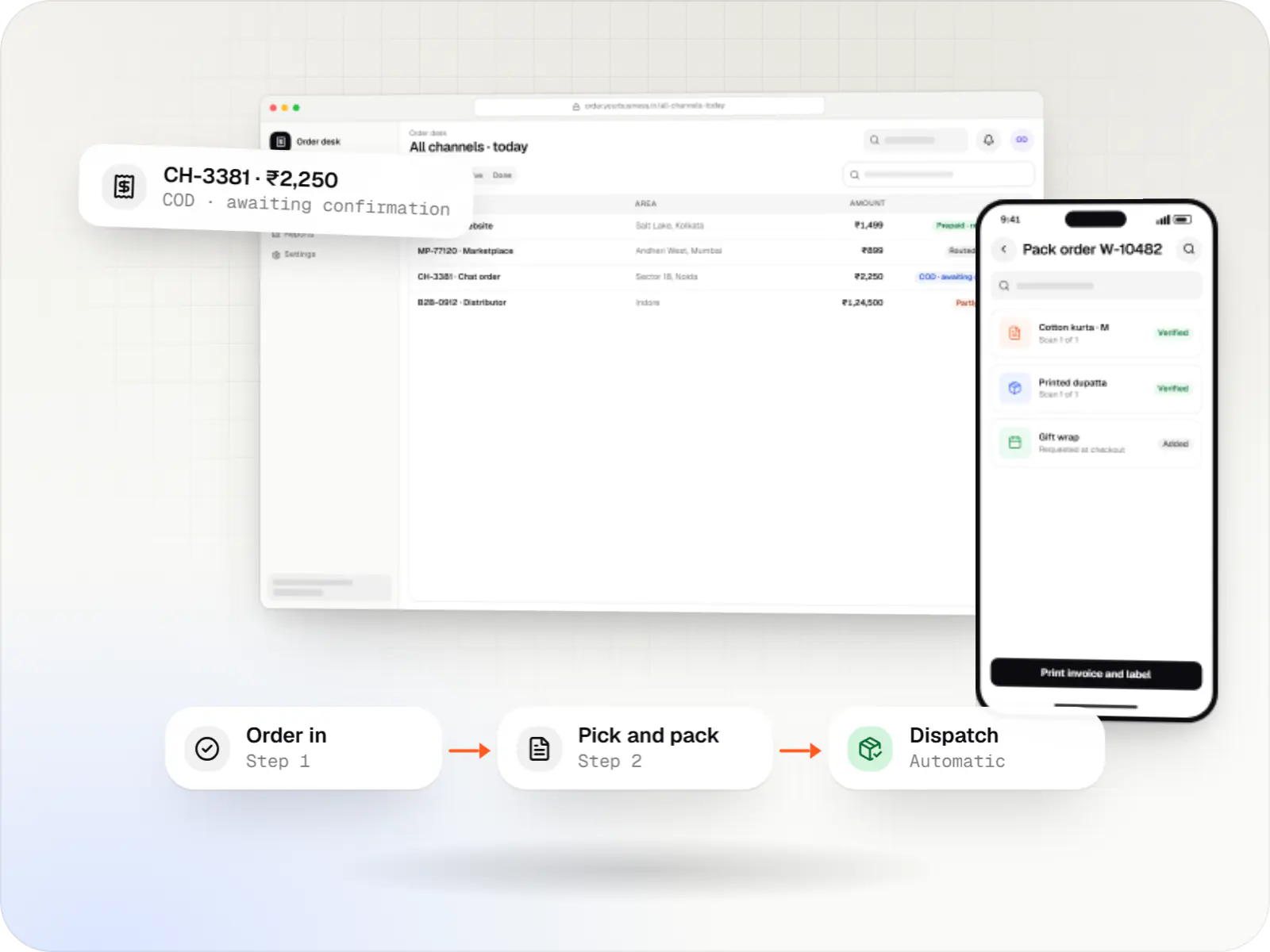
A central order management system that collects orders from every channel, routes them to the right location and tracks them to delivery and payment.
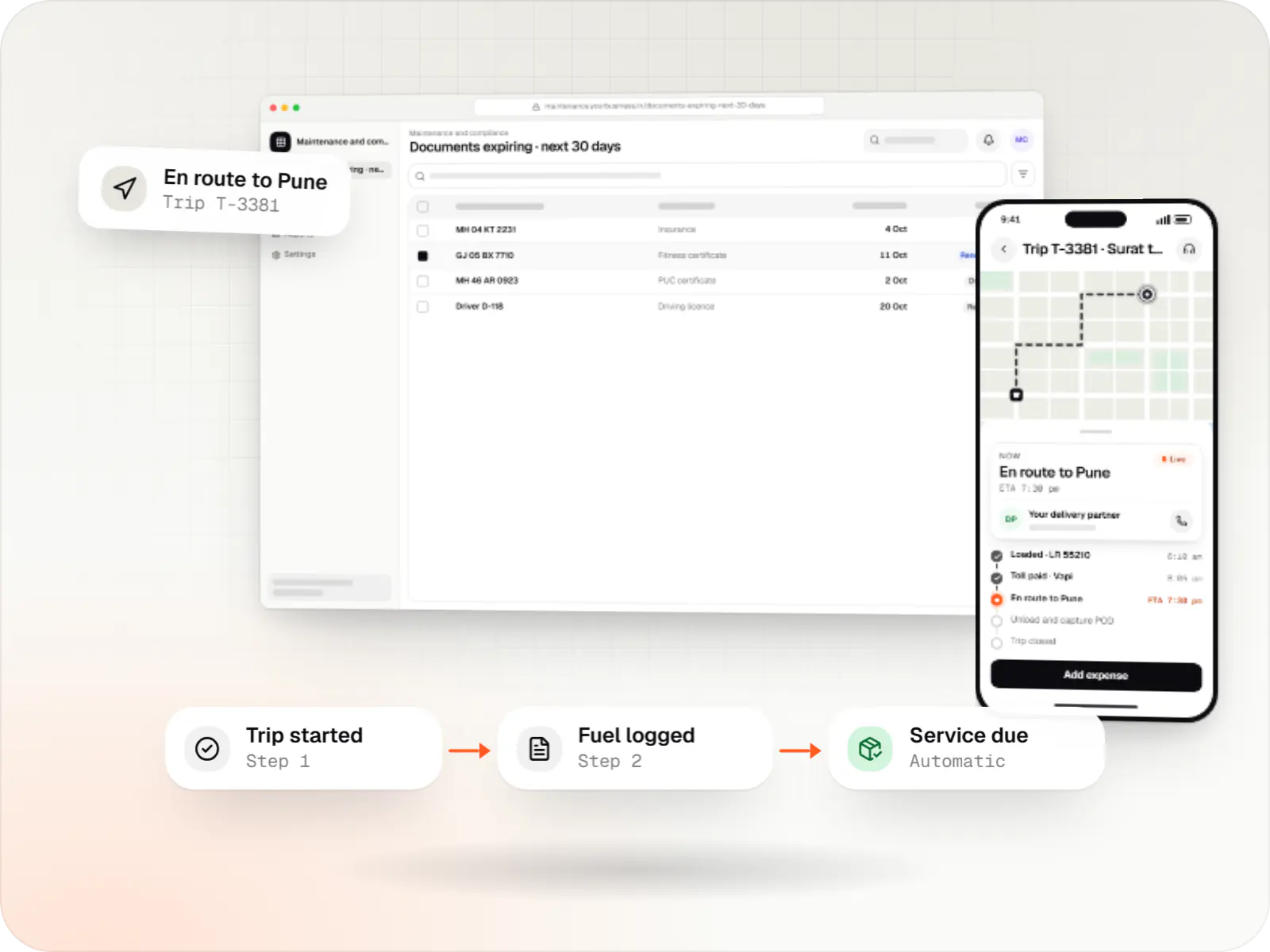
Custom fleet management software for GPS tracking, trips, driver apps, compliance reminders, maintenance and freight billing.
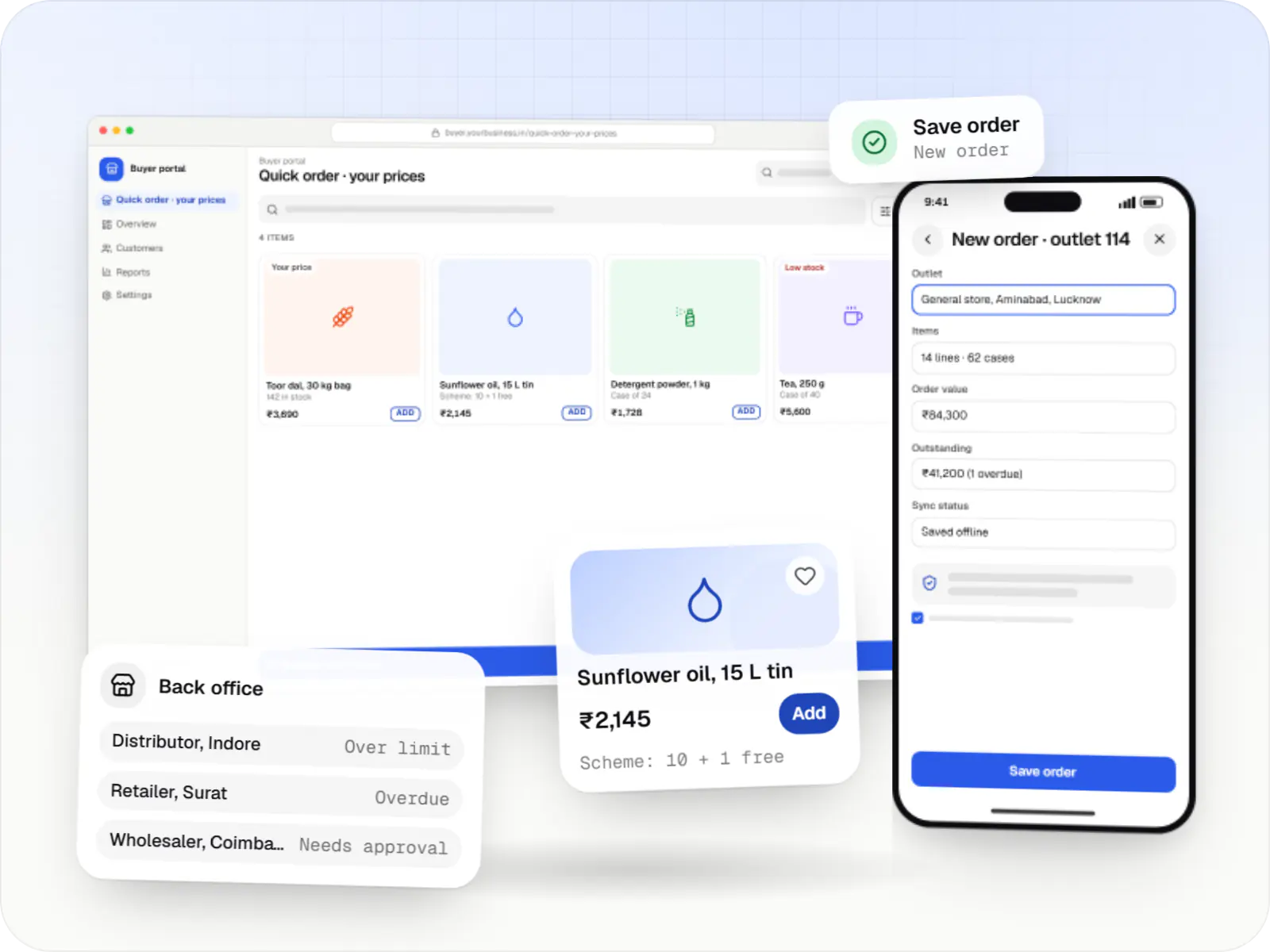
Ordering portals and apps for manufacturers, distributors and wholesalers, with buyer-specific pricing, credit limits, bulk ordering and ERP sync.
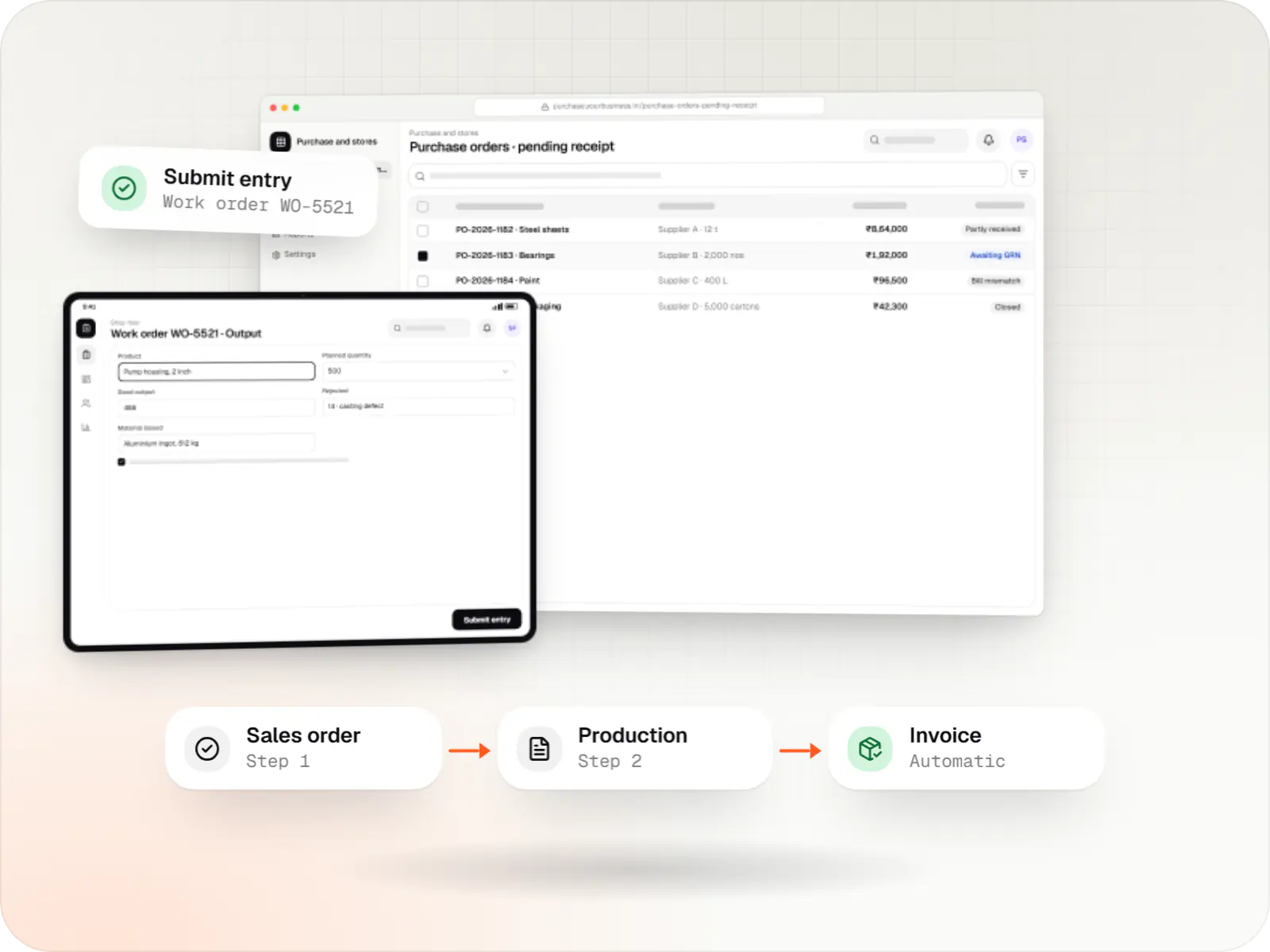
Custom ERP software connecting purchase, inventory, production, sales and GST compliance, alongside your existing accounting system.
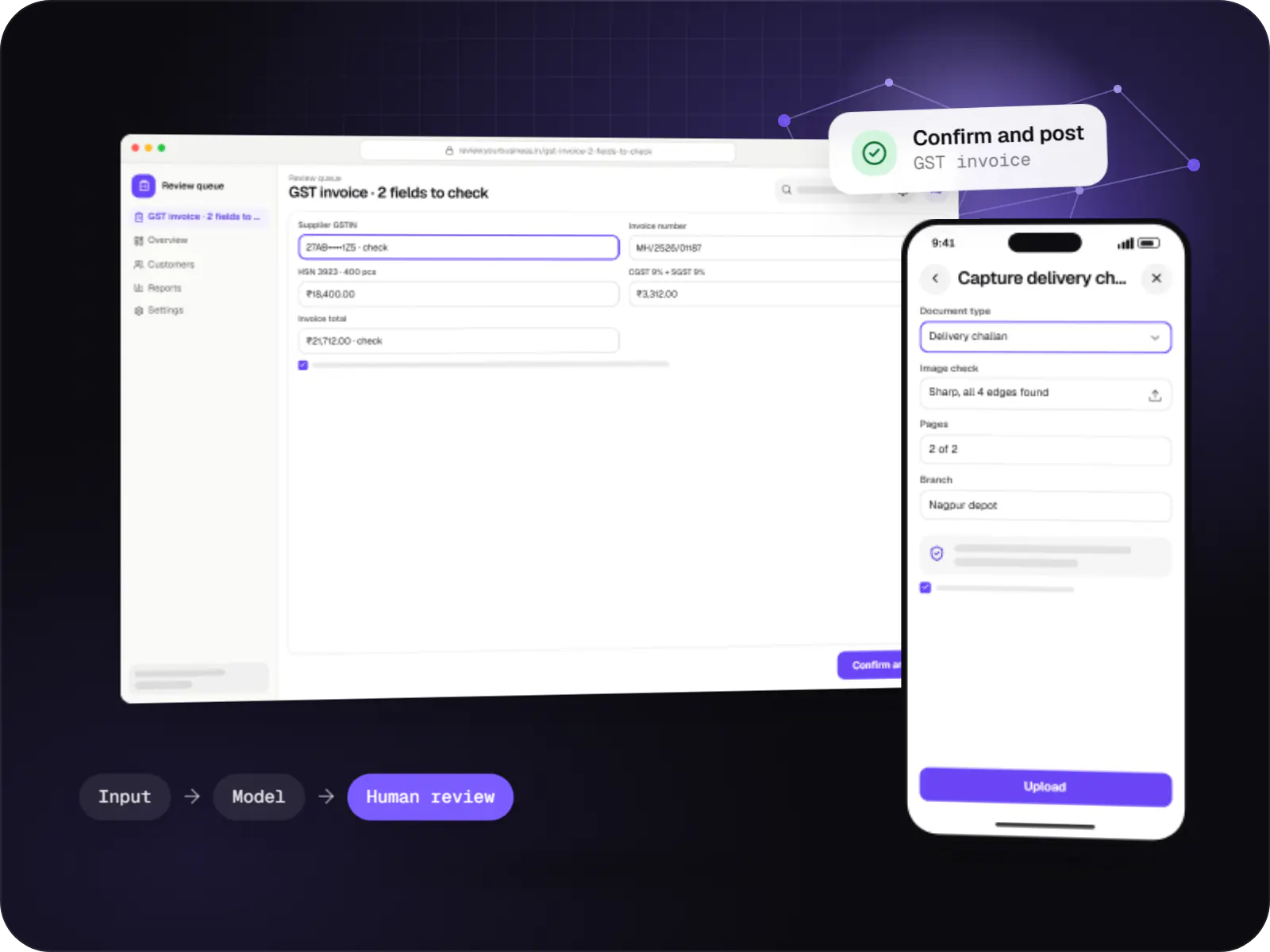
Data extraction from invoices, KYC documents, statements and forms into your systems, with validation rules and human review for uncertain fields.
GRN against purchase orders, label printing and directed putaway to bins.
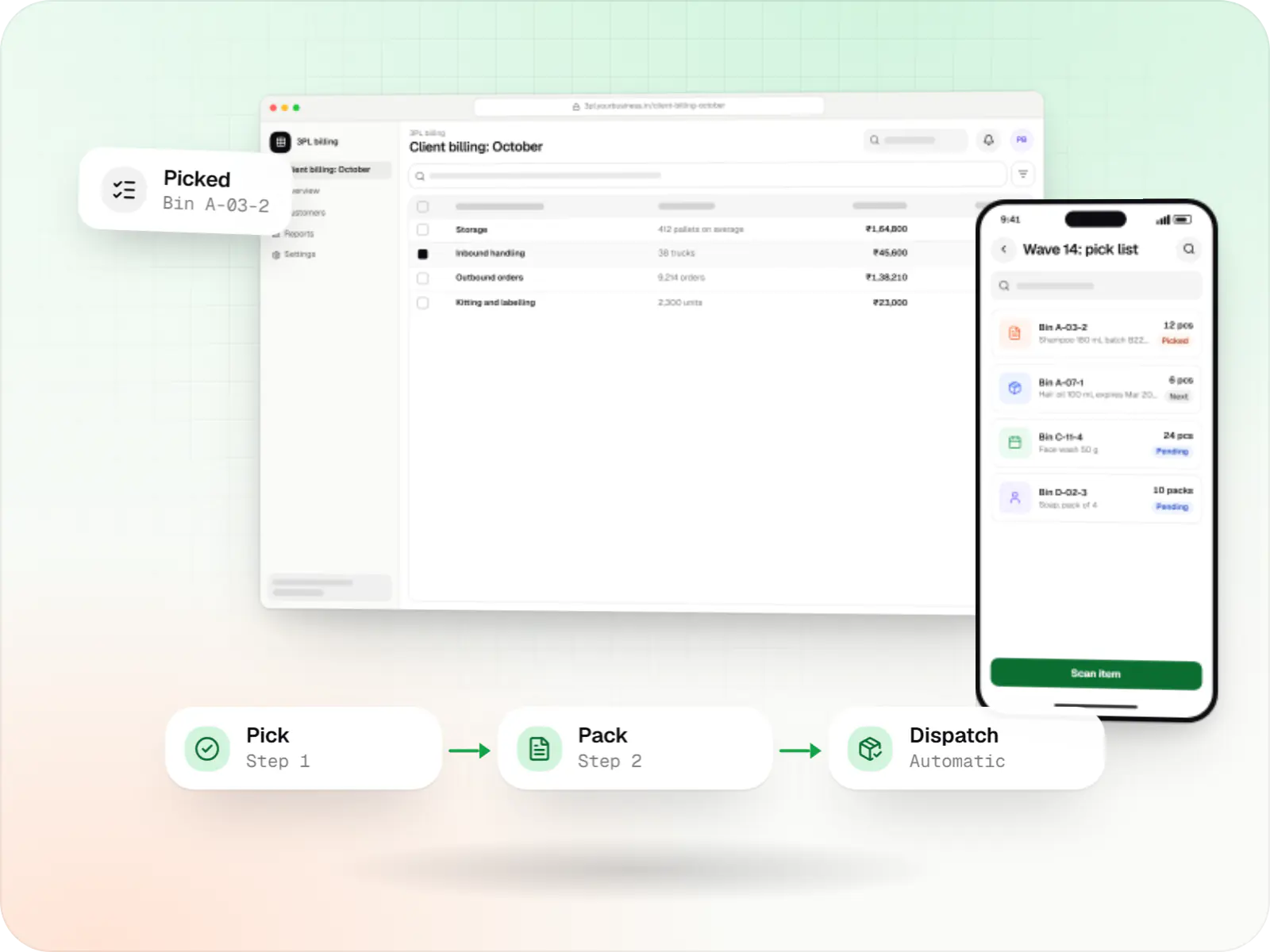
Batch and wave picking, scan-verified packing and dispatch manifests.
FEFO picking, expiry alerts and quarantine for damaged or recalled stock.
Retailer orders on beat plans, with schemes and outstanding balances.
Marketplace orders pulled in; labels and tracking from Shiprocket, Delhivery or other courier APIs.
How it works
Inbound stock is scanned against the purchase order, shortages and damages are noted on the GRN, and labels print for each pallet or carton.
The app tells staff which bin to use based on product, batch and free space, and a scan of the bin confirms the location.
Marketplace, retailer and transfer orders are grouped into waves timed around each courier’s cut-off.
Pick lists follow the shortest walk and FEFO rules; every item is scanned when picked and again when packed.
Courier labels, manifests and e-way bills are generated, and tracking numbers flow back to the sales channel automatically.
3PL clients are billed from recorded activity, and regular cycle counts keep system stock and shelf stock aligned.
Platforms
Apps for Android phones and tablets, tested on budget and mid-range devices and published on Google Play or privately.
Browser-based applications with logins, roles and workflows, such as customer portals, SaaS products and internal tools.
Back-office panels for operations, support and finance teams: orders, users, content, reports and permissions.
Technology
Native apps for Android handhelds, plus a fast backend that keeps pace with every scan at peak hours.
Mobile
Apps built specifically for Android, with full access to the phone's hardware, background location and company-managed devices.
Used for
Backend
A structured way to build back ends on Node.js, so large business systems stay organised, testable and easy to hand over.
Used for
Data
A reliable database for the records your business runs on: orders, payments, bookings and stock, kept accurate and easy to report on.
Used for
Data
Keeps frequently used data in fast memory, so apps stay quick on busy days and live features like order tracking feel instant.
Used for
Cloud & DevOps
Packages your software so it runs the same way on every laptop and server, which makes releases predictable and moving hosts easier.
Used for
Plain-English glossary
Product preview
Illustrative screens for a personal-care distributor’s warehouse in Bhiwandi.
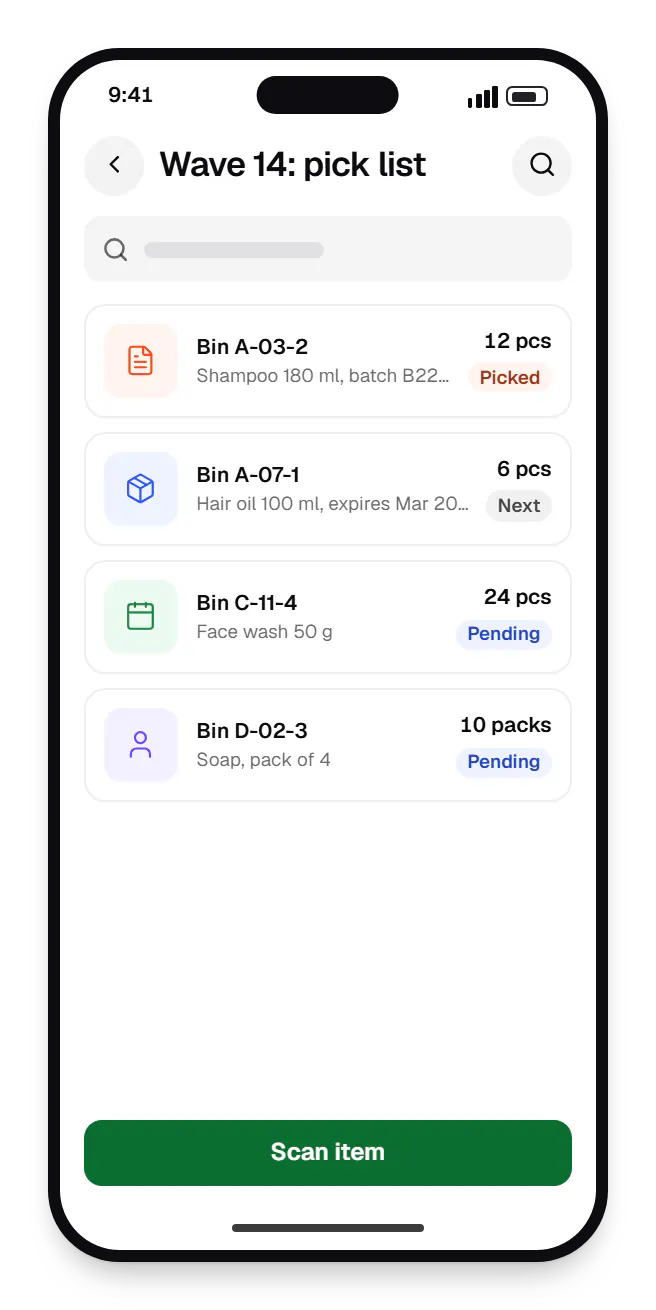
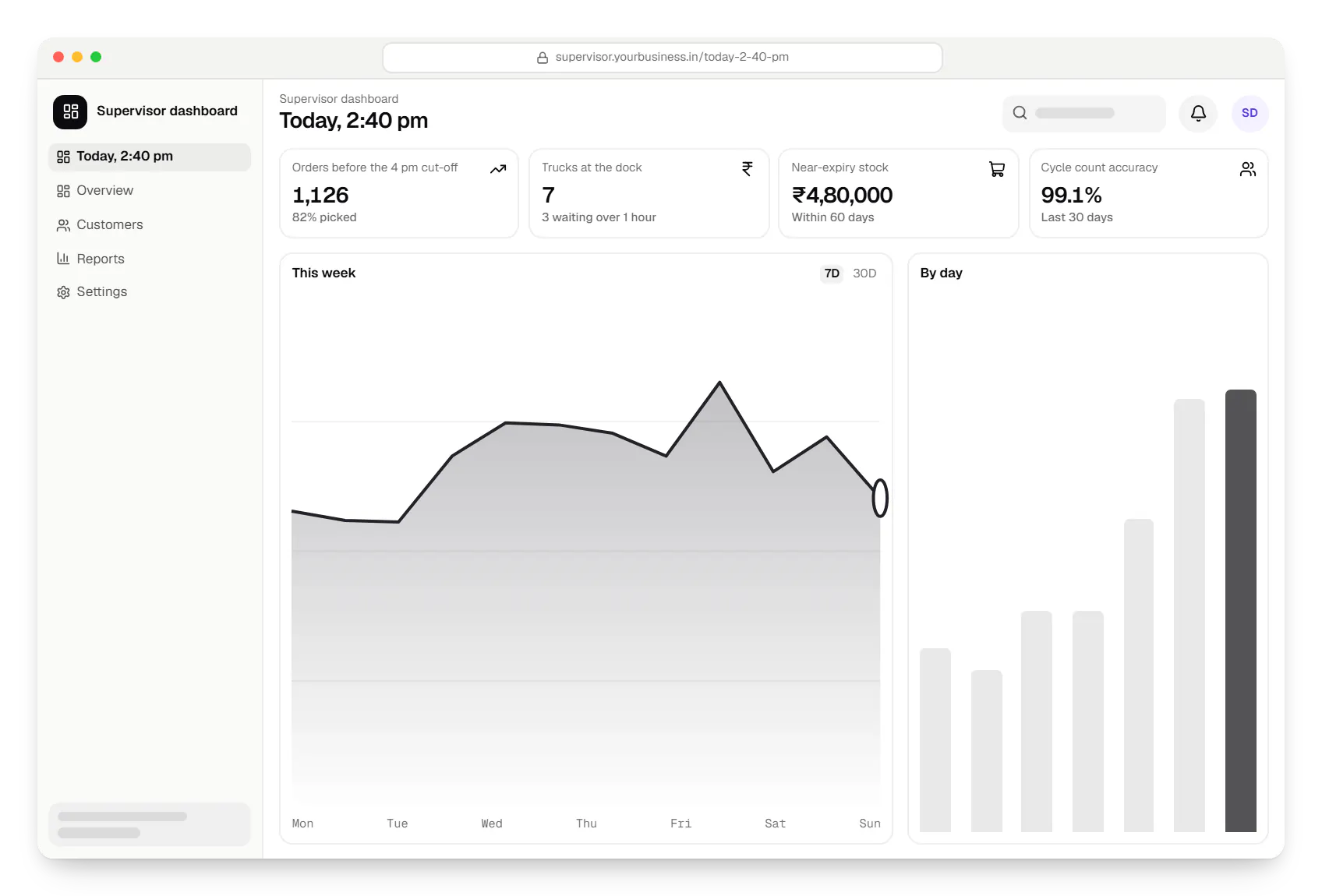
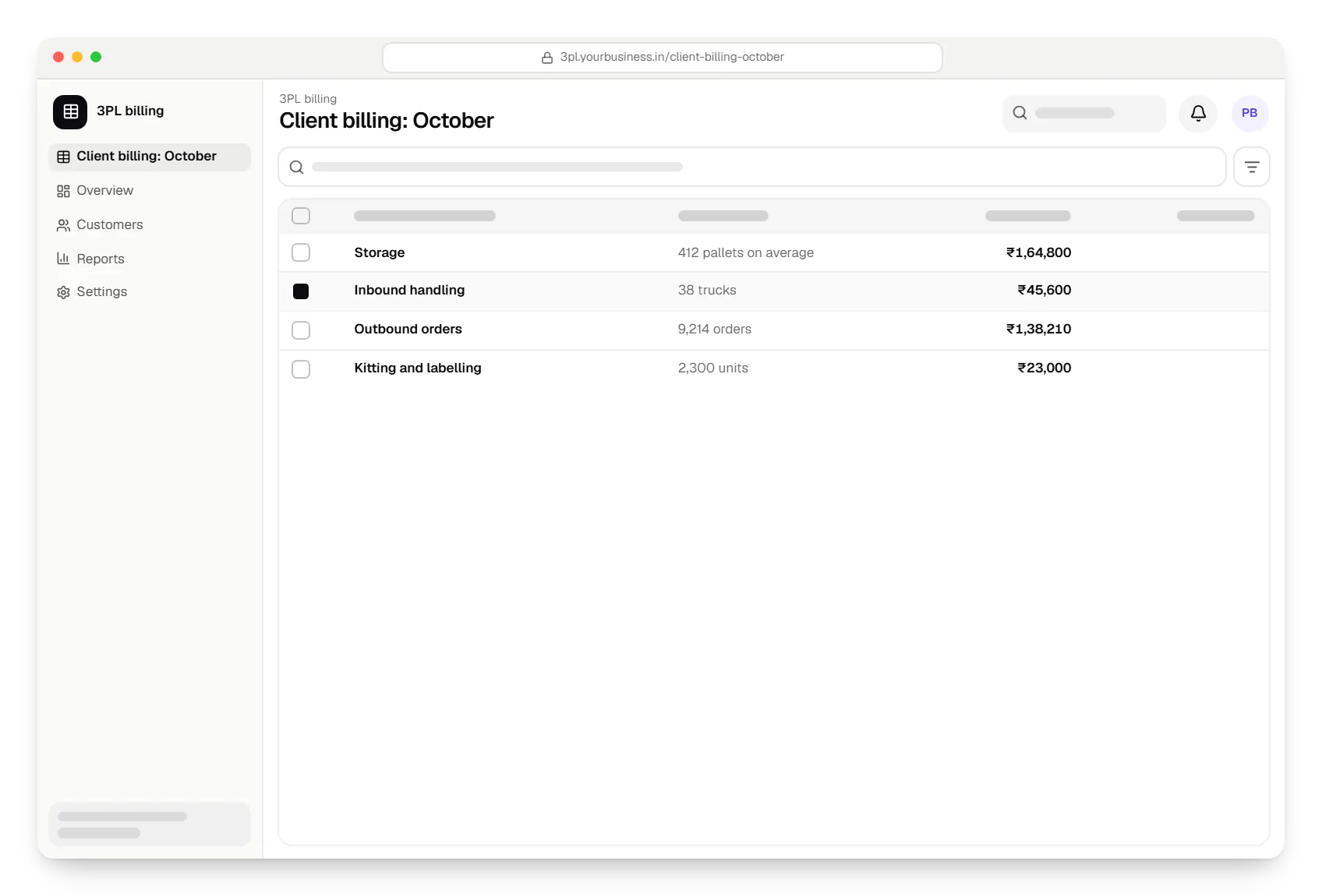
Sample screens: names, prices and figures are examples, not client data.
Cost drivers
Multiple sites, clients, units of measure and batch rules add logic.
Handheld scanners, label printers and weighing scales need integration and testing.
Each ERP, marketplace or courier connection adds its own work.
Estimates are written from your scope, with the effort and assumptions behind each line item.
How pricing worksServices
The design and engineering services our in-house team combines on projects in this sector.
Software shaped around how your business runs, from approvals and inventory to billing and reports, replacing spreadsheets and disconnected tools.
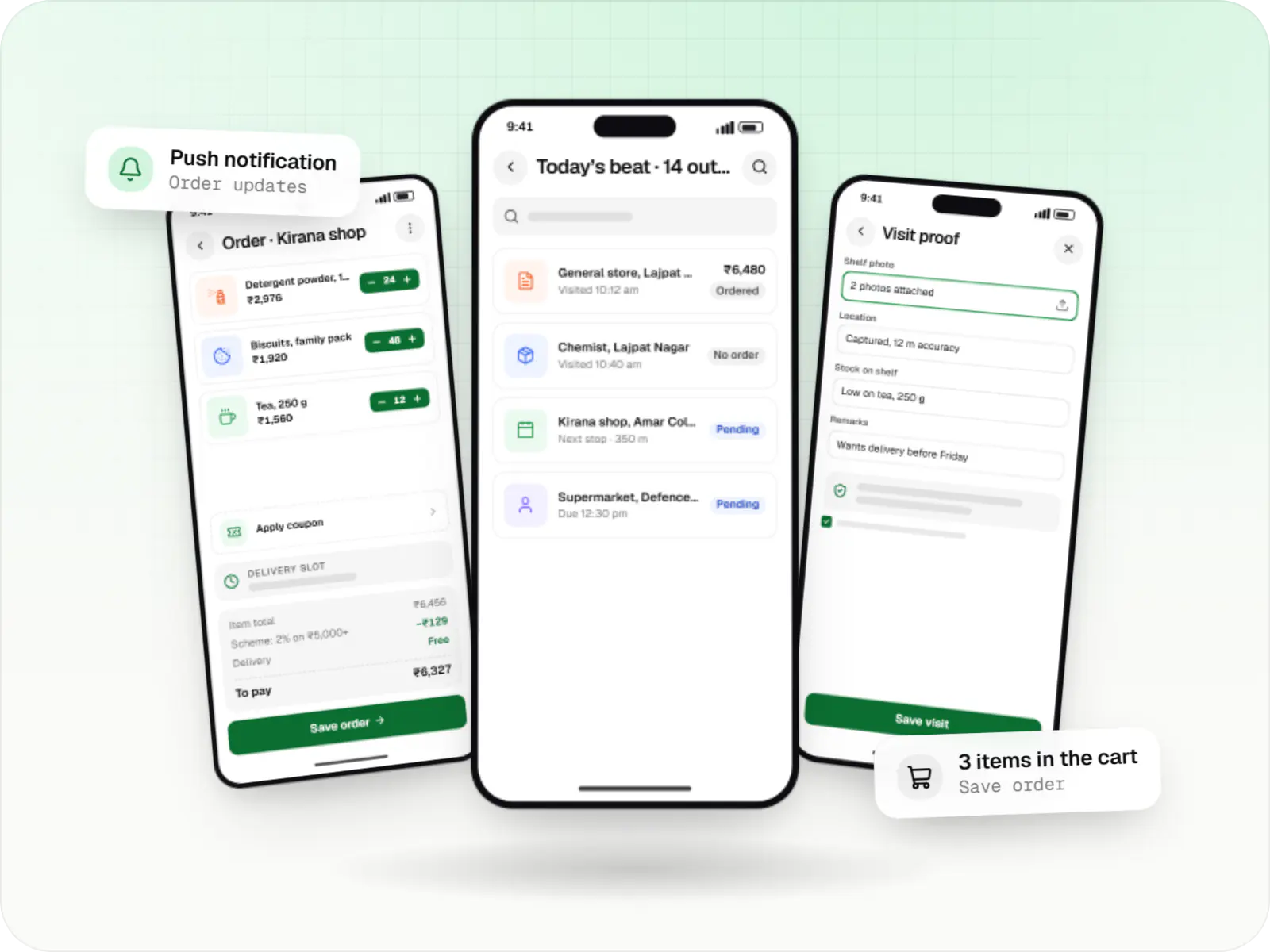
Native Android apps in Kotlin and Jetpack Compose, designed for entry-level phones, patchy networks and the background limits of popular Android brands.
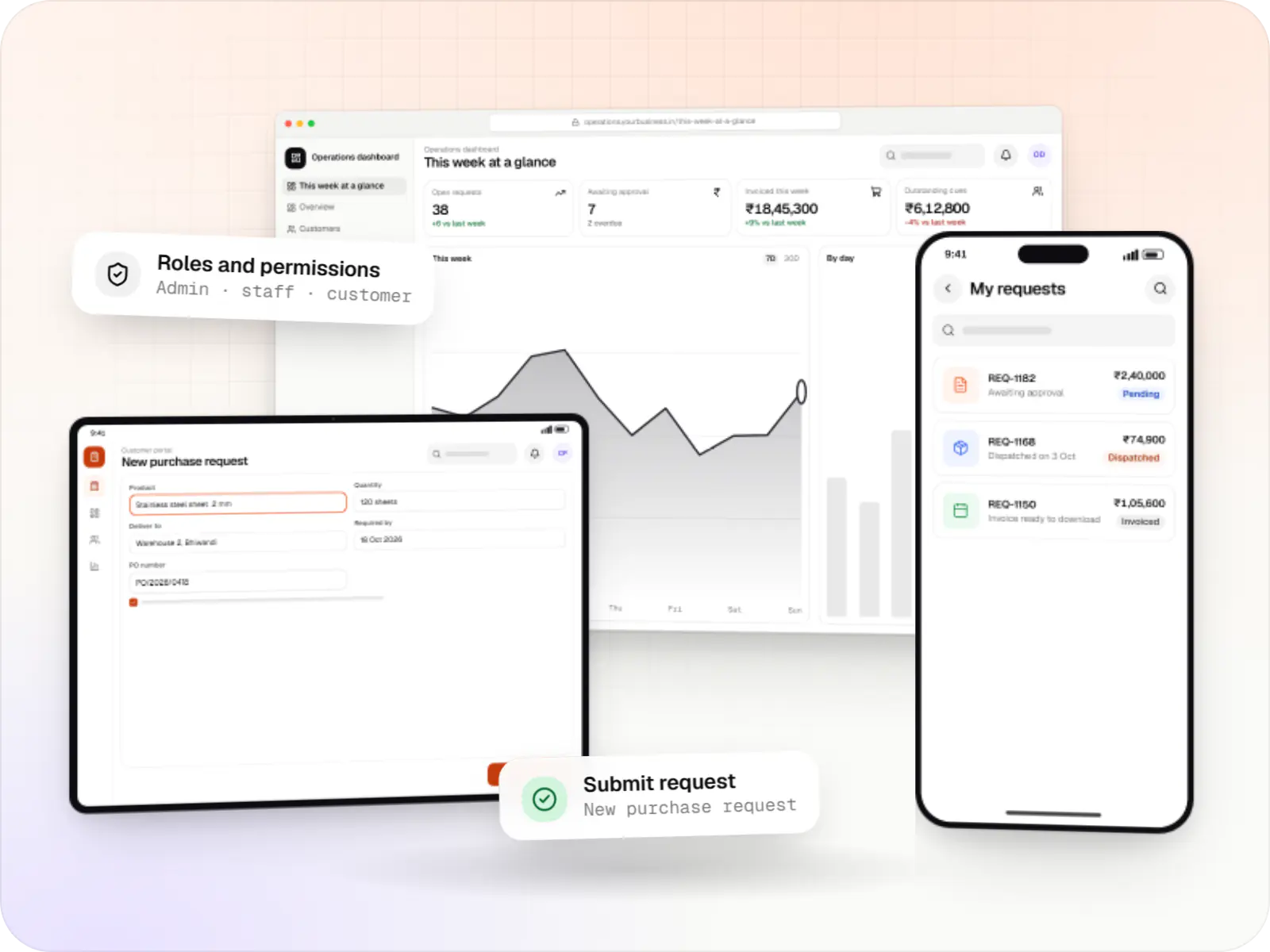
Browser-based products, customer portals, dashboards and internal tools, built on clean data models with secure roles and integrations.
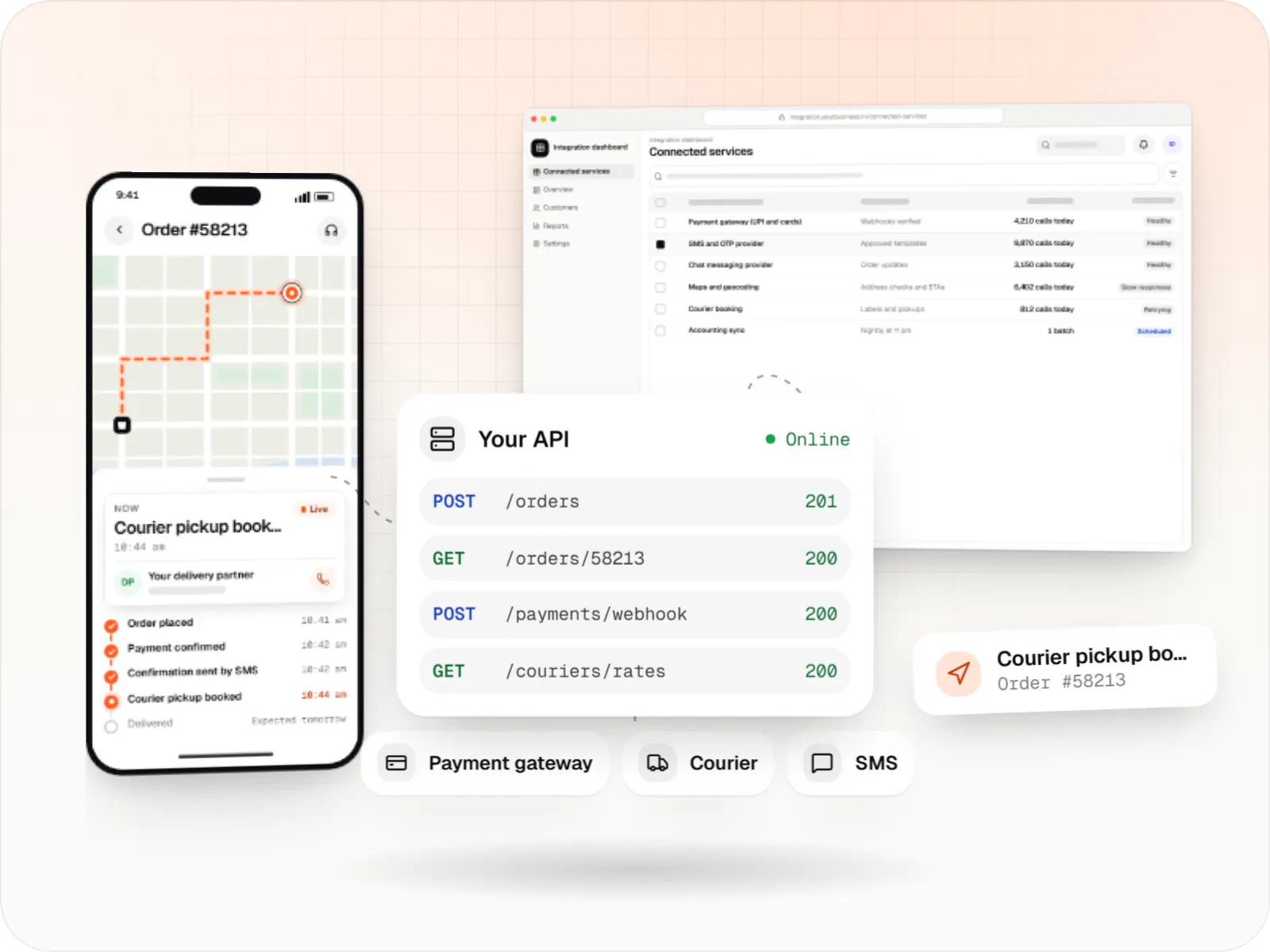
Secure, documented REST and GraphQL APIs, plus integrations that connect your apps to payment, logistics, GST, messaging and business systems.
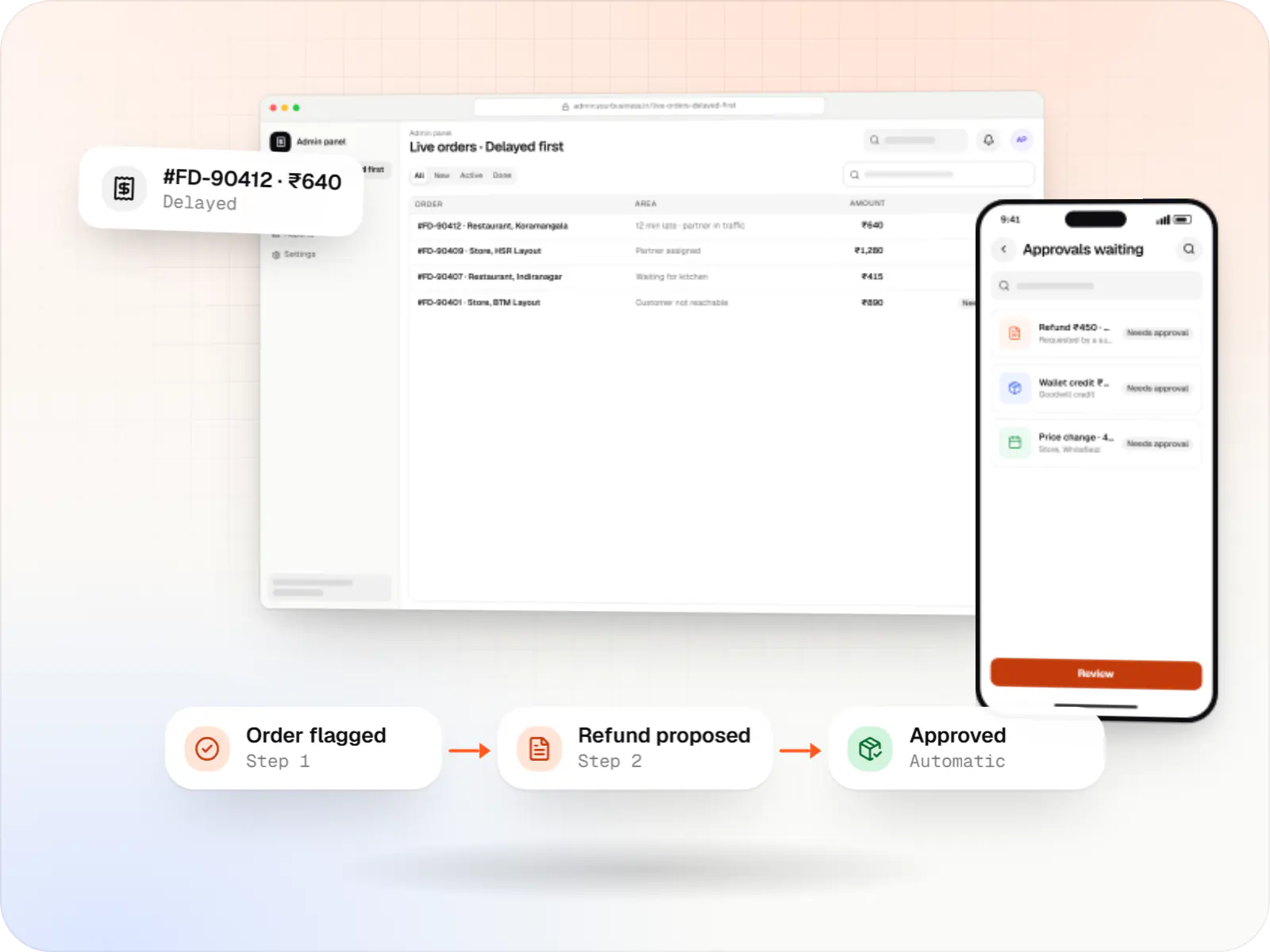
Back-office dashboards built around your team's daily tasks: order queues, approvals, catalogue management, payouts, reports and audit logs.
Work
Illustrative projects that show how we would approach a product in this sector.
E-commerce & marketplaces
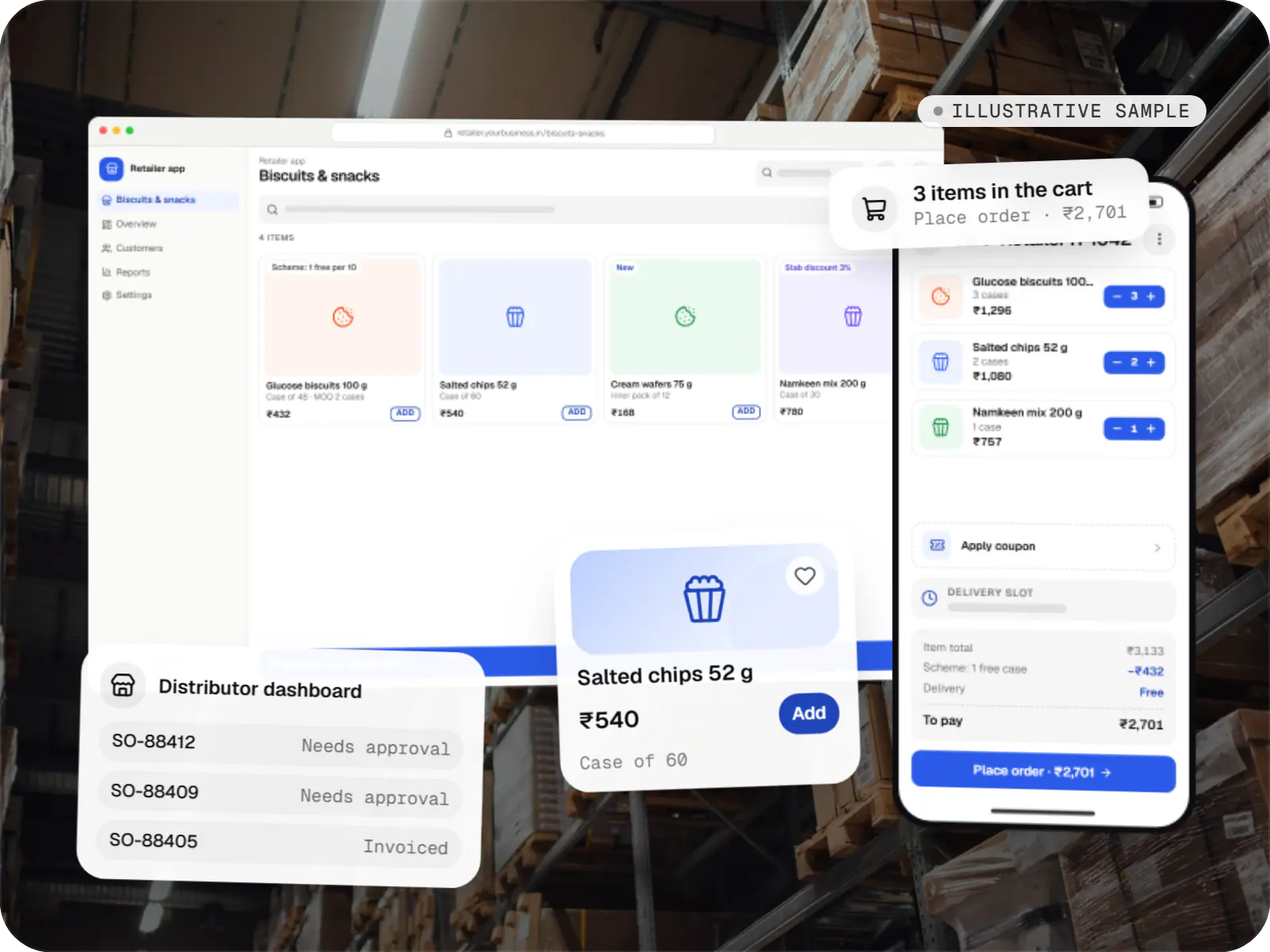
An illustrative ordering app for a distributor's retailers and sales team, with tier pricing, credit limits, trade schemes and GST invoicing.
Runs on
Built with
FAQ
Both work. Phones with camera scanning are fine for low volumes and occasional counts. For all-day receiving and picking, rugged Android handhelds with built-in scanners from vendors such as Zebra or Honeywell are faster and survive drops, and the same Android app runs on them. We build for the device you choose and test scan speed, battery and Wi-Fi on your floor.
Yes. E-way bills are generally required when goods above the notified value move, including many transfers between your own warehouses. The software generates them from the dispatch or transfer record through the e-way bill system's APIs or a GST Suvidha Provider, attaches the number to the manifest and tracks validity. Your finance team confirms which movements need one; the rules stay configurable.
Yes. Each client gets a rate card for storage (per pallet, square foot or bin), inbound and outbound handling, value-added services such as kitting or labelling, and minimum charges. The system records the activity behind every charge during the month and generates a GST invoice with a detailed activity report. That replaces month-end spreadsheet work and makes client queries easier to settle.
Next step
Share your SKU count, order volumes and sales channels, and we will suggest a WMS scope.