

Mobile
Flutter
Build Android and iOS apps from one shared codebase, so you launch on both platforms faster with a consistent experience.
Used for
- Mobile apps
- Delivery apps
- E-commerce apps
- Booking apps
Manufacturing
Service booking, workshop, spare parts and EV charging software for dealers, multi-brand workshops, parts sellers and mobility startups.
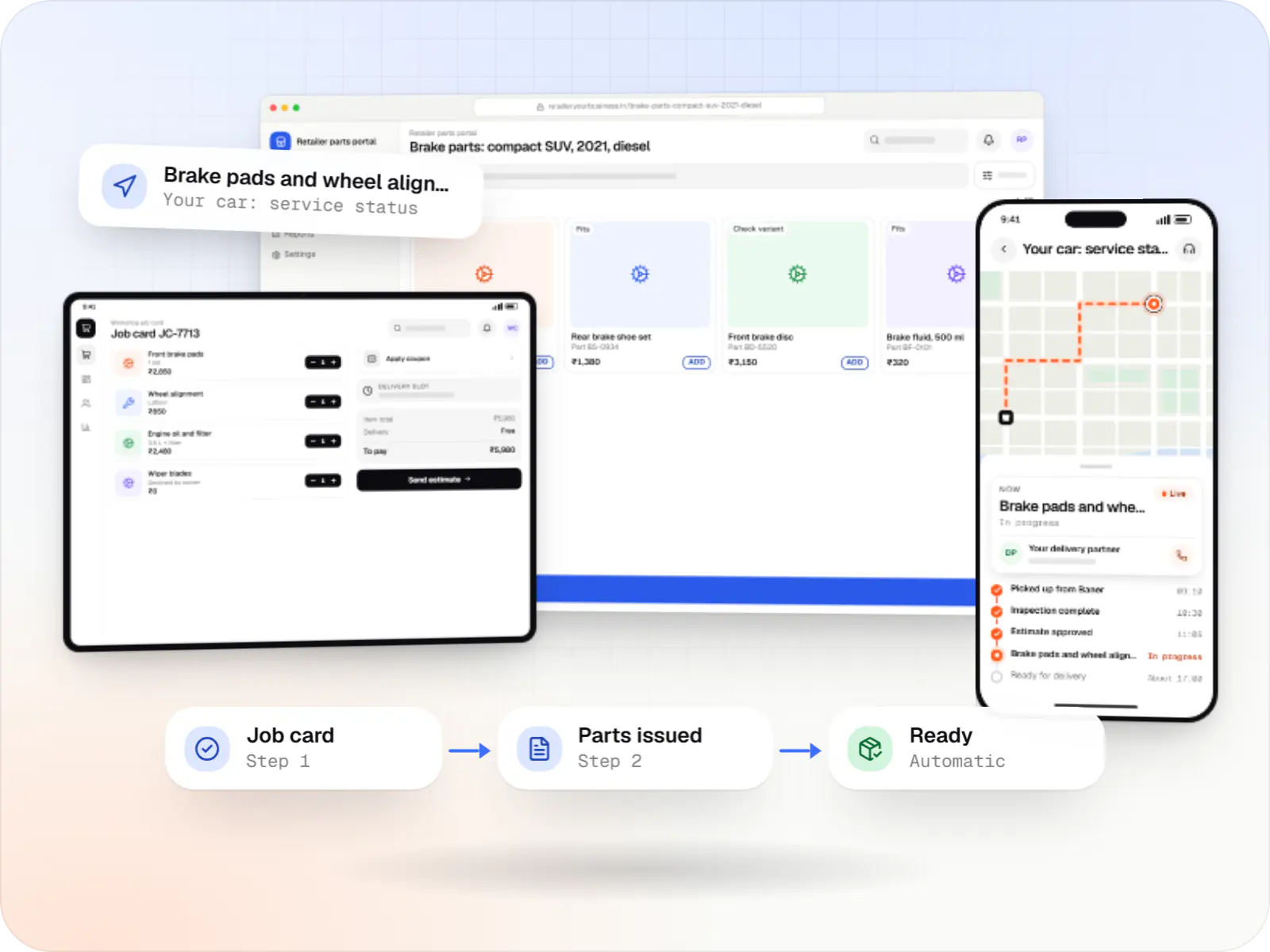
At a glance

Customers keep vehicles for years, and every vehicle is slightly different. We build software that keeps that vehicle-level detail accurate, from service booking to parts ordering.
Flutter and the related logo are trademarks of Google LLC. We are not endorsed by or affiliated with Google LLC.
How to start
Tell us what you need in your own words. You talk to the developers who would build it and get a written, line-item estimate.
Get a project estimateDealers, multi-brand workshops, spare parts distributors and new mobility businesses share one challenge: parts depend on make, model, variant and year, service depends on kilometres and history, and customers expect updates on WhatsApp and payment by UPI. Generic retail or booking software rarely models vehicles properly, so we build systems where the vehicle, not just the customer, is the core record.
Challenges
Customers call repeatedly to ask about repair status and estimates.
Wrong parts ordered because catalogues lack reliable make-model-variant mapping.
Retailers order spares by phone, with inconsistent pricing.
Periodic service and insurance renewal follow-ups handled by hand.
Solutions
Across 3 areas
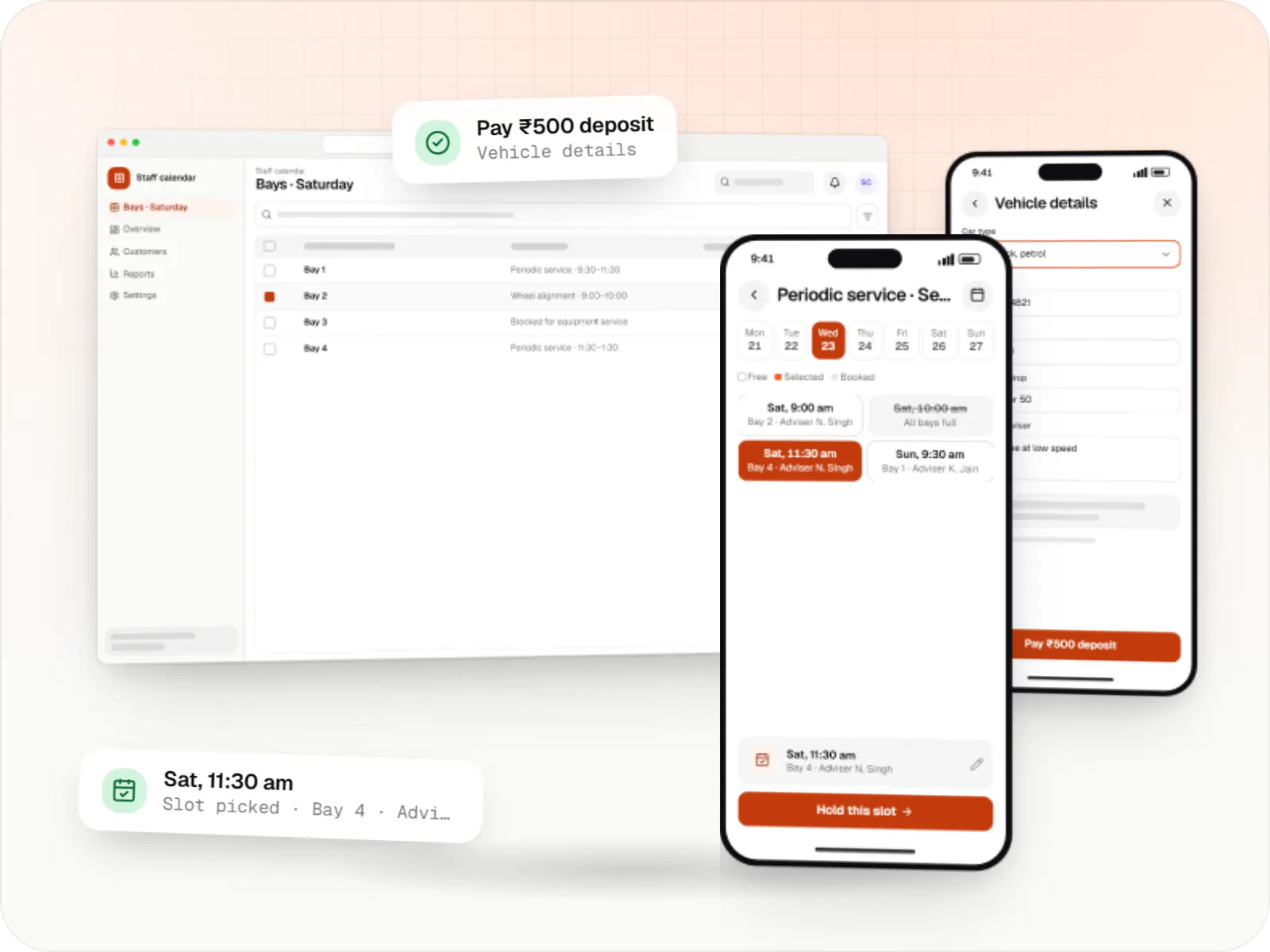
Custom scheduling software for consultants, service centres, labs and multi-location businesses: availability rules, reminders, payments and calendar sync.
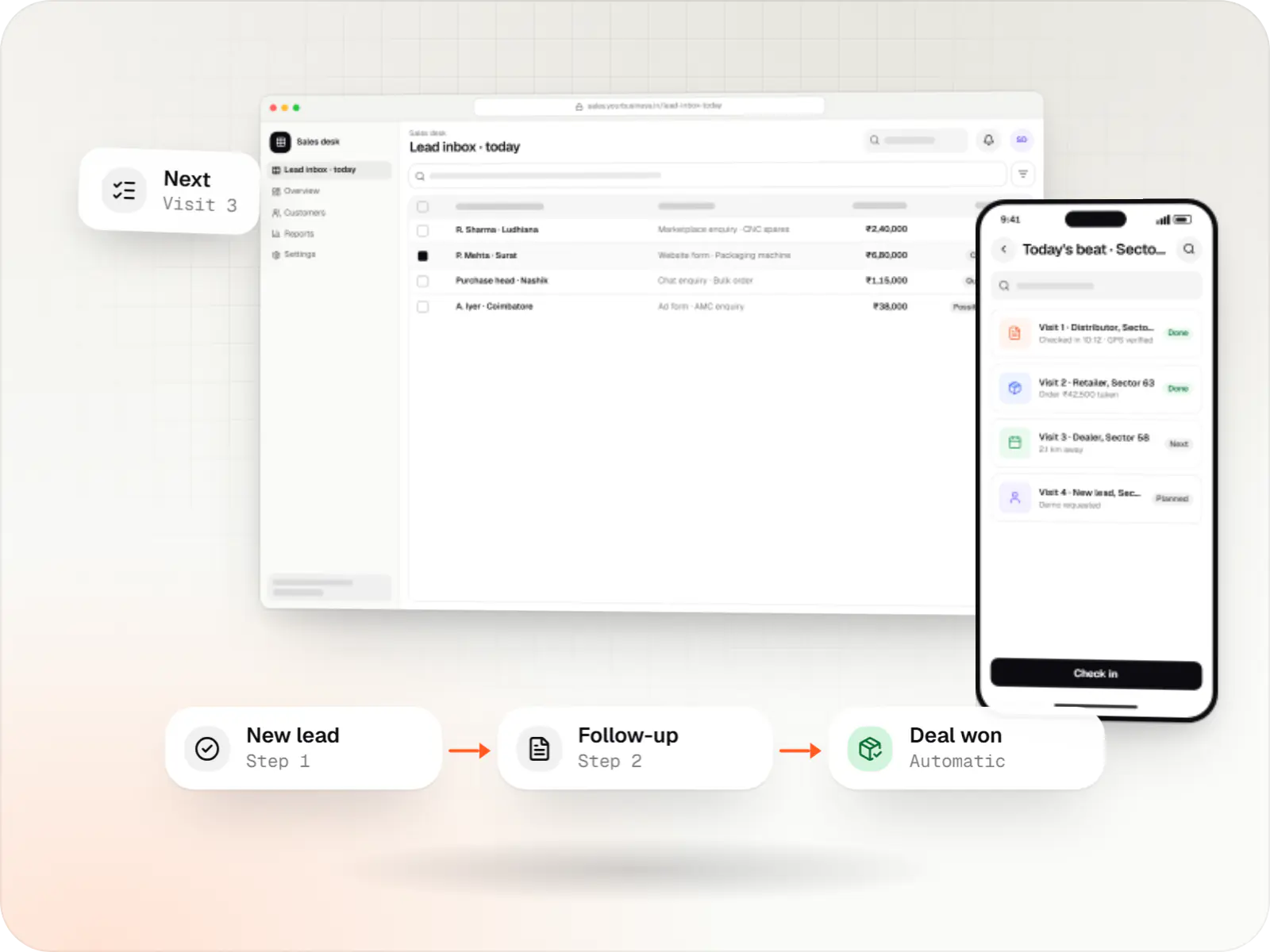
Custom CRM software that captures leads from every channel, keeps follow-ups on schedule and shows managers a live pipeline.
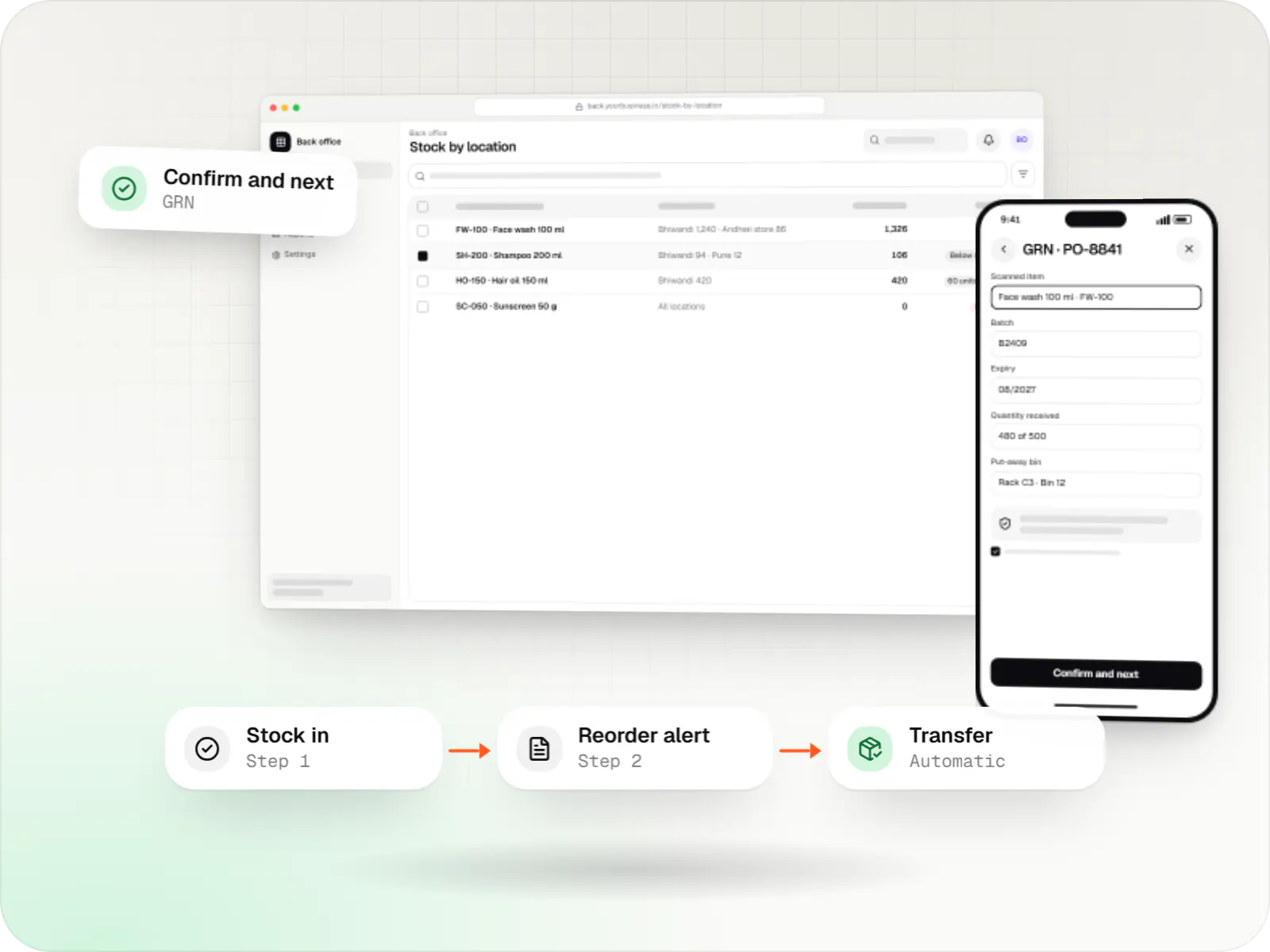
Custom inventory software for multi-location stock, batch and expiry tracking, barcode scanning and marketplace stock sync.
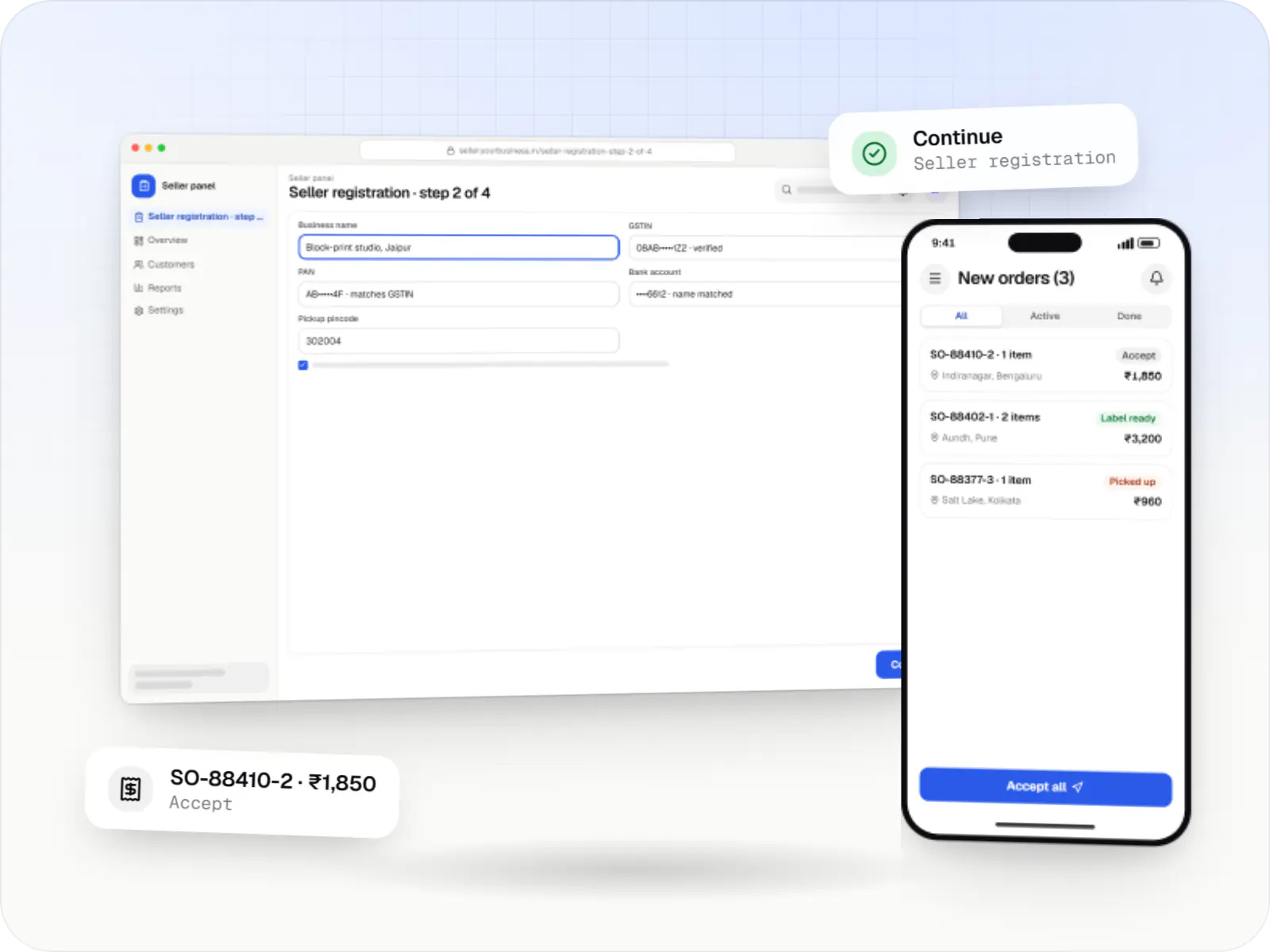
Multi-vendor marketplaces with seller onboarding, commission rules, split payouts, per-seller invoicing and catalogue moderation.
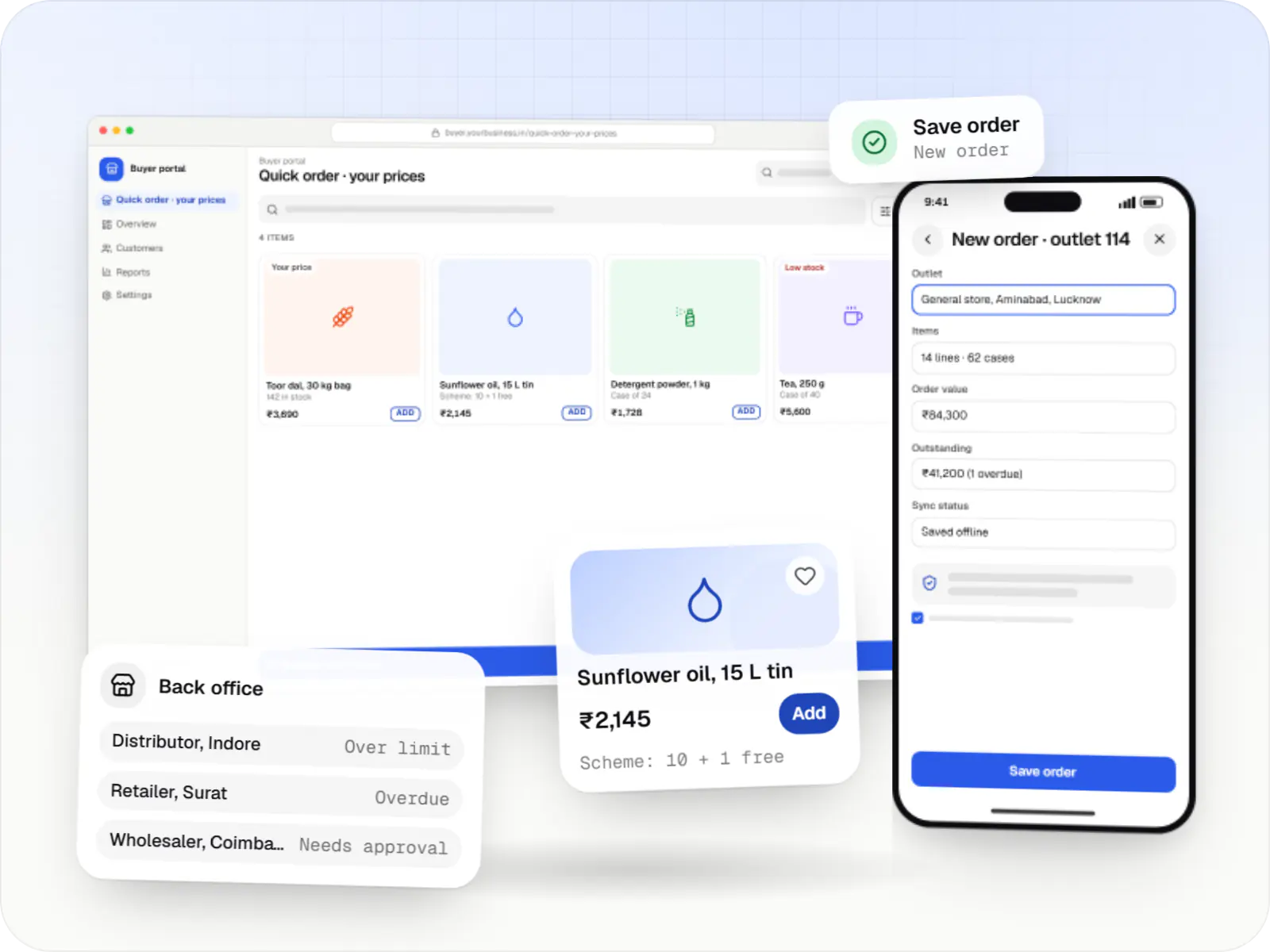
Ordering portals and apps for manufacturers, distributors and wholesalers, with buyer-specific pricing, credit limits, bulk ordering and ERP sync.
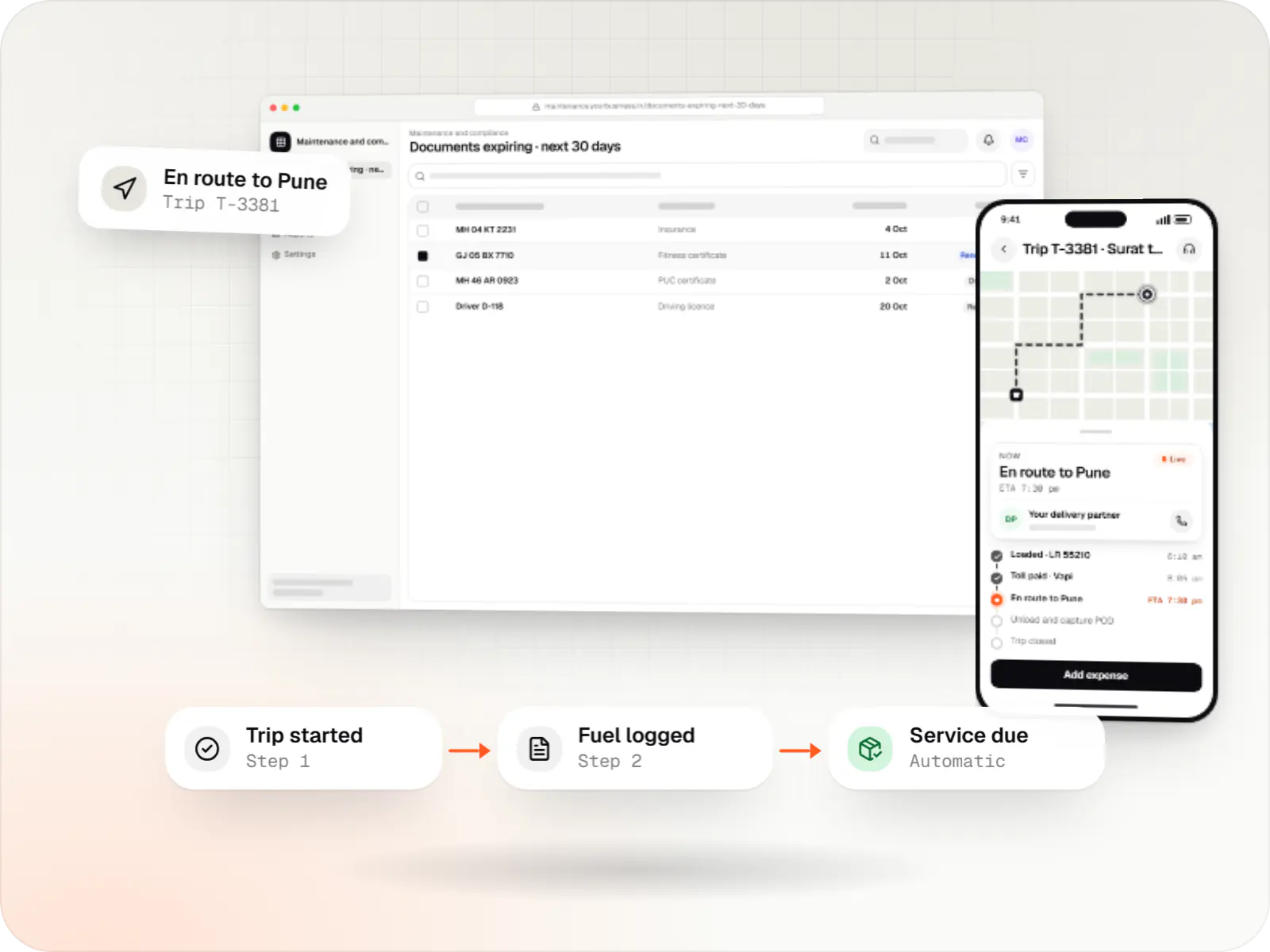
Custom fleet management software for GPS tracking, trips, driver apps, compliance reminders, maintenance and freight billing.
Slot booking, pickup and drop scheduling, and status updates at each stage.
Inspection photos, online estimate approval, and parts and labour on one card.
Search by vehicle or part number, with registration lookup through authorised data providers.
Inspection reports, photos, offers and document checklists for resale.
Charger maps, sessions on OCPP-compliant chargers and UPI payments.
How it works
The owner picks a service, a slot and optional pickup, and the vehicle’s past visits and last odometer reading come up automatically.
The car is picked up or checked in, and the advisor records findings with photos on a digital job card at the vehicle.
A line-item estimate goes out by WhatsApp; the owner approves or declines each item, and every approval is timestamped on the job card.
Parts are issued from stock against the job card by part number, and the technician updates progress at each stage.
Parts and labour are billed with GST straight from the job card, and the owner pays by UPI before the car is handed back.
The next service, due by date or kilometres, and the insurance renewal are scheduled as reminders without anyone keeping a diary.
Then it starts again at step 1: Owner books a slot
Platforms
One Flutter or React Native codebase for Android and iOS, with native modules where a feature needs them.
Browser-based applications with logins, roles and workflows, such as customer portals, SaaS products and internal tools.
Back-office panels for operations, support and finance teams: orders, users, content, reports and permissions.
Marketing and content websites: fast, search-friendly pages with a CMS your team can update without a developer.
Technology
One app codebase for vehicle owners, maps for pickup and drop, and UPI payments at handover.
Mobile
Build Android and iOS apps from one shared codebase, so you launch on both platforms faster with a consistent experience.
Used for
Web
A modern web technology for fast, search-friendly websites, online stores and web applications that load quickly on mobile.
Used for
Backend
A structured way to build back ends on Node.js, so large business systems stay organised, testable and easy to hand over.
Used for
Data
A reliable database for the records your business runs on: orders, payments, bookings and stock, kept accurate and easy to report on.
Used for
Payments & maps
Adds maps, address search, live tracking and travel-time estimates to delivery, ride and field apps, so orders reach the right door.
Used for
Payments & maps
Lets customers in India pay by UPI, cards, netbanking or wallets, and handles subscriptions, refunds and payouts to sellers or partners.
Used for
Flutter and the related logo are trademarks of Google LLC. We are not endorsed by or affiliated with Google LLC.
Plain-English glossary
Product preview
Sample screens for a multi-brand workshop in Pune; part numbers and prices are illustrative.
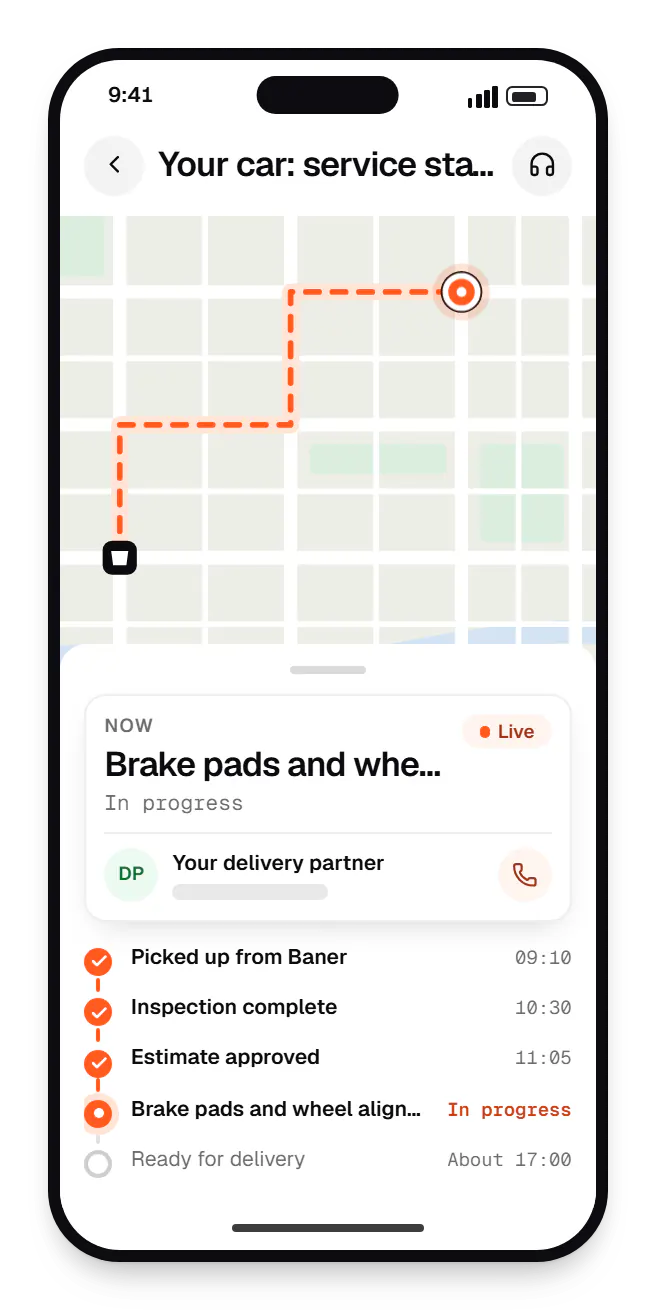
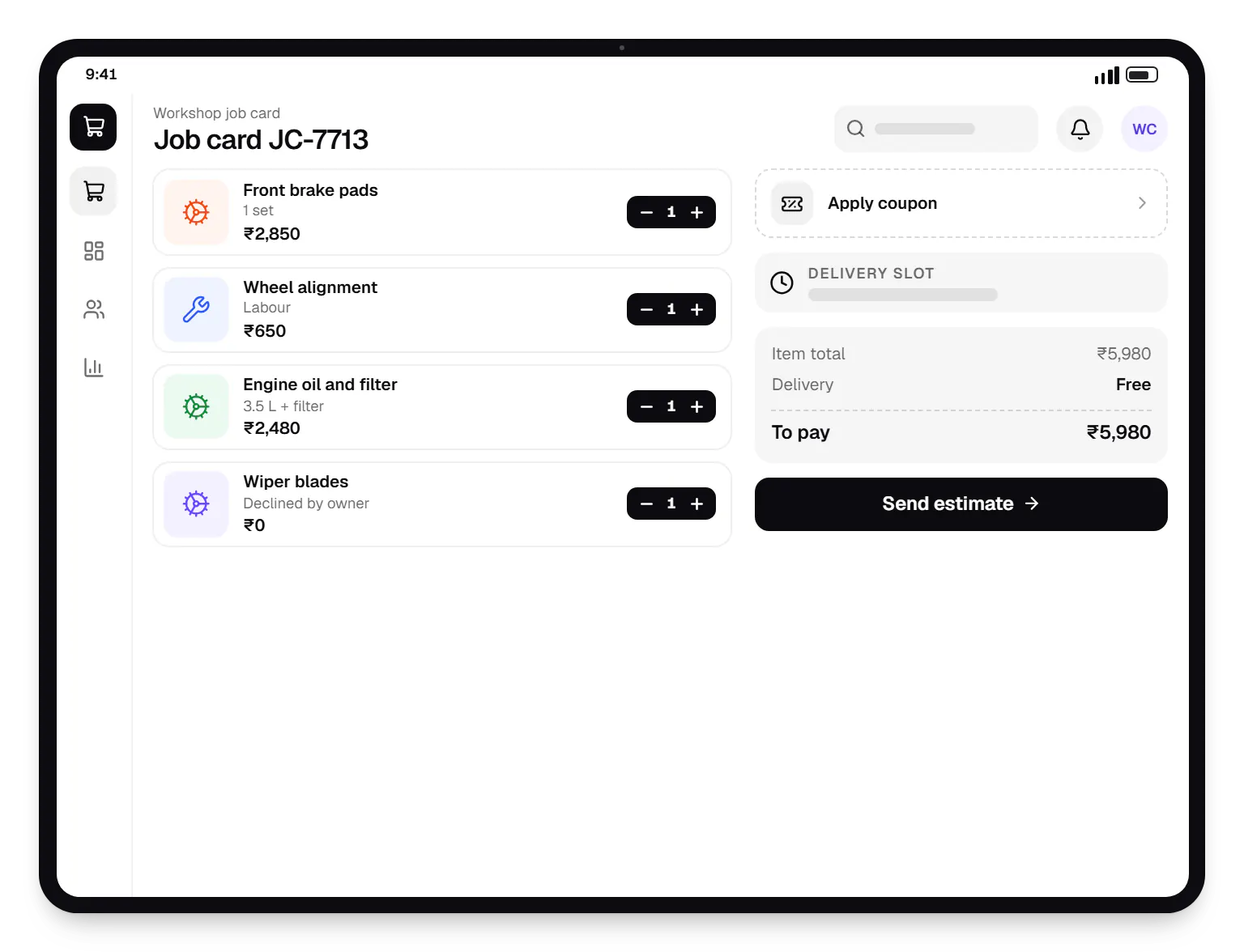
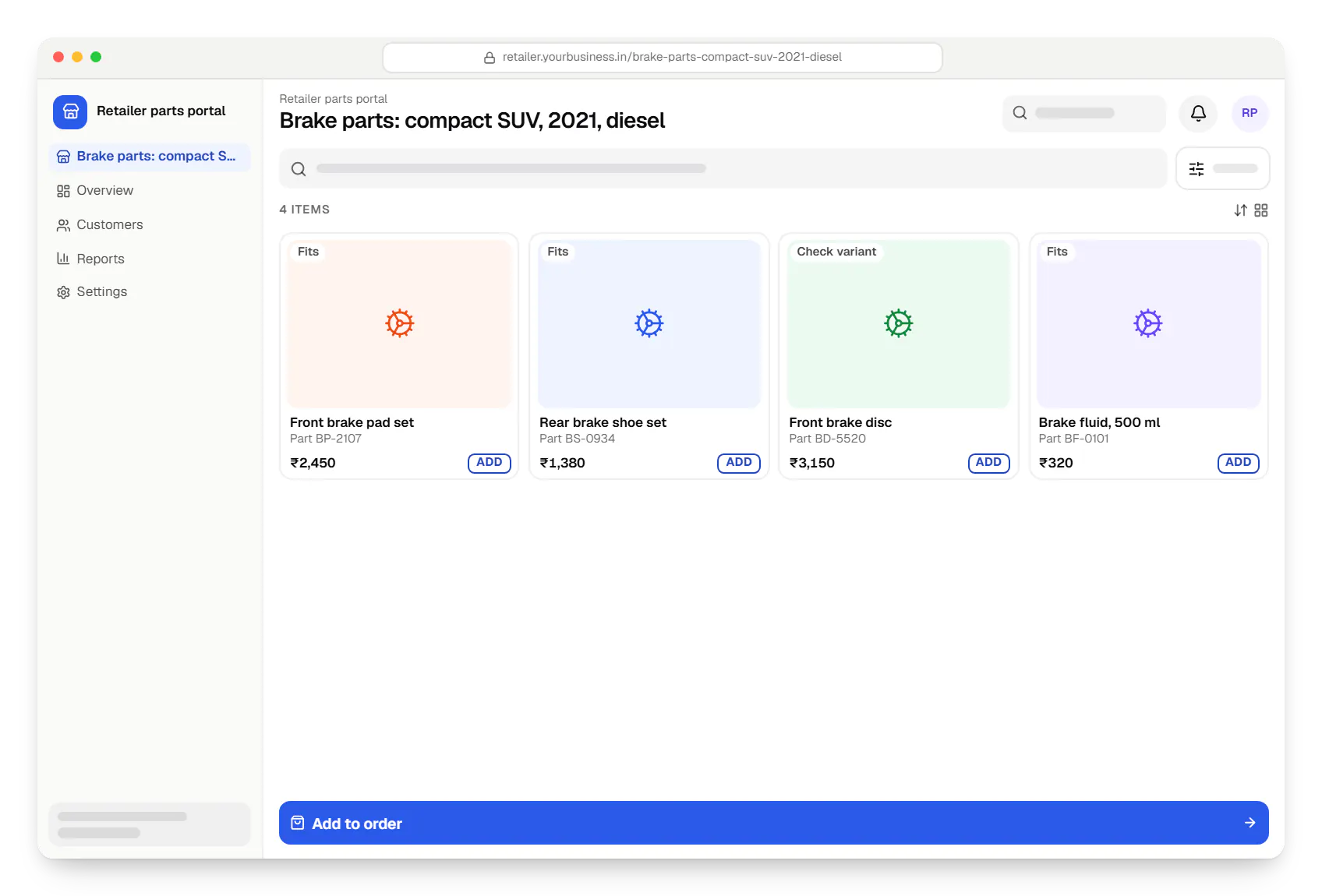
Sample screens: names, prices and figures are examples, not client data.
Cost drivers
Licensing or building fitment data is often the largest non-code effort.
Chargers, telematics devices or diagnostic tools each need protocol-level testing.
Multi-branch workshops need stock transfers, branch pricing and consolidated reports.
Estimates are written from your scope, with the effort and assumptions behind each line item.
How pricing worksServices
The design and engineering services our in-house team combines on projects in this sector.
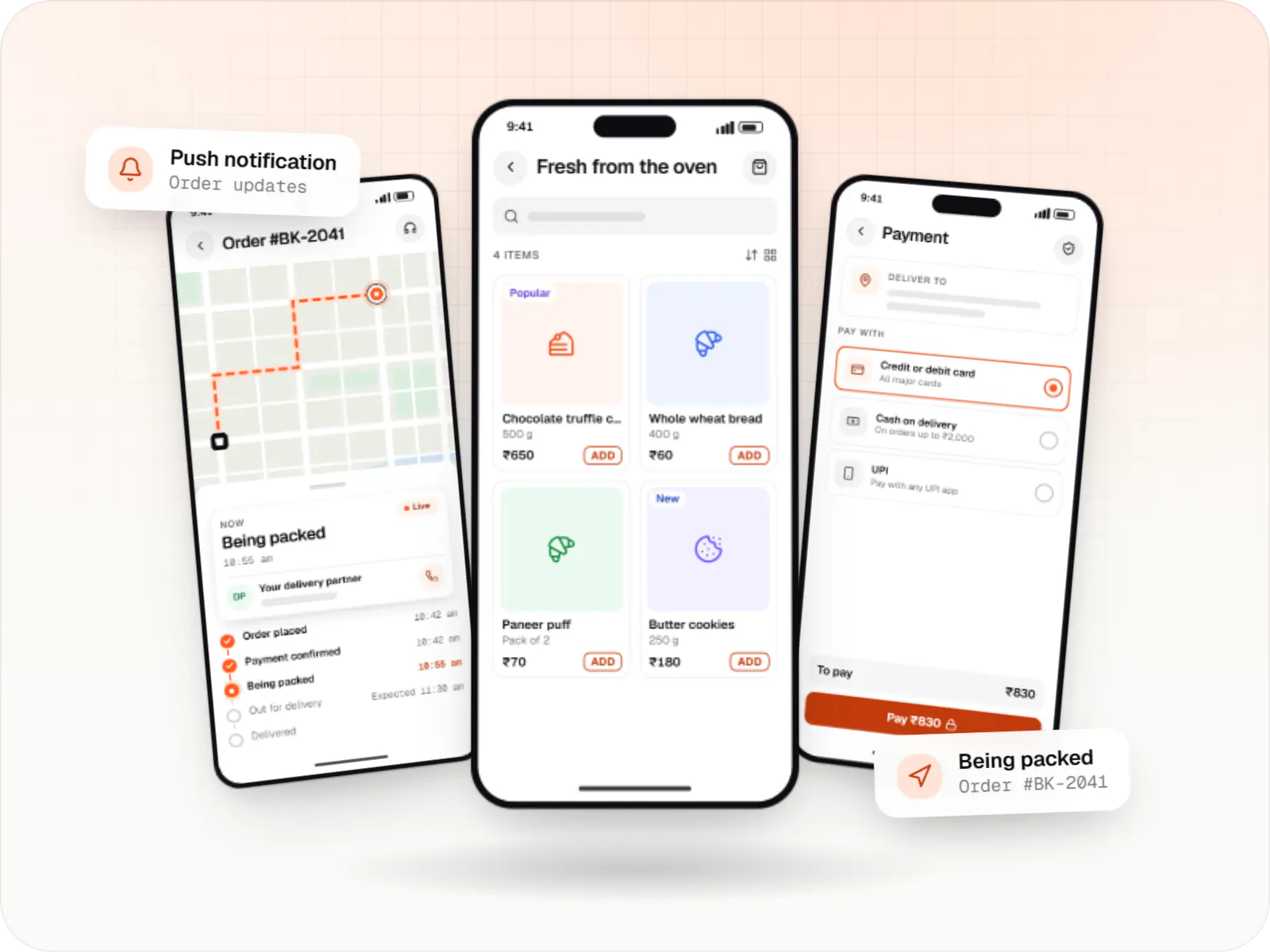
Native and cross-platform Android and iOS apps, from first release through regular store updates, built by our in-house designers and engineers.
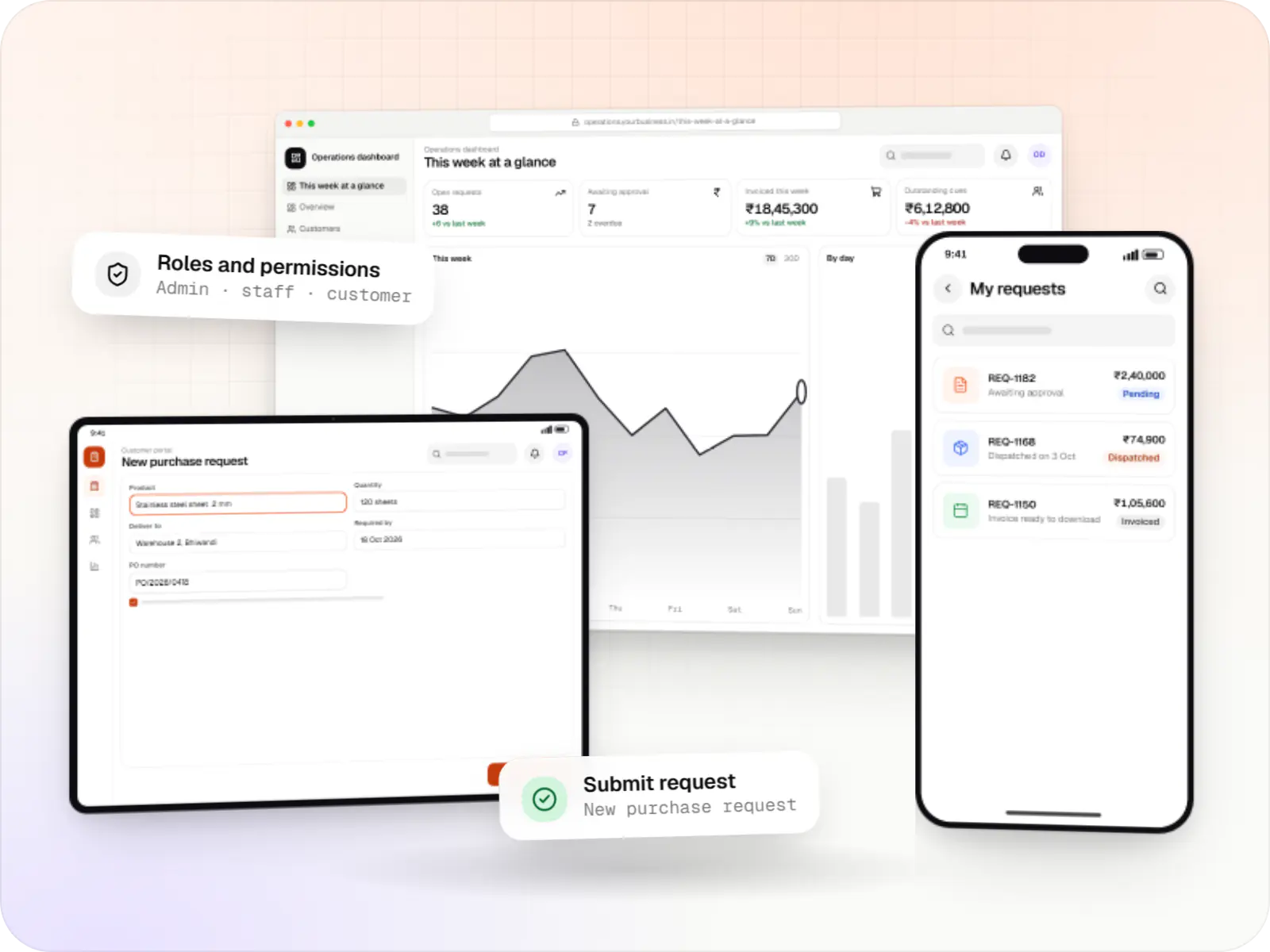
Browser-based products, customer portals, dashboards and internal tools, built on clean data models with secure roles and integrations.
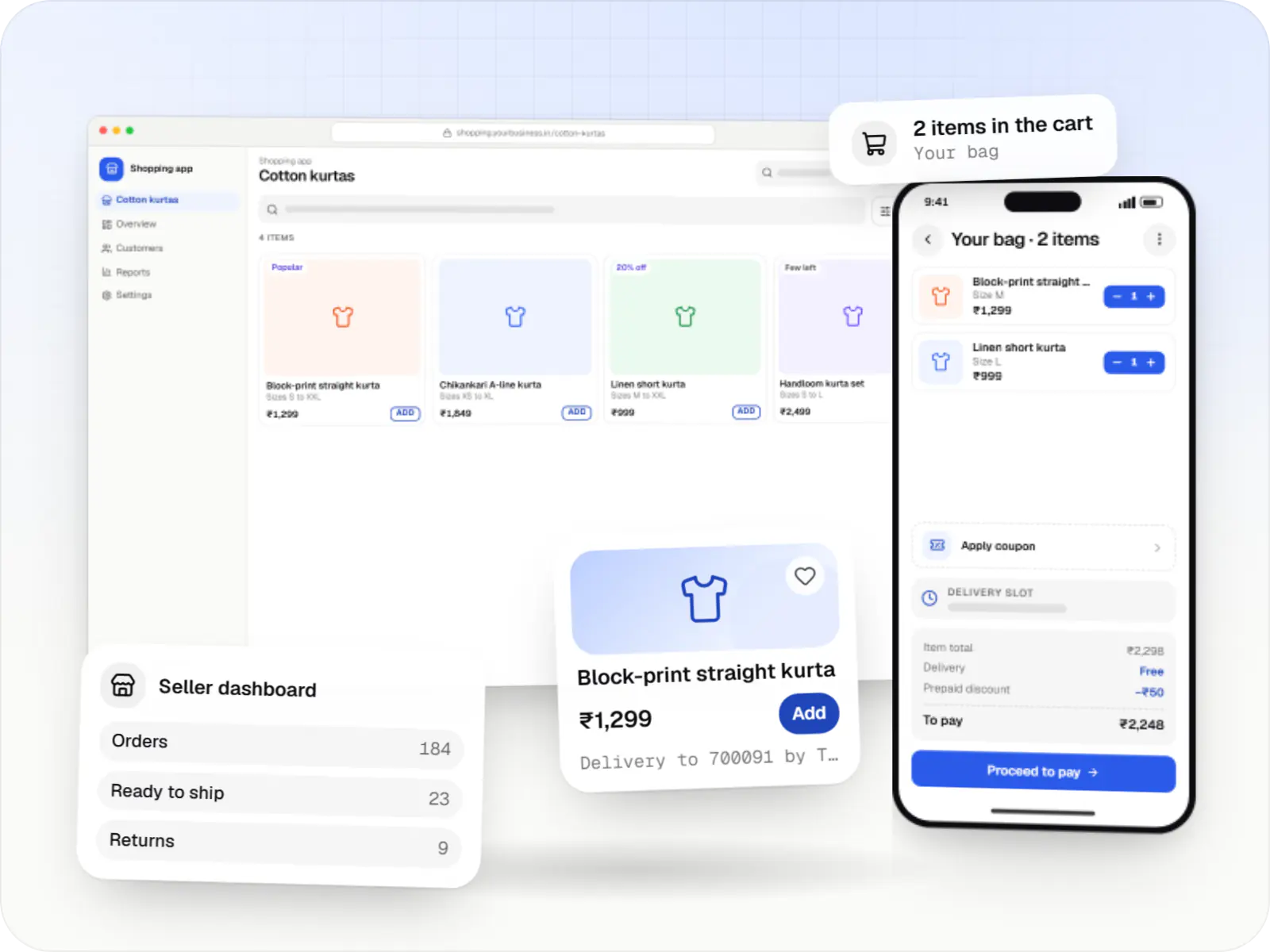
Online stores, shopping apps and B2B ordering portals on Shopify, WooCommerce or custom stacks, wired to Indian payments, couriers and GST invoicing.
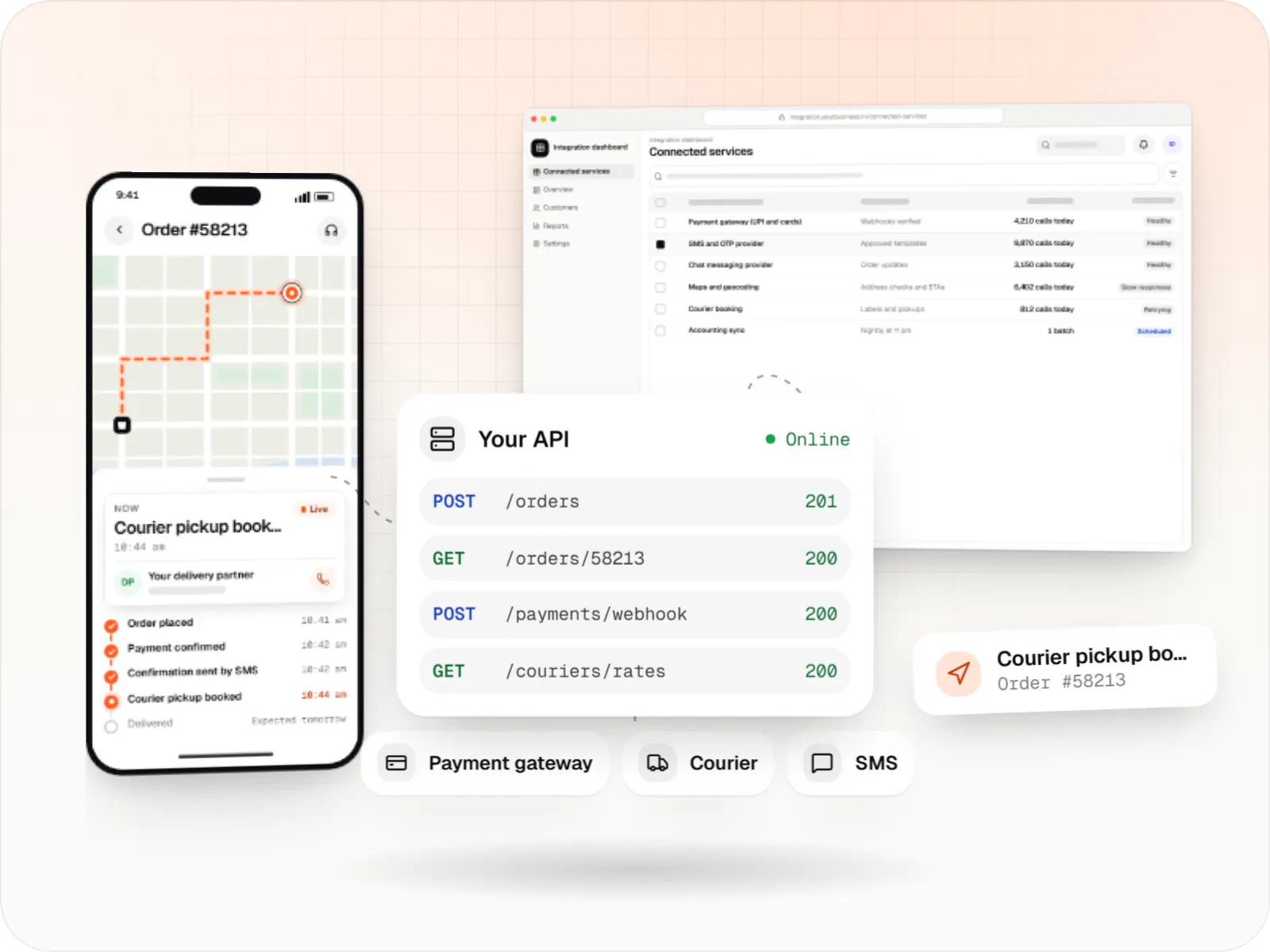
Secure, documented REST and GraphQL APIs, plus integrations that connect your apps to payment, logistics, GST, messaging and business systems.
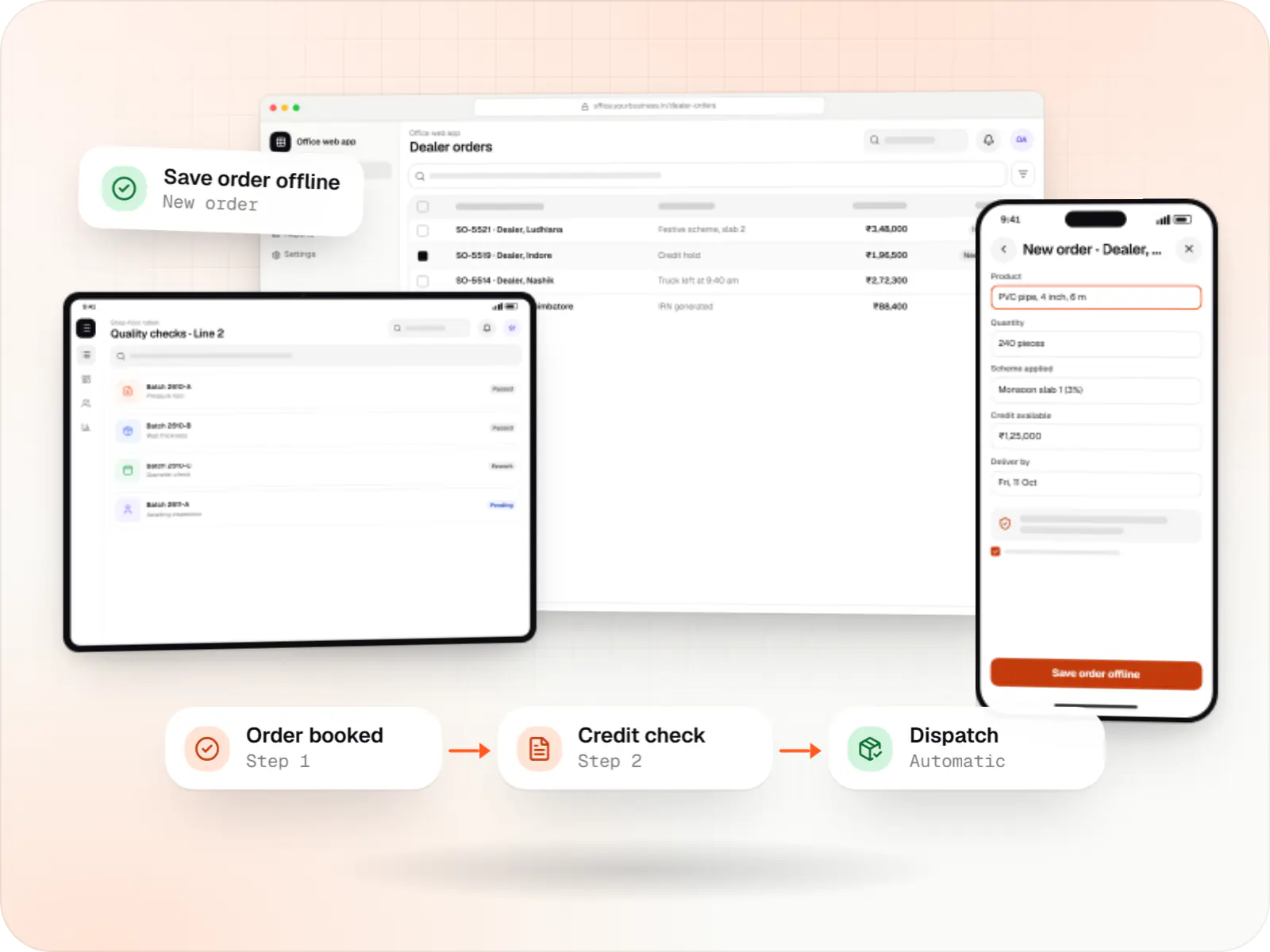
Software shaped around how your business runs, from approvals and inventory to billing and reports, replacing spreadsheets and disconnected tools.
Locations
Cities where this sector is a significant part of the local economy. We work remotely with teams across India and meet in person where practical.

Delhi NCR · Haryana

Maharashtra

Tamil Nadu

Tamil Nadu
FAQ
Yes. After inspection, the service advisor adds findings with photos and a line-item estimate. The customer gets a link by WhatsApp or SMS, approves or declines each item, and the job card updates at once. Extra work found mid-repair follows the same flow, so every approved change carries a timestamp, which reduces disputes when the vehicle is handed back.
Usually from one or more of three sources: data licensed from a catalogue provider, data supplied by the brands you distribute, or data your own team builds. Many parts sellers combine them, starting with fast-moving parts. We map each part to make, model, variant and year ranges, and let corrections from sales feed back into the data. Registration-number lookups need an authorised provider.
Most commercial chargers support OCPP (Open Charge Point Protocol), commonly version 1.6 or 2.0.1, which lets one central system start sessions, read meter values and apply tariffs across brands. We build that central management system and the driver app on top of it. Chargers with proprietary protocols need individual integration, so we test each model before committing to a rollout plan.
Next step
Outline your business model and current systems, and we will propose a first release.