

Web
React
Builds interactive screens in the browser, such as dashboards, admin panels and portals, that respond instantly as your team works.
Used for
- Web apps
- Admin panels
- Dashboards
- Customer portals
HRMS software
Attendance, leave, payroll, onboarding and exits, configured to your policies rather than a vendor's defaults.
At a glance
What it is
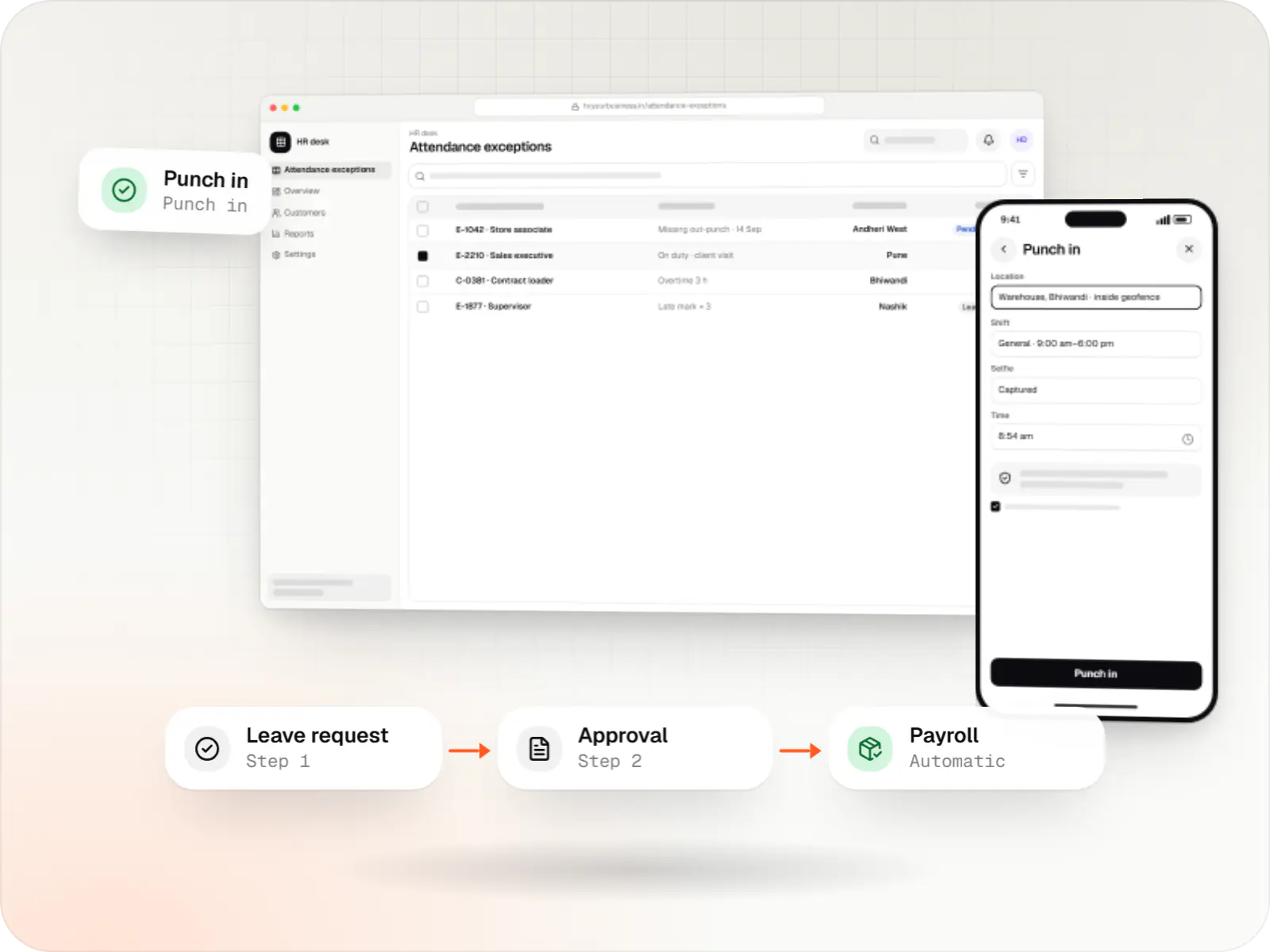
Custom HRMS covering attendance, leave, payroll with Indian statutory deductions, onboarding and an employee self-service app.
Flutter and the related logo are trademarks of Google LLC. We are not endorsed by or affiliated with Google LLC.
How to start
Tell us what you need in your own words. You talk to the developers who would build it and get a written, line-item estimate.
Get a project estimateMany HR teams export attendance from one system, fix it in Excel and upload it to another for payroll. Each hand-off is a chance to underpay overtime or miss a professional tax slab.
A custom HRMS keeps the chain in one place: punches become attendance, attendance becomes payable days, and payroll produces payslips, bank transfer files and statutory returns. Salary structures, leave accrual and shift allowances are configurable, so a policy change does not need a developer.
Challenges
Biometric devices at plants, mobile punches for field staff and manual registers for contractors rarely reconcile cleanly.
Professional tax and labour welfare fund rules differ by state, multiplying payroll errors for multi-state teams.
Offer letters, ID proofs and bank details are collected over email and kept in shared folders.
Leave encashment, recoveries and gratuity are worked out by hand at every exit.
What is included
Platform: Web app
Platform: Web app
Platform: Android and iOS app
Platform: Admin dashboard
How it works
The same monthly cycle runs for office staff, field teams and contract workers.
Staff punch in on a device at the gate, or with a geo-fenced selfie on the app when they work in the field.
Shifts, late marks, overtime and leave are applied automatically; missing punches go to managers for regularisation.
Managers approve leave, regularisations and reimbursement claims from the app, with a record of who approved what.
Payable days feed payroll, which calculates earnings, PF, ESI, professional tax and TDS under each employee's chosen tax regime.
Payslips reach employees on the app, and a salary file in your bank's format is ready for upload.
The PF ECR file and salary journal are generated, so returns and accounts match the payroll that was paid.
Then it starts again at step 1: Punches captured
Platforms
HR and payroll teams work in a web app; employees and managers use one phone app for Android and iOS.
Browser-based applications with logins, roles and workflows, such as customer portals, SaaS products and internal tools.
One Flutter or React Native codebase for Android and iOS, with native modules where a feature needs them.
Back-office panels for operations, support and finance teams: orders, users, content, reports and permissions.
Technology
Chosen for exact payroll calculations, secure salary data and an employee app that runs on any phone.
Web
Builds interactive screens in the browser, such as dashboards, admin panels and portals, that respond instantly as your team works.
Used for
Backend
A structured way to build back ends on Node.js, so large business systems stay organised, testable and easy to hand over.
Used for
Data
A reliable database for the records your business runs on: orders, payments, bookings and stock, kept accurate and easy to report on.
Used for
Mobile
Build Android and iOS apps from one shared codebase, so you launch on both platforms faster with a consistent experience.
Used for
Cloud & DevOps
Cloud hosting for your app, website and data, with data centres in India and room to grow when traffic rises.
Used for
Flutter and the related logo are trademarks of Google LLC. We are not endorsed by or affiliated with Google LLC.
Integrations
Punch data pulled through the device SDK or cloud push.
Salary files in the format your bank's corporate portal accepts.
Monthly PF return file generated from payroll.
Salary journal entries posted to your books.
Offer letters and agreements signed through a licensed provider.
Privacy & security
Aadhaar numbers stored masked or not at all; PAN and bank details encrypted at field level.
Payroll data restricted to named roles; managers see attendance, not pay.
Notices and consent records designed with your team for the Digital Personal Data Protection Act, 2023.
Configurable retention after exit, and a log of every change to salary, bank details or attendance.
Plain-English glossary
Product preview
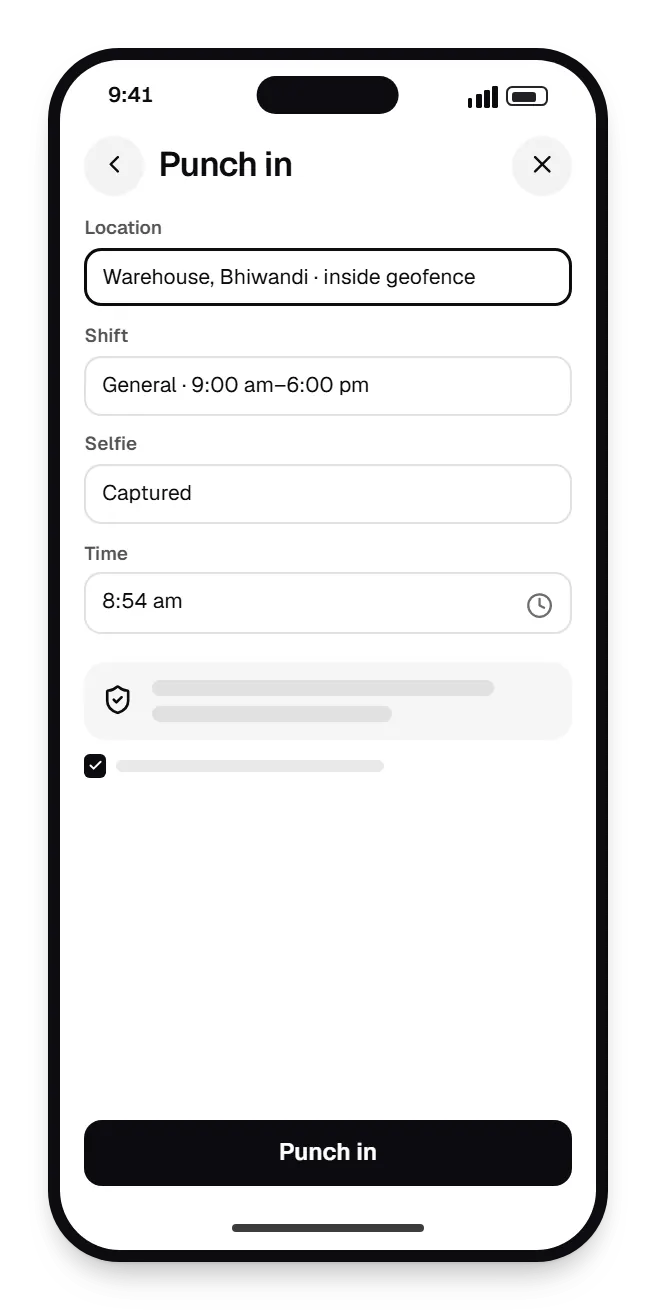
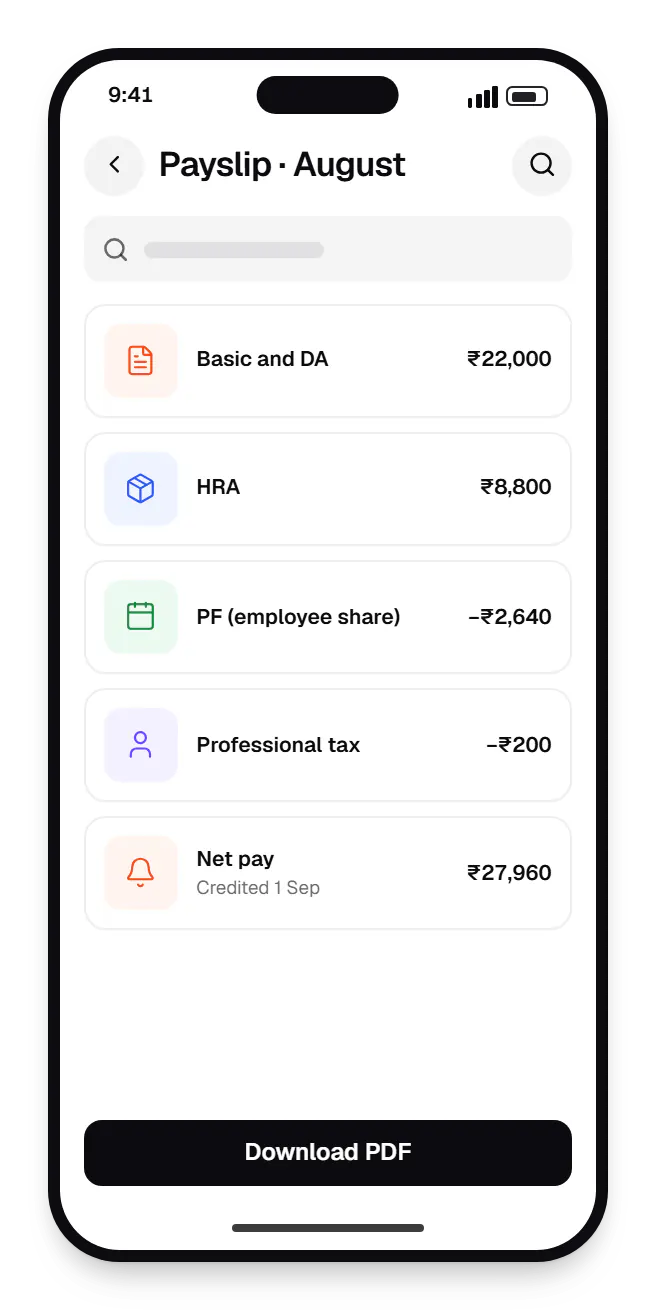
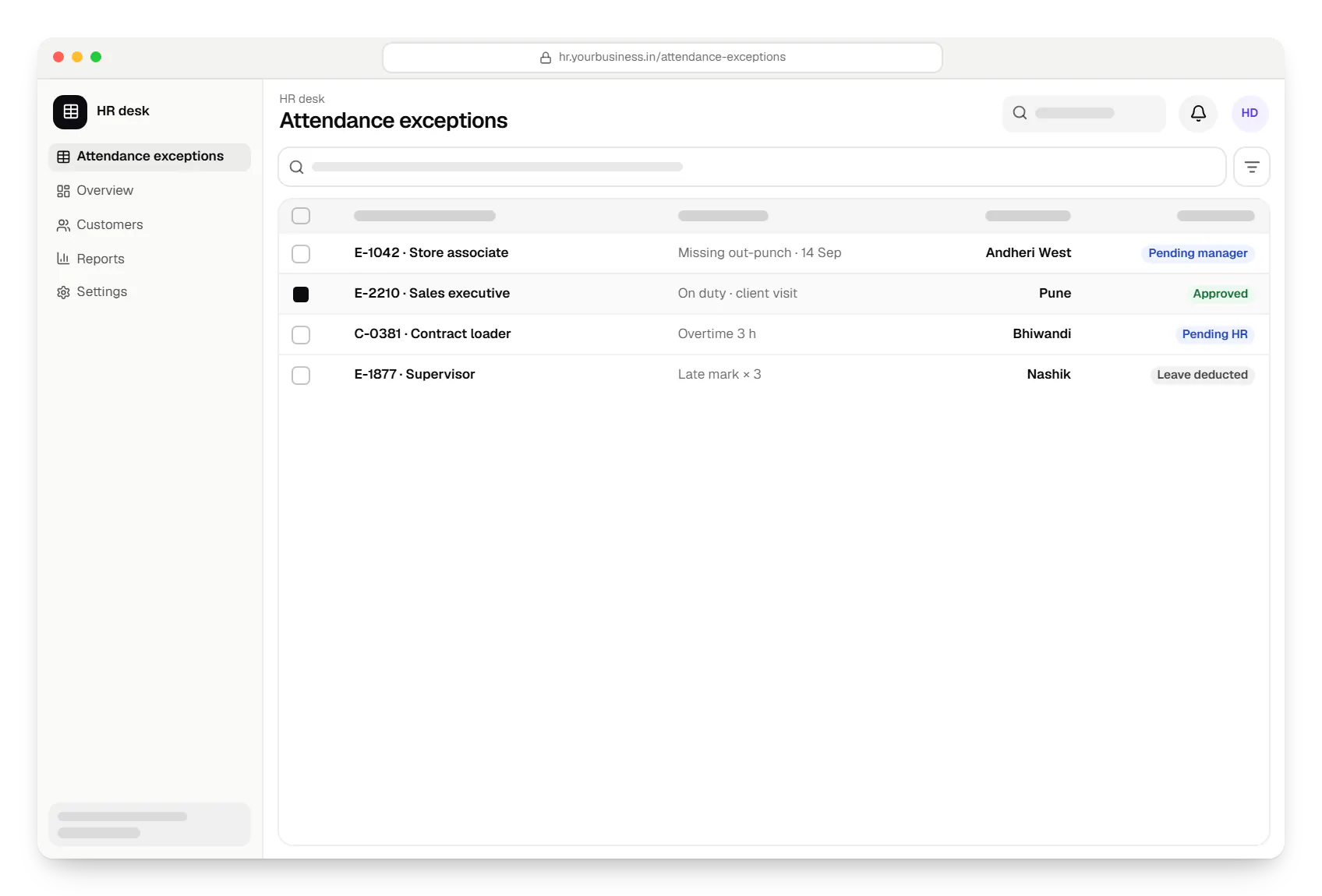
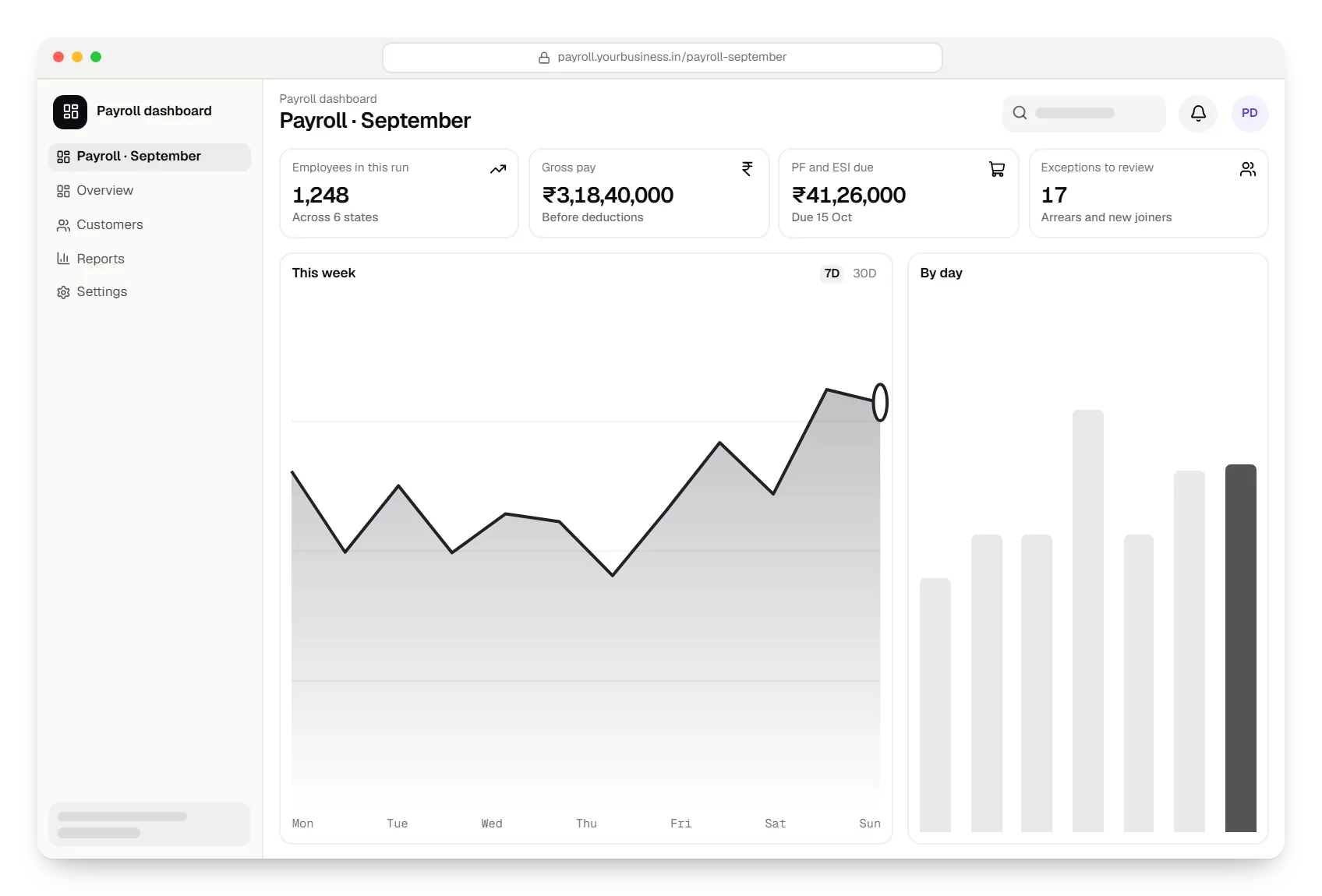
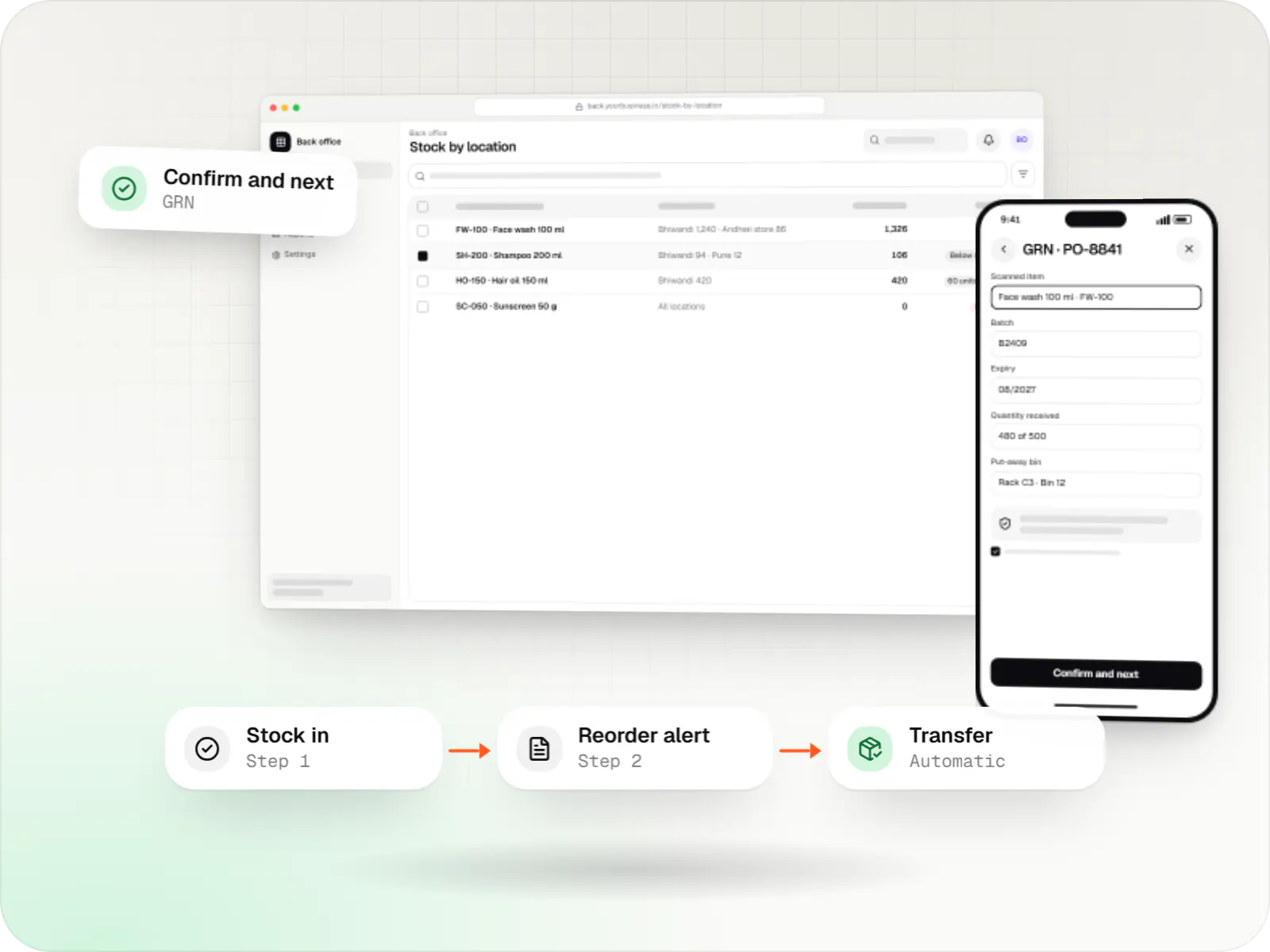
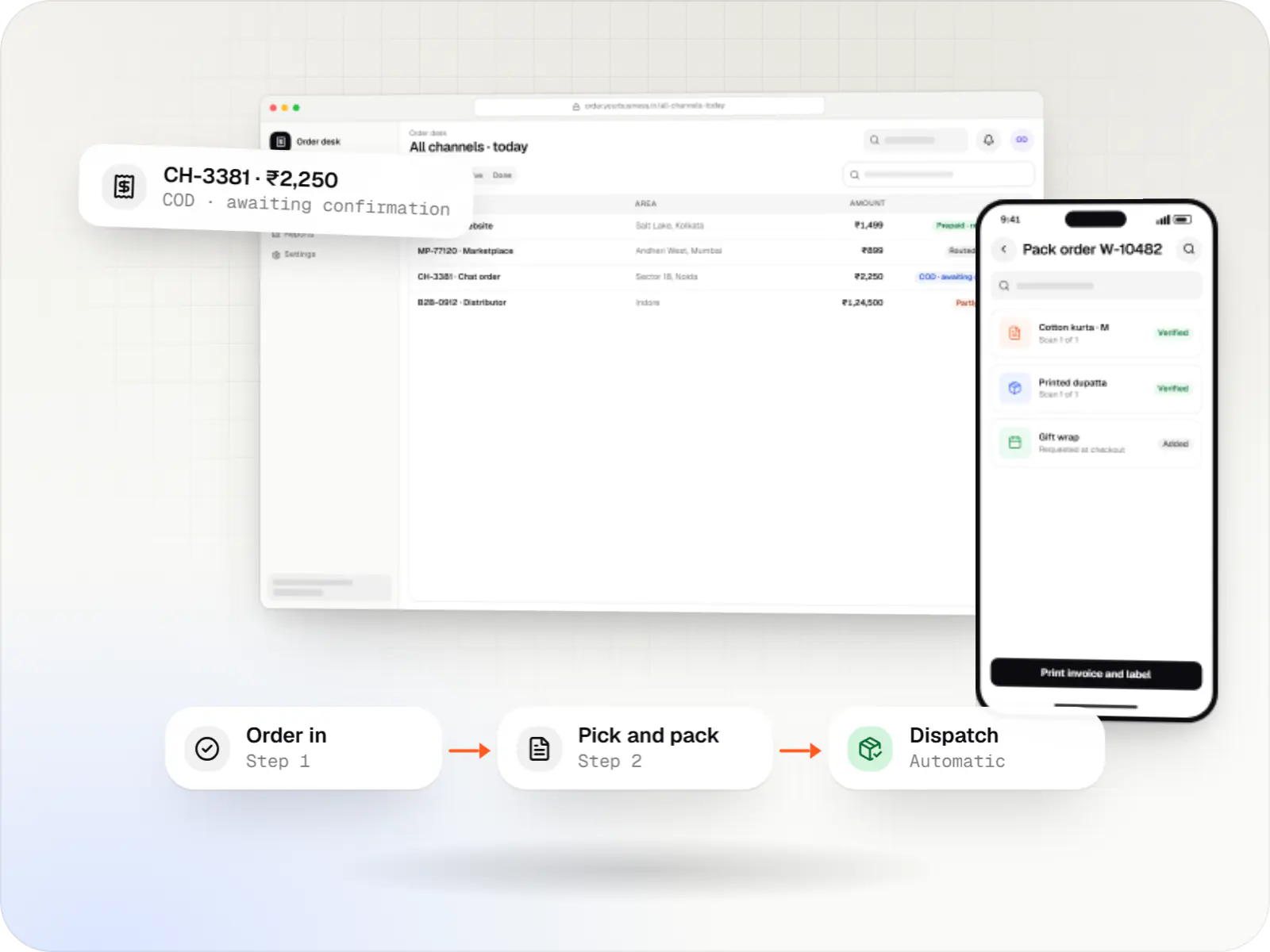
Sample screens: names, prices and figures are examples, not client data.
Industries
Cost drivers
Number of states, salary structures, contract labour and arrears logic.
Each biometric model or punching method needs integration and field testing.
An employee app adds design, build and store release effort.
Separate legal entities and year-to-date payroll imports need careful checks.
Estimates are written from your scope, with the effort and assumptions behind each line item.
How pricing worksServices
The disciplines a project like this draws on.
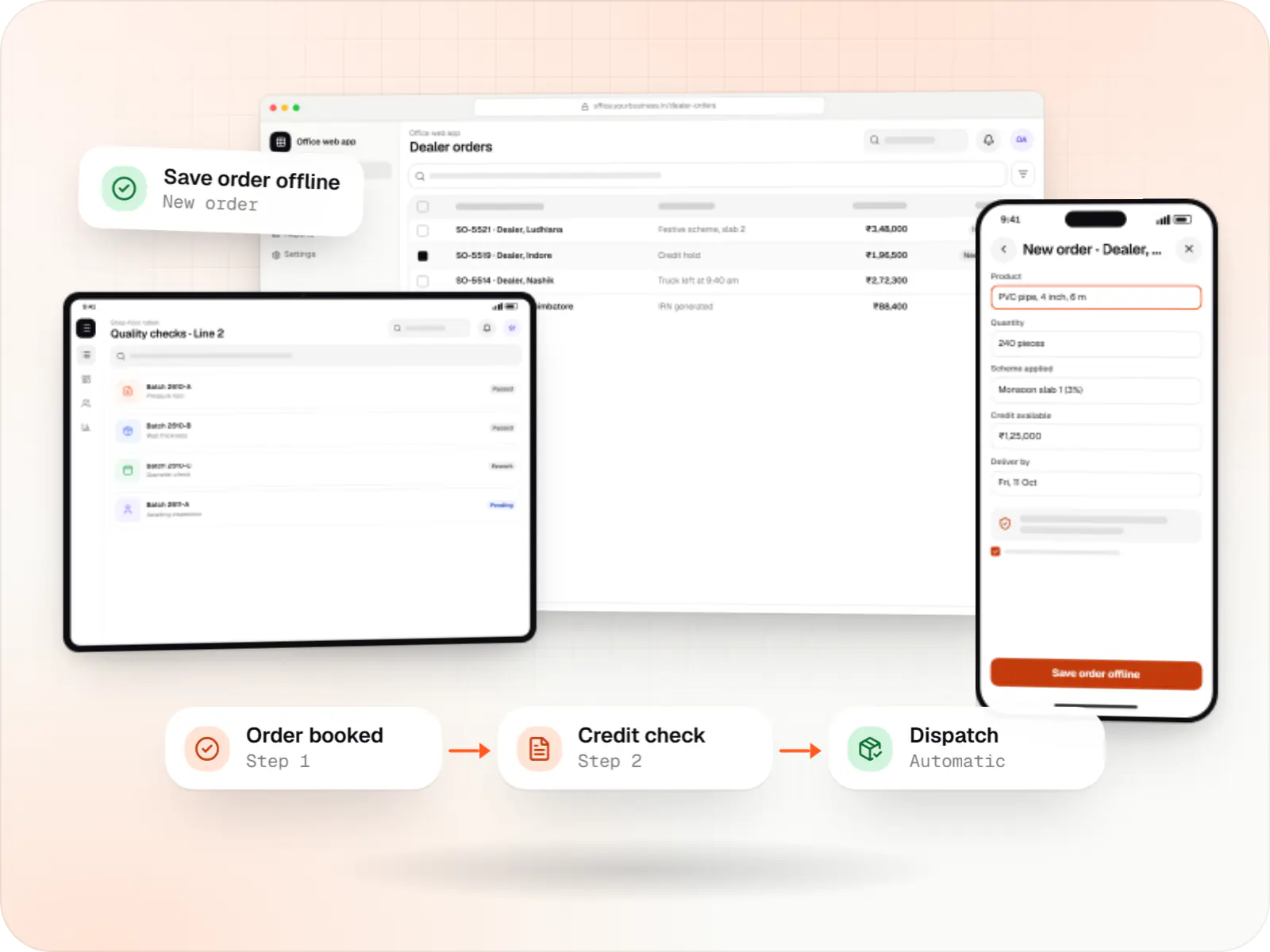
Software shaped around how your business runs, from approvals and inventory to billing and reports, replacing spreadsheets and disconnected tools.
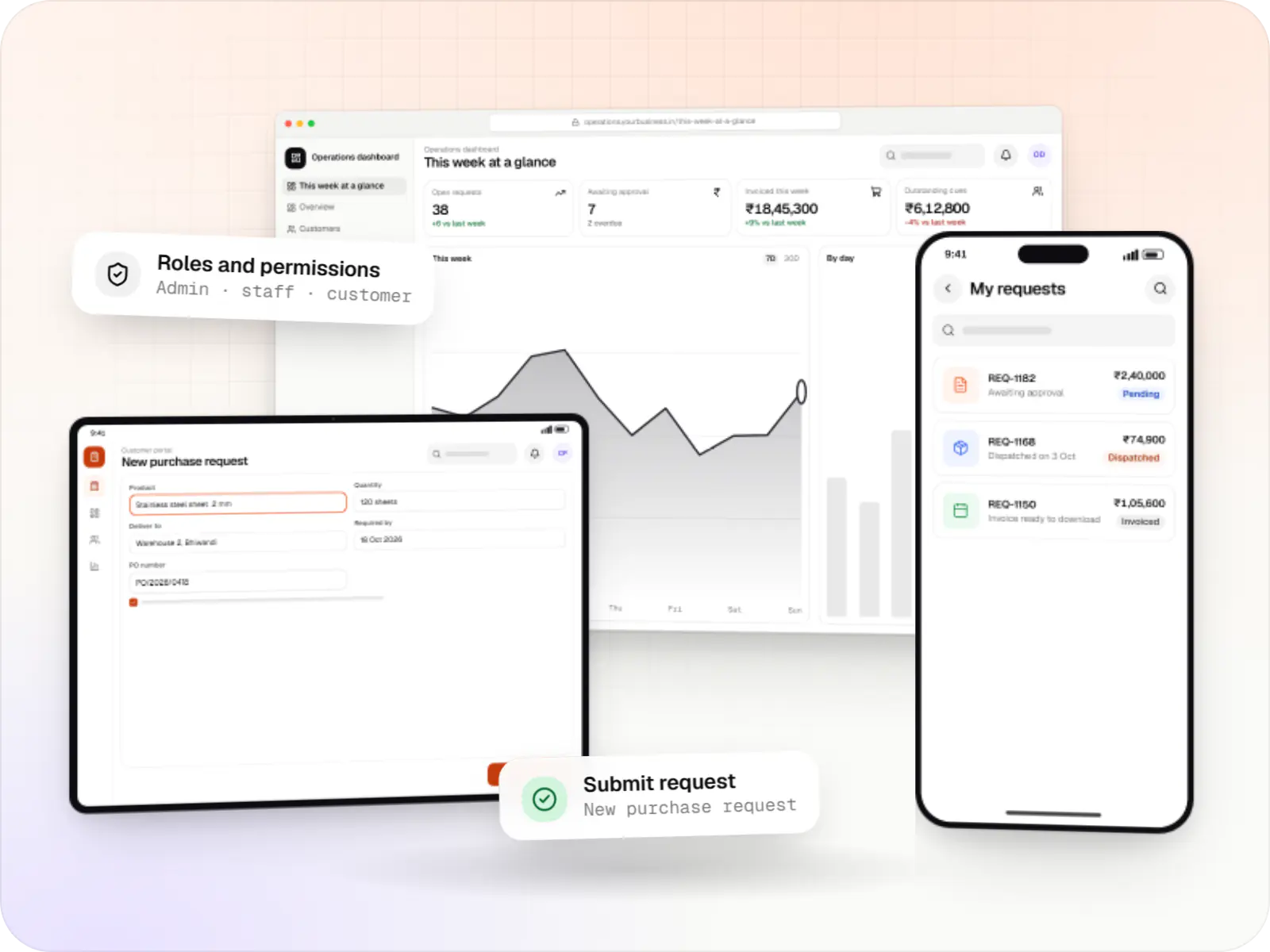
Browser-based products, customer portals, dashboards and internal tools, built on clean data models with secure roles and integrations.
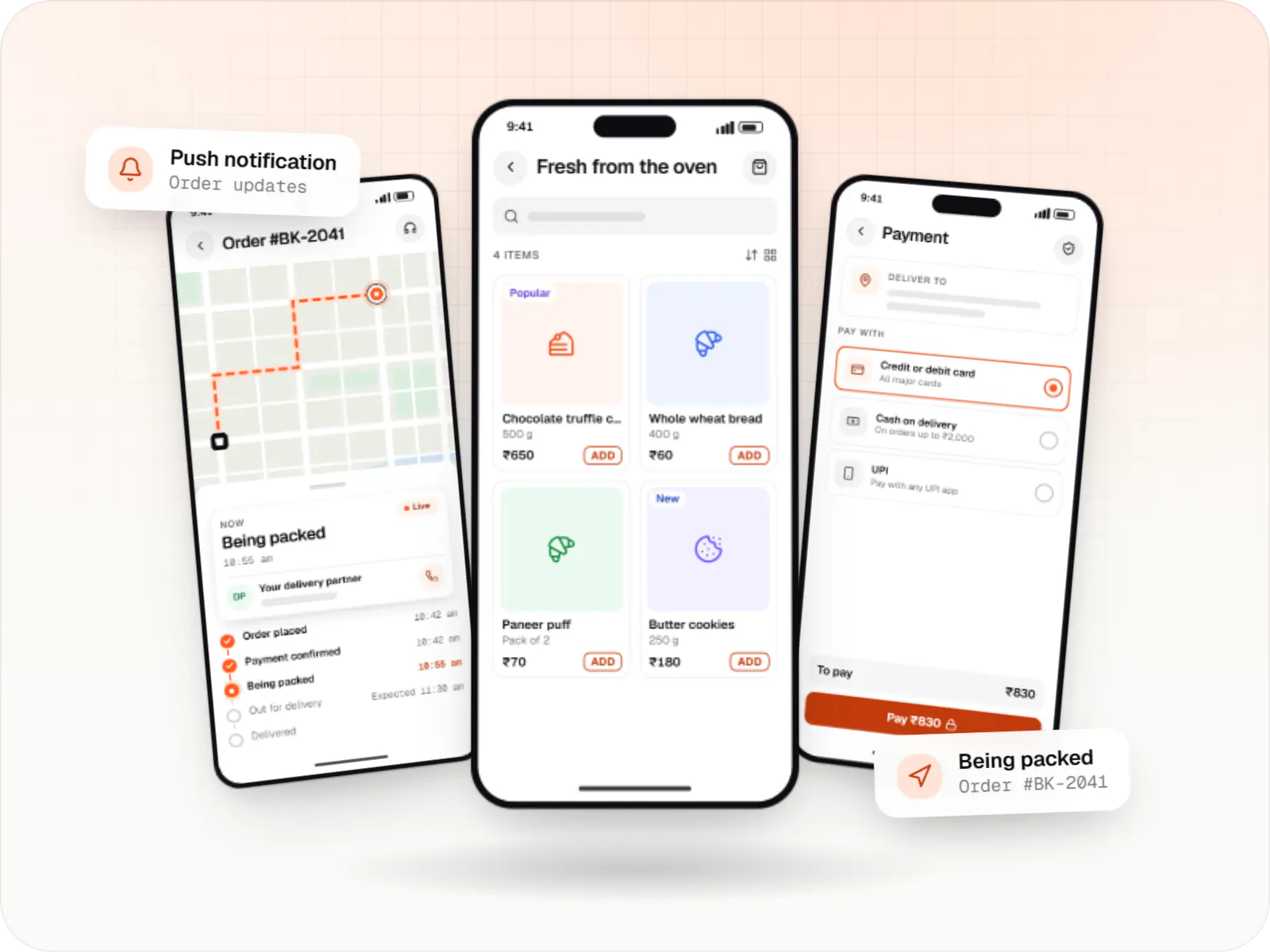
Native and cross-platform Android and iOS apps, from first release through regular store updates, built by our in-house designers and engineers.
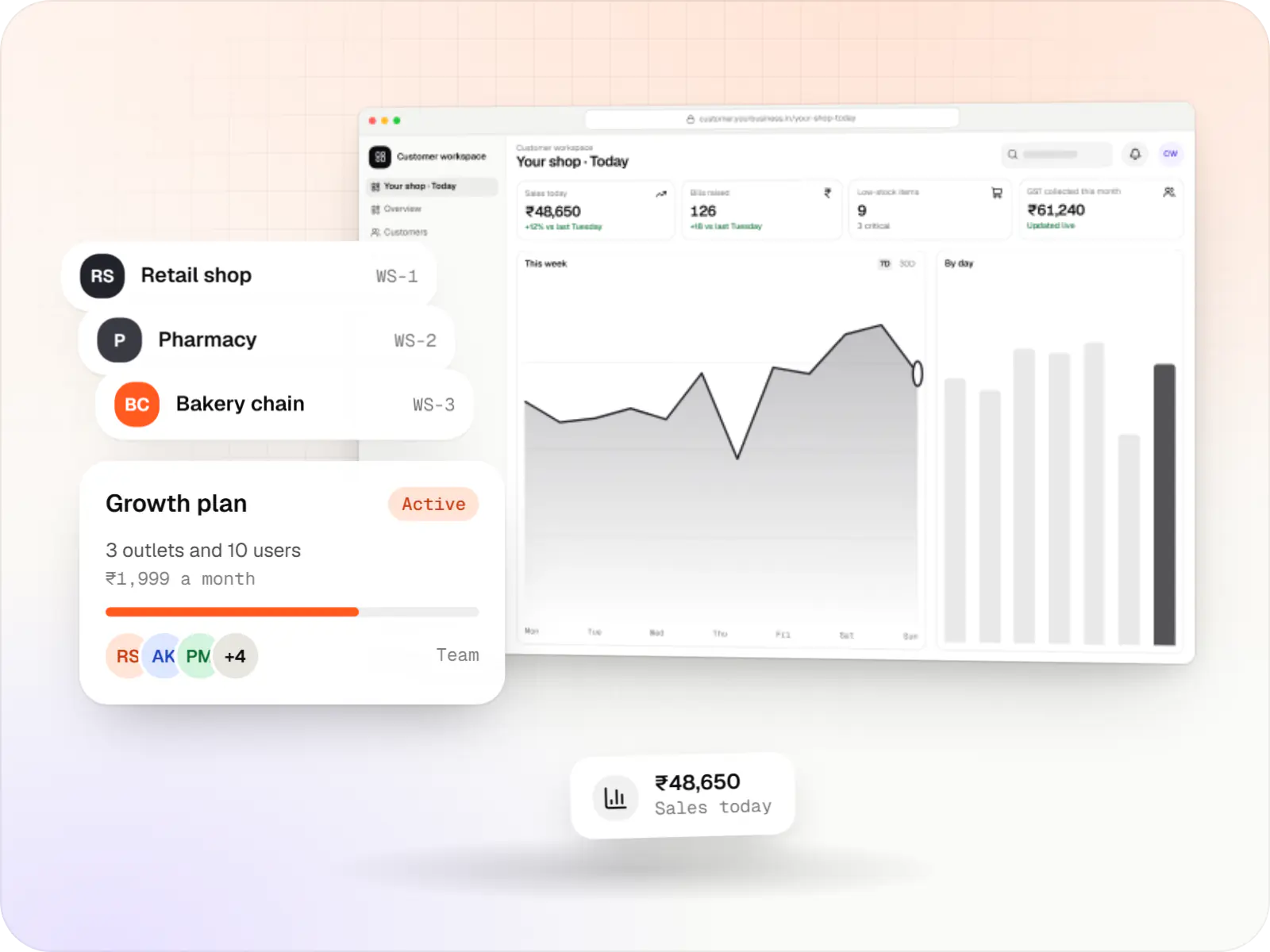
Multi-tenant SaaS products with subscription billing, team roles, onboarding and usage analytics, from first MVP to paying customers.
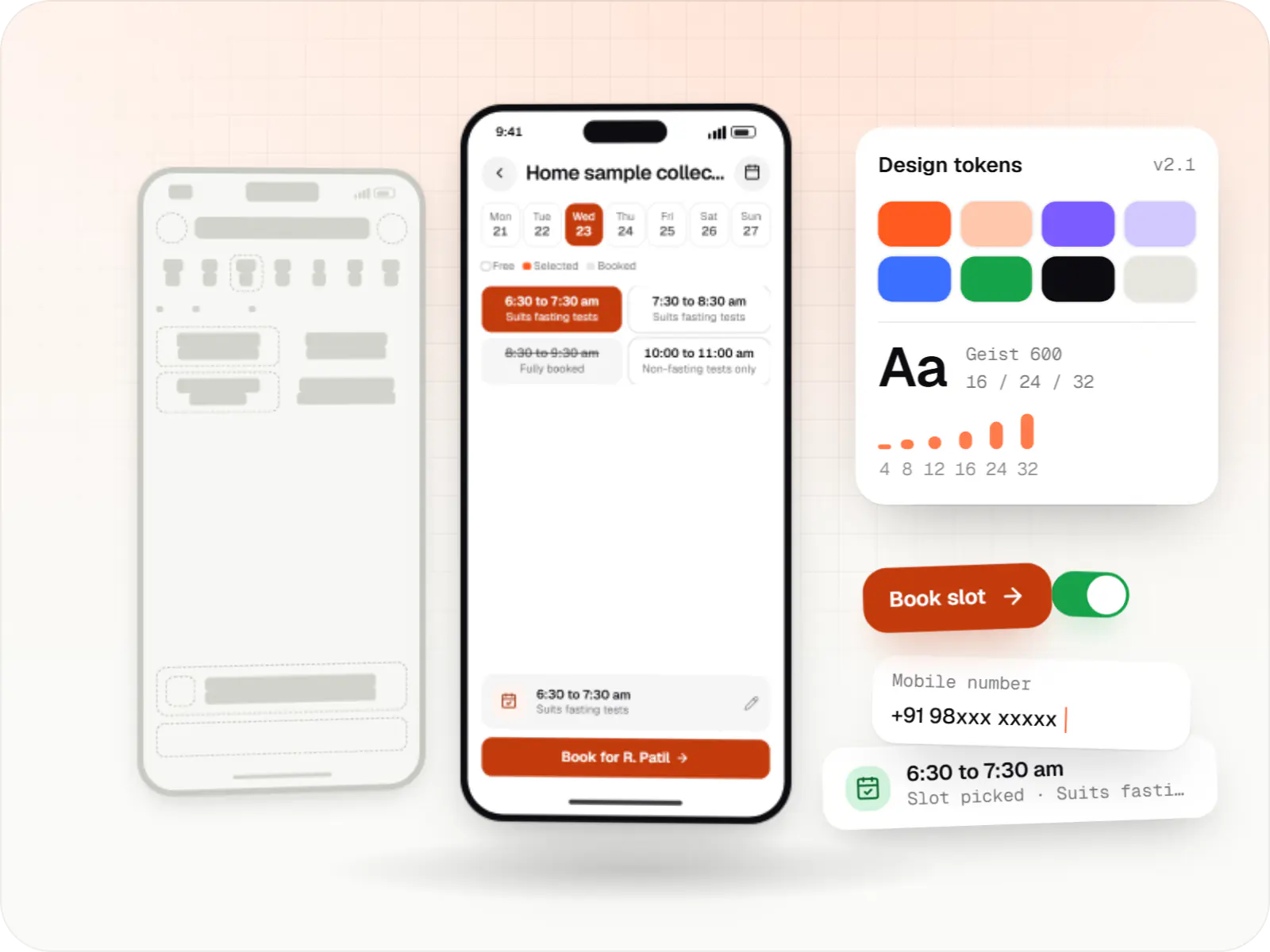
Product design for web and mobile apps: research, user flows, wireframes, prototypes and design systems that engineers can build from.
FAQ
Yes. Statutory rules are stored as configurable tables rather than code: PF wage ceilings and rates, ESI eligibility, professional tax slabs per state and labour welfare fund amounts. When a rate changes, an administrator updates the table with an effective date and payroll applies it from that month. We test each state against your current payroll output before go-live, and your payroll consultant signs off the calculations.
Most commercial devices from vendors such as eSSL and ZKTeco expose punches through an SDK, a local database or a cloud push service, and we use whichever your model supports. We ask for exact model numbers early and test with a real device, because firmware varies. Selfie punches with a geo-fence cover staff who never pass a device.
For an office-based team with standard policies, a subscription is usually quicker and cheaper. A custom HRMS earns its cost when you have many hourly or contract workers, unusual shift and overtime rules, several legal entities, or need HR linked tightly to your ERP or production data. Per-employee fees across a large blue-collar workforce also change the arithmetic.
Yes. Contract workers are tagged to their contractor, with separate attendance, wage rates and compliance documents, while permanent staff follow company payroll. Principal employers often need proof that contractors have paid PF and ESI for their workers, so the system collects and tracks challans from each contractor. Reports show headcount and cost by contractor, department and site.
Related
Next step
Send your leave policy, salary structure and a sample attendance export. We will list what can be automated and estimate the build.