

Mobile
Flutter
Build Android and iOS apps from one shared codebase, so you launch on both platforms faster with a consistent experience.
Used for
- Mobile apps
- Delivery apps
- E-commerce apps
- Booking apps
Industries · Food delivery
Build the three-sided platform, for customers, restaurants and riders, with operations tools your team can run daily.
At a glance
What it is
Platform software for food delivery operators: restaurant onboarding, order routing, rider dispatch, commissions, payouts and live tracking.
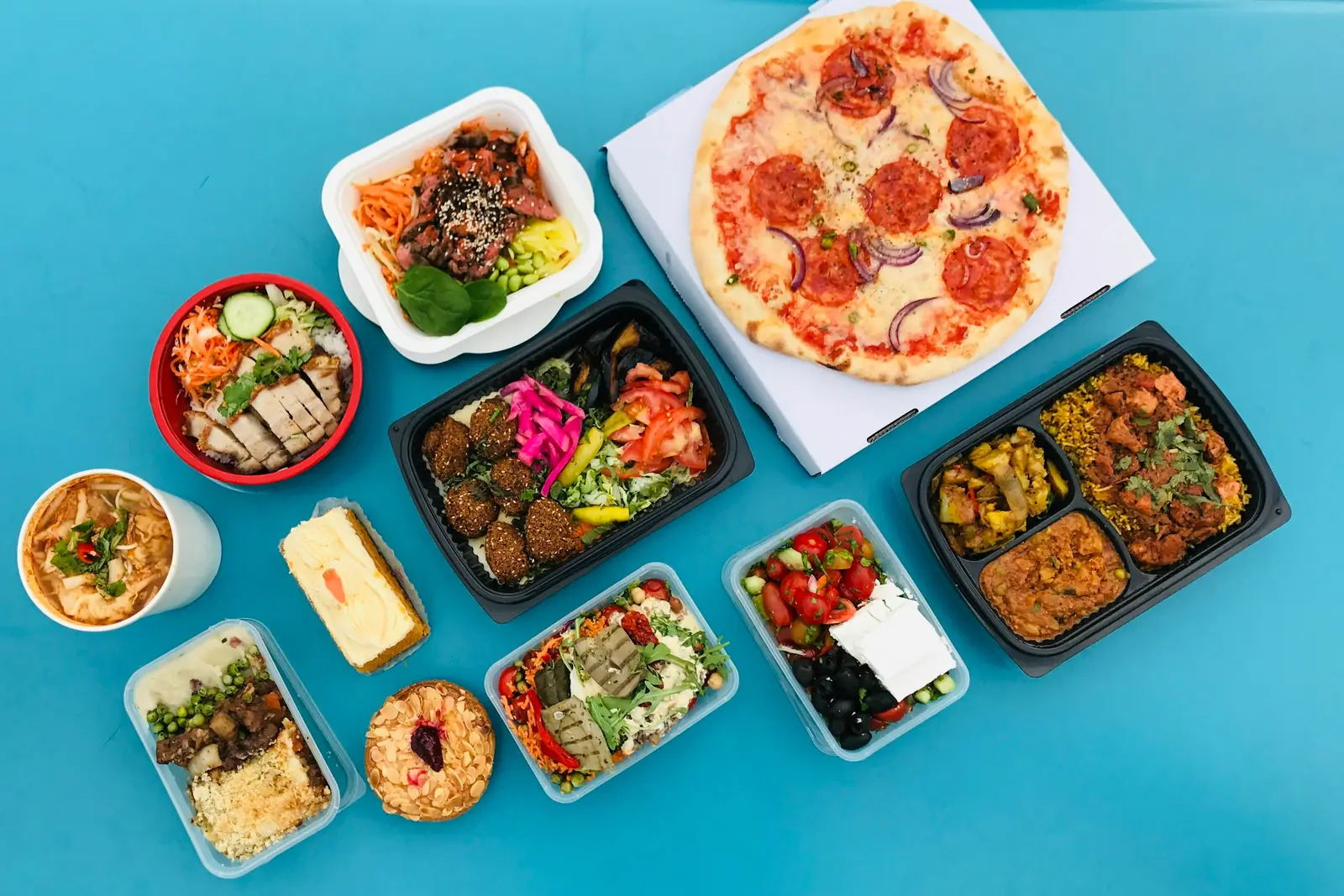
For food delivery startups, regional delivery platforms, campus and corporate food ordering services, and restaurant groups running their own fleets.
Flutter and the related logo are trademarks of Google LLC. We are not endorsed by or affiliated with Google LLC.
How to start
Tell us what you need in your own words. You talk to the developers who would build it and get a written, line-item estimate.
Get a project estimateA food delivery business coordinates three groups with different incentives: customers want speed and choice, restaurants want orders and fair settlement, and riders want steady earnings and short waits. Every order is a small logistics problem with a tight time window.
We build the platform and the tooling behind it: restaurant onboarding and menu management, order routing, rider dispatch and batching, commission and payout calculation, and support tools for the refunds and complaints that come with any delivery business.
Challenges
Assigning riders too early wastes their time; too late delays the food.
Unrealistic restaurant estimates leave riders waiting and food going cold.
Commissions, discounts, GST and refunds make restaurant payouts error-prone.
Missing items and late orders need fast, fair resolution.
Solutions
Across 3 areas
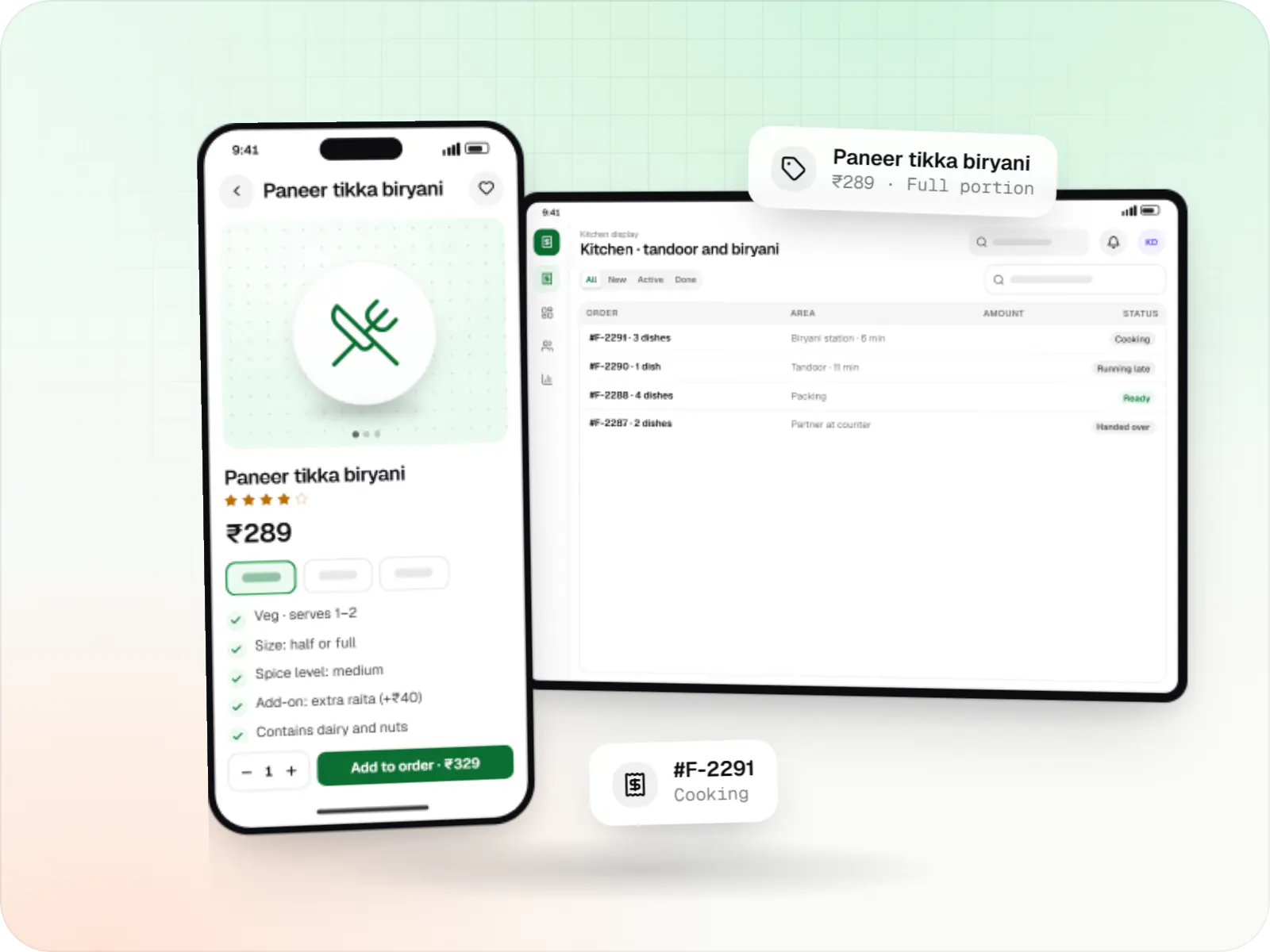
Food ordering and delivery apps for restaurants, chains and cloud kitchens, with menus and add-ons, kitchen displays, prep-time ETAs and delivery tracking.
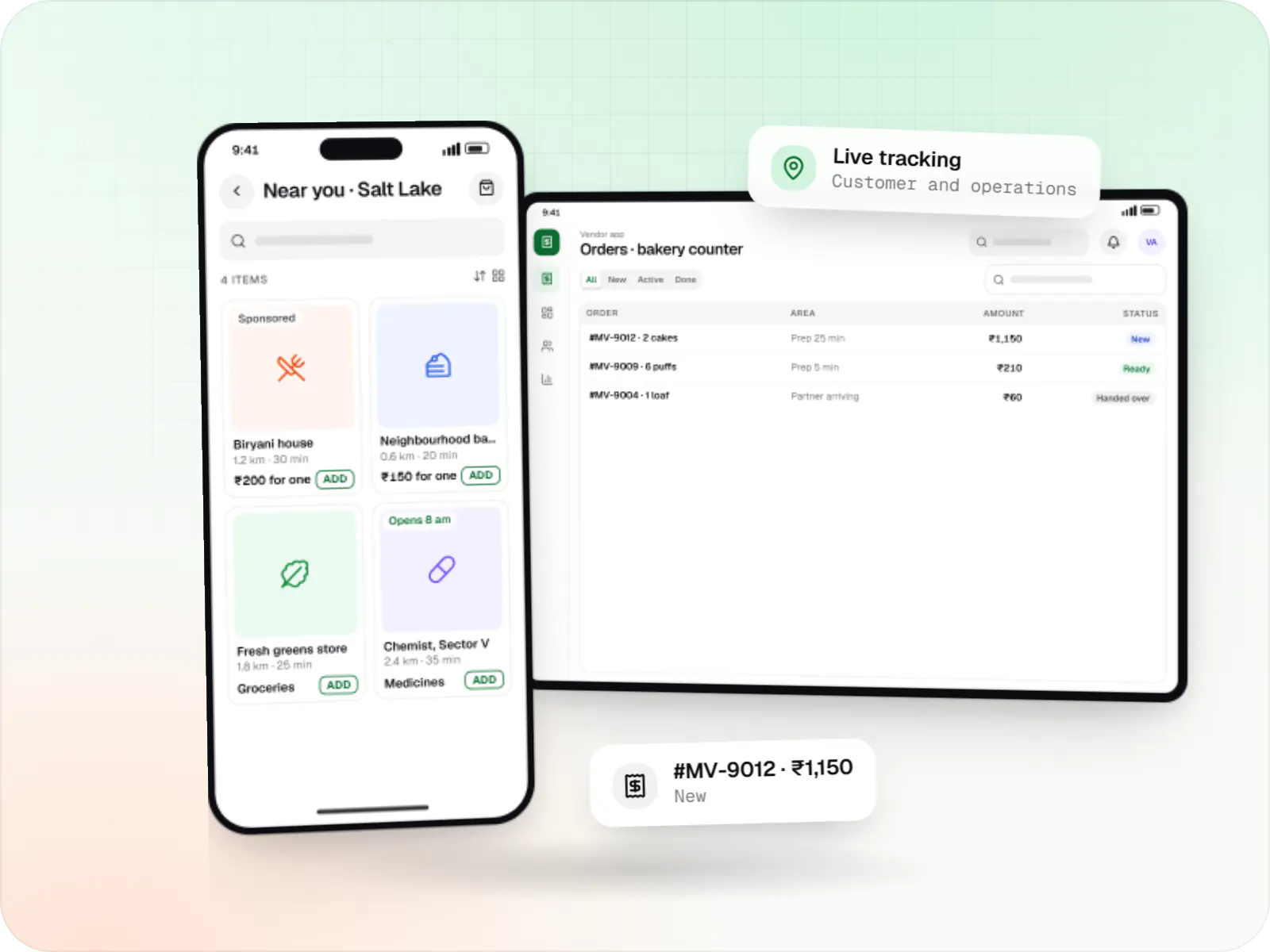
Aggregator delivery platforms where many local vendors sell through one app, with vendor onboarding, commissions, settlements and shared dispatch.
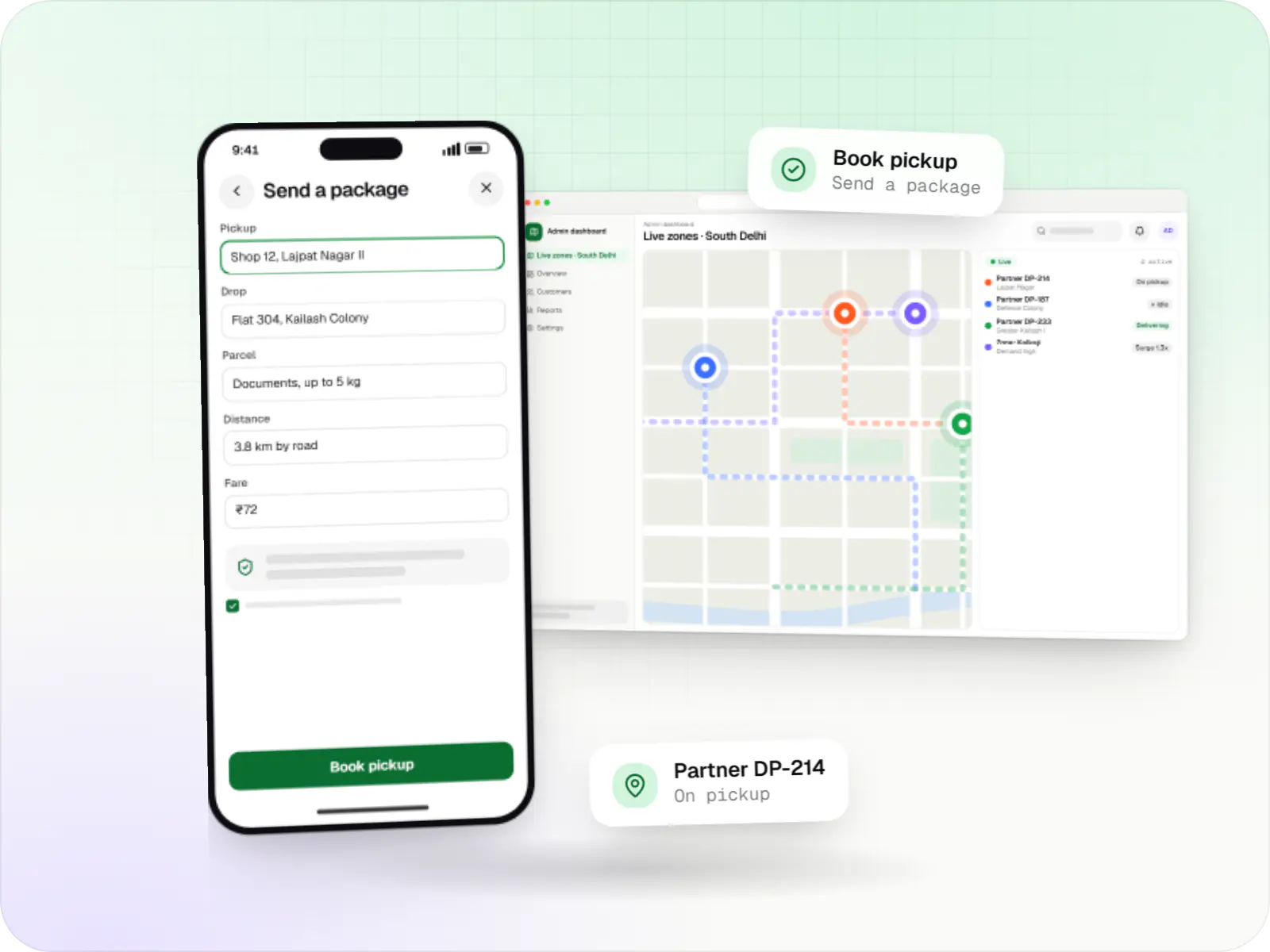
Hyperlocal delivery apps linking neighbourhood stores, pick-up-and-drop requests and delivery partners within a city, with zone-based dispatch and pricing.
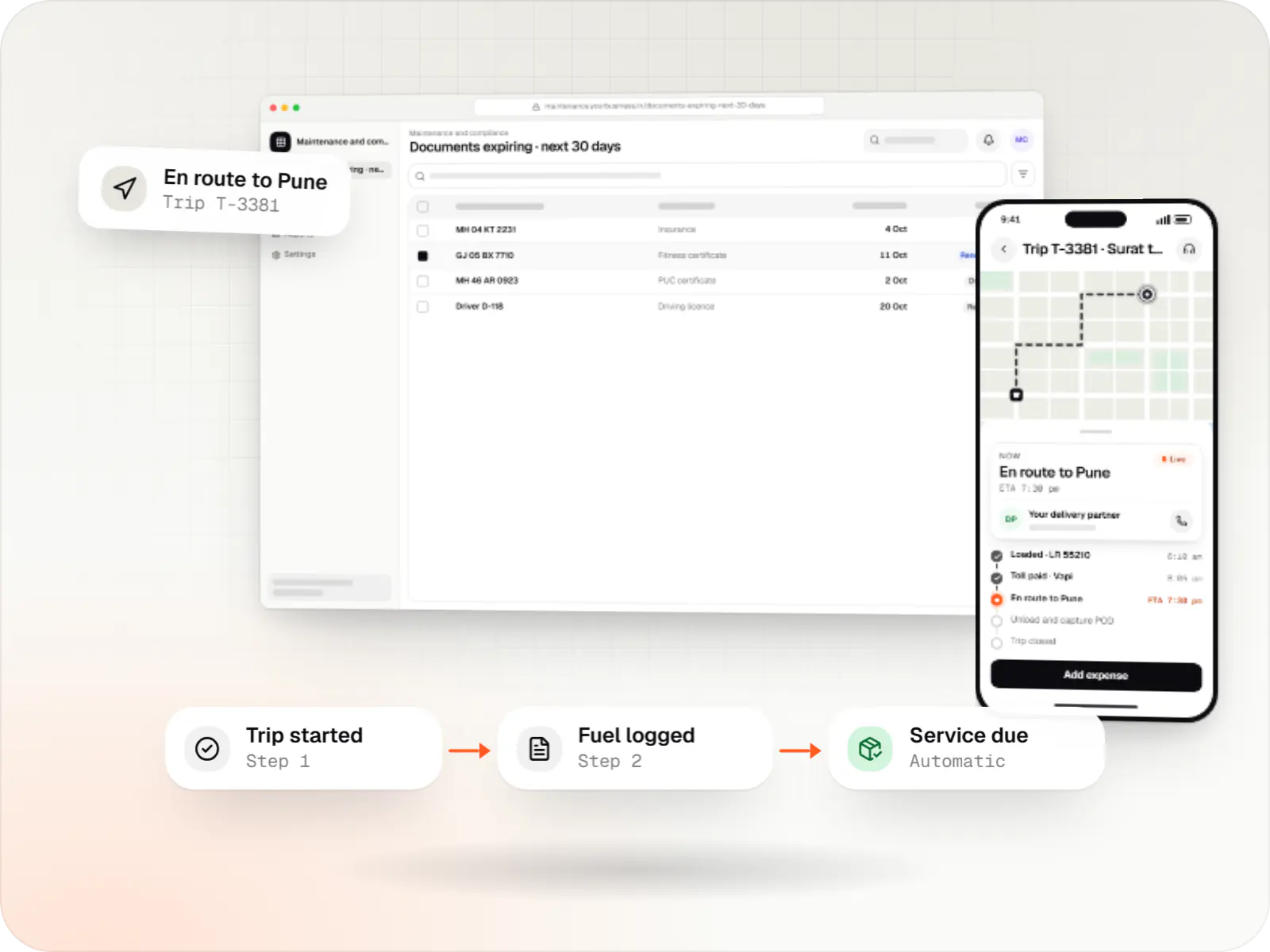
Custom fleet management software for GPS tracking, trips, driver apps, compliance reminders, maintenance and freight billing.
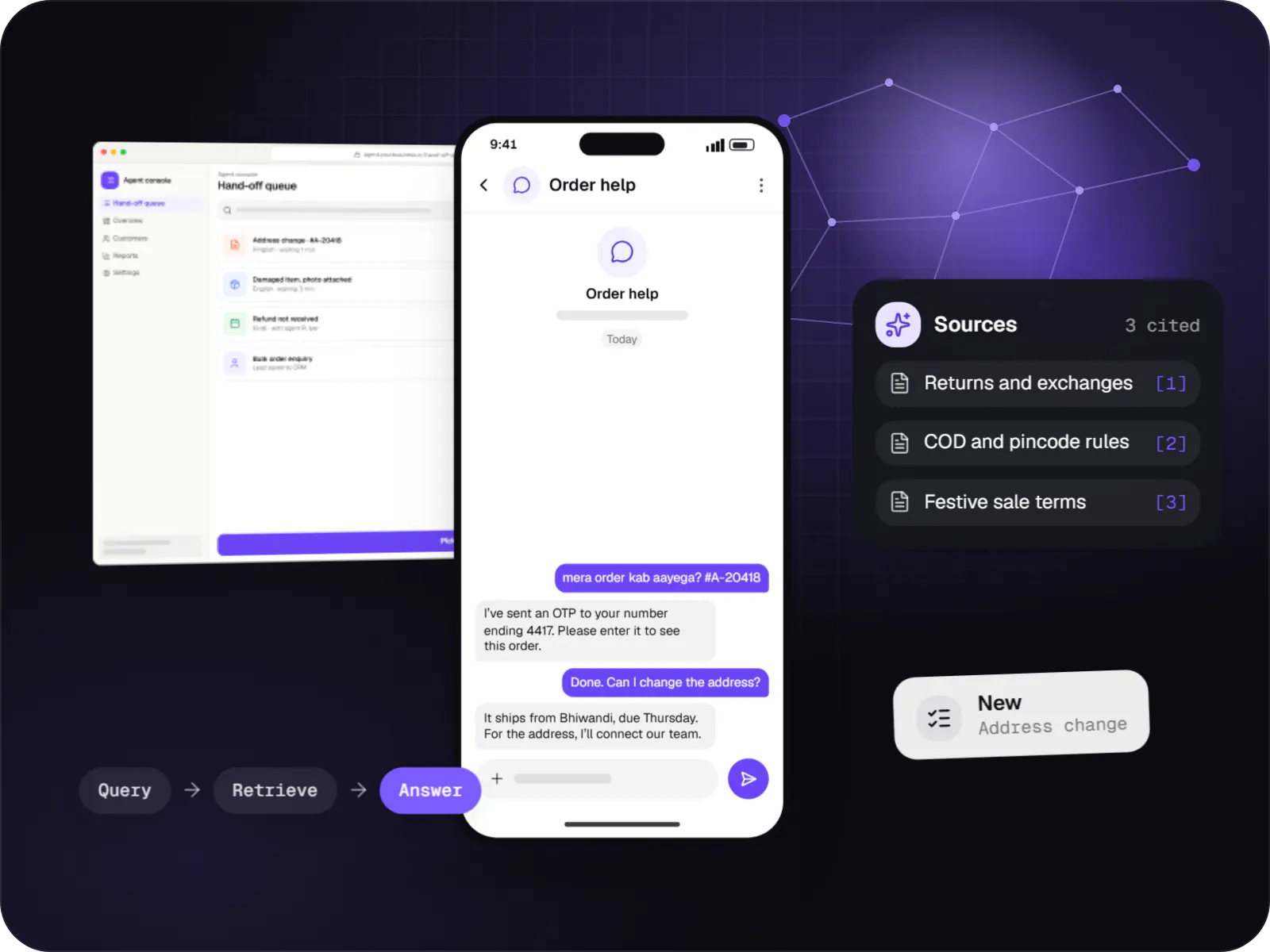
Support and sales chatbots for web, app and WhatsApp that answer from your own content and hand off to your team.
Rider assignment by distance, prep time and load, with order batching.
Rider location shared with customers and restaurants using Google Maps Platform.
Accept orders, mark items unavailable and update prep times.
Per-restaurant commission rules, settlement statements and payout files.
Order timelines, refunds, credits and escalations on one screen.
How it works
Customers, restaurants and delivery partners each have their own app; dispatch and settlement tie them together.
Only restaurants that serve their zone are listed, with delivery times based on current load.
Sold-out items can be marked unavailable and the prep time adjusted before the order is accepted.
Assignment weighs distance, prep time and current load, and batches nearby orders where it saves time.
The delivery partner's location is shared with the customer and the restaurant until handover.
High-value orders are handed over with an OTP, then food and delivery are rated separately.
Commissions, discounts, GST and refunds are calculated per restaurant, and payout files are generated each cycle.
Platforms
Apps for Android phones and tablets, tested on budget and mid-range devices and published on Google Play or privately.
Apps for iPhone and iPad, built to Apple's guidelines and released through TestFlight and the App Store.
One Flutter or React Native codebase for Android and iOS, with native modules where a feature needs them.
Browser-based applications with logins, roles and workflows, such as customer portals, SaaS products and internal tools.
Back-office panels for operations, support and finance teams: orders, users, content, reports and permissions.
Technology
Mobile
Build Android and iOS apps from one shared codebase, so you launch on both platforms faster with a consistent experience.
Used for
Backend
Runs the server side of apps: fast, scalable back ends that power your app, website and integrations.
Used for
Data
A reliable database for the records your business runs on: orders, payments, bookings and stock, kept accurate and easy to report on.
Used for
Data
Keeps frequently used data in fast memory, so apps stay quick on busy days and live features like order tracking feel instant.
Used for
Payments & maps
Adds maps, address search, live tracking and travel-time estimates to delivery, ride and field apps, so orders reach the right door.
Used for
Payments & maps
Lets customers in India pay by UPI, cards, netbanking or wallets, and handles subscriptions, refunds and payouts to sellers or partners.
Used for
Cloud & DevOps
Ready-made building blocks for mobile apps, such as push notifications, phone OTP login and crash reports, so you launch sooner.
Used for
Flutter and the related logo are trademarks of Google LLC. We are not endorsed by or affiliated with Google LLC.
Plain-English glossary
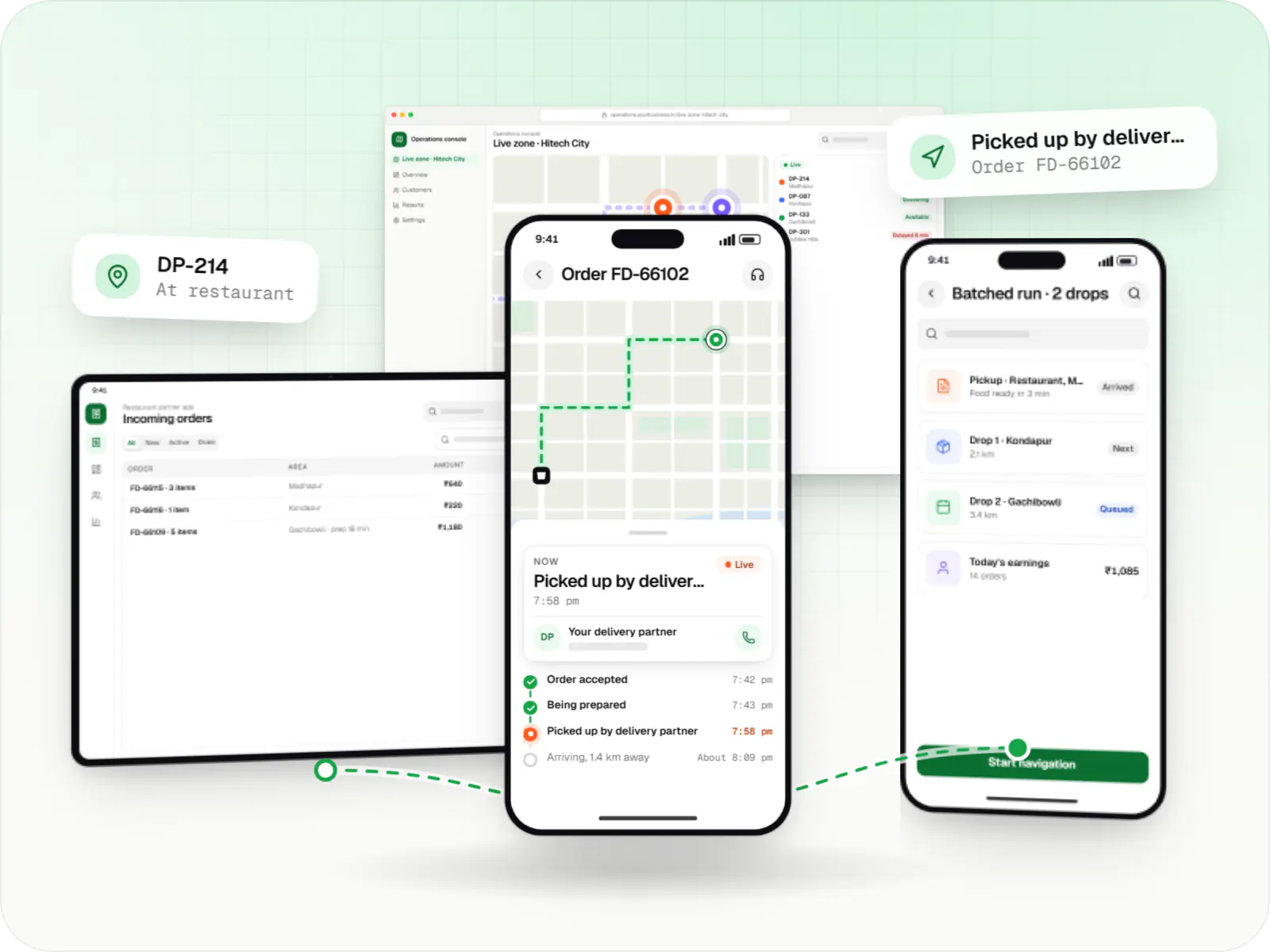
Product preview
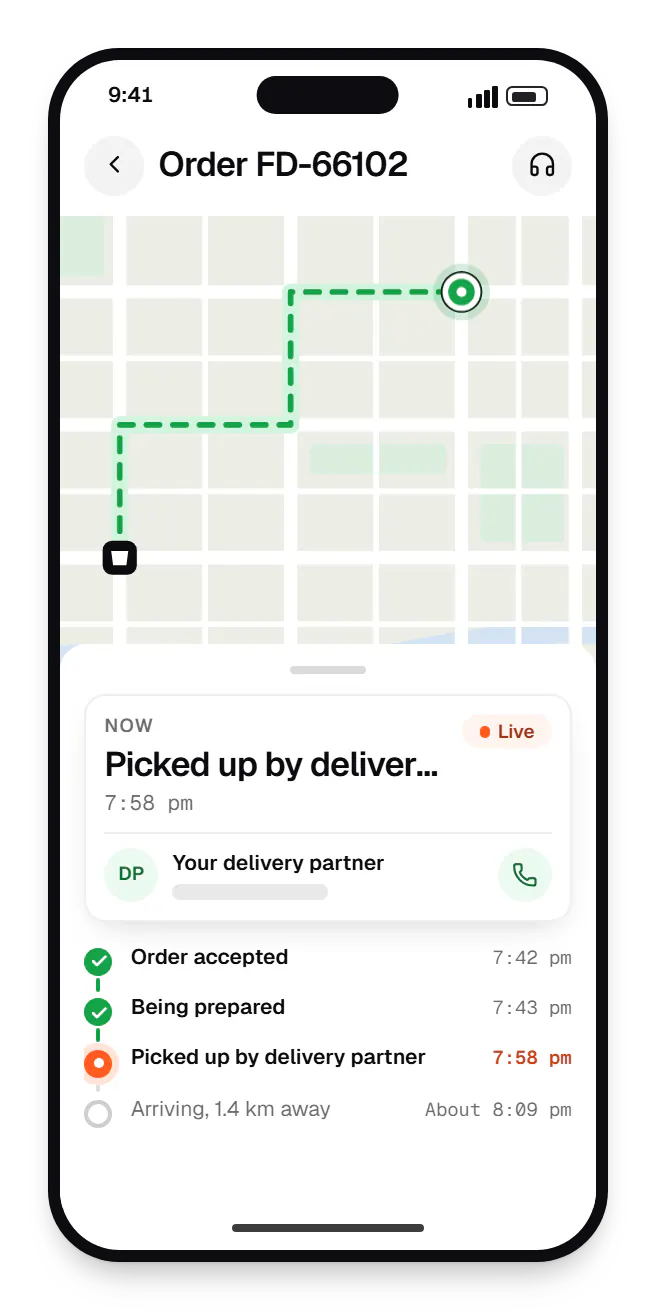
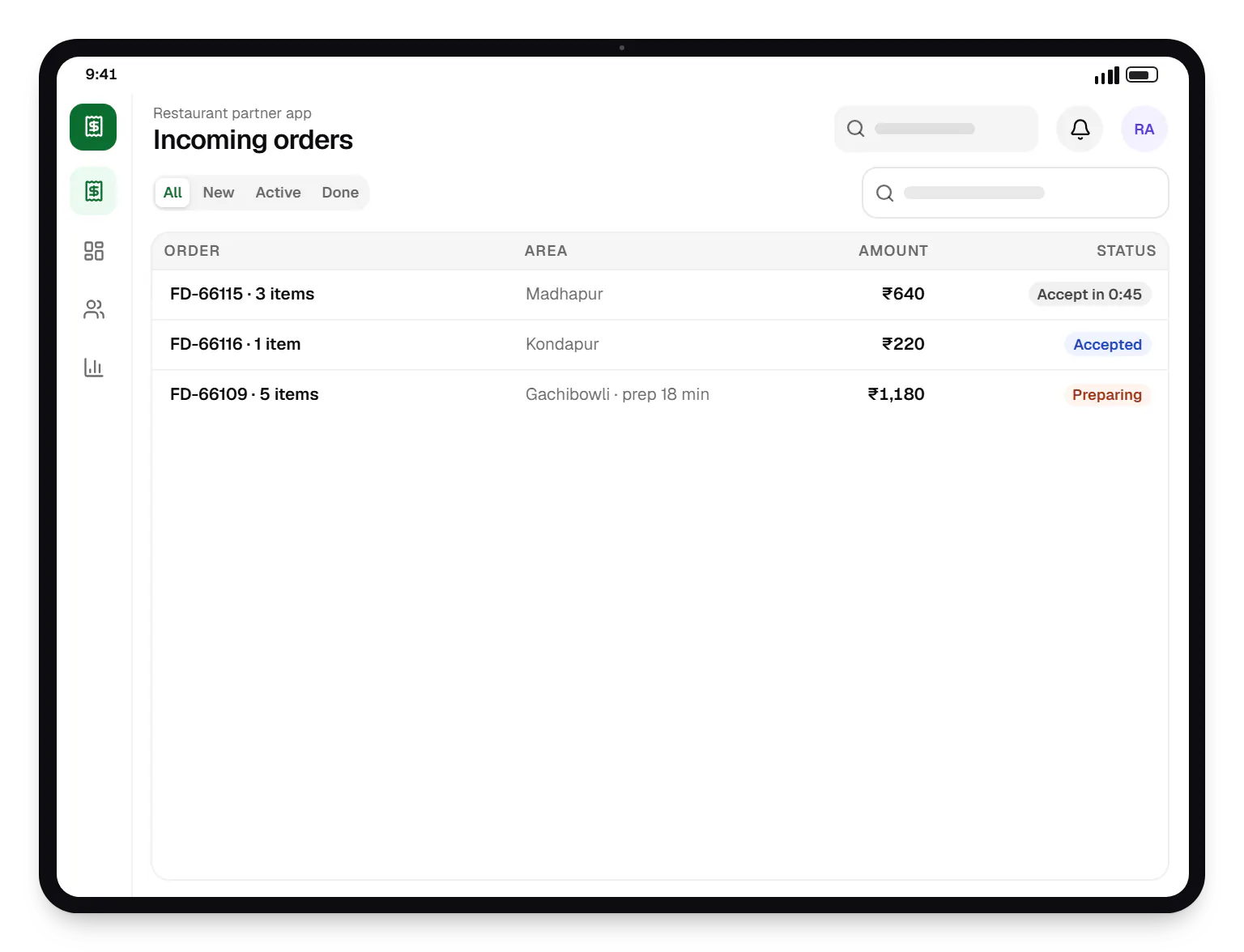
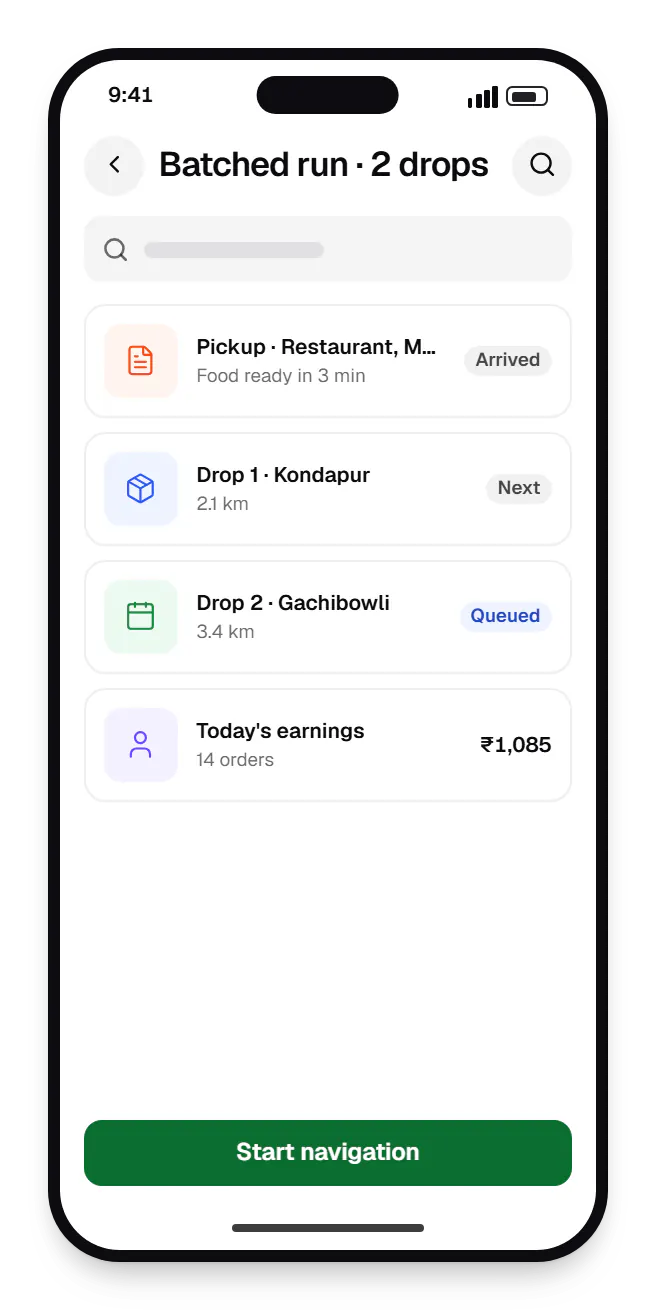
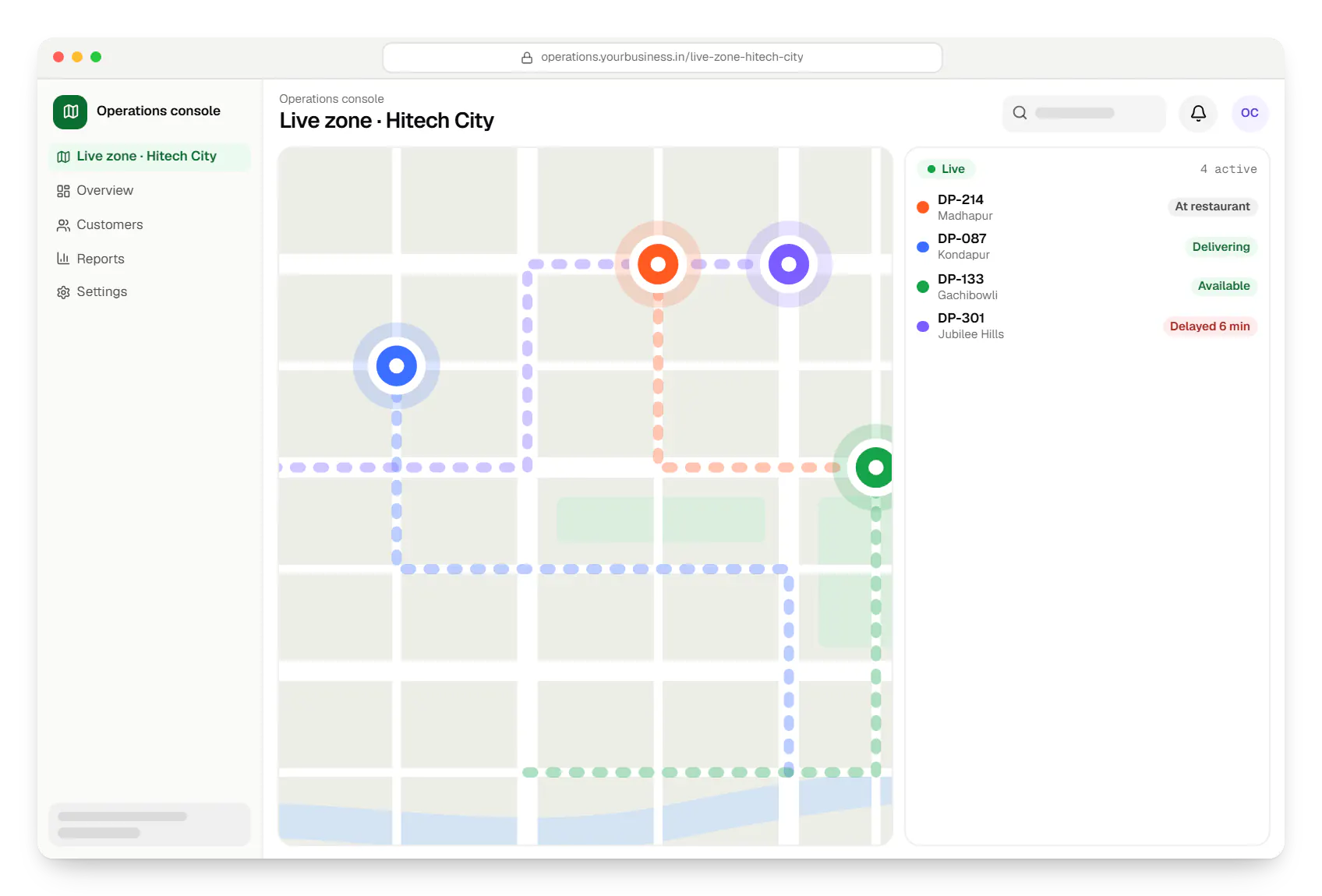
Sample screens: names, prices and figures are examples, not client data.
Cost drivers
Nearest-rider logic is quicker to build than batching and prep-time prediction.
Customer, restaurant, rider and admin apps each need design and testing.
Automated vendor payouts through gateway split settlement add onboarding and reconciliation work.
Estimates are written from your scope, with the effort and assumptions behind each line item.
How pricing worksServices
The design and engineering services our in-house team combines on projects in this sector.
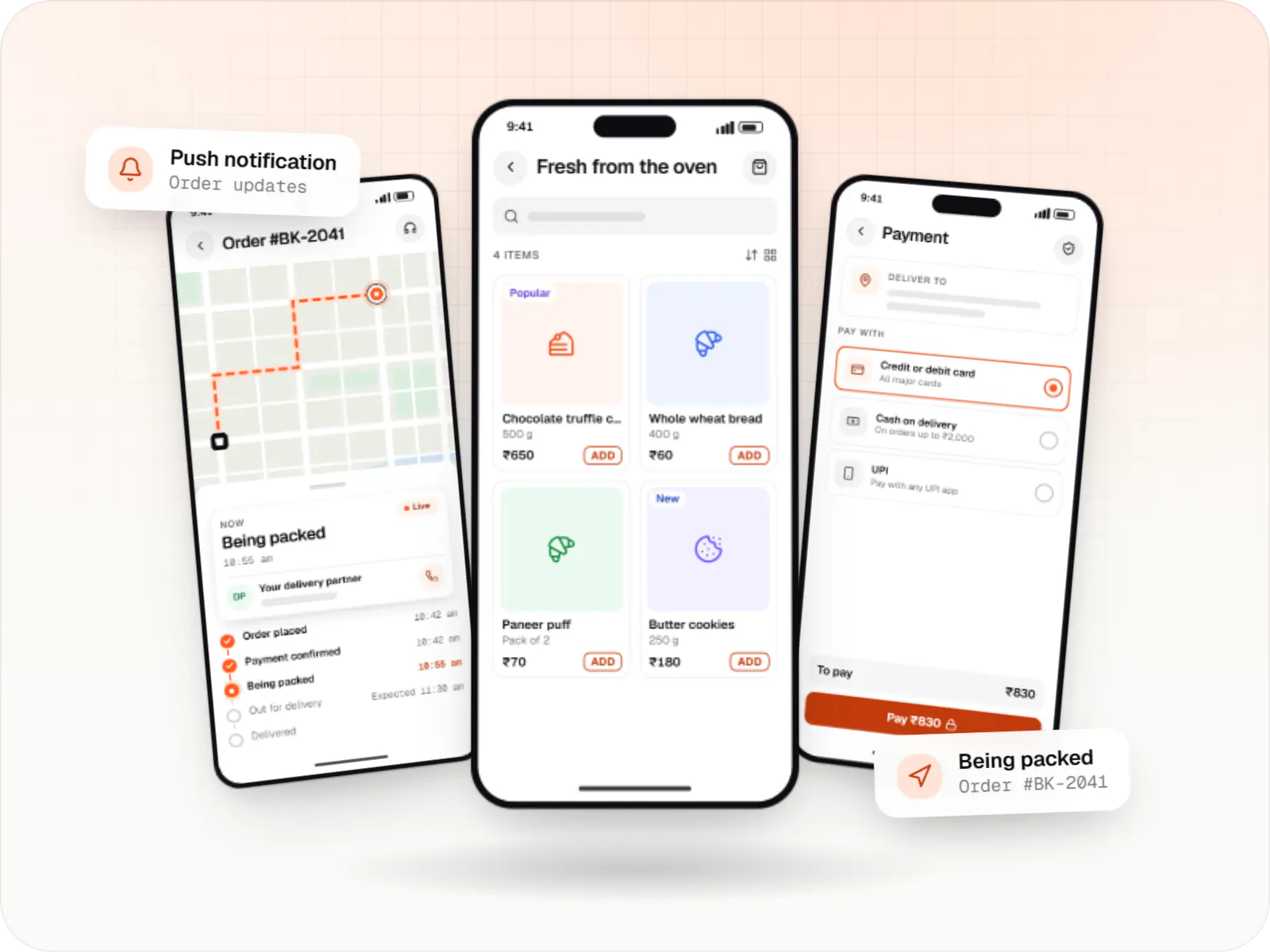
Native and cross-platform Android and iOS apps, from first release through regular store updates, built by our in-house designers and engineers.
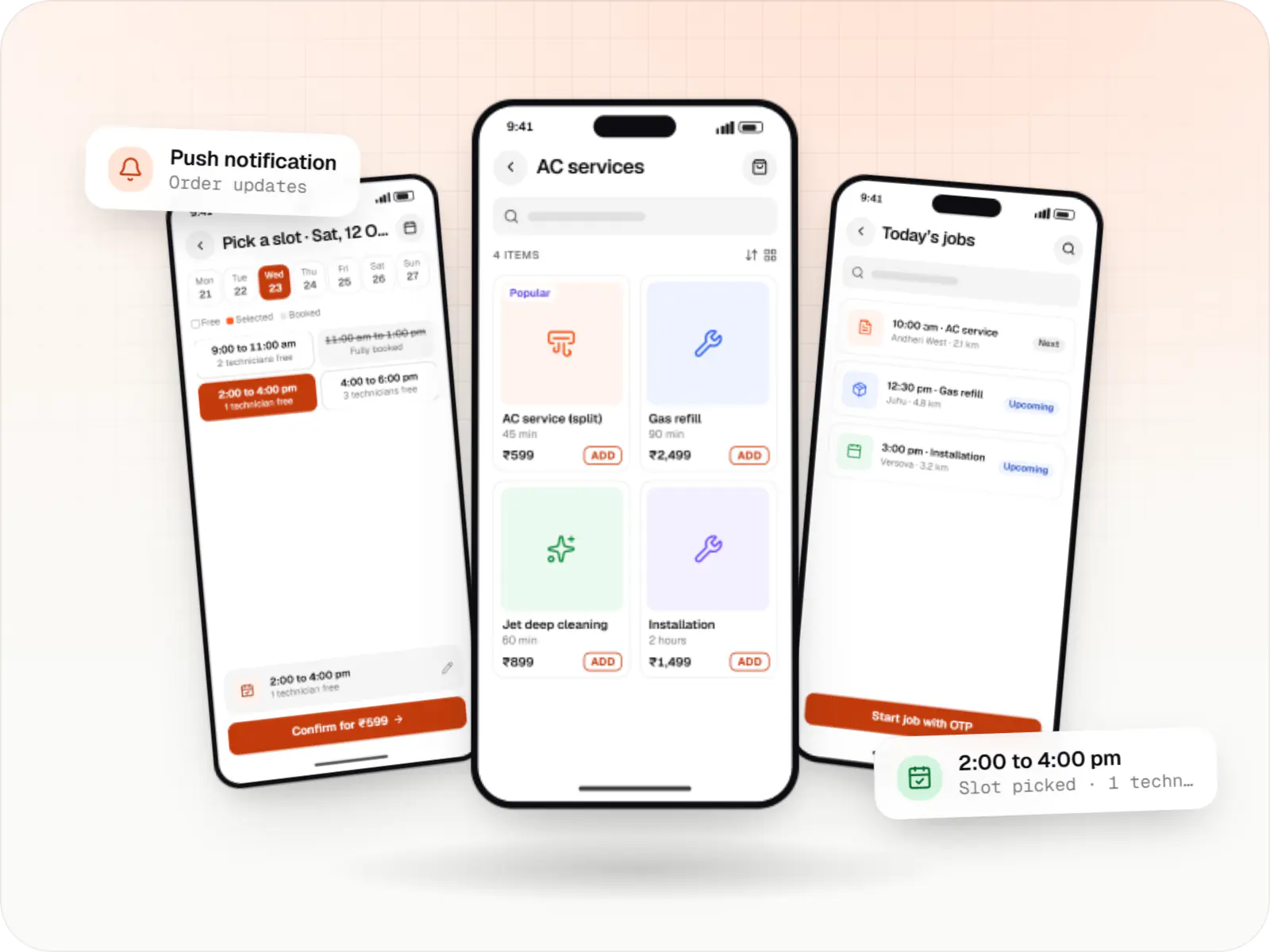
Android and iOS apps from one Dart codebase, built by engineers who know when Flutter is the right call and when native code is needed.
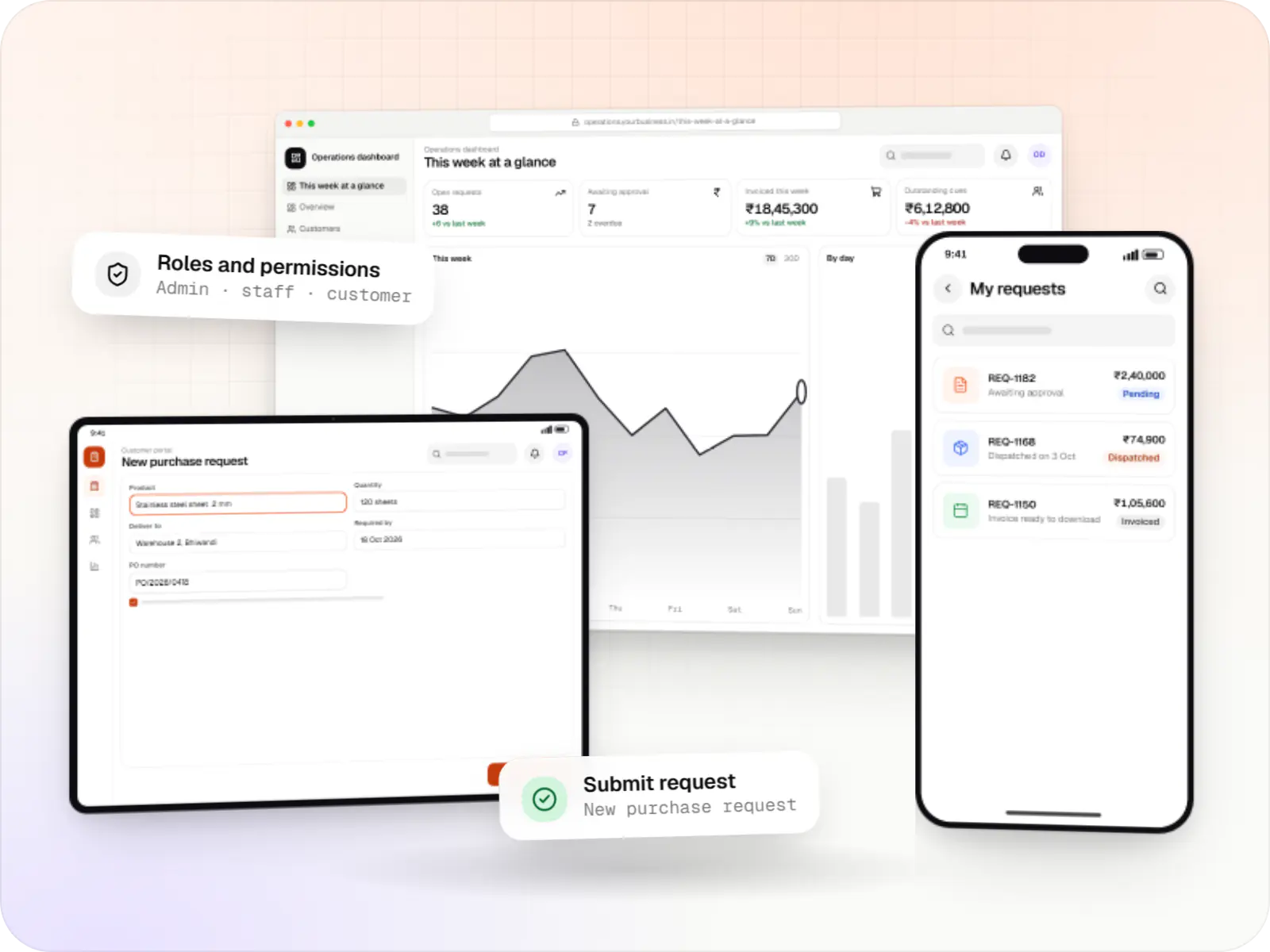
Browser-based products, customer portals, dashboards and internal tools, built on clean data models with secure roles and integrations.
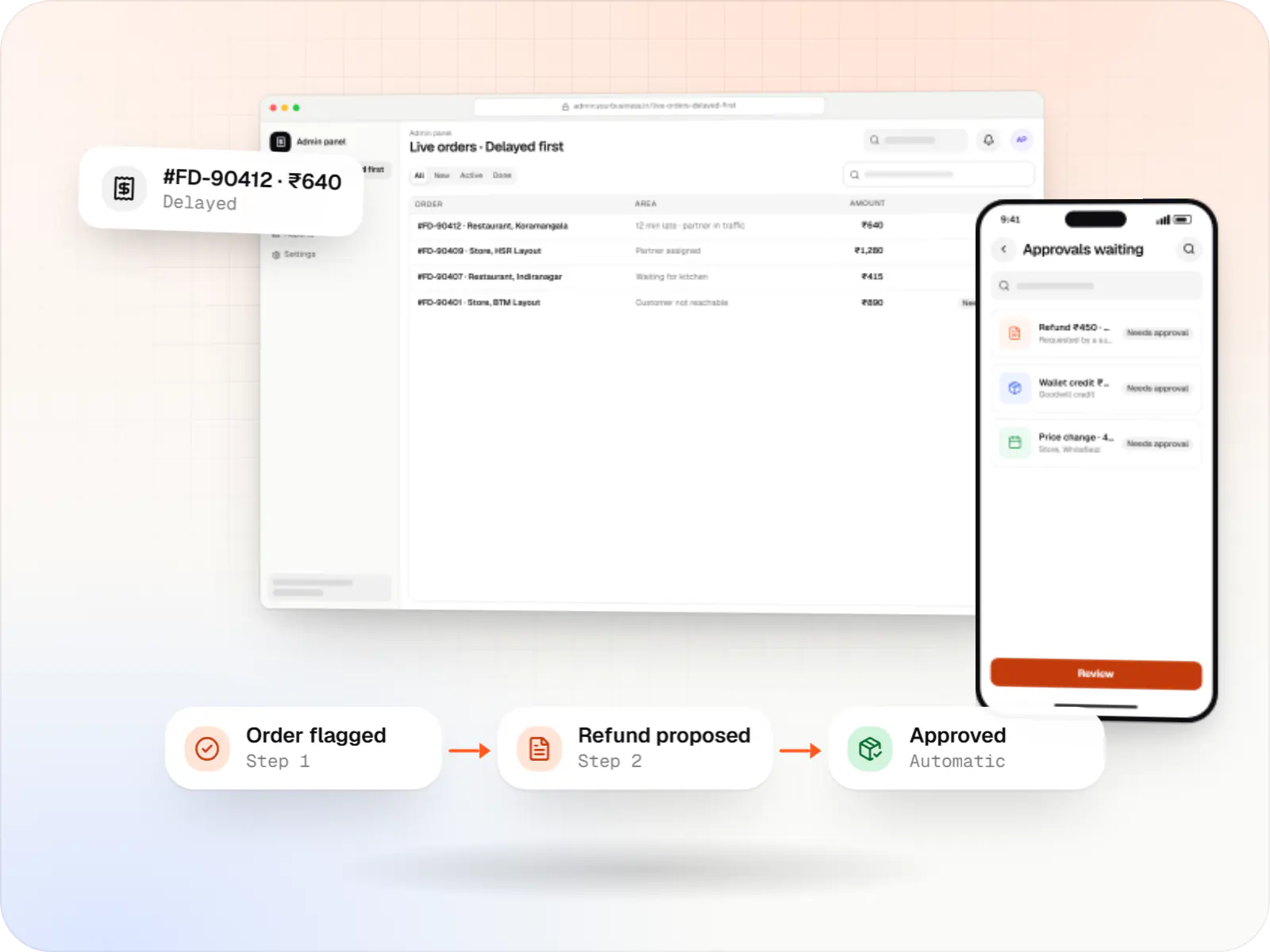
Back-office dashboards built around your team's daily tasks: order queues, approvals, catalogue management, payouts, reports and audit logs.
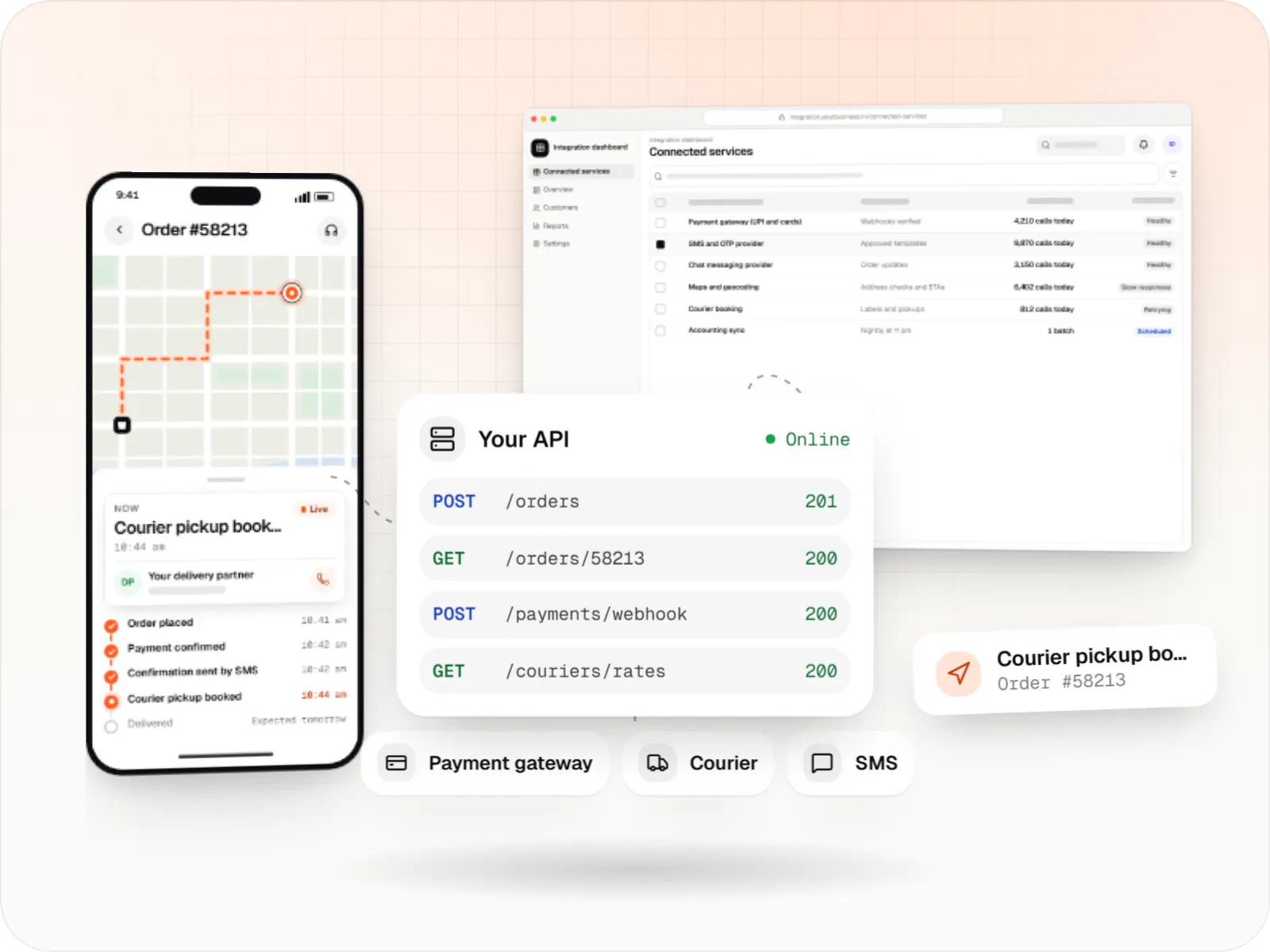
Secure, documented REST and GraphQL APIs, plus integrations that connect your apps to payment, logistics, GST, messaging and business systems.
FAQ
Early on, many platforms use third-party hyperlocal delivery partners through their APIs, which avoids hiring and managing a fleet before demand is proven. Your own riders give more control over service quality and cost at scale, but require a rider app, dispatch logic, shift management and payouts. We often build the dispatch layer so both can be used, switching by area or time of day.
Each order records the item total, taxes, platform commission, discounts funded by the platform or the restaurant, packaging charges and refunds. A settlement job groups these by restaurant and cycle, produces a statement the restaurant can check, and generates payout instructions. Split-settlement features from gateways such as Razorpay or Cashfree can automate transfers, subject to their onboarding and KYC requirements for each restaurant.
Yes, and we recommend it. The platform is built with serviceable zones, city-level settings for fees and commissions, and restaurant and rider onboarding by area, so adding a city is mostly configuration and operations work rather than new code. Launching in one dense area first lets you tune dispatch and prep-time estimates on real data before you scale.
Next step
Tell us your city, restaurant pipeline and delivery model. We'll scope an MVP that can launch in one area first.