
Web
React
Builds interactive screens in the browser, such as dashboards, admin panels and portals, that respond instantly as your team works.
Used for
- Web apps
- Admin panels
- Dashboards
- Customer portals
Manufacturing
Product configurators, spare parts portals, installed-base tracking and remote monitoring for machine builders and equipment OEMs.
At a glance
Machine builders sell configurable equipment and support it for years. We build the quoting, parts and after-sales software that turns an installed base into repeat business.
How to start
Tell us what you need in your own words. You talk to the developers who would build it and get a written, line-item estimate.
Get a project estimateMakers of packaging machines, CNC equipment, pumps, farm implements and process plants earn from new machines and from years of spares and service afterwards. Quoting a configured machine can mean days of back-and-forth between sales and engineering. Once installed, customers describe the part they need over the phone. Software helps by capturing configuration rules, identifying parts visually and recording every installed machine.
Challenges
Engineering checks options, compatibility and pricing by hand for every enquiry.
Customers can't name the part they need, so wrong parts get shipped.
No reliable record of which machine and configuration sits at which site.
Breakdowns surface only when the customer calls.
Solutions
Across 3 areas
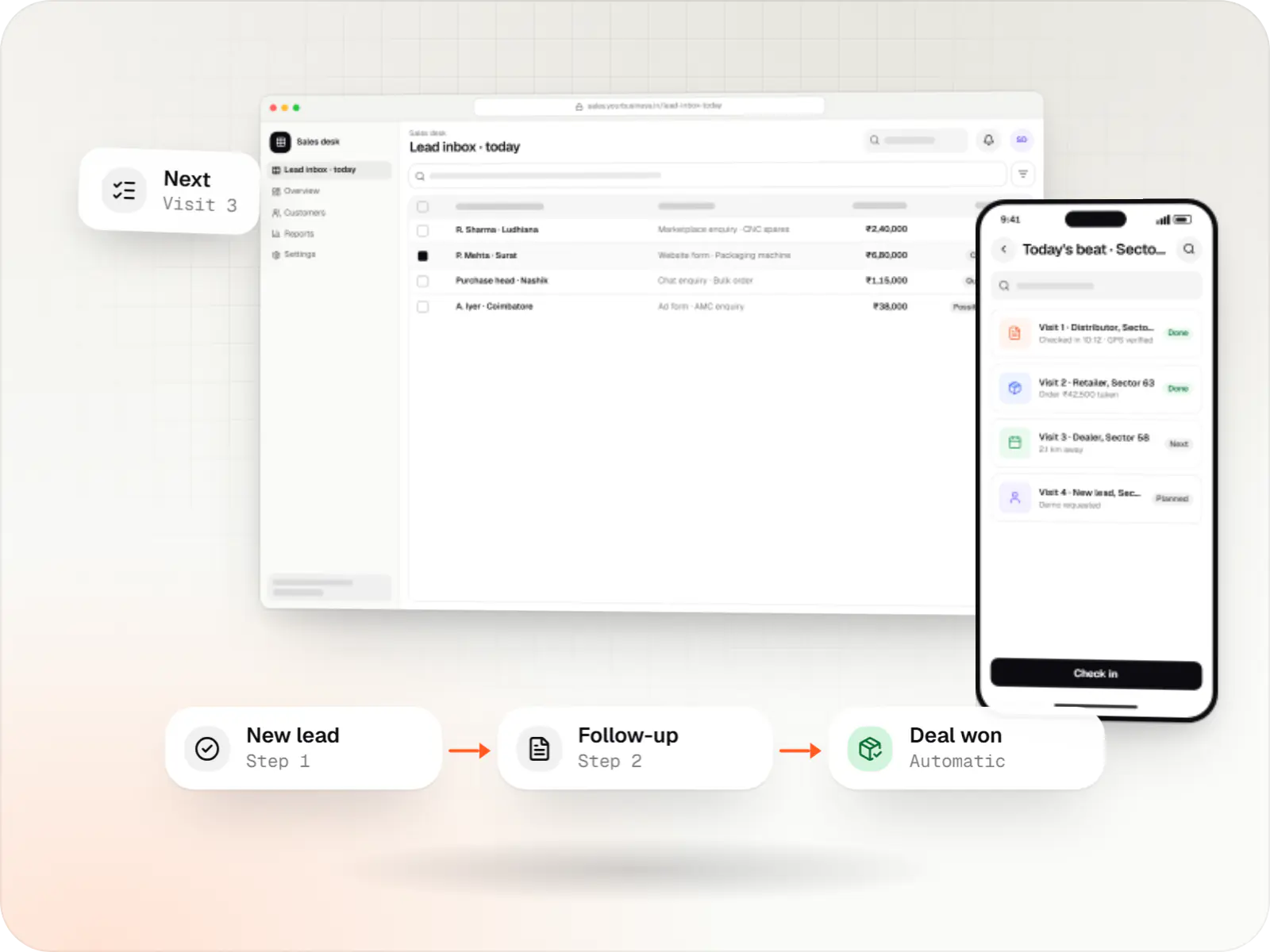
Custom CRM software that captures leads from every channel, keeps follow-ups on schedule and shows managers a live pipeline.
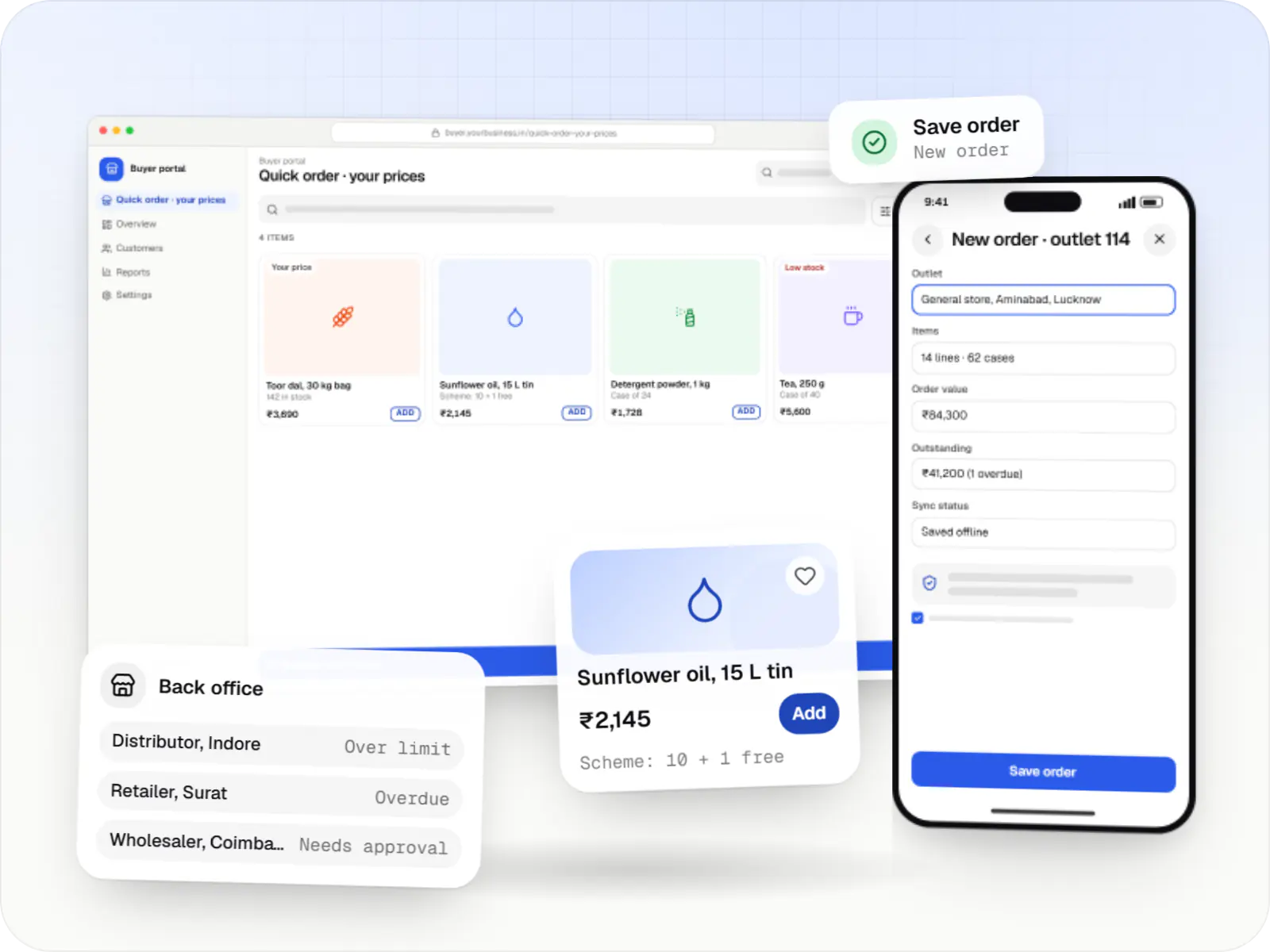
Ordering portals and apps for manufacturers, distributors and wholesalers, with buyer-specific pricing, credit limits, bulk ordering and ERP sync.
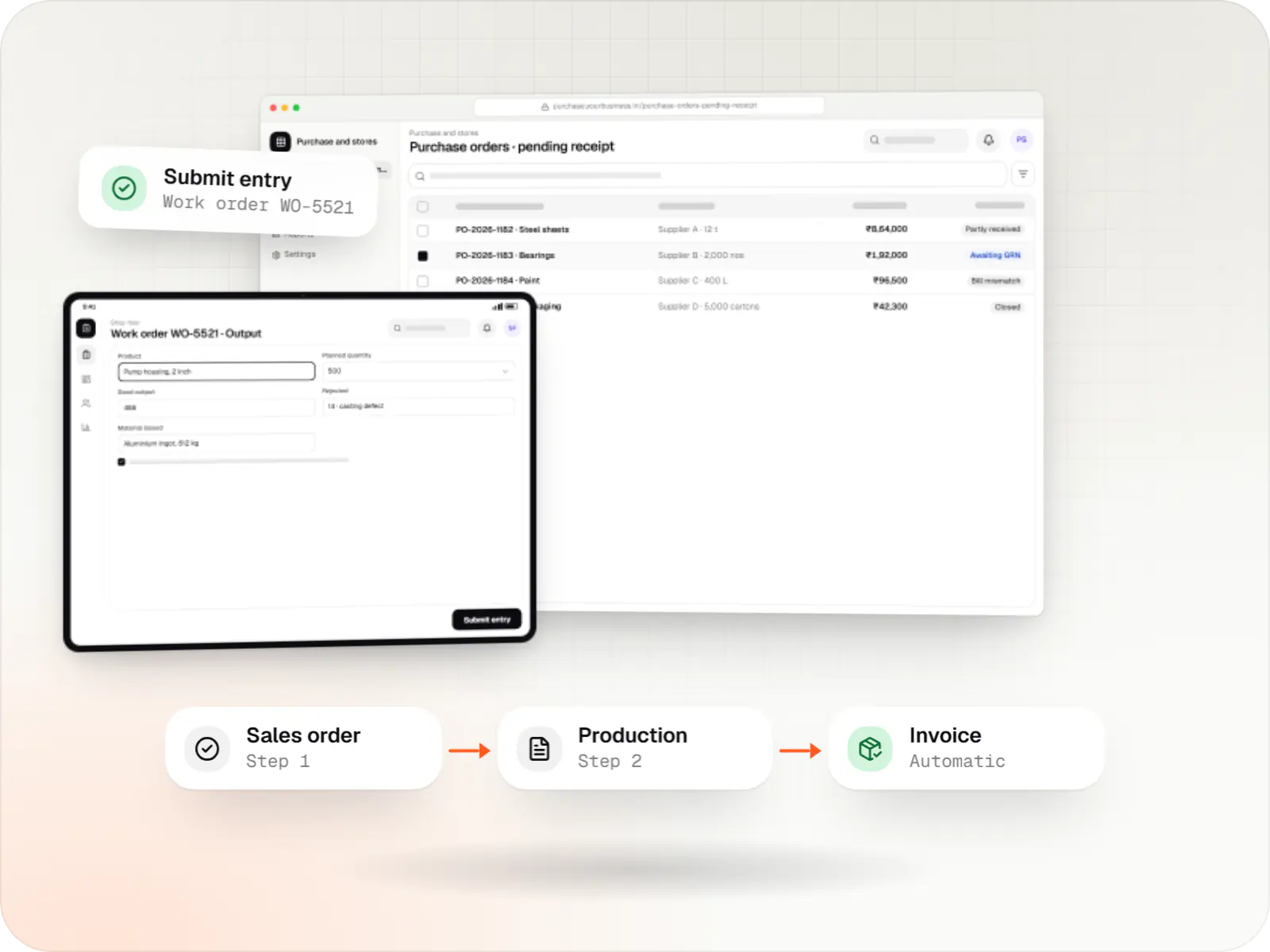
Custom ERP software connecting purchase, inventory, production, sales and GST compliance, alongside your existing accounting system.
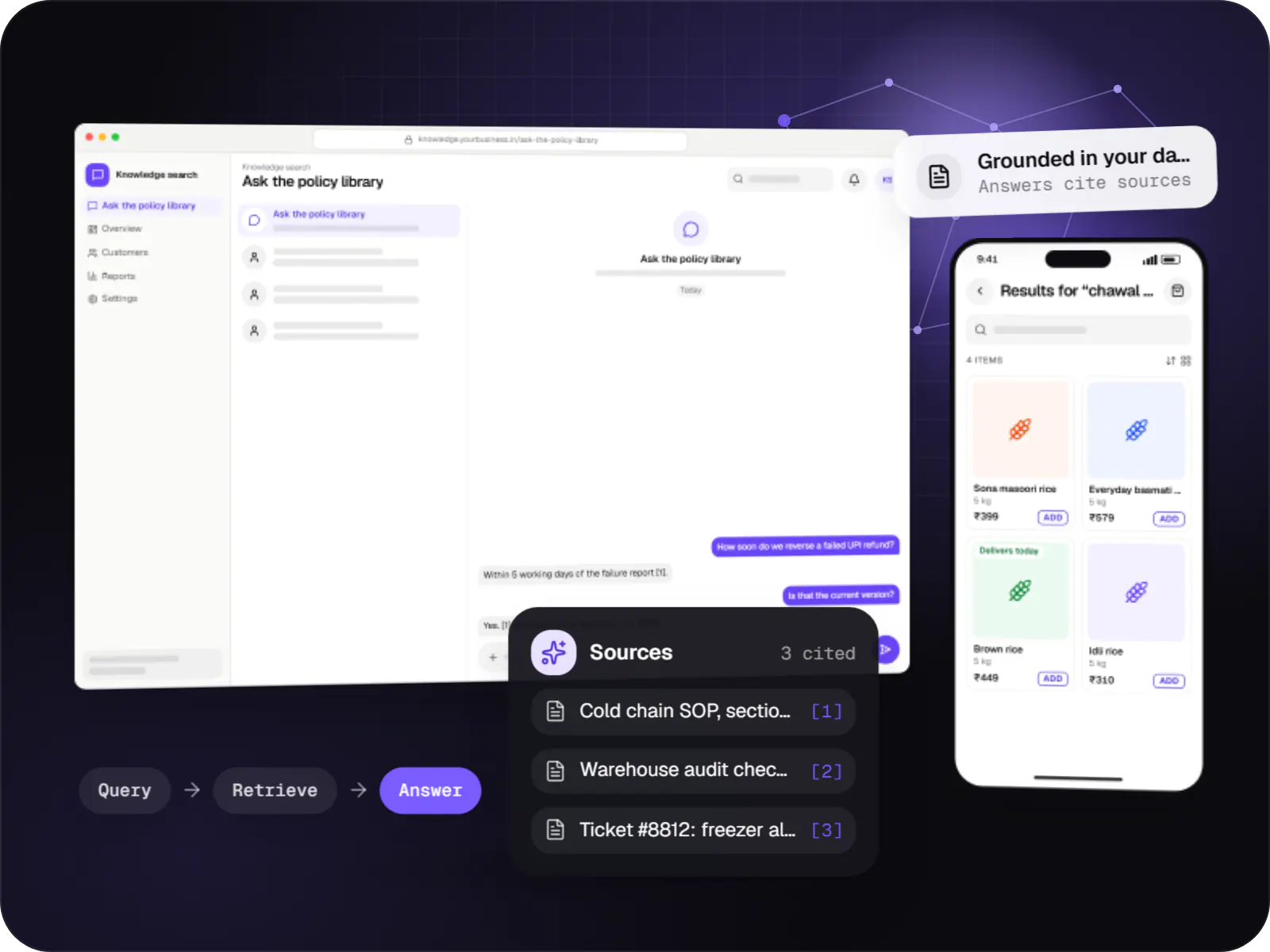
Search and question-answering over your documents, tickets and product data, with hybrid retrieval, citations and permission-aware results.
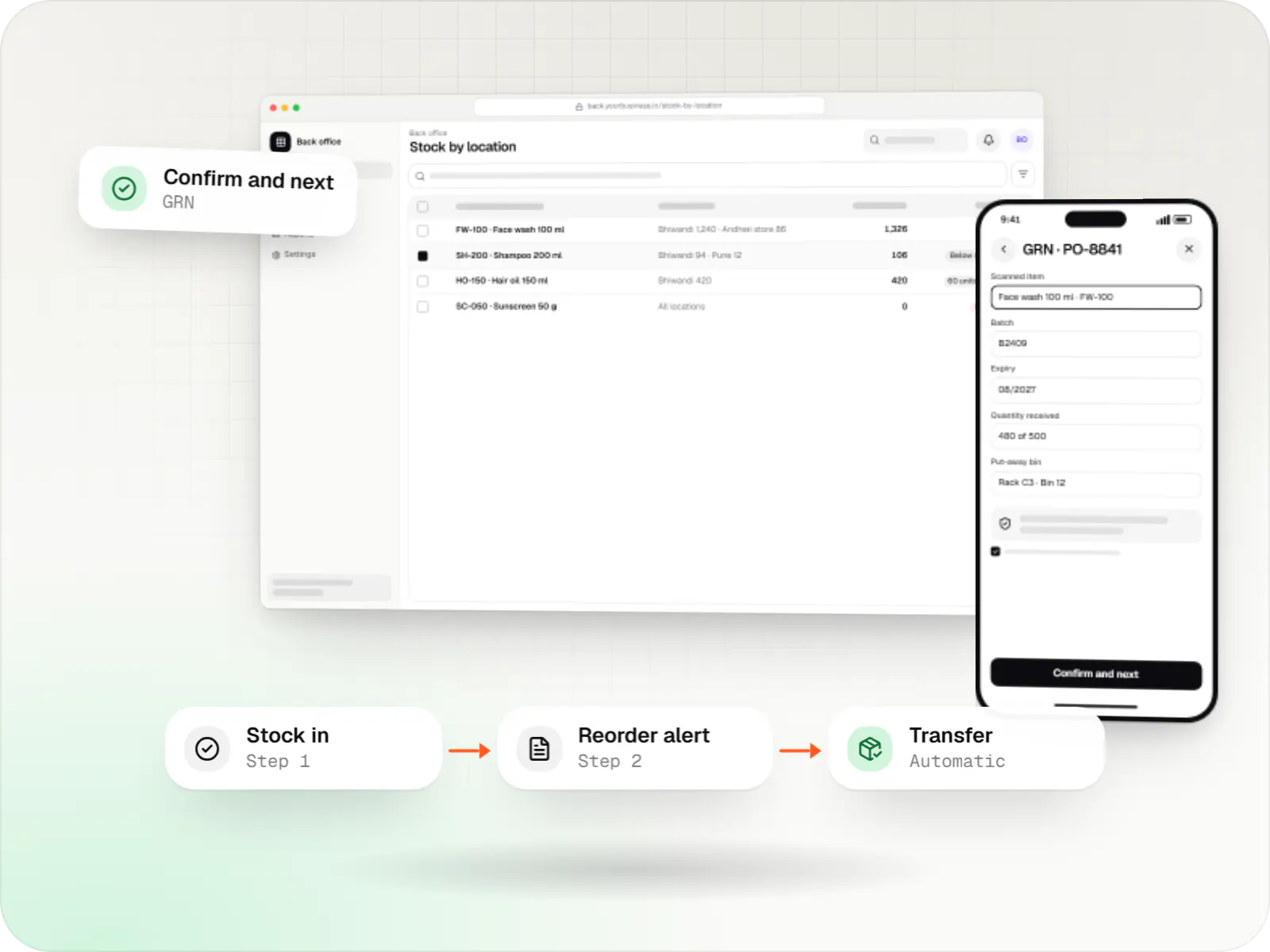
Custom inventory software for multi-location stock, batch and expiry tracking, barcode scanning and marketplace stock sync.
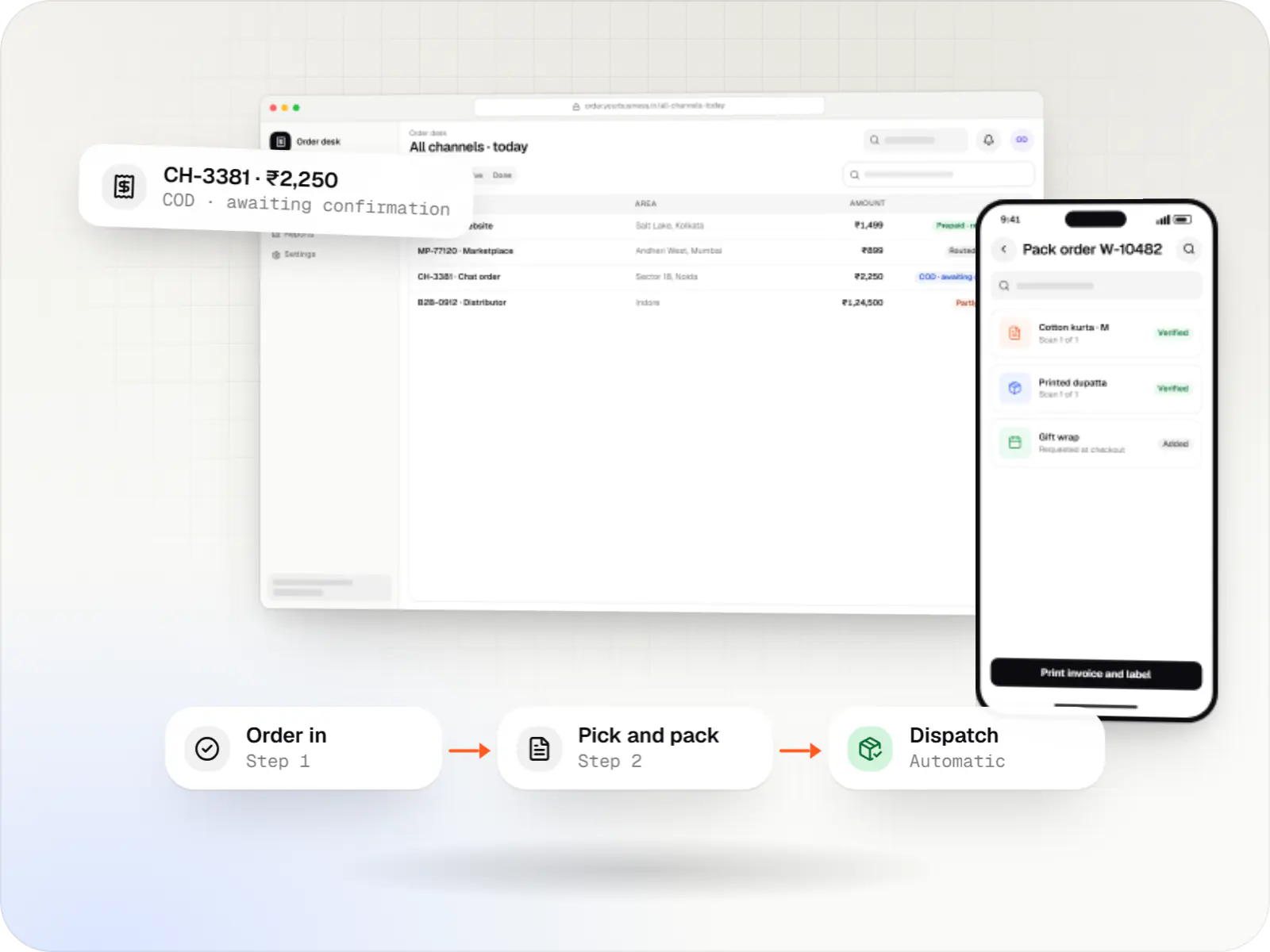
A central order management system that collects orders from every channel, routes them to the right location and tracks them to delivery and payment.
Guided option selection with compatibility rules, producing quotes and technical sheets.
Parts found on exploded diagrams per machine serial, with price, stock and ordering.
Each machine's configuration, location, warranty and service history.
Running hours, alarms and utilisation from connected machines to plan service.
Partners see their customers' machines and order parts at their own prices.
How it works
Options are chosen in a guided configurator that blocks invalid combinations and adds mandatory accessories on its own.
Price, lead time and a technical specification sheet come out in one step, and only unusual requests go to engineering for approval.
At commissioning the serial number, configuration, site and warranty start date go into the installed-base register.
Where a gateway is fitted, running hours and alarms reach your dashboard, so preventive service is planned before a breakdown.
The customer selects their machine by serial number, finds the part on an exploded diagram and orders with price and stock shown.
Every visit, part and upgrade is added to that machine’s record, which guides upgrade offers, renewals and the next quote.
Platforms
Browser-based applications with logins, roles and workflows, such as customer portals, SaaS products and internal tools.
One Flutter or React Native codebase for Android and iOS, with native modules where a feature needs them.
Back-office panels for operations, support and finance teams: orders, users, content, reports and permissions.
Marketing and content websites: fast, search-friendly pages with a CMS your team can update without a developer.
Technology
Interactive web apps for configurators and parts diagrams, with monitoring data pipelines built on AWS.
Web
Builds interactive screens in the browser, such as dashboards, admin panels and portals, that respond instantly as your team works.
Used for
Backend
A structured way to build back ends on Node.js, so large business systems stay organised, testable and easy to hand over.
Used for
Data
A reliable database for the records your business runs on: orders, payments, bookings and stock, kept accurate and easy to report on.
Used for
Backend
A programming language for AI features, data processing and automation: the engine behind document reading, reports and smart search.
Used for
Cloud & DevOps
Cloud hosting for your app, website and data, with data centres in India and room to grow when traffic rises.
Used for
Plain-English glossary
Product preview
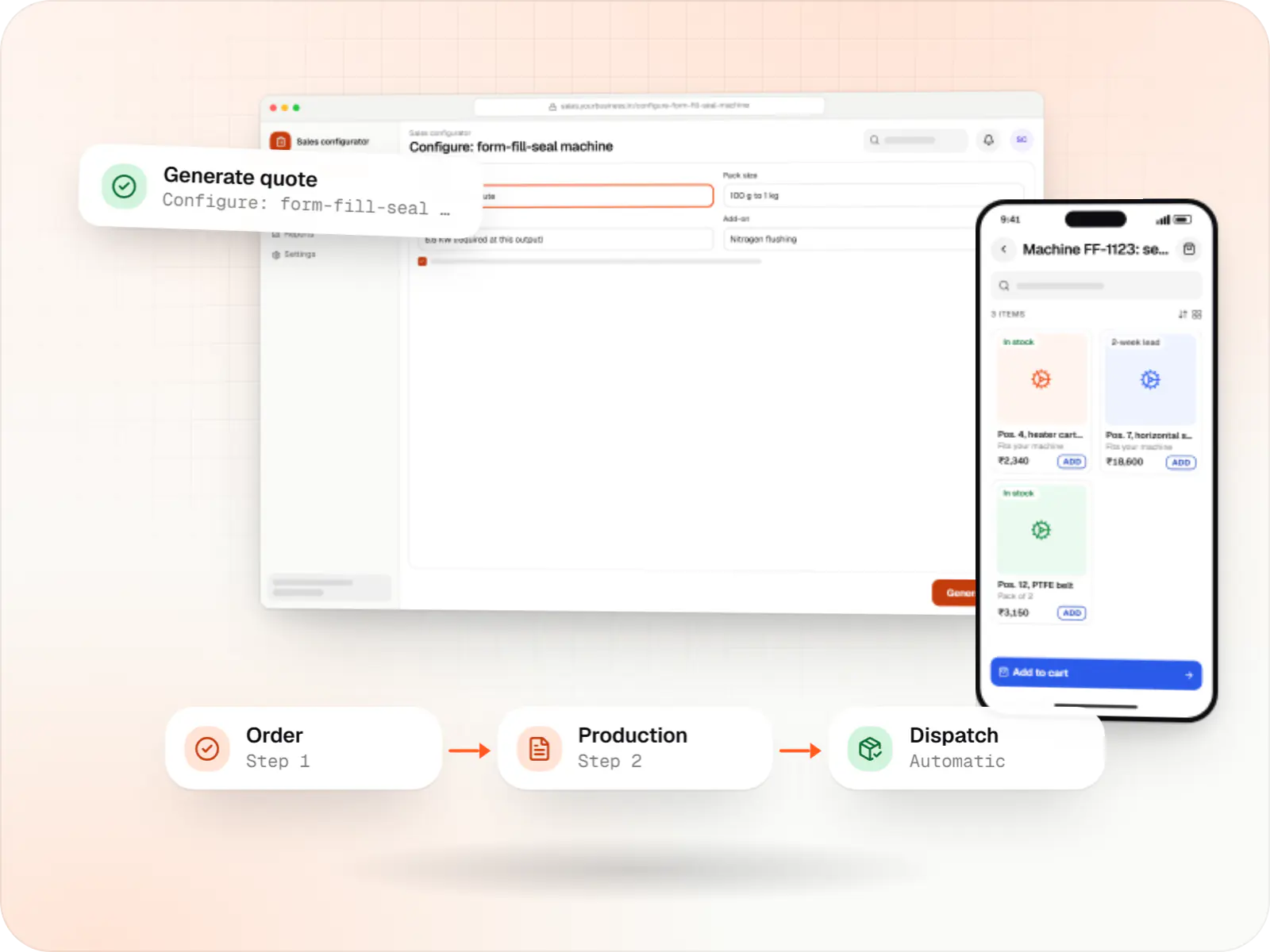
Sample screens for a packaging machine builder; options and prices are illustrative.
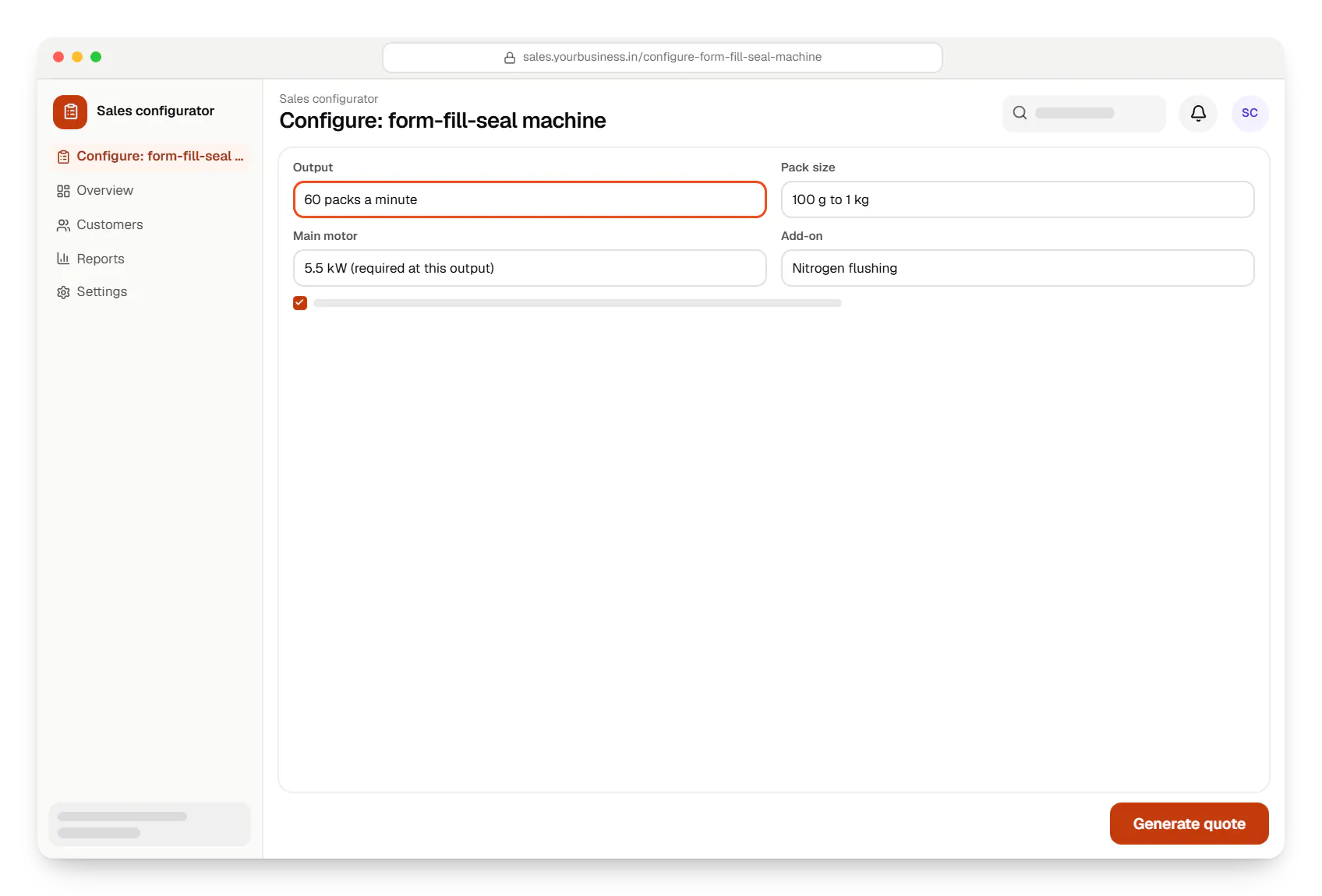
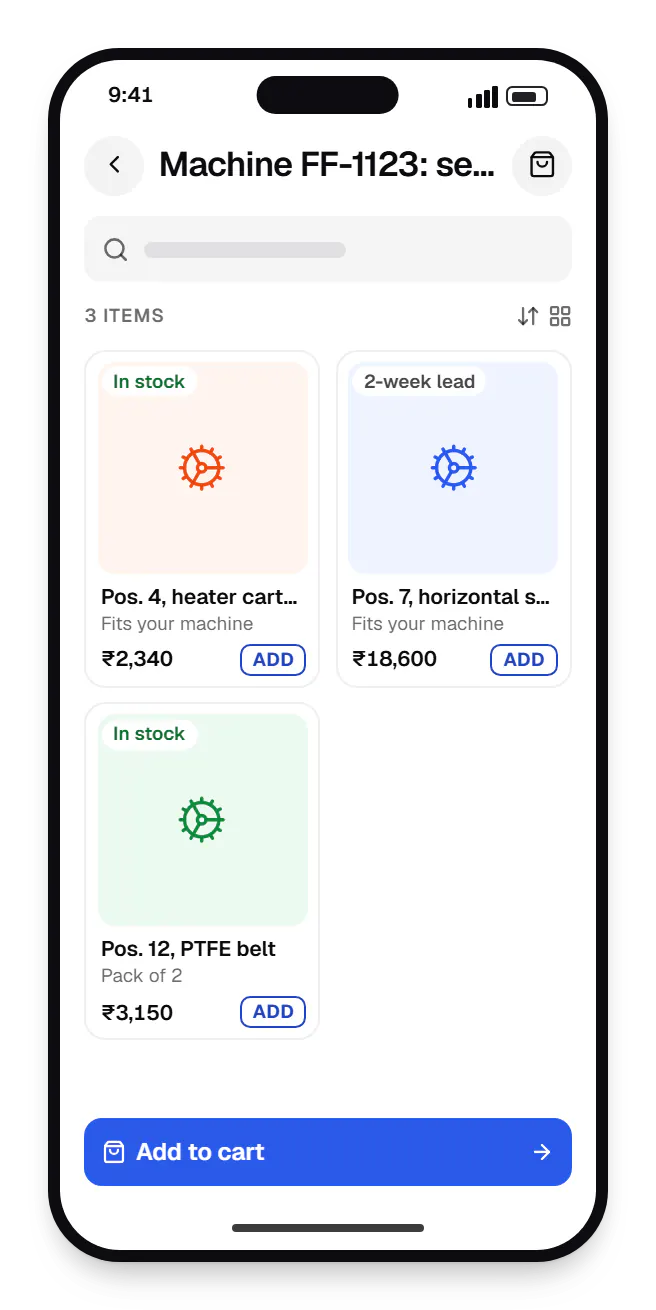
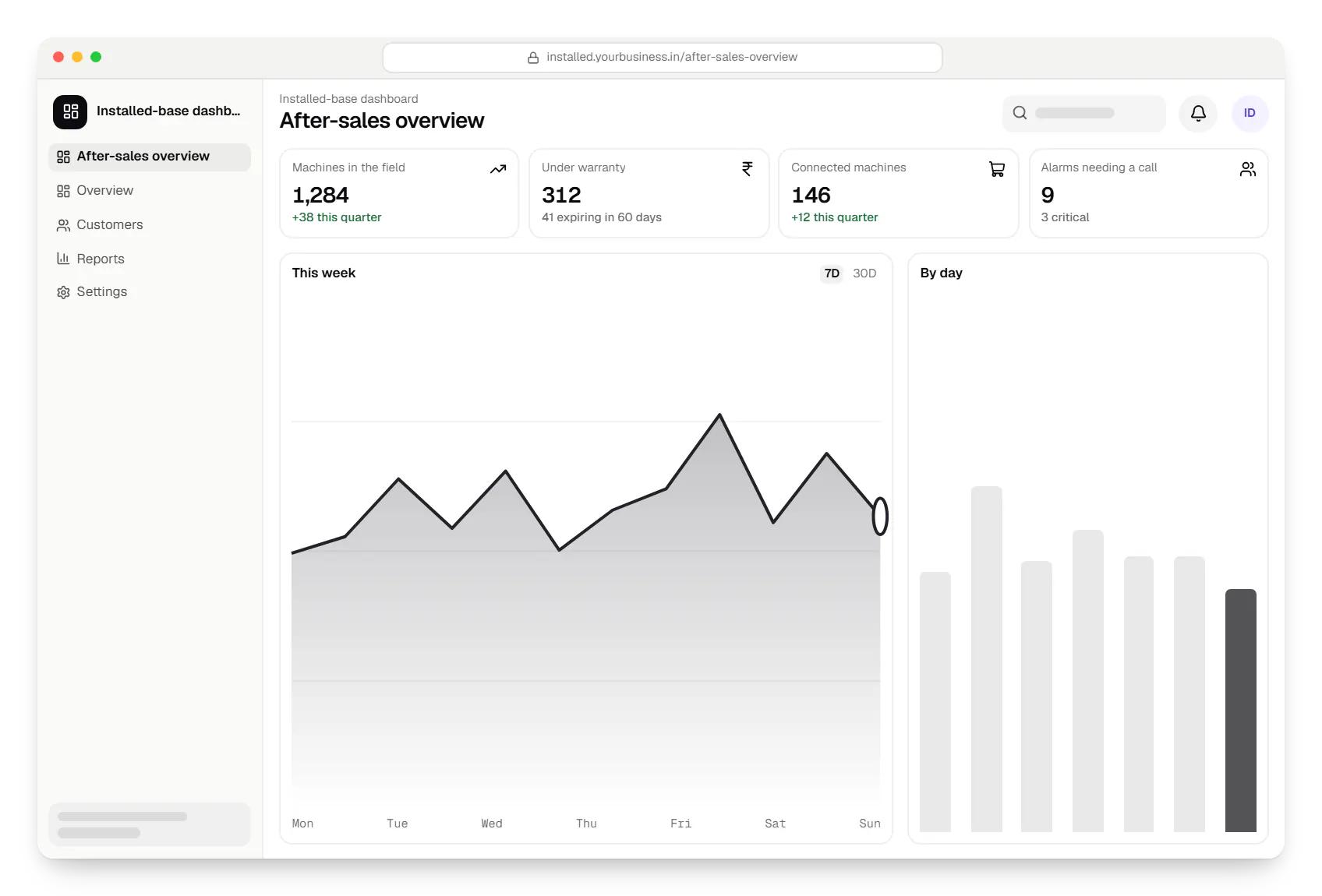
Sample screens: names, prices and figures are examples, not client data.
Cost drivers
The number of options and rules between them drives configurator effort.
Turning CAD drawings and BOMs into interactive diagrams takes time per model.
Monitoring needs gateways, data pipelines and security for each machine type.
Estimates are written from your scope, with the effort and assumptions behind each line item.
How pricing worksServices
The design and engineering services our in-house team combines on projects in this sector.
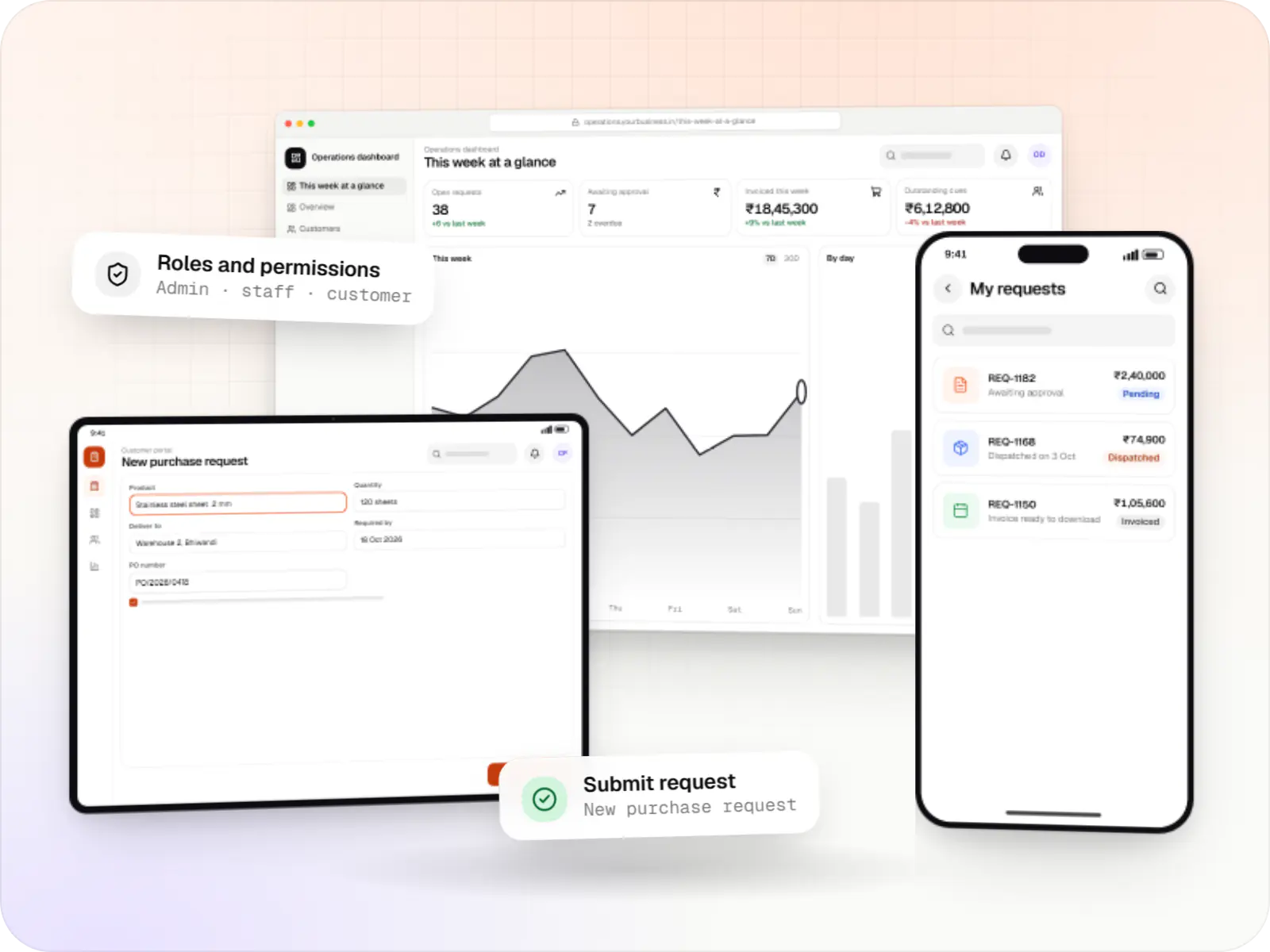
Browser-based products, customer portals, dashboards and internal tools, built on clean data models with secure roles and integrations.
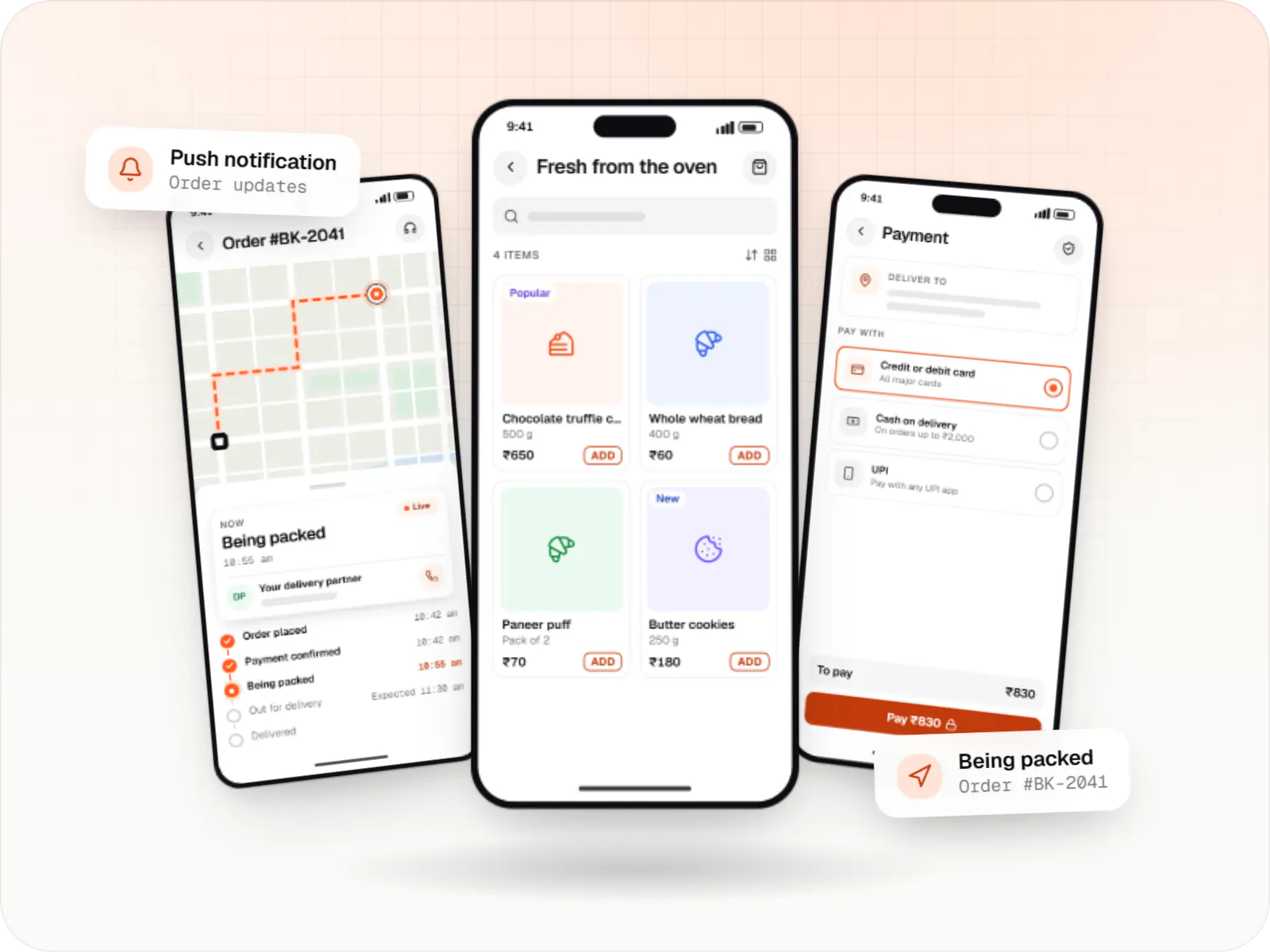
Native and cross-platform Android and iOS apps, from first release through regular store updates, built by our in-house designers and engineers.
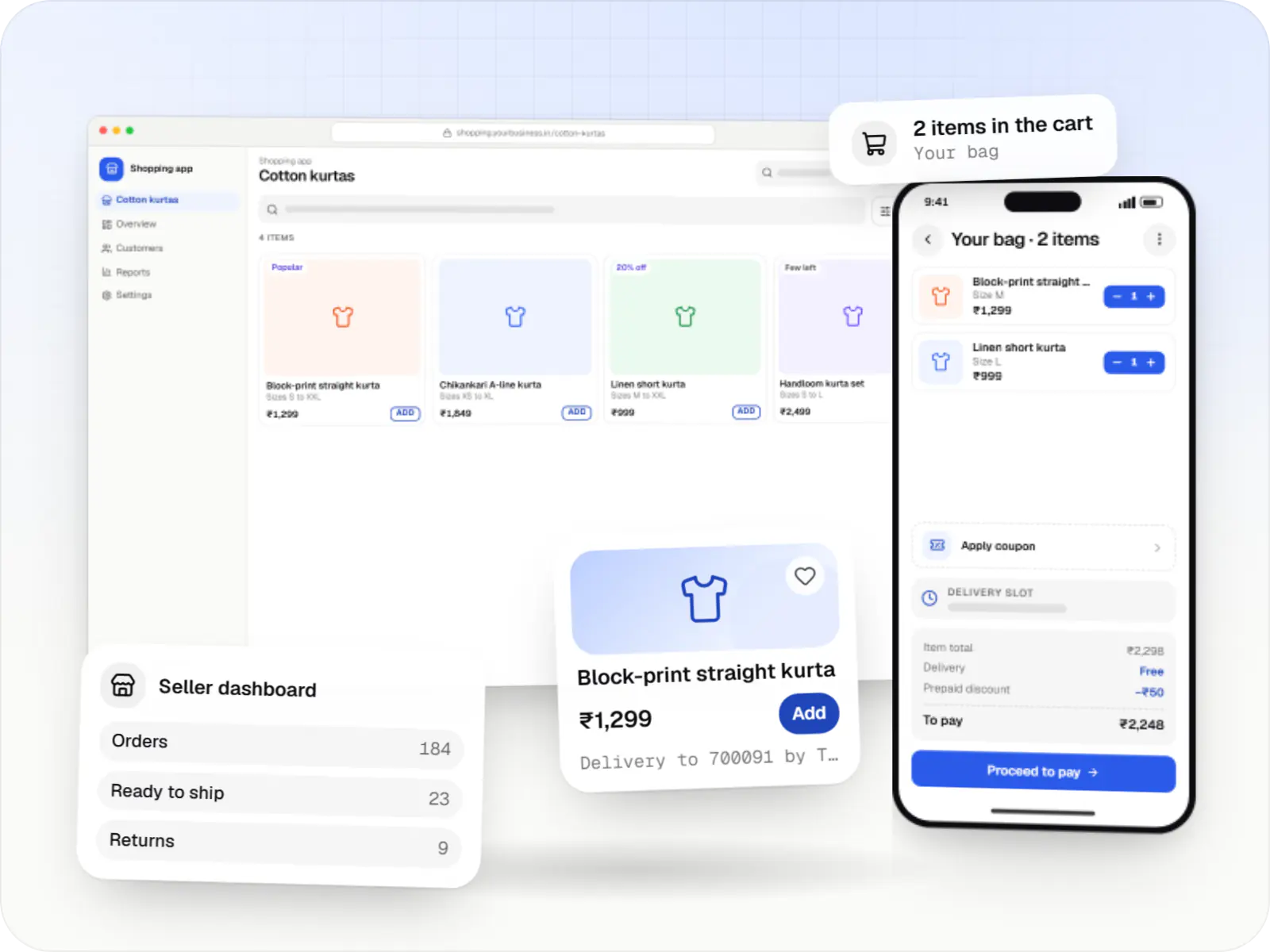
Online stores, shopping apps and B2B ordering portals on Shopify, WooCommerce or custom stacks, wired to Indian payments, couriers and GST invoicing.
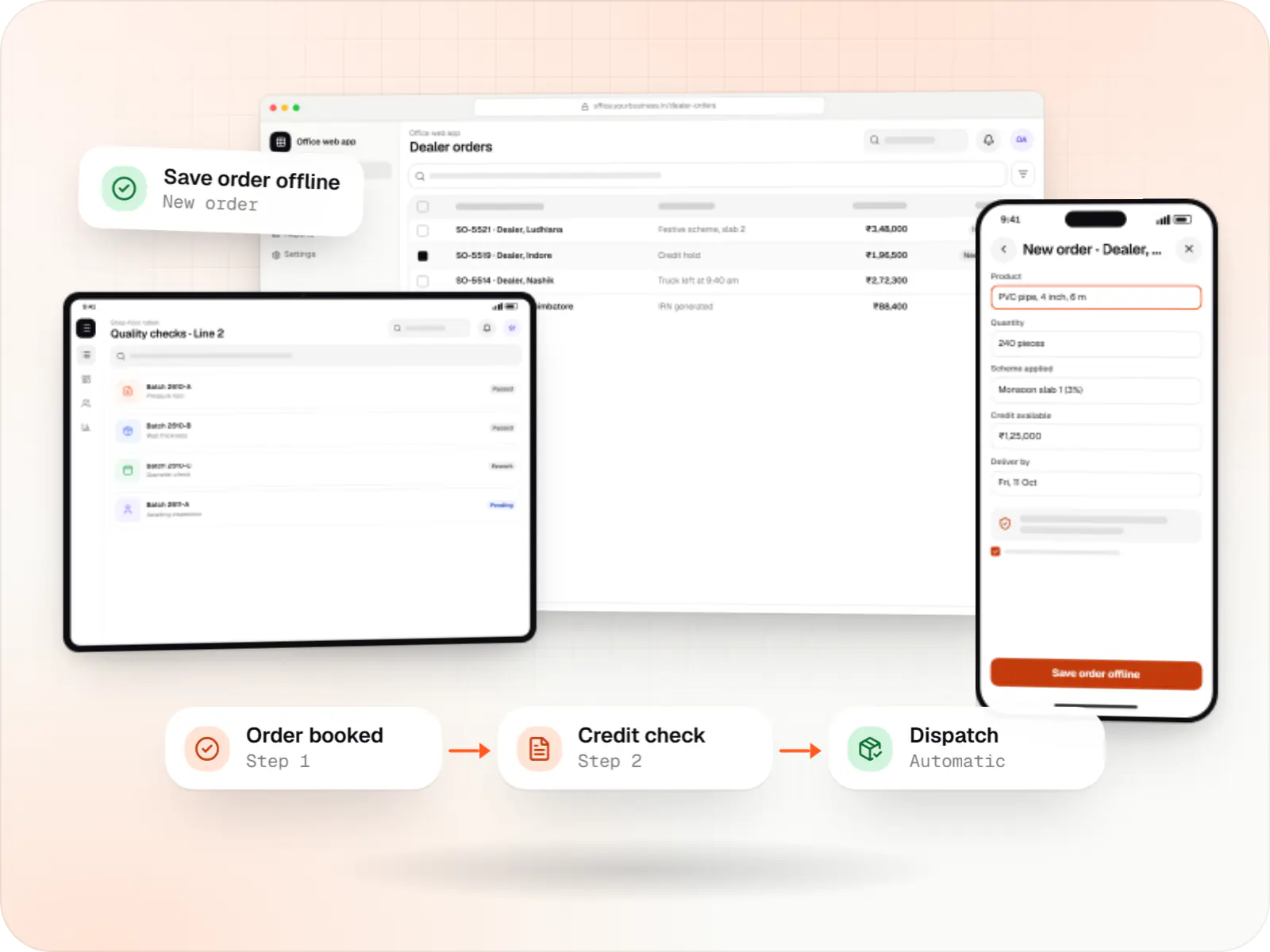
Software shaped around how your business runs, from approvals and inventory to billing and reports, replacing spreadsheets and disconnected tools.
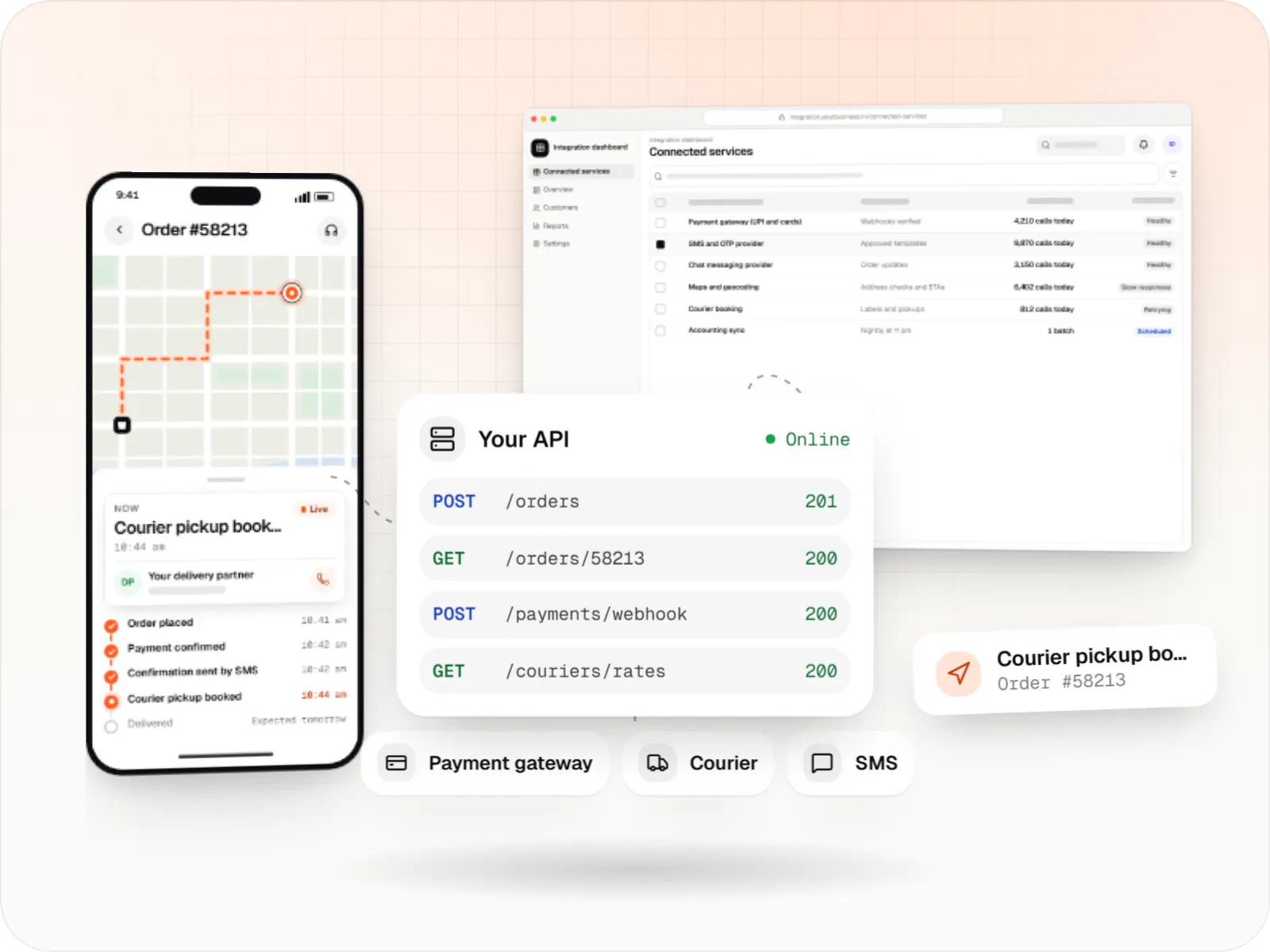
Secure, documented REST and GraphQL APIs, plus integrations that connect your apps to payment, logistics, GST, messaging and business systems.
Locations
Cities where this sector is a significant part of the local economy. We work remotely with teams across India and meet in person where practical.

Maharashtra

Tamil Nadu
FAQ
Yes. We take the bill of materials for each machine model and exploded views exported from your CAD tool, then link each numbered position on a drawing to a part record with price and stock. Customers pick their machine by serial number and see only parts that fit their configuration. The first few models take longest; later ones follow the same pattern.
A price list says what each option costs; a configurator also knows which options work together. It blocks invalid combinations, such as a motor too small for the chosen capacity, adds mandatory accessories and produces a quote and specification sheet in one step. Sales can quote standard configurations without waiting for engineering, while unusual requests still go to engineering for approval.
It can be, depending on how much uptime matters to your customers. Older machines can be retrofitted with a gateway and a few sensors for running hours, alarms or power draw, which is often enough to plan preventive service and spot misuse. We usually suggest a pilot on a handful of machines with willing customers before building a full monitoring product.
Next step
Send a sample machine BOM and describe how you quote today, and we will suggest where to start.