


Skip to content
Softcoderz

Custom software · Logistics

Custom software development for logistics companies

Transport, warehouse and billing software for transporters, 3PLs and courier companies, built around your lanes, fleet mix and freight paperwork.

This page brings together

Runs on
  • Web app
  • Admin
  • Android
  • Desktop
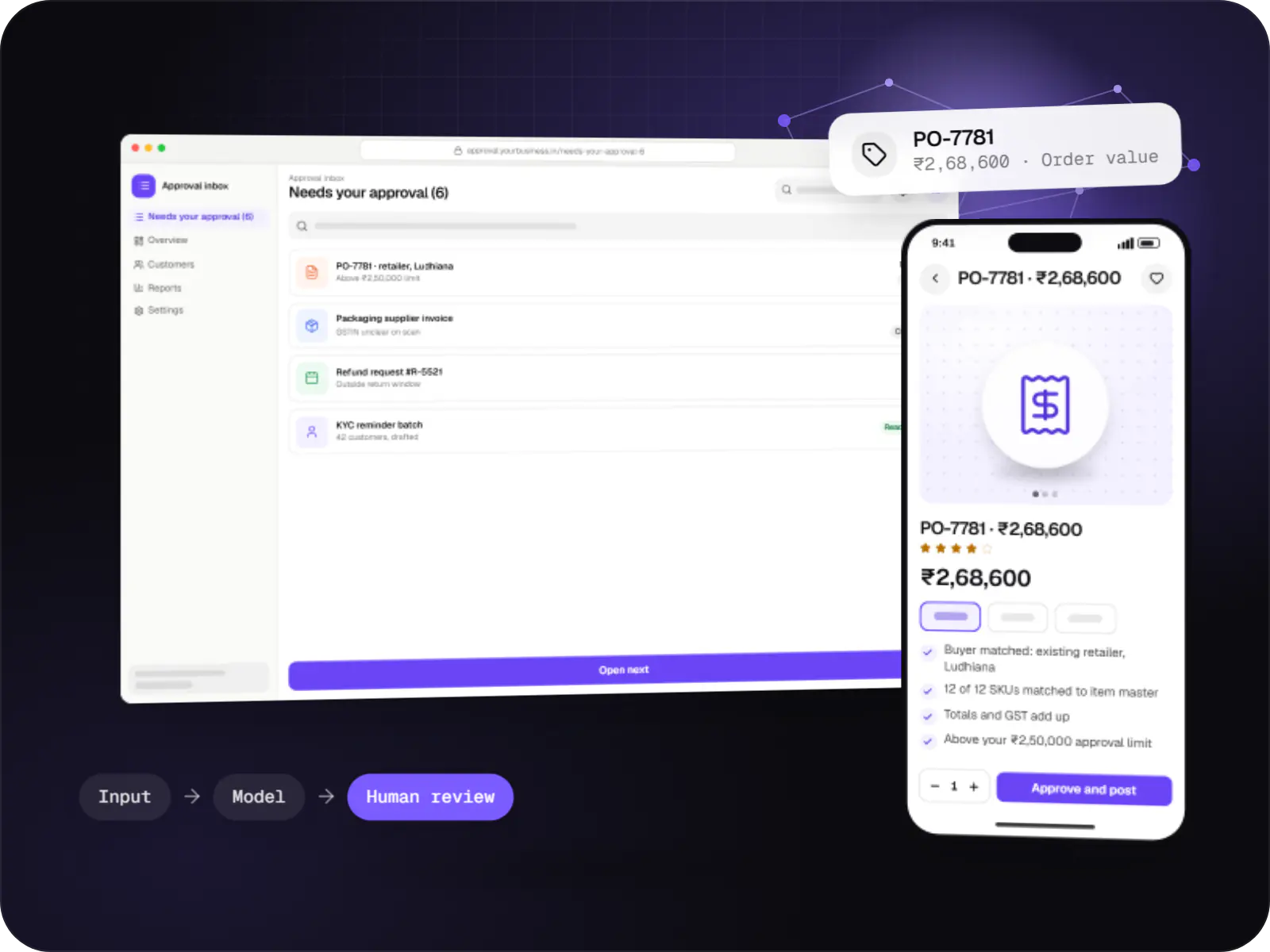
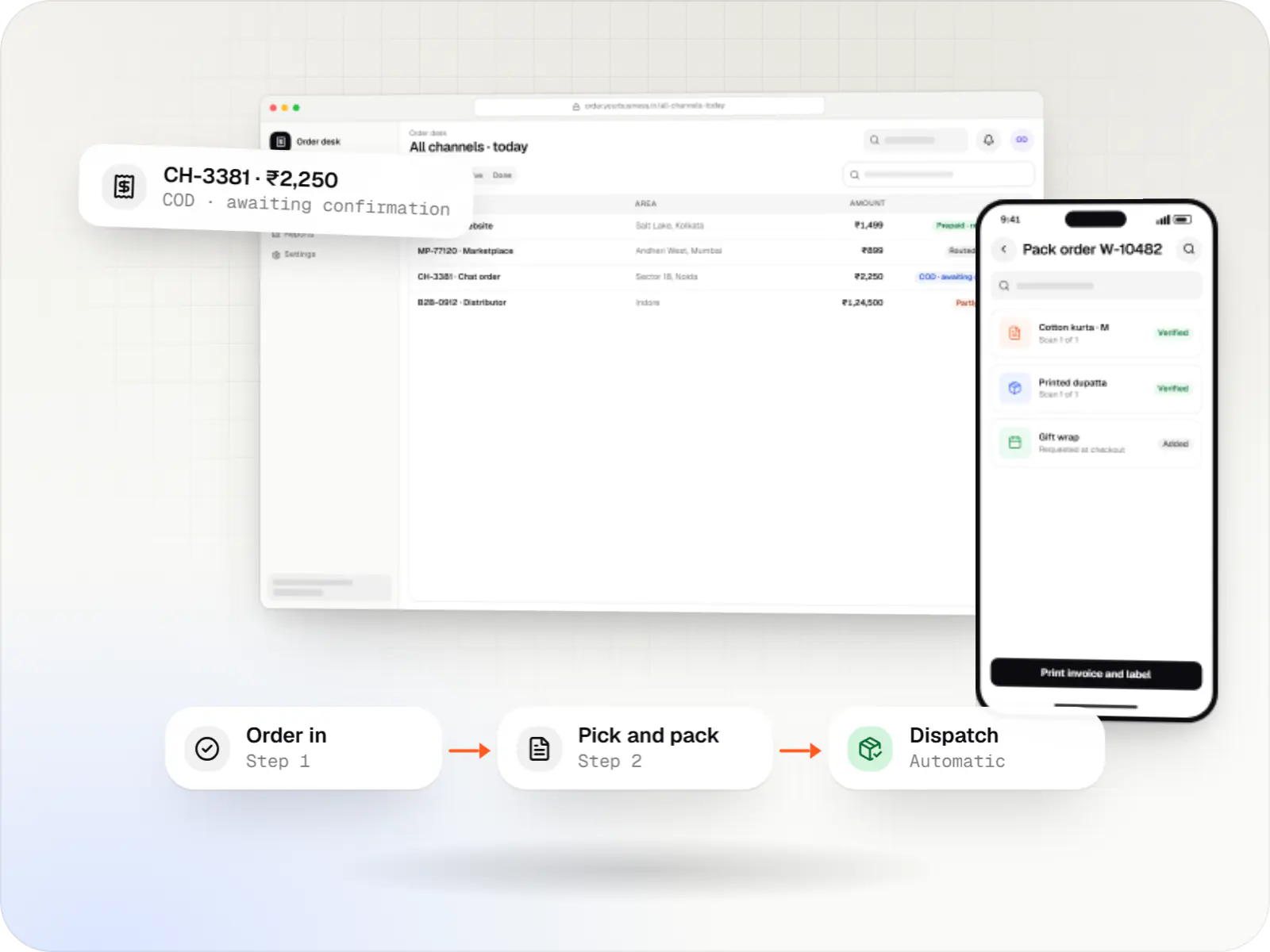
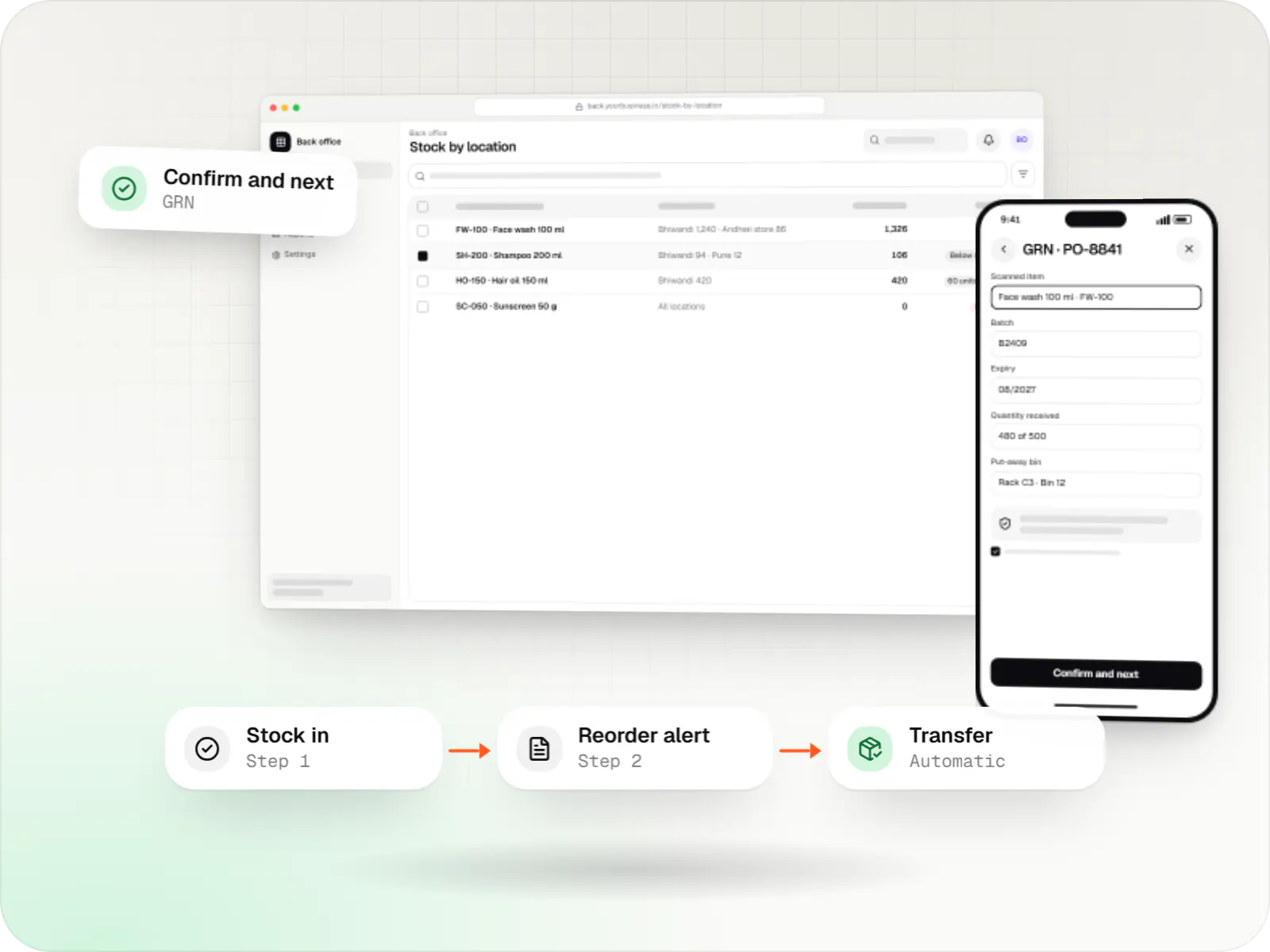
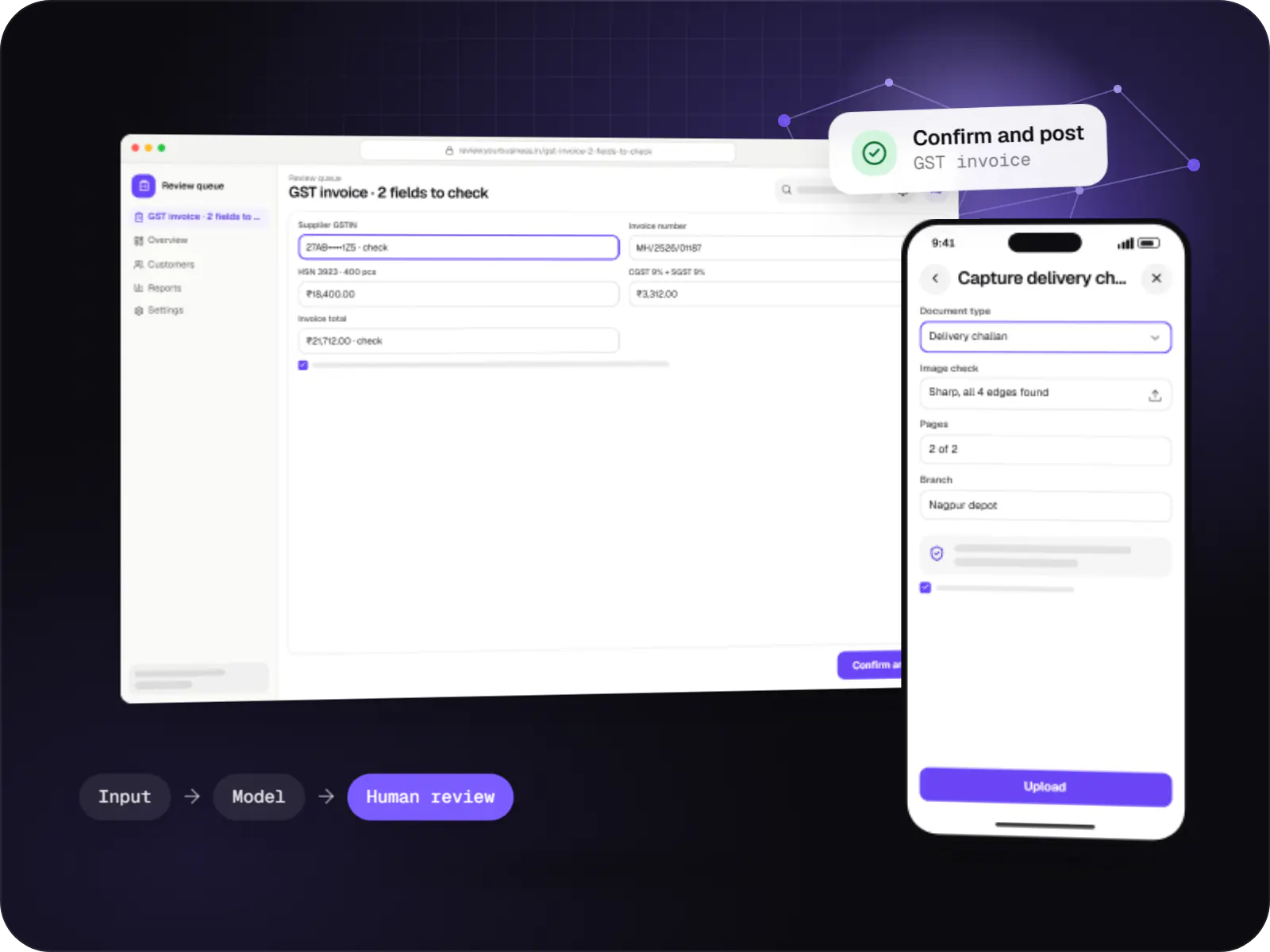
Custom software screens: office web app, shop-floor tablet, field sales app on a phone and linked approval steps
Illustrative previewOffice records, a field app and the approval steps that connect them, in one system.

Logistics software that matches how your freight moves

Logistics businesses differ more than their labels suggest. A full-truckload transporter juggles own and hired vehicles, driver advances and lane rates. A part-load operator lives on consolidation. A 3PL warehouse bills by pallet and pick, while a courier company cares about first-attempt delivery and COD remittance.

Off-the-shelf systems cover the common core, and many companies should start there. Custom software development makes sense for logistics companies whose edge lies where products fit poorly: customer-specific billing, a fleet spread across several GPS vendors, integrations with shippers' ERPs, or a driver app that must work on basic phones along highways with weak signal.

Trucks and cars climbing a winding expressway through the green ghats near Lonavala, Maharashtra, in evening light

Challenges

Where logistics operations leak time and cash

  1. Billing held up by PODs

    Invoices wait for signed proofs of delivery that arrive days late.

  2. Freight disputes

    Detention and shortages are argued from memory instead of recorded events.

  3. Several GPS vendors, no single view

    Control rooms switch between tracking portals all day.

  4. E-way bill expiries

    Delayed trips outrun validity unless someone extends it in time.

  5. Driver payments on slips

    Advances, diesel and tolls settled on paper lead to disputes with fleet owners.

What is included

Components we build for logistics operators

  • Platform: Web app

    Operations console

    • Orders from customer portals, email or API
    • Trip planning across own, leased and market vehicles
    • Lorry receipts and consignment notes
    • Alerts for delays, deviations and long halts
  • Platform: Android app

    Driver app

    • Trip documents on the phone
    • Photo POD with signature and geotag
    • Diesel, toll and loading expenses
    • Offline storage with later sync
    • Hindi and regional languages
  • Platform: Web portal

    Customer portal

    • Tracking, ETA and POD downloads
    • APIs and webhooks for shippers' systems
  • Platform: Web app

    Finance

    • Lane rate cards with surcharges
    • Invoices raised when PODs are approved
    • Fleet owner payments with TDS handling

Integrations

Data sources a logistics system draws on

  • Compliance

    • E-way bill and e-invoice

      Generation, vehicle updates and extensions through a GST Suvidha Provider.

  • Tracking

    • GPS and telematics vendors

      Each vendor's feed normalised onto one map.

  • Government data

    • ULIP

      Vehicle, FASTag and other logistics data through the Unified Logistics Interface Platform, for registered companies.

  • Verification

    • Vehicle and driver checks

      Registration and driving licence checks via authorised providers.

Process

How a logistics engagement runs

  1. Operations study

    We follow real consignments from booking to payment, at your depot where practical or through recorded walkthroughs.

    You getProcess map

  2. Integration register

    Every system that must connect is listed and access is tested early.

    You getIntegration plan

  3. Driver app field test

    An early build runs on a few trucks on real routes.

    You getField findings

  4. Phased release

    Console, then billing, then the customer portal, each run alongside existing processes before switch-over.

    You getRelease plan

Cost drivers

What decides the size of a logistics build

  1. Business model

    Full truckload, part-load, courier and warehousing each need different core logic.

  2. Integrations

    Each GPS vendor, customer ERP and accounting system is estimated separately.

  3. Driver app requirements

    Offline support, regional languages and low-end device testing add effort.

  4. Billing rules

    Customer rate cards, surcharges and multi-state GST registrations need careful modelling.

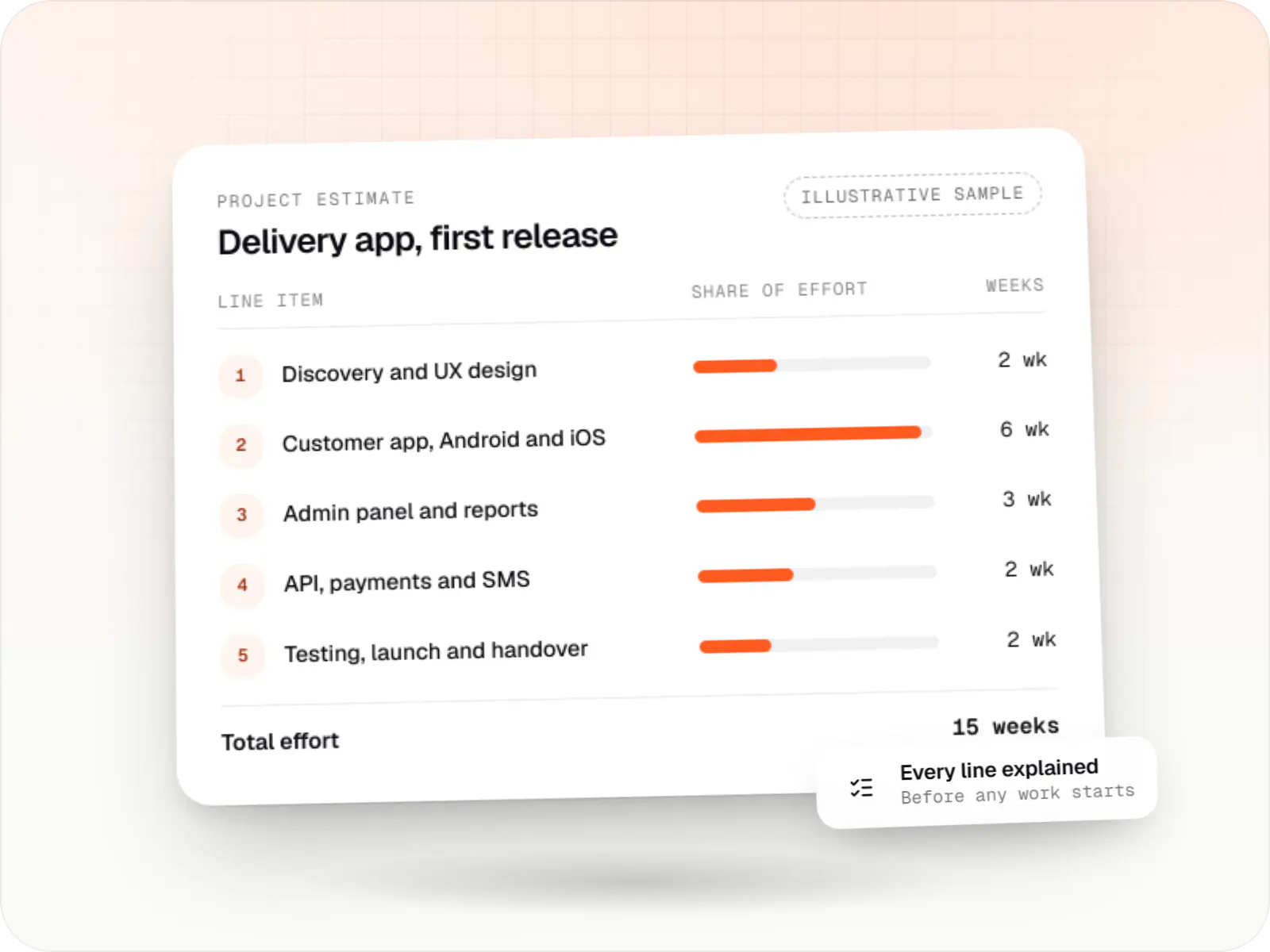
Estimates are written from your scope, with the effort and assumptions behind each line item.

How pricing works

Work

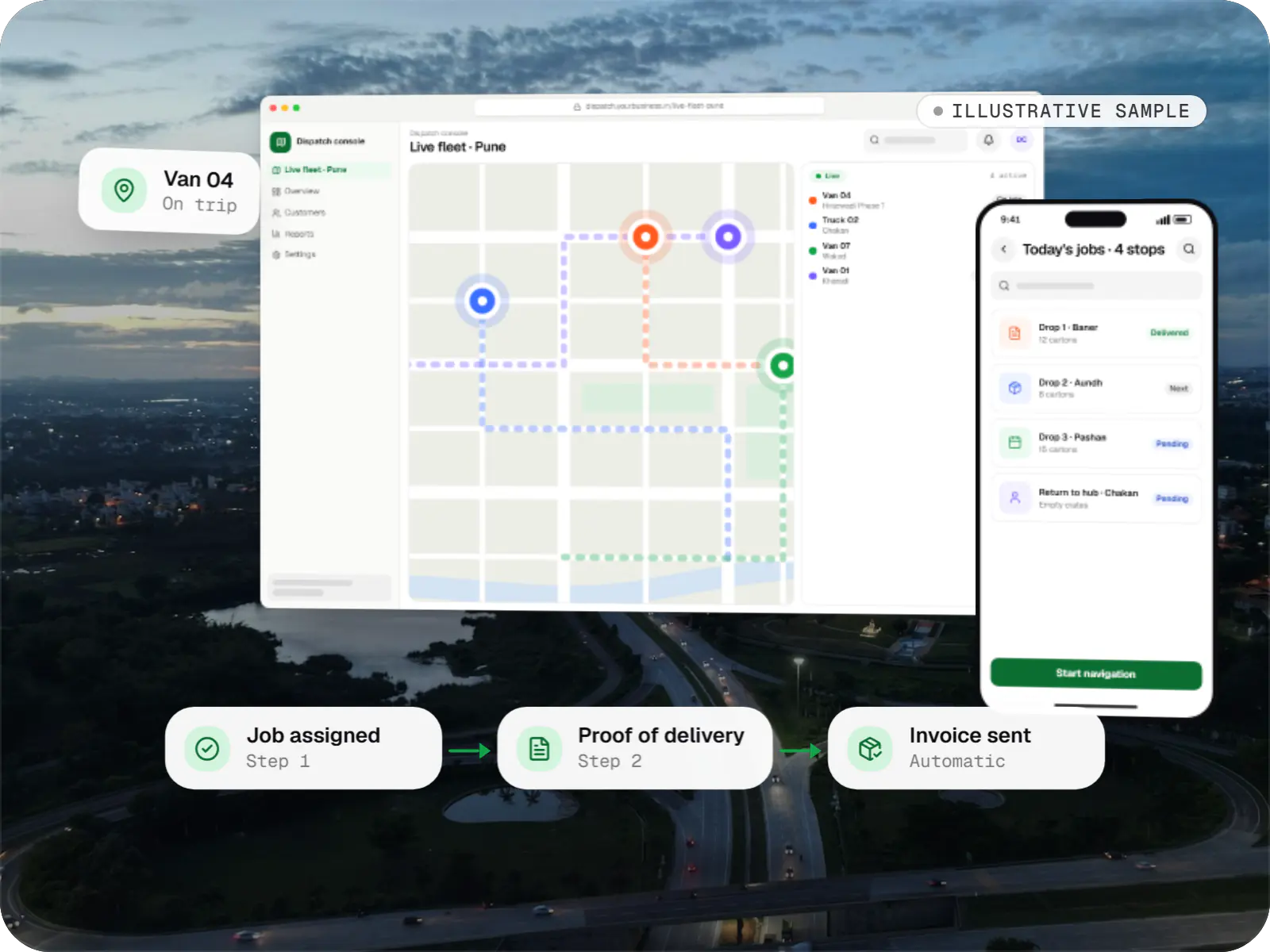
Dispatch software sample

  • Business software

    Illustrative sample

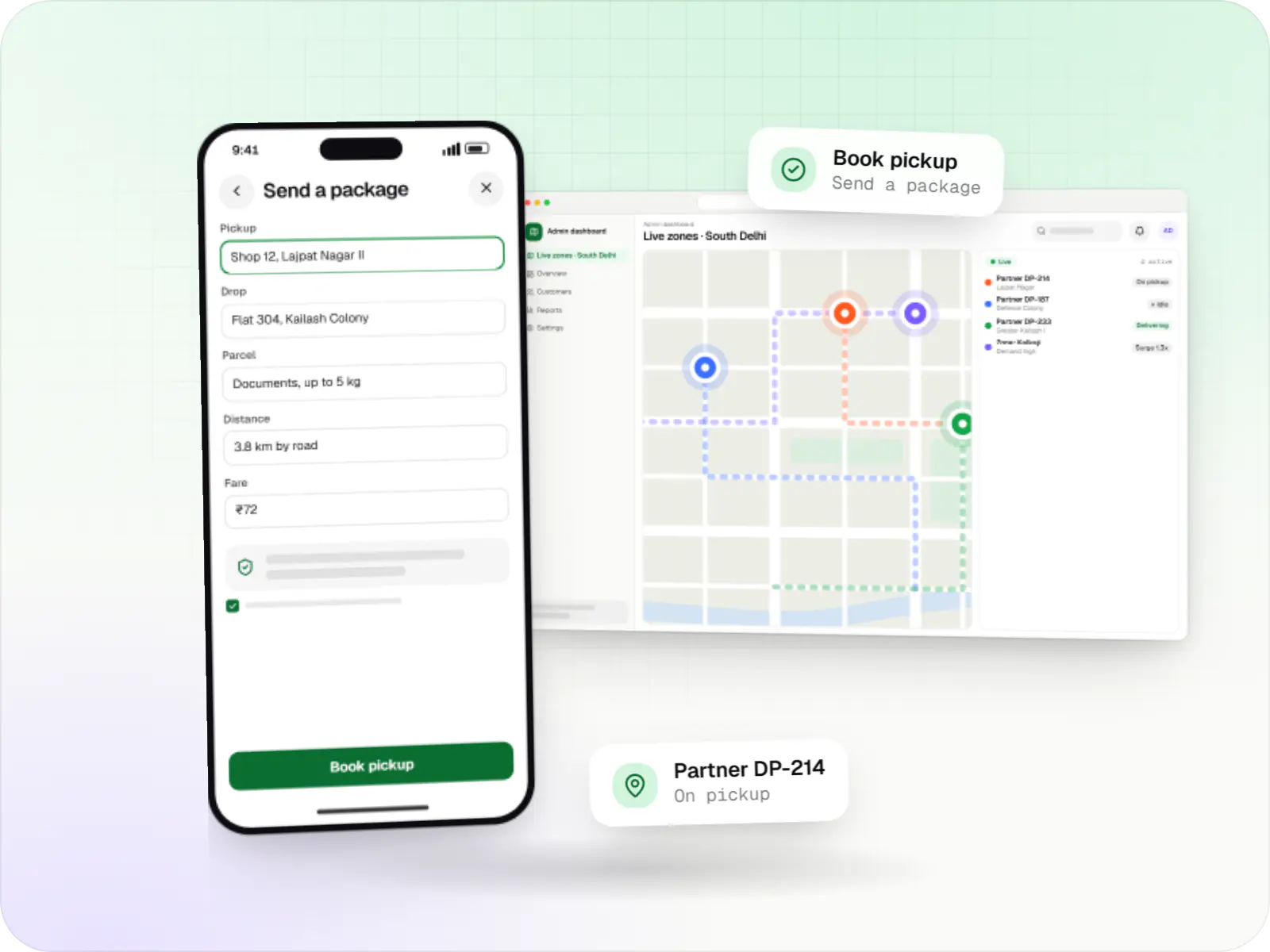
    Fleet & dispatch management SaaS

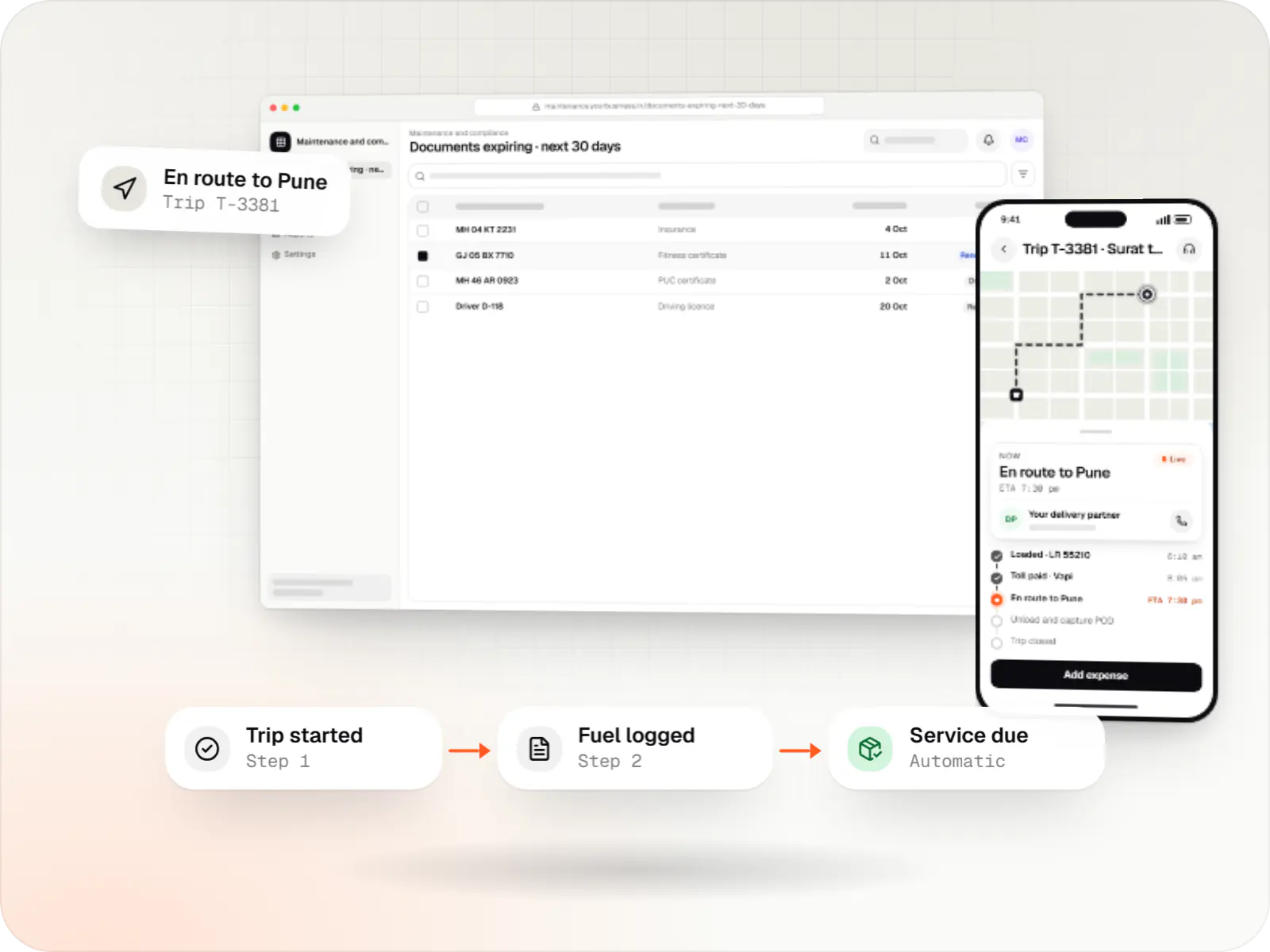
    An illustrative SaaS for businesses running their own vehicles: live dispatch on a map, driver proof of delivery and per-trip billing for each customer.

    • Transportation
    • SaaS

    Runs on

    • Web app
    • Android
    • iOS
    • Cross-platform

    Built with

    • React
    • React Native
    • Node.js
    • PostgreSQL
    • Redis
    • +1 more

FAQ

Frequently asked questions

We use several GPS vendors across owned and hired trucks. Can one system show them all?

Yes. Most GPS vendors provide an API or data push; we pull each feed, convert it to one format and show every vehicle on a single map against its trip. For market vehicles without trackers, we can use driver-app location, consent-based SIM tracking from specialist providers or manual milestones. Mixed-source tracking is less precise than a single vendor, so alerts are tuned to avoid false alarms.

Can the software generate and extend e-way bills automatically?

Yes, through a GST Suvidha Provider or direct API access if you are eligible. E-way bills can be created from lorry receipt or invoice data, vehicle numbers updated when goods are transshipped, and validity extended before expiry. The system watches trip progress and alerts your team when a bill is close to expiring on a delayed trip, so it is extended in time.

Will the driver app work on basic Android phones with poor signal?

That is the design brief. We keep the app small, test it on low-memory Android phones, and store trip data, photos and expenses on the device until a connection returns. Photos are compressed before upload. Screens use large buttons and Hindi or regional languages, and common actions such as start trip, reached and POD take one or two taps. We field-test on real routes before rollout.

Should we buy a transport management system or build one?

If your operations fit a standard TMS and your advantage lies elsewhere, buying is usually faster and cheaper. Building makes sense when billing rules, customer integrations or fleet mix are central to how you win business and products force workarounds. A middle path is common: keep a product for the core and build the driver app, customer portal or billing layer around it.

Next step

Running freight on spreadsheets and phone calls?

Tell us about your fleet, customers and current tools. We will propose a first release with a costed breakdown.

Or reach us directly

Mon–Sat, 10:00–19:00 IST