

Mobile
Flutter
Build Android and iOS apps from one shared codebase, so you launch on both platforms faster with a consistent experience.
Used for
- Mobile apps
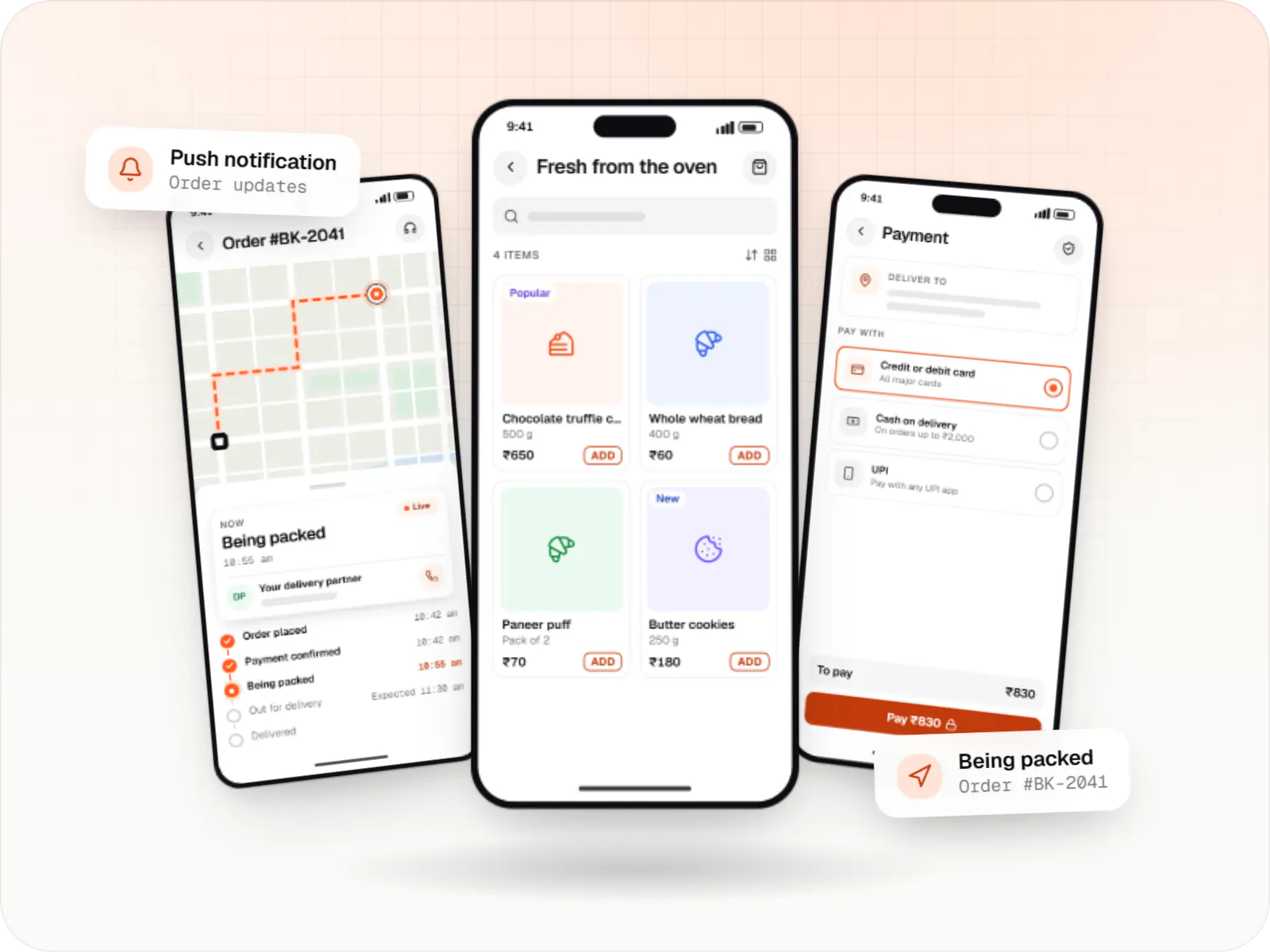
- Delivery apps
- E-commerce apps
- Booking apps
Mobile apps · Healthcare
Patient, doctor and field-staff apps for Android and iOS, engineered for real Indian phones and the privacy health data demands.
This page brings together
Flutter and the related logo are trademarks of Google LLC. We are not endorsed by or affiliated with Google LLC.
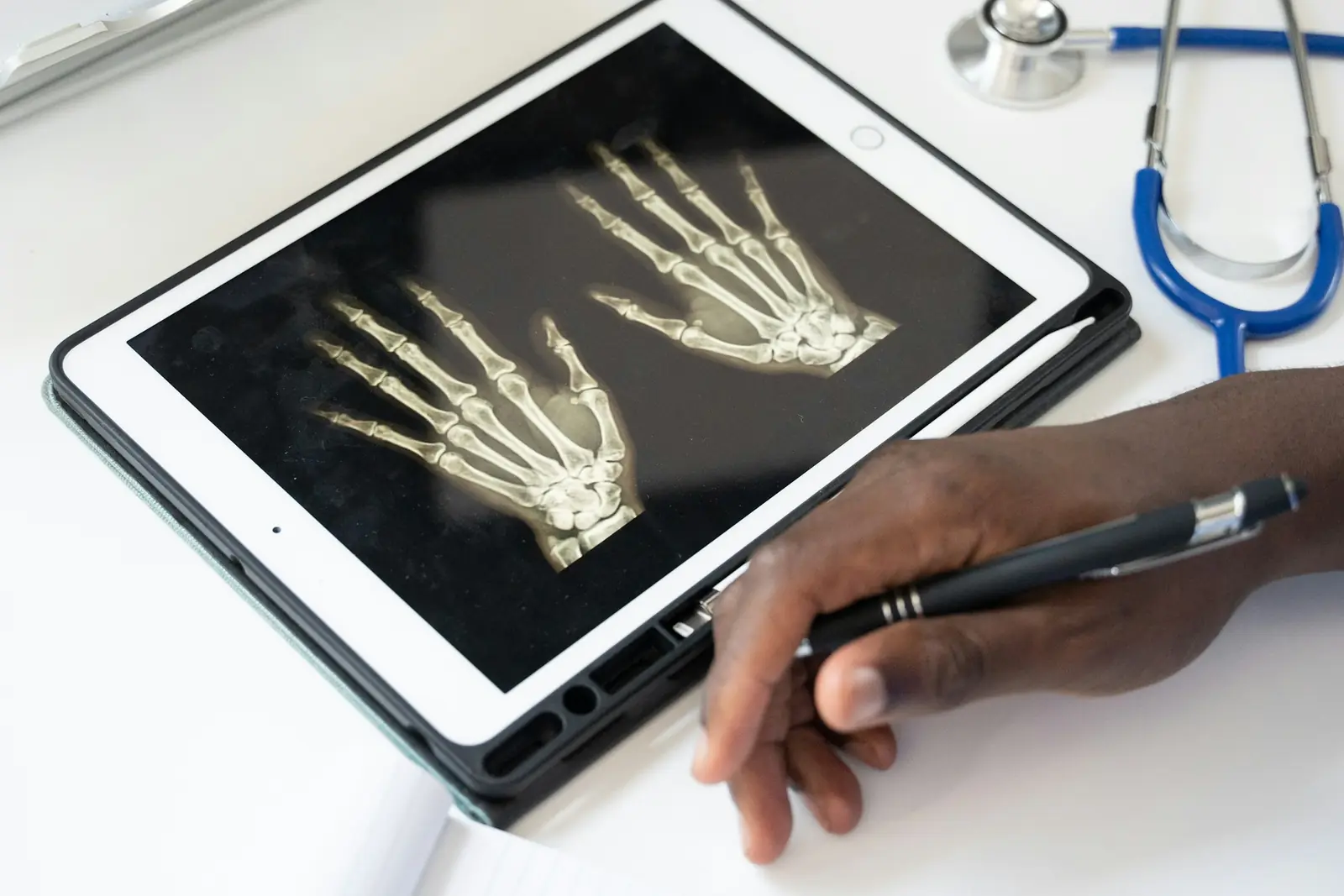
A shopping app that misbehaves loses a sale. A health app that drops a medicine reminder, shows the wrong report or reveals a diagnosis in a notification does real harm. Mobile app development for healthcare therefore puts reliability, privacy and clarity ahead of feature count.
We build patient apps for clinics, labs and hospitals, doctor apps for consultations and prescriptions, field apps for phlebotomists and home-care nurses, and companion apps for health startups. Much of the engineering is invisible: reminders that survive battery optimisation, video calls that degrade gracefully on weak networks, large-text layouts for older users and records encrypted on the device.
Challenges
Some Android brands stop background work and silently kill reminders, so we schedule on the device, use exact alarms where allowed and guide users through brand settings.
Notifications and recent-app screens must not reveal health details to family members.
Large text, simple flows and caregiver access matter more than visual flourish.
Adaptive video, audio fallback and reconnection without losing the session.
What is included
Platform: Android / iOS
Platform: Android / iOS
Platform: Android
Platform: Android / iOS
Privacy & security
Alerts announce an update without naming a test or medicine.
Cached records protected by the Android Keystore or iOS Keychain.
Optional biometric lock, with sensitive screens blocked from screenshots on Android.
Purpose-wise consent, designed with the DPDP Act, 2023 in mind.
Technology
Mobile
Build Android and iOS apps from one shared codebase, so you launch on both platforms faster with a consistent experience.
Used for
Mobile
Build Android and iOS apps in the same language as a React website, so one team can share code and skills across web and mobile.
Used for
Mobile
Apps built specifically for Android, with full access to the phone's hardware, background location and company-managed devices.
Used for
Mobile
Apps built specifically for iPhone and iPad, for when your product needs Apple features or a polished experience for iPhone users.
Used for
Cloud & DevOps
Ready-made building blocks for mobile apps, such as push notifications, phone OTP login and crash reports, so you launch sooner.
Used for
Backend
Runs the server side of apps: fast, scalable back ends that power your app, website and integrations.
Used for
Flutter and the related logo are trademarks of Google LLC. We are not endorsed by or affiliated with Google LLC.
Solutions
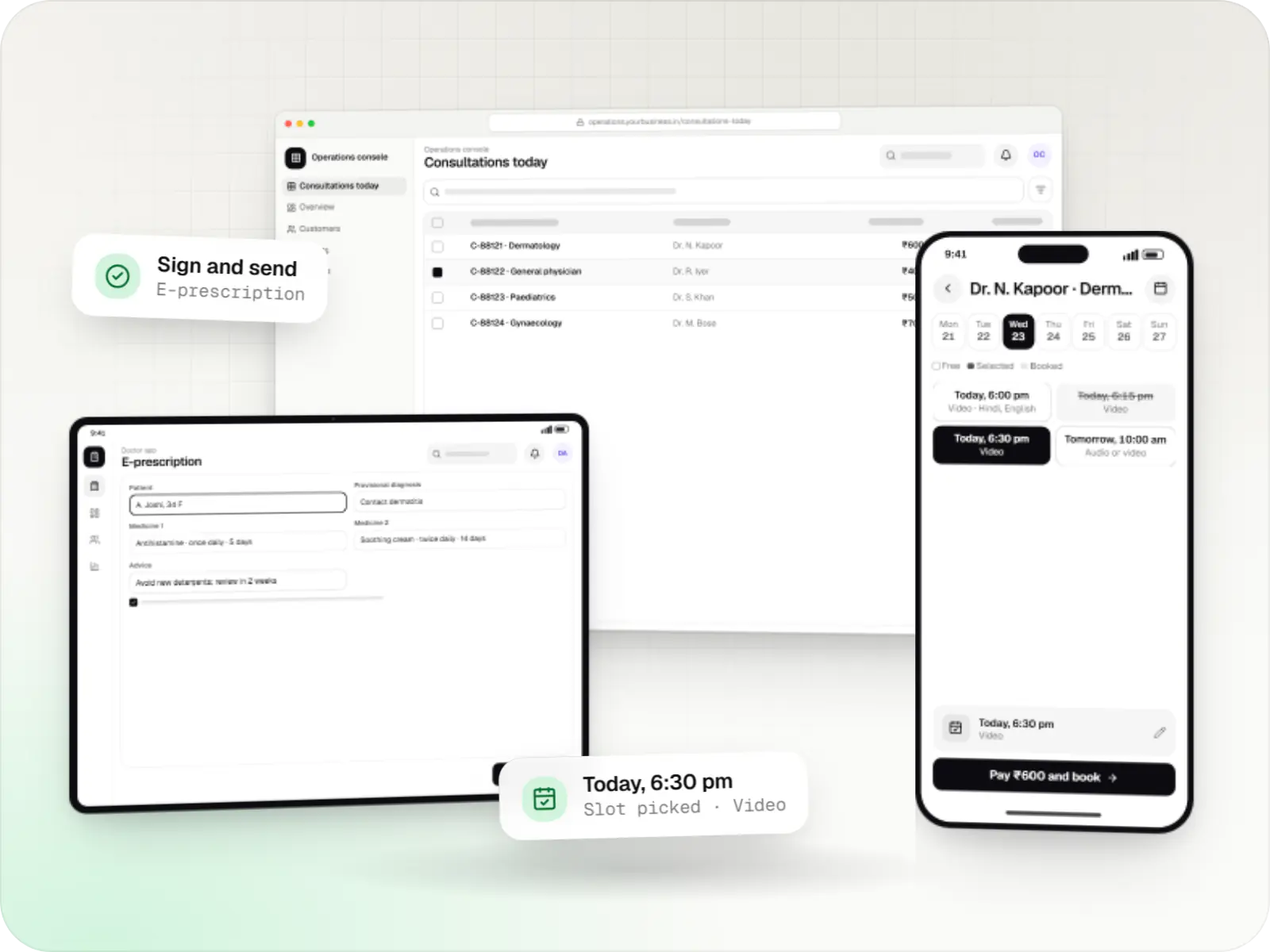
Video, audio and chat consultation platforms with scheduling, e-prescriptions, payments and records, designed around the Telemedicine Practice Guidelines.
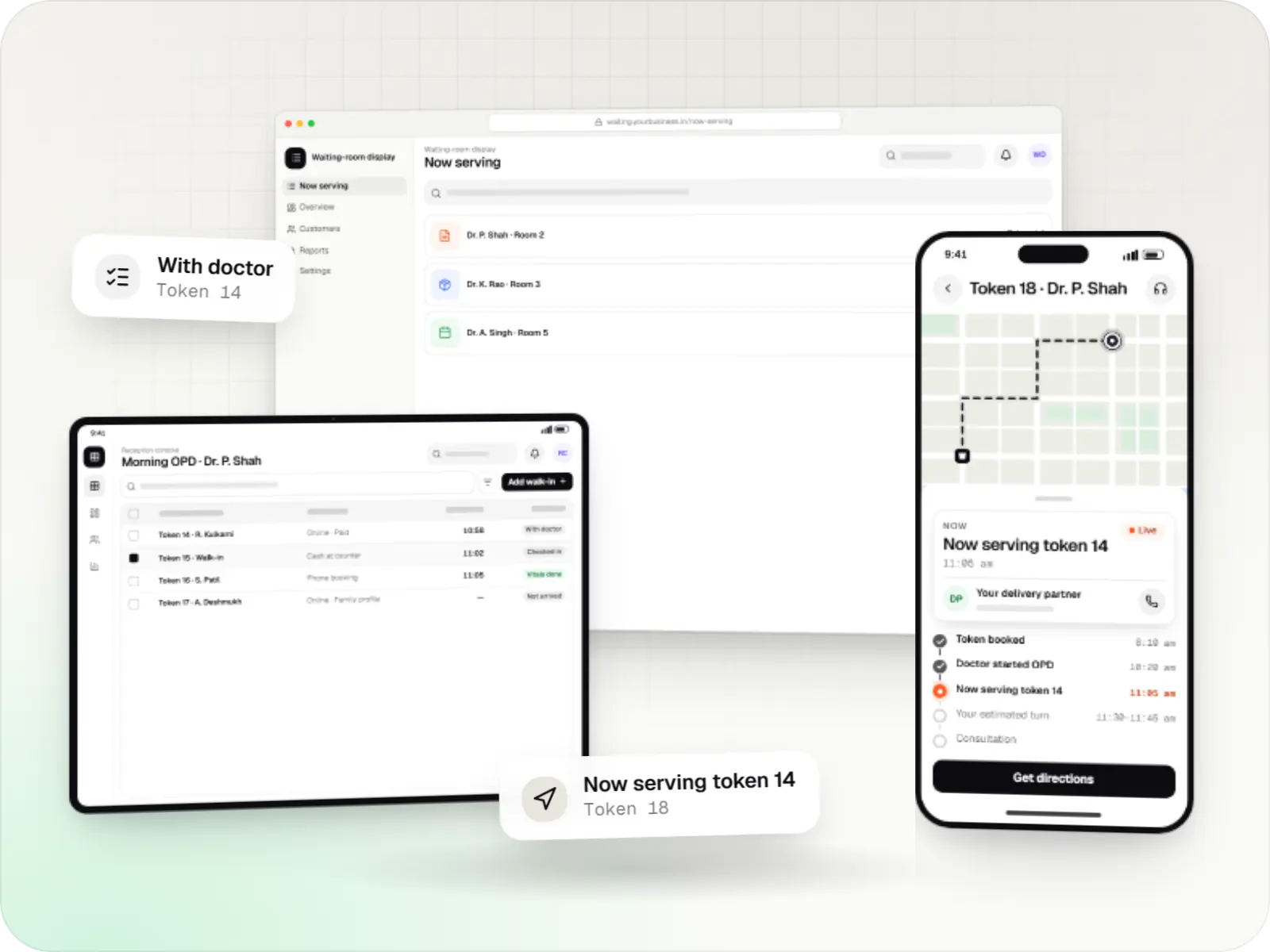
Appointment apps for clinics, polyclinics and hospital OPDs with slot and token booking, live queue status, reminders, prepayment and a reception console.
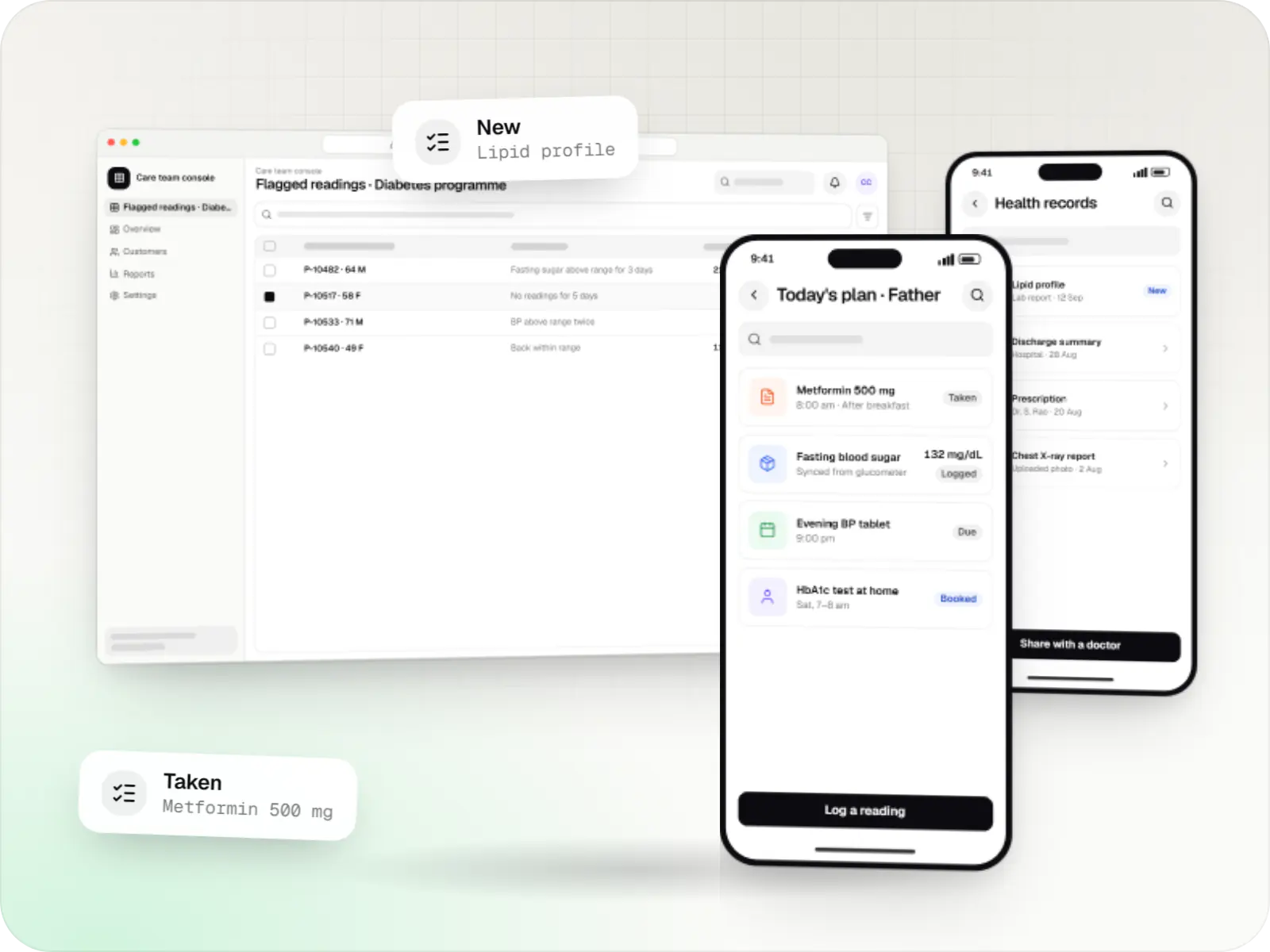
Patient and care-team apps for health records, chronic care programmes, lab bookings, wellness and follow-ups, designed with consent and privacy first.
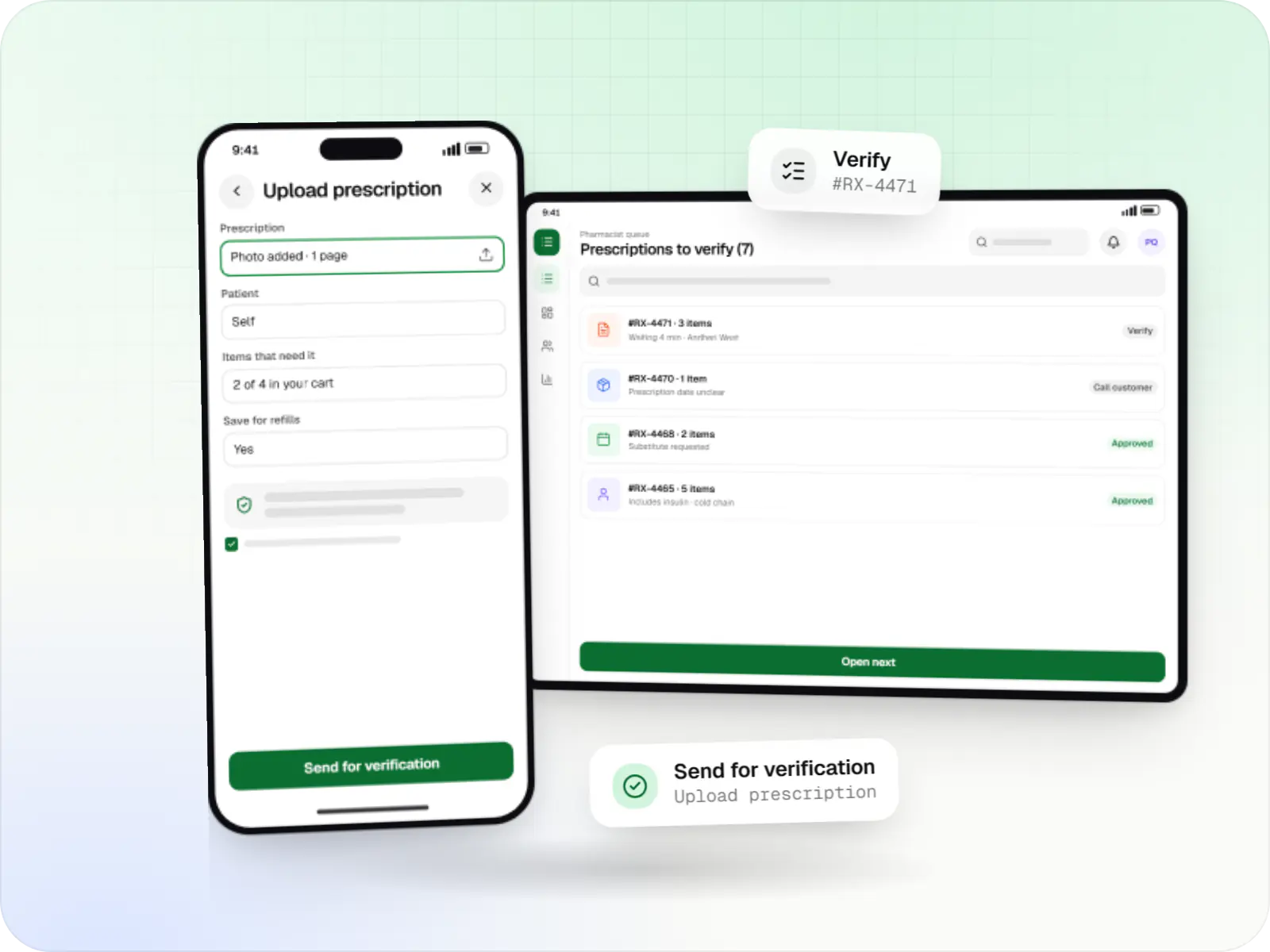
Medicine delivery apps with prescription upload, pharmacist verification, salt-based search, refill reminders and protected health data.
Process
Doctors and operations staff help decide what belongs in the app.
You getFeature map
Every piece of health data, where it lives and which rules apply, including telemedicine prescribing limits.
You getData inventory
Prototypes are tested with real patients, including older users, on mid-range phones.
You getUsability findings
Fortnightly releases, device testing and store submission with health declarations.
You getPublished apps
Cost drivers
Doctor and field-staff apps multiply roles, screens and testing.
A video SDK is quicker than raw WebRTC but adds usage charges.
Each Bluetooth model needs its own data parsing and physical testing.
Linking to an HMS, lab system or ABDM adds server-side work.
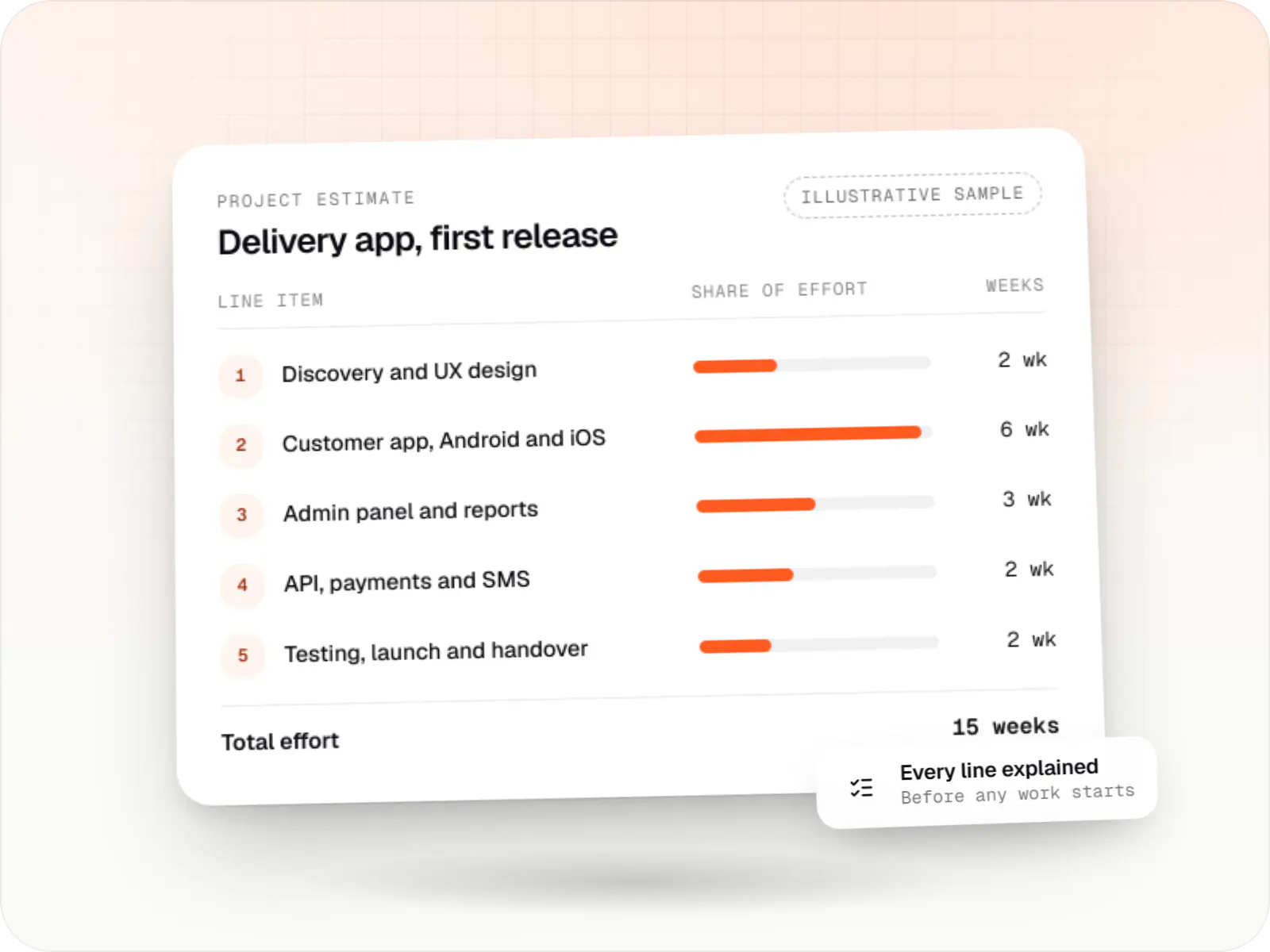
Estimates are written from your scope, with the effort and assumptions behind each line item.
How pricing worksWork
Healthcare software
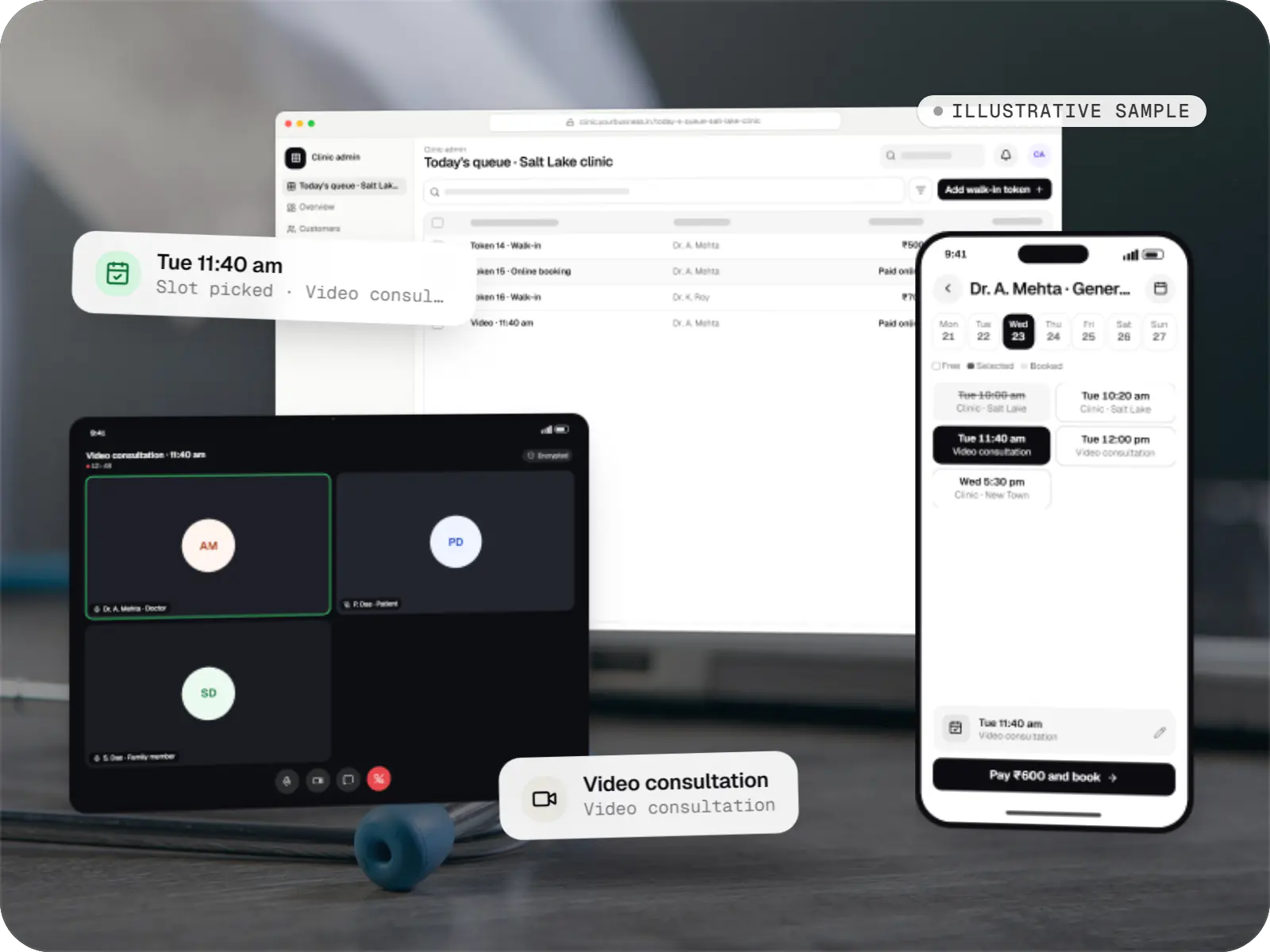
An illustrative patient app, doctor app and clinic admin for in-person and video consultations, with digital prescriptions and consent-based record access.
Runs on
Built with
FAQ
For most patient and doctor apps, Flutter or React Native is a sound choice: one codebase, consistent UI and lower cost. Native Kotlin and Swift make sense when the app leans heavily on Bluetooth devices, background processing or platform health frameworks, where cross-platform plugins can lag. We sometimes combine the two, with a cross-platform app and native modules for device work.
Often, yes. Many devices use Bluetooth Low Energy with standard health profiles that apps can read directly. Others use proprietary protocols that need the manufacturer's SDK, and some sync to Health Connect or HealthKit, which we can read with the user's permission. We check your chosen models early and buy test units, because real device behaviour often differs from the datasheet.
Google Play asks developers to complete a health apps declaration and follow its policies on health data and medical claims; Apple reviews medical apps closely and expects clear disclosures about data use and any regulatory status. Both require accurate privacy labels and a way to delete the account. We prepare these with the release and write review notes with demo accounts.
It depends on what it does. Apps that book appointments, store records or host consultations are generally not treated as medical devices. Software that diagnoses, calculates doses or drives treatment decisions may fall under medical device rules administered by CDSCO, which changes scope, documentation and timeline. We flag features that might cross that line during scoping and suggest confirming with a regulatory adviser.
Next step
Tell us who will use it and what it must do reliably. We will recommend a stack and break down the estimate.